20 Natural Hair Color Styles 2027 with Warm Undertones
Natural Hair Color Styles 2027 for rich brown, deep chocolate, and medium brown with copper undertones. See the looks and save your favorite.

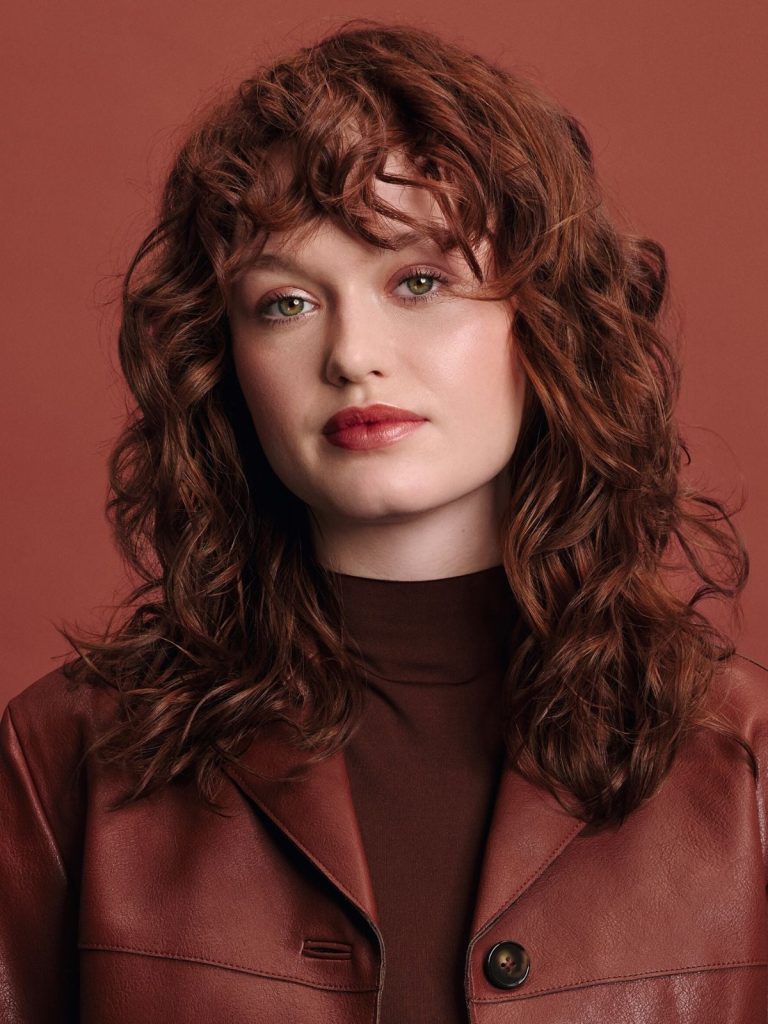
Natural hair color is having a moment that has nothing to do with trying to look like you spent hours at the salon. The shift is toward colors that look like they happened on their own, with soft dimension and a lived-in finish that actually moves with you.
These 20 Natural Hair Color Styles span from rich brunettes to cool ash blondes, with techniques that keep grow-out low and shine high. If your last color left you with a harsh line at the root or highlights that read more stripe than sun-kissed, this collection shows you what to ask for instead.
Medium Brown With Subtle Copper Undertones
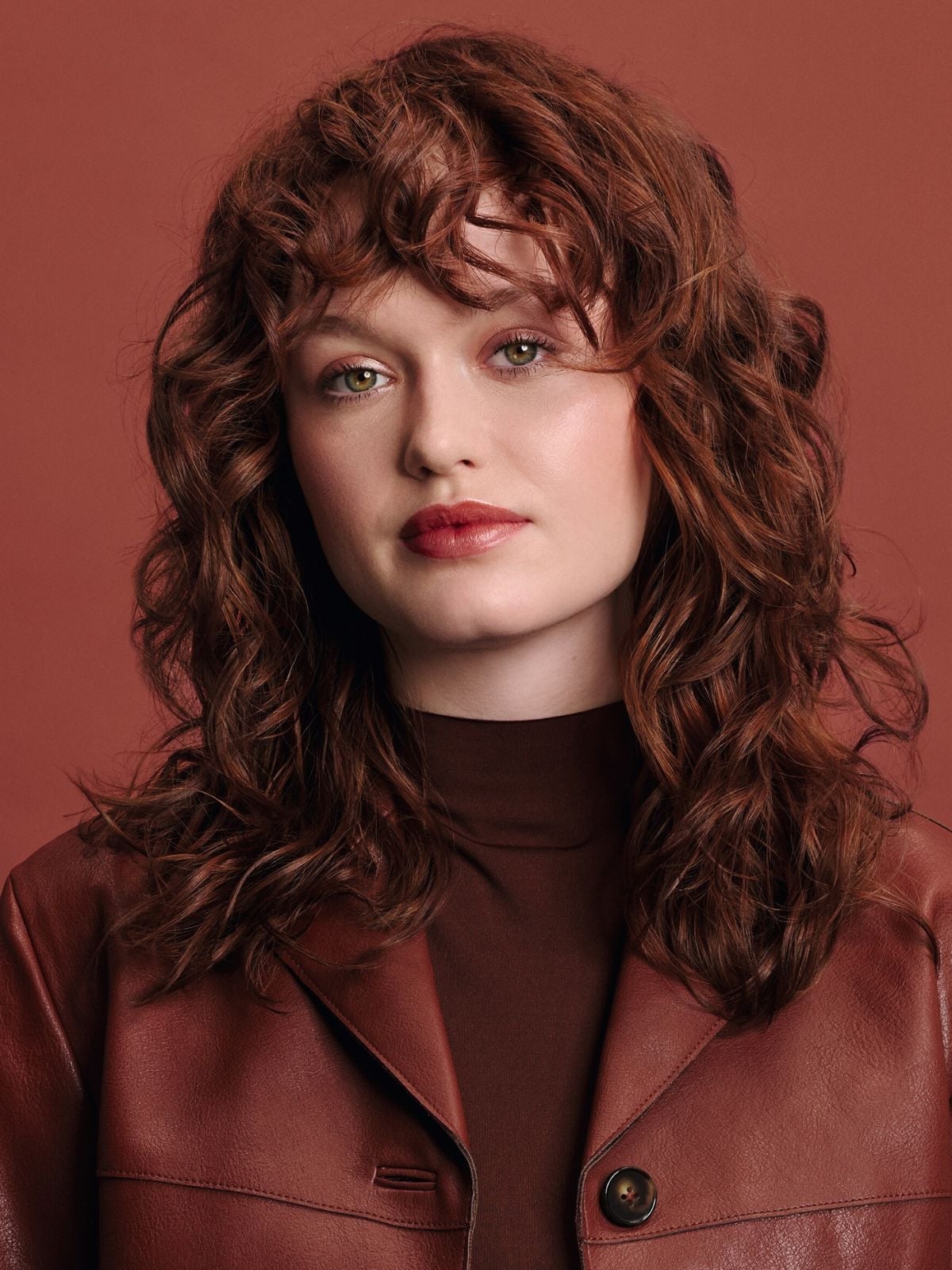
Defined curls catch light differently than straight hair, and with a medium brown base carrying copper undertones, each coil becomes its own tiny highlight. The warmth here is not a loud copper but something closer to a penny in indirect sun, subtle enough that you notice it when you move. Thick, wavy hair at mid-back length with long layers gives the color room to show off. This works well with a middle part on oval or square faces. Ask your colorist for: medium brown with copper undertones, long layers, defined curls. A curl-defining cream and a diffuser are your main tools; expect a trim every six to eight weeks.
Rich Brown With Warm Undertones
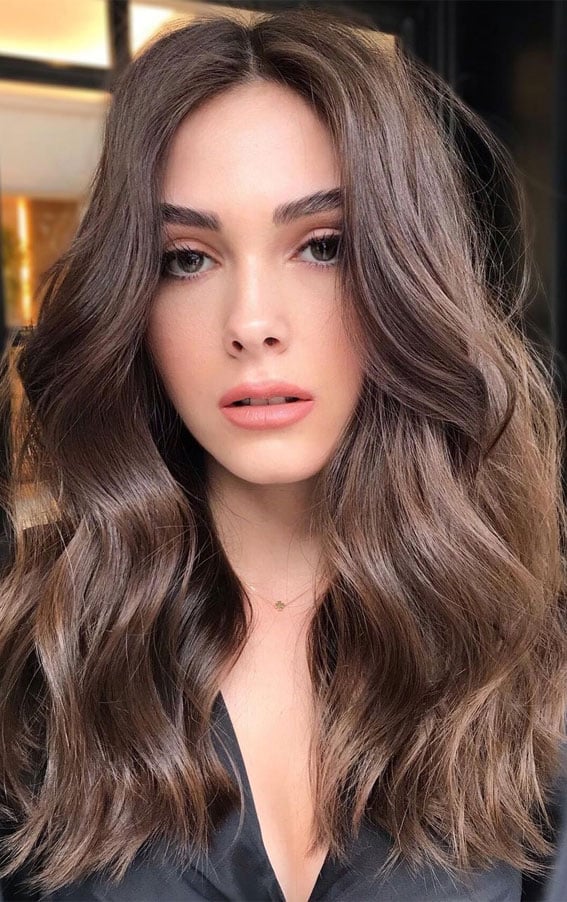
A uniform shade can read flat, but warm undertones in a rich brown create a luminous effect that shifts under light. This is a single-process color with no highlights, relying on the natural depth of the base plus a warm gold or amber undertone to catch reflections. Thick, wavy hair at mid-back length with a middle part carries the gloss well, suiting most face shapes. Ask your colorist for: rich brown with warm undertones, loose waves. Apply a smoothing serum before styling loose waves, and book a clear gloss treatment every eight weeks to keep the shine going.
Dark Brown With Caramel Balayage
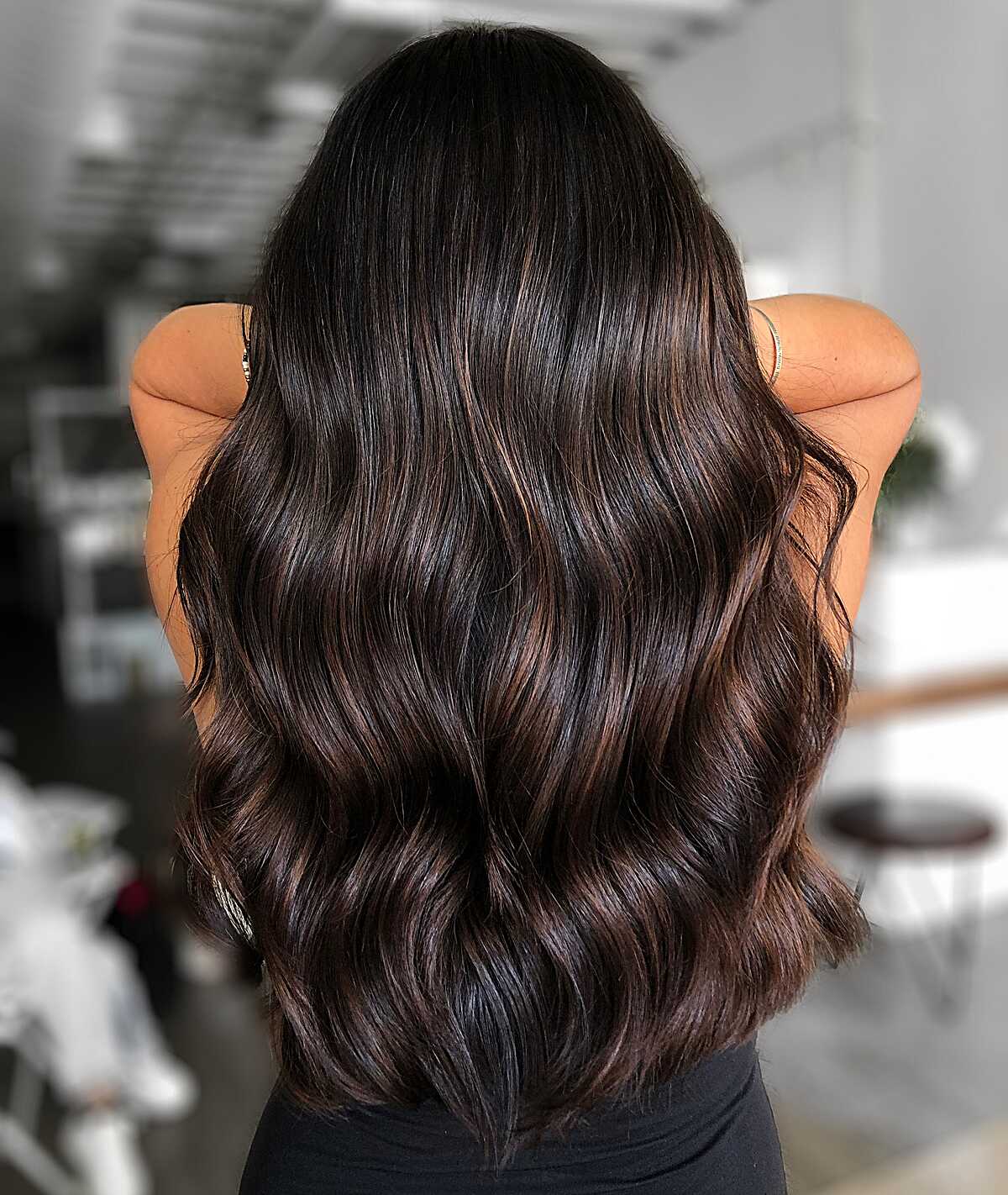
Balayage versus foilyage is a common confusion. Balayage is hand-painted, so the caramel on this dark brown base lands softer and less stripey, fading into a sunkissed effect rather than a series of lines. The dark root stays dark, which means the grow-out is forgiving for round and oval faces with thick, wavy mid-back length hair. Ask your colorist for: dark brown with caramel balayage. If you want dimension without a sharp regrowth line, this is the technique to name.
Deep Chocolate Brown With Subtle Highlights
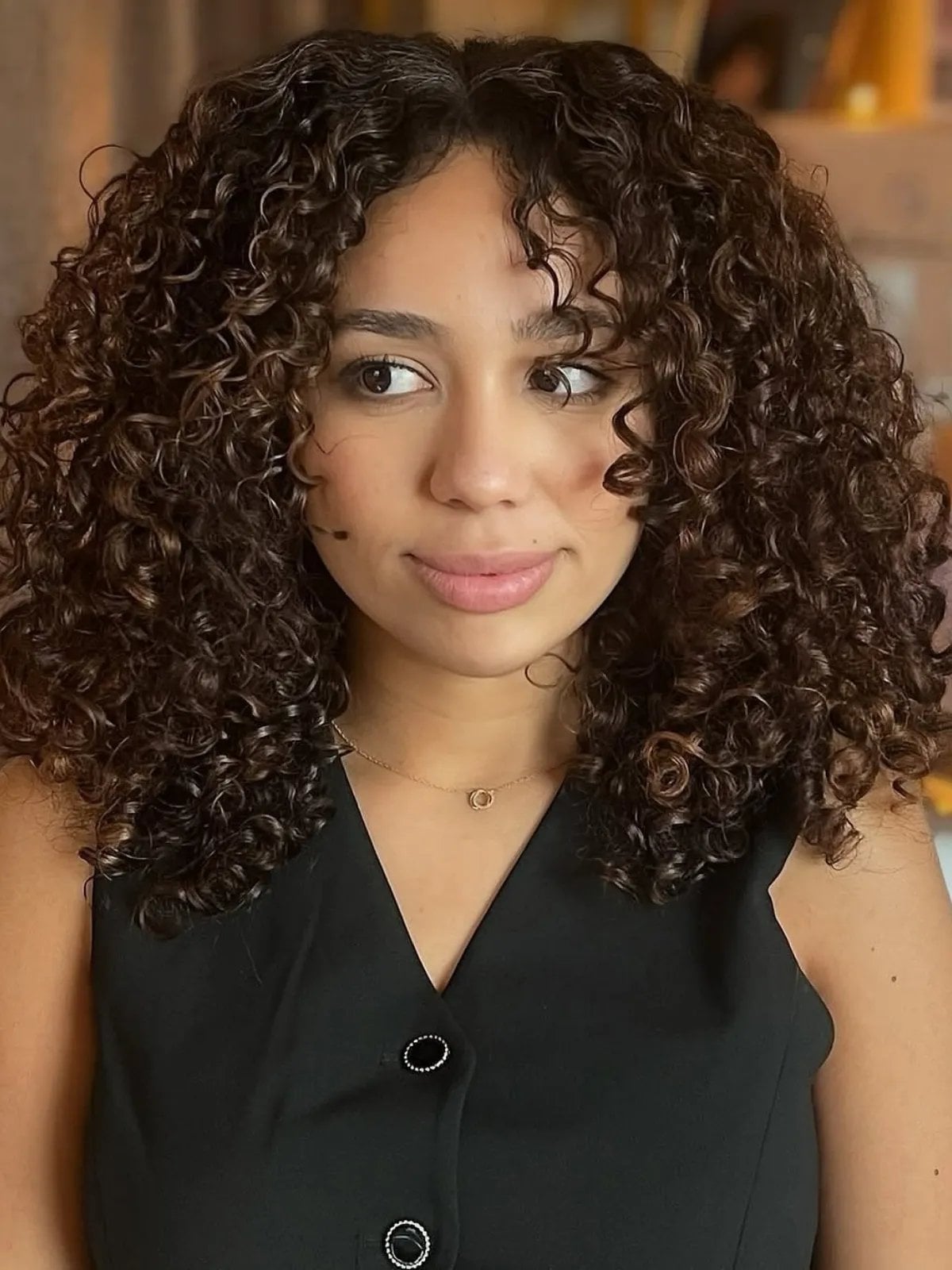
How do you ask for highlights that do not look like highlights? The trick is to request subtle highlights that are only one or two shades lighter than a deep chocolate brown base, placed around the crown and the face. The result is dimension without contrast, a color that reads as rich rather than striped. Voluminous waves with a blowout amplify the effect, and the middle part keeps it balanced. Thick, wavy mid-back length hair suits heart and oval faces. Ask your colorist for: deep chocolate brown with subtle highlights, voluminous waves. A volumizing mousse at the roots before drying adds lift.
Dark Brown With Subtle Caramel Highlights
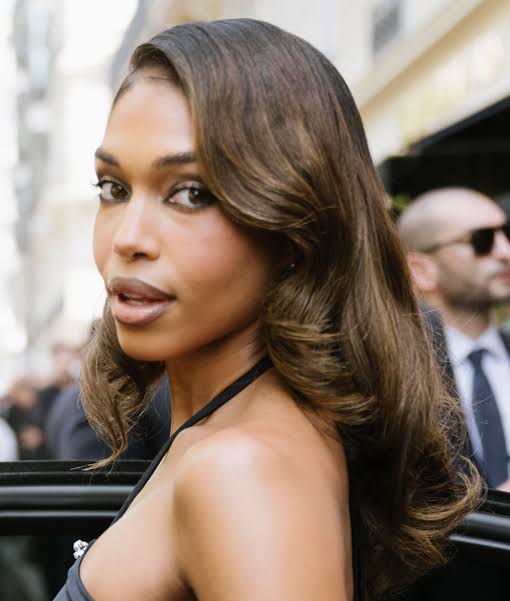
Subtle caramel highlights on a dark brown base give warmth without shifting the overall color into blonde territory. The highlights here are fine and spaced, so the effect reads as natural dimension. The side part adds asymmetry, and voluminous glossy waves from a blowout make the caramel pieces catch light. Thick, wavy hair at mid-back length carries this well, suiting long and oval faces. Ask your colorist for: dark brown with caramel highlights, voluminous waves. Expect a touch-up on the highlights every ten weeks, and apply a heat protectant before blow-drying.
Dark Brown With Lighter Brown Highlights
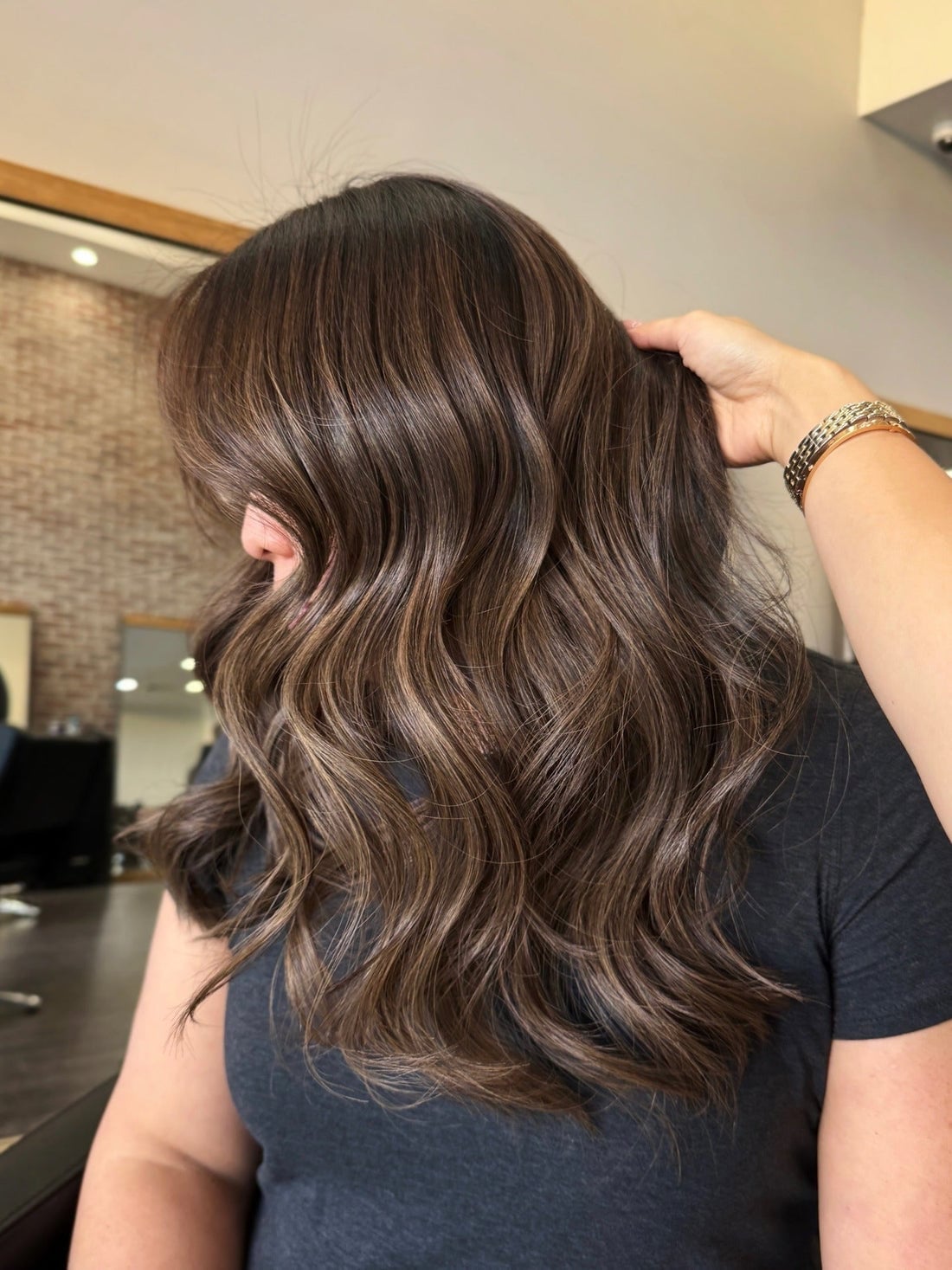
Lighter brown strands woven through a dark brown base create dimension without shifting the overall depth. Thick, wavy hair at mid-back length carries the subtle contrast best; the loose waves help the lighter pieces stand out naturally. Ask your colorist for: dark brown with subtle lighter brown highlights, loose waves. A texturizing spray keeps the wave definition alive between washes, and a trim every six to eight weeks prevents the layers from losing their shape.
Dark Brown With Warm Brown Caramel Highlights, Mid-Back
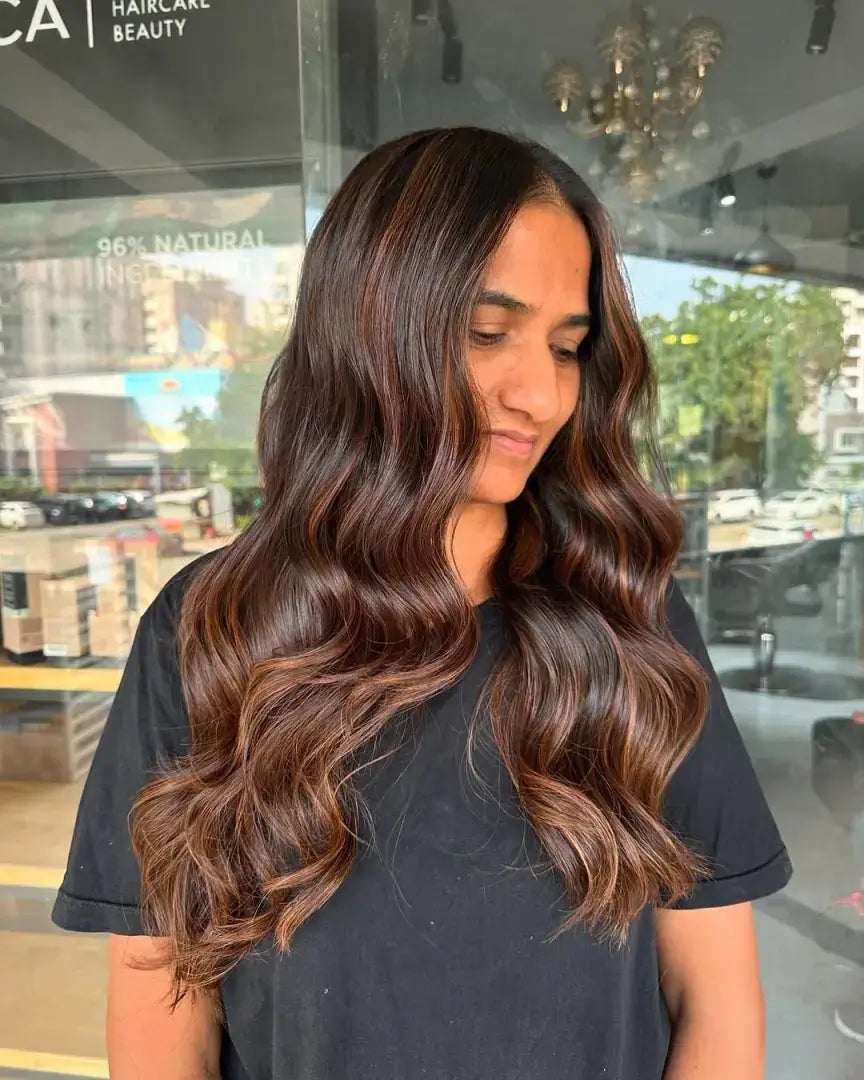
The warm brown and caramel highlights sit close to the dark base for a sun-warmed effect. Thick, wavy hair at mid-back length gives the long layers enough weight to hold soft movement. Ask your colorist for: dark brown with warm brown and caramel highlights, long layers. Oval and heart-shaped faces benefit from the vertical lines the layers create. A leave-in conditioner keeps the gloss intact, and a trim every six to eight weeks keeps the ends from thinning out.
Brunette With Caramel Ash Blonde Highlights
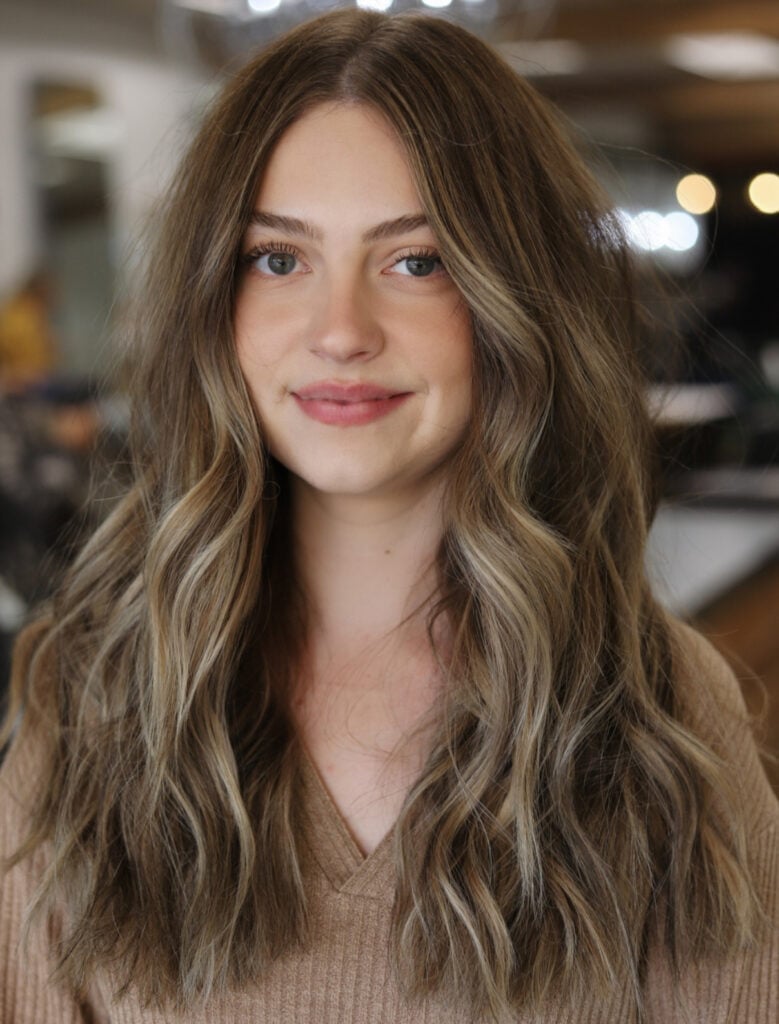
Caramel brings warmth; ash blonde brings cool restraint. On a brunette base, the two tones sit next to each other, which gives the hair a textured, airy feel. Thick, wavy hair at mid-back length shows off the contrast best, especially with long layers and a middle part. Ask your colorist for: brunette with caramel and ash blonde highlights, long layers. A round face gets softened by the vertical layering, while an oval face can wear the middle part without looking severe. A toner every eight to ten weeks keeps the ash blonde from pulling yellow.
Dark Brown With Warm Coffee Highlights
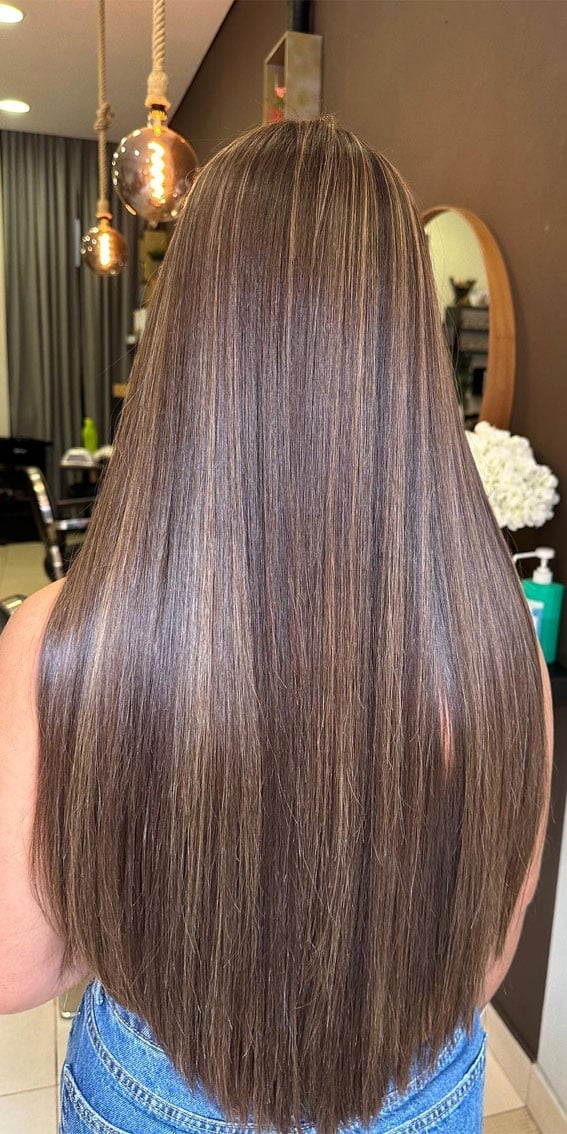
Warm coffee highlights on a dark brown base are subtle enough to pass for natural growth, but they add enough lift to keep the hair from reading flat. Thick, straight hair at mid-back length shows the dimension clearly without needing curl to sell it. Ask your colorist for: dark brown with warm coffee highlights, straight style. A shine serum replaces the gloss that straight styling can mute, and a trim every eight to ten weeks keeps the layers from looking ragged. The highlights fade gradually, so the grow-out is low-maintenance.
Medium Brown With Caramel Highlights And Curtain Bangs
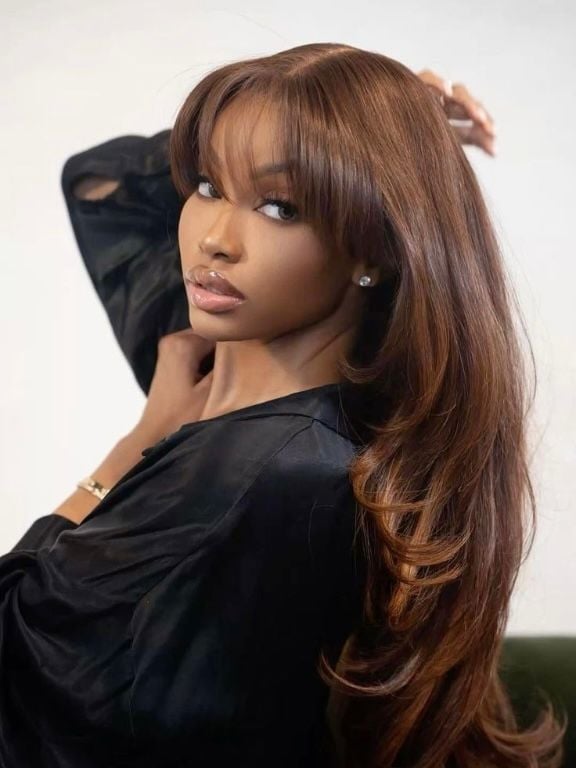
A medium brown base with subtle caramel highlights keeps the color from going flat, and curtain bangs are cut long enough to blend into the length. Thick, wavy hair at mid-back length suits the soft, face-framing effect. Ask your colorist for: medium brown with caramel highlights, curtain bangs. The fringe softens round and heart-shaped faces. A round brush and a blow dryer are all you need to style the bangs, and a trim every four to six weeks keeps them at the right weight.
Vibrant Copper Base With Lighter Highlights
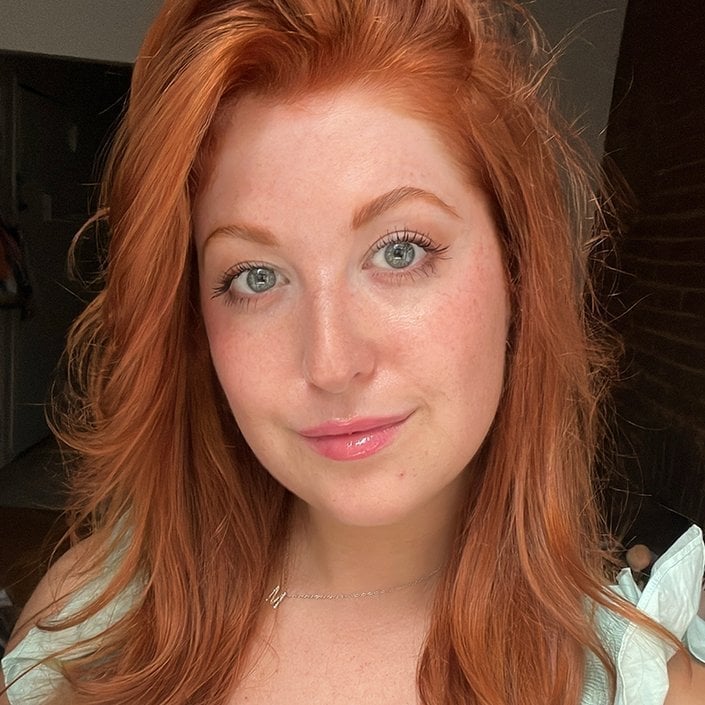
The design hinges on contrast: a vibrant copper base that stays rich at the roots while lighter pieces catch the light through the waves. It’s a technique that builds dimension without turning brassy, which is the usual risk with copper. The collarbone length and curtain bangs keep the color from overwhelming, and wavy, medium-density texture gives the highlights somewhere to move. Ask your colorist for: vibrant copper base with subtle highlights, curtain bangs. Suits round and oval faces, and medium-density hair that can carry the brightness without looking flat.
Ash Blonde With Face-Framing Layers
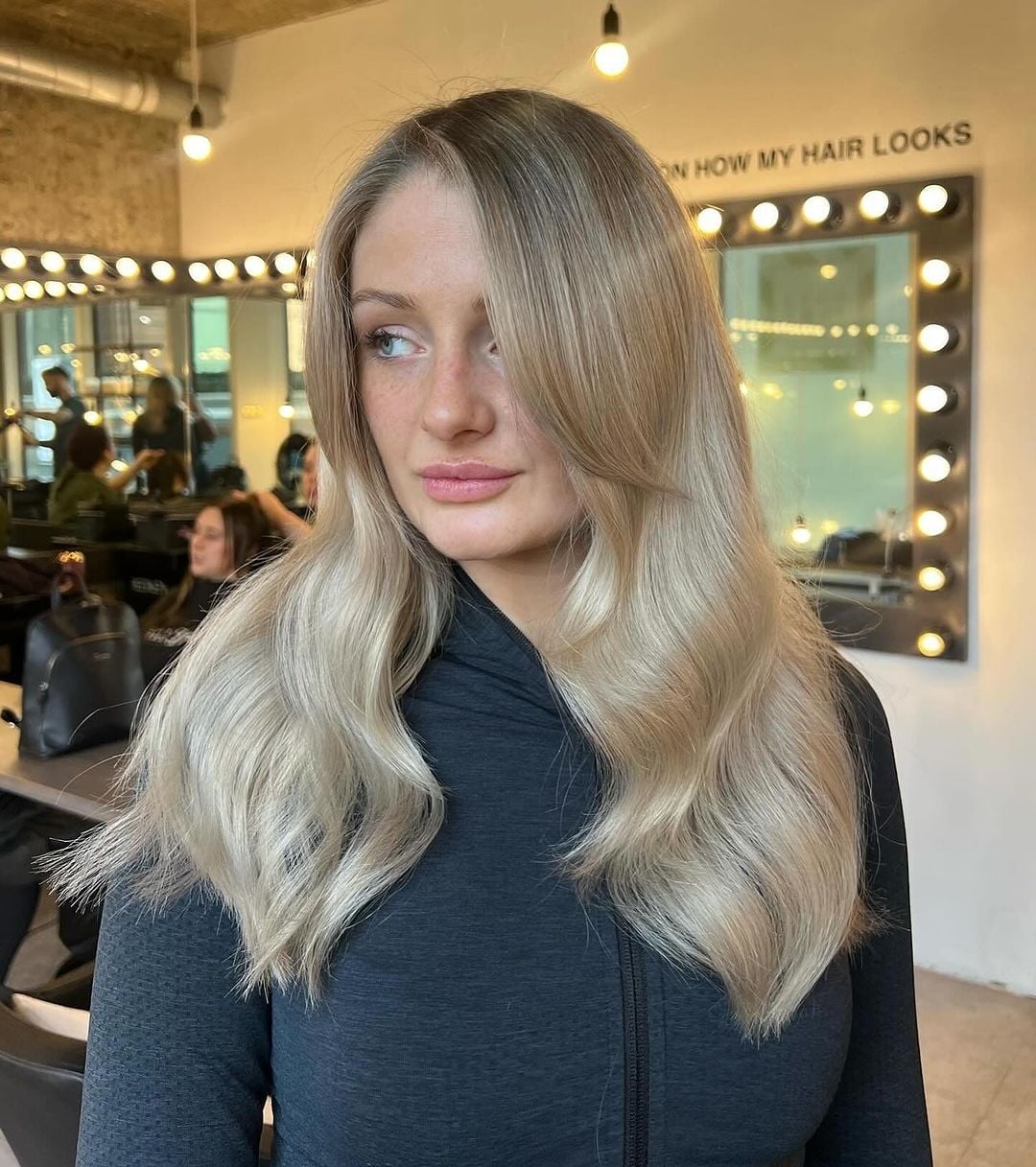
Ash blonde with subtle highlights looks cool and understated, but it is a tone that demands commitment. The face-framing layers soften square or angular jawlines while the collarbone length keeps the whole thing wearable. This works best on medium-density, wavy hair that has enough body to hold the shape. Ask your colorist for: ash blonde with subtle highlights, face-framing layers. A purple shampoo is essential for keeping brassiness at bay, and the layers need a trim every six to eight weeks.
Fine Wavy Ash Blonde With Curtain Bangs
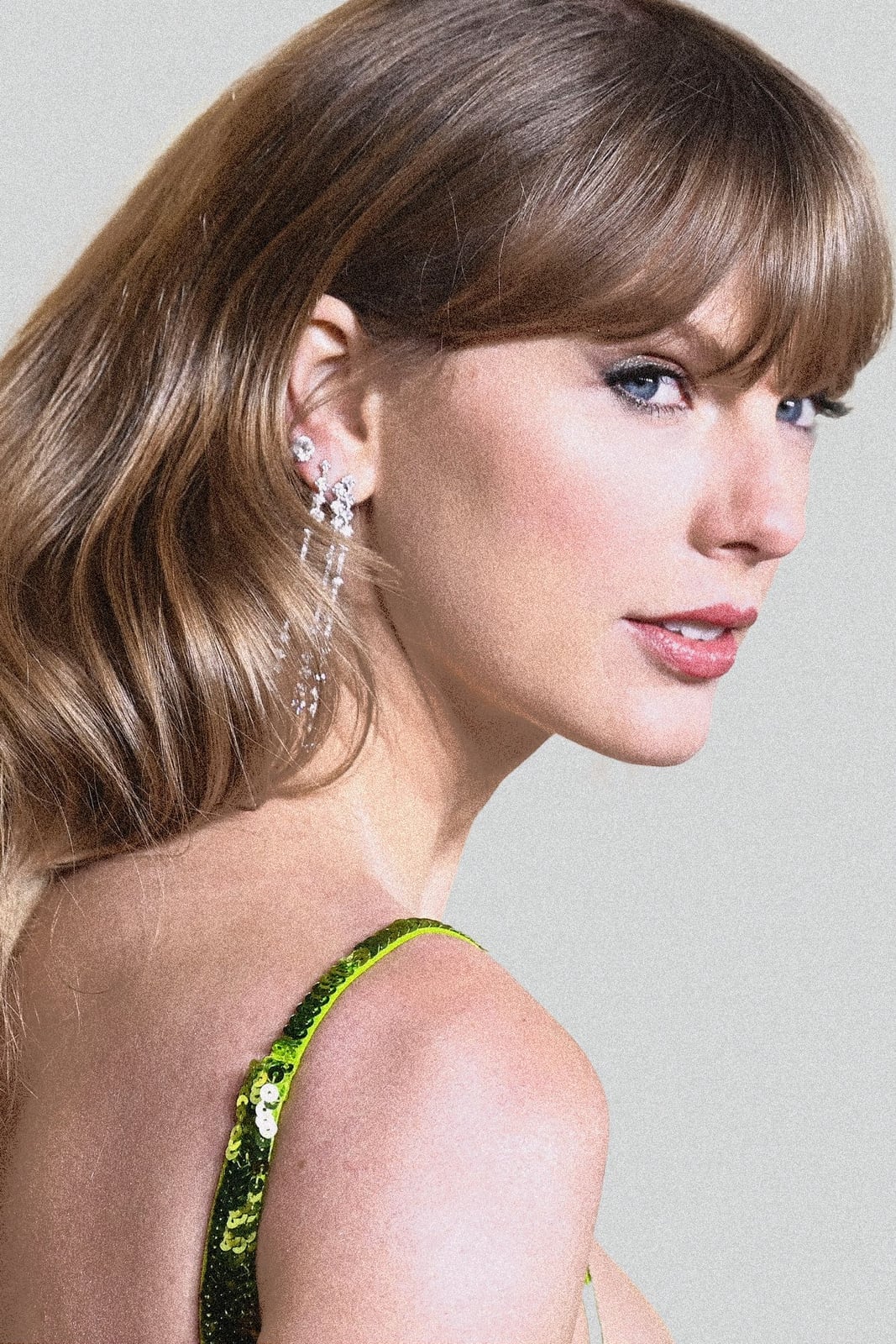
Fine, wavy hair in ash blonde with curtain bangs is a study in trade-offs. The bangs soften the face and give fine hair a sense of movement, but they also expose every strand’s natural tendency to lie flat. The collarbone length helps, as does the blowout styling that adds volume at the roots. This is a salon-leaning color, not a DIY project: ash tones need a skilled hand to avoid turning muddy or green. The honest drawback is upkeep. Curtain bangs on fine hair need a trim every six to eight weeks, and the ash tone requires a toning session every four to six weeks to stay true. Ask your colorist for: ash blonde with subtle highlights, curtain bangs for fine hair.
Collarbone Layers With Blonde Balayage
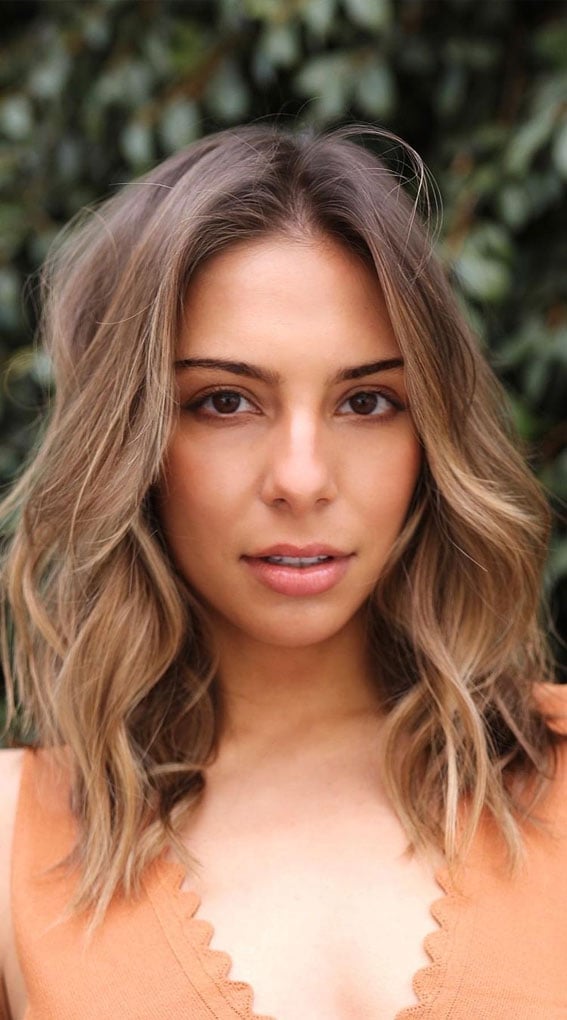
Blonde balayage on a medium brown base gives a sun-kissed effect that foil highlights can’t replicate. The difference is in the application: balayage paints color onto the surface of the hair, so the grow-out line is softer and the contrast is gentler. On a collarbone cut with layers, the blonde follows the wave movement for a natural look. It suits oval and heart faces, and medium-density wavy hair holds the shape well. Ask your colorist for: medium brown with blonde balayage, collarbone layers. A toner every eight to ten weeks keeps the blonde from drifting too warm.
Collarbone Lob With Natural Highlights
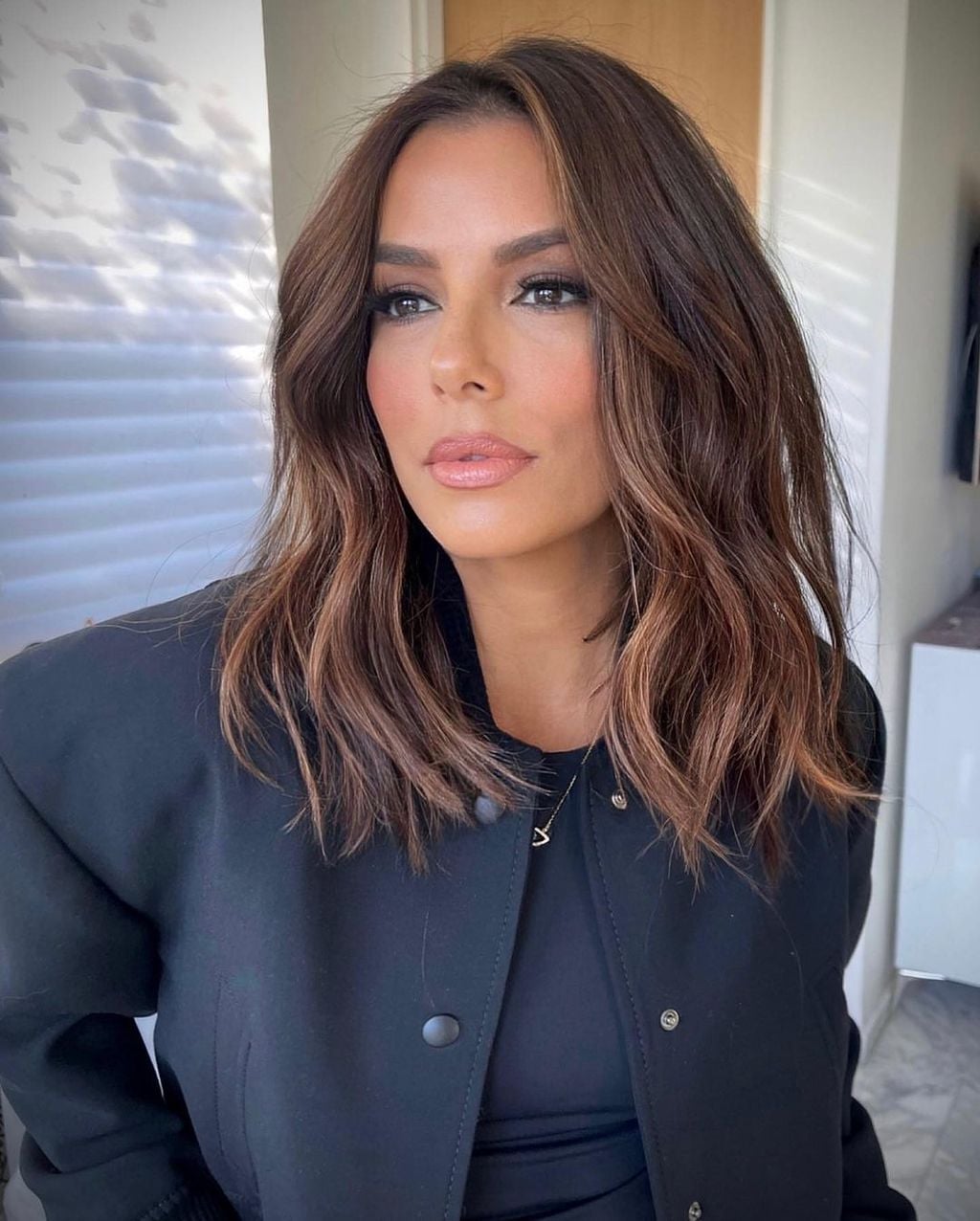
This is the low-commitment end of the spectrum: a medium brown lob with subtle highlights that mimic the sun’s work, not the stylist’s. The air-dried wavy texture is the point, so there’s no heat styling required, just a middle part and a bit of luck with the humidity. The collarbone length suits most face shapes, and medium-density hair gives the waves enough body to hold. Ask your colorist for: collarbone lob with natural highlights, air-dried finish. Highlights need a refresh every ten to twelve weeks, and the lob itself holds its shape for about six to eight weeks between trims.
Natural Blonde With Lighter Blonde Highlights
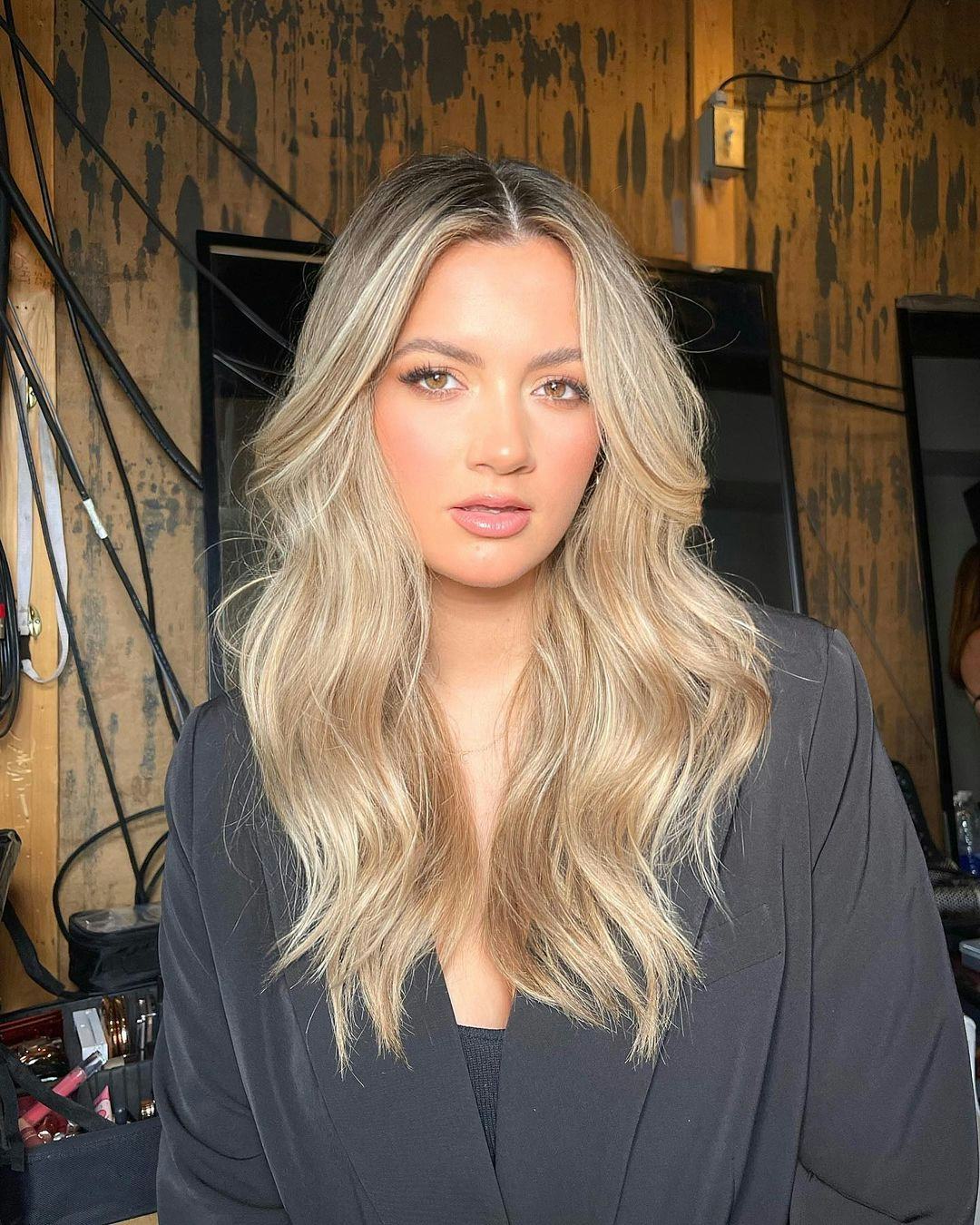
This mid-back length hair starts with a natural blonde base, then adds subtle lighter blonde highlights that land softly. Ask your colorist for: natural blonde with lighter blonde highlights, blended. The technique works best on thick, wavy texture and a middle part, with the highlights painted close to the root for a lived-in grow-out. A toner every six to eight weeks keeps the blonde from pulling brassy, and a texturizing spray helps the wave pattern hold its shape through day two.
Dark Brown Base With Ash Blonde Balayage
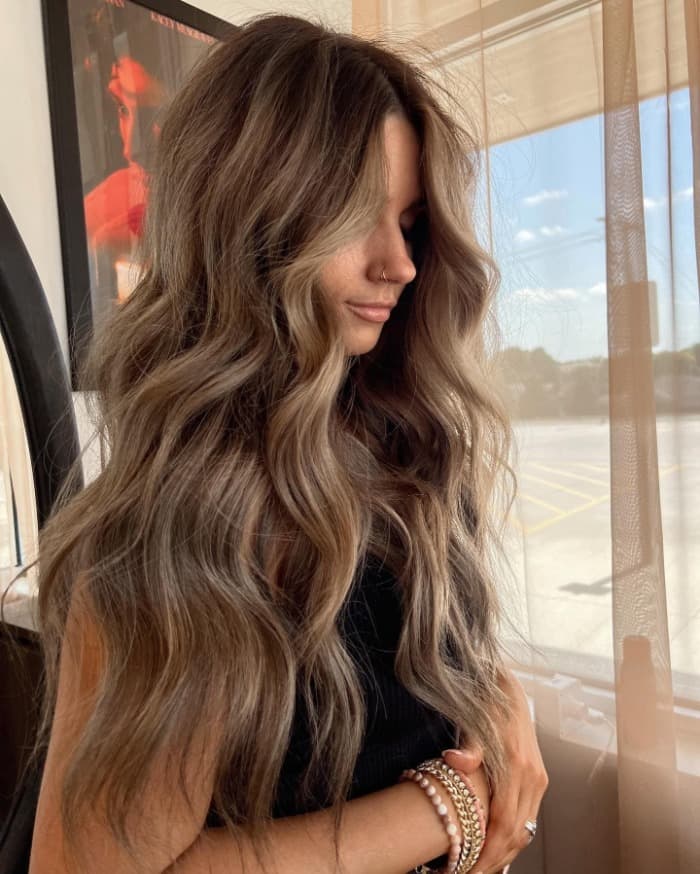
A balayage is painted freehand, so the ash blonde pieces land where natural light would hit the hair. Here a dark brown base meets ash blonde from mid-lengths to ends, with the side part letting the cooler tone catch the eye. Ask your colorist for: dark brown base with ash blonde balayage. Thick, wavy texture at mid-back length carries the contrast without looking stripey. The grow-out is nearly invisible, which is the reason balayage stays popular. A purple shampoo once a week helps the ash tone stay cool rather than warming up over time.
Dark Brown With Lighter Brown Highlights Side Part
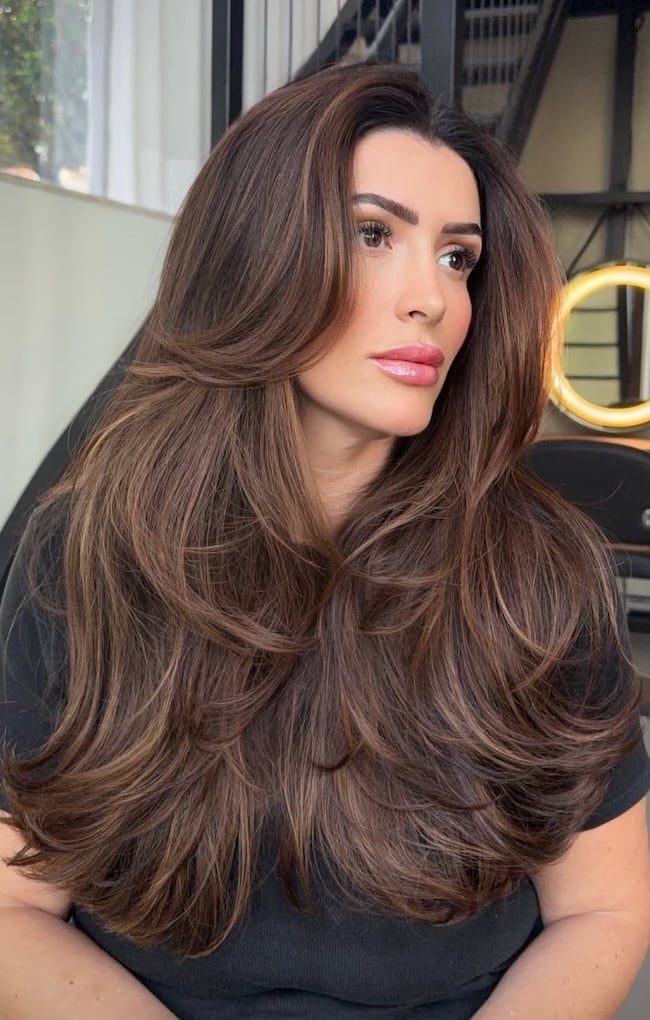
The side part pulls the eye diagonally across the face, which suits oval and long face shapes best. The dark brown base stays deep while subtle lighter brown highlights sit mostly on the top layer, so the dimension looks natural. Ask your colorist for: dark brown with subtle lighter brown highlights, side part. Thick, wavy hair at mid-back length with long layers gets volume from the blowout without needing extra product. A trim every six to eight weeks keeps the layers from losing their shape.
Mid-Back Blue Black With Subtle Layers
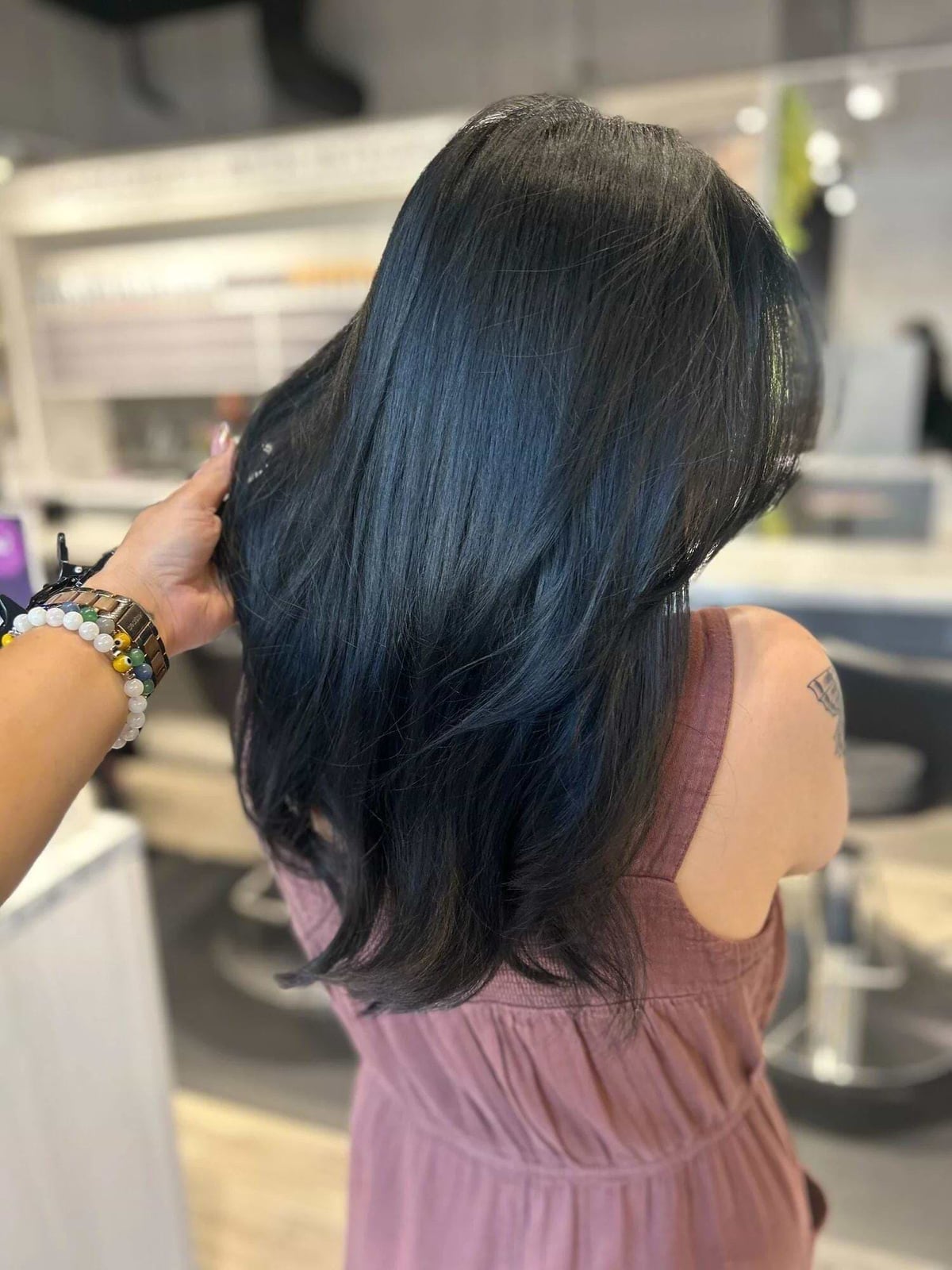
Blue black is not a low-commitment color. It is a salon-only process that requires a deep conditioning treatment every week to keep the cuticle smooth and the shine intact. The payoff is a glossy finish that looks expensive, especially on thick, straight texture at mid-back length. Ask your colorist for: blue black with subtle layers. Fading shows faster on dark shades, so you will need a gloss or color refresh every four to six weeks. If you swim or use heat often, expect the blue tone to fade first.
Mid-Back Shag With Vibrant Copper Red
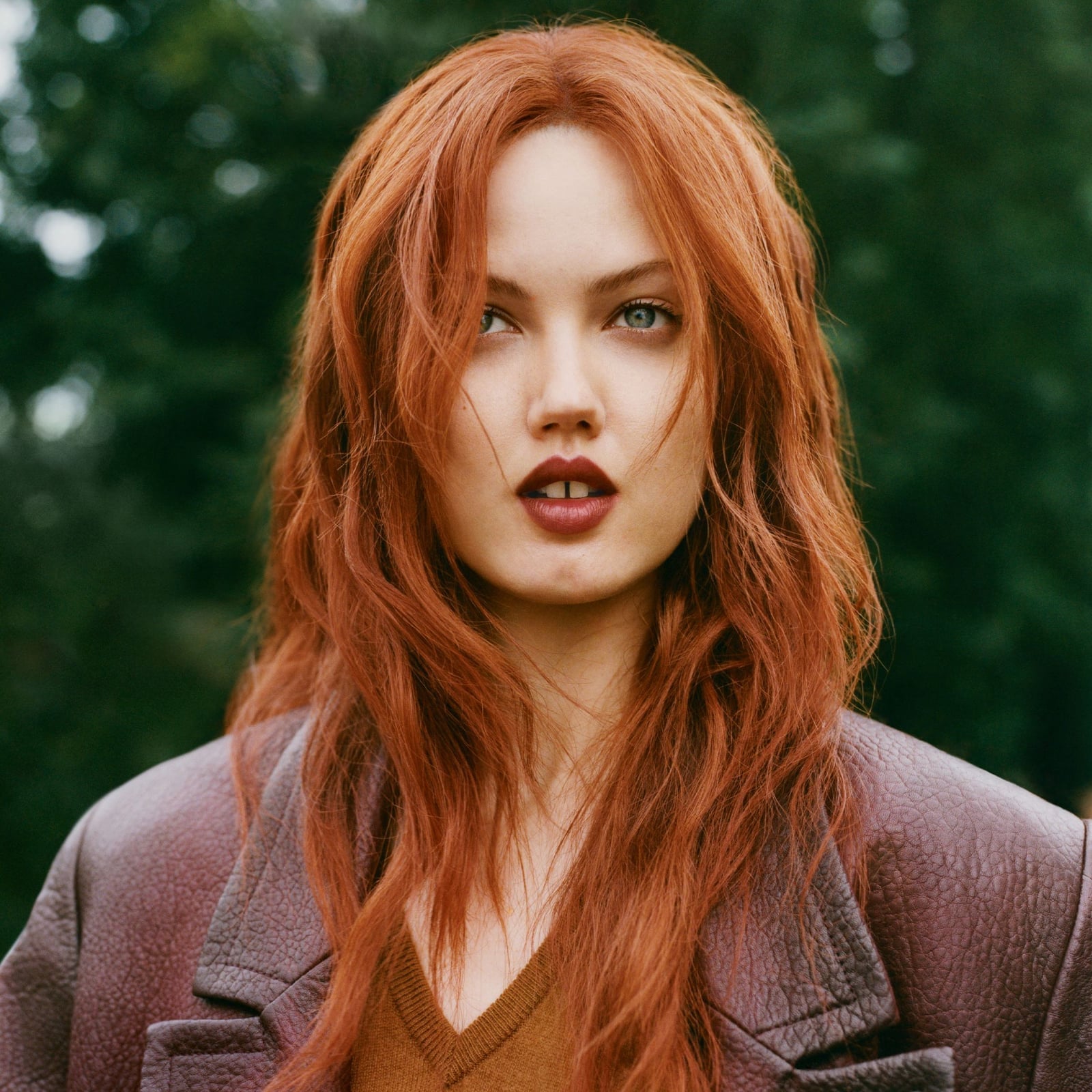
A shag with full bangs and a vibrant copper red is a lot of decisions in one haircut, and that is the appeal. The layered shag cut creates movement through the mid-back length, while the full bangs anchor the look around the face. Ask your stylist for: mid-back shag with full bangs, vibrant copper red. Thick, wavy texture suits the shag best because the natural wave keeps the layers from lying flat. The copper red works particularly well for autumn, when the warm tone feels seasonally appropriate. The fringe needs a trim every four to six weeks to stay out of the eyes.
Final Thoughts
Stick to tones within two shades of your natural base for the most believable result. Balayage and babylights keep the grow-out soft, so you can stretch salon visits without the demarcation line. Adjust your routine from there.
- Maintain color vibrancy with sulfate-free shampoos; wash hair 2-3 times per week.
- Apply a color-depositing conditioner or gloss treatment every 4-6 weeks to refresh tones.
- Use heat protectant spray before styling to preserve color and hair health.
- Trim ends every 8-10 weeks to prevent split ends and maintain shape.
Embrace the subtle art of natural hair color.


