Benefits of Cycling for Women (and How to Start)
Discover the incredible benefits of cycling for women's health and fitness. Learn how to start cycling safely and effectively, indoors or outdoors.

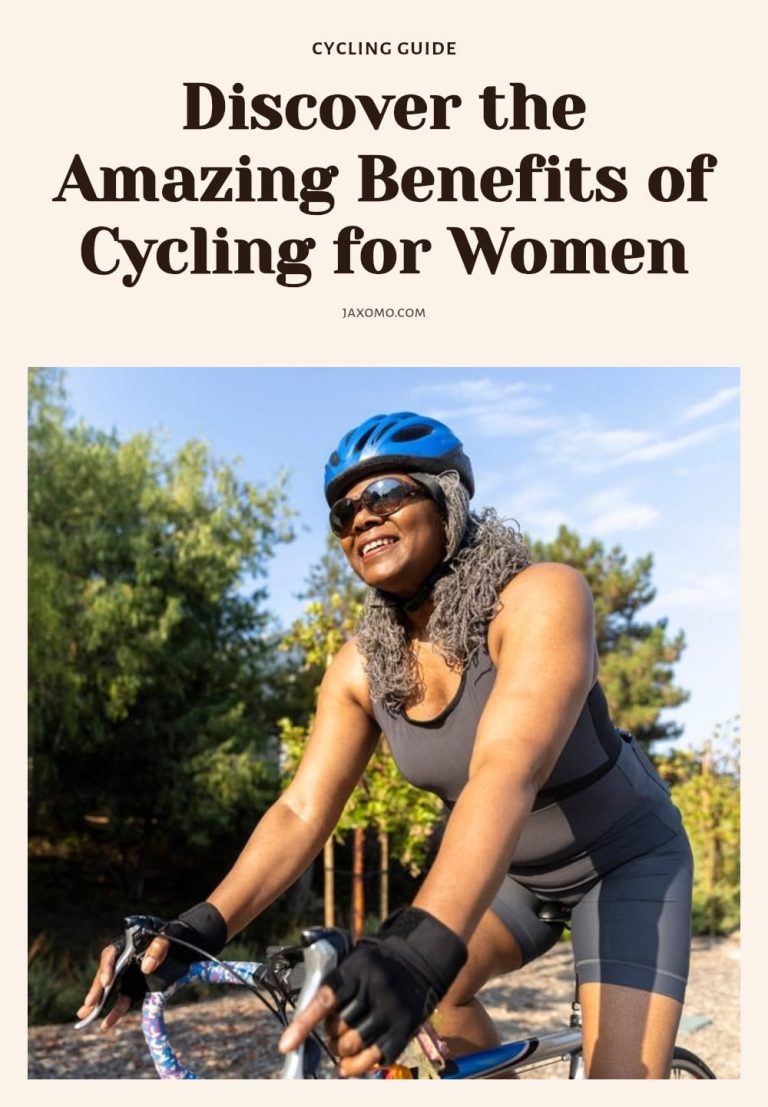
Cycling is one of the most accessible and rewarding forms of exercise for women, offering a full-body workout that’s gentle on your joints. Whether you’re looking to boost your cardiovascular health, strengthen your lower body, or simply find a fun way to clear your mind, this low-impact activity delivers real results. In this article, I’ll walk you through the key benefits of cycling, the essential gear you need, and a simple step-by-step guide to getting started safely and comfortably.
Key Takeaways
- Cycling is a low-impact exercise that protects your knees and hips while strengthening your heart and lungs.
- Regular cycling targets your quadriceps, hamstrings, glutes, and calves for improved muscle tone and endurance.
- Always wear a properly fitted helmet and choose a bike that matches your body size and riding style.
- Start with short, easy rides and gradually increase duration and intensity to build stamina safely.
- Aim for at least 150 minutes of moderate-intensity cycling per week for noticeable fitness improvements.
Why Cycling is a Game-Changer for Women’s Health
Cycling delivers a powerful combination of physical and mental benefits without the joint stress of running. As a low-impact exercise, it strengthens your heart and lungs while building muscle in your quadriceps, hamstrings, glutes, and calves, and it can help with weight management by burning calories efficiently. The rhythmic pedaling motion and time outdoors also work to lower stress hormones and boost your mood, making it a versatile fitness option that fits nearly any schedule or ability level.
The Science Behind Cycling’s Health Benefits
Low-Impact Cardiovascular Workout
Cycling puts far less pressure on your knees and hips than high-impact activities like running. This joint-friendly nature allows you to get your heart rate up and improve cardiovascular health without the risk of impact-related injuries. Your heart and lungs grow stronger as you pedal, reducing your risk of heart disease over time.
Targeted Muscle Engagement
Every pedal stroke works your quadriceps, hamstrings, glutes, and calves. Over time, this builds both strength and endurance in your lower body. The constant resistance also recruits your core muscles for stability, especially when riding outdoors over uneven terrain.
Stress Reduction and Mood Improvement
The repetitive, rhythmic motion of cycling can be meditative, helping to lower cortisol levels and ease anxiety. Outdoor rides add the benefit of fresh air and sunlight, which can boost your Vitamin D levels and further improve your mood. Many women find that a regular cycling routine reduces symptoms of stress and depression.
Essential Gear to Get Started with Cycling
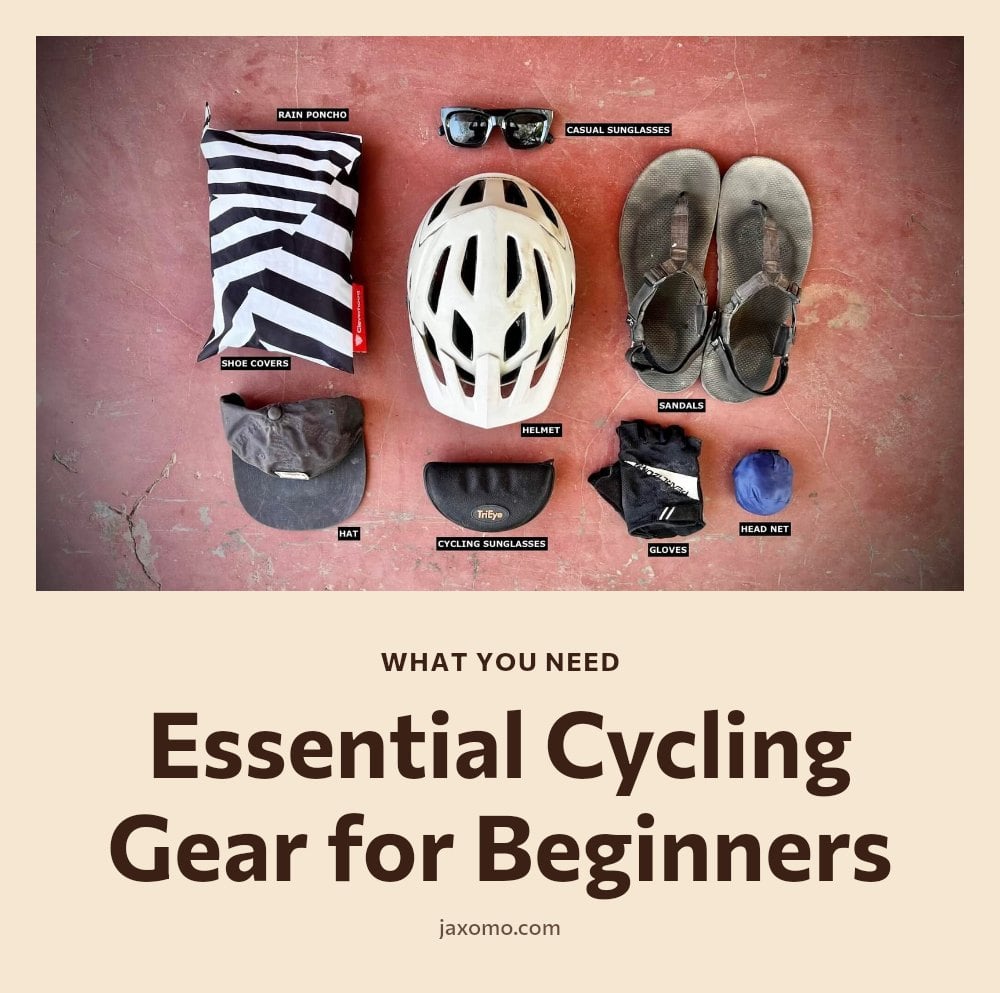
Bicycle: A properly fitted bike is the foundation of comfort and injury prevention. Your bike should match your body size and the type of riding you plan to do, whether road, mountain, hybrid, or stationary.
Helmet: A properly fitted helmet is non-negotiable for every ride, no matter how short or where you go. It protects against head injuries in a fall or collision.
Padded shorts: These add cushioning between you and the saddle, reducing pressure and discomfort on longer rides.
Water bottle and cage: Staying hydrated before, during, and after your ride is essential, especially in warm weather or on longer routes.
Your Step-by-Step Guide to Starting Cycling
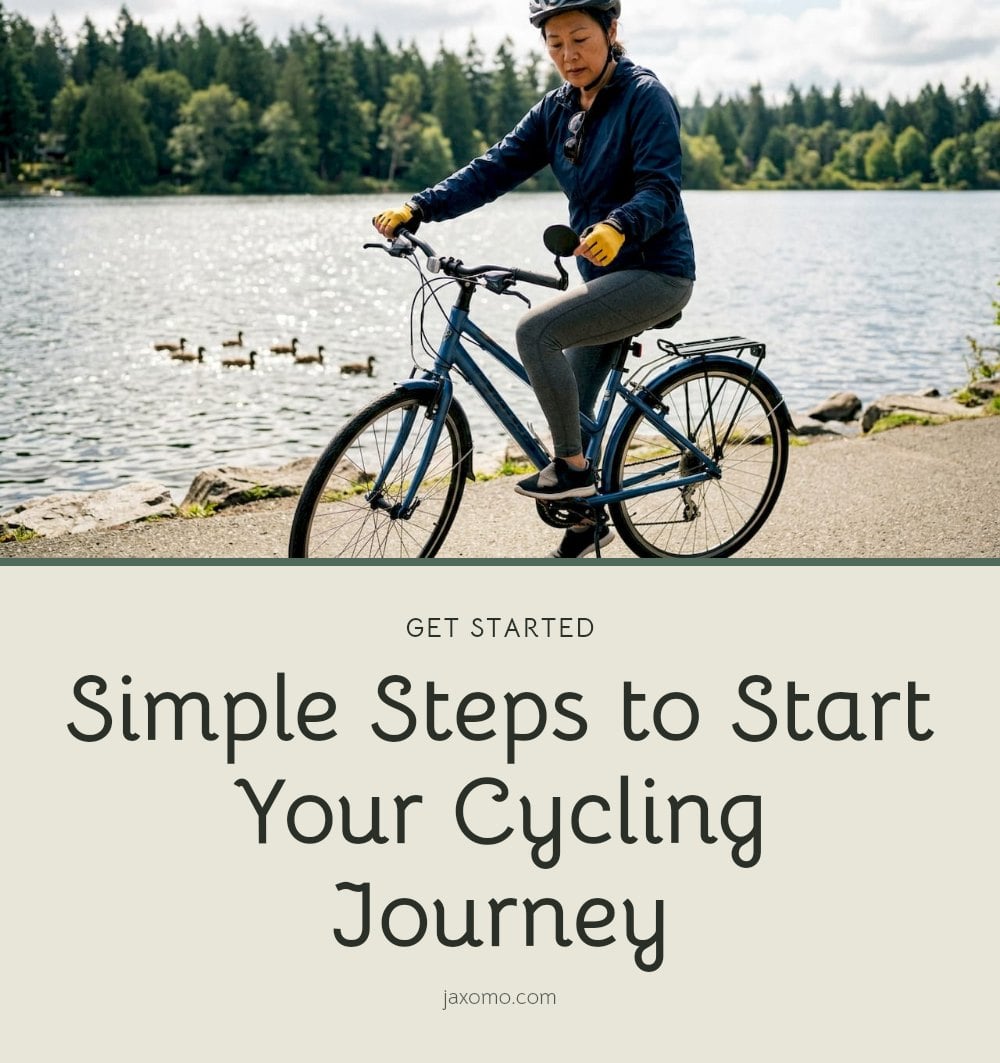
- Choose your bike: Select a bicycle that fits your body and suits your intended use. A local bike shop can help you find the right size and style, whether you prefer road, mountain, hybrid, or a stationary model.
- Gear up for safety: Always wear a properly fitted helmet. For outdoor rides, add front and rear lights, a lock, and a repair kit with tire levers, a patch kit, and a mini pump.
- Start short and easy: Begin with rides of 20 to 30 minutes on flat terrain. Focus on getting comfortable with the bike and maintaining a steady, easy pace. Gradually increase your ride duration and intensity over several weeks.
- Focus on posture: Keep your back straight, shoulders relaxed, and elbows slightly bent. Avoid locking your knees at the bottom of the pedal stroke to reduce strain on your joints.
- Hydrate and fuel: Drink water before you start, sip during your ride, and rehydrate after. On longer rides, bring a water bottle and consider a small snack for energy.
- Warm up and cool down: Spend 5 minutes pedaling at a very easy pace before you push harder. After your ride, do gentle stretches for your legs and lower back to aid recovery.
Common Cycling Mistakes to Avoid
Riding a poorly fitted bike: A bike that is the wrong size or has the seat and handlebars in the wrong position can cause knee pain, back strain, and numbness. Get a professional bike fit and adjust the saddle height so your leg is almost fully extended at the bottom of the pedal stroke.
Skipping safety gear: A helmet is non-negotiable, even for short rides. Also use front and rear lights in low light, and consider gloves to protect your hands in a fall.
Doing too much too soon: Starting with long or intense rides can lead to burnout and injury. Begin with short, easy rides and gradually build up your distance and speed over several weeks.
Neglecting hydration: Dehydration can cause fatigue and dizziness, especially on longer rides. Drink water before, during, and after your ride, and carry a bottle even if you don’t feel thirsty.
Ignoring bike maintenance: A loose chain or worn brakes can cause accidents. Check your tires, brakes, and chain before each ride, and get a tune-up at a shop every few months.
When to Consult a Professional About Cycling
Check with your doctor before starting cycling if you have any pre-existing health conditions, such as heart disease, high blood pressure, or joint problems. They can help you plan a safe routine.
Stop riding and seek medical advice if you experience sharp pain, numbness, or dizziness while cycling. These symptoms may indicate an underlying issue that needs attention.
If you have persistent discomfort or pain during rides, consider a professional bike fit. A specialist can adjust your bike to match your body, which often resolves issues like knee or back pain.
Frequently Asked Questions
How often should I cycle to see results?
For visible improvements in fitness and muscle tone, aim for at least 150 minutes of moderate-intensity cycling per week. That breaks down to about 30 minutes, five days a week, or three longer rides of 50 minutes each. Consistency matters more than distance, so find a schedule that works for you and stick with it.
Is cycling good for weight loss?
Yes, cycling can be an effective tool for weight management because it burns calories and increases your metabolism. A moderate 30-minute ride can burn around 200 to 300 calories depending on your weight and intensity. For best results, combine it with a balanced diet and other forms of physical activity.
Can I cycle if I have knee problems?
Many people with knee issues find cycling a comfortable option because it’s low-impact and puts less stress on your joints than running or jumping. However, proper bike fit is crucial; a saddle that’s too low or too high can aggravate knee pain. If you have a pre-existing knee condition, check with your doctor or a physical therapist before starting, and consider a professional bike fitting.
What’s the difference between road and hybrid bikes?
Road bikes are designed for speed on paved surfaces, with thin tires, lightweight frames, and drop handlebars that put you in a forward-leaning position. Hybrid bikes combine features of road and mountain bikes, offering a more upright riding posture, wider tires for stability, and versatility for both paved paths and light gravel. Your choice depends on where you plan to ride most often.
Final Thoughts
My main recommendation is to start with a bike that fits you well and to wear a helmet every single time you ride. You don’t need to be an athlete to enjoy the benefits; even 20 to 30 minutes a few times a week can make a real difference in your energy and mood. Realistic expectations are key: you may start feeling stronger in a few weeks, but consistency over months is what brings lasting change. So pick a route you love, stay hydrated, and let the miles take care of the rest.
This article provides general information about the benefits of cycling for women and is not a substitute for professional medical advice. Always consult your doctor before starting a new exercise routine, especially if you have pre-existing health conditions or concerns. If you experience pain, dizziness, or any unusual symptoms while cycling, stop and seek guidance from a healthcare professional.