Healthy Coping Skills to Try Today
Discover effective healthy coping skills to manage stress, anxiety, and difficult emotions. Learn practical strategies to build resilience and improve.

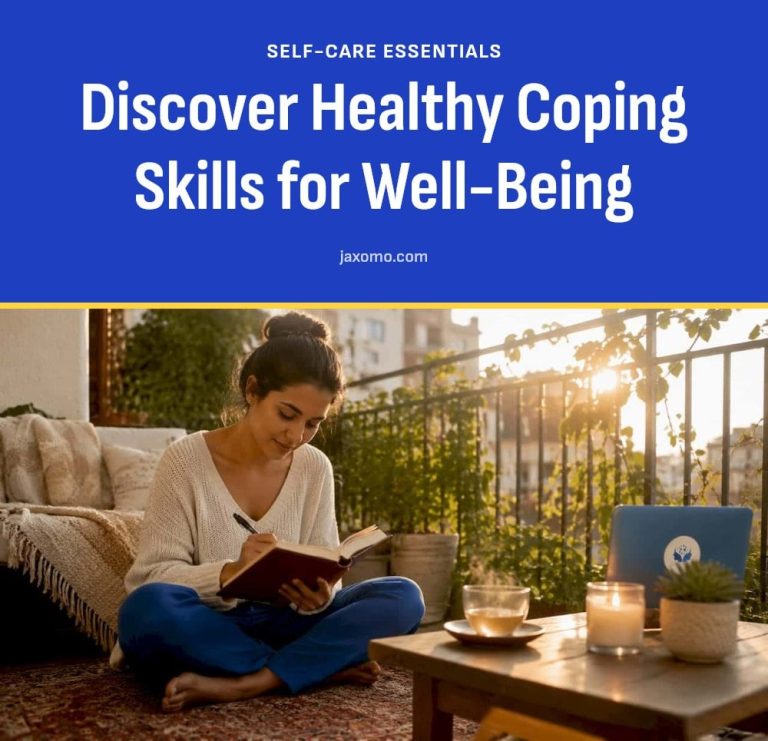
When stress or difficult emotions hit, having a go-to coping skill can make all the difference. Healthy coping skills are conscious strategies that help you manage life’s challenges, and they fall into two main types: problem-focused (tackling the source of stress) and emotion-focused (handling how you feel when you can’t change the situation). This article covers practical coping skills you can try today, how to build your own toolbox, and tips for making them stick.
Key Takeaways
- Coping skills fall into two categories: problem-focused (addressing the stressor) and emotion-focused (managing feelings).
- Experiment with different skills like deep breathing, journaling, or nature time to find what fits you.
- Practice coping skills regularly, even when you are not stressed, for lasting resilience.
- Build a coping toolbox with simple items like a journal, art supplies, or comfortable clothes.
- Seek professional help if you feel consistently overwhelmed or have thoughts of self-harm.
What Are Healthy Coping Skills?
Coping skills are conscious strategies you use to manage stress and difficult emotions. They fall into two categories: problem-focused, which addresses the source of stress directly, and emotion-focused, which helps you manage how you feel when you can’t change the situation. Healthy coping skills promote well-being and lead to constructive problem-solving, not avoidance.
Tools for Building Your Coping Toolbox
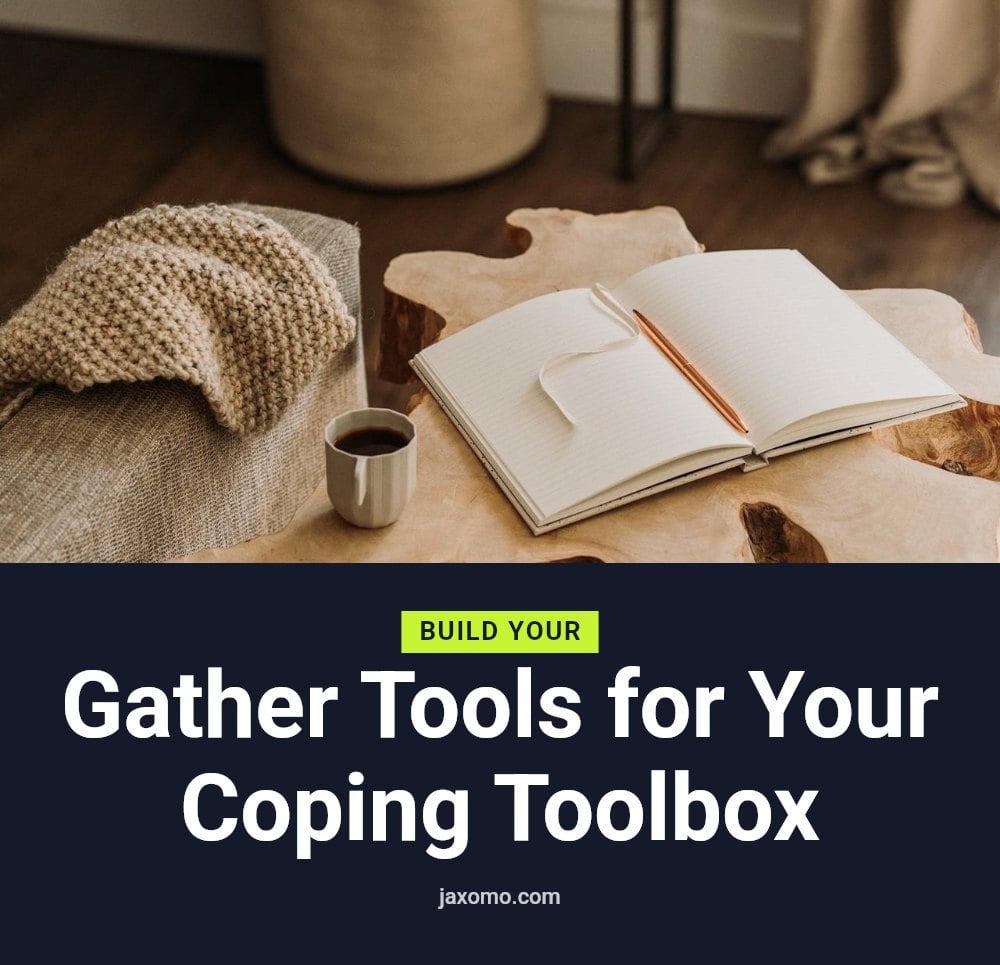
Having a few simple items on hand makes it easier to reach for a healthy coping skill when you need it. Here’s what I keep in my own toolbox:
- Journal or notebook for processing thoughts and feelings.
- Art supplies like paper, pencils, or paints for creative expression.
- Comfortable clothing for physical activities or relaxation.
- Headphones for guided meditations or calming music.
Effective Coping Skills for Managing Stress and Emotions
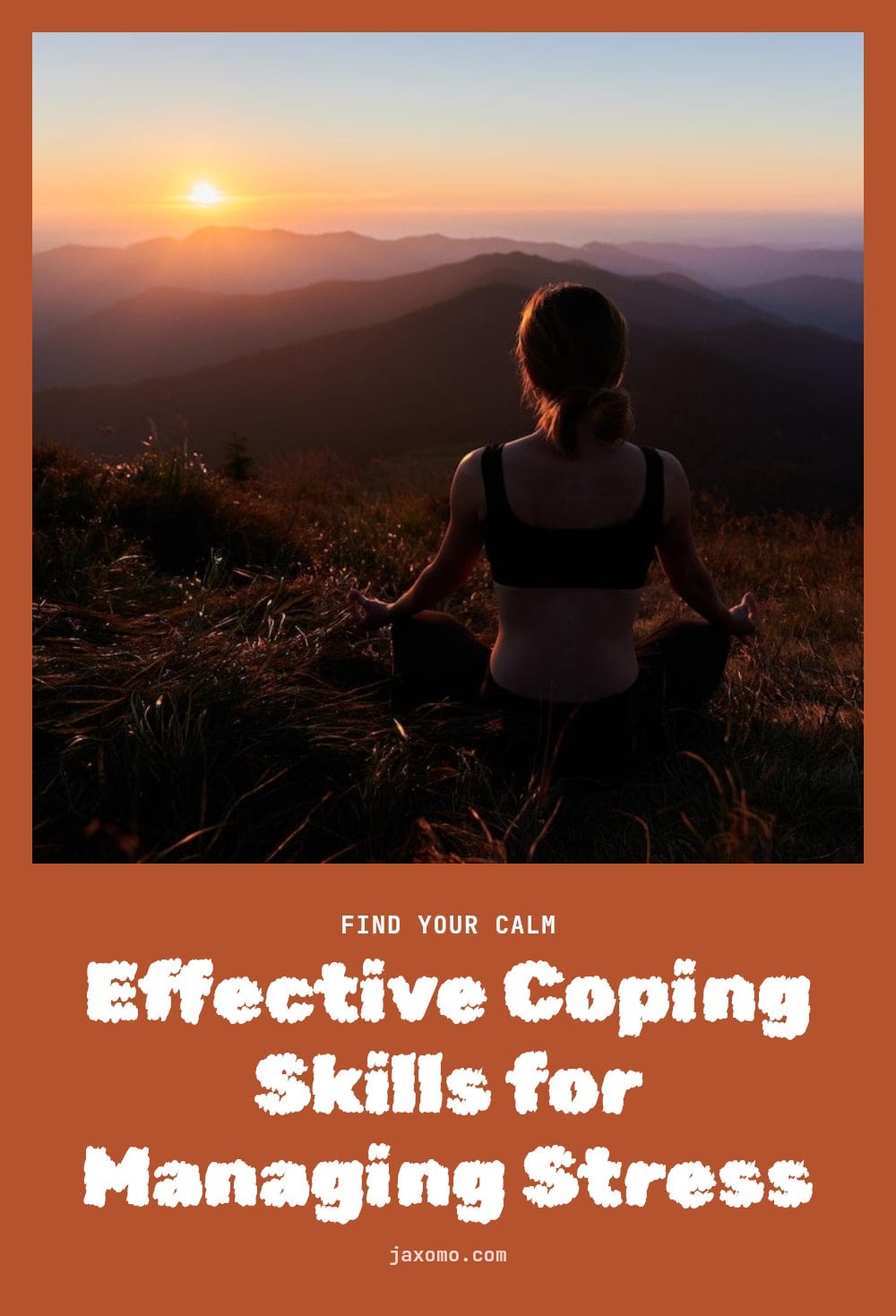
Effective Coping Skills for Managing Stress and Emotions
Building a toolbox of coping skills helps you handle stress and emotions in healthy ways. Deep breathing exercises calm your nervous system quickly. Inhale for four counts, hold for four, exhale for four. Repeat a few times. Mindfulness means focusing on the present moment without judgment. You can practice by noticing your breath or the sounds around you for a minute. Physical activity releases tension and endorphins. A brisk walk, stretching, or dancing in your kitchen all count. Journaling helps you process thoughts by putting them on paper. My tip: don’t worry about perfect sentences, just write freely for a few minutes. Connecting with supportive people reminds you that you’re not alone. A quick call or text can shift your perspective. Creative outlets like drawing, painting, or playing music give your mind a break and a sense of accomplishment. Setting healthy boundaries is a problem-focused skill that reduces stress before it builds. Say no to commitments that drain you. Practicing gratitude shifts your focus to what’s going well. List three small things you’re grateful for each day. Progressive muscle relaxation involves tensing each muscle group for five seconds, then releasing. Start with your feet and work up to your face. Cognitive reframing means changing how you think about a situation. Instead of ‘this is a disaster,’ try ‘this is a challenge I can handle.’
Tips for Practicing Coping Skills Effectively
Getting the most out of coping skills takes a little strategy. Here’s what works:
- Identify your stressors: Know what triggers your stress and how it affects you so you can choose the right skill.
- Experiment with skills: Try different methods to see what fits your personality and situation.
- Practice regularly: Use your coping skills even when you feel calm so they become automatic.
- Prioritize self-care: Adequate sleep, good nutrition, and hydration make all coping skills more effective.
- Seek support: Talk to trusted friends, family, or a professional when you need extra help.
- Build a diverse toolbox: Keep several strategies ready so you have options for different types of stress.
Common Mistakes When Learning Coping Skills
It is easy to fall into a few common traps when you start building coping skills. Believing in a one-size-fits-all solution: What works for a friend might not work for you. Experiment until you find your own fit. Waiting for a crisis to start: Learning a new skill under pressure is harder. Practice when you are calm so the skill is ready when you need it. Confusing avoidance with healthy coping: Binge-watching a show to avoid a problem is not the same as taking a break to recharge. Healthy coping helps you return and deal with the issue. Not recognizing when a skill is no longer effective: A strategy that once helped may become unhelpful over time. Check in with yourself. Feeling guilty for needing coping skills: Everyone needs strategies to handle stress. There is no shame in using them. Relying on unhealthy mechanisms: Substances or emotional eating may offer temporary relief but often create new problems. Replace them with healthier options.
Timeline for Developing Effective Coping Skills
Some coping skills offer immediate relief. A few deep breaths can calm your body in seconds. Other skills, like mindfulness or cognitive reframing, take consistent practice over weeks to months before they feel natural. Resilience builds gradually with regular use. The good news is that many coping skills are free or low-cost. A journal, a walk outside, or a guided meditation app costs little to nothing.
When to Seek Professional Help
Coping skills are powerful, but they have limits. If you feel consistently overwhelmed or unable to cope day to day, talk to a doctor or therapist. If you experience thoughts of self-harm, seek help immediately by calling a crisis line or going to an emergency room. If your coping strategies involve substances or behaviors that feel out of control, consult a healthcare provider or addiction specialist. Some physical techniques, like intense exercise, require caution if you have a health condition. Ask your doctor before starting a new routine.
Frequently Asked Questions
What is the difference between problem-focused and emotion-focused coping?
Problem-focused coping aims to eliminate or reduce the source of stress, such as using time management or setting boundaries. Emotion-focused coping helps you manage the emotional response when the source cannot be changed, like through meditation or journaling. Many people use both types depending on the situation.
How long does it take for coping skills to work?
Some skills, like deep breathing, can offer immediate relief in seconds. Others, such as mindfulness or cognitive reframing, may take weeks to months of consistent practice before they feel natural. The key is regular use, as resilience builds gradually over time.
Can hobbies be considered coping skills?
Yes, hobbies that bring joy and a sense of accomplishment can be powerful coping tools. Creative outlets like drawing, painting, or playing music help process emotions, while physical activities like gardening or hiking can reduce stress. The best hobbies are ones you genuinely enjoy and can turn to when needed.
What if I don’t know what my stressors are?
Start by paying attention to how your body and mind react during the day. Notice when you feel tense, irritable, or overwhelmed, and jot down what was happening at that moment. Over time, patterns will emerge. A journal can help track these clues, or you can talk to a therapist for guidance.
Is distraction a healthy coping skill?
Distraction can be helpful in the short term, like taking a break from an overwhelming situation, but it is not the same as healthy coping. True healthy coping involves processing the emotion or addressing the problem, not just avoiding it. Use distraction sparingly and pair it with skills that help you face the issue.
How do I build a ‘coping toolbox’?
Gather a few simple items that support your go-to skills, such as a journal and pen for writing, art supplies for creative expression, comfortable clothes or a yoga mat for movement, and headphones for guided meditations or music. Keep them in an accessible spot so you can reach for them when stress hits.
Final Thoughts
Start with one or two coping skills that feel manageable, like deep breathing or a short walk outside, and use them consistently over the next few weeks. Real resilience builds gradually, so be patient with yourself. The goal is not to eliminate stress entirely but to have a reliable way to face it without turning to unhealthy habits.
This article is for general informational purposes only and does not constitute medical or mental health advice. If you are experiencing persistent stress, anxiety, or thoughts of self-harm, please consult a qualified healthcare provider or mental health professional.