20-Minute HIIT Workout to Burn Fat with No Equipment
Discover an effective 20-minute HIIT workout you can do at home without equipment to boost fat burning and improve cardiovascular fitness. Get started today!

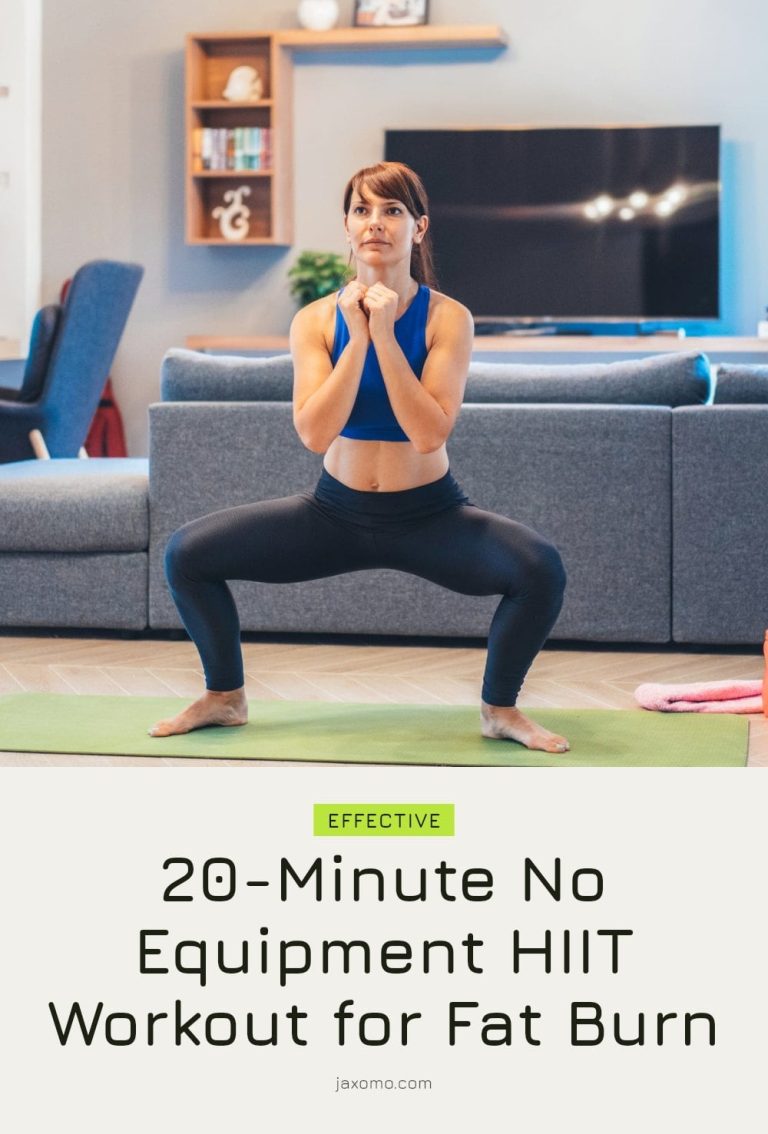
You want a workout that burns fat fast, fits into a busy day, and doesn’t require any equipment. That’s exactly what this 20-minute HIIT workout delivers. HIIT, or High-Intensity Interval Training, alternates short bursts of all-out effort with brief recovery periods, keeping your heart rate up and your metabolism revved long after you finish. This article walks you through a complete no-equipment routine, from warm-up to cool-down, with modifications for all fitness levels.
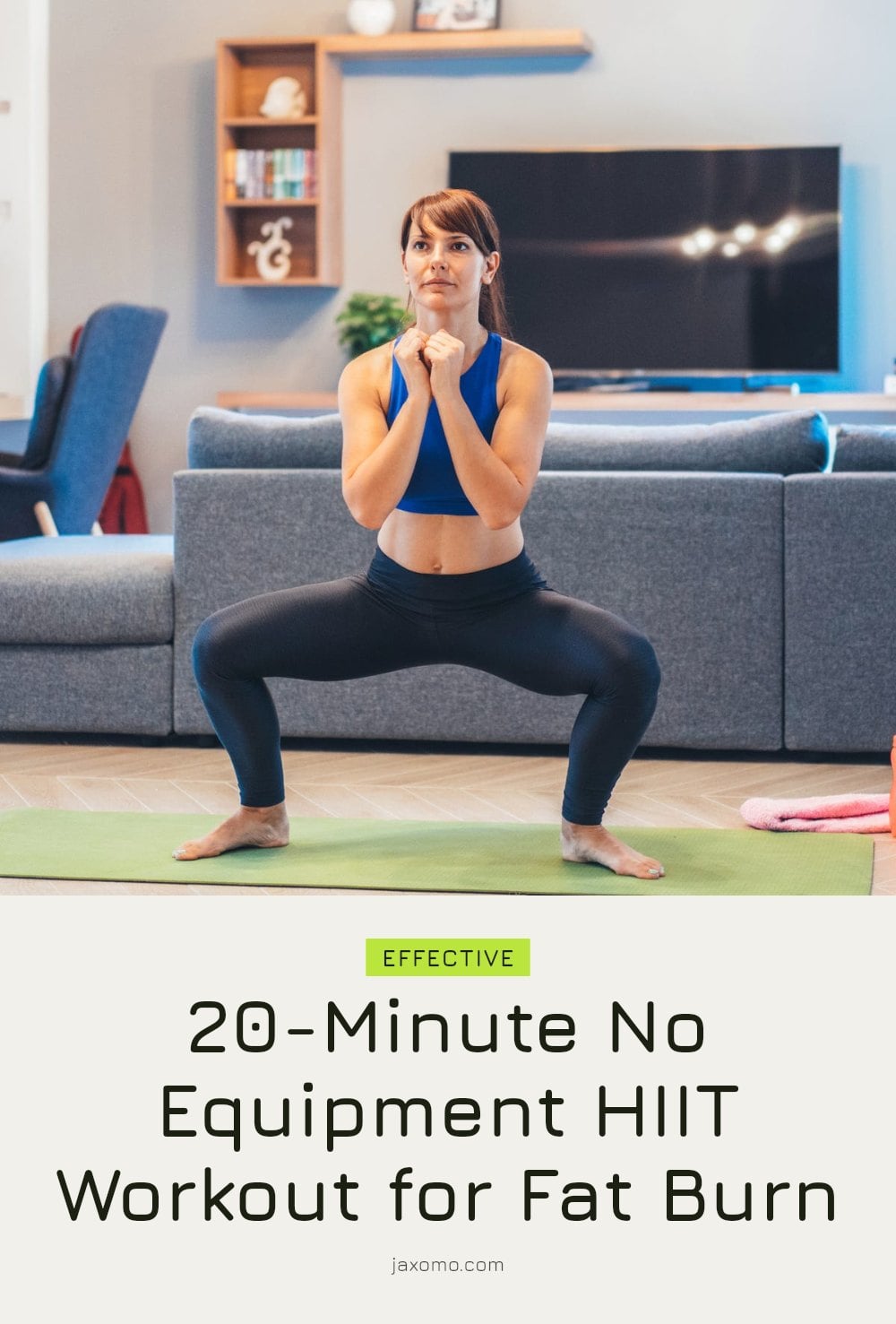
Key Takeaways
- HIIT alternates between high-intensity effort at 80-95% max heart rate and recovery at 40-50% max heart rate.
- A 20-minute session includes a 5-minute warm-up, 10-15 minutes of intervals, and a 5-minute cool-down.
- Perform HIIT 2-3 times per week on non-consecutive days for best results and recovery.
- Proper form matters more than speed; modify exercises like push-ups to avoid injury.
- Expect to see noticeable fitness and fat-loss improvements within 4-6 weeks when combined with a balanced diet.
1. Dynamic Warm-Up: Arm Circles
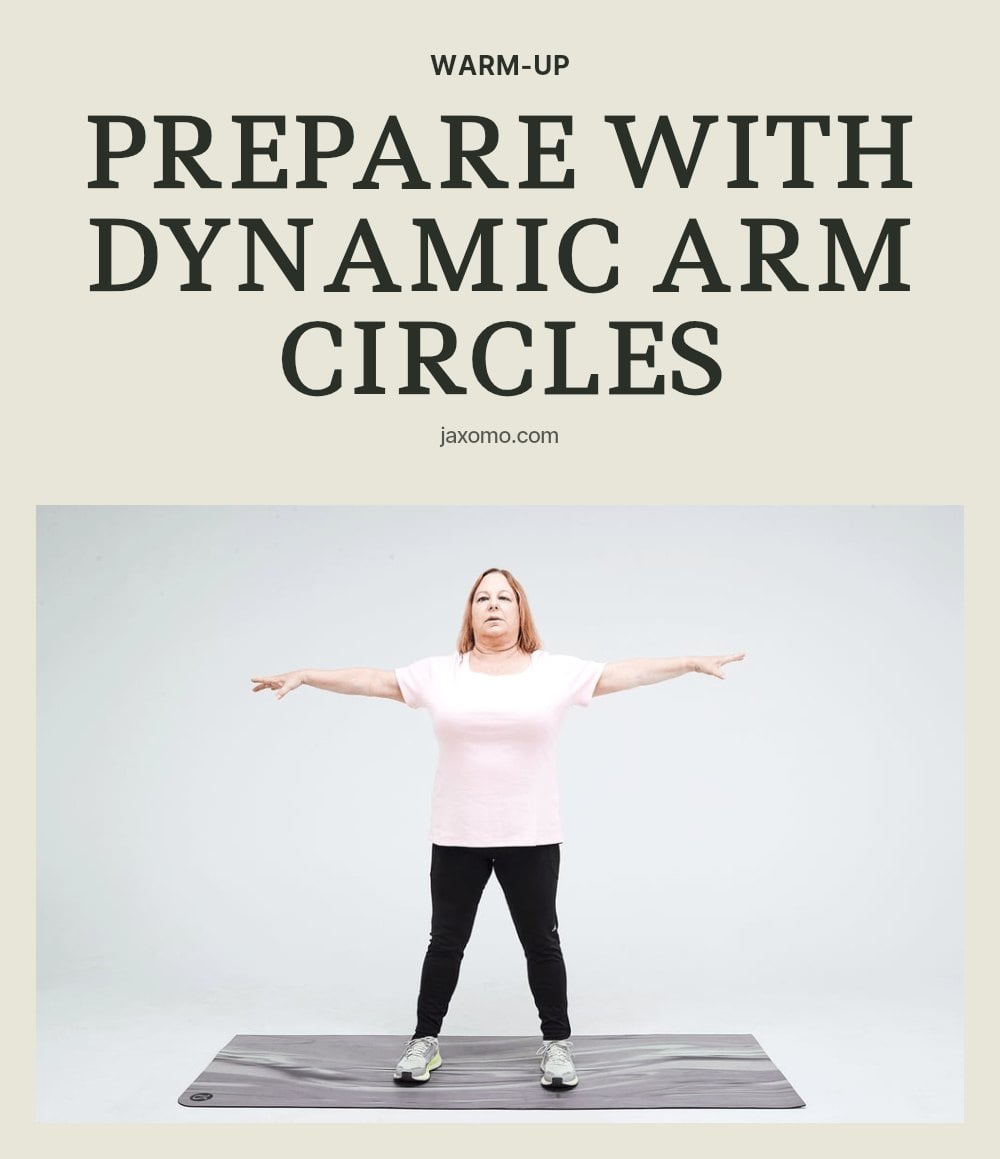
Stand tall with feet shoulder-width apart and extend your arms straight out to the sides at shoulder height. Perform small forward circles for 30 seconds, then reverse the direction for another 30 seconds. Keep your shoulders relaxed and focus on controlled, deliberate movements to warm up your shoulder joints and upper body.
- Time: 30 seconds forward, 30 seconds reverse
- Form cue: Keep your arms at shoulder height and avoid shrugging your shoulders
- Make it easier or harder: Use smaller circles for a gentle warm-up or larger circles for more range of motion
2. Exercise 1: Jumping Jacks
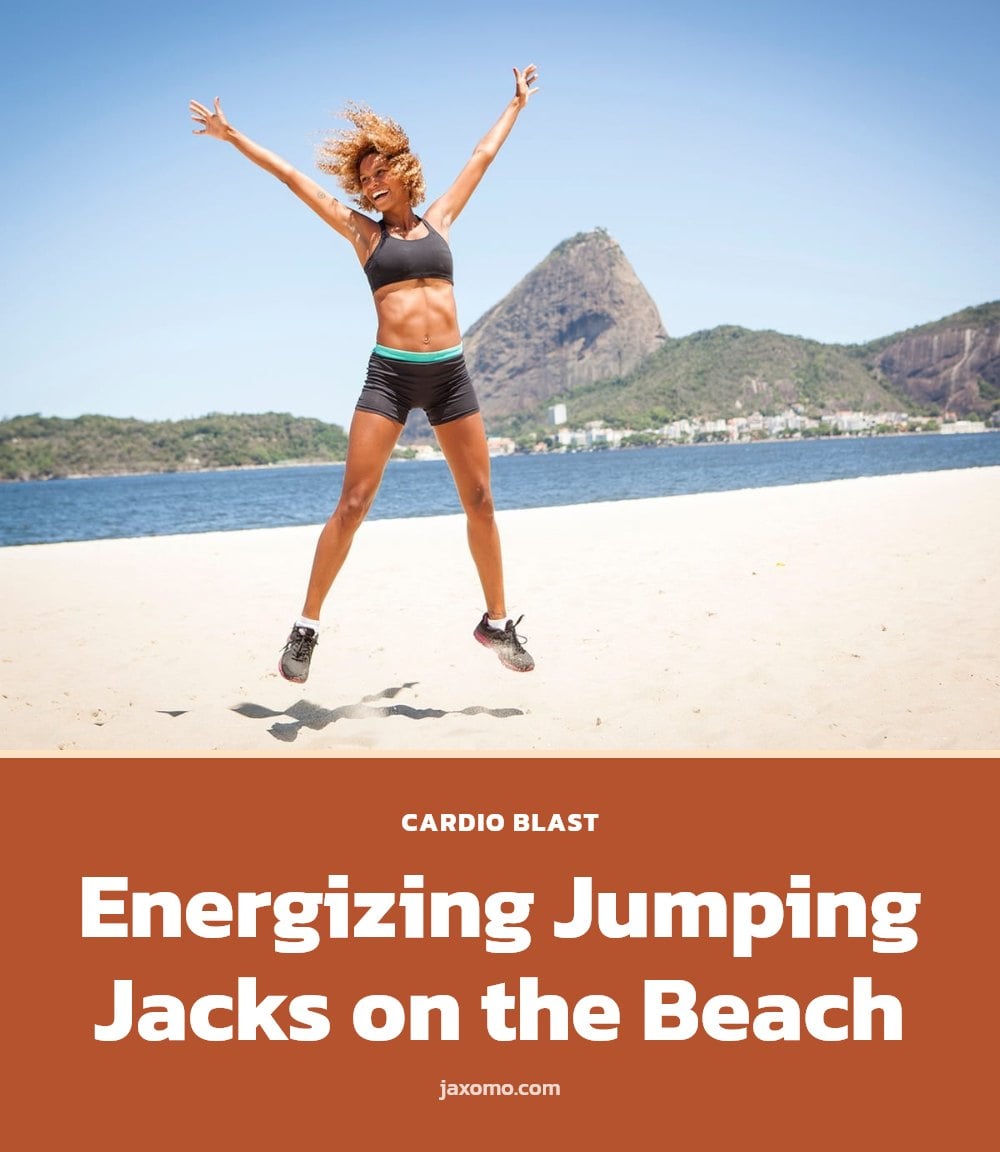
Start with your feet together and arms at your sides. Jump up, spreading your feet wider than hip-width while simultaneously raising your arms overhead. Immediately jump back to the starting position to complete one rep. Perform for 40 seconds at a steady pace, then rest for 20 seconds.
- Time: 40 seconds work, 20 seconds rest
- Form cue: Land softly on the balls of your feet with bent knees to absorb impact
- Make it easier or harder: Reduce the jump height or speed to lower intensity; increase arm and leg range for a greater challenge
3. Exercise 2: Bodyweight Squats
Stand with feet shoulder-width apart and toes turned slightly outward. Lower your hips back and down as if sitting into a chair, keeping your chest lifted and spine straight. Push through your heels to return to standing. Perform for 40 seconds, then rest for 20 seconds.
- Time: 40 seconds work, 20 seconds rest
- Form cue: Keep your weight in your heels and your knees tracking over your toes, not past them
- Make it easier or harder: Squat to a shallower depth for an easier version; add a jump at the top for a plyometric challenge
4. Exercise 3: High Knees
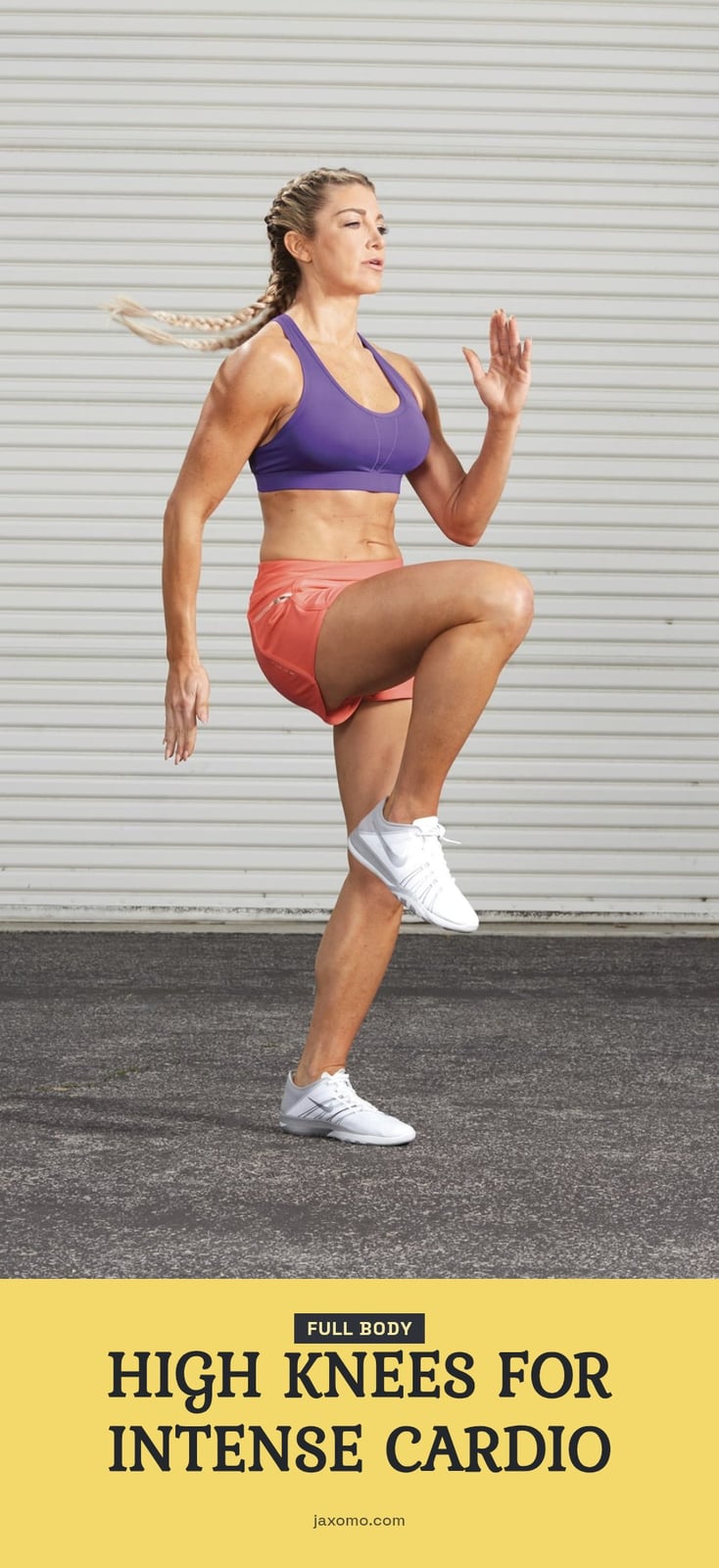
Run in place while driving your knees up toward your chest as high as you can with each step. Pump your arms actively in opposition to your legs to engage your entire body. Maintain a quick, explosive tempo throughout the 40-second work interval, then rest for 20 seconds.
- Time: 40 seconds work, 20 seconds rest
- Form cue: Keep your core engaged and your torso upright, not leaning back
- Make it easier or harder: March with high knees at a slower pace for a lower intensity; increase speed and knee height for a greater challenge
5. Exercise 4: Push-Ups (Modified if Needed)
Start in a plank position with your hands placed slightly wider than your shoulders. Lower your chest toward the floor while keeping your body in a straight line from head to heels, then push back up to the start. If a full push-up is too challenging, drop your knees to the floor for a modified version.
- Time: 40 seconds work, 20 seconds rest
- Form cue: Keep your core tight and elbows at a 45-degree angle to your torso.
- Make it easier or harder: Easier: perform on your knees. Harder: add a slow three-second descent.
6. Exercise 5: Lunges (Alternating Legs)
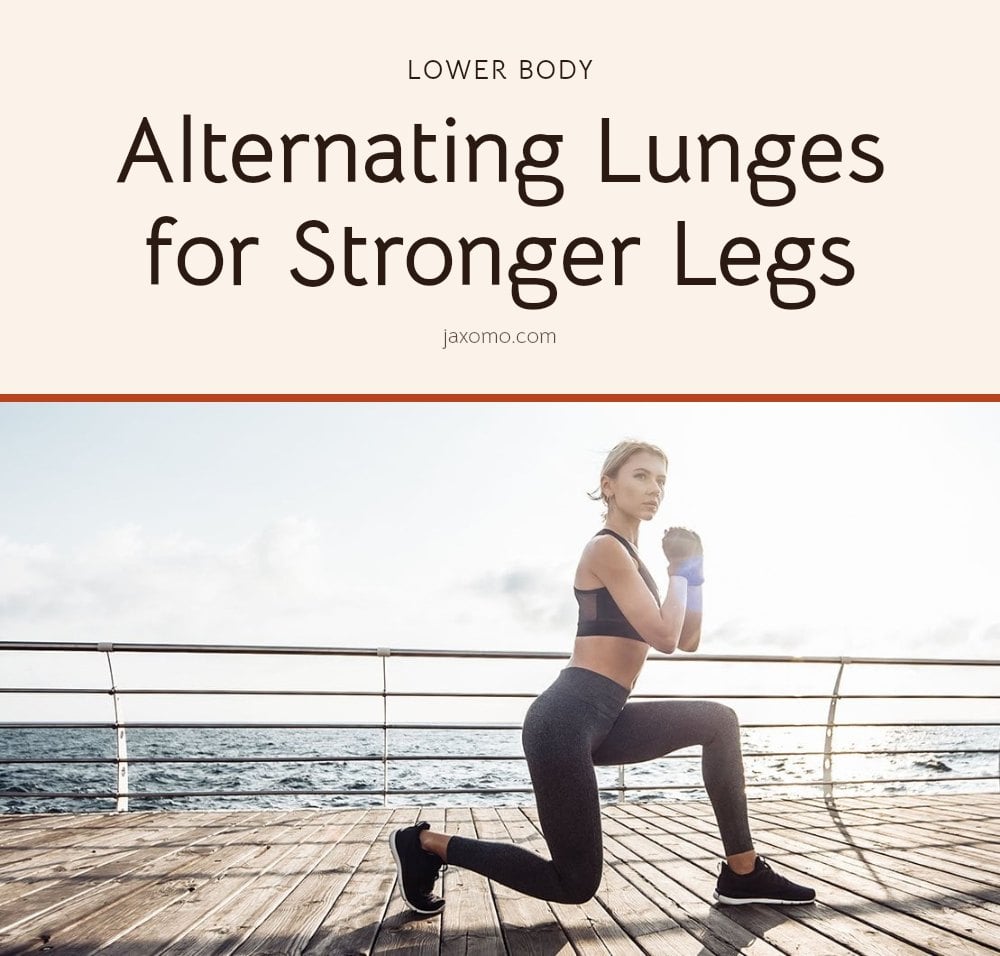
Step forward with your right leg and lower your hips until both knees bend to a 90-degree angle. Your front knee should be directly above your ankle, and your back knee should hover just above the floor. Push off your front foot to return to standing, then repeat on the left leg, alternating each rep.
- Time: 40 seconds work, 20 seconds rest
- Form cue: Keep your front knee aligned with your ankle and your torso upright.
- Make it easier or harder: Easier: reduce the range of motion. Harder: add a jump when switching legs.
7. Exercise 6: Plank
Begin in a push-up position, then lower onto your forearms with elbows directly under your shoulders. Keep your body in a straight line from your head to your heels, engaging your core and glutes to prevent your hips from sagging or rising too high. Hold the position without letting your lower back drop.
- Time: 40 seconds hold, 20 seconds rest
- Form cue: Squeeze your glutes and draw your belly button toward your spine.
- Make it easier or harder: Easier: hold on your knees. Harder: lift one leg a few inches off the floor.
8. Cool-Down: Static Stretching
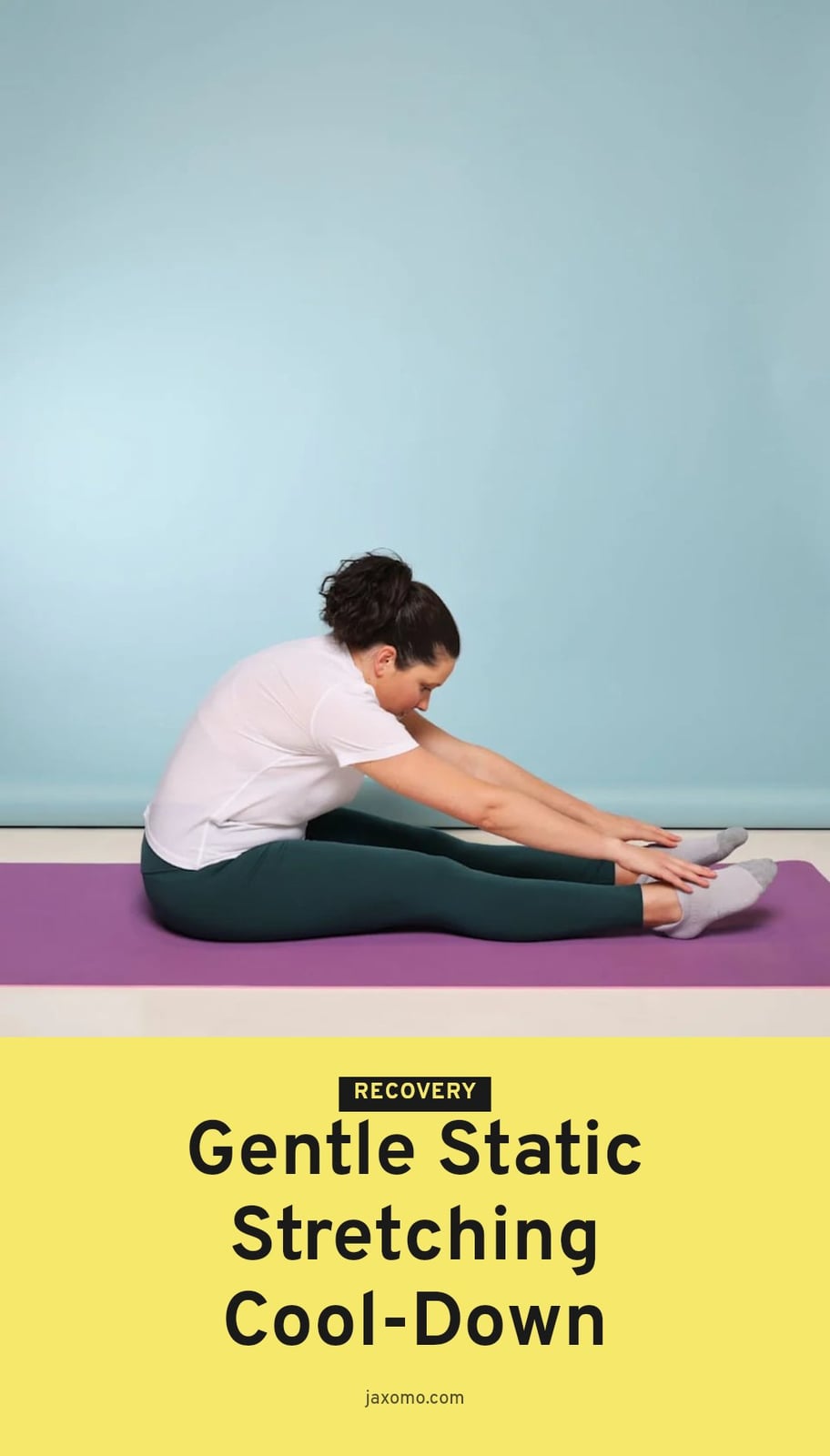
After your final interval, transition into static stretches for the major muscles you worked: quads, hamstrings, chest, and shoulders. Hold each stretch for 20-30 seconds while breathing deeply, and aim for a gentle pull rather than sharp pain. Avoid bouncing, as this can cause muscle strain instead of aiding recovery.
- Time: 20-30 seconds per stretch, total 5 minutes
- Form cue: Keep each stretch still and controlled; exhale as you ease deeper.
- Make it easier or harder: Easier: use a wall or chair for balance. Harder: hold each stretch for 30-45 seconds.
Your Weekly HIIT Workout Schedule
To get the most out of HIIT without overtraining, plan 2-3 sessions per week on non-consecutive days. This schedule gives your muscles and central nervous system time to recover, which is when your body actually gets stronger. On your off-days, you can include active recovery like walking, gentle yoga, or light cycling to keep moving without adding stress.
| Day | Activity | Notes |
|---|---|---|
| Monday | HIIT workout | Full 20-minute routine |
| Tuesday | Active recovery | 30-min walk or stretch |
| Wednesday | HIIT workout | Full 20-minute routine |
| Thursday | Active recovery | Light yoga or cycling |
| Friday | HIIT workout | Full 20-minute routine |
| Weekend | Rest or light activity | Listen to your body |
My tip: If you feel unusually sore or tired on a HIIT day, swap it for an active recovery session. Consistency matters more than pushing through fatigue.
Common HIIT Mistakes to Avoid
Even a well-designed HIIT routine can fall short if you make these common mistakes. Avoid them to stay safe and see better results.
- Not Pushing Hard Enough: The high-intensity phase should feel challenging, around 80-95% of your maximum effort. If you can easily hold a conversation, you are likely not working hard enough. Push yourself to the point where speaking a full sentence is difficult.
- Skipping Warm-Up or Cool-Down: These phases are crucial for preparing your body and aiding recovery, reducing injury risk. Always dedicate 5 minutes to each. The dynamic warm-up gets blood flowing, and static stretching helps your muscles relax afterward.
- Sacrificing Form for Speed: Incorrect form can lead to injury, especially when you are tired. Focus on executing each movement correctly, even if it means slowing down slightly during the intense bursts. Quality over quantity every time.
- Overdoing It: HIIT is intense, so your body needs time to recover. Performing HIIT every day can lead to overtraining and increased injury risk. Aim for 2-3 sessions per week with rest days in between. Your off-days are when your body rebuilds.
Frequently Asked Questions
How often should I do HIIT workouts?
Most people get the best results from 2-3 HIIT sessions per week on non-consecutive days. This schedule allows your muscles and central nervous system to recover fully, which is when your body gets stronger. On your off-days, you can include light activity like walking or stretching.
Can I do HIIT every day?
No, HIIT should not be performed every day. The high-intensity nature places significant stress on your body, and daily sessions can lead to overtraining, fatigue, and increased injury risk. Stick to 2-3 times per week with at least one rest day between sessions.
What should I eat before and after a HIIT workout?
For a 20-minute HIIT session, a light snack 30-60 minutes beforehand, such as a banana or a small handful of nuts, can provide quick energy. After your workout, aim for a meal with protein and carbohydrates within two hours to support muscle repair and replenish energy stores. Stay hydrated throughout.
Is HIIT good for beginners?
Yes, HIIT can be adapted for beginners. Start with shorter work intervals and longer rest periods, such as 20 seconds of work followed by 40 seconds of rest. Use modified versions of exercises, like knee push-ups instead of full push-ups, and focus on proper form before increasing intensity.
How long does it take to see results from HIIT?
When performed consistently 2-3 times per week alongside a balanced diet, many people notice improvements in cardiovascular fitness and body composition within 4-6 weeks. Results vary based on individual factors like starting fitness level, diet, and sleep quality.
Final Thoughts
For a realistic start, commit to two HIIT sessions per week on non-consecutive days, such as Monday and Thursday. You can expect to notice improved cardiovascular endurance and visible changes in body composition within 4-6 weeks, provided you pair the workouts with a balanced diet. Stick with the routine, listen to your body, and let the afterburn effect work in your favor.
This article is for general informational purposes only and does not constitute medical or professional advice. Before starting any new exercise program, consult a healthcare professional, especially if you have pre-existing health conditions, injuries, or are pregnant. Stop immediately if you experience pain, dizziness, or shortness of breath.