11 Teeth Whitening Tips that Really Work
Want a brighter smile? Discover 12 effective teeth whitening tips, from at-home methods to professional treatments, and learn how to whiten safely.

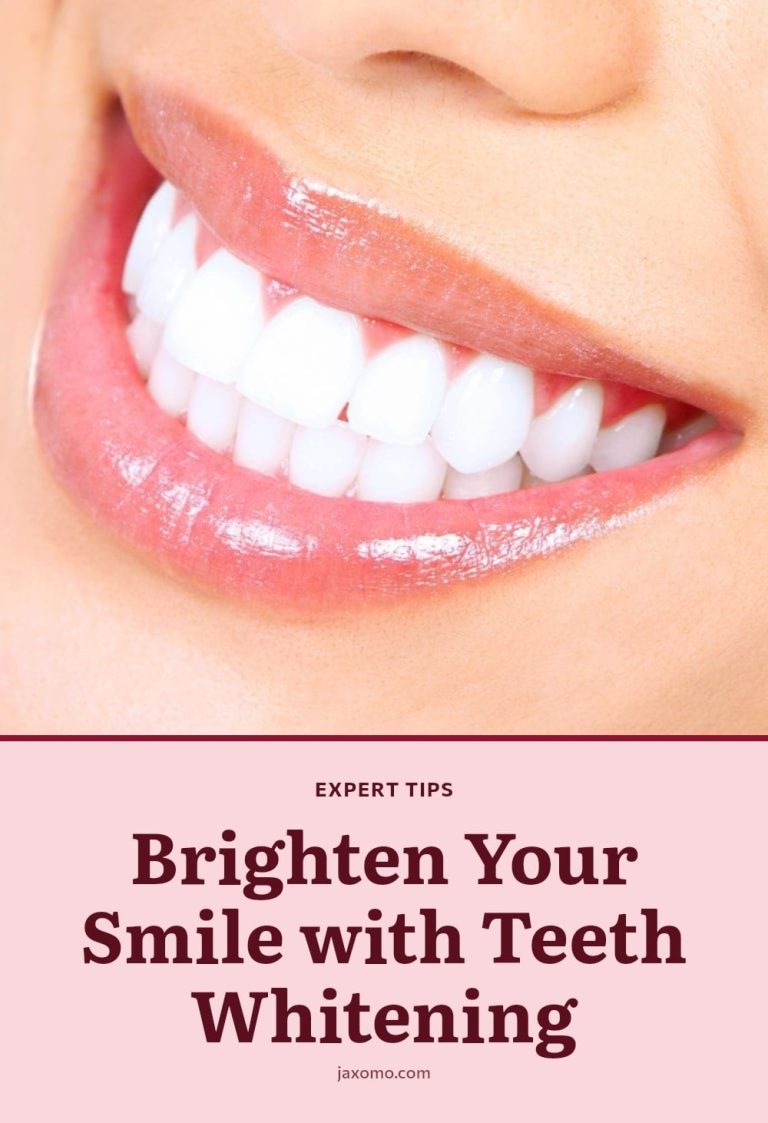
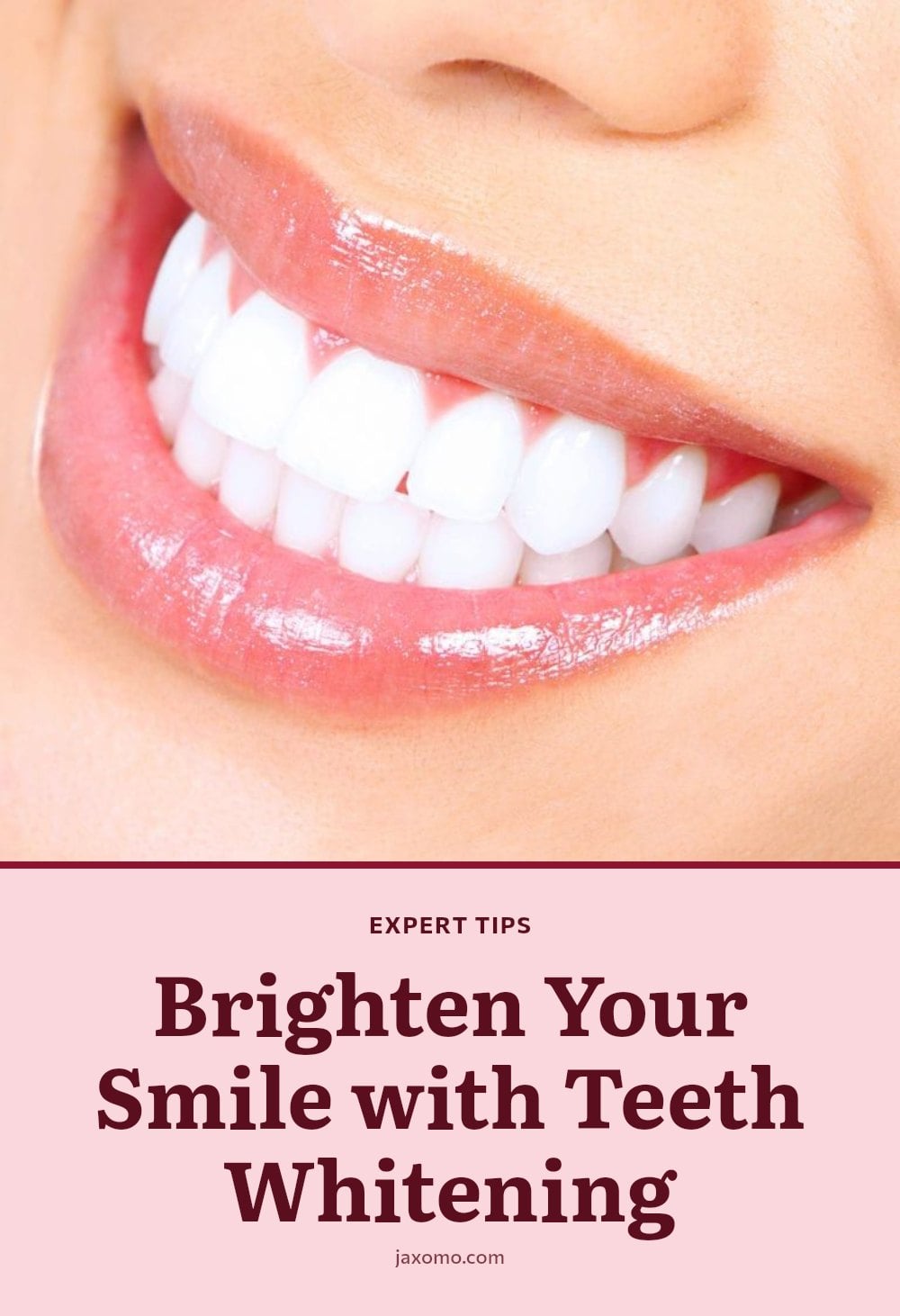
You want a whiter smile, but with so many options out there, it’s hard to know which teeth whitening tips really work. The truth is, the best approach depends on your teeth, your habits, and whether you’re dealing with surface stains or deeper discoloration. This article covers the most effective whitening methods, how to use them safely, and what to avoid so you can brighten your smile without damaging your teeth.
Key Takeaways
- Consult your dentist before any whitening treatment to ensure it’s safe for your teeth.
- Professional in-office whitening offers the fastest, most dramatic results.
- Overusing whitening products can cause sensitivity and a translucent appearance.
- Avoid abrasive natural remedies like baking soda or lemon juice to protect enamel.
- Maintain results by limiting stain-causing foods and scheduling touch-ups every few months.
The Secret to a Brighter Smile
Teeth whitening uses active bleaching agents like hydrogen peroxide or carbamide peroxide to remove stains and lighten your natural tooth color. Both professional in-office treatments and at-home methods can be effective, but consulting your dentist first is crucial to make sure the approach is safe for your individual dental health. The right method for you depends on the type of stains you have and your dental history, so a professional assessment is your best starting point.
1. Consult Your Dentist First
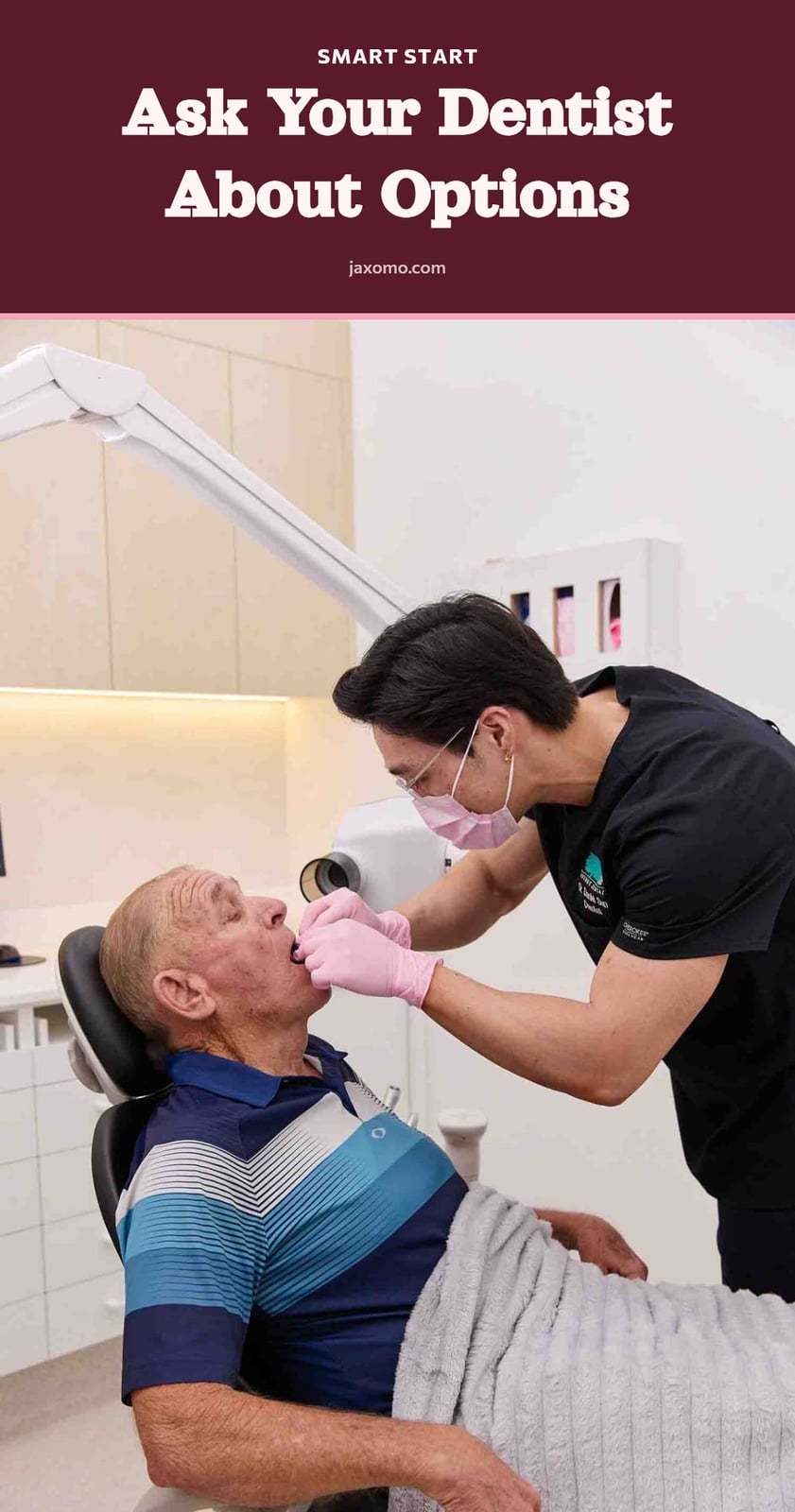
Talk to your dentist before you start any whitening treatment, whether you plan to do it at home or in the office. They can assess your oral health, figure out why your teeth are discolored, and recommend the safest and most effective method for you.
- Why it matters: If you have existing dental work like crowns or fillings, sensitive teeth, or gum disease, whitening may not be suitable or could cause complications. A dentist can spot these issues early and guide you away from treatments that could do harm.
- What to expect: Your dentist will check for cavities, gum health, and exposed roots before giving the green light. This simple step can save you from pain and uneven results later.
2. Understand Stain Types
Not all stains are the same, and knowing which type you have makes a big difference in choosing the right treatment. Extrinsic stains sit on the surface of your teeth and usually come from coffee, tea, red wine, or tobacco. These are often easier to remove with whitening strips, gels, or professional cleaning.
- Intrinsic stains are deeper, inside the tooth structure itself. They can be caused by genetics, aging, certain medications like tetracycline, or trauma. These stains may not respond as well to standard over-the-counter products.
- Your dentist can help identify the stain type and recommend a method that targets it effectively. Some approaches work best on surface stains, while others are designed for deeper discoloration.
3. Choose Professional Whitening
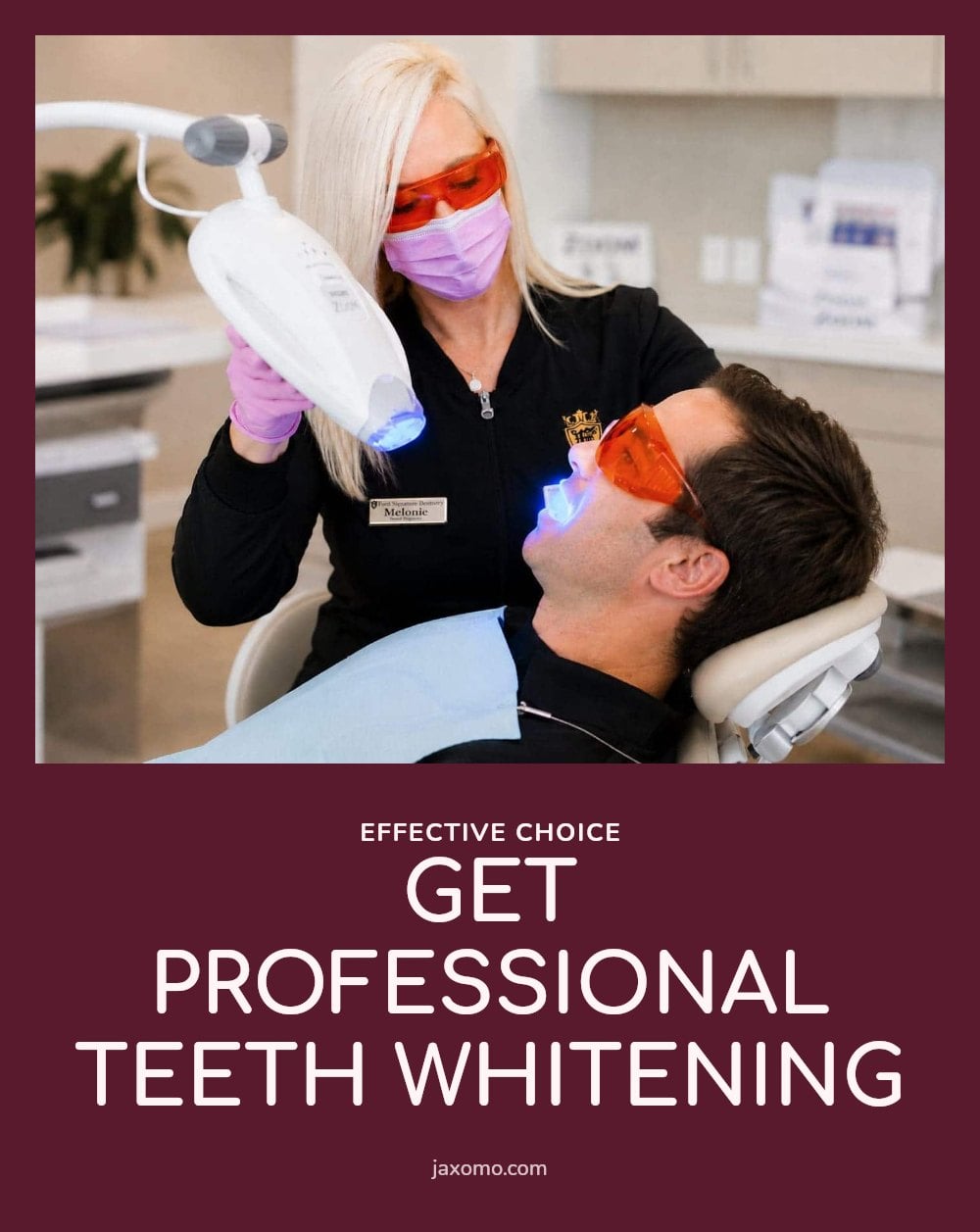
If you want the most dramatic and fastest results, in-office professional whitening is often your best option. Dentists use higher concentrations of hydrogen peroxide and may combine it with light or laser activation to speed up the process.
- My tip: This choice is ideal if you want significant brightening in a single visit and value professional supervision to minimize side effects like sensitivity. The dentist monitors your gums and teeth throughout, so any irritation is caught quickly.
- What you get: Results are visible immediately after the appointment, and the whole procedure usually takes about an hour. It’s a solid option for a quick, noticeable change before a special event.
4. Use Custom Whitening Trays
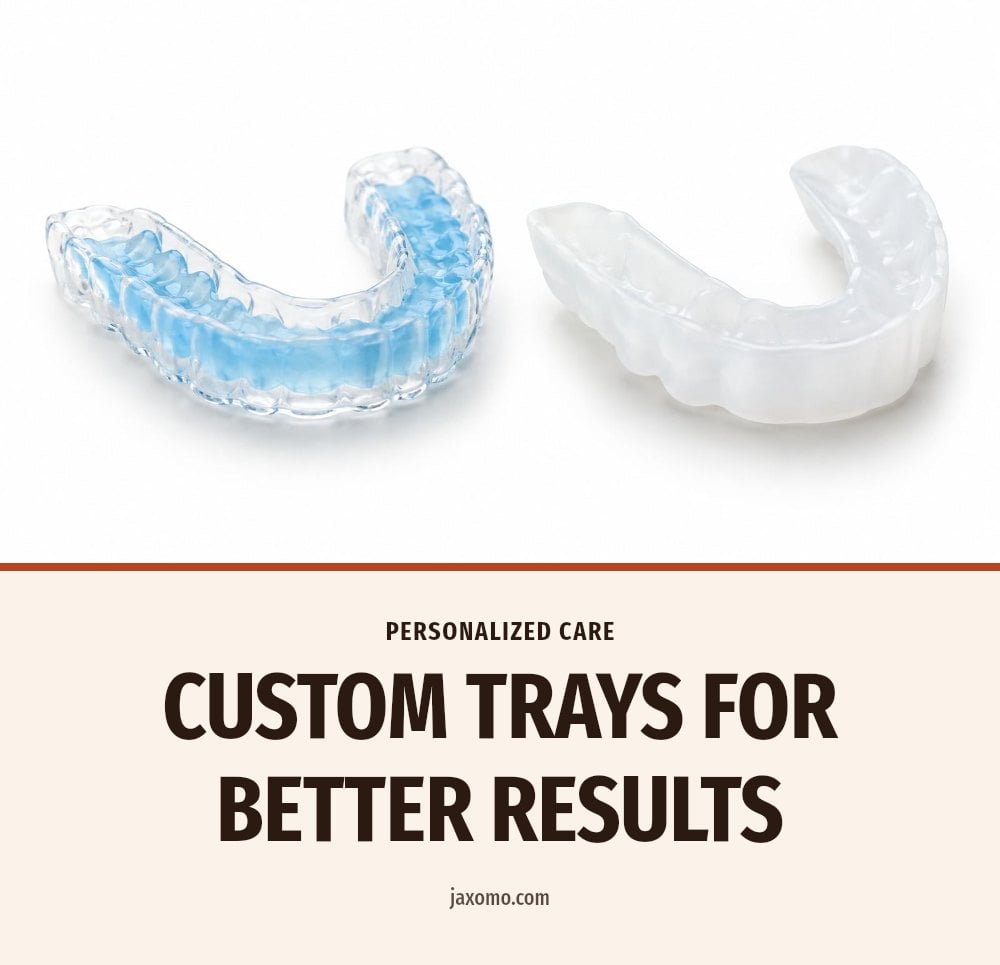
Ask your dentist about custom-fitted trays if you want to whiten at home with better results than over-the-counter kits. These trays are molded to your teeth, so the bleaching gel makes even contact and doesn’t leak onto your gums, which can cause irritation. They use a carbamide peroxide gel, which breaks down into hydrogen peroxide and is generally less potent than hydrogen peroxide, making it gentler while still effective over a few weeks.
5. Try Whitening Strips or Gels
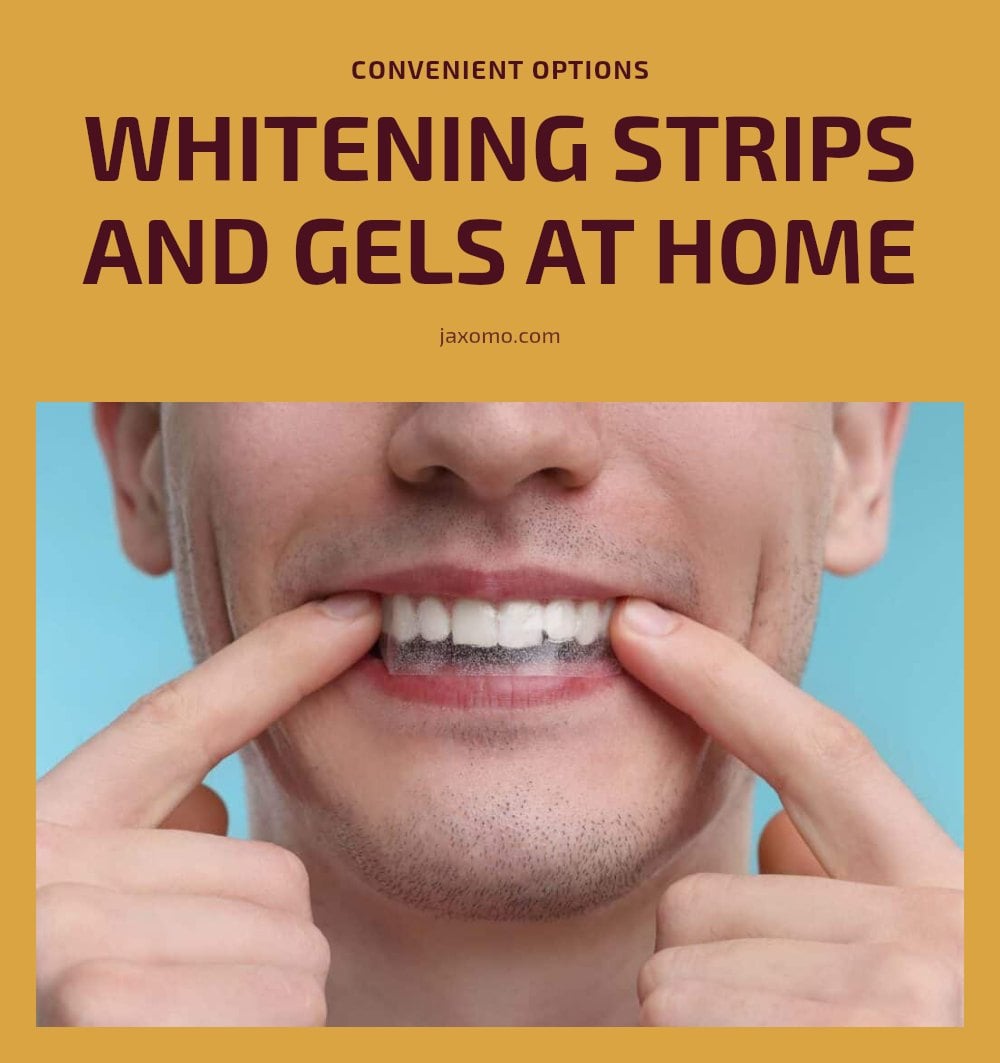
Over-the-counter whitening strips and brush-on gels are popular, accessible options for home use. They typically contain lower concentrations of hydrogen peroxide or carbamide peroxide and can effectively remove extrinsic stains from coffee, tea, and red wine. My tip: Follow the instructions precisely for application time and frequency to avoid increased sensitivity or gum irritation.
6. Don’t Overdo Whitening
More isn’t always better with teeth whitening. Overusing products can lead to increased tooth sensitivity and gum irritation. It can also give your teeth an unnaturally translucent or bluish appearance instead of a healthy white. Stick to the recommended application times and frequencies on your product or as advised by your dentist.
7. Manage Sensitivity and Irritation
Temporary tooth sensitivity and gum irritation are common side effects of whitening, but they usually go away. If you feel sensitivity, try using a desensitizing toothpaste before, during, and after your treatment. Tip: You can also take short breaks between whitening sessions if the discomfort is too much, or reduce the application time.
8. Be Wary of Abrasive Methods
Some natural whitening methods, like using baking soda or activated charcoal, are abrasive and can damage your tooth enamel over time. Lemon juice and apple cider vinegar are acidic and erode enamel, leaving your teeth more vulnerable to stains and sensitivity.
Caution: These may seem like quick fixes, but they can cause irreversible damage. Stick to dentist-approved products for safe, effective whitening.
9. Maintain Good Oral Hygiene
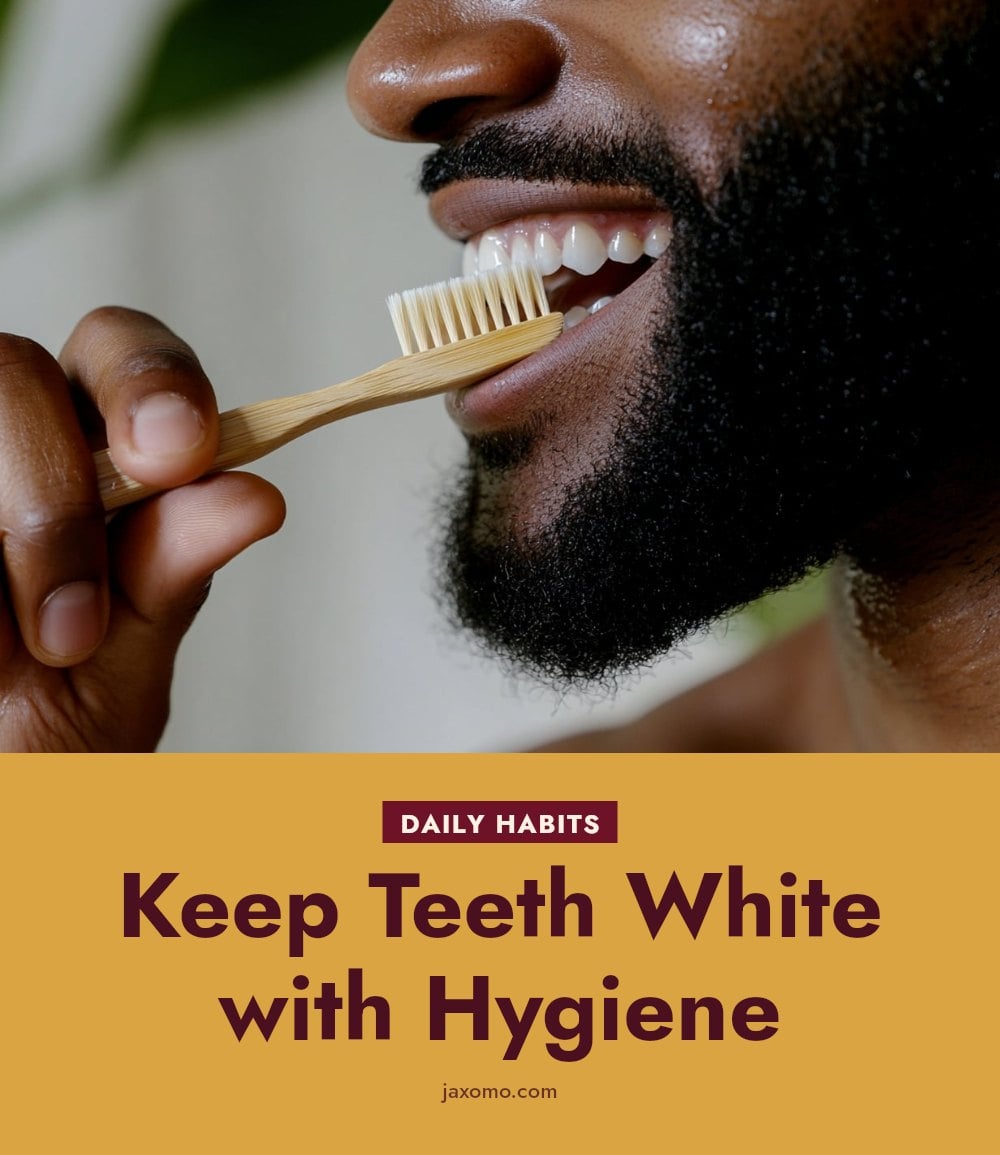
Once you have your desired shade, good oral hygiene keeps it that way. Brush twice a day and floss daily to prevent new surface stains from forming.
Good to know: Use a whitening toothpaste designed for daily use, ensuring it is not overly abrasive. This helps gently remove new stains while protecting your enamel, so your results last longer.
10. Avoid Stain-Causing Foods & Drinks
To keep your smile bright, limit coffee, tea, red wine, dark berries, and highly pigmented sauces. When you do indulge, rinse your mouth with water right afterward, or use a straw to minimize contact with your teeth.
Pro move: This simple habit significantly reduces the formation of new extrinsic stains, so your whitening results last longer.
11. Schedule Touch-Up Treatments
Teeth whitening results aren’t permanent, so occasional touch-ups are needed to maintain your bright smile. Depending on your habits and the method you used, you may need a touch-up every few months to a year.
Your dentist can advise on the best schedule for maintaining results without over-whitening.
When to See a Dentist About Whitening
Always consult your dentist before starting any whitening regimen, especially if you have existing dental conditions. Stop at-home treatment and see your dentist if you experience severe or prolonged tooth sensitivity, significant gum pain, or persistent irritation. If you have untreated cavities, gum disease, or exposed tooth roots, whitening can cause pain or complications, so see your dentist first. Remember that whitening won’t change the color of crowns, veneers, or fillings, so discuss options with your dentist for a uniform smile.
Frequently Asked Questions
How long do teeth whitening results last?
Results are not permanent and typically last from a few months to a year, depending on your diet and oral hygiene. Touch-up treatments every few months can help maintain your shade, and your dentist can recommend a schedule based on the method you used.
Can I whiten my teeth if I have sensitive gums?
You can still whiten, but you should be cautious. Start with a lower concentration product and use a desensitizing toothpaste. If you experience significant gum pain or prolonged irritation, stop treatment and consult your dentist before continuing.
What is the difference between hydrogen peroxide and carbamide peroxide?
Both are active bleaching agents, but carbamide peroxide breaks down into hydrogen peroxide and urea. A 10% carbamide peroxide solution is roughly equivalent to 3.5% hydrogen peroxide, making it less potent. Products with hydrogen peroxide often work faster but may cause more sensitivity.
Can teeth whitening damage my enamel?
When used correctly and in moderation, whitening products are generally safe for enamel. Overuse or using highly abrasive methods like baking soda can erode enamel over time. Always follow instructions and consult your dentist if you have concerns about enamel health.
Do ‘natural’ remedies like lemon juice actually work?
Lemon juice is acidic and can erode tooth enamel, making teeth more vulnerable to stains and sensitivity. While it may remove some surface discoloration temporarily, the long-term damage to enamel outweighs any minor whitening effect. Safer alternatives include whitening toothpaste or strips.
Will teeth whitening work on veneers or crowns?
No, whitening agents only affect natural tooth enamel. Veneers, crowns, fillings, and other dental restorations will not change color. If you have restorations, whitening can create uneven coloring, so it’s best to discuss options with your dentist before starting treatment.
Final Thoughts
My best advice is to start with a dentist visit to rule out any underlying issues and get a personalized recommendation. Realistic expectations matter: results from at-home kits can take a few days to weeks, and maintenance is needed every few months to a year. With the right method and consistent care, you can keep your smile bright without compromising your dental health.
This article is for general informational purposes only and does not constitute medical or dental advice. Teeth whitening may not be suitable for everyone, especially those with untreated cavities, gum disease, or sensitive teeth. Consult your dentist for a personalized evaluation before starting any whitening regimen.