Damaged Hair Repair Tips: Bring Your Strands Back to Life
Learn how to repair damaged hair with expert tips on gentle care, targeted treatments, and prevention. Get your hair looking and feeling healthy again!

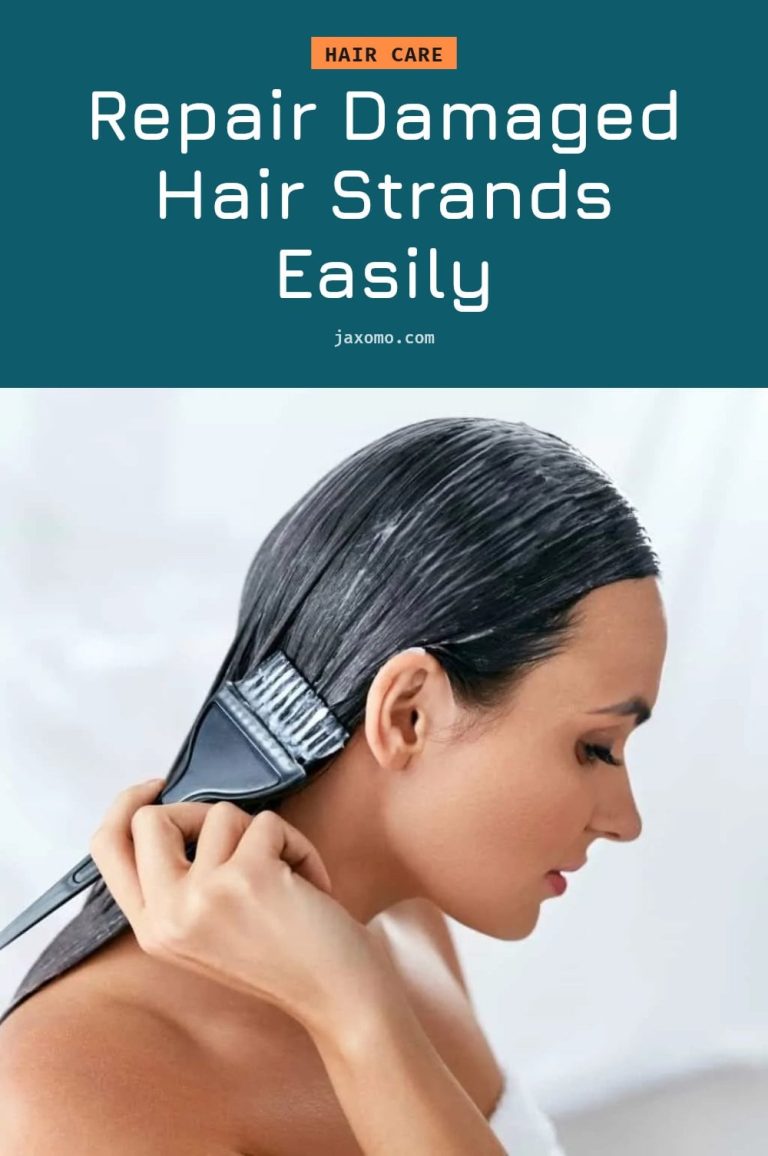
You know that rough, frizzy feeling when your hair just doesn’t bounce back the way it used to? That’s a sign the outer layer, the cuticle, is lifted or worn away, leaving the inner strand exposed and vulnerable. This article covers the simple, practical steps that actually help bring your hair back to life, from washing and detangling to trimming and protecting it every day.
Key Takeaways
- Get a trim every 6-8 weeks to remove split ends before they travel up the hair shaft.
- Use a heat protectant spray or serum every single time you style with heat.
- Deep condition with a mask 1-2 times a week to replenish moisture and strengthen strands.
- Switch to a silk or satin pillowcase to reduce friction, tangles, and breakage while you sleep.
- Rinse with cool water after conditioning to help seal the cuticle for smoother, shinier hair.
What is Damaged Hair and How to Fix It?
Damaged hair happens when the cuticle, the outer protective layer made of overlapping cells like shingles on a roof, gets lifted or worn away. This exposes the inner cortex, leading to moisture loss, dullness, roughness, frizz, and breakage. To fix it, focus on gentle care, deep conditioning, strengthening treatments, and protecting your hair from more harm. The truth is, existing damage can’t be ‘glued’ back together. But consistent care significantly improves the appearance and feel of your hair until new, healthy strands grow in.
1. Understand Why Your Hair Is Damaged
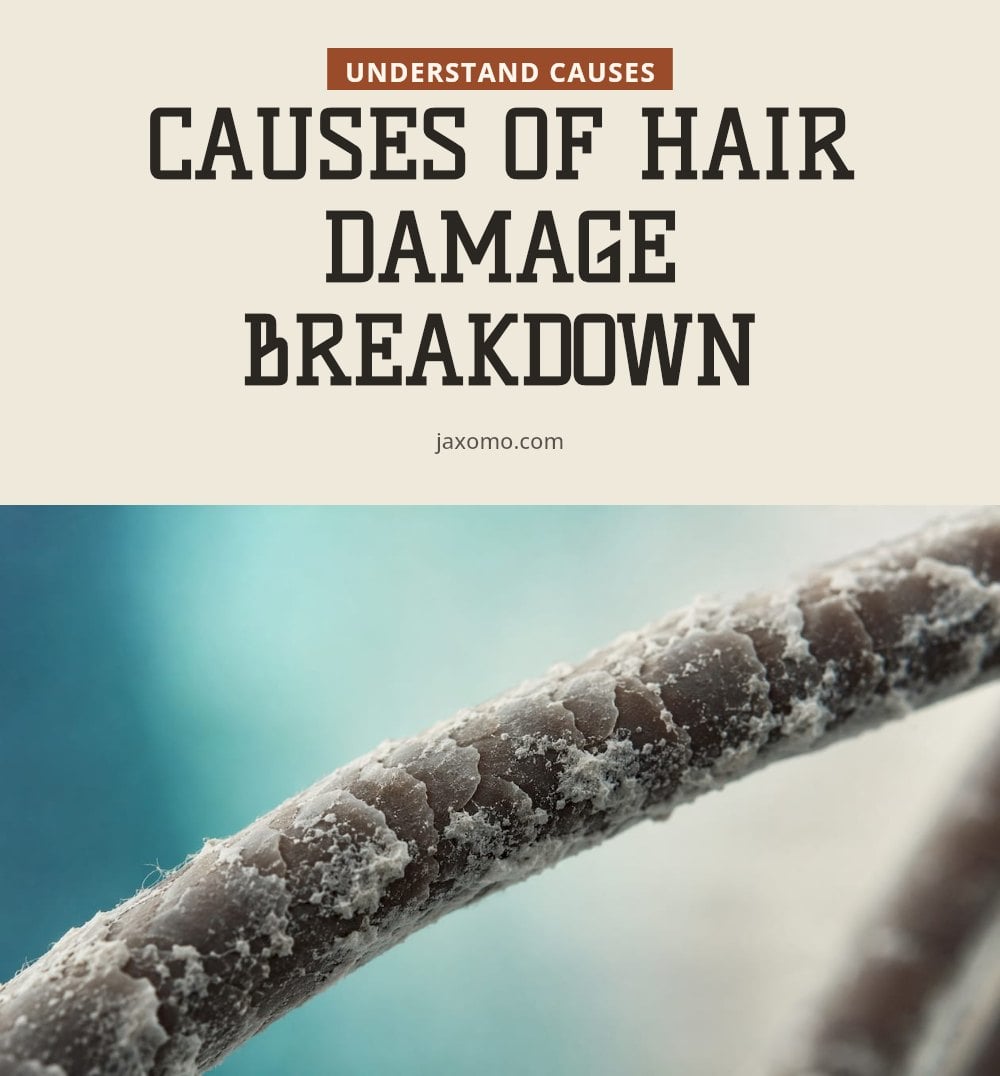
The hair cuticle works like shingles on a roof, protecting the inner cortex. When damage lifts or wears away the cuticle, moisture escapes and your hair becomes vulnerable to more harm. Common culprits include:
- Heat styling (blow-dryers, flat irons, curling wands)
- Chemical treatments (coloring, perms, relaxers)
- UV exposure from the sun
- Harsh brushing or rough towel drying
- Environmental factors like wind and pollution
Identifying the cause is the first step to preventing further damage and choosing the right repair strategy.
2. Get Regular Trims to Remove Split Ends
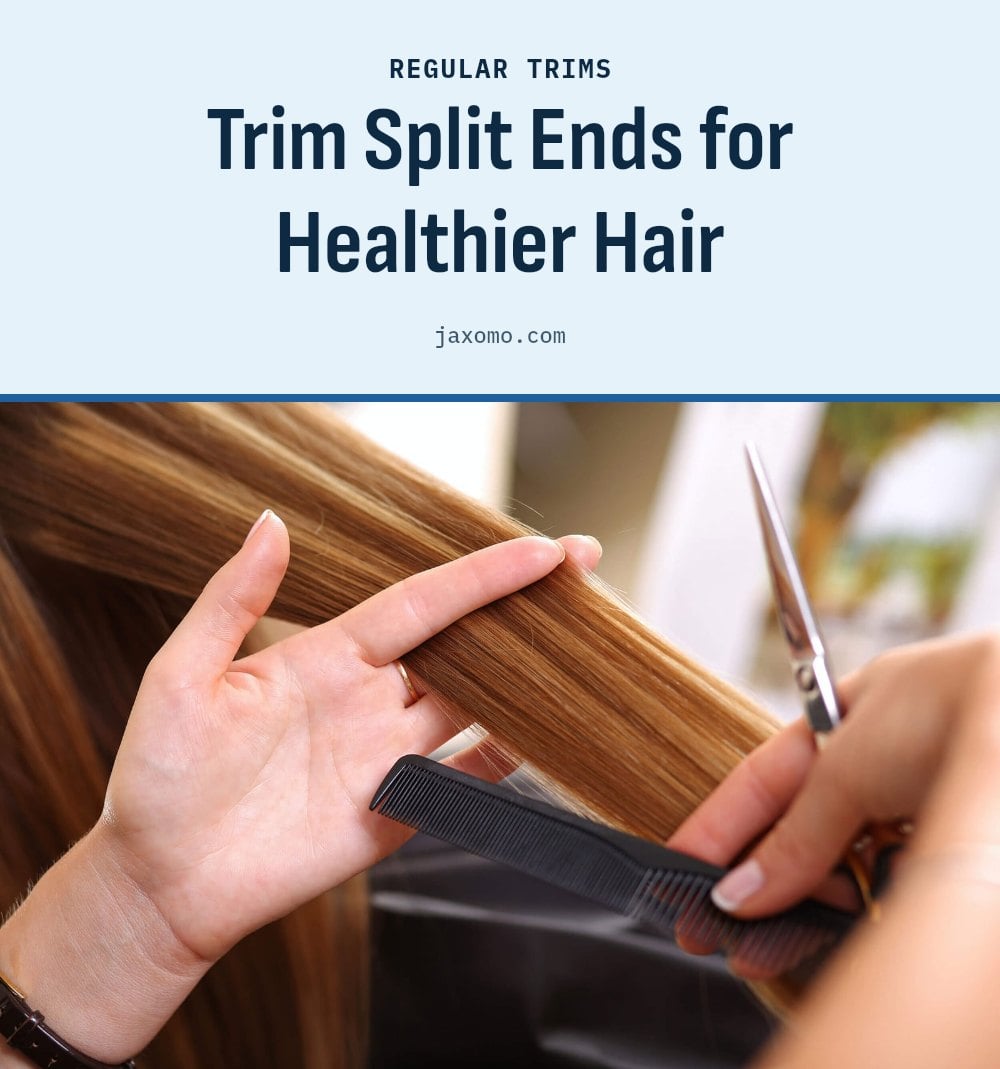
Regular trims every 6-8 weeks are non-negotiable because split ends cannot be truly repaired. Once the cuticle splits, it will only travel further up the hair shaft, causing more breakage. Removing split ends prevents that spread and keeps your hair looking healthier and fuller.
My tip: Even if you’re trying to grow your hair long, consistent micro-trims are crucial. Skipping trims to save length actually leads to more breakage, so you lose length in the long run.
3. Choose the Right Shampoo and Conditioner
Opt for sulfate-free shampoos and conditioners specifically formulated for damaged or dry hair. Sulfates are harsh detergents that strip natural oils from your hair, which makes existing dryness and damage worse. Look for ingredients that offer hydration and gentle cleansing, such as glycerin, aloe vera, or natural oils, to support your hair’s recovery without stripping it further.
4. Deep Condition Regularly with Hair Masks

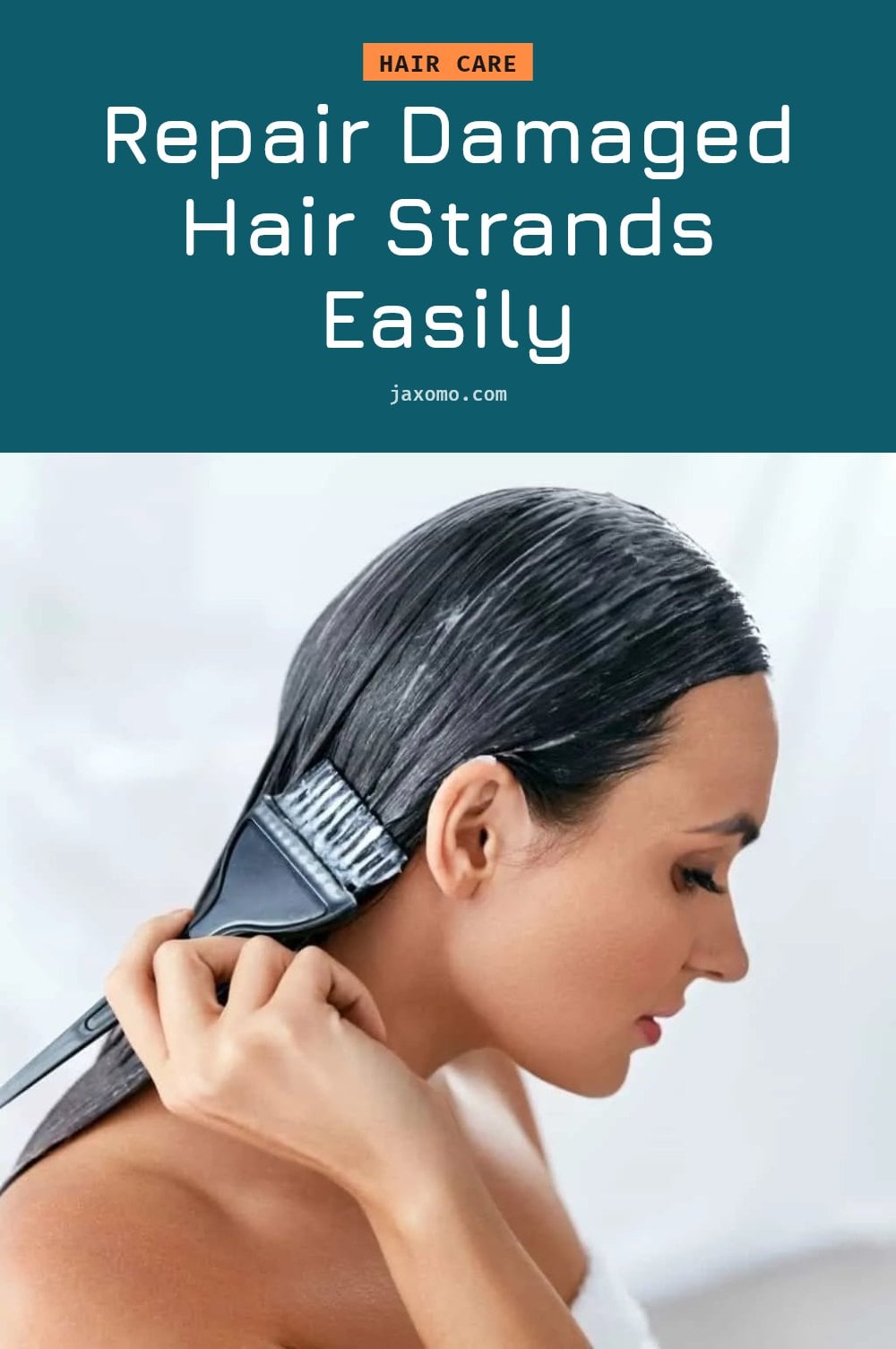
Apply a deep conditioning treatment or hair mask 1-2 times a week to replenish moisture and strengthen your strands. Unlike regular conditioners, these treatments penetrate deeper into the hair shaft, delivering intense hydration and nutrients where damage has left hair porous and weak.
Look for masks that contain natural oils like argan, coconut, or jojoba to smooth the cuticle, and humectants such as glycerin or hyaluronic acid to draw moisture into the hair. Leave the mask on for at least 5-10 minutes, or longer if the label suggests, then rinse with cool water to help seal in the benefits.
5. Use a Heat Protectant Every Time
Always use a heat protectant spray or serum before reaching for any hot tool, whether it’s a flat iron, curling wand, or blow dryer. These products create a protective barrier on the hair, distributing heat more evenly and reducing direct damage to the cuticle.
My tip: Even if you’re just blow-drying, a protectant is crucial. Air-drying your hair partially before blow-drying also cuts down overall heat exposure, so your strands spend less time in the hot airflow.
6. Master Gentle Detangling Techniques
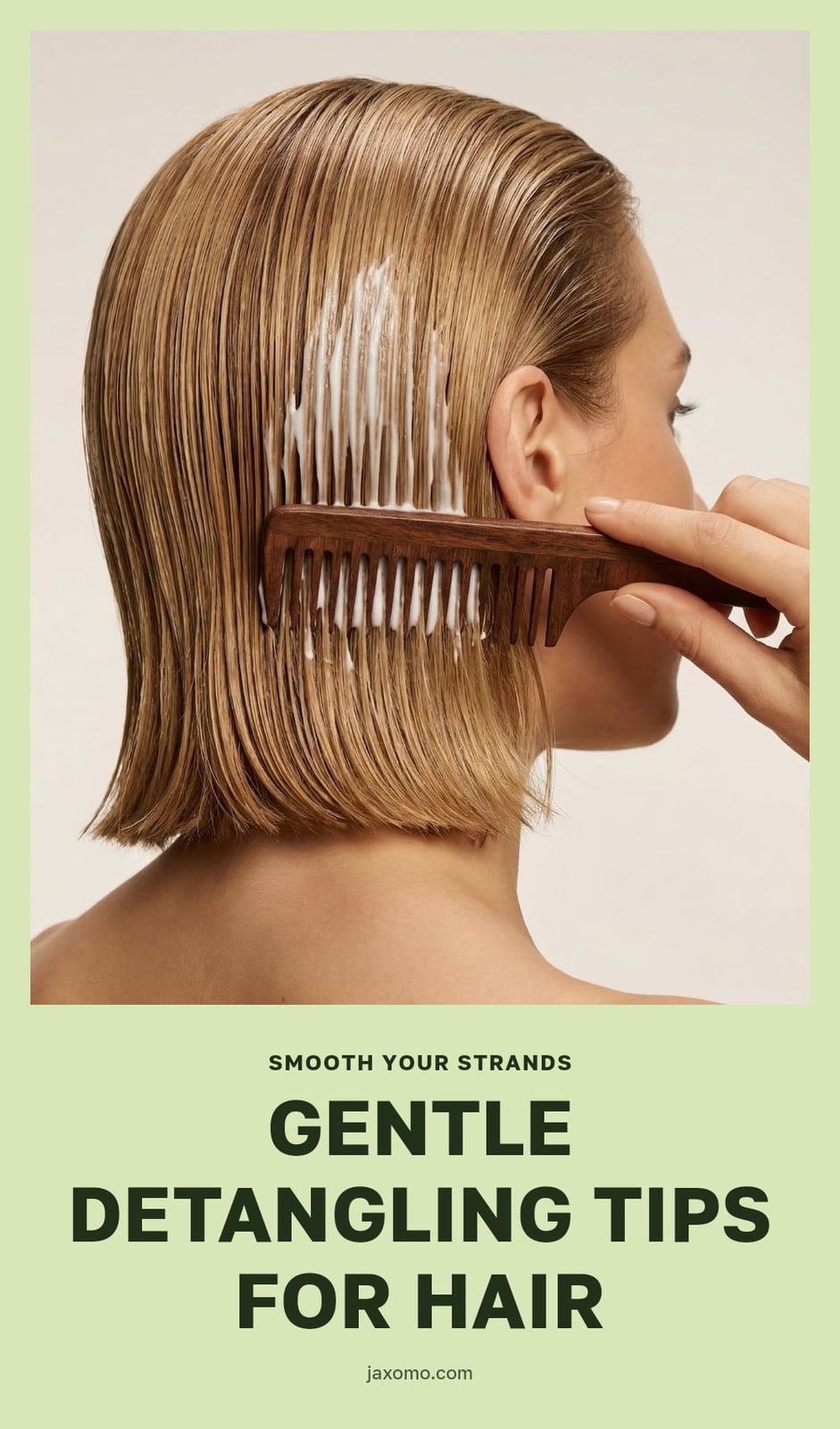
Wet hair is more elastic and prone to stretching and breaking, so never brush it harshly when it’s damp. Instead, use a wide-tooth comb to detangle, starting at the ends and gently working your way up to the roots. This minimizes breakage and prevents pulling out strands.
After washing, don’t rub your hair vigorously with a towel. That friction roughens the cuticle and causes frizz. Gently squeeze out excess water with a microfiber towel, which is softer and more absorbent than a regular cotton one.
7. Incorporate Protein Treatments Wisely
Protein treatments can temporarily strengthen the hair shaft by filling in gaps in the damaged cuticle, improving its structure and reducing breakage. However, overusing them can backfire, leaving hair stiff, brittle, and more prone to snapping.
Use a protein treatment sparingly, perhaps once a month, and always follow it with a moisturizing mask to restore the moisture balance. If your hair feels straw-like after a protein treatment, you’ve likely overdone it, so cut back and focus on hydration.
8. Protect Your Hair While You Sleep
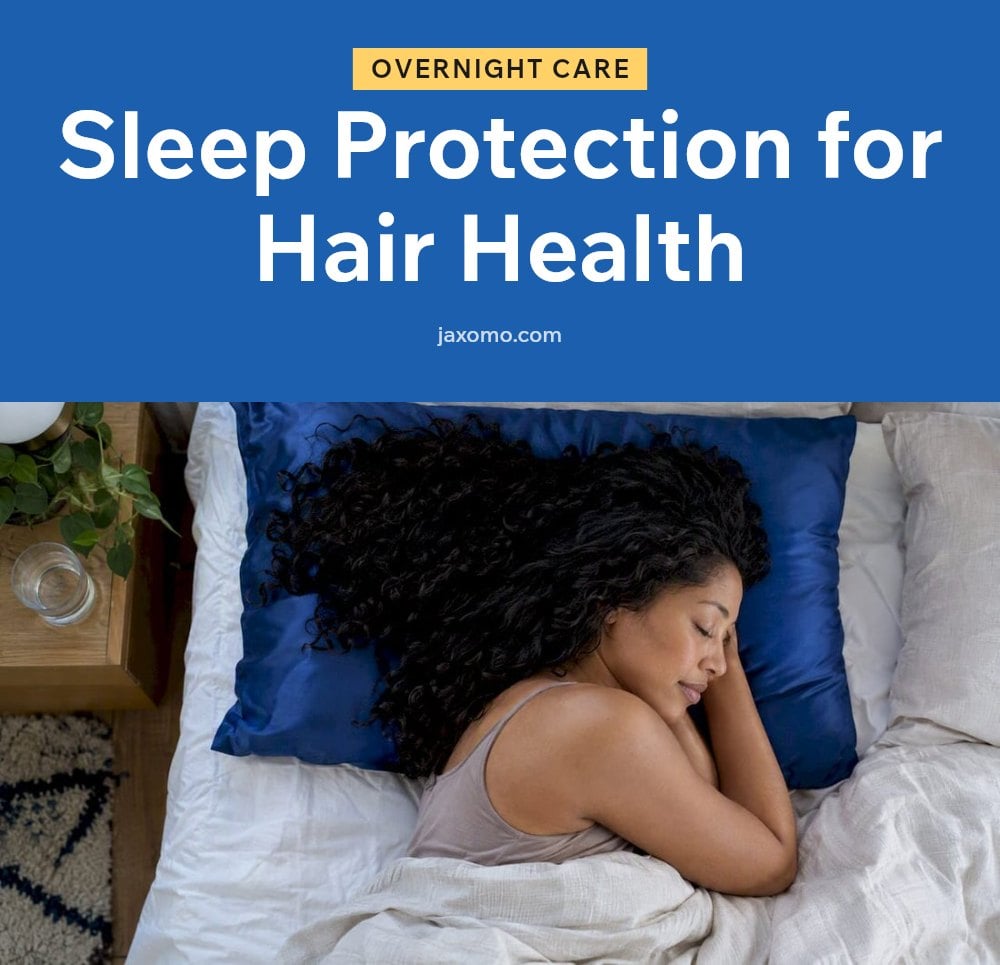
Switch to a silk or satin pillowcase: Cotton creates friction that roughs up the cuticle and causes tangles, frizz, and breakage while you sleep. Silk or satin lets your hair glide across the surface instead, reducing damage significantly.
Secure your hair loosely: A loose braid or a top knot secured with a satin scrunchie keeps hair from rubbing against the pillow. Avoid tight elastics that leave dents and snap strands, especially when your hair is damp from a nighttime wash.
9. Adjust Your Chemical Treatment Schedule
If your hair is already showing signs of damage, consider taking a break from chemical treatments like coloring, perms, or relaxers. These processes work by lifting the cuticle to allow chemicals to penetrate, which leaves your hair more vulnerable to moisture loss and breakage. Giving your hair adequate recovery time between treatments, ideally several months, gives the cuticle a chance to re-seal and regain some strength.
When you do decide to color again, opt for gentler formulas such as demi-permanent or semi-permanent dyes, which use lower levels of peroxide and ammonia. Professional services that include bond-building treatments can also help reinforce the hair structure during the coloring process.
10. Eat a Hair-Healthy Diet
Your hair grows from the inside out, so what you eat directly affects its strength and shine. A balanced diet rich in vitamins and minerals is crucial for growing healthy hair. Make sure you get enough biotin, iron, zinc, and vitamins A, C, and E.
- Biotin: Found in eggs, nuts, and sweet potatoes, it supports keratin production.
- Iron: Leafy greens and lean proteins help oxygen reach your follicles.
- Zinc: Oysters, pumpkin seeds, and chickpeas aid tissue repair.
- Vitamins A, C, E: Carrots, citrus fruits, and almonds protect against oxidative stress.
Think leafy greens, lean proteins, nuts, seeds, and fruits to nourish your scalp and follicles from within.
11. Rinse with Cool Water to Seal Cuticles
After you finish conditioning, do one final rinse with cool water. The cold temperature helps flatten the hair cuticle, locking in the moisture and smoothing the strand’s surface.
This quick step makes your hair look shinier and feel softer right away, and it takes about ten extra seconds. You don’t need icy water, just cooler than your shower temperature.
- Tip: Do this as the very last step before you step out, so the cool water doesn’t get diluted by warmer spray.
- If the cold feels unbearable, focus the rinse on the lengths and ends, where the cuticle matters most.
Common Mistakes When Repairing Damaged Hair
Believing split ends can be ‘repaired’: They can’t. No serum, mask, or oil will fuse a split end back together. The only true fix is to trim them off, otherwise the split travels further up the shaft and causes more breakage.
Over-using protein treatments: Protein fills gaps in the cuticle and strengthens hair temporarily, but too much makes strands stiff and brittle. Balance protein treatments with moisturizing masks, and stick to about once a month.
Ignoring scalp health: Healthy hair grows from a healthy scalp. If you only treat the lengths and skip scalp care, new growth will come in weak. Massage your scalp regularly and keep it clean to support strong regrowth.
Brushing hair from roots down: This pushes tangles into a knot and snaps strands. Always start detangling at the ends with a wide-tooth comb, then work your way up in small sections.
Expecting instant results: Hair repair takes time. You may notice softer texture within a few weeks, but significant improvement and healthy regrowth take several months. Consistency matters more than any single miracle product.
Frequently Asked Questions
How long does it take to repair severely damaged hair?
You can see improvements in texture and appearance within a few weeks of consistent care, but significant repair and growth of healthy new hair can take several months to a year. Since the damage has already happened, the real fix is growing out the damaged portion while protecting the new growth.
Can split ends truly be repaired?
No. No mask, serum, or oil can fuse a split end back together. Once the cuticle splits, the only true fix is to trim it off. If you don’t, the split will travel further up the hair shaft and cause more breakage.
Are protein treatments always good for damaged hair?
Protein treatments can temporarily strengthen the hair shaft by filling in gaps in the damaged cuticle, but overusing them can leave hair stiff, brittle, and more prone to snapping. Use a protein treatment sparingly, perhaps once a month, and always follow with a moisturizing conditioner.
What’s the best way to prevent future hair damage?
The most effective prevention is a combination of using a heat protectant every time you style, avoiding harsh brushing on wet hair (use a wide-tooth comb instead), sleeping on a silk or satin pillowcase, and giving your hair breaks from chemical treatments. Consistent gentle care makes the biggest difference.
Should I stop coloring my hair if it’s damaged?
If your hair is already showing signs of damage, consider taking a break from coloring or other chemical treatments. These processes lift the cuticle to let chemicals penetrate, leaving hair more vulnerable to moisture loss and breakage. Giving your hair a recovery period allows it to regain strength.
Final Thoughts
The most straightforward way to see real improvement is to stick with a consistent routine: gentle washing, weekly deep conditioning, always using heat protection, and never skipping those trims. You can expect to notice a difference in texture and shine within a few weeks, but growing out fully healthy hair takes several months to a year. The key is to protect what you have now while giving new growth the best possible start.
This article provides general information on hair care and is not a substitute for professional medical or dermatological advice. If you experience significant hair loss, scalp irritation, or a persistent problem, please consult a doctor or dermatologist.