The Easy Hair Care Guide for Stronger, Softer Hair
Unlock the secrets to healthier hair with our easy-to-follow hair care guide. Learn practical tips and routines for stronger, softer, and more vibrant hair.

You’ve probably tried a dozen products and still feel like your hair isn’t as strong or soft as you want. The secret isn’t another miracle bottle. It’s getting the basics right for your specific hair type. This guide covers the simple, effective routine that balances cleansing and care, plus the common mistakes that hold you back.
Key Takeaways
- Wash your hair twice, applying shampoo only to the roots and conditioner only to the mids and ends.
- Gently blot hair dry with a microfiber towel instead of rubbing to prevent frizz and breakage.
- Use a leave-in conditioner spray and a blow dry cream before heat styling for protection and smoothness.
- Detangle from the bottom up with a flexible-bristle brush to avoid pulling and breaking strands.
- Leave your hair alone for several days after styling to reduce damage and extend time between washes.
Achieving Stronger, Softer Hair Starts Here
Stronger, softer hair starts with balancing how you cleanse and how you nurture. Your scalp health and hair integrity depend on that balance. The first step is knowing your hair type, oily, dry, fine, thick, curly, or straight, and picking products made for it. Small shifts in how often you wash, what you apply, and how you style can make a real difference in strength and softness.
Your Essential Hair Care Toolkit
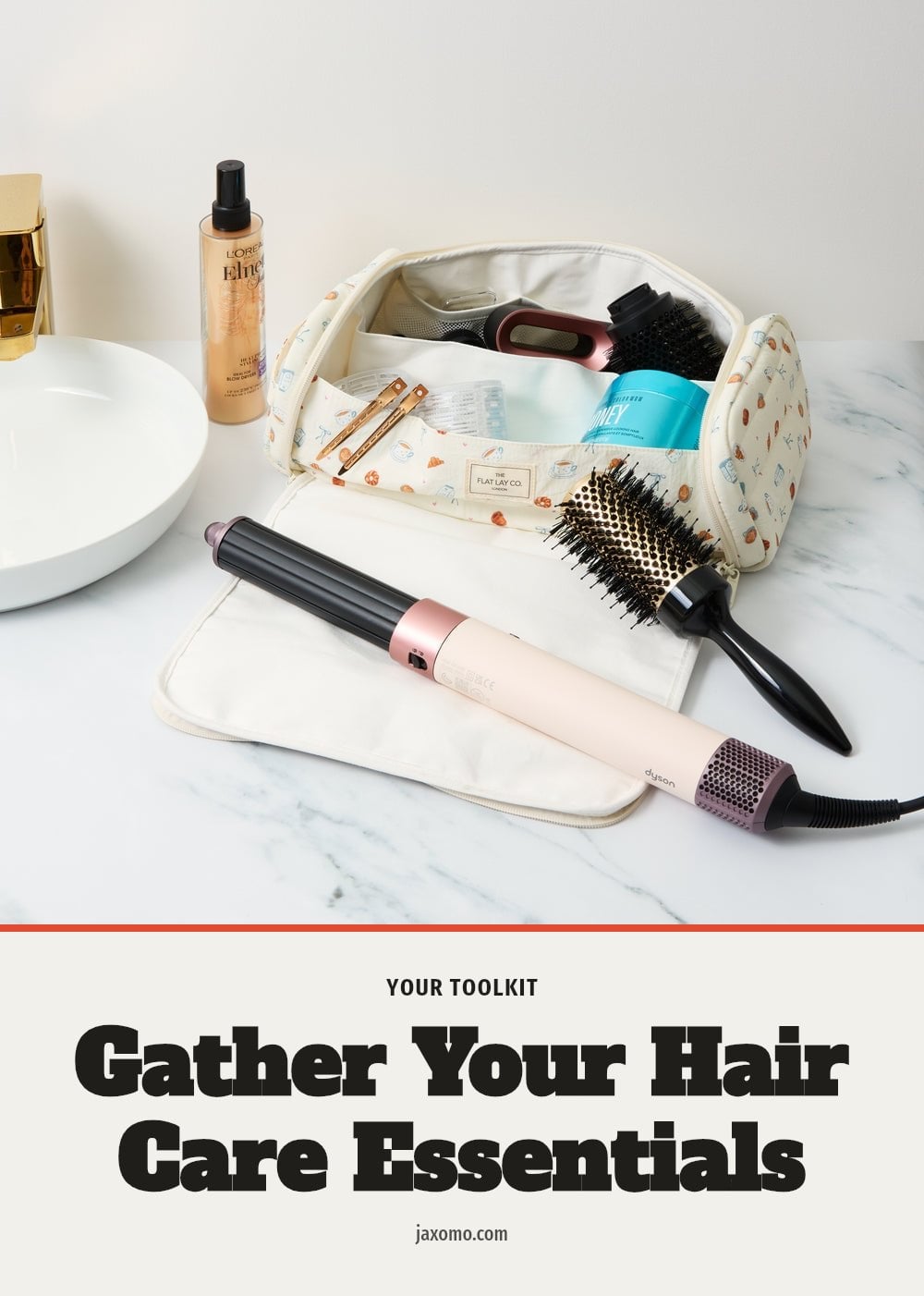
Having the right tools makes the routine simple and effective. Here is what you need:
- Professional shampoo and conditioner: Matched to your hair type for proper cleansing and moisture.
- Microfiber towel: Gently absorbs water without the friction that causes frizz and breakage.
- Leave-in conditioner spray: Prevents mids and ends from drying out and smooths the hair shaft.
- Blow dry cream: Adds volume, softness, and shine while protecting against heat.
- Flexible-bristle brush: Detangles gently without pulling or snapping strands.
- Blow dry brush: Makes styling easy and gives a smooth finish.
- High-quality hair oil: Polishes the final look and adds shine.
Your 15-Minute Routine for Healthy, Beautiful Hair
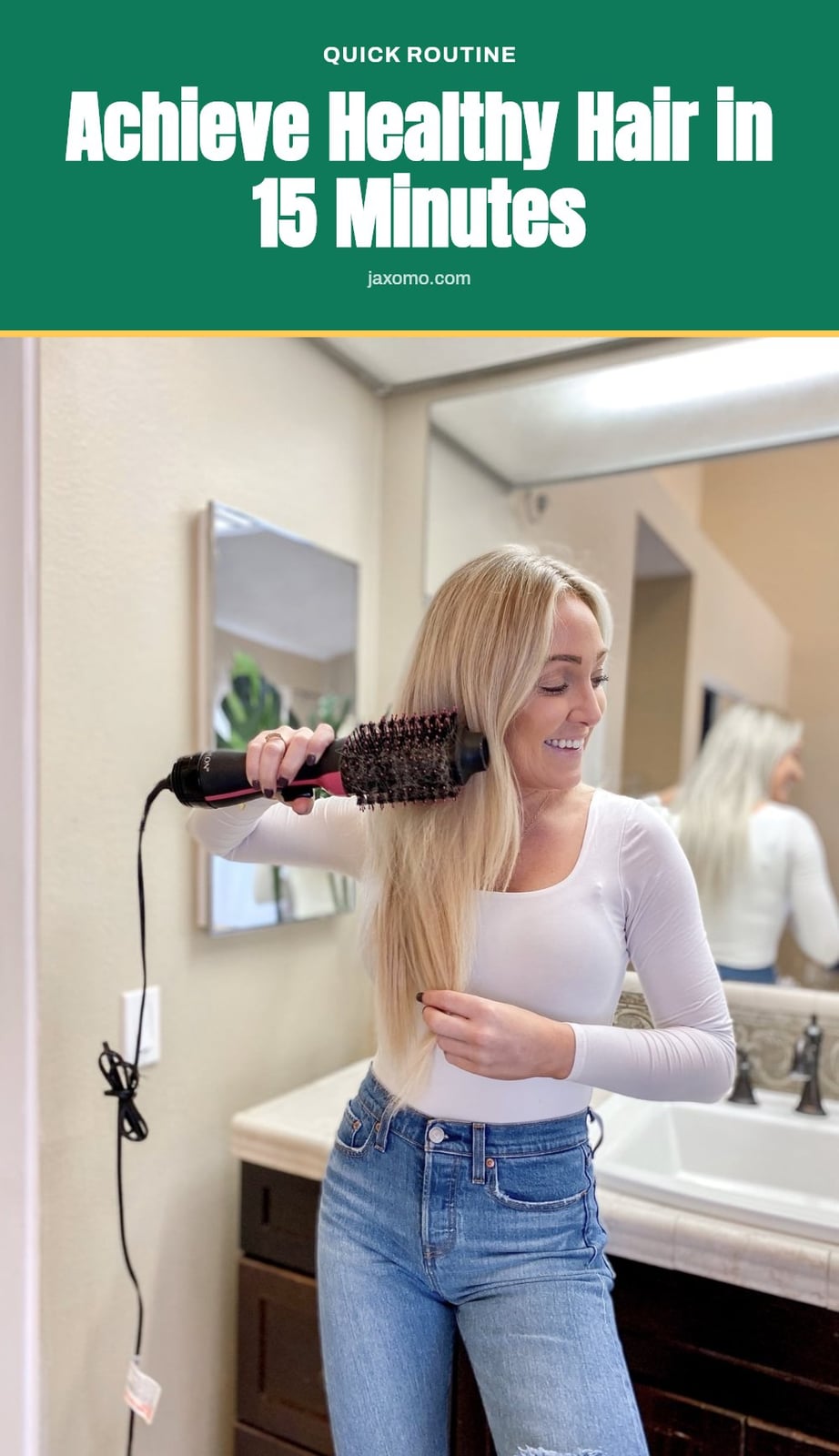
Follow this 15-minute routine to get healthy, beautiful hair every time.
- Wash twice: Apply shampoo only to your roots and scalp, scrubbing firmly with your fingertips. Rinse and repeat. Then apply conditioner only to your mids and ends. Washing twice removes all oil from the scalp, while keeping conditioner off roots prevents greasiness.
- Blot dry: Gently press a microfiber towel onto your hair to absorb excess water. Do not rub. That creates friction, tangles, and breakage.
- Apply two products: Spray a leave-in conditioner evenly through your mids and ends. For fine hair, use 8-10 sprays; for medium, 10-12; for coarse, 12-16. Then apply a pea-sized amount of blow dry cream through the same areas.
- Pre-dry: Flip your head over and blow-dry the underneath layers. For curly or wavy hair, stop as soon as you see frizz. For straight hair, aim for 80% dry.
- Detangle: Use a flexible-bristle brush. Start at the bottom of your hair and work upward, gently working out knots. This prevents pulling and damage.
- Style in sections: Clip the top half of your hair up. Start with the back bottom section, pulling the brush through with gentle tension and a slight twist. Repeat for all sections.
- Polish: Rub a small amount of high-quality hair oil between your palms and smooth it over your finished style. Use a dime-sized amount for fine hair, nickel-sized for medium, and quarter-sized for coarse.
If you learn better by watching, this 14-minute video from Blowout Professor shows every step. The how-to part starts at 1:03.
Common Hair Care Mistakes to Avoid
Avoid these common mistakes to keep your hair healthy and your routine effective.
- Washing and styling too frequently: This traumatizes your hair and scalp, leading to damage over time.
- Using too many products: Over-application makes hair gunky and forces you to wash more often.
- Applying shampoo to mids and ends: Strips natural oils, causing dryness and damage.
- Applying conditioner to roots: Makes roots greasy quickly, reducing time between washes.
- Not scrubbing firmly during shampooing: Leaves oil on the scalp, which leads to smell and quick dirtying.
- Using regular towels or rubbing vigorously: Creates friction, tangles, frizz, and breakage.
- Brushing wet hair vigorously: Wet hair is more fragile and prone to breakage when brushed roughly.
Expert Tips for Long-Lasting Hair Health

After you wash and style, leave your hair alone for several days. This extends the time between washes and styling sessions, which promotes healthier hair. Using fewer products also helps: it prevents buildup and keeps your hair feeling fresh longer.
Choose shampoo, conditioner, and styling products that match your hair type. Oily, dry, fine, thick, curly, and straight hair each need different formulations. Regular trims every 6 to 8 weeks remove split ends and maintain overall health.
Tip: Always apply a heat protectant before using any hot tools. For sun exposure, wear a hat or use UV-protective products. A balanced diet with enough vitamins, minerals, and water supports hair vitality from the inside out.
When to Consult a Professional
See a dermatologist if you have persistent scalp irritation like dryness, itchiness, or redness that home care does not improve. Also consult a professional if you notice excessive hair loss beyond your normal shedding or sudden changes in hair texture such as brittleness or oiliness.
Caution: Any allergic reaction to new hair products, especially dyes or chemical treatments, requires medical attention. Do not ignore these signs.
Frequently Asked Questions
How often should I wash my hair?
It depends on your hair type and lifestyle. Oily hair may need washing every 1-2 days, while dry or curly hair can go 3-7 days between washes. The goal is to wash when your scalp feels oily or your hair looks limp, not every day unless necessary.
Can diet affect my hair health?
Yes, a balanced diet rich in vitamins and minerals, especially protein, iron, and omega-3 fatty acids, supports healthy hair growth and strength. Adequate hydration also helps keep your scalp and hair in good condition.
What’s the best way to detangle wet hair?
Use a wide-tooth comb or a brush with flexible bristles, starting at the ends and working your way up to the roots. Never pull through knots from the top, as wet hair is more fragile and prone to breakage.
How do I know my hair type?
Look at your hair’s natural texture (straight, wavy, curly, or coily) and its oiliness (oily, dry, or combination). Fine hair feels thin and limp, while thick hair feels dense. Choose products labeled for your specific combination, like curly or oily hair.
Final Thoughts
Stick with this 15-minute routine and you will see real improvement in strength and softness over several weeks. The key is consistency: wash and style as described, then let your hair rest for a few days before the next session. Trust the process, and your hair will thank you.
This guide provides general hair care information and is not a substitute for professional medical advice. If you have persistent scalp issues, excessive hair loss, or sudden texture changes, please consult a dermatologist or healthcare provider.