How to Successfully Complete a Whole30 Program
Learn how to do Whole30 with this guide. Discover permitted foods, meal planning tips, and how to navigate reintroduction for lasting health benefits.


Starting a Whole30 can feel overwhelming with all the rules, but it’s really about giving your body a clean slate for 30 days. You cut out sugar, alcohol, grains, legumes, and dairy, and focus on whole, unprocessed foods like meat, vegetables, and healthy fats. This article walks you through exactly how to prepare, what to eat, and how to navigate the full program successfully.

Key Takeaways
- Plan your meals and grocery list before starting to avoid temptation.
- Read every food label for hidden sugars, carrageenan, MSG, and sulfites.
- Do not weigh yourself or take body measurements during the 30-day elimination phase.
- After day 30, reintroduce food groups one at a time over several days to identify reactions.
- Consult a healthcare professional before beginning if you have a chronic condition or take medication.
What is the Whole30 Program?
Whole30 is a 30-day elimination diet designed to identify how specific foods affect your body and reset your eating habits. For the full month, you strictly cut out sugar (real and artificial), alcohol, grains, legumes, and dairy. The program focuses on whole, unprocessed foods like meat, vegetables, and healthy fats, followed by a careful reintroduction phase to pinpoint potential food sensitivities.
Essential Foods and Tools for Your Whole30 Journey
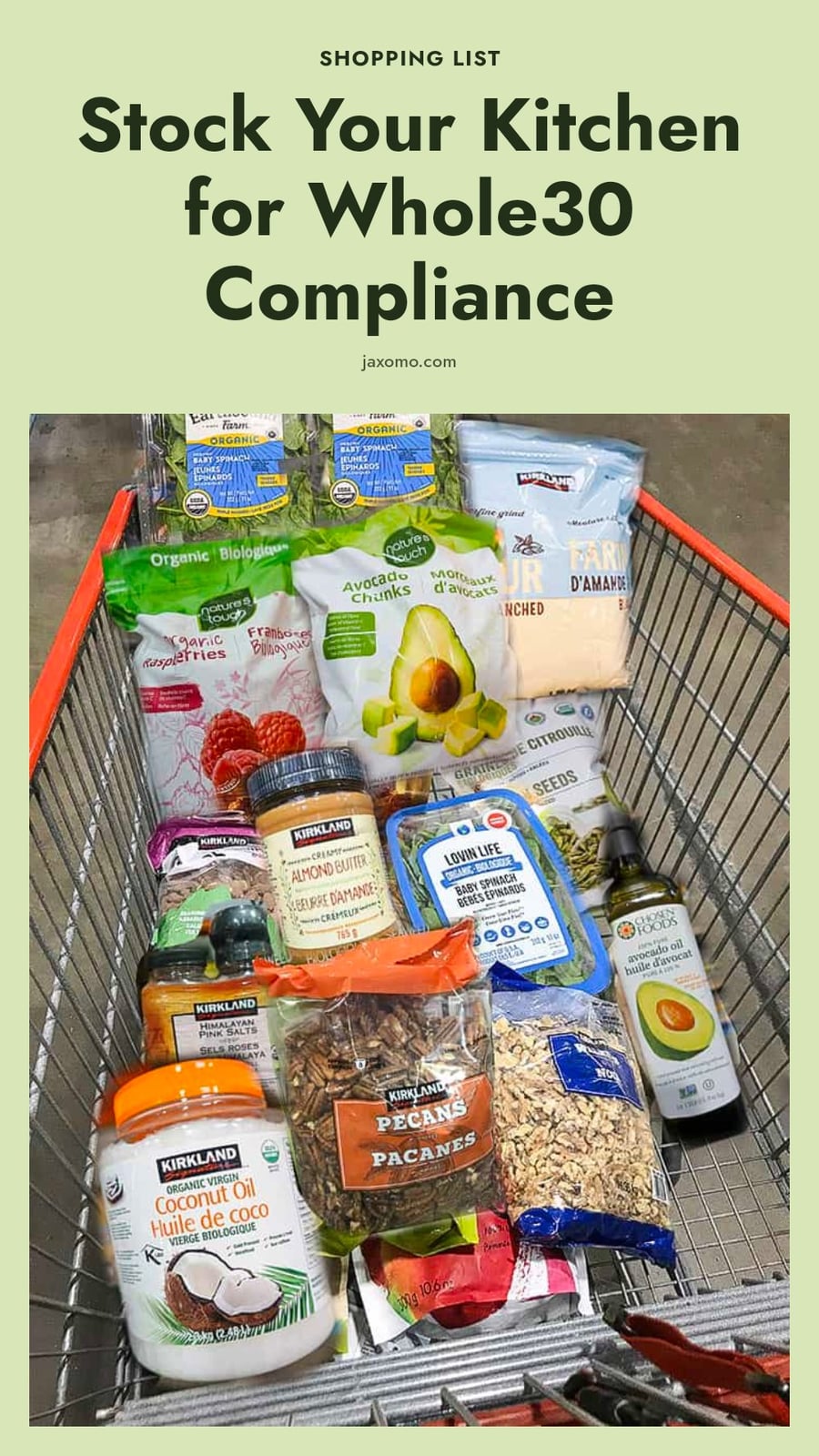
Stock your kitchen with fresh, unprocessed ingredients. Your daily staples should include:
- Proteins: meat, seafood, and eggs
- Vegetables and fruits: all kinds are allowed
- Healthy fats: olive oil, coconut oil, avocados, ghee, nuts, and seeds
- Flavor: herbs, spices, and vinegars without added sugar
For planning, meal prep containers help you portion out compliant meals for the week. A food scale can also be useful for consistent portioning.
Your Step-by-Step Guide to Completing Whole30

Follow these steps to complete the 30-day elimination phase successfully.
- Plan your meals and grocery list: Map out a week of breakfasts, lunches, and dinners. Buy only compliant ingredients so you have no temptation.
- Read every label carefully: Check for hidden sugars, carrageenan, MSG, and sulfites. Even condiments, broths, and canned items can contain prohibited additives.
- Eat three meals a day: Each meal should include plenty of vegetables, a serving of protein, and a source of healthy fat. Do not skip meals. If you are hungry between meals, a small planned snack of compliant foods like nuts or fruit is acceptable.
- Do not weigh yourself or take measurements: The program is about identifying food sensitivities, not weight loss. Avoid the scale for the full 30 days.
- Stay committed for 30 consecutive days: A slip-up that involves eating a non-compliant ingredient means you should restart from day one. Read labels carefully to avoid accidental slip-ups.
- Plan your reintroduction phase: After day 30, add back one food group at a time (dairy, grains, legumes, sugar) over several days. Observe how your body reacts to each.
Practical Tips for a Successful Whole30 Experience

These strategies help you stay on track and make the 30 days smoother.
- Prioritize meal prepping: Cook large batches of compliant meals on weekends. Having ready-to-eat food reduces the chance of grabbing something off-plan.
- Stay hydrated: Drink plenty of water throughout the day. It helps manage hunger and supports your body during the adjustment period.
- Prepare for social events: Bring your own compliant dish or eat a full meal before you go out. This way you’re not tempted by non-compliant options.
- Manage stress and sleep: Your body is adjusting to a new way of eating. Prioritize 7-8 hours of sleep and find stress-reducing activities like walking or stretching.
- Focus on what you are gaining: Instead of dwelling on restrictions, notice how you feel, more energy, clearer skin, better digestion. That positive focus keeps you motivated.
Common Whole30 Mistakes and How to Avoid Them
Not reading labels carefully: Hidden sugars, carrageenan, MSG, and sulfites lurk in unexpected places like canned tomatoes, broth, and spice blends. Check every ingredient list before buying.
Failing to plan meals: Hunger without a plan leads to grabbing whatever is available, which is often non-compliant. Set aside a few hours each weekend to batch-cook proteins, roast vegetables, and portion compliant snacks like nuts or seeds.
Treating it as a weight-loss diet: The real value of Whole30 is identifying food sensitivities through elimination and reintroduction. Skip the scale for 30 days and focus on how you feel.
Recreating non-compliant foods: Paleo pancakes and banana-egg muffins keep cravings alive by mimicking old habits. Stick to whole foods: meat, vegetables, fruit, and healthy fats. Compliant snacks like nuts, seeds, or fresh fruit are fine when eaten in moderation.
Skipping the reintroduction phase: Without a structured reintroduction, you never learn which foods cause issues. Plan for 10-15 days after the 30 to add back dairy, grains, legumes, and sugar one at a time.
Navigating the Whole30 Reintroduction Phase
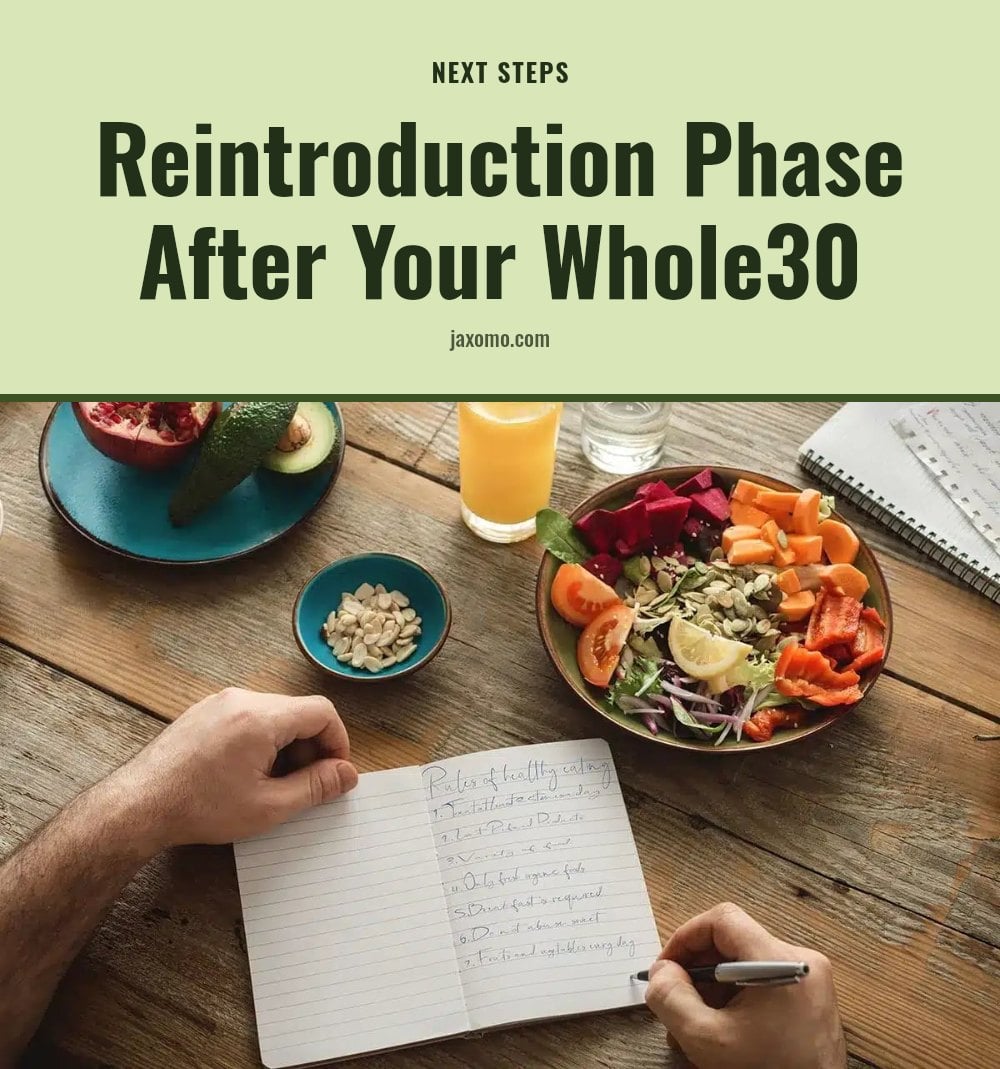
After the 30-day elimination, reintroduce food groups one at a time over several days. Start with dairy, then grains, then legumes, then sugar. Each time you add a group, eat it in a moderate portion at one meal and then wait 2-3 days before trying the next group.
During those days, note any digestive discomfort, skin breakouts, headaches, or energy crashes. This is the only way to pinpoint which foods your body handles poorly.
My tip: Keep a simple notebook or notes app entry for each reintroduction day. Write down what you ate and how you felt an hour, three hours, and the next morning. Those details make it easy to spot patterns.
When to Consult a Healthcare Professional
Always talk to a healthcare professional before starting Whole30 if you have a chronic condition, take prescription medications, or are pregnant or breastfeeding. The program’s strict elimination may affect blood sugar, nutrient intake, or medication absorption.
If during the 30 days you experience severe fatigue, dizziness, digestive pain, or other persistent symptoms, stop and see a doctor. Do not push through serious discomfort.
Anyone with a history of disordered eating should consult a therapist or dietitian before beginning a restrictive protocol. The focus on elimination can trigger unhealthy patterns.
Frequently Asked Questions
What are the main benefits of doing Whole30?
Many people report better energy, improved digestion, clearer skin, and fewer cravings after completing the program. Because it eliminates common inflammatory foods, it can help you identify which ones don’t agree with your body. It also resets your eating habits, making you more mindful of ingredients and portion sizes.
Can I drink coffee on Whole30?
Yes, plain black coffee is allowed. You cannot add dairy, sugar, or non-compliant creamers. Some people use a splash of compliant canned coconut milk or ghee instead. Just check that any flavored coffee beans don’t have added sugar or artificial flavors.
Is Whole30 good for weight loss?
Whole30 is designed as an elimination program, not a weight-loss diet. That said, many participants do lose weight as a side effect because they’re eating whole foods and cutting out processed items and added sugar. Results vary, and the main goal is to identify food sensitivities, not to shed pounds.
How do I handle social events while on Whole30?
Plan ahead by eating a compliant meal before you go, or bring your own dish to share. Stick to plain meats, vegetables, and salads with oil and vinegar dressing. Avoid alcohol, sauces, and anything breaded or fried. It’s okay to politely decline food that doesn’t fit the program.
What happens after the 30 days are over?
You move into the reintroduction phase, where you add back one food group at a time over several days. Start with dairy, then grains, then legumes, then sugar. After each addition, wait 2-3 days to observe how you feel before trying the next group. This is how you pinpoint which foods cause issues.
Final Thoughts
My tip is to treat the reintroduction phase as seriously as the elimination phase. That’s where you learn which foods work for you and which ones cause bloating, fatigue, or other issues. Expect the first week to be tough, with cravings and possible fatigue, but it usually gets easier after that. If you stick with it, you’ll come out with a much clearer picture of how your body responds to different foods.
This article is for general informational purposes only and does not constitute medical or dietary advice. Whole30 is a restrictive program that may not be suitable for everyone. Consult a healthcare professional before starting, especially if you have a chronic condition, are pregnant, breastfeeding, or take medication. If you experience severe or persistent symptoms, stop and seek medical guidance.