How to Regrow Hair on Bald Spots: Your Guide to Fuller Hair
Discover common causes of bald spots and effective methods to encourage hair regrowth. Learn about treatments, lifestyle changes, and professional help.

Noticing a bald spot can feel alarming, but you’re not alone. The good news is that regrowth is possible for many types of hair loss, depending on what’s causing it. This article walks you through the common reasons bald spots appear, effective methods to encourage regrowth, and what to realistically expect along the way. You’ll also learn how to prevent further loss and when it’s time to see a professional.
Key Takeaways
- See a dermatologist to identify the exact cause of your bald spots before starting treatment.
- Minoxidil, an FDA-approved topical treatment, may show visible results in 3 to 6 months.
- Alopecia areata often responds to corticosteroid treatments, which require a doctor’s prescription.
- Manage stress and eat a balanced diet rich in iron, zinc, biotin, and vitamin D.
- Avoid tight hairstyles and excessive heat to prevent further hair follicle damage.
Understanding Bald Spots and Hair Regrowth
Bald spots can appear for many reasons, from genetics and stress to medical conditions like alopecia areata. The right regrowth strategy depends entirely on what is causing yours. Options range from simple lifestyle changes and topical treatments to medical therapies, but all of them require patience and consistency to work.
Why Bald Spots Appear: Common Causes
Why Bald Spots Appear: Common Causes
Androgenetic alopecia, also known as pattern baldness, is the most frequent cause and can affect both men and women. It typically follows a family history and progresses gradually.
Alopecia areata is an autoimmune condition where the immune system attacks hair follicles, leading to patchy bald spots that can appear suddenly. Telogen effluvium is temporary shedding triggered by significant life events like stress, illness, childbirth, or major weight loss, and hair often regrows once the trigger resolves.
Traction alopecia results from consistent tension on hair follicles, usually from tight hairstyles like ponytails, braids, or buns. Nutritional deficiencies, particularly iron, zinc, biotin, and vitamin D, can also contribute to hair loss.
If you notice a bald spot, consider recent stressors, hairstyle habits, and diet, but a dermatologist can pinpoint the exact cause.
Effective Methods to Encourage Hair Regrowth

Effective Methods to Encourage Hair Regrowth
Minoxidil: This over-the-counter topical treatment is FDA-approved for androgenetic alopecia. It works by stimulating hair follicles and prolonging the growth phase. Apply it to the scalp twice daily as directed, and be patient, visible results usually take 3 to 6 months.
Finasteride: An oral prescription medication for male pattern baldness, finasteride blocks the conversion of testosterone to DHT, a hormone that shrinks follicles. It is not approved for women and can have side effects, so discuss it thoroughly with your doctor before starting.
Corticosteroids: For alopecia areata, where the immune system attacks hair follicles, corticosteroids can help suppress that response. They are available as topical creams, injections, or oral pills, and a dermatologist will determine which form is right for you.
Rosemary oil: Some studies suggest diluted rosemary oil may stimulate hair growth comparable to minoxidil in some cases. Mix a few drops with a carrier oil like jojoba or coconut, then massage it into your scalp. Caution: Always dilute essential oils to avoid irritation, and do a patch test first.
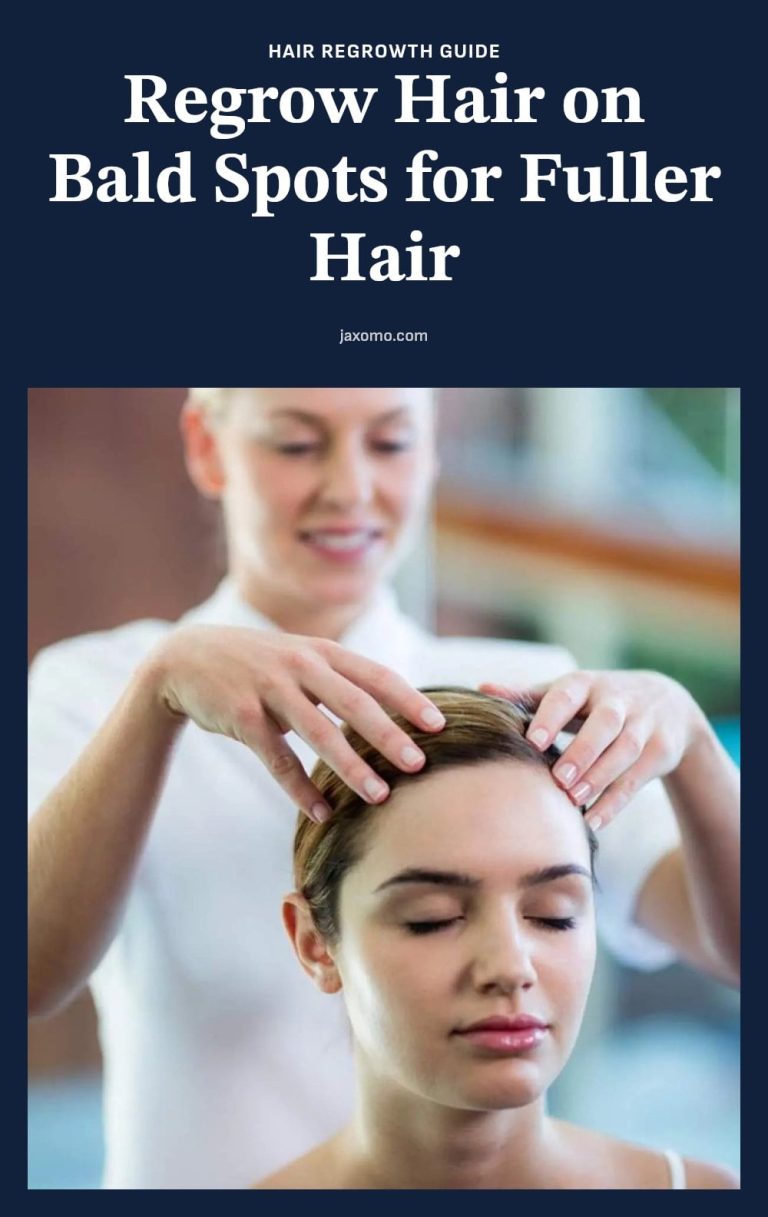
Scalp massage: Regular scalp massage may improve blood circulation to the follicles, potentially supporting growth. Use your fingertips in small circular motions for 4 to 5 minutes daily. My tip: Do this while shampooing to make it a consistent habit.
Preventing Further Hair Loss and Supporting Healthy Growth
Preventing Further Hair Loss and Supporting Healthy Growth
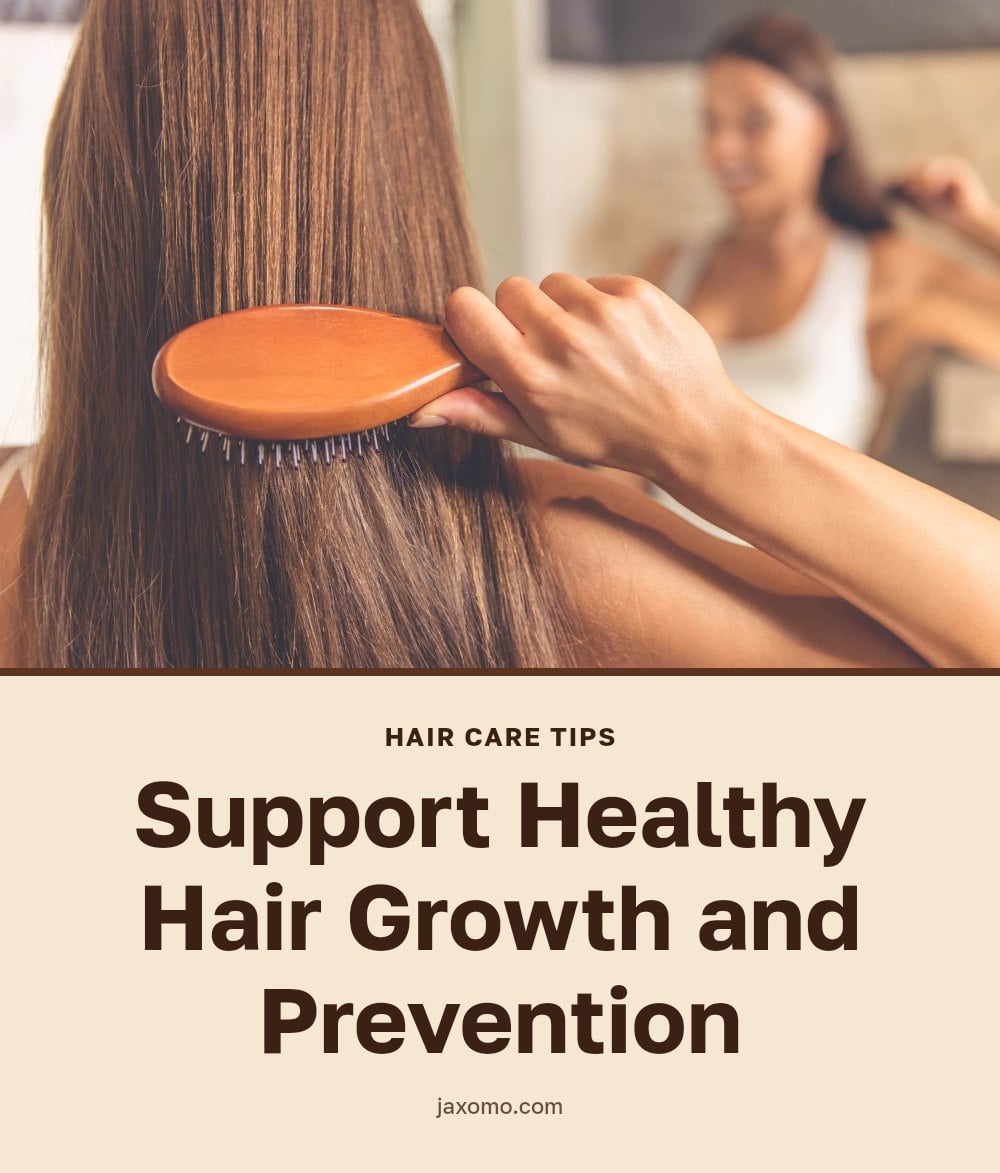
Start with your diet: make sure you get enough protein, vitamins, and minerals, especially iron, zinc, biotin, and vitamin D. Manage stress with techniques like meditation or yoga, since high stress can trigger shedding. Avoid tight hairstyles that pull on the follicles, and minimize heat styling and harsh chemical treatments. Use a gentle shampoo and conditioner, and brush with a soft-bristle brush to protect both hair and scalp.
Common Mistakes When Addressing Bald Spots
Self-diagnosing: It is tempting to assume you know the cause, but different types of hair loss require different approaches. A dermatologist can identify whether you are dealing with androgenetic alopecia, telogen effluvium, or another condition.
Expecting overnight results: Hair grows slowly, and visible regrowth typically takes 3 to 6 months of consistent treatment. Patience is essential.
Stopping treatment too soon: Many people give up after a few weeks because they see no change. Stick with your routine for at least several months before evaluating effectiveness.
Ignoring underlying health conditions: Hair loss can signal a nutritional deficiency, thyroid issue, or other medical problem. Do not overlook these possibilities.
Using harsh products: Excessive heat styling and chemical treatments can damage hair and follicles. Stick to gentle shampoos and avoid high heat.
What to Expect: Timeline for Hair Regrowth and Treatment Costs
Visible hair regrowth typically takes 3 to 6 months of consistent treatment. Full results may require 12 months or longer to become apparent.
Over-the-counter treatments like minoxidil are generally more affordable than prescription options. Medical therapies such as finasteride or corticosteroid injections involve higher costs and regular doctor visits. Budget both time and money for the long haul.
When to Consult a Professional for Bald Spots
If you experience sudden or significant hair loss, see a doctor or dermatologist to rule out underlying conditions. The same applies if bald spots come with itching, redness, or pain.
If over-the-counter treatments show no results after several months, a professional can assess whether a different approach is needed. Always consult a healthcare provider before starting any new treatment, especially if you are pregnant or breastfeeding.
Frequently Asked Questions
How long does it take to see results from hair regrowth treatments?
Visible regrowth typically takes 3 to 6 months of consistent use for treatments like minoxidil. Full results may take 12 months or longer. Hair grows slowly, so patience is key. If you don’t see any change after several months, check with a dermatologist, as you may need a different approach.
Can stress cause permanent bald spots?
Stress-related hair loss, like telogen effluvium, is usually temporary and often resolves once the stress is managed. However, chronic stress can worsen other types of hair loss, so it’s not always permanent. If you notice sudden shedding after a stressful event, it’s wise to consult a doctor to rule out other causes.
Are there natural remedies for bald spots?
Some natural options, like rosemary oil, have shown promise in studies for stimulating hair growth, possibly comparable to minoxidil in some cases. Always dilute essential oils with a carrier oil before applying to your scalp. While natural remedies can be helpful, they’re not a substitute for professional treatment for significant hair loss.
What is the most effective treatment for hereditary baldness?
For androgenetic alopecia, minoxidil (topical) and finasteride (oral, for men) are FDA-approved options. Minoxidil is available over the counter, while finasteride requires a prescription. Many people find a combination works best, but a doctor can help you decide based on your specific situation and any potential side effects.
Can diet truly impact hair regrowth?
Yes, a balanced diet rich in protein, vitamins, and minerals is essential for healthy hair. Deficiencies in iron, zinc, biotin, or vitamin D can contribute to hair loss, so addressing those may help. However, dietary changes alone may not reverse genetic hair loss, so they work best as part of a broader plan.
Final Thoughts
Your best move is to start by getting a professional diagnosis. A dermatologist can tell you whether your bald spot is from genetics, stress, or an autoimmune issue, and then recommend the right treatment. Remember, hair regrowth is slow, so give any method at least 3 to 6 months before judging its effectiveness, and up to a year for full results. Stay consistent, be gentle with your hair, and keep your overall health in check. With patience and the right approach, you can improve the look and health of your hair.
This article is for general information only and is not a substitute for professional medical advice. Hair loss can have many causes, and what works for one person may not work for another. If you have persistent bald spots, sudden shedding, or any concerning symptoms, please see a doctor or dermatologist for a proper diagnosis and treatment plan.