11 Dark Spot Remedies that Work for Brighter Skin
Discover 12 effective dark spot remedies, from topical treatments to professional procedures, to achieve brighter, more even-toned skin and prevent future.

You’ve tried the serums, the creams, and maybe even a few home remedies, but those stubborn dark spots still linger. Whether they’re from sun exposure, a past breakout, or hormonal changes, you want them gone. The good news is that effective treatments exist, from gentle topical ingredients to in-office procedures. This article covers 11 remedies that actually work, along with the key habits that keep your skin bright long-term.
Key Takeaways
- Apply broad-spectrum sunscreen with SPF 30+ daily to prevent new dark spots and protect existing progress.
- Consistent use of topical ingredients like vitamin C, niacinamide, or alpha arbutin can show results in 8-12 weeks.
- Retinoids speed up cell turnover, helping shed pigmented skin cells and reveal fresher skin underneath.
- Professional treatments like chemical peels and laser therapy target melanin directly for stubborn spots.
- Consult a dermatologist if dark spots are persistent, severe, or you suspect melasma.
Effective Dark Spot Remedies for Brighter Skin
Dark spots, also called hyperpigmentation, happen when excess melanin builds up in patches of skin. The most effective remedies work by blocking melanin production, speeding up cell turnover, or physically removing pigmented cells. Consistency is everything. You need to stick with your chosen treatment for weeks to see change. And daily sun protection is non-negotiable. It prevents new spots and makes sure your treatments actually work.
1. Vitamin C Serum
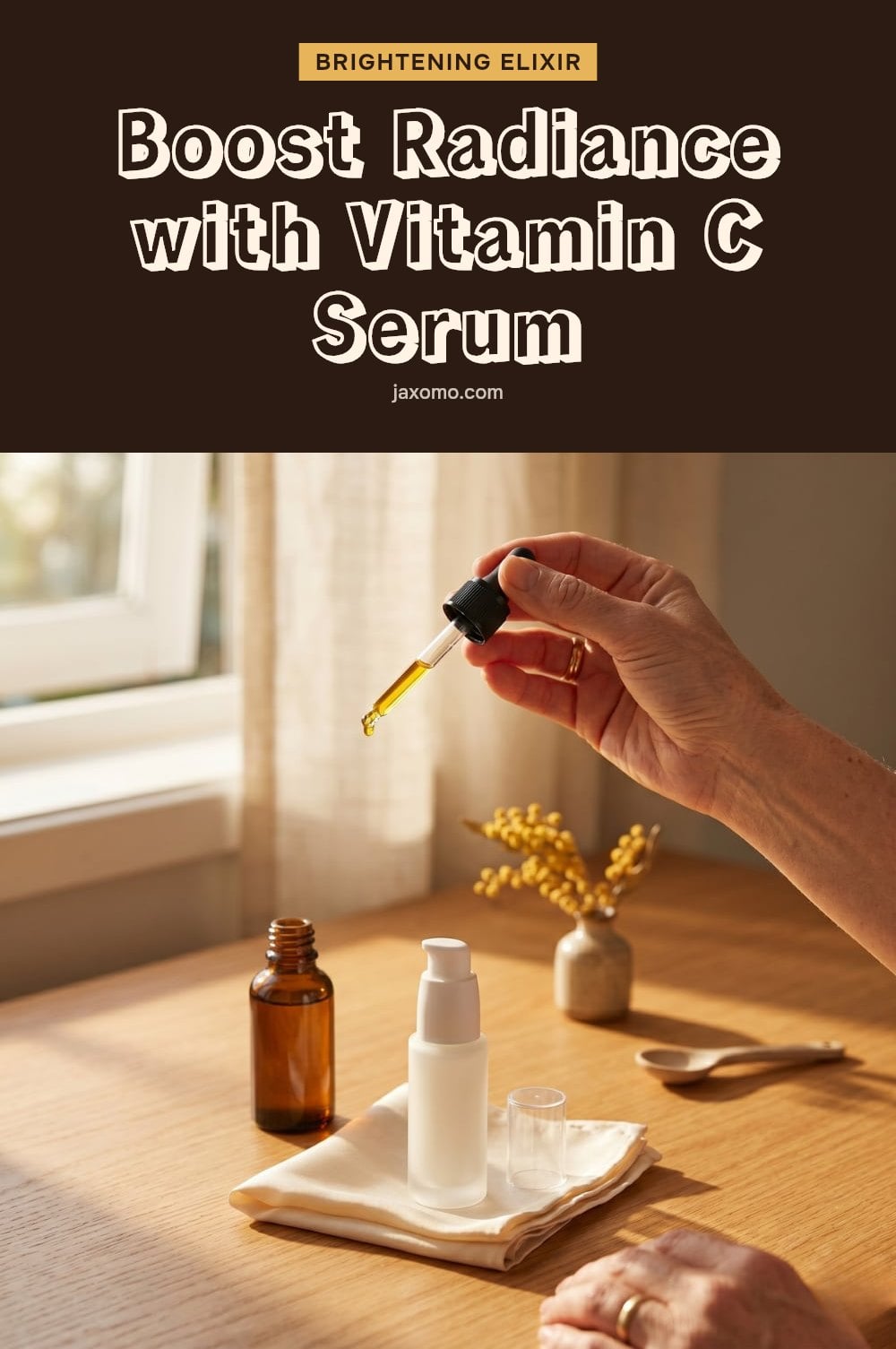
Vitamin C is a potent antioxidant that brightens skin and fades dark spots by stopping melanin production at the source. For best results, choose a serum with L-ascorbic acid in a 10-20% concentration.
- My tip: Apply it in the morning after cleansing and before sunscreen. This maximizes its protective benefits against UV damage throughout the day.
2. Niacinamide (Vitamin B3)
Niacinamide, or vitamin B3, reduces dark spots by blocking the transfer of melanin to skin cells. It also strengthens your skin barrier and calms inflammation, which helps prevent new marks from forming after breakouts or irritation.
- My tip: It’s gentle enough for most skin types and can be used daily, either morning or night, without causing irritation.
3. Alpha Arbutin
Alpha arbutin is a natural compound derived from hydroquinone. It works by inhibiting tyrosinase, the enzyme that triggers melanin production. This makes it a safer, gentler option for long-term use compared to prescription hydroquinone.
- Tip: Combine it with vitamin C in your routine for an extra brightening boost.
4. Kojic Acid
Kojic acid comes from fungi and works by blocking tyrosinase, the same enzyme that alpha arbutin targets. This makes it effective for lightening dark spots and evening out your overall skin tone. You’ll find it in cleansers, serums, and creams.
Caution: Some people develop irritation, especially at higher concentrations. Patch test on your inner arm for a few days before applying it to your face.
5. Azelaic Acid
Azelaic acid reduces hyperpigmentation by inhibiting tyrosinase and calming inflammation at the same time. That dual action makes it a smart choice if you also deal with acne breakouts, since it helps fade post-inflammatory marks while treating active pimples.
Good to know: This ingredient is generally well-tolerated, so you can use it twice daily. Start with once a day and increase if your skin handles it fine.
6. Retinoids (Retinol, Tretinoin)
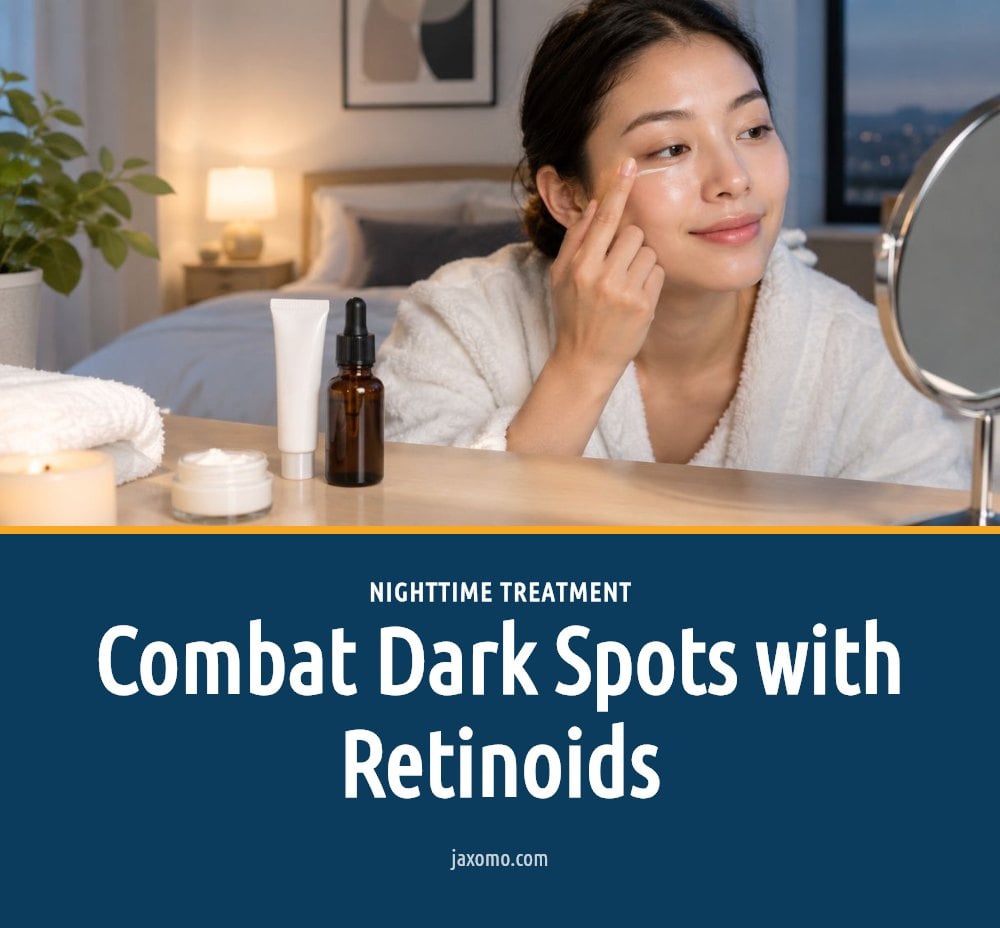
Retinoids speed up cell turnover, which pushes pigmented skin cells to the surface and sheds them so fresh, unpigmented cells can replace them. Over-the-counter retinol is a gentle starting point, while prescription tretinoin delivers stronger, faster results.
Caution: Retinoids increase sun sensitivity, so apply them only at night and wear SPF 30+ every morning without fail. Pregnant or breastfeeding individuals should consult a doctor before using any retinoid.
7. Hydroquinone (Prescription)
Hydroquinone is a potent skin-lightening agent that directly stops melanin production. Dermatologists prescribe it for stubborn dark spots and melasma that don’t respond to over-the-counter options.
Caution: Using it incorrectly or for too long can cause irritation or even paradoxical darkening, making the spots worse. Never use hydroquinone without a doctor’s supervision, and follow the recommended treatment duration exactly.
8. Chemical Peels
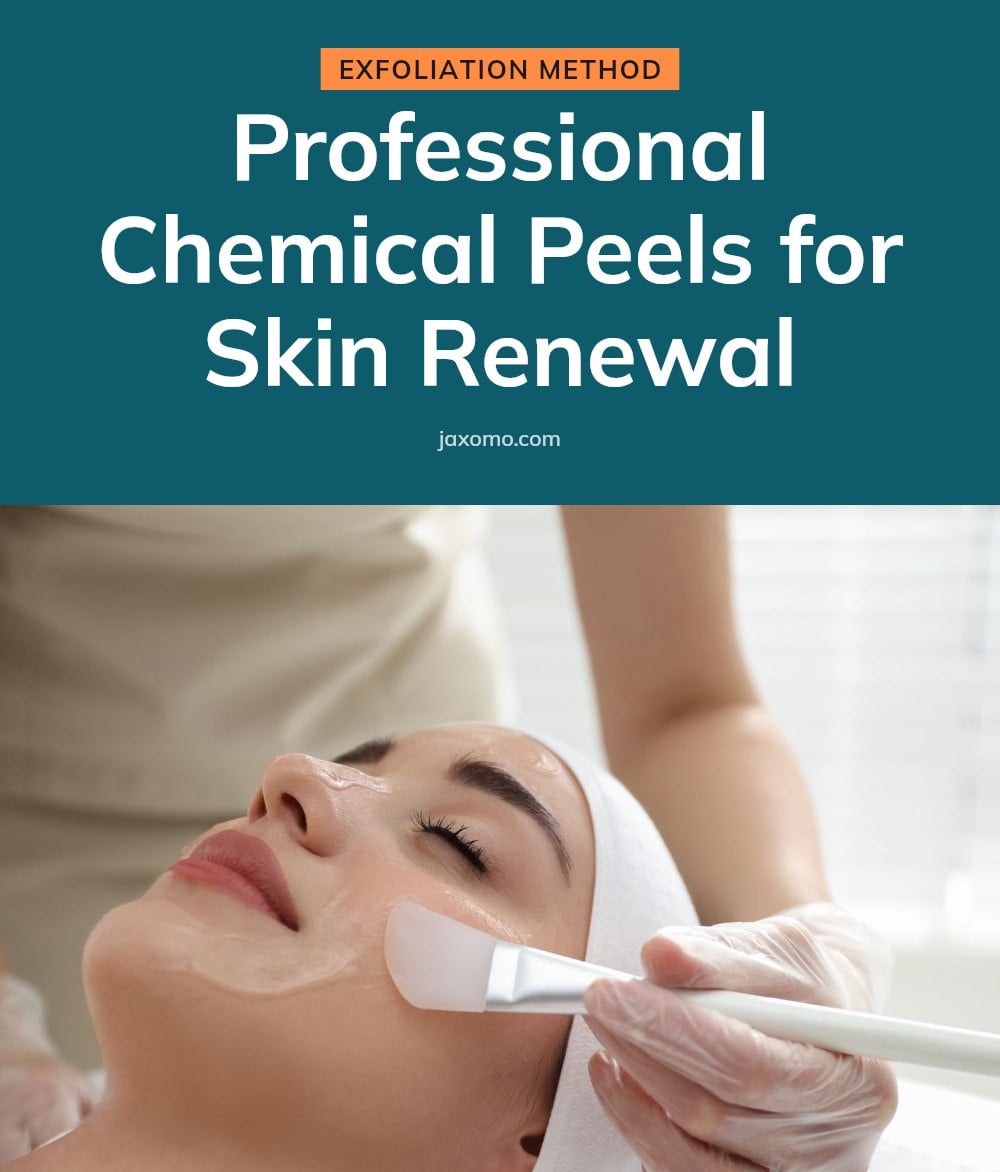
Chemical peels use acids like glycolic, lactic, or salicylic to exfoliate the top layers of skin. This sheds pigmented cells and reveals brighter, more even skin underneath. At-home peels with lower acid concentrations are available for gentle exfoliation, but professional peels penetrate deeper and deliver more dramatic results.
Pro move: Follow post-peel care instructions to the letter, especially sun protection. Your skin will be more sensitive after a peel, so skipping sunscreen can undo your progress.
9. Laser Therapy

Laser treatments like Q-switched, picosecond, or fractional lasers target melanin directly. They break the pigment into tiny particles that your body naturally clears away. This makes laser therapy effective for stubborn sun spots and some types of melasma.
Caution: Only a qualified professional should perform laser therapy. Improper use can cause burns, scarring, or worsen pigmentation. Multiple sessions are usually needed for full results.
10. Microneedling
Microneedling uses tiny needles to create controlled micro-injuries in the skin. This stimulates collagen production and creates channels that allow topical brightening serums to penetrate deeper. While it’s best known for improving texture, it can also reduce hyperpigmentation over time.
Quick tip: Pair microneedling with a vitamin C or azelaic acid serum for enhanced results. Always have it done by a trained professional to ensure safety and effectiveness.
11. Daily Sunscreen
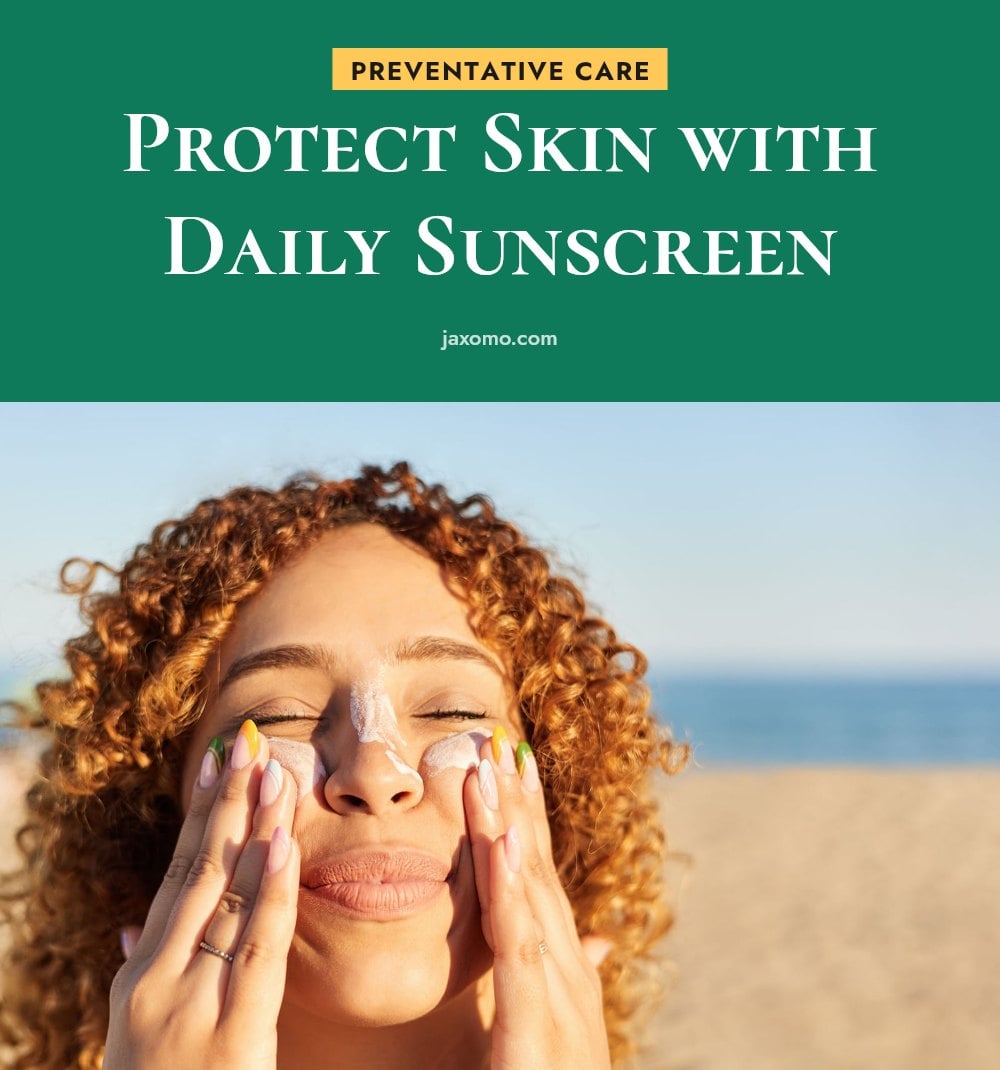
This isn’t just a remedy. It’s the essential step for preventing new dark spots and stopping existing ones from getting worse. UV exposure triggers melanin production, so blocking it is non-negotiable. Use a broad-spectrum sunscreen with an SPF of 30 or higher every single day, rain or shine, and reapply every two hours if you’re outdoors.
Tip: Make sunscreen a non-negotiable part of your morning routine, even if you’re staying indoors near windows. UV rays can still reach you through glass.
When to See a Dermatologist
If your dark spots are persistent, severe, or cover a large area, it’s time to see a board-certified dermatologist. You may suspect melasma if the spots are symmetrical, patchy, and related to hormonal changes like pregnancy or birth control. A dermatologist can provide an accurate diagnosis and a specialized treatment plan that goes beyond what you can do at home.
If over-the-counter remedies haven’t shown satisfactory results after several months, professional options can make a real difference. Prescription-strength ingredients like hydroquinone or tretinoin, along with procedures such as chemical peels and laser therapy, target stubborn pigmentation more directly. Good to know: Don’t wait years to get help. The sooner a professional evaluates your skin, the more options you have.
Frequently Asked Questions
How long does it take for dark spots to fade?
With consistent use of topical treatments like vitamin C or retinol, you may start seeing lightening after 8 to 12 weeks. Significant fading often takes 3 to 6 months or longer, depending on the type and severity of the spot. Professional treatments like lasers can work faster, but multiple sessions are usually needed.
Can dark spots come back after treatment?
Yes, they can. If you stop using sunscreen or your treatment, new UV exposure or inflammation can trigger melanin production again. Maintenance is key. Continuing daily sun protection and using a gentle brightening product can help keep your skin even-toned long after the original spots fade.
Are natural remedies effective for dark spots?
Some natural ingredients like licorice root extract and mulberry extract have skin-lightening properties, but they are generally less potent than pharmaceutical ingredients. They may help with very mild discoloration over time, but for noticeable or stubborn spots, you will likely need a stronger active ingredient or professional treatment.
What’s the difference between sun spots and melasma?
Sun spots, or solar lentigines, are caused by long-term UV exposure and usually appear as small, dark patches on sun-exposed areas like the face and hands. Melasma is a larger, patchy hyperpigmentation often triggered by hormonal changes, such as pregnancy or birth control, and it tends to appear symmetrically on the cheeks, forehead, or upper lip.
Can diet affect dark spots?
There is no strong evidence that diet directly causes or cures dark spots. However, a balanced diet rich in antioxidants, vitamins, and healthy fats supports overall skin health. Staying hydrated and eating foods high in vitamin C and vitamin E may help your skin repair itself, but they are not a substitute for topical treatments or sun protection.
Final Thoughts
My biggest recommendation: pick one or two targeted ingredients and stick with them for at least three months before judging results. Realistic expectations matter here. Most topical treatments take 8-12 weeks to show noticeable improvement, and significant fading often takes three to six months or longer. And never skip your daily sunscreen. It’s the one step that protects every other effort you make.
This article is for general informational purposes only and does not constitute medical advice. Dark spots and hyperpigmentation can have different underlying causes, and what works for one person may not work for another. If you have persistent, severe, or changing spots, or if you are pregnant or breastfeeding, consult a board-certified dermatologist or healthcare professional for personalized guidance.