Clay Mask Mistakes to Avoid for Clearer Skin
Learn common clay mask mistakes and how to fix them for clearer, healthier skin. Discover the right way to choose, apply, and remove your mask.

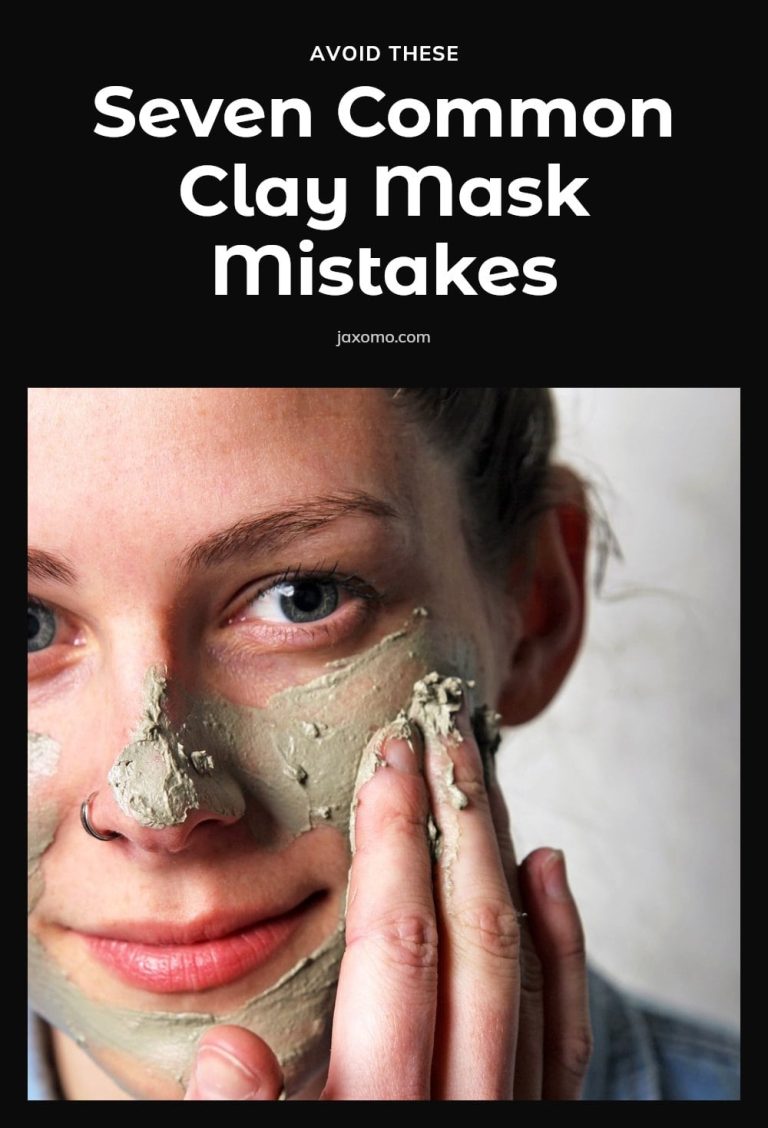
You’ve probably heard how amazing clay masks are for clearing up oily skin and unclogging pores. But if you’ve ever ended up with red, tight, or irritated skin after using one, you’re not alone. The problem usually isn’t the mask itself, it’s a few simple mistakes that are easy to fix. In this article, I’ll walk you through the most common clay mask errors and exactly how to avoid them, so you can get the clear, balanced skin you’re after.
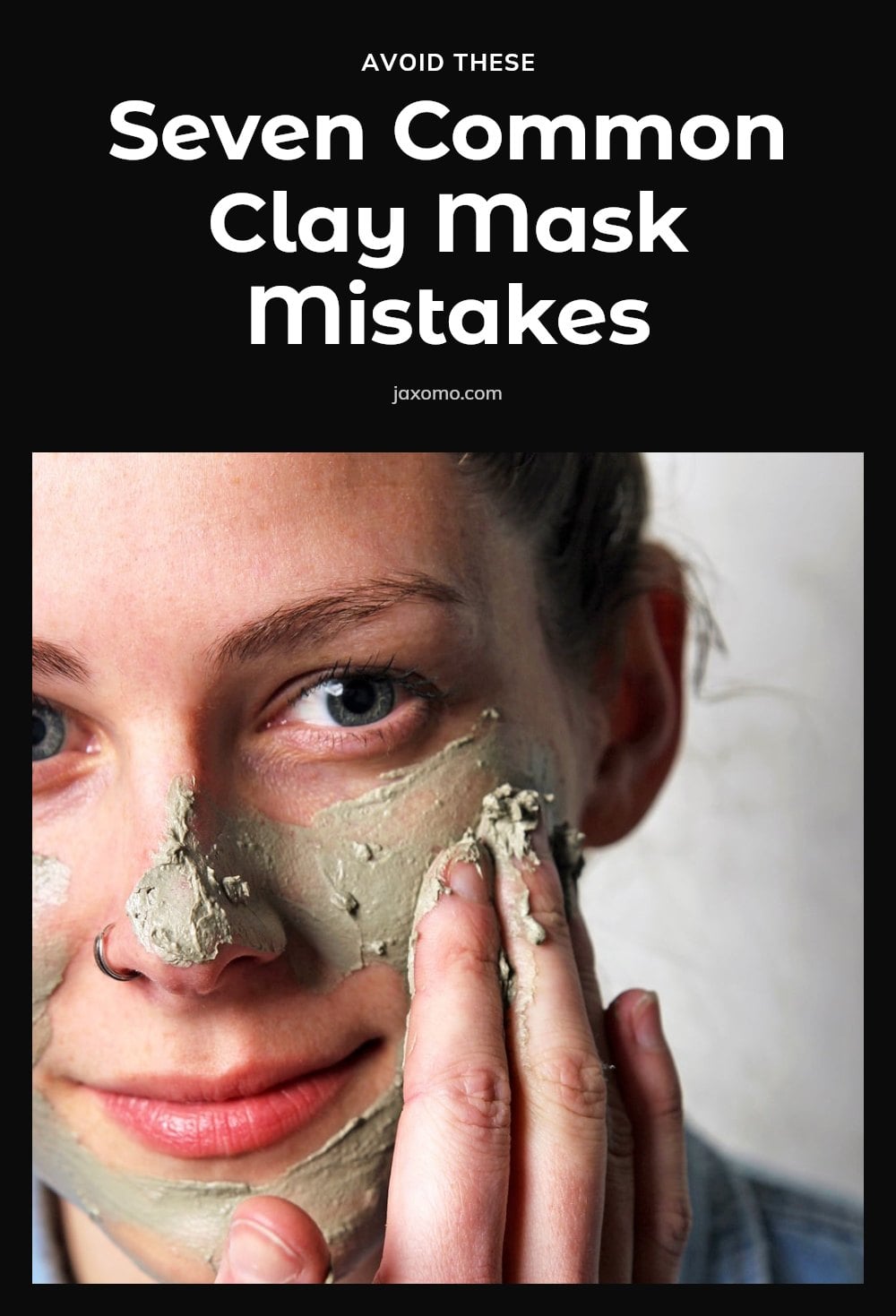
Key Takeaways
- Choose a clay type based on your skin: bentonite for oily, kaolin for sensitive or dry.
- Apply a thin, even layer to clean, slightly damp skin for best results.
- Leave the mask on for 10-15 minutes, removing it before it cracks or feels tight.
- Always follow with a hydrating serum and moisturizer to replenish moisture.
- Use a clay mask 1-2 times per week, adjusting frequency based on your skin’s needs.
Why Clay Masks Can Cause Skin Issues
Clay masks are excellent for drawing out oil and impurities, but the same properties can backfire if you make a few common errors. Using the wrong clay for your skin type or leaving the mask on too long often leads to dryness, redness, and irritation rather than a clear complexion. Getting the best results comes down to choosing the right clay and following a proper routine for application and removal.
How Clay Masks Work (and Why They Can Go Wrong)
Clay masks work by absorbing excess sebum and pulling impurities from the surface of your skin and out of your pores. Different types of clay have different absorption levels, which is where things can go wrong.
Missteps That Cause Problems
- Leaving the mask on too long: As the clay dries, it continues to draw out moisture. Once it fully hardens and cracks, it can over-dry your skin and irritate your barrier.
- Choosing the wrong clay type: A highly absorbent clay on dry or sensitive skin can strip natural oils and cause tightness or breakouts.
Understanding how your specific clay interacts with your skin type helps you avoid these adverse reactions.
Choosing the Right Clay for Your Skin Type
Matching the clay to your skin type is the single best way to prevent irritation. Here is a quick guide to the three most common types.
| Clay Type | Best For | Why It Works |
|---|---|---|
| Bentonite | Very oily, acne-prone skin | Highly absorbent; pulls out excess oil and deep impurities |
| Kaolin (white or pink) | Sensitive, dry, or normal skin | Mild absorption; gentle enough for reactive skin |
| French green | Combination to oily skin | Balances absorption with mild exfoliation |
Your Clay Mask Essentials
Before you start, gather everything you need so you are not rushing mid-routine.
- Clay mask: Either a pre-made formula or a powdered clay you mix yourself.
- Non-metallic bowl and spoon: Essential if you are mixing powdered clay. Metal can react with the clay and reduce its effectiveness.
- Lukewarm water and a soft washcloth: For gentle removal without shocking your skin.
- Hydrating serum and moisturizer: Replenish moisture immediately after rinsing off the mask.
The Right Way to Apply and Remove a Clay Mask
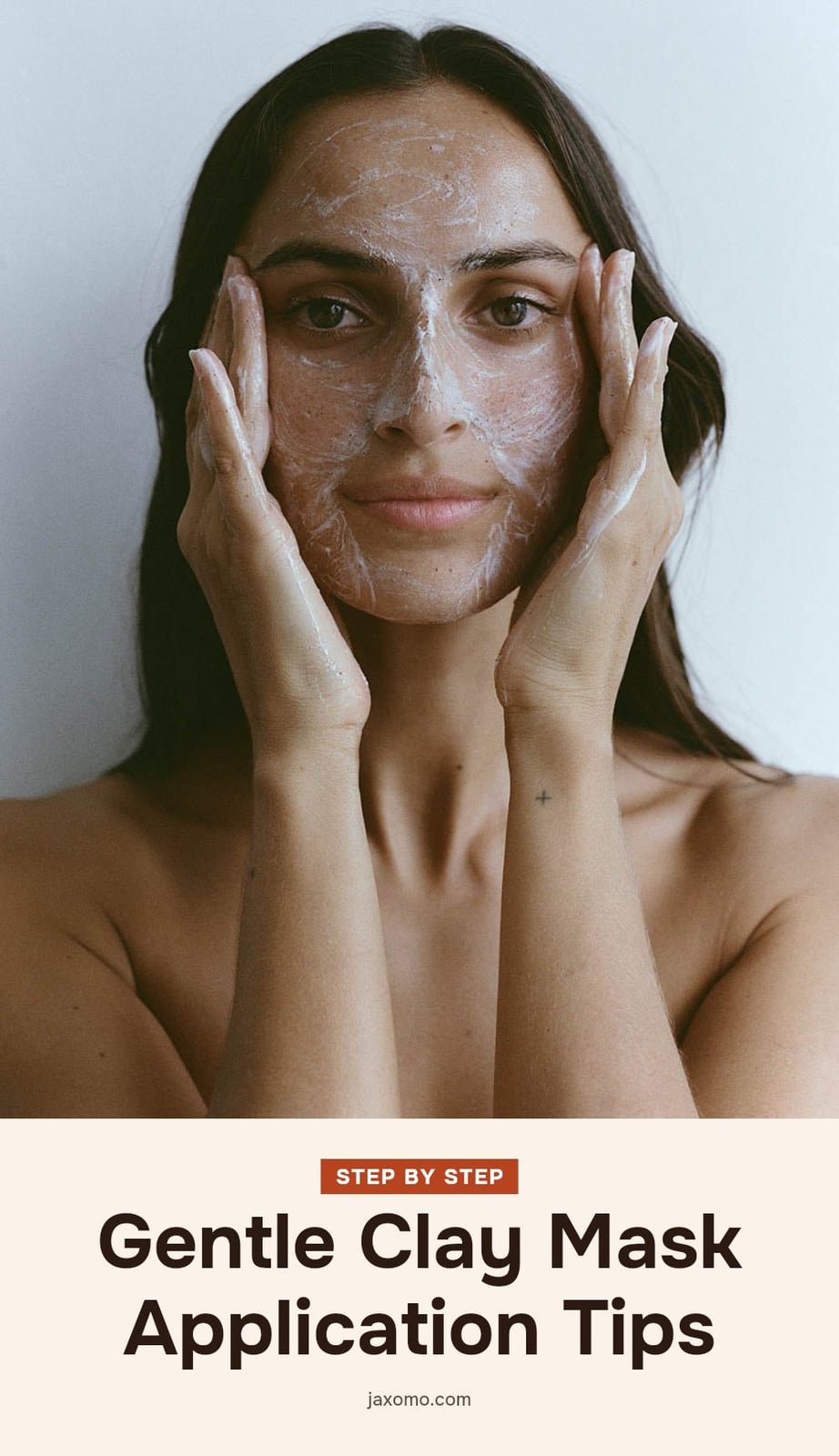
Start with clean, slightly damp skin: Wash your face with your regular cleanser and pat dry, but leave your skin a little damp. This helps the clay spread smoothly and prevents it from drying out too fast during application.
- Apply a thin, even layer: Use a clean facial brush or your fingertips to spread a thin layer over your face, avoiding the eye and mouth area. A thick layer won’t work better and takes longer to dry, which can lead to over-drying.
- Watch the clock for 10-15 minutes: Leave the mask on until it is mostly dry but not cracking or tight. If it starts to crack, rinse it off immediately. The goal is to absorb oil, not to pull moisture out of your skin.
- Rinse gently with lukewarm water: Wet a soft washcloth with lukewarm water and gently wipe the mask off in circular motions. Never scrub or use hot or cold water, which can irritate your skin.
- Hydrate right away: Pat your face dry and immediately apply a hydrating serum, then a moisturizer. This locks in hydration and restores your skin’s barrier after the deep clean.
Common Clay Mask Mistakes and How to Fix Them
Mistake: Leaving the mask on too long. When a clay mask cracks or feels tight, it has pulled too much moisture from your skin. Remove it as soon as it’s mostly dry, usually around 10-15 minutes. If you miss the window, rinse off immediately and apply a rich moisturizer.
Mistake: Using the wrong clay for your skin. Bentonite clay is too strong for dry or sensitive skin. Choose kaolin for sensitive types, French green for combination to oily, and bentonite only for very oily or acne-prone skin. Match the clay to your skin type to avoid adverse reactions.
Mistake: Skipping moisturizer after the mask. A clay mask strips oil, so your skin needs hydration right after. Without a serum and moisturizer, your skin can become dehydrated and produce even more oil. Always follow with hydration.
Mistake: Scrubbing the mask off aggressively. Rubbing hard with a cloth or your nails can cause micro-tears and irritation. Use gentle, circular motions with lukewarm water and a soft cloth. Let the water do the work.
Essential Aftercare for Post-Mask Skin

Apply a hydrating serum immediately: After rinsing off the mask and patting your face dry, use a serum with ingredients like hyaluronic acid or glycerin. This pulls moisture back into your skin while your pores are still clean and open.
Lock it in with a rich moisturizer: Follow the serum with a moisturizer that matches your skin type. For dry skin, choose a cream; for oily skin, a lightweight gel. This seals in the hydration and prevents your skin from feeling tight or dry.
Avoid harsh treatments for the rest of the day: Skip exfoliants, retinoids, or acids for at least 24 hours after a clay mask. Your skin has just been deeply cleansed, and adding strong actives can cause irritation. Give your skin time to recover and rebalance naturally.
Preventing Future Clay Mask Problems
Use a clay mask 1-2 times per week, not daily. More frequent use strips your skin of natural oils, leading to increased oil production or irritation. Stick to once a week if you have dry or sensitive skin, and twice if you are oily.
Always patch test a new mask first. Apply a small amount to a discreet area like your jawline or behind your ear. Wait 24 hours to check for redness, itching, or burning before using it on your whole face.
Avoid applying to broken, irritated, or sunburned skin. Clay masks can sting and worsen inflammation. Wait until your skin is fully healed before using a mask.
Listen to your skin’s signals. If you feel stinging, tightness, or see redness during or after a mask, remove it immediately and adjust your routine. Cut back frequency or switch to a milder clay. Your skin tells you what it needs.
When to Consult a Dermatologist
If you experience severe redness, itching, or burning during or after a clay mask, remove it immediately and rinse thoroughly. Persistent irritation or breakouts after use mean it is time to stop and seek professional advice. For chronic skin conditions like rosacea or eczema, always check with a dermatologist before trying a new mask. If your skin issues worsen after mask use, get help rather than experimenting further.
Frequently Asked Questions
How often should I use a clay mask?
Most skin types do well with a clay mask 1-2 times per week. If you have dry or sensitive skin, stick to once a week. Using it more often can strip your skin’s natural oils and lead to irritation or increased oil production.
Can I use a clay mask if I have sensitive skin?
Yes, but choose a mild clay like white or pink kaolin, which is less absorbent and gentler. Always do a patch test on a small area first, and avoid applying the mask to broken, irritated, or sunburned skin.
What should I do if my skin feels tight after a clay mask?
That tight feeling usually means the mask was left on too long or your skin needs more hydration. Rinse the mask off immediately with lukewarm water and follow with a hydrating serum and a rich moisturizer to restore moisture.
Are all clay masks the same?
No, different clays have different absorption levels and mineral compositions. Bentonite is very absorbent and best for oily skin, kaolin is milder for sensitive or dry skin, and French green clay offers a balance for combination to oily skin. Choosing the right one matters.
Can I use a clay mask on active breakouts?
You can, but avoid applying the mask directly on open, broken, or severely irritated breakouts, as it may cause further irritation. For inflamed acne, it’s safer to spot-treat with a gentle clay mask and keep the layer thin.
Final Thoughts
My tip: stick with a kaolin-based clay mask if you have sensitive or dry skin, and reserve bentonite for when your skin is feeling particularly oily. You should start noticing less shine and fewer clogged pores after just a few uses, as long as you keep to the 1-2 times per week schedule. A little patience and the right technique make all the difference.