How to Release Resentment and Find Inner Peace
Learn how to release resentment with practical steps and self-care strategies. Move past bitterness and find inner peace for better well-being.

That knot in your stomach when you think about a past hurt? The bitterness that creeps back in long after the argument ended? That’s resentment, and it can feel impossible to shake. This article breaks down what resentment really is, why it lingers, and most importantly, the practical steps you can take to release it and find some inner peace.
Key Takeaways
- Resentment is a prolonged emotion of bitterness and anger, distinct from immediate anger.
- Acknowledge and validate your feelings without judgment as a first step.
- Forgiveness is about releasing your own emotional burden, not condoning the offense.
- Setting healthy boundaries helps prevent future resentment from building up.
- Seek professional help if resentment overwhelms your daily life or causes severe distress.
What is Resentment and Why Does It Stick Around?
Resentment is that lingering bitterness and anger you feel when you believe someone has treated you unfairly. It’s different from the flash of anger you might feel in the moment. Resentment sticks around because we often don’t fully process the initial hurt or set boundaries afterward. Over time, it can pile up and start to affect your mood, your sleep, and even your relationships.
Why We Hold Onto Resentment
Why We Hold Onto Resentment
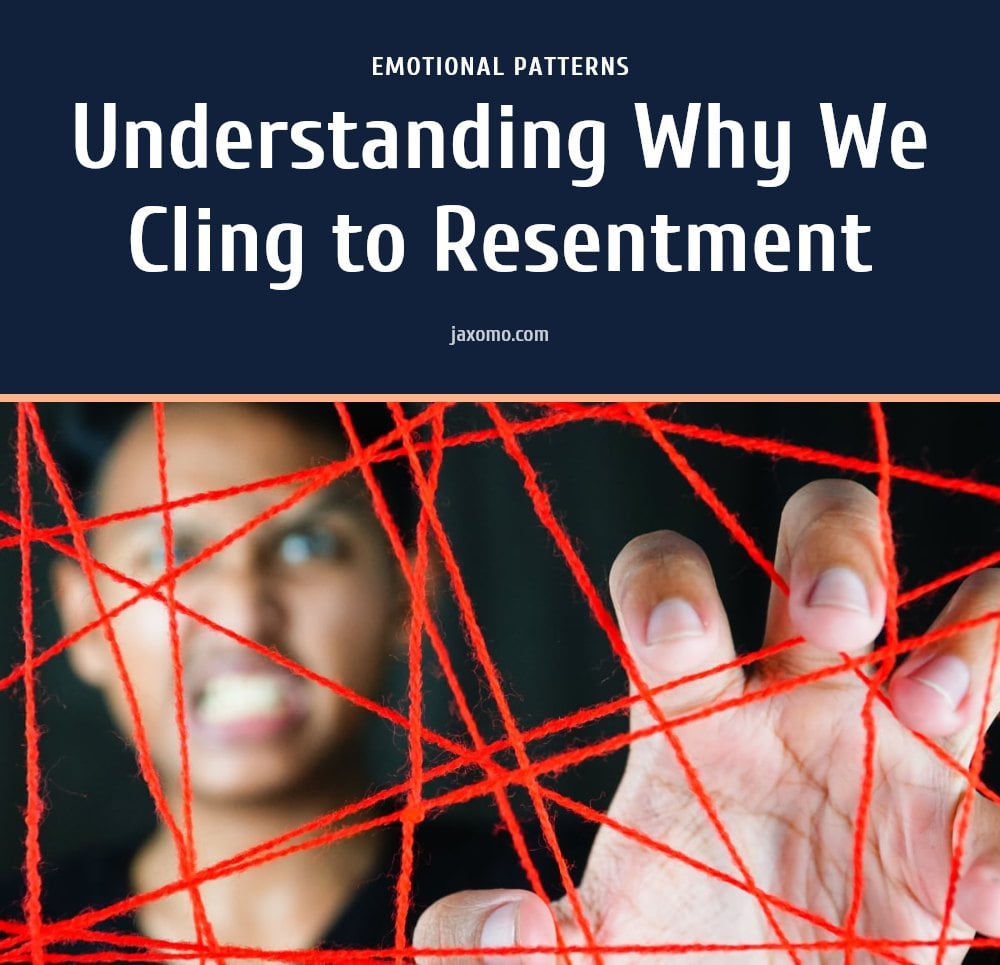
Resentment usually starts with a sense of unfairness, betrayal, or disrespect. Maybe a friend canceled plans last minute for the third time, or a colleague took credit for your idea. It feels like a violation of trust.
Our minds sometimes hold onto resentment as a protective mechanism. The thinking goes: if I stay angry, I won’t get hurt again. But this backfires. Instead of protecting you, it keeps you stuck in the past, replaying the event over and over.
When we don’t address the initial hurt or set a clear boundary, the feeling doesn’t fade. It grows. Each new slight adds another layer, making the resentment heavier to carry.
Practical Steps to Release Resentment
- Acknowledge your feelings: Start by admitting to yourself that you feel hurt or angry. Don’t judge it. Just notice it. Say, “I feel resentful because…”
- Identify the trigger: Get specific about what happened. Was it a single event or a pattern? Write down the exact actions or words that caused the hurt.
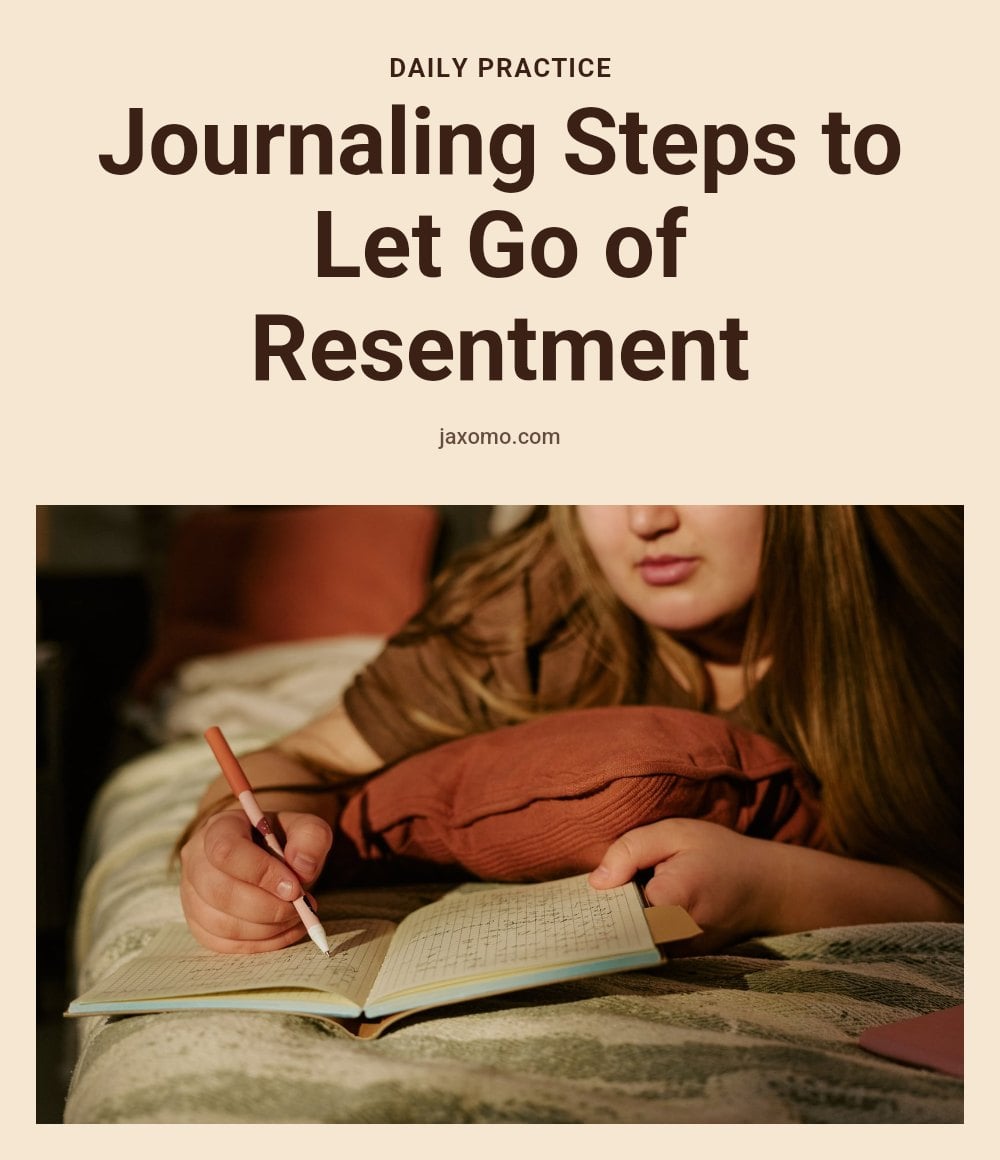
- Journal it out: Grab a notebook and pen. Write freely about what you felt, what you wish had happened, and what you need now. This helps untangle the emotions and spot patterns.
- Redefine forgiveness for yourself: Forgiveness is not about saying what happened was okay. It’s about releasing your own emotional burden so you can move forward. Ask yourself: what would letting go feel like for me?
- Set clear boundaries: Decide what behavior you will no longer accept. A boundary might be: “I won’t lend money to this person again” or “I need a week’s notice before plans.” Stick to it.
- Communicate if it’s safe: If the relationship is important and the other person is receptive, share your feelings assertively. Use “I” statements like “I felt hurt when…” If the situation is abusive or toxic, prioritize your safety and skip this step.
Effective Methods for Processing Difficult Emotions

Effective Methods for Processing Difficult Emotions
Mindfulness is a simple but powerful tool. When the resentment bubbles up, pause and take three slow breaths. Notice the emotion in your body without trying to change it. This creates a small gap between the feeling and your reaction.
Self-compassion is key. Talk to yourself the way you would a good friend. Instead of “I shouldn’t feel this way,” try “It makes sense that I feel hurt. Anyone would.” Pair this with small acts of self-care, like a walk or a warm bath.
Tip: Reach out to a trusted friend or family member. Sometimes just saying the words out loud helps you see the situation more clearly. They might offer a perspective you hadn’t considered.
For deep-seated resentment that keeps circling back, a therapist can be invaluable. They provide a safe space to explore the roots of the emotion and give you tailored strategies to work through it. There’s no shame in asking for help.
Common Mistakes When Trying to Let Go of Resentment
Mistake: thinking you must forget. Letting go of resentment doesn’t mean erasing what happened. It means releasing the emotional weight that keeps you stuck. You can remember the event without carrying the bitterness.
Mistake: forgiving for them. Forgiveness is for your own healing, not for excusing the other person’s actions. You don’t need to reconcile to move forward.
Mistake: expecting instant relief. Resentment doesn’t vanish overnight. It fades gradually with consistent effort and self-reflection. Progress has ups and downs.
Mistake: waiting for an apology. Healing doesn’t depend on the other person admitting fault. You can release resentment without them ever changing.
Mistake: blaming yourself. Feeling resentful is a natural response to being hurt. Adding guilt only deepens the wound. Acknowledge the emotion without judgment.
Preventing Resentment From Taking Root Again
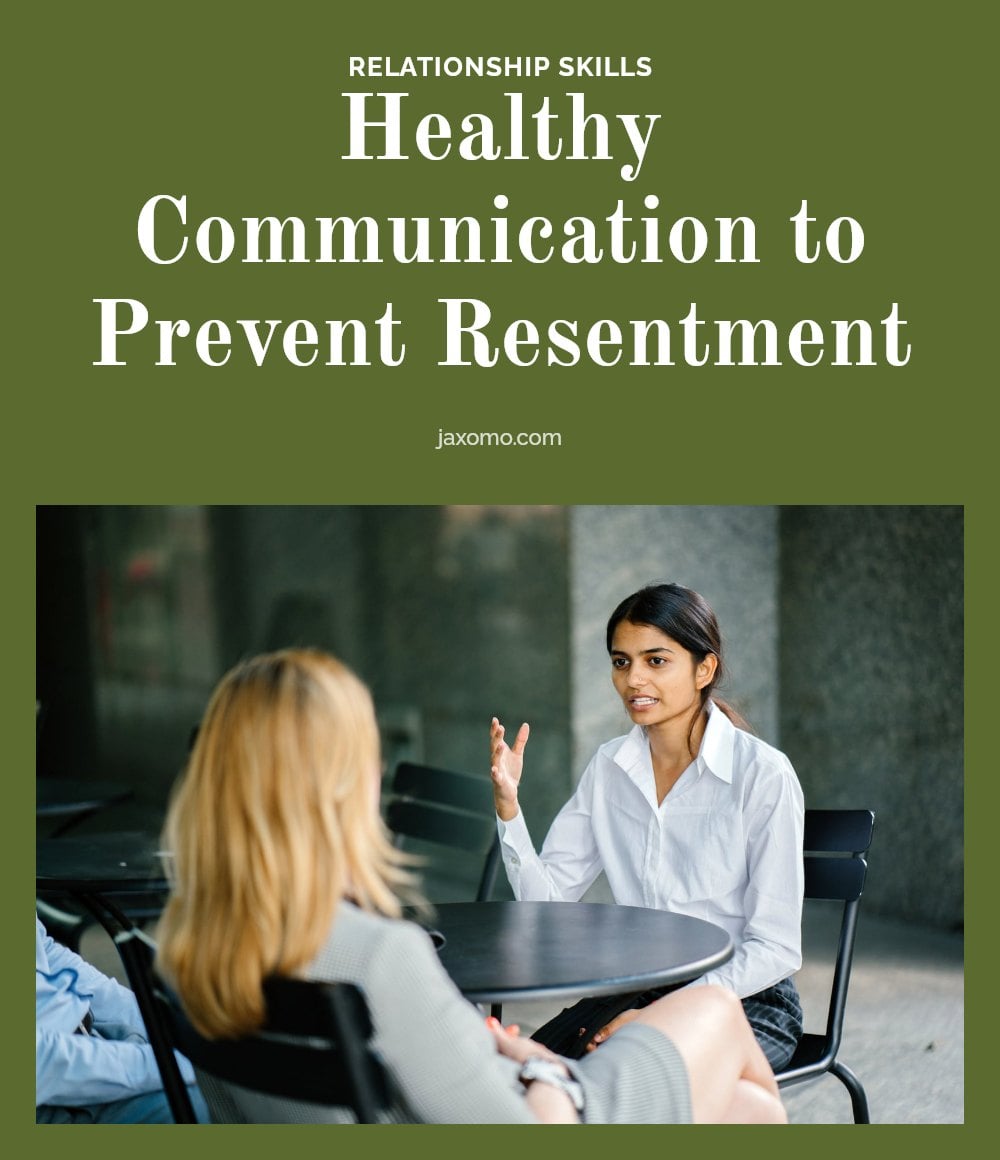
Stopping resentment before it builds requires proactive habits. These strategies help you address small hurts early.
- Set boundaries consistently. Clearly communicate what you will and won’t accept in relationships. Enforce them calmly each time.
- Speak up early. When something bothers you, say it assertively before frustration grows. Use “I feel” statements to express your needs.
- Check in with your emotions regularly. Spend a few minutes each day noticing how you feel. Journaling can help catch resentment before it festers.
- Prioritize self-care and self-compassion. Regular rest, healthy habits, and kind self-talk build emotional resilience against resentment.
When to Seek Professional Help for Resentment
Resentment is normal, but it becomes a problem when it takes over your life. Seek professional help if you notice any of these signs.
- Overwhelming impact. If resentment interferes with your daily routines, relationships, or ability to work, a therapist can help.
- Severe emotional distress. If you experience persistent anxiety, depression, or thoughts of self-harm, contact a mental health professional immediately.
- Feeling stuck. When your own efforts to cope aren’t enough, a therapist offers tailored strategies and a safe space to process.
Understanding the Timeline for Healing
Healing from resentment doesn’t follow a set schedule. It’s a personal process that varies for everyone.
- No fixed timeline. It often takes weeks, months, or longer. Be patient with yourself.
- Progress isn’t linear. You may feel better, then have a setback. That’s normal. Each cycle moves you forward.
- The real cost is emotional. Healing requires time and consistent self-reflection. Professional help is an option for additional support, with financial considerations to weigh.
Frequently Asked Questions
How long does it take to let go of resentment?
There is no fixed timeline. For many people, it takes weeks, months, or even longer with consistent effort and self-reflection. Progress is rarely linear; you may feel better and then have a setback, which is completely normal. Patience with yourself is key.
Can resentment ever be a positive emotion?
Resentment itself is not typically considered positive, but it can serve as a signal. It may alert you that a boundary has been crossed or that a situation needs addressing. The value lies in what you do with that awareness, not in holding onto the bitterness itself.
Is it possible to forgive someone who isn’t sorry?
Yes. Forgiveness is primarily about your own emotional release, not about the other person’s remorse. You can choose to let go of the resentment for your own well-being, even if the person who hurt you never apologizes or changes. It is a gift you give yourself.
What if I keep reliving the hurtful event?
Replaying the event in your mind is common, but dwelling on it without resolution can keep the resentment alive. Mindfulness can help you observe the thought without getting caught up in it. If the rumination feels uncontrollable or causes severe distress, consider speaking with a therapist.
How can I stop resentment from building up again?
Preventing resentment involves proactive habits. Set and enforce healthy boundaries consistently. Speak up early when something bothers you, before the hurt has a chance to accumulate. Regular self-care and self-compassion also help you address small hurts before they grow.
Does releasing resentment mean I have to forget what happened?
Not at all. Letting go of resentment does not mean erasing your memory or pretending the event didn’t occur. You can remember what happened without carrying the emotional weight of bitterness. The goal is to release the burden, not to forget the lesson.
Final Thoughts
Letting go of resentment is a personal process that takes time, often weeks or months. My tip: start by simply acknowledging the hurt without judging yourself for feeling it. Remember that you can remember what happened without carrying the bitterness. Healing is not linear, and that is okay. Focus on your own release and well-being.
This article is for general informational purposes only and does not constitute professional medical or psychological advice. If you are experiencing severe emotional distress, anxiety, depression, or thoughts of self-harm, please consult a licensed mental health professional.