Stretching for Back Pain: Your 10-Minute At-Home Routine
Discover a simple 10-minute stretching routine for back pain relief at home. Learn proper form, common mistakes, and when to see a professional.

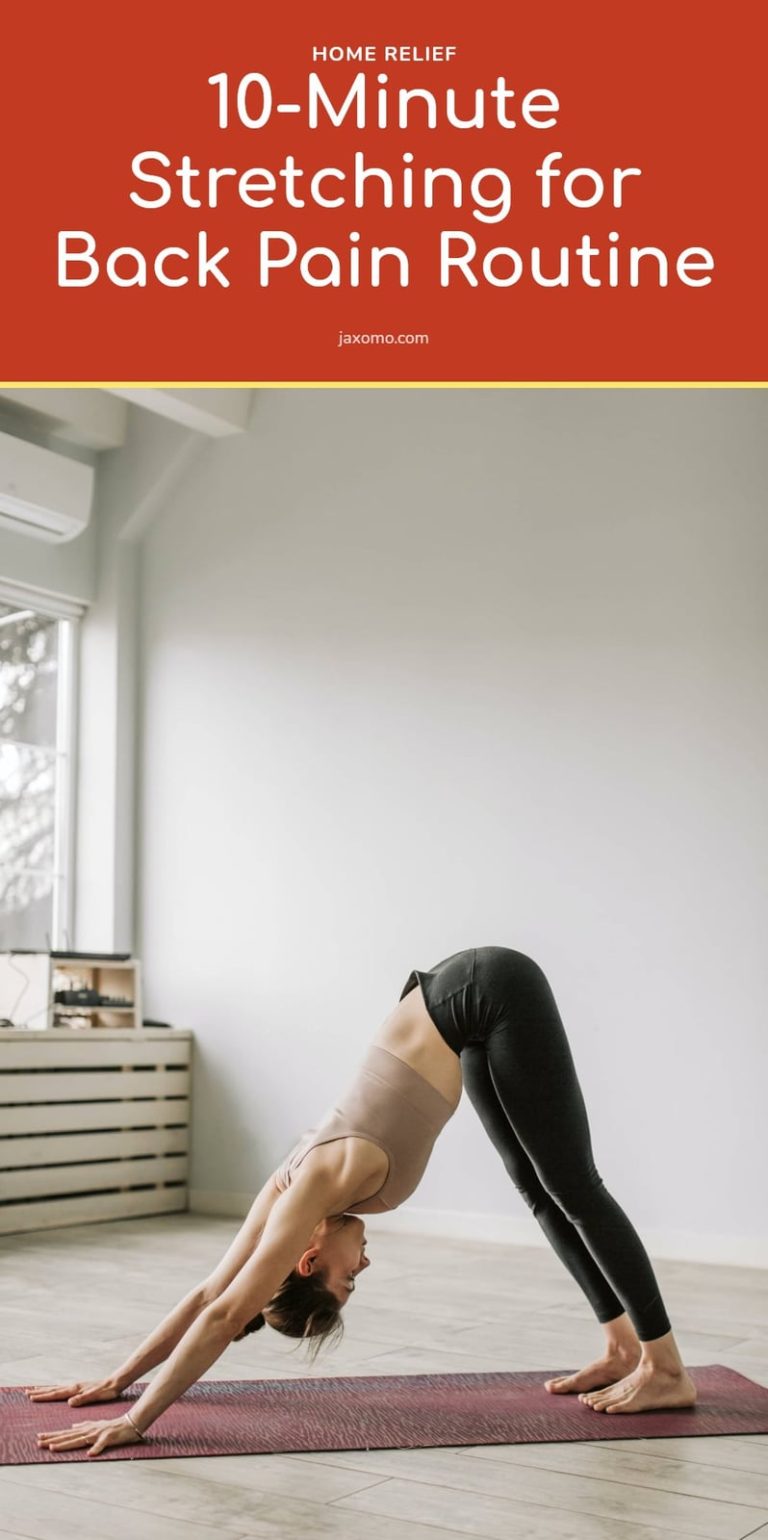
If your back feels stiff or achy, you’re not alone, and a few minutes of gentle stretching can make a real difference. Many common types of back pain, especially from daily tension or tight muscles, respond well to a consistent, easy routine you can do at home. This article walks you through a simple 10-minute sequence, explains why it works, and shares key tips to help you stretch safely and effectively.
Key Takeaways
- Warm up for 5 minutes before stretching to prevent injury and improve results.
- Hold each stretch for 20-30 seconds, breathing deeply, and never bounce.
- Stop immediately if you feel sharp, shooting, or radiating pain during a stretch.
- Aim for a 10-minute routine daily or at least 3-5 times per week for lasting relief.
- Include stretches for your hamstrings and hips since they directly affect your lower back.
Can Stretching Really Help Your Back Pain?
Yes, gentle and consistent stretching can significantly help many types of back pain. It works by improving flexibility, strengthening the muscles that support your spine, and increasing blood flow to tight or sore areas. The key is proper form and listening to your body, stretching should never cause sharp pain. When you regularly focus on your back, hips, and hamstrings, many people find real relief and better overall back health over time.
Why Your Back Might Be Hurting (And How Stretching Helps)

Why Your Back Might Be Hurting (And How Stretching Helps)
Many common back pain issues, especially mechanical back pain from daily wear and tear, respond well to stretching. One frequent culprit is tight hamstrings. They pull on your pelvis, which flattens the natural curve of your lower back and can cause pain.
Stretching directly addresses these problems in several ways:
- Improves flexibility: Increases range of motion in your spine and the muscles around it.
- Boosts blood flow: Gentle, consistent stretching sends more blood to muscles and tissues, which helps recovery and reduces stiffness.
- Corrects muscle imbalances: Many back pain cases come from muscles pulling unevenly, and stretching can help rebalance them.
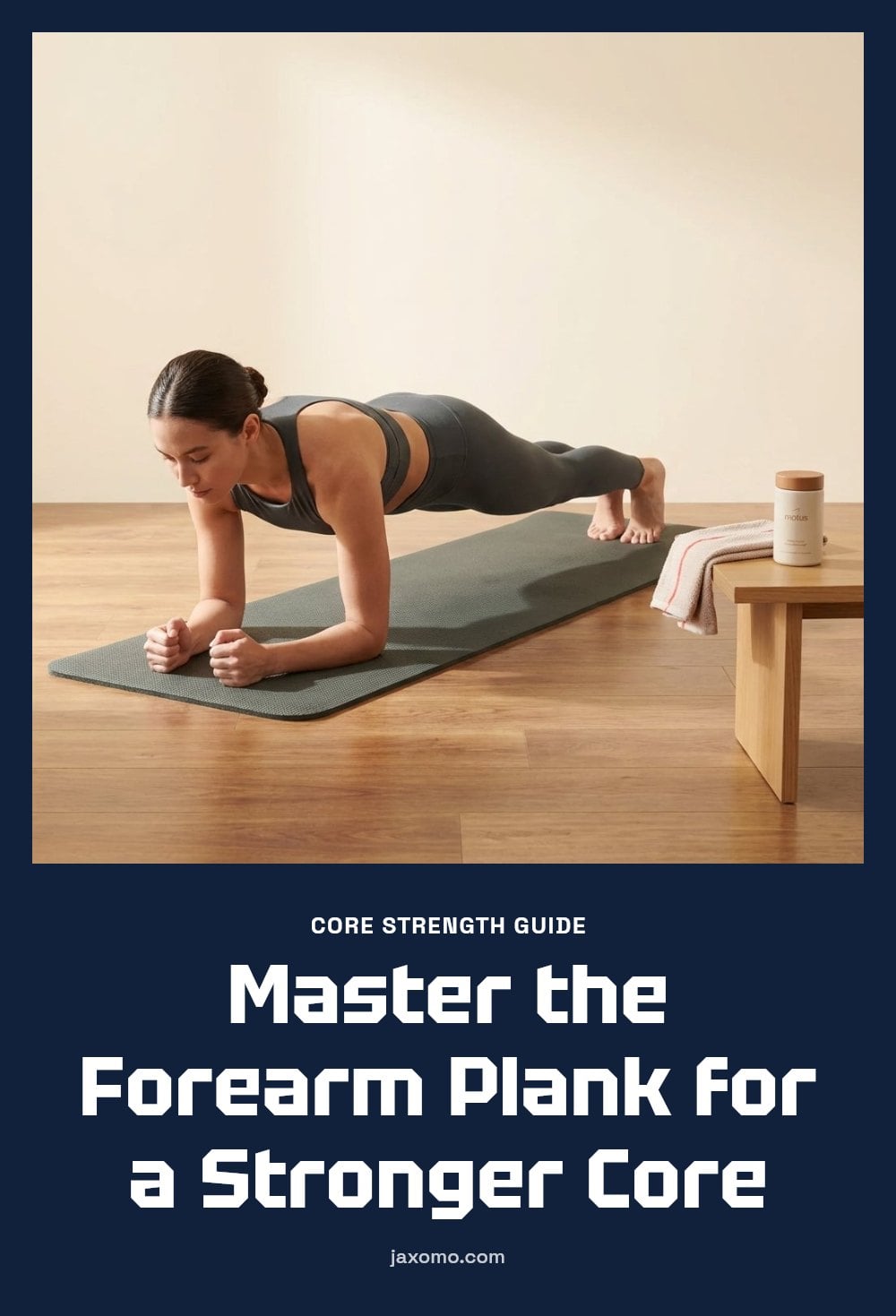
Core strength is also essential for supporting your spine, and several stretches naturally engage these stabilizing muscles.
What You Need for Your Stretching Routine
You don’t need much. A yoga mat or any comfortable, non-slip surface gives you cushioning and grip. Wear comfortable clothing that lets you move freely through a full range of motion. For hamstring stretches, a towel or strap can help you reach further without straining, just loop it around your foot and gently pull.
Your 10-Minute At-Home Back Pain Stretching Routine

Start with a 5-minute warm-up, walk in place, march, or do gentle arm circles. Warm muscles are more pliable and less likely to get injured. Then move through this sequence, holding each stretch for 20-30 seconds. Breathe deeply and evenly throughout; never hold your breath. Stop immediately if you feel any sharp pain.
- Cat-cow: Start on hands and knees. Inhale as you arch your back (cow), letting your belly drop. Exhale as you round your spine (cat), tucking your chin. Move slowly between the two.
- Knee-to-chest: Lie on your back. Pull one knee toward your chest, keeping the other leg straight or bent. Hold, then switch sides.
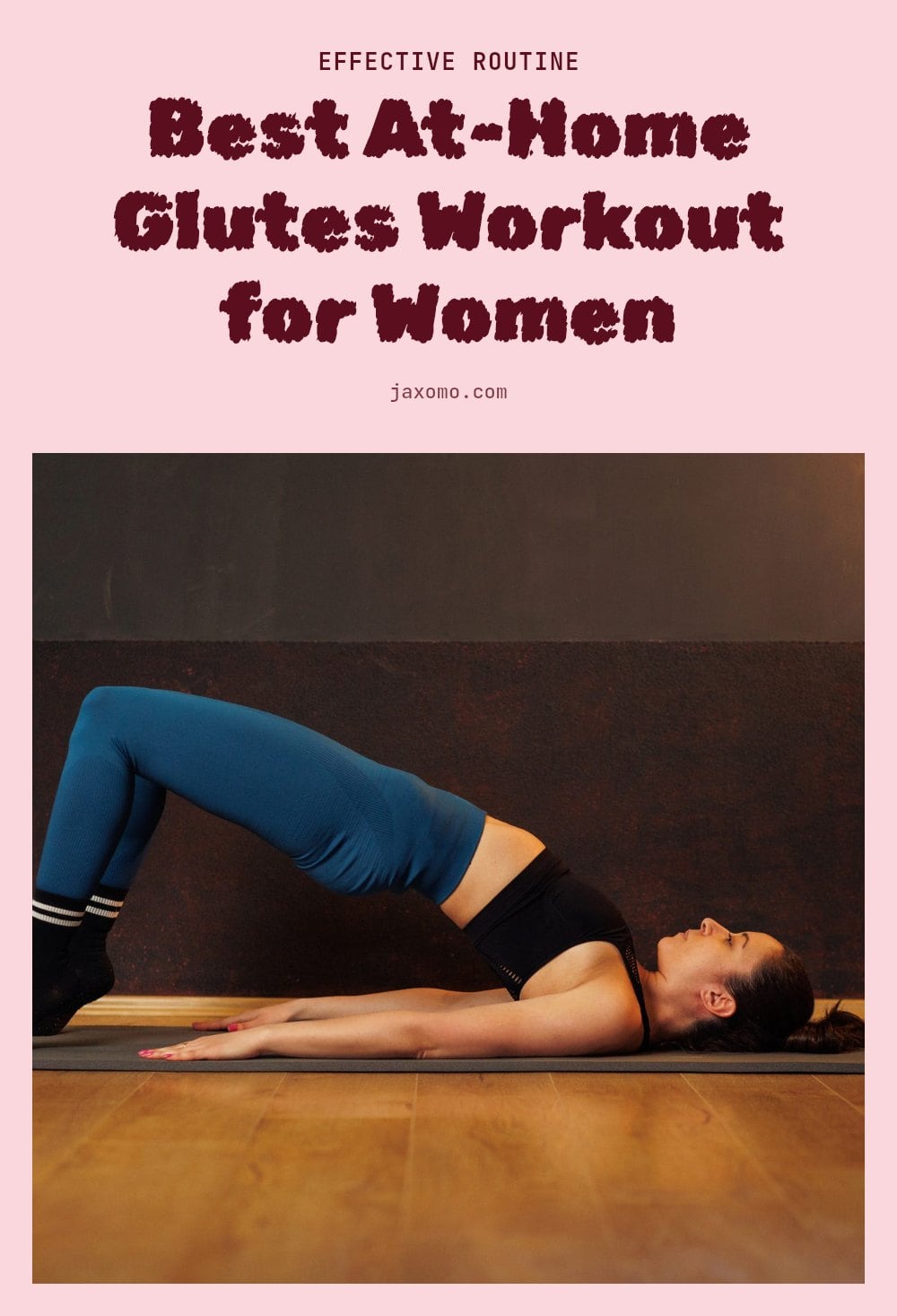
- Pelvic tilts: Lie on your back with knees bent, feet flat. Gently tilt your pelvis upward, pressing your lower back into the floor. Release and repeat.
- Child’s pose: From hands and knees, sit back on your heels and extend your arms forward on the mat. Let your forehead rest on the floor. This stretches your lower back and hips.
- Hamstring stretch: Sit on the floor with one leg straight, the other bent. Reach toward the toes of the straight leg. Use a towel around your foot if needed. Switch legs.
Common Stretching Mistakes to Avoid
Stretching cold muscles can lead to injury because cold tissue is less pliable. Always warm up for 5 minutes with light activity like walking or marching in place first.
Bouncing during a stretch activates the stretch reflex, which actually causes the muscle to contract instead of relax. Move slowly and smoothly into each stretch, holding the position steady.
Holding your breath increases tension throughout your body. Breathe deeply and evenly, inhaling as you prepare and exhaling as you ease deeper into the stretch.
Pushing into sharp pain can worsen your condition. A gentle pull or tension is normal, but sharp pain is a signal to back off immediately.
Neglecting your hamstrings and hips means missing out on crucial back support. Tight hamstrings pull on your pelvis and flatten your lower back curve, so include stretches for those areas too.
Top Tips for Effective Back Pain Relief
Consistency is key: A 10-minute daily routine is far more effective than one long session once a week. Regular practice builds lasting flexibility and strength.
Listen to your body: A gentle pull or tension is normal during a stretch. Sharp pain is a signal to stop and reassess your position or intensity.
Focus on form: Proper execution maximizes benefits and prevents injury. Move slowly, keep your spine aligned, and avoid compensating with other body parts.
Integrate hip and glute stretches: These areas directly impact lower back health. Tight hips or weak glutes can pull your pelvis out of alignment, adding strain to your spine.
How Often to Stretch and When to Expect Results
Aim for a 10-minute routine daily, or at least 3-5 times a week. Consistent practice over several weeks often leads to noticeable improvements in flexibility and pain reduction.
The cost is minimal. A yoga mat or comfortable, non-slip surface and comfortable clothing are all you need. A towel or strap can assist with some hamstring stretches but is optional.
When to See a Doctor or Physical Therapist
Consult a doctor or physical therapist before starting any new exercise program, especially if you have chronic or severe back pain or a diagnosed medical condition.
Stop immediately and seek medical advice if you experience sharp, shooting, or radiating pain, numbness, or tingling during a stretch.
Avoid stretches that put direct pressure on an injured or painful area without professional guidance. If your pain worsens or persists after stretching, it is time to see a professional.
Frequently Asked Questions
Can stretching make back pain worse?
Yes, if done incorrectly. Stretching cold muscles, bouncing, or pushing into sharp pain can aggravate the problem. Always warm up first, move slowly, and stop if you feel a sharp or shooting sensation. A gentle pull or tension is normal, but pain is a sign to ease off.
What type of back pain benefits most from stretching?
Mechanical back pain, which is caused by everyday strain, tight muscles, or poor posture, often responds very well to stretching. This includes pain from tight hamstrings, hip stiffness, or general muscle tension. If your pain is from a serious condition like a herniated disc or infection, stretching may not be appropriate without professional guidance.
Are there any stretches to avoid for lower back pain?
Avoid stretches that involve deep twisting or forward bending if you have a spinal condition such as a herniated disc, unless a doctor or physical therapist says it’s safe. Also skip any stretch that puts direct pressure on a painful area or causes sharp pain. When in doubt, stick to gentle, neutral-spine movements like knee-to-chest or pelvic tilts.
How long does it take to see results from stretching for back pain?
Many people notice some relief after the first few sessions, but lasting improvements in flexibility and pain reduction usually take several weeks of consistent practice. Aim for daily stretching or at least 3-5 times a week. Patience and regularity matter more than intensity.
What are the best stretches for lower back pain?
Stretches like cat-cow, knee-to-chest, pelvic tilts, child’s pose, and gentle hamstring stretches are widely recommended for lower back pain. They target the back, hips, and hamstrings, which all support the spine. Move slowly into each stretch and hold for 20-30 seconds while breathing deeply.
Final Thoughts
Start with the 10-minute routine and make it a daily habit. You don’t need to be flexible or spend a lot of time. Just focus on gentle, consistent movement and proper form. Over several weeks, you’ll likely notice less stiffness and greater ease in your daily activities. If a stretch ever hurts sharply, stop and check in with a professional.
This article is for general informational purposes only and does not constitute medical advice. Back pain can have many causes, and what works for one person may not be right for another. Always consult a doctor, physical therapist, or other qualified healthcare professional before starting a new exercise routine, especially if you have chronic pain, a diagnosed condition, or worsening symptoms.