Breathing Exercises for Beginners: 7 Easy Techniques to Relax
Discover 7 simple breathing exercises for beginners to reduce stress, improve focus, and enhance relaxation. Learn how to practice them safely.

You don’t need a yoga mat, a gym membership, or an hour of free time to start feeling calmer. Breathing exercises are simple, powerful techniques that let you consciously control your breath to shift your physical and mental state. In this article, I’ll walk you through seven easy techniques you can try at home, along with tips to get the most out of each one.
Key Takeaways
- Practice in a quiet, comfortable space and wear loose clothing for best results.
- Start with short sessions of 5 to 10 minutes and gradually increase the duration.
- Focus on exhaling completely to make room for fresh air with each breath.
- Consistency matters more than intensity; daily practice yields noticeable benefits within a few weeks.
- If you feel dizzy or lightheaded, stop and rest, and consult a doctor if you have a medical condition.
Why Breathing Exercises Are Your Secret Weapon for Calm
Breathing exercises are simple, powerful techniques that let you consciously control your breath to shift your physical and mental state. They help activate your body’s relaxation response, reduce stress, improve lung function, and sharpen mental clarity. Even a few minutes of focused breathing each day can deliver noticeable benefits for your overall well-being.
1. Diaphragmatic (Belly) Breathing
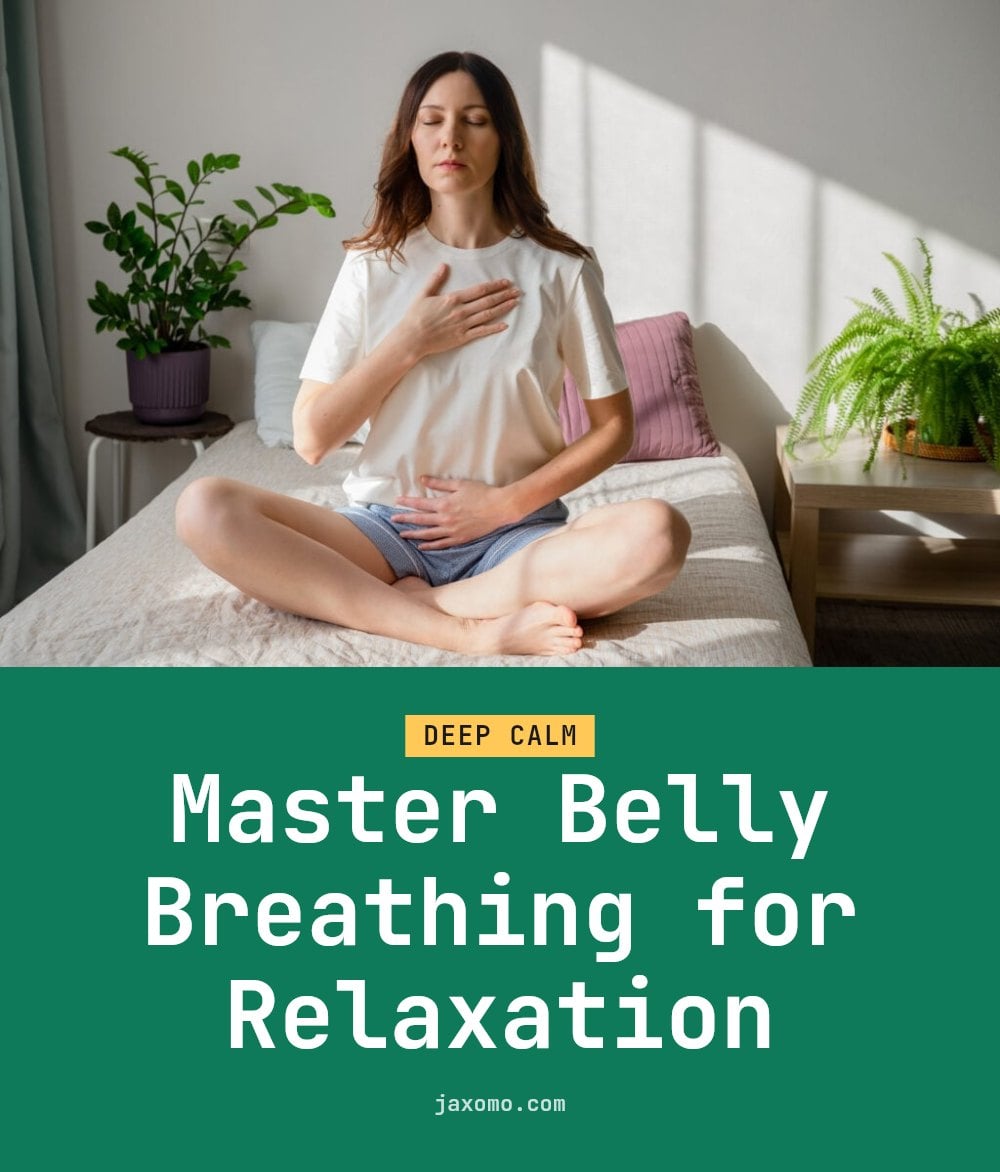
This technique engages your diaphragm, the muscle below your lungs, for deeper, more efficient breaths. It helps stimulate the vagus nerve, which is key to your ‘rest and digest’ system.
My tip: Place one hand on your chest and the other on your belly. As you inhale, the hand on your belly should rise more than the one on your chest. That tells you you’re using your diaphragm correctly.
2. Box Breathing (Square Breathing)
Box breathing uses a simple, rhythmic pattern with four equal parts: inhale, hold, exhale, hold. Inhale slowly through your nose for a count of four, hold your breath for a count of four, exhale slowly for a count of four, and then hold your breath out for a count of four. This method is excellent for calming your nervous system and improving focus, especially when you feel overwhelmed.
3. 4-7-8 Breathing Technique
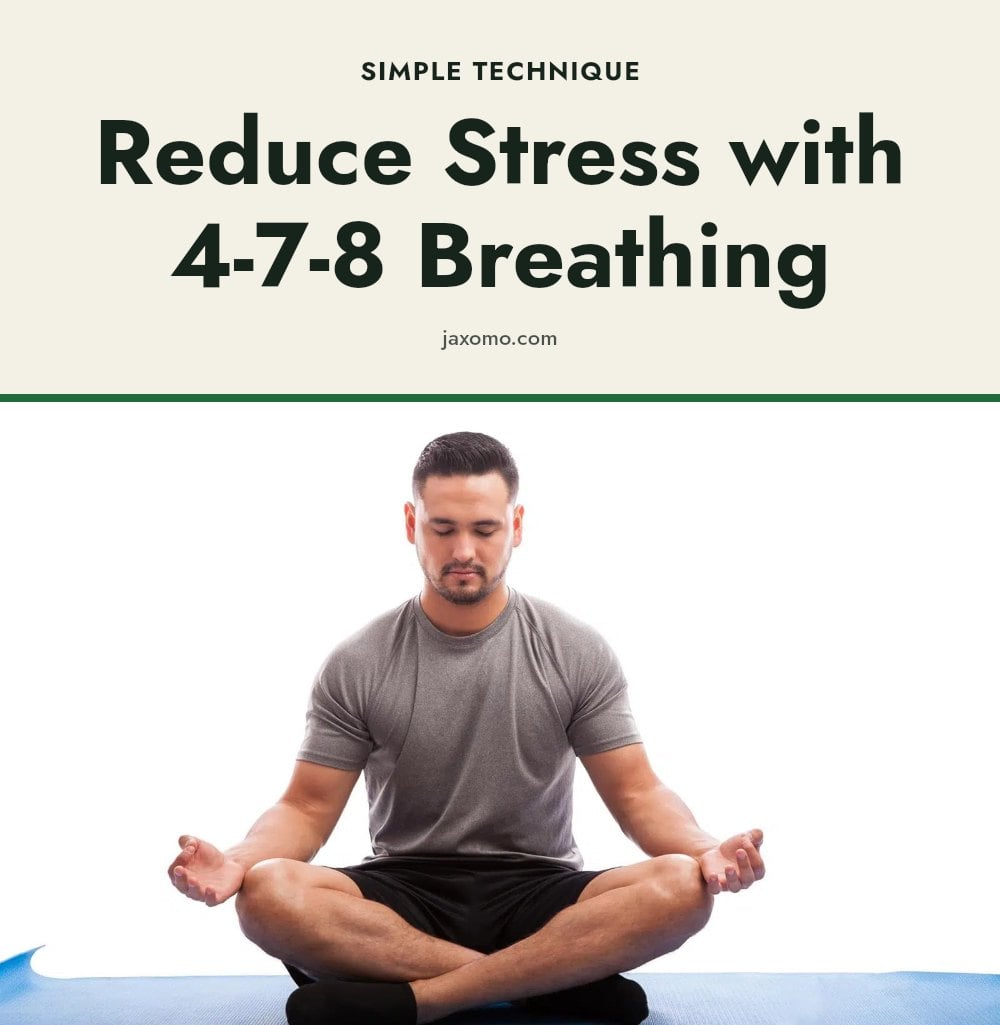
Developed by Dr. Andrew Weil, this technique is often used to help with sleep and reduce anxiety. Inhale quietly through your nose for 4 counts, hold your breath for 7 counts, then exhale completely through your mouth, making a ‘whoosh’ sound, for 8 counts.
My tip: The 4-7-8 ratio matters more than the absolute length of each count. If 7 or 8 seconds feels too long, start with shorter counts and keep the same ratio.
4. Pursed-Lip Breathing
Pursed-lip breathing keeps your airways open longer, making exhalation easier and helping remove trapped air. Inhale slowly through your nose for two counts, then purse your lips as if you’re about to whistle. Exhale slowly and steadily through your pursed lips for four counts. This technique is especially helpful when you feel short of breath or need to slow your breathing down.
5. Alternate Nostril Breathing (Nadi Shodhana)
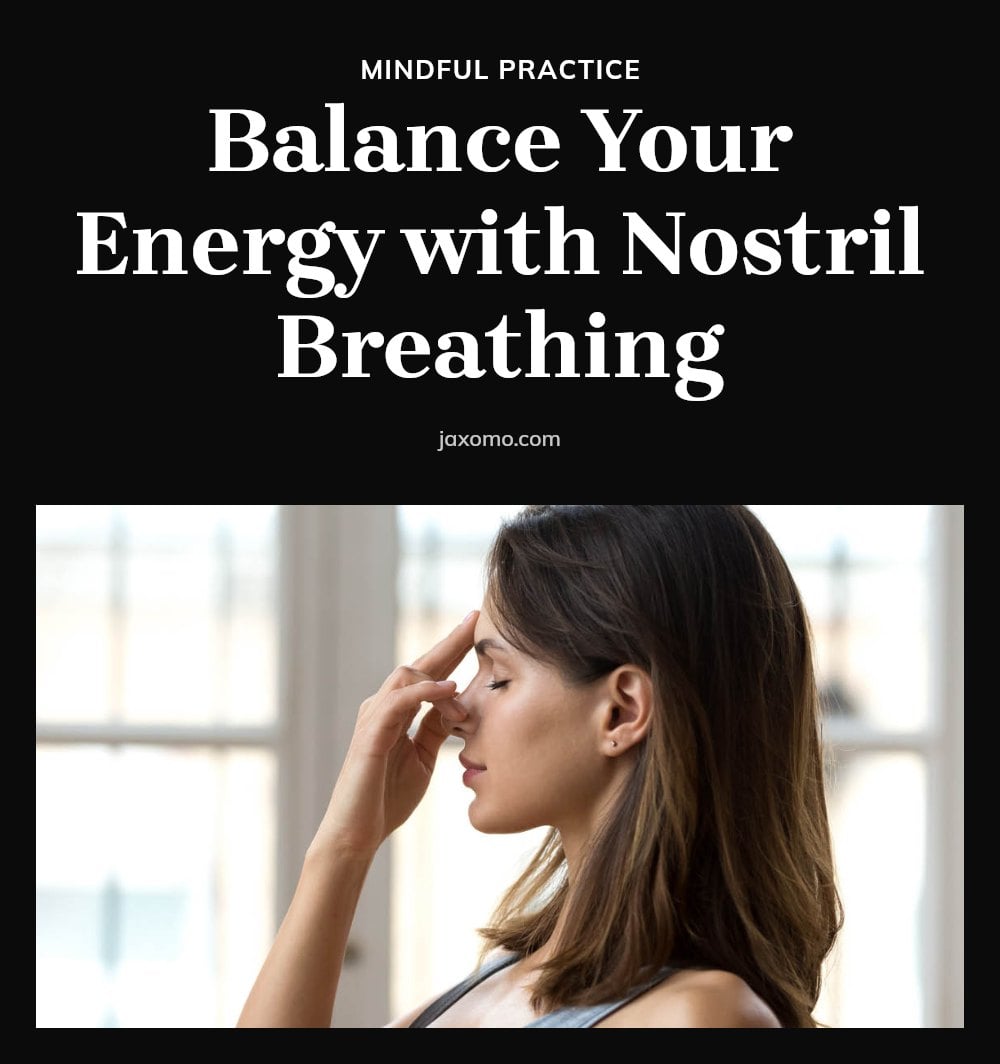
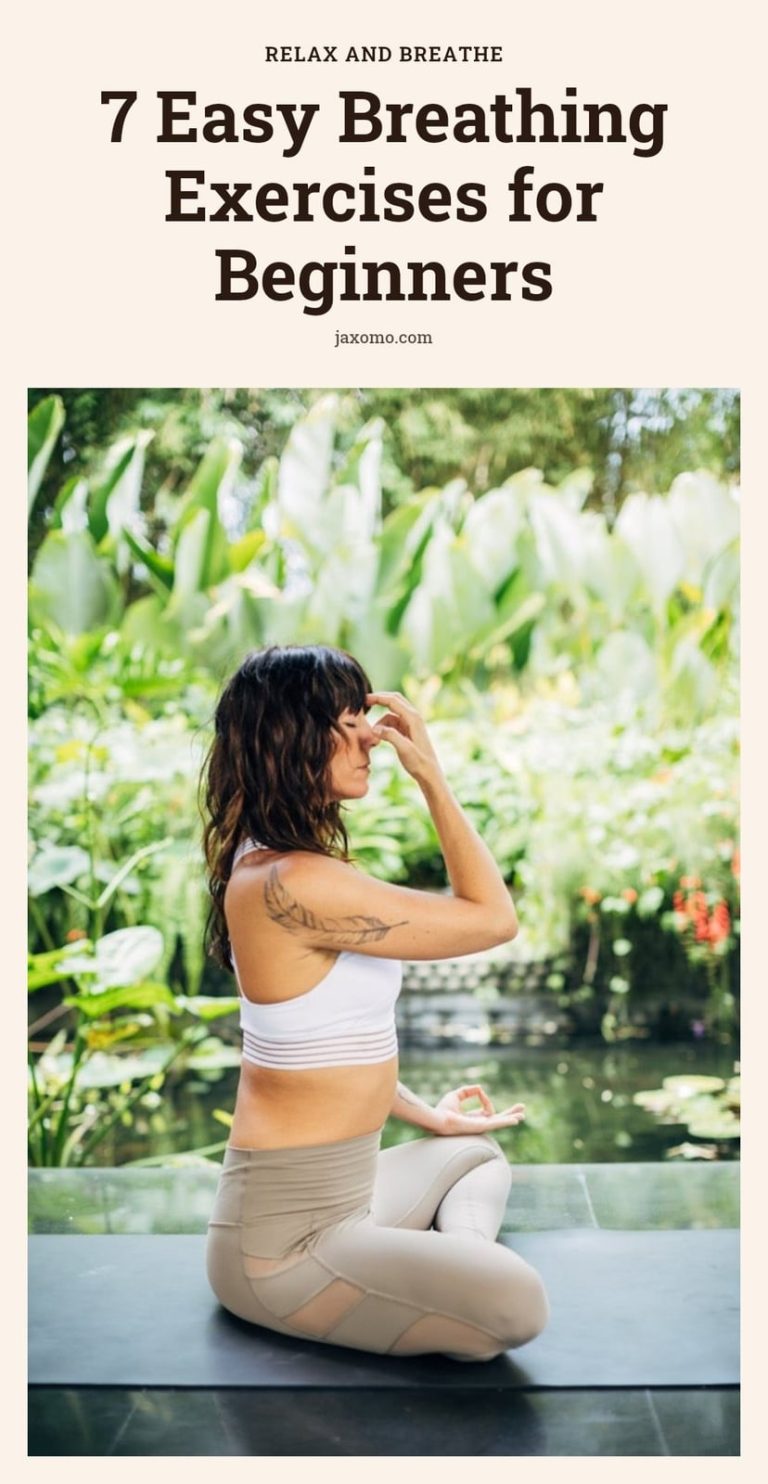
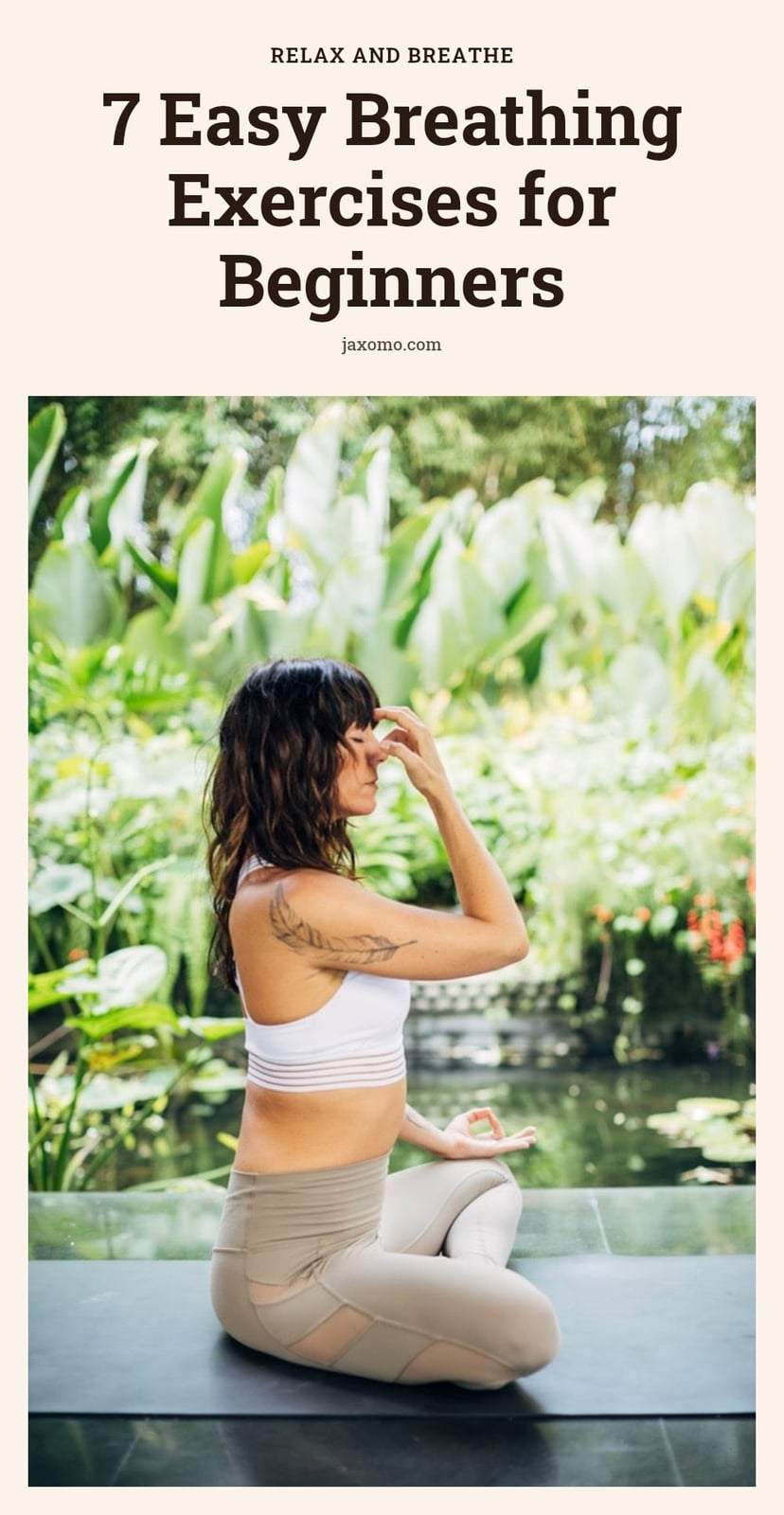
Alternate nostril breathing is a yogic technique believed to balance the left and right hemispheres of the brain, promoting calm and focus. Close your right nostril with your right thumb and inhale through your left nostril. Then close your left nostril with your ring finger, release your thumb, and exhale through your right nostril. Continue by inhaling through the right nostril, closing it, and exhaling through the left. Repeat this cycle.
Tip: Start with just a few rounds and focus on smooth, unforced breaths.
6. Mindful Breathing
Mindful breathing means focusing your attention solely on the sensation of your breath, without trying to change it. Notice the feeling of air entering and leaving your body, the rise and fall of your belly or chest, and the temperature of the air. This practice cultivates present moment awareness and can significantly reduce mind-wandering and stress.
7. Humming Bee Breath (Bhramari Pranayama)
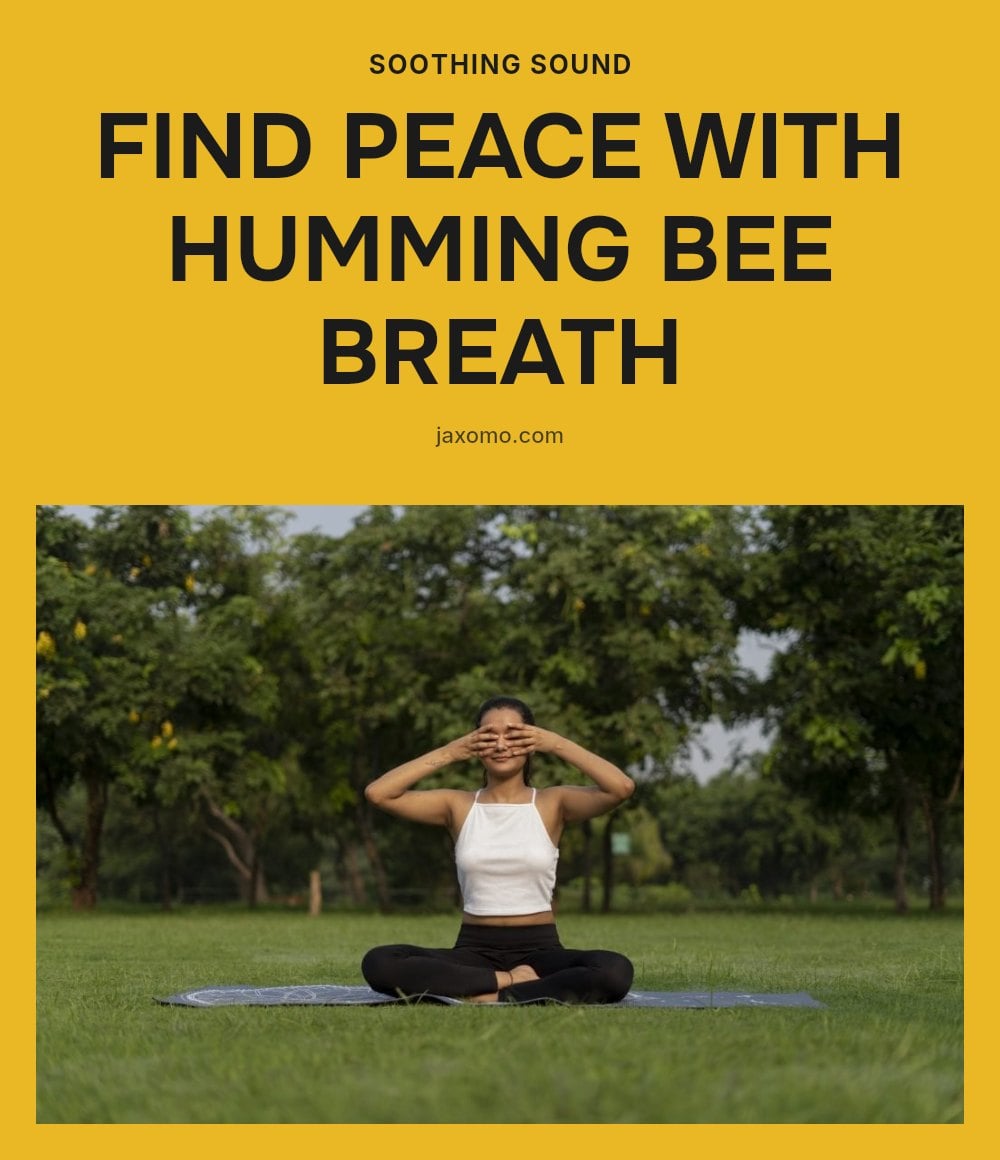
Humming bee breath involves making a gentle humming sound during exhalation, which can have a deeply calming effect. Sit comfortably, close your eyes, and gently plug your ears with your thumbs or index fingers. Inhale deeply, then exhale slowly, making a continuous, low-pitched humming sound. The vibration from the hum can help soothe your nervous system and quiet your mind.
When to Talk to a Healthcare Professional
If you feel dizzy, lightheaded, or any discomfort while practicing, stop immediately and rest. This is your body’s way of telling you something is off. Individuals with existing medical conditions such as severe asthma, heart conditions, or high blood pressure should check with a doctor before adding breathing exercises to their routine. Pregnant individuals should also consult their healthcare provider as a precaution. Keep in mind that breathing exercises are complementary tools. They can support your well-being but should never replace prescribed medical treatments for serious health conditions.
Frequently Asked Questions
How often should I do breathing exercises?
For noticeable benefits, aim for daily practice of 5 to 10 minutes. Consistency is more important than long sessions. Even a few minutes each day can help reduce stress and improve relaxation over time.
Can breathing exercises help with anxiety attacks?
Many people find that slow, deep breathing techniques like box breathing or 4-7-8 breathing can help calm the nervous system during moments of anxiety. However, breathing exercises are not a substitute for medical treatment. If you have a diagnosed anxiety disorder or experience frequent panic attacks, please consult a healthcare professional.
What is the best time of day to do breathing exercises?
There is no single best time; it depends on your schedule and goals. Many people find morning sessions help set a calm tone for the day, while evening practices can aid relaxation before sleep. Experiment to see what works for you.
Do I need any special equipment for breathing exercises?
No special equipment is required. A comfortable chair or cushion and a quiet space are all you need. Loose, comfortable clothing can help you breathe more freely, but it is not essential.
Can children do breathing exercises?
Yes, children can practice simple breathing exercises, such as belly breathing or mindful breathing. Keep sessions short and make them fun. As with adults, if a child has a medical condition, check with a doctor before starting.
How long does it take to feel the effects of breathing exercises?
Some people feel a sense of calm after just one session, but lasting changes in stress levels and relaxation typically take a few weeks of consistent daily practice. Be patient and keep at it.
Final Thoughts
My tip: Pick one technique that feels most natural to you and commit to it for a week. You don’t need to master all seven at once. With daily practice of just 5 to 10 minutes, you can start noticing a reduction in stress and an improvement in relaxation within a few weeks. Breathing exercises are a simple, free tool you can use anytime, anywhere to help yourself feel more grounded.
This article is for informational purposes only and is not a substitute for professional medical advice, diagnosis, or treatment. Always seek the advice of your physician or other qualified health provider with any questions you may have regarding a medical condition or before starting a new wellness practice.