DIY Rose Water at Home: Your Guide to Natural Skincare
Learn how to make your own rose water at home with our easy step-by-step guide. Create a natural toner and beauty ingredient for radiant skin.

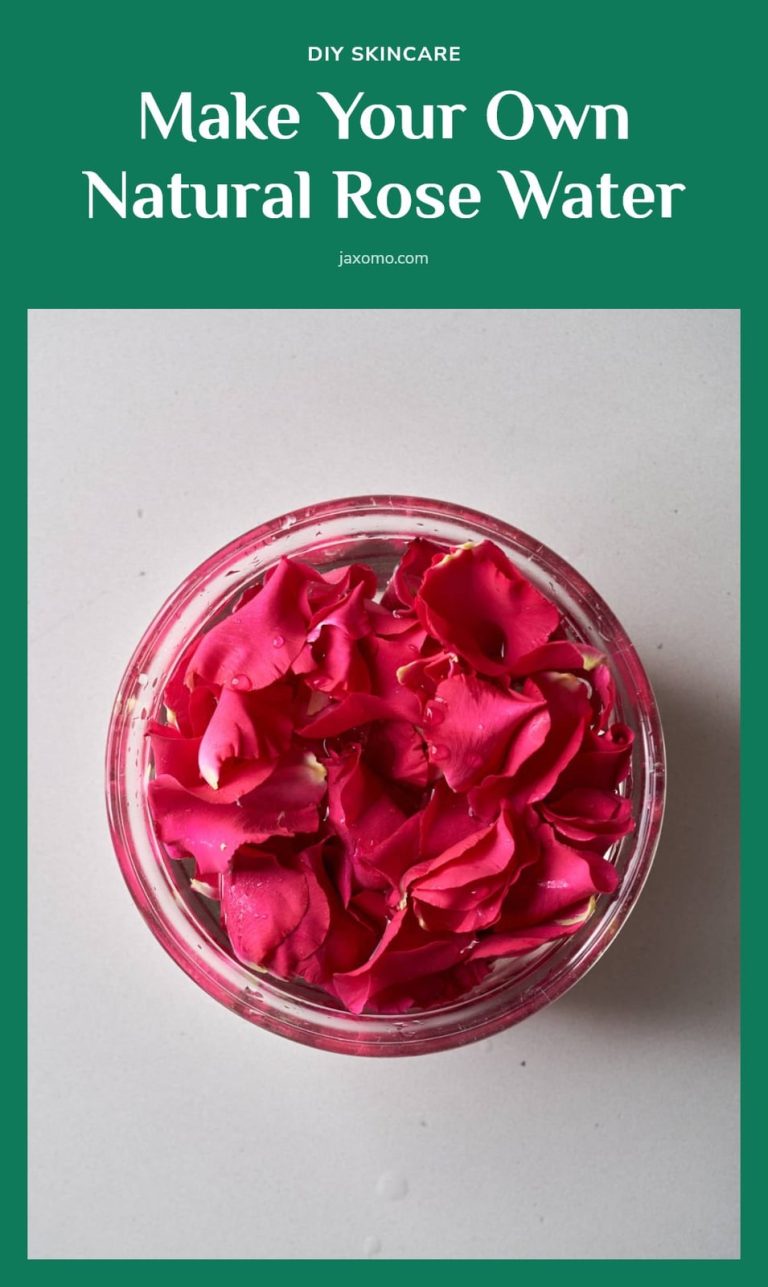
If you are looking for a simple, natural way to upgrade your skincare routine, making your own rose water at home is a perfect project. It is surprisingly easy, cost-effective, and gives you a fresh, fragrant product you can use in many ways. In this article, I will walk you through the simmer method, share tips for the best results, and explain how to store your creation safely.
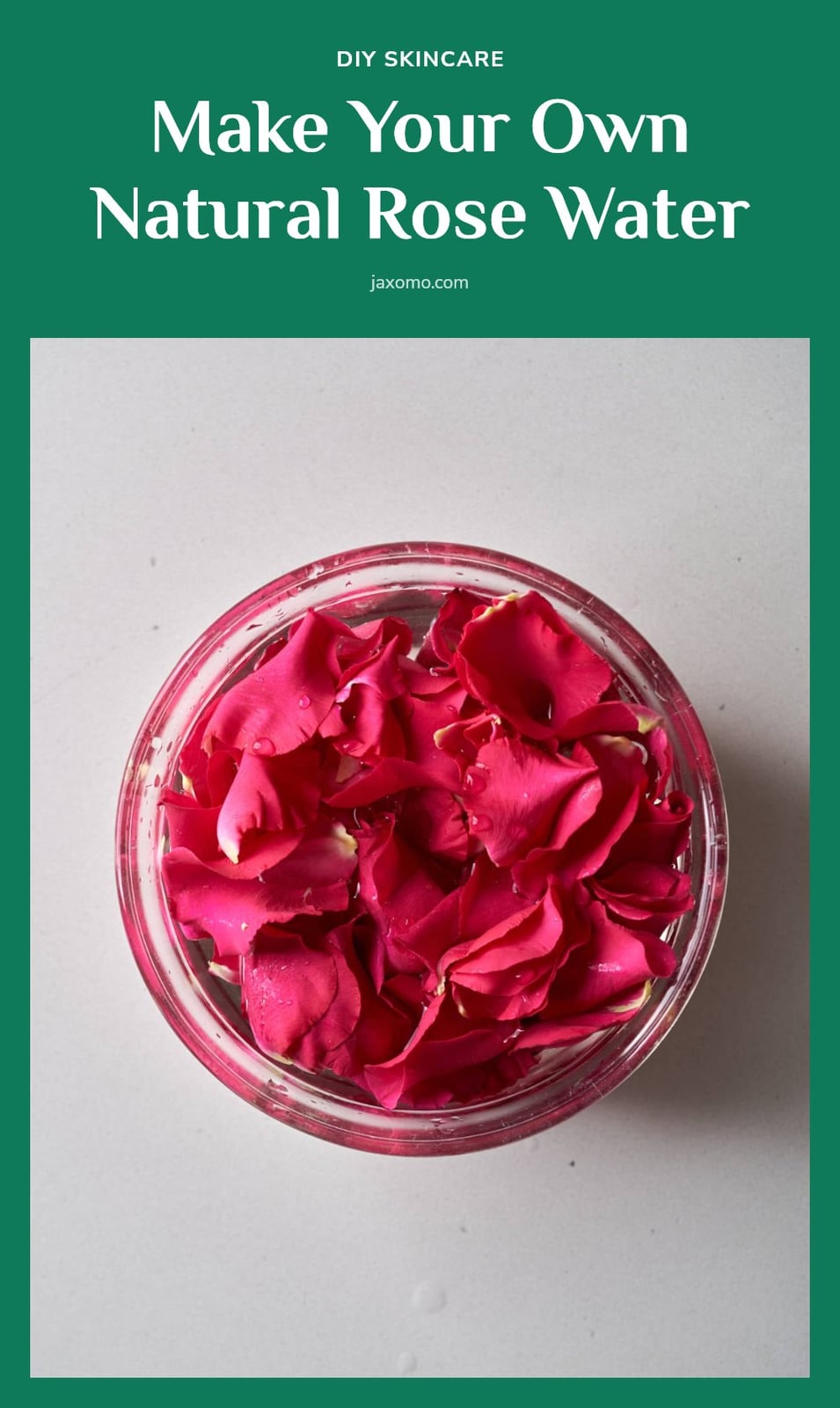
Key Takeaways
- Use fresh, organic, unsprayed rose petals for purity and safety.
- Simmer petals in distilled water for 20-30 minutes, not boiling.
- Store homemade rose water in a glass bottle in the refrigerator.
- Discard if it smells off, changes color, or shows mold.
- Patch test before full use, especially if you have sensitive skin.
Make Your Own Rose Water for Natural Beauty
Making rose water at home is a simple, cost-effective natural beauty solution. Steep or simmer pesticide-free rose petals in distilled water for about 20-30 minutes. The resulting fragrant liquid can be used as a facial toner, hair rinse, or base for other DIY beauty products. It’s free of preservatives and easy to customize.
Gather Your Supplies for Homemade Rose Water
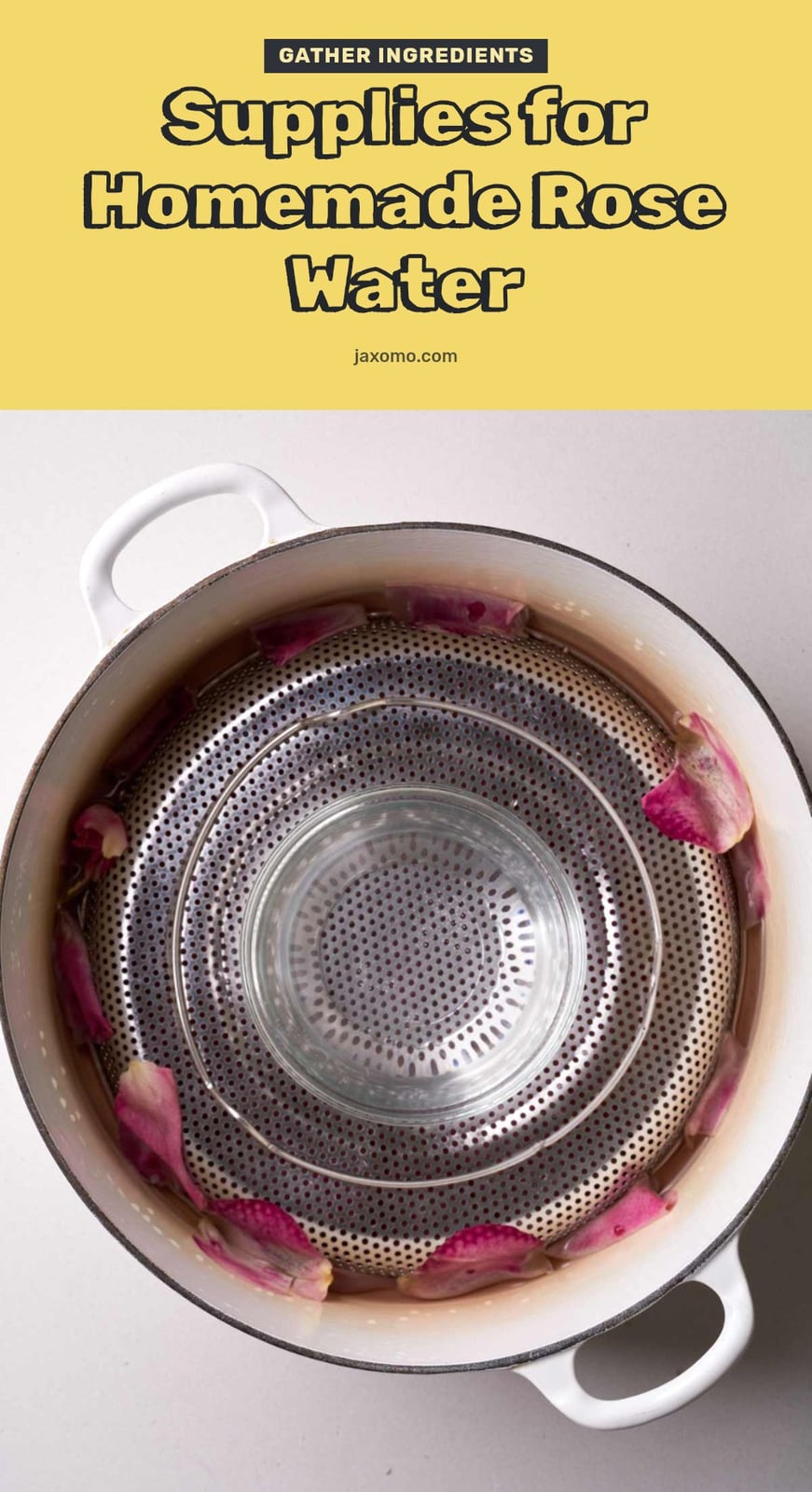
Here is what you need for homemade rose water:
- Fresh rose petals: Use organic, unsprayed petals from your garden or a trusted grower. Purity is key.
- Distilled water: It prevents impurities and helps extend shelf life.
- Large pot with lid: A standard stainless steel or enamel pot is fine.
- Strainer or fine-mesh sieve: For separating the liquid from the petals.
- Clean glass bottle: Airtight is best for storage and freshness.
Step-by-Step: Making Rose Water Using the Simmer Method
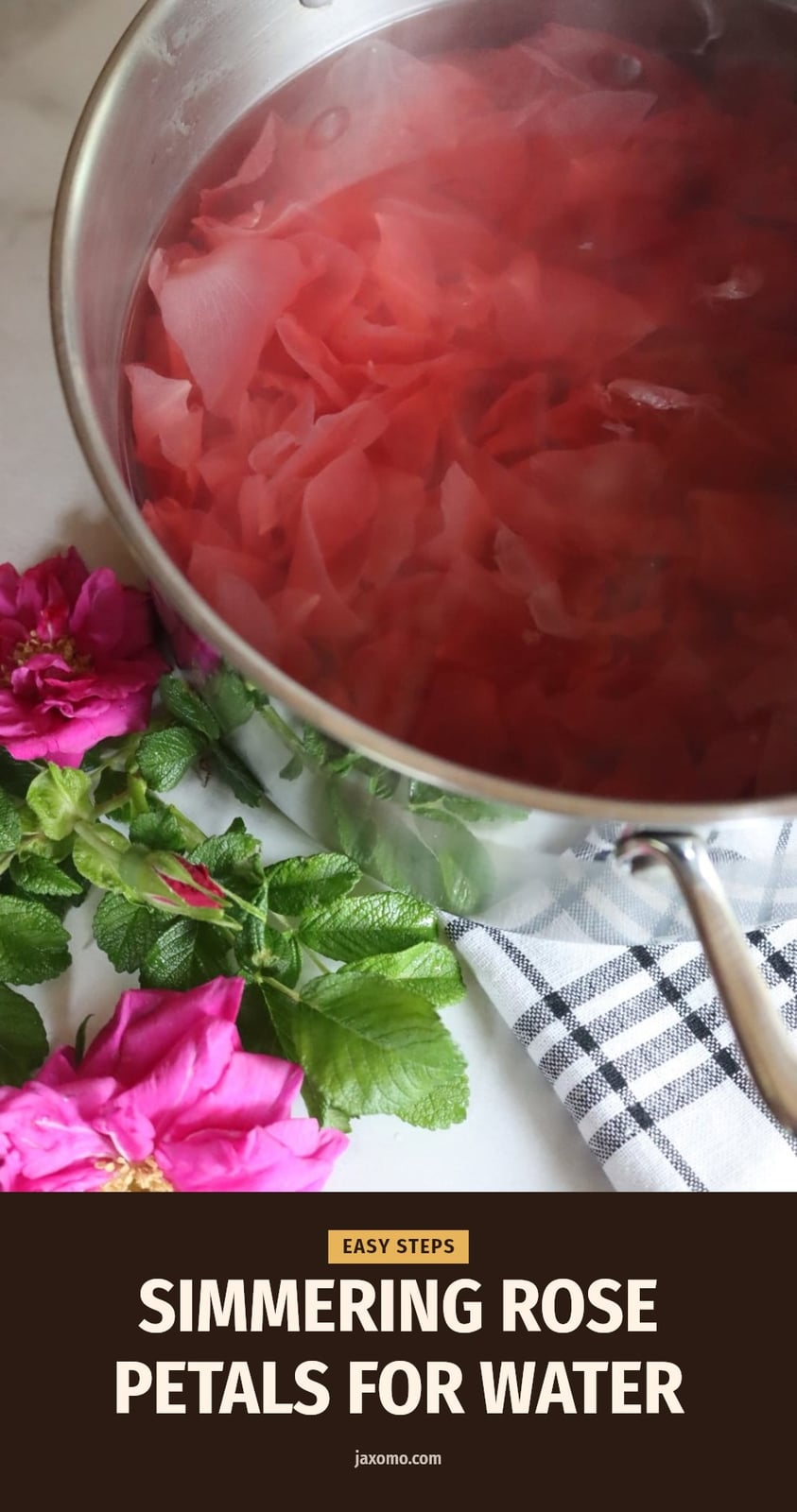
Follow these steps for a batch of homemade rose water using the simmer method:
- Rinse the petals: Place the petals in a colander and rinse under cool running water to remove any dirt or insects. Gently shake off excess water.
- Add petals and water: Put the petals in the pot and pour in just enough distilled water to cover them. Do not use more water than needed.
- Simmer gently: Set the pot over low heat and bring to a gentle simmer. Do not let it boil. Boiling destroys delicate compounds and the rose scent. Cover with the lid and let it simmer for 20-30 minutes.
- Cool completely: Remove the pot from the heat and let it cool down fully. This allows the rose essence to infuse the water.
- Strain and store: Pour the liquid through a strainer or fine-mesh sieve into a clean glass bottle. Let the liquid drain naturally; do not press on the petals, as this can push impurities into the rose water. Seal the bottle and place it in the refrigerator.
Tip: Use the rose water within 1-2 weeks for best freshness. Discard if you notice any off smell or mold.
Common Mistakes to Avoid When Making Rose Water
Avoid these common pitfalls to get the best results:
- Using treated roses: Store-bought roses may contain pesticides or chemicals. Always use organic, unsprayed petals to avoid skin irritation.
- Skipping the rinse: Even garden petals can have dirt or insects. Rinse thoroughly to keep the final product clean.
- Poor storage: Leaving rose water at room temperature invites spoilage. Refrigerate it in an airtight glass bottle.
- Too few petals: Using a small amount of petals yields weak, barely fragrant water. Fill the pot loosely with petals, ensuring a good ratio with the water.
- Over-boiling: High heat destroys the beneficial properties and the delicate floral scent. Keep the heat low and just simmer.
Expert Tips for Perfect Homemade Rose Water

For the best scent, choose fragrant rose varieties like Damask or Centifolia. Fresh, newly opened petals give you maximum potency. Always use distilled or filtered water to keep your rose water pure and extend its shelf life.
My tip: Perform a patch test on your inner arm before using rose water on your face. If you notice any redness or itching, discontinue use. Discard the batch if it develops an off smell, changes color, or shows any mold.
Storing and Using Your Homemade Rose Water
Store your homemade rose water in a clean, airtight glass bottle. Refrigeration is crucial to keep it fresh for 1-2 weeks. Keep the bottle away from direct sunlight and heat to prevent spoilage.
Use rose water as a facial toner after cleansing, a gentle hair rinse, or an ingredient in DIY face masks. Caution: If you notice any change in smell, color, or texture, discard it immediately.
Frequently Asked Questions
How long does homemade rose water last?
Homemade rose water typically lasts 1-2 weeks when stored in a clean, airtight glass bottle in the refrigerator. Because it lacks preservatives, it spoils faster than commercial versions. Always check for signs of spoilage before each use.
Can I use store-bought roses for making rose water?
It is not recommended to use store-bought roses, as they are often treated with pesticides and chemicals that can irritate your skin. For safe homemade rose water, use organic, unsprayed petals from your garden or a trusted grower. If you must use store-bought, choose ones labeled organic and rinse thoroughly.
What are the best roses for making rose water?
For the most fragrant and effective rose water, choose Damask roses (Rosa damascena) or Centifolia roses (Rosa centifolia). These varieties are prized for their strong scent and are commonly used in commercial rose water production. Fresh, newly opened petals give the best results.
Can rose water be used on all skin types?
Rose water is generally gentle and suitable for most skin types, including sensitive skin. However, it is always wise to do a patch test on a small area of your arm before applying it to your face. If you experience any redness, itching, or irritation, discontinue use.
How can I tell if my rose water has gone bad?
Signs that your homemade rose water has spoiled include an off or sour smell, a change in color, or the presence of mold. If you notice any of these, discard the batch immediately. To extend freshness, always keep it refrigerated and use clean utensils when handling.
Final Thoughts
Making your own rose water is a rewarding and simple DIY that can elevate your natural beauty routine. For the best experience, start with fresh, fragrant petals like Damask or Centifolia roses, and always store your finished product in the fridge. Expect your homemade batch to last about 1-2 weeks, so make small amounts and enjoy the freshness. My tip: use it as a gentle facial toner after cleansing for a refreshing boost.
This article is for general information only and is not a substitute for professional medical or skincare advice. If you have a persistent skin condition or experience any adverse reaction, please consult a dermatologist or healthcare provider.