11 Hair Growth Tips that Really Work
Want longer, healthier hair? Discover 12 effective, science-backed hair growth tips, from nutrition to gentle care, to optimize your natural growth cycle.

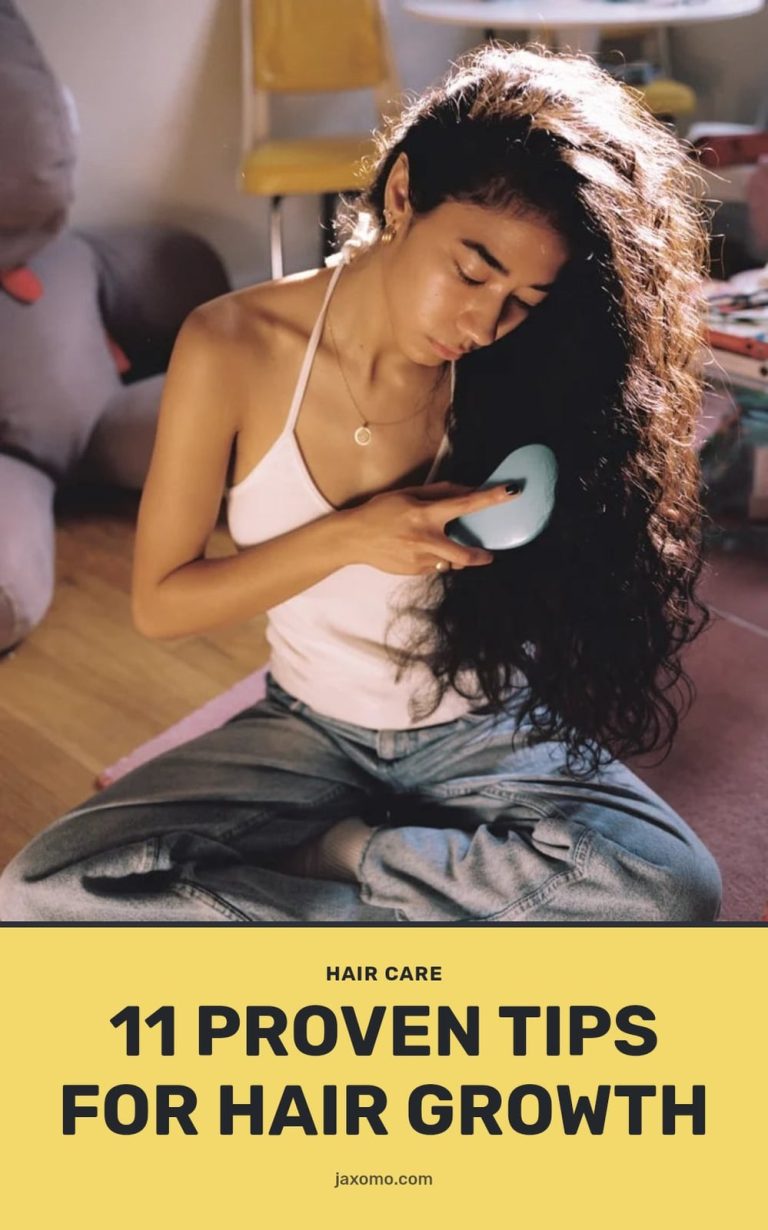
If you’re hoping to speed up your hair growth, you probably already know that patience is key. The truth is, there’s no quick fix, but there are plenty of ways to support your hair’s natural cycle and help it reach its fullest potential. This article covers 11 practical tips that focus on nourishing your body, being gentle with your hair, and avoiding common mistakes, so you can create the best environment for growth.
Key Takeaways
- Hair grows about 0.5 inches per month, so visible results take several months to a year.
- Eat a balanced diet rich in protein, iron, zinc, and vitamins D and E for healthy hair.
- Avoid excessive heat styling and tight hairstyles to prevent breakage and tension.
- Switch to a silk or satin pillowcase to reduce nighttime friction and breakage.
- Consult a doctor or dermatologist if you experience sudden or significant hair loss.
The Secret to Healthy Hair Growth
Hair growth isn’t about magic; it’s about creating the right environment for your hair follicles. Focus on internal nourishment, gentle external care, and minimizing damage to support your hair’s natural growth cycle. The average human hair grows about 0.5 inches (1.25 cm) per month, so consistency is key to seeing results over several months.
1. Nourish Your Body From Within

Your hair is a reflection of your overall health. A balanced diet rich in protein, vitamins, and minerals is crucial. Protein is the building block of hair, so make sure you’re getting enough from sources like lean meats, fish, eggs, and legumes.
- Iron: helps red blood cells carry oxygen to hair follicles.
- Zinc: supports follicle function and repair.
- Biotin: a B vitamin that helps produce keratin.
- Vitamins D and E: may help create new follicles and protect existing ones.
Deficiencies in these nutrients can impact growth, so focus on whole foods first.
2. Manage Stress Effectively

Stress is a major culprit in hair thinning and can push hair follicles into a resting phase prematurely, leading to increased shedding. Incorporate stress-reducing practices into your daily routine, such as meditation, yoga, deep breathing exercises, or simply taking time for hobbies you enjoy.
My tip: Even 10-15 minutes of mindfulness a day can make a difference for your whole body, including your hair.
3. Be Gentle When Wet
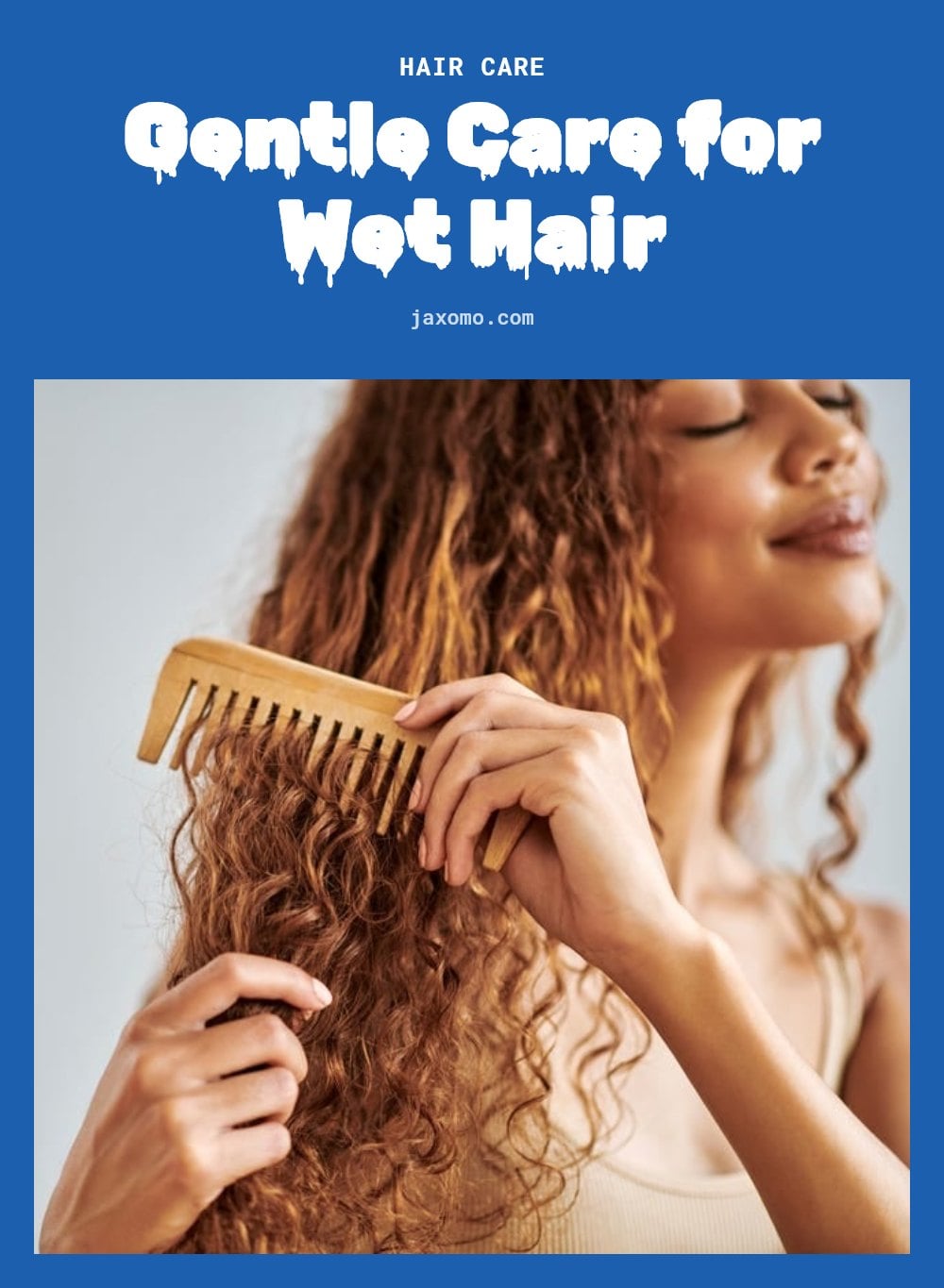
Wet hair is at its most vulnerable state, the water weakens its protein structure, making strands stretchy and prone to snapping. Avoid pulling or tugging after washing, as even gentle force can cause breakage that sets back your length goals.
My tip: Always use a wide-tooth comb to detangle wet hair. Start at the ends and work upward in small sections, never yanking through knots. A standard brush will stretch and snap wet strands, creating split ends that travel up the shaft.
Pro move: Apply a leave-in conditioner or detangling spray first. The slip reduces friction, letting the comb glide through without resistance. This one habit alone can preserve inches of growth over a year.
4. Minimize Heat Styling
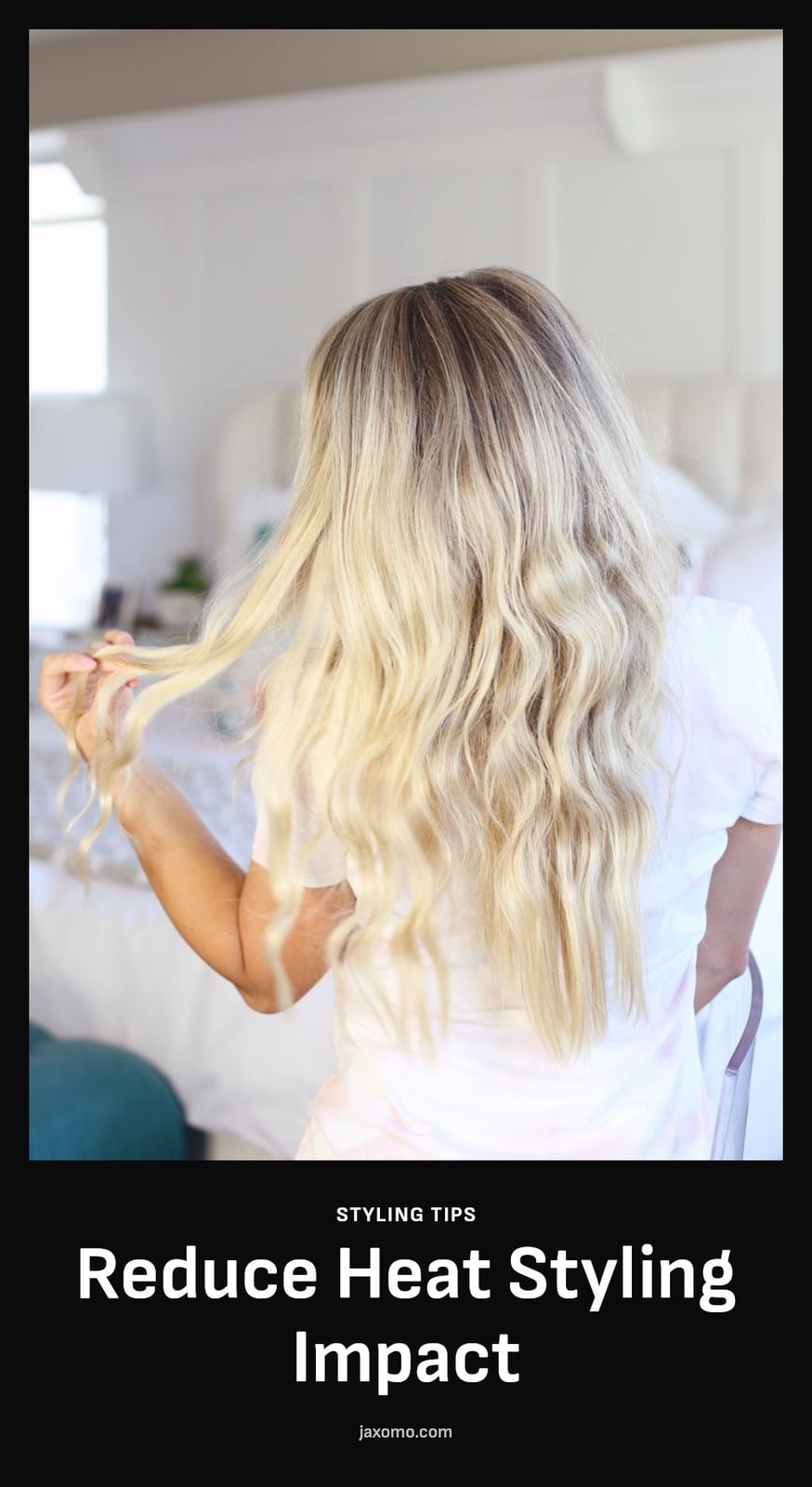
Excessive heat from blow dryers, straighteners, and curling irons can severely damage hair strands, leading to breakage that makes your hair look shorter rather than stopping growth itself. Air drying is the safest option, but when you must use heat, always apply a heat protectant spray first.
- Tip: Opt for lower heat settings and limit how often you style with heat to give your hair a break between sessions.
5. Prioritize Scalp Health
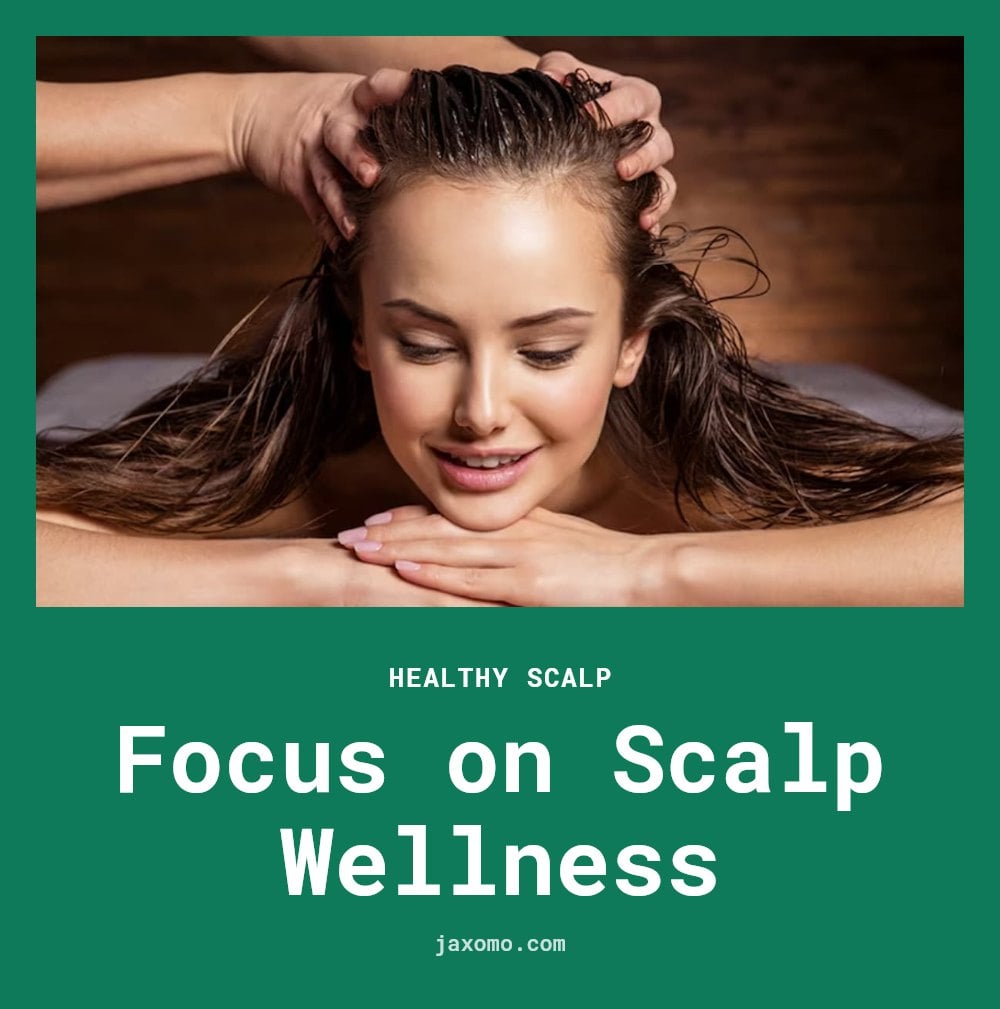
A healthy scalp is the foundation for healthy hair growth. Think of it as the soil for your hair garden. Regular, gentle scalp massage can improve blood circulation to hair follicles, potentially supporting growth.
- Good to know: Use a scalp massager or your fingertips in circular motions for a few minutes each day, even when your hair is dry.
6. Choose Gentle Hair Products
Harsh shampoos and conditioners can strip your hair of its natural oils, leading to dryness and breakage. Look for sulfate-free and paraben-free formulas designed to be gentle and nourishing.
- Pro move: Don’t over-wash your hair. Find a washing schedule that works for you, often every 2-3 days, to preserve natural oils.
7. Consider Hair Masks
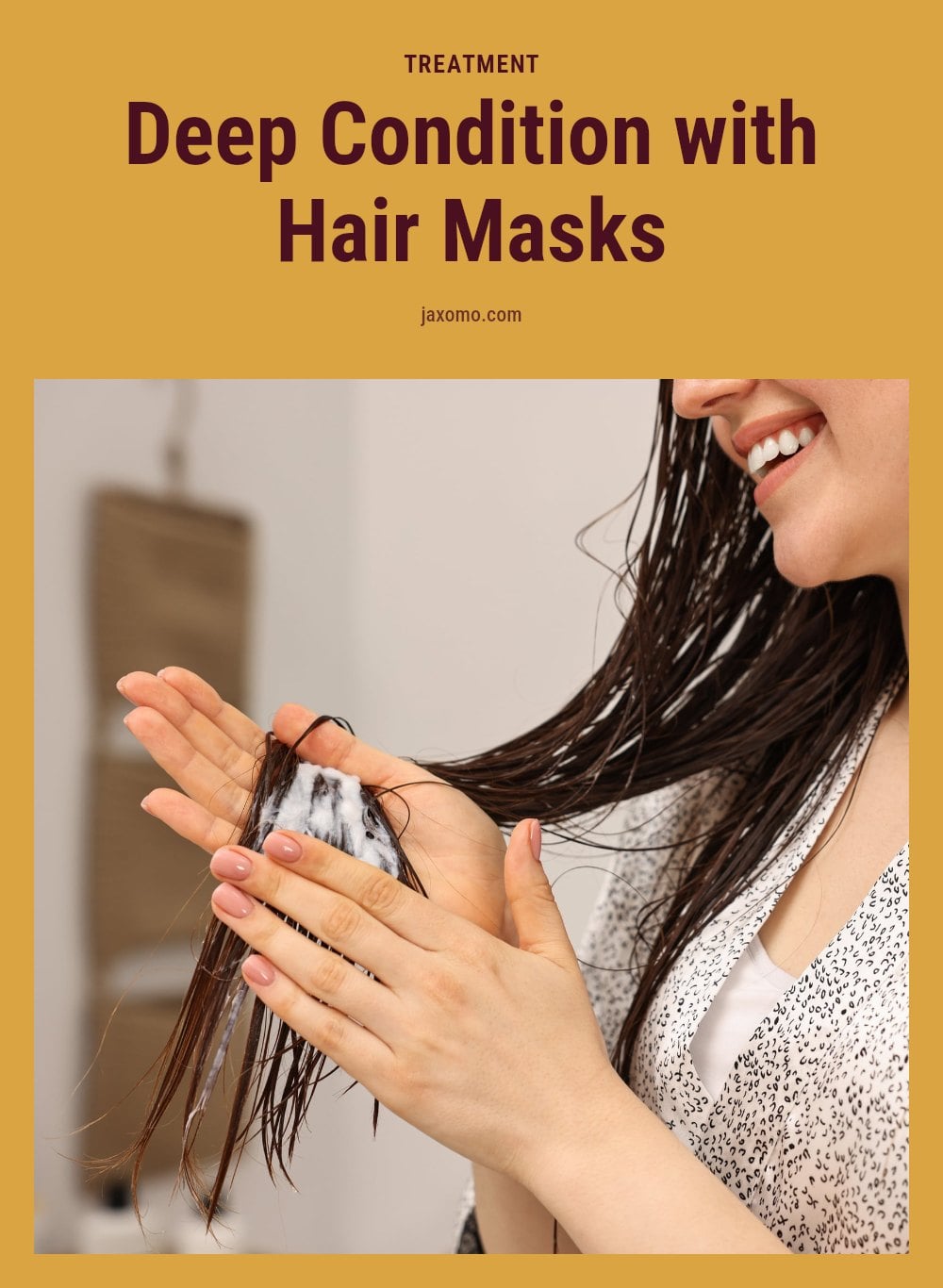
Deep conditioning treatments and hair masks provide intense hydration and nourishment, strengthening your hair strands. Stronger strands are less prone to breakage, which helps you retain length as your hair grows.
- Quick tip: Incorporate a hair mask into your routine once a week or every other week, focusing on the mid-lengths and ends.
8. Protect Your Hair at Night
Cotton pillowcases create friction that leads to tangles, frizz, and breakage while you sleep. Switching to a silk or satin pillowcase reduces that friction, letting your hair glide smoothly and stay intact overnight.
Tip: Loosely braid your hair or tie it in a ‘pineapple’ bun on top of your head to prevent tangles and preserve your style. This simple change can save your strands from unnecessary wear.
9. Trim Split Ends Regularly
It’s a common myth that trimming makes hair grow faster. The growth happens at the scalp, not the ends. However, regular trims are essential for preserving the length you have. Split ends can travel up the hair shaft, causing breakage that makes your hair look shorter and thinner.
Good to know: Aim for a micro-trim every 8-12 weeks to snip away damaged ends before they cause more harm. This keeps your hair looking healthy and helps you retain the length you’ve worked for, which is why regular micro-trims are important for healthy-looking hair.
10. Be Wary of Tight Hairstyles
Constantly pulling your hair back into tight ponytails, buns, or braids can cause traction alopecia, a form of hair loss from prolonged tension on the follicles. Opt for looser styles that do not tug on your scalp, and vary your hairstyles to give different areas a break.
Pro move: If you love a ponytail, use a scrunchie instead of a tight elastic band to reduce pressure. Your scalp will thank you.
11. Consult a Professional
If you are experiencing sudden, significant hair loss or thinning, consult a doctor or dermatologist. They can help rule out underlying medical conditions, nutritional deficiencies, or hormonal imbalances that may be affecting your hair.
Quick tip: Do not hesitate to seek professional advice; early intervention can often make a big difference. A medical opinion can guide you toward the right solutions.
Common Hair Growth Mistakes to Avoid
Believing in instant fixes: Hair growth takes time. Expect visible results over several months, not days or weeks. Products promising quick results usually disappoint. Ignoring your scalp: A healthy scalp is paramount. Don’t just focus on the hair strands; nourish your roots with regular massage and gentle cleansing. Over-shampooing: Stripping natural oils can lead to dryness and breakage. Find a balanced washing routine that preserves your scalp’s moisture. Comparing your hair to others: Genetics play a huge role in hair growth rate and thickness. Focus on optimizing your own hair’s potential instead of chasing someone else’s results.
Frequently Asked Questions
How long does it take to see hair growth results?
Hair typically grows about 0.5 inches per month, so visible changes from your efforts usually take several months to a year. Be patient and stay consistent with your routine, as quick results are not realistic.
Does trimming hair make it grow faster?
No, trimming does not speed up growth. It removes split ends, which prevents further breakage up the hair shaft, helping you retain length. Regular micro-trims every 8 to 12 weeks are still important for healthy-looking hair.
Can stress really cause hair loss?
Yes, stress can push hair follicles into the resting phase prematurely, leading to increased shedding called telogen effluvium. Managing stress through relaxation techniques like yoga or meditation may help reduce this effect.
What vitamins are good for hair growth?
Key nutrients include iron, zinc, biotin, and vitamins D and E. A balanced diet rich in these can support healthy hair. Always consult a healthcare professional before starting any supplement, as some can interact with medications.
Final Thoughts
My biggest recommendation is to start with the basics: eat well, manage stress, and keep your scalp healthy. Realistic expectations matter here, so give your efforts at least six months before judging the results. Remember, consistency with gentle care and good nutrition is what truly supports long-term hair growth.
This article provides general information for educational purposes and is not a substitute for professional medical advice. If you are experiencing persistent or severe hair loss, consult a doctor or dermatologist for a proper diagnosis and treatment plan.