Low Porosity Hair Care: Routine and Tips that Really Help
Struggling with low porosity hair? Learn how to effectively moisturize and care for your hair with our expert routine and tips to prevent product buildup.

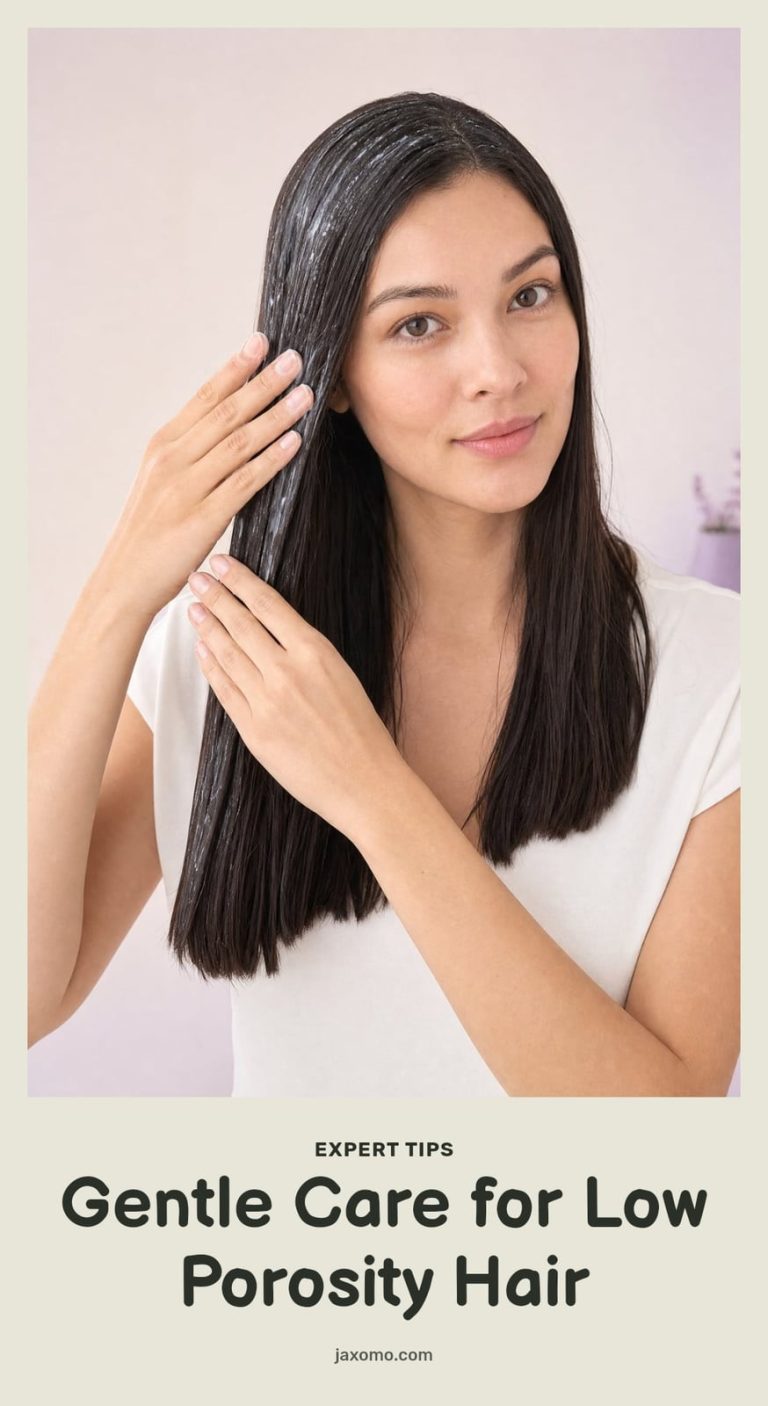
You’ve probably noticed that your hair takes forever to get wet, feels dry even after conditioning, and products seem to just sit on the surface. That’s a classic sign of low porosity hair, and it can be frustrating. This article breaks down exactly what low porosity hair is, why it behaves this way, and a practical routine with tips that actually help moisture get in and stay where it belongs.
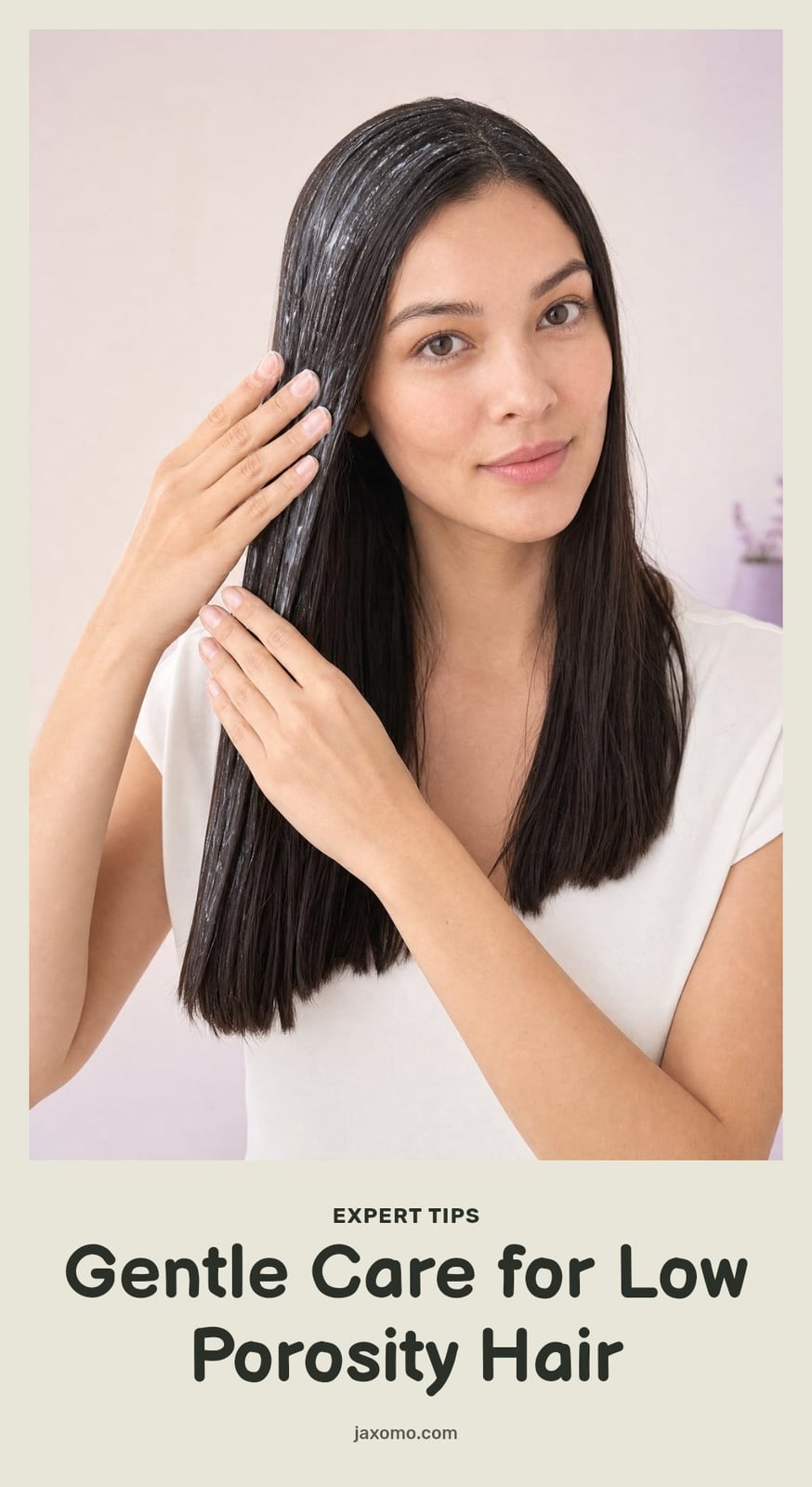
Key Takeaways
- Use warm water to wash and rinse hair, which helps lift the cuticle for better product penetration.
- Clarify your hair every 2 to 4 weeks to remove buildup that blocks moisture absorption.
- Choose lightweight, water-based products like humectant-rich conditioners and leave-ins over heavy butters and oils.
- Apply heat during deep conditioning sessions, using a hooded dryer or warm towel for 20 to 30 minutes.
- Layer products from lightest to heaviest (liquid, cream, oil) to maximize absorption and minimize buildup.
What is Low Porosity Hair and How to Care for It?
Low porosity hair has tightly packed cuticles that act like a closed door. This makes it hard for moisture to get in, but once it does, your hair holds onto it really well. The challenge is that products often sit on the surface, leading to buildup instead of hydration. My tip: Focus on creating an environment where products can actually get into your hair, not just sit on top. Effective care means using lightweight, water-based products, applying heat to open the cuticle for better absorption, and clarifying regularly to keep the path clear.
1. Use Warm Water to Wash Hair

Warm water helps gently lift the tightly closed cuticles of low porosity hair, allowing your shampoo and conditioner to penetrate more effectively. Cold water keeps those cuticles sealed, so you’re washing without much benefit. My tip: Don’t use scalding hot water, just comfortably warm to prepare your hair for cleansing and conditioning. This simple step makes a real difference in how well your products work.
2. Clarify Regularly to Prevent Buildup
Low porosity hair is prone to product buildup because products tend to sit on the surface rather than being absorbed. That residue blocks future moisture, making your hair feel heavy and dull. Clarifying shampoos are essential to remove this accumulated residue, ensuring your hair can actually absorb the beneficial ingredients from your other products. Aim to clarify every 2-4 weeks, or whenever your hair feels heavy, dull, or resistant to moisture.
3. Choose Lightweight, Water-Based Products
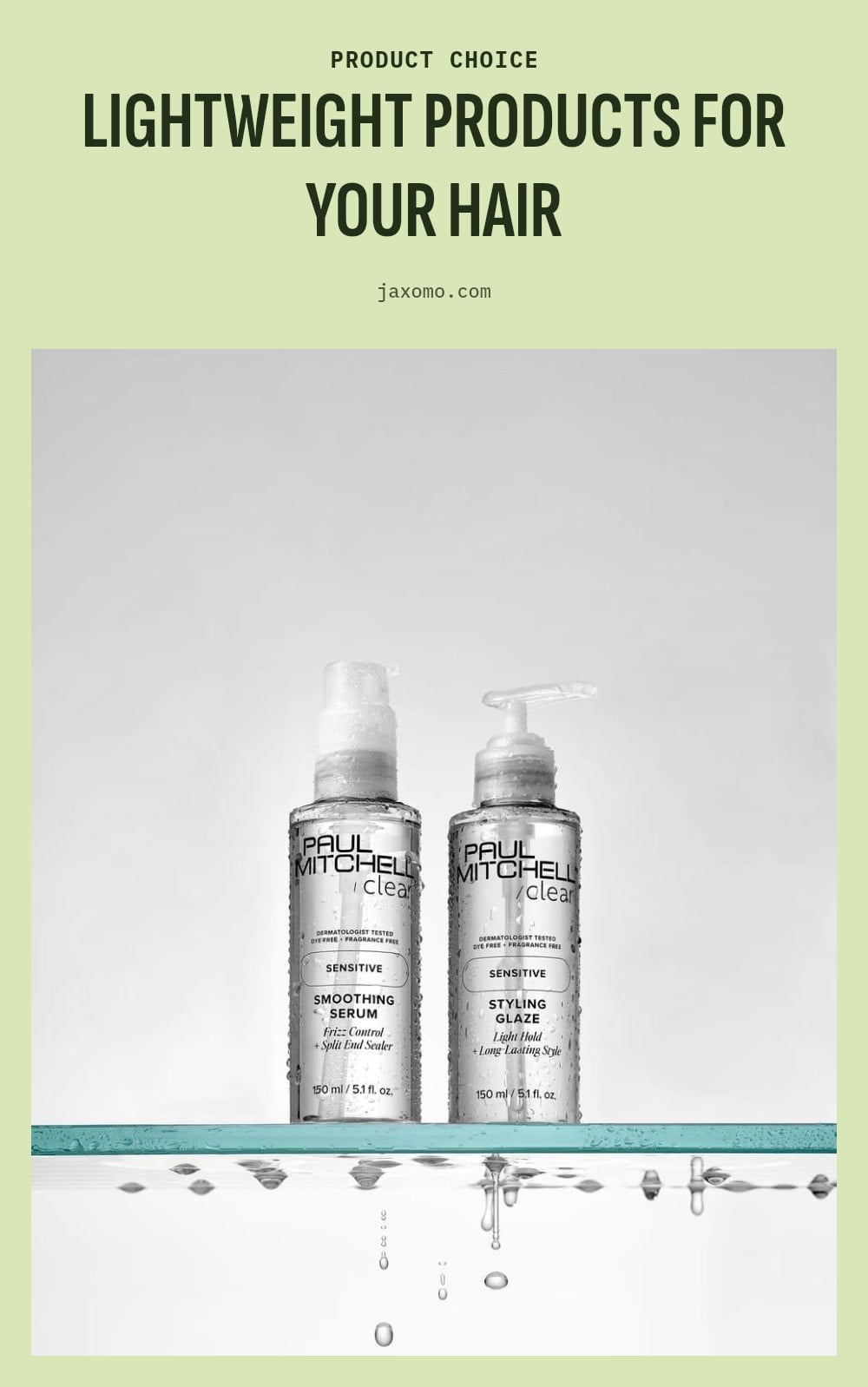
Heavy butters, thick oils, and silicones easily sit on top of low porosity hair, leading to greasiness and further buildup without providing deep moisture. Instead, opt for lightweight, humectant-rich conditioners, leave-ins, and stylers that are water-based. Ingredients like glycerin, aloe vera, and hyaluronic acid are great choices. Tip: Always check the ingredient list, if water is the first ingredient, you’re usually on the right track.
4. Apply Products to Damp, Not Soaking Wet Hair
Applying products to soaking wet hair dilutes them and makes it harder for the formula to adhere to your tight cuticles. Gently squeeze out excess water, then blot with a microfiber towel or an old t-shirt until your hair is damp but not dripping. This leaves the product more concentrated so it can actually reach the hair shaft instead of sliding off.
5. Use Heat for Deep Conditioning
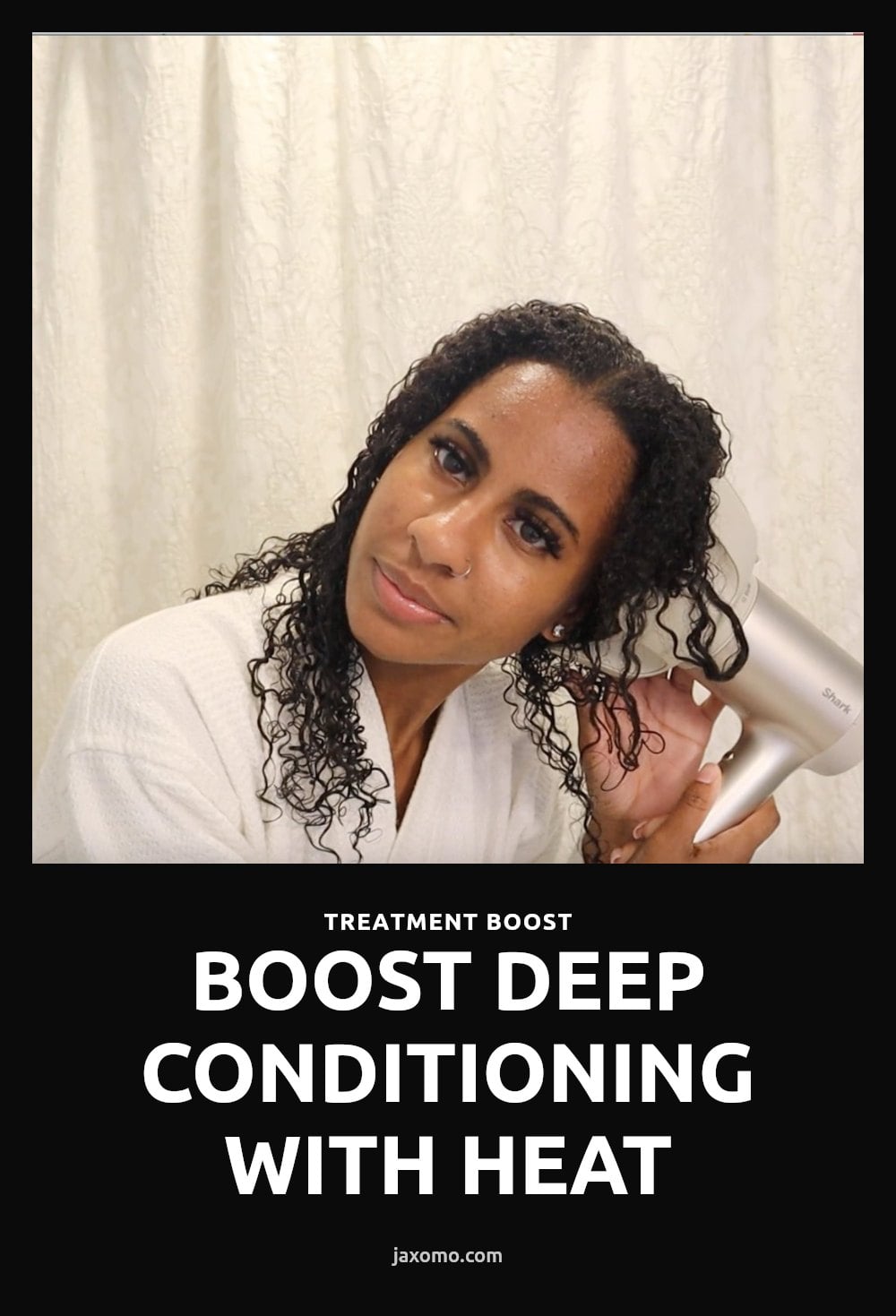
Heat temporarily lifts the tightly packed cuticles of low porosity hair, allowing deep conditioner to penetrate instead of sitting on the surface. Apply your deep conditioner, then sit under a hooded dryer, use a hair steamer, or wrap your hair in a warm, damp towel for 20-30 minutes. This step dramatically improves moisture absorption and leaves your hair noticeably softer and more hydrated.
6. Pre-Poo with Lightweight Oils
Pre-pooing with a lightweight oil like argan, jojoba, or grapeseed oil creates a protective barrier that helps your strands retain moisture during shampooing. This is especially helpful for low porosity hair, which can feel stripped after cleansing. Good to know: Apply the oil 15-30 minutes before you shampoo, focusing on your ends where dryness is most common.
7. Layer Products from Lightest to Heaviest

To maximize penetration and prevent buildup, layer your products from lightest to heaviest using the LCO method: liquid, cream, oil. Start with a water-based leave-in or mist, follow with a lightweight cream, then seal everything with a light oil. This order lets each layer absorb without creating a greasy coating on your strands.
8. Be Mindful of Protein Treatments
Protein strengthens hair, but low porosity hair can quickly become stiff and brittle if you overdo it. Too much protein makes the cuticles even more resistant to moisture. Use balanced or protein-free deep conditioners most of the time. Save protein treatments for once a month or every other month at most.
Pro move: Always follow a protein treatment with a moisturizing deep conditioner to restore balance and prevent that stiff feeling.
9. Avoid Cold Water Rinses Immediately
Cold water rinses are often recommended to seal the cuticle, but for low porosity hair this is counterproductive right after deep conditioning with heat. Closing the cuticle too quickly traps product on the surface instead of letting it absorb. Rinse with lukewarm water instead and let your hair cool naturally. If you want a quick cool rinse, do it at the very end of your routine, not immediately after the deep conditioner.
10. Don’t Over-Apply Products
It’s tempting to use more product when your hair feels dry, but low porosity hair doesn’t absorb it well. More product usually means more buildup and a greasy feel. Start with a pea-sized amount of leave-in or styler and work it through evenly. Add more only if your hair truly needs it. Focus on distribution, not saturation.
11. Be Patient and Consistent
Changing how your hair absorbs moisture takes time. You won’t see dramatic results after one wash day. Stick with a routine of lightweight products, heat during deep conditioning, and regular clarifying for several weeks. That consistency is what makes the difference.
Quick tip: Keep a hair journal to note which products and methods work best for your unique low porosity hair. It helps you spot patterns and stay motivated.
Common Mistakes to Avoid with Low Porosity Hair
Using heavy creams and oils: These often sit on the surface of low porosity hair, leading to greasiness and buildup instead of moisture. Your hair stays dry underneath while looking weighed down.
Skipping clarifying shampoos: Product residue accumulates on the tight cuticles, blocking moisture from reaching the hair shaft. Without regular clarifying, even your best products can’t do their job.
Not using heat during deep conditioning: Without heat, deep conditioners may not fully penetrate the tight cuticle layer. The product sits on top, and you miss out on the hydration your hair needs.
Applying protein treatments too frequently: This can make low porosity hair stiff and brittle, since the cuticles become even more resistant to moisture. Use protein sparingly, and always follow with a moisturizing deep conditioner.
Confusing low porosity with dry hair and simply adding more oil: This exacerbates buildup rather than solving the underlying issue of absorption. More oil doesn’t mean more moisture for low porosity hair; it just adds another layer of residue.
Frequently Asked Questions
How do I know if I have low porosity hair?
A common test is to place a clean, dry strand of hair in a glass of room-temperature water. If it floats on the surface, you likely have low porosity hair. Other signs include hair that takes a long time to get fully wet and products that seem to sit on top rather than absorbing.
Can low porosity hair be damaged?
Yes, low porosity hair can still be damaged by heat styling, chemical treatments, or mechanical stress like rough brushing. The damage often shows as breakage or split ends, even though the cuticle remains tight. Gentle handling and regular trims are still important.
How often should I clarify low porosity hair?
Clarifying every 2 to 4 weeks is generally recommended for low porosity hair. This frequency removes product buildup without over-stripping the hair. If you use a lot of stylers or heavy products, you may need to clarify closer to the 2-week mark.
What ingredients should I look for in products for low porosity hair?
Look for humectants like glycerin, aloe vera, and hyaluronic acid, which draw moisture into the hair. Lightweight oils such as argan, jojoba, or grapeseed oil are also good. Avoid heavy butters, thick oils, and silicones that can cause buildup.
Does low porosity hair need protein?
Low porosity hair can benefit from protein, but it should be used sparingly. Too much protein can make the hair stiff and brittle, since the cuticles are already tight. Stick with protein-free or balanced deep conditioners most of the time, and save protein treatments for once a month or less.
Final Thoughts
The key to low porosity hair is working with its closed cuticle, not against it. Stick with warm water, lightweight products, and regular clarifying, and always use heat when deep conditioning. It will take a few weeks of consistent care, but your hair will start to feel softer, more hydrated, and less prone to buildup. That’s the routine that finally makes a difference.
This article is for general informational purposes only and does not constitute medical or professional hair care advice. Individual hair needs vary, and if you experience persistent dryness, breakage, or scalp issues, consult a dermatologist or trichologist for personalized guidance.