Your 15-Minute Ab Workout at Home with No Equipment
Strengthen your core with an effective 15-minute ab workout you can do at home without equipment. Learn proper form and avoid common mistakes.

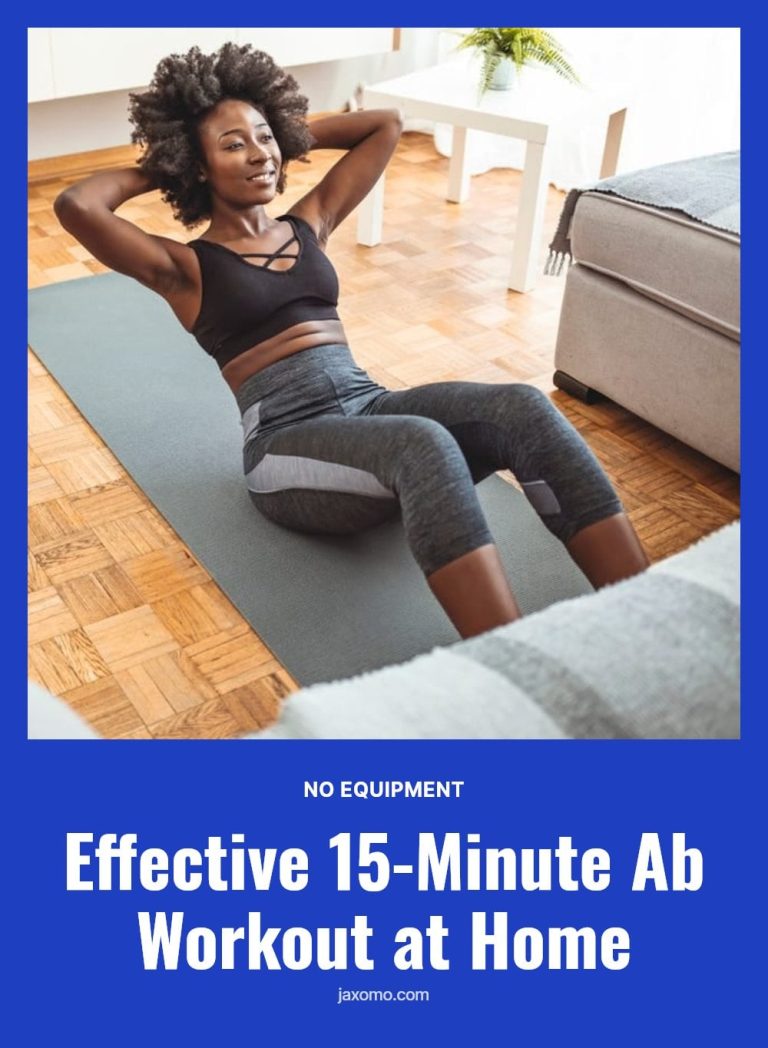
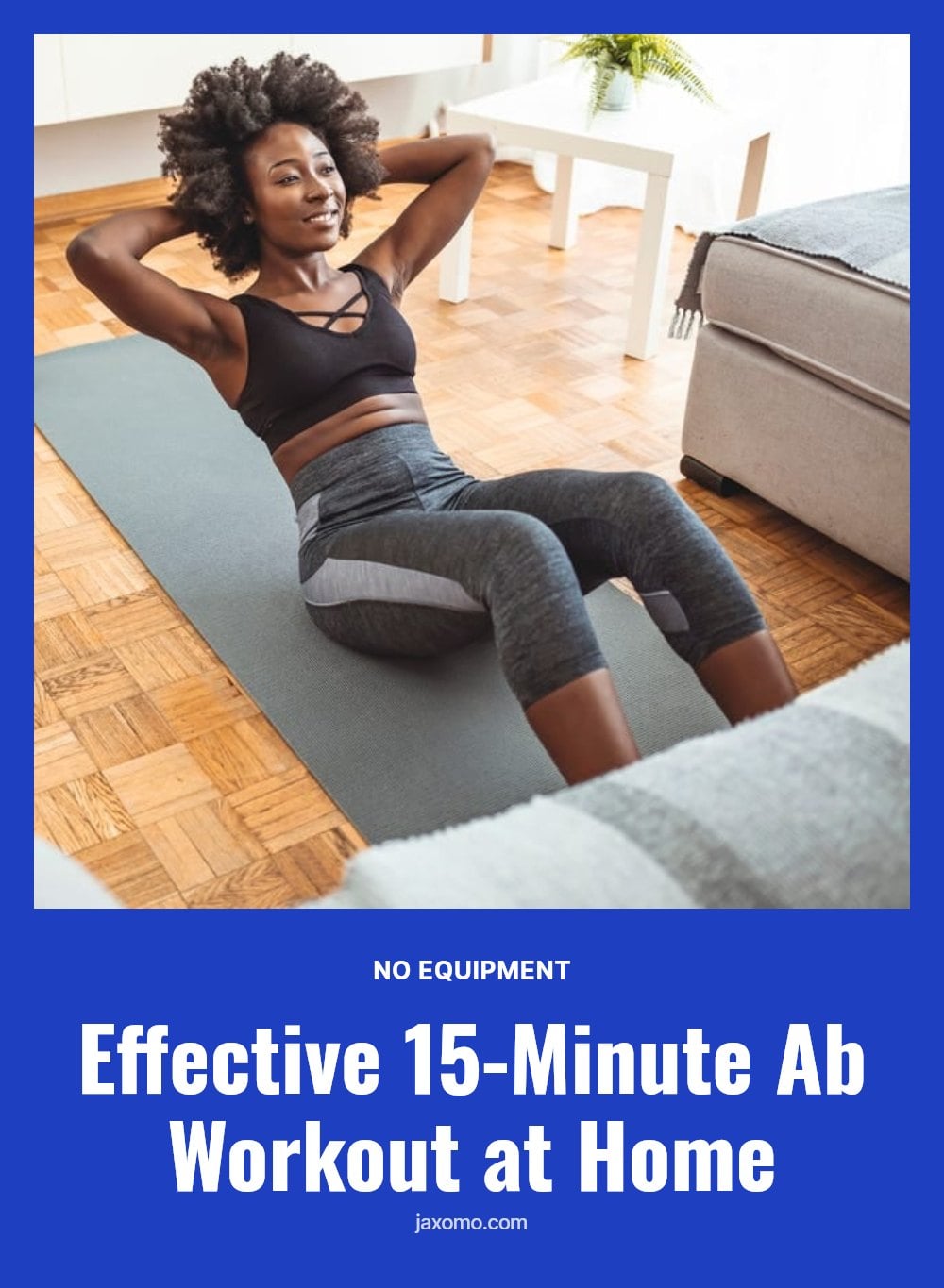
You don’t need a gym or fancy equipment to build a strong core. This 15-minute ab workout is designed to target all your core muscles, not just the surface-level six-pack area. It covers the key exercises you need, how to do them with proper form, and a weekly plan to stay consistent.
Key Takeaways
- Perform the full 8-exercise workout 2-3 times per week for best results.
- Focus on form over speed; control each movement to prevent injury.
- Engage your core by drawing your navel toward your spine during every exercise.
- Rest 30-60 seconds between sets to allow muscle recovery.
- Expect noticeable core strength improvements within 4-8 weeks of consistent training.
1. Warm-Up: Cat-Cow Stretch

Start on all fours with your hands directly under your shoulders and your knees under your hips. Inhale as you drop your belly, lift your chest, and tilt your tailbone up toward the ceiling (Cow pose). Exhale as you round your spine, tuck your chin to your chest, and draw your tailbone under (Cat pose). Move slowly with each breath to warm up your spine and core.
- Sets and reps: 8-10 slow repetitions.
- Form cue: Move only as far as feels comfortable. No need to force the curve.
- Make it easier or harder: To deepen the stretch, pause for a breath at the peak of each pose.
2. Crunches

Lie on your back with your knees bent and feet flat on the floor. Place your hands lightly behind your head, do not interlace your fingers. Exhale as you lift your head and shoulders off the mat, engaging your rectus abdominis (the “six-pack” muscle). Keep your lower back pressed into the floor throughout the movement.
- Sets and reps: 3 sets of 10-15 repetitions.
- Form cue: My tip: Keep a fist-sized gap between your chin and chest to avoid pulling on your neck.
- Make it easier or harder: Cross your arms over your chest for a lighter challenge, or hold a light weight against your chest for more resistance.
3. Bicycle Crunches

Lie on your back with your hands behind your head and your legs lifted, knees bent at 90 degrees. Bring your right elbow toward your left knee while extending your right leg straight out. Alternate sides in a slow, controlled pedaling motion, keeping your shoulders off the mat. This movement targets your obliques on each side.
- Sets and reps: 3 sets of 10-15 repetitions per side.
- Form cue: Twist from your torso, not just your elbows. Your ribcage should rotate toward the opposite knee.
- Make it easier or harder: Slow the pace to focus on control, or keep both legs lifted the whole time for a tougher core challenge.
4. Plank
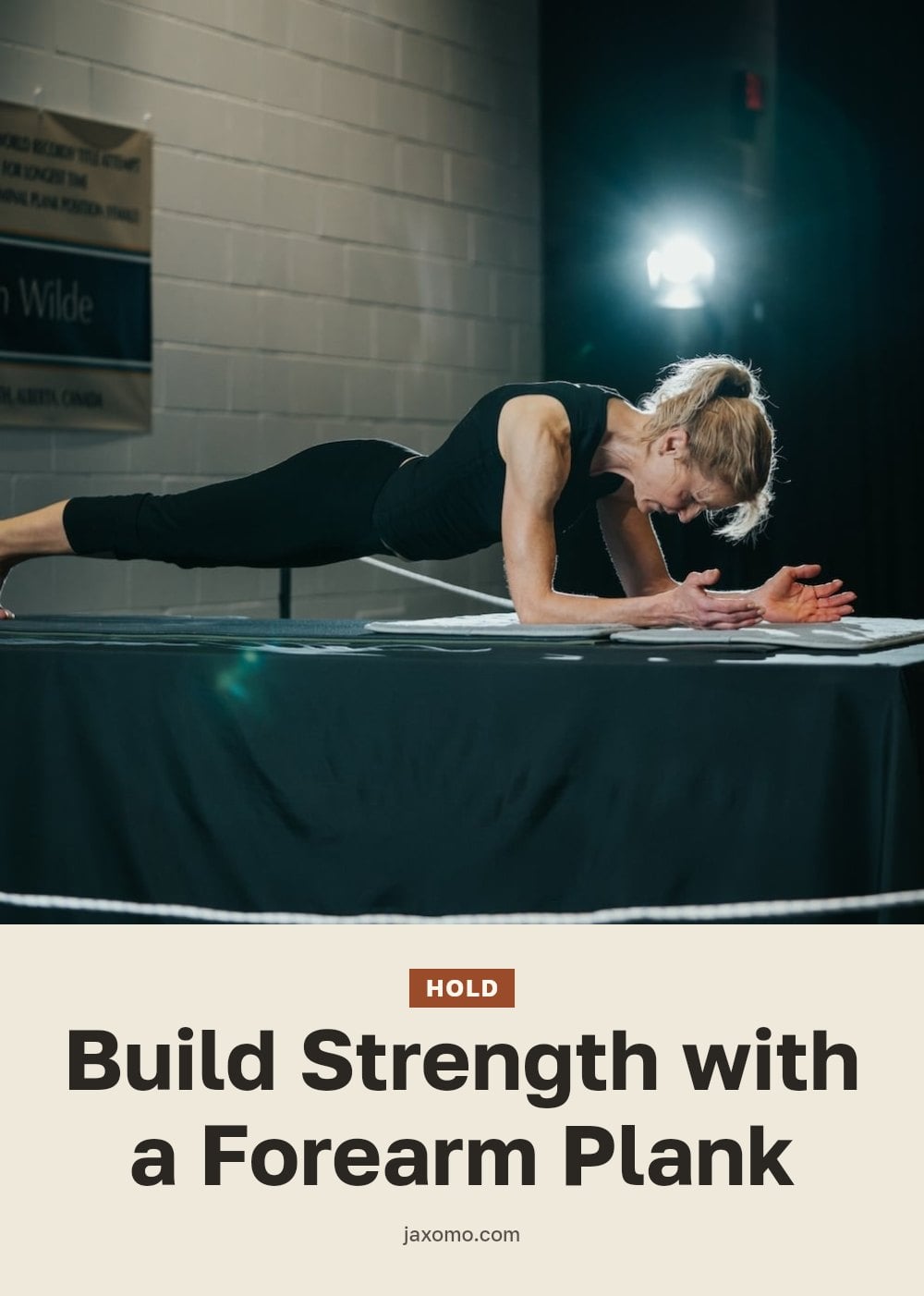
Start in a push-up position, then lower onto your forearms so your elbows are directly under your shoulders. Keep your body in a straight line from your head to your heels, engaging your transverse abdominis (the deep corset muscle). Avoid letting your hips sag or rise too high, hold the position steady.
- Sets and time: 3 sets, hold for 30-60 seconds each time.
- Form cue: My tip: Imagine drawing your navel toward your spine to keep your core fully braced.
- Make it easier or harder: Drop to your knees for a modified plank, or lift one leg a few inches off the floor to increase difficulty.
5. Side Plank
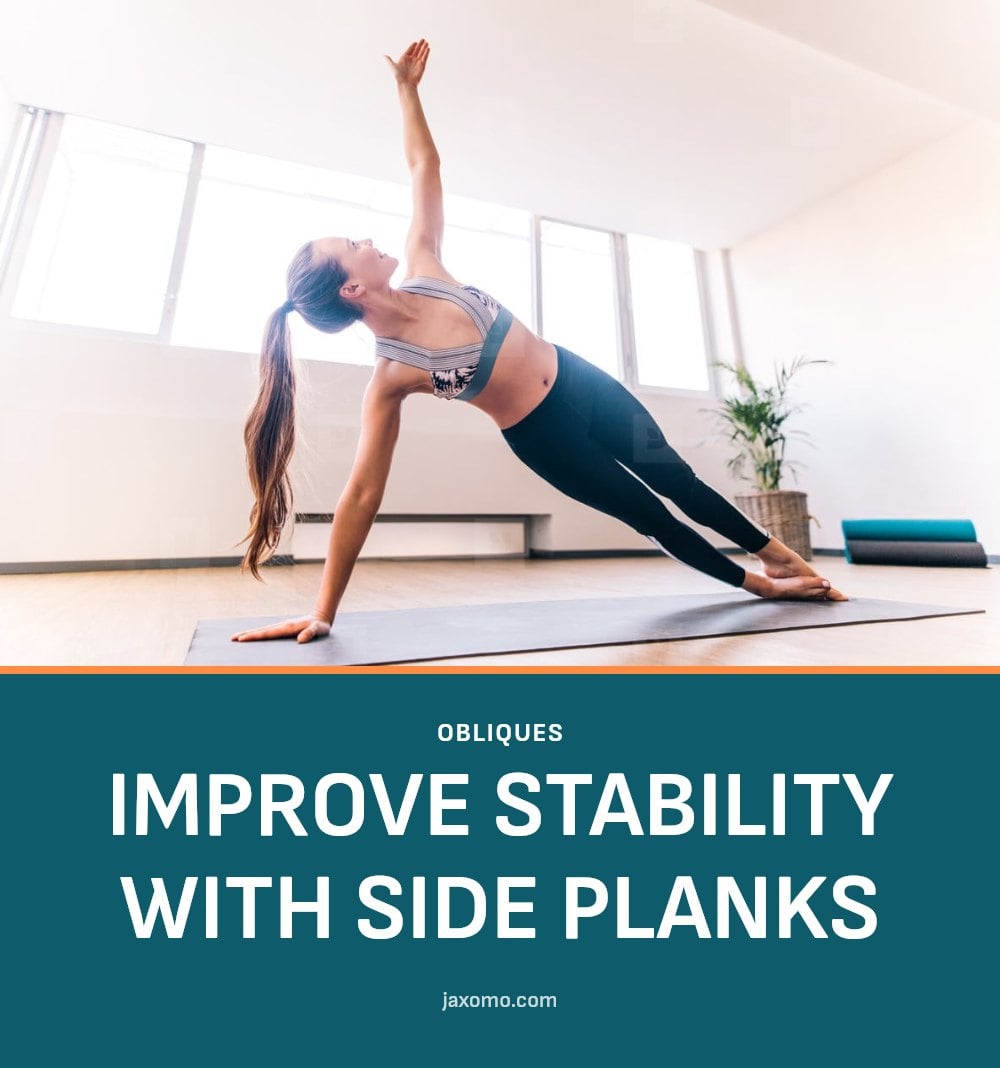
Lie on your side, supporting your body on one forearm and the side of your foot. Lift your hips off the floor, forming a straight line from head to feet. Engage your obliques to maintain stability.
- Time: Hold for 20-40 seconds per side, 3 sets.
- Form cue: Keep your hips stacked and avoid letting them drop.
- Make it easier or harder: Modify by bending your bottom knee for more support, or raise your top leg for a challenge.
6. Leg Raises
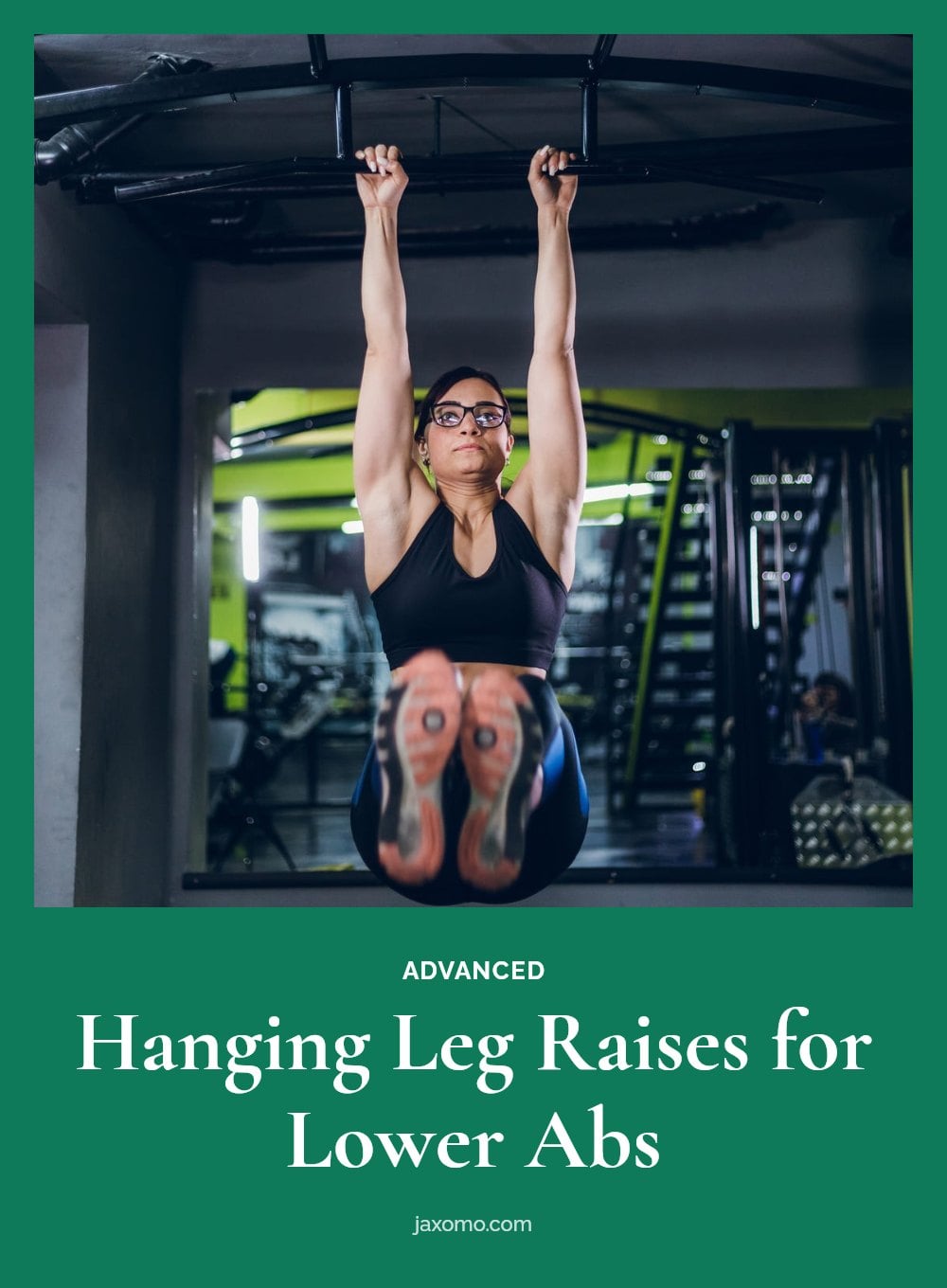
Lie on your back with your hands under your lower back for support if needed. Keep your legs straight and slowly lower them towards the floor without touching. Lift them back up, engaging your lower abs.
- Sets and reps: 3 sets of 10-15 repetitions.
- Form cue: Keep your lower back pressed into the floor, don’t let it arch.
- Make it easier or harder: Bend your knees to reduce intensity, or hold a light weight between your ankles for more resistance.
7. Russian Twists
Sit on the floor with your knees bent and feet flat, then lean back slightly to engage your core. Clasp your hands together in front of you. Twist your torso from side to side, bringing your hands towards the floor on each side.
- Sets and reps: 3 sets of 10-15 twists per side.
- Form cue: Keep your core tight and avoid rounding your back.
- Make it easier or harder: Keep your feet on the floor for stability, or lift them for an extra challenge.
8. Bird-Dog
Start on all fours with your hands under your shoulders and knees under your hips. Extend your right arm forward and your left leg straight back simultaneously, keeping your core tight and hips stable. Return to the starting position and alternate sides.
- Sets and reps: 3 sets of 8-10 repetitions per side.
- Form cue: Avoid rocking your hips, imagine balancing a cup of water on your lower back.
- Make it easier or harder: Perform the movement without lifting your limbs as high, or add a brief hold at the extension.
Your Weekly At-Home Ab Workout Plan
| Day | Activity | Duration / Sets |
|---|---|---|
| Monday | Full ab workout (exercises 1-8) | 15-20 minutes |
| Tuesday | Rest or light cardio | 20-30 minutes |
| Wednesday | Full ab workout (exercises 1-8) | 15-20 minutes |
| Thursday | Rest or active recovery | 20-30 minutes |
| Friday | Full ab workout (exercises 1-8) | 15-20 minutes |
| Saturday | Rest or gentle stretching | 10-15 minutes |
| Sunday | Rest | Full day off |
Consistency is key for seeing results. Aim for 2-3 sessions per week, with at least one rest day between workouts. This allows your core muscles to recover and grow stronger. You can adjust the schedule to fit your week, but keep the rest days in place.
Common Mistakes to Avoid in Your Ab Workout
Even with the best exercises, small form errors can reduce results and increase injury risk. Here are the most common mistakes to watch for.
- Arching Your Lower Back: This puts strain on your spine. Always keep your lower back pressed into the mat during exercises like crunches and leg raises.
- Pulling on Your Neck: Your hands are there for support, not to pull your head up. Engage your abs to lift your torso, keeping your gaze upwards.
- Using Momentum, Not Muscles: Rushing through reps means you’re not fully engaging your core. Slow down, control each movement, and feel your muscles working.
- Holding Your Breath: Proper breathing is crucial for core engagement. Exhale on exertion (when you’re lifting or twisting) and inhale as you return to the start.
- Only Doing Crunches: A strong core needs work on all sides. This workout includes exercises for your rectus abdominis, obliques, and transverse abdominis for a balanced approach.
- Ignoring Pain: Sharp or unusual pain is a sign to stop. Listen to your body and consult a professional if discomfort persists.
Frequently Asked Questions
How often should I do ab workouts?
For muscle recovery and growth, aim for 2-3 times per week. Doing them every day can prevent your core muscles from fully repairing, which may slow progress. Rest days are important for strength building.
Can I get a six-pack from this workout alone?
No, spot reduction is not possible. While this workout strengthens your abdominal muscles, revealing a six-pack also depends on reducing overall body fat through diet and full-body exercise. Genetics also play a role in how visible your muscles become.
How do I know if I’m engaging my core correctly?
A good check is to draw your navel toward your spine and brace your abdomen as if you’re about to be lightly punched in the stomach. You should feel your entire midsection tighten, not just the front. Practicing this during the warm-up can help you get the feel.
Is it okay to feel pain during ab exercises?
Muscle fatigue or a burning sensation is normal, but sharp or unusual pain in your back, neck, or abdomen is not. Stop immediately if you feel sharp pain. If the pain persists, consult a healthcare professional before continuing.
What is the deepest core muscle?
The transverse abdominis is the deepest core muscle. It acts like a natural corset, stabilizing your spine and helping with posture. Exercises like the plank and bird-dog specifically target this muscle.
Final Thoughts
My tip: stick with this routine for at least four weeks before expecting visible changes. Core strength builds gradually, and consistency matters more than intensity. Remember that ab exercises alone won’t spot-reduce belly fat, so pair this workout with a balanced diet and overall fitness routine for the best results. Keep your form clean, breathe through every rep, and listen to your body.
This article is for general informational purposes only and does not constitute medical or professional advice. Always consult a healthcare professional before starting any new exercise program, especially if you have pre-existing health conditions, injuries, or are pregnant. Stop exercising immediately if you experience sharp or unusual pain.