Stretching for Flexibility: Your Beginner Routine for Better Movement
Learn stretching for flexibility with our beginner routine. Improve range of motion and reduce injury risk by mastering proper techniques and avoiding common.

If you’ve ever felt stiff after sitting all day or wished you could move more freely, you’re not alone. Improving your flexibility doesn’t require fancy equipment or hours of time. This article walks you through a simple beginner stretching routine, explains the key types of stretches, and shares tips to help you see real progress without getting hurt.
Whether you want to touch your toes or just feel better in your daily movements, consistency and proper technique are what matter most.
Key Takeaways
- Warm up with 5-10 minutes of light cardio before every stretching session.
- Hold static stretches for 15-30 seconds without bouncing to safely lengthen muscles.
- Stretch at least 2-3 times per week for noticeable flexibility gains within weeks to months.
- Stop immediately if you feel sharp pain, and consult a doctor for pre-existing injuries.
- Focus on major muscle groups like hamstrings, hips, shoulders, and back for balanced results.
What is Stretching for Flexibility and Why Does it Matter?
Stretching for flexibility is the practice of lengthening your muscles and connective tissues to increase your body’s range of motion. It reduces stiffness, helps prevent injuries, and supports overall physical well-being. Consistency and proper technique matter most, especially with static stretching, holding a position without bouncing. My tip: focus on slow, steady holds to see real progress.
Essential Tools for Your Stretching Journey
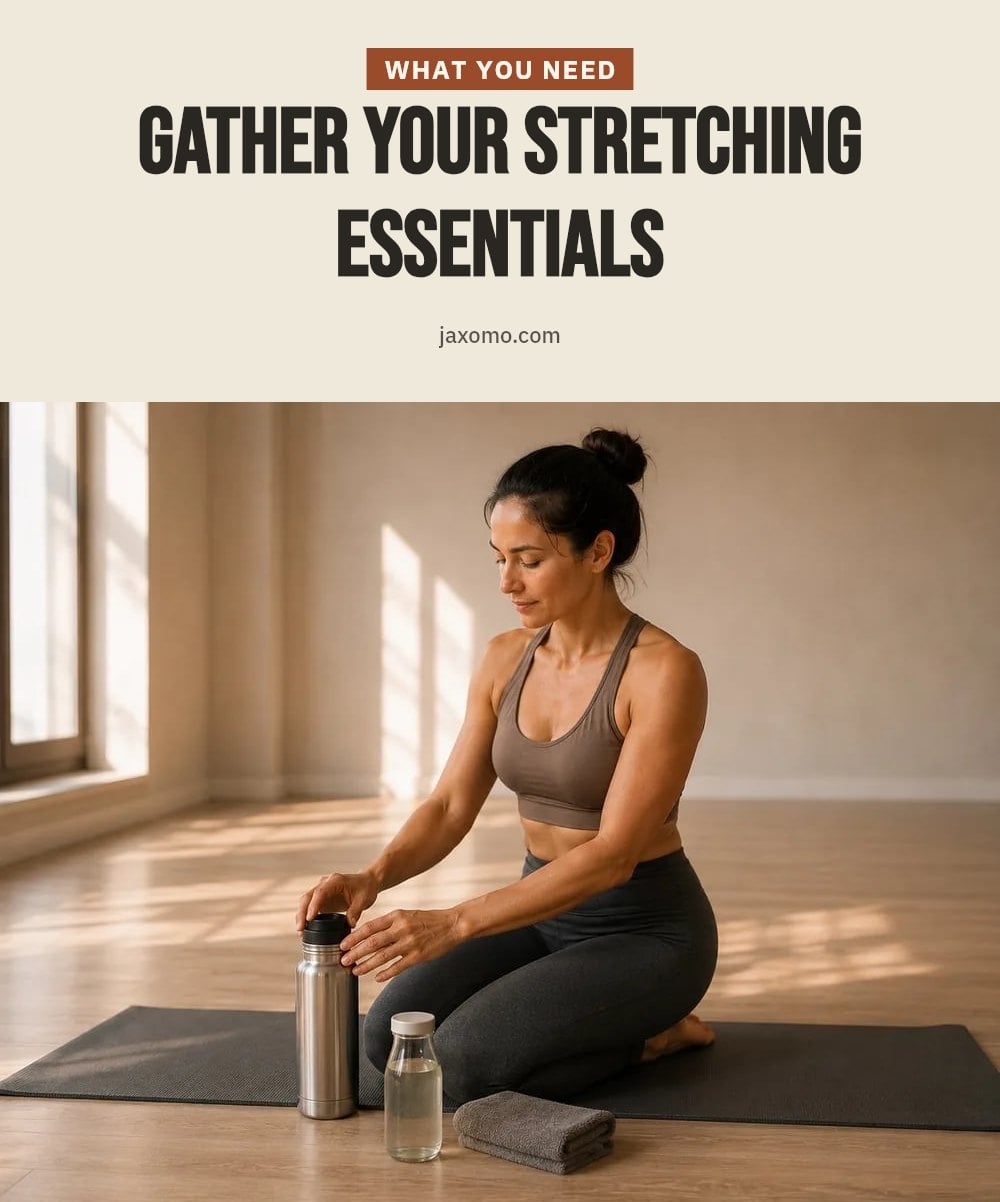
You don’t need much to start stretching for flexibility. Comfortable clothing is key, so wear something that lets you move freely without any pinching or pulling. A yoga mat is a simple upgrade that provides cushioning for your joints and grip for your hands and feet, making floor stretches like hamstring or back stretches more comfortable. For deeper stretches, especially for tight hamstrings or shoulders, a strap or even a towel can help you reach further without straining. That’s really it, just these few items can make your routine more effective and enjoyable.
Your Beginner-Friendly Stretching Routine
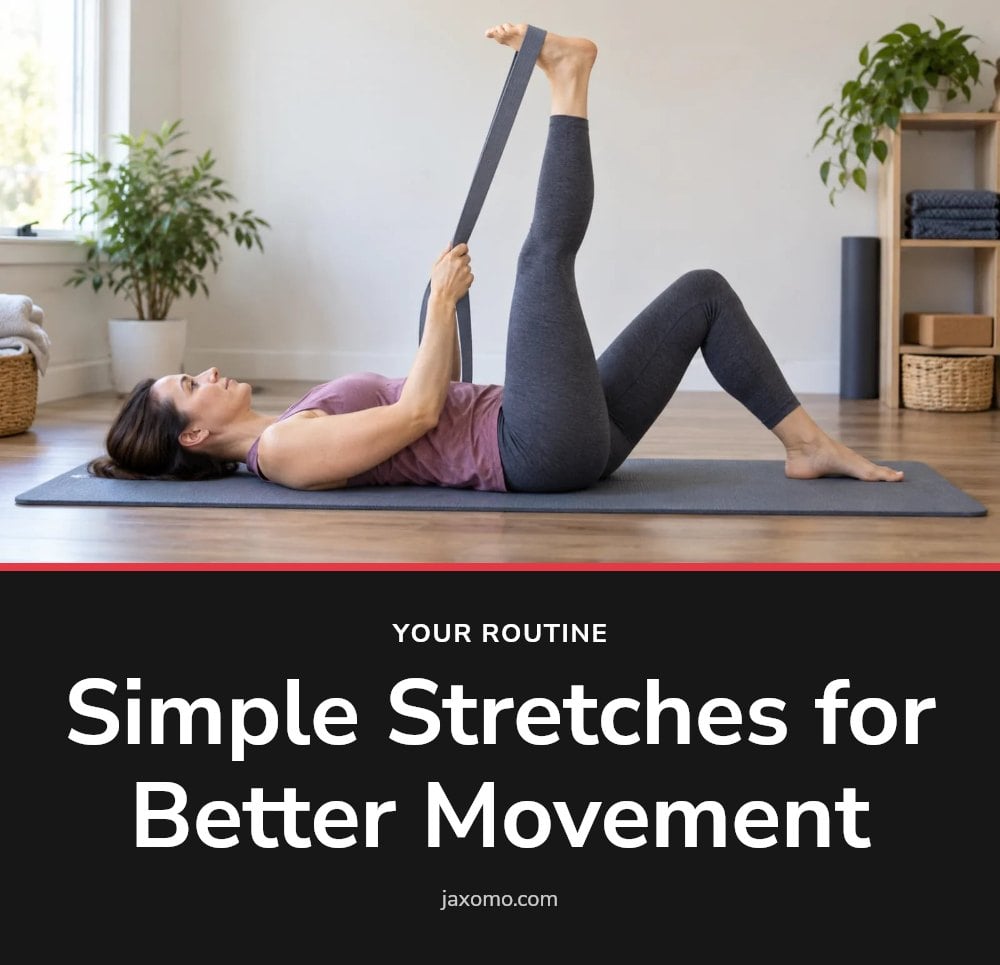
I follow this simple routine to improve flexibility. Start with a 5-10 minute warm-up of light cardio, think brisk walking or marching in place, before you stretch.
- Warm up your muscles: Light cardio for 5-10 minutes prepares your body for stretching and reduces injury risk.
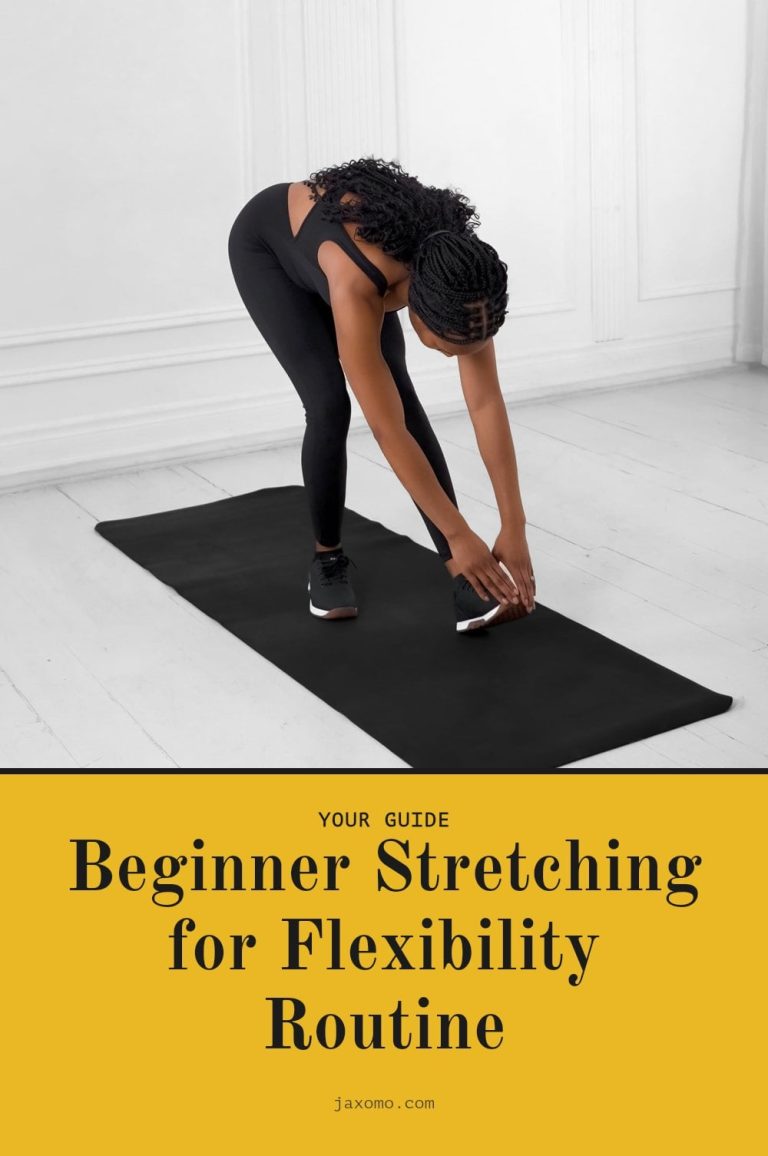
- Hamstring stretch: Sit with one leg extended, reach for your toes, and hold. Keep your back as straight as you can.
- Quadriceps stretch: Stand, pull one heel toward your glute, and hold. Use a wall for balance if needed.
- Hip flexor stretch: Kneel with one leg forward, gently push your hips forward until you feel a stretch in the front of the hip.
- Shoulder stretch: Cross one arm across your chest and gently pull it closer with your other hand.
- Back stretch: Finish with cat-cow on hands and knees or child’s pose to release tension in your spine.
- Hold and breathe: Hold each static stretch for 15-30 seconds, breathing deeply and slowly throughout.
Common Stretching Mistakes to Avoid
Even with good intentions, it’s easy to make mistakes that slow your progress. Here are the most common ones I see, and how to fix them:
- Stretching Cold Muscles: Always warm up with light cardio for 5-10 minutes first. Cold muscles tear more easily.
- Bouncing During Stretches: Ballistic movements can strain muscles. Hold static stretches gently and steadily instead.
- Stretching to the Point of Pain: You should feel mild tension, not sharp pain. If it hurts, ease up immediately.
- Holding Your Breath: Breathe deeply and slowly throughout each stretch. It helps your muscles relax.
- Inconsistency: Aim for at least 2-3 sessions per week. Sporadic stretching won’t build lasting flexibility.
Top Tips for Maximizing Your Flexibility Gains
Listen to Your Body: Flexibility varies from person to person. Stretch to your own comfortable limit, not what you see someone else doing. Pushing past mild tension into pain can cause injury and set you back.
Incorporate Dynamic Stretching: Before a workout, use dynamic stretches like leg swings or arm circles to prepare your muscles for movement. This type of stretching improves blood flow and range of motion without the power loss that static stretching can cause before exercise.
Hydrate Well: Proper hydration supports muscle elasticity and joint health. When you’re dehydrated, muscles are less pliable, making stretching less effective and potentially more uncomfortable.
Focus on Major Muscle Groups: For comprehensive flexibility, prioritize hamstrings, quadriceps, hip flexors, shoulders, and your back. Neglecting any one area can create imbalances that limit overall mobility.
Make it a Habit: Consistency matters more than intensity. Try to integrate stretching into your daily or weekly routine, perhaps after a shower or before bed, so it becomes automatic.
How Long Until You See Results? (And What It Costs)
Timeline for Results: With consistent stretching 2-3 times per week, you can expect to notice improvements in flexibility within a few weeks to a few months. Everyone progresses at their own pace, so be patient with your body.
Maintaining Gains: Flexibility is not permanent. Ongoing, regular practice is essential to maintain and further enhance your range of motion over time.
Cost: Stretching is largely free. You need comfortable clothing that allows full movement. A yoga mat provides cushioning and grip for floor stretches, and a strap or towel can help deepen certain stretches, but both are optional, affordable additions.
When to Consult a Professional
Sharp or Worsening Pain: If you experience sharp pain during or after stretching, stop immediately and consult a doctor. Pain is a signal that something is wrong.
Pre-existing Injuries: If you have chronic pain or existing injuries, talk to a doctor or physical therapist before starting a new stretching routine. They can recommend safe modifications.
Medical Conditions: Individuals with conditions like osteoporosis or who are pregnant should seek professional medical advice before engaging in new stretching exercises. A professional can help you choose safe movements and avoid positions that might be risky.
Frequently Asked Questions
Can I stretch every day?
Yes, you can stretch every day as long as you keep it gentle. Light daily stretching to the point of mild tension can help maintain flexibility. However, if you feel any soreness or fatigue, take a rest day or switch to a very gentle routine. Rest days allow your muscles to recover and reduce the risk of overuse injuries.
What is the best type of stretching for beginners?
Static stretching is often the best and safest choice for beginners. It involves holding a stretch without bouncing, typically for 15-30 seconds. This method allows you to gradually lengthen muscles and learn your body’s limits without the higher injury risk associated with ballistic or more advanced techniques like PNF stretching.
Should I stretch before or after my workout?
For a warm-up before your workout, use dynamic stretching, which involves moving through a full range of motion. After your workout, when your muscles are warm, static stretching is more effective for improving flexibility. Stretching a cold muscle before exercise may reduce power output and increase injury risk.
Is it normal to feel pain while stretching?
No, you should not feel pain during stretching. A mild sensation of tension or pulling is normal, but sharp or intense pain is a warning sign. If you feel pain, ease off immediately. Stretching to the point of pain can cause muscle strains and set back your progress. Always listen to your body.
What if I have a pre-existing injury or chronic pain?
If you have chronic pain or a pre-existing injury, consult a doctor or physical therapist before starting a new stretching routine. They can recommend safe modifications and stretches that avoid aggravating your condition. Never stretch a painful joint beyond its normal range of motion, and stop at any sharp discomfort.
Final Thoughts
My tip: pick just three or four stretches for your lower body and upper body, and do them consistently after a light warm-up. Realistic expectation: you’ll likely notice small improvements in a few weeks, but full flexibility takes months of regular practice. Stick with it, listen to your body, and enjoy moving a little easier every day.
This article provides general information about stretching for flexibility and is not a substitute for professional medical or fitness advice. If you have a pre-existing injury, chronic pain, or any health condition, consult a doctor or physical therapist before beginning a new routine. Listen to your body and stop immediately if you feel sharp pain.