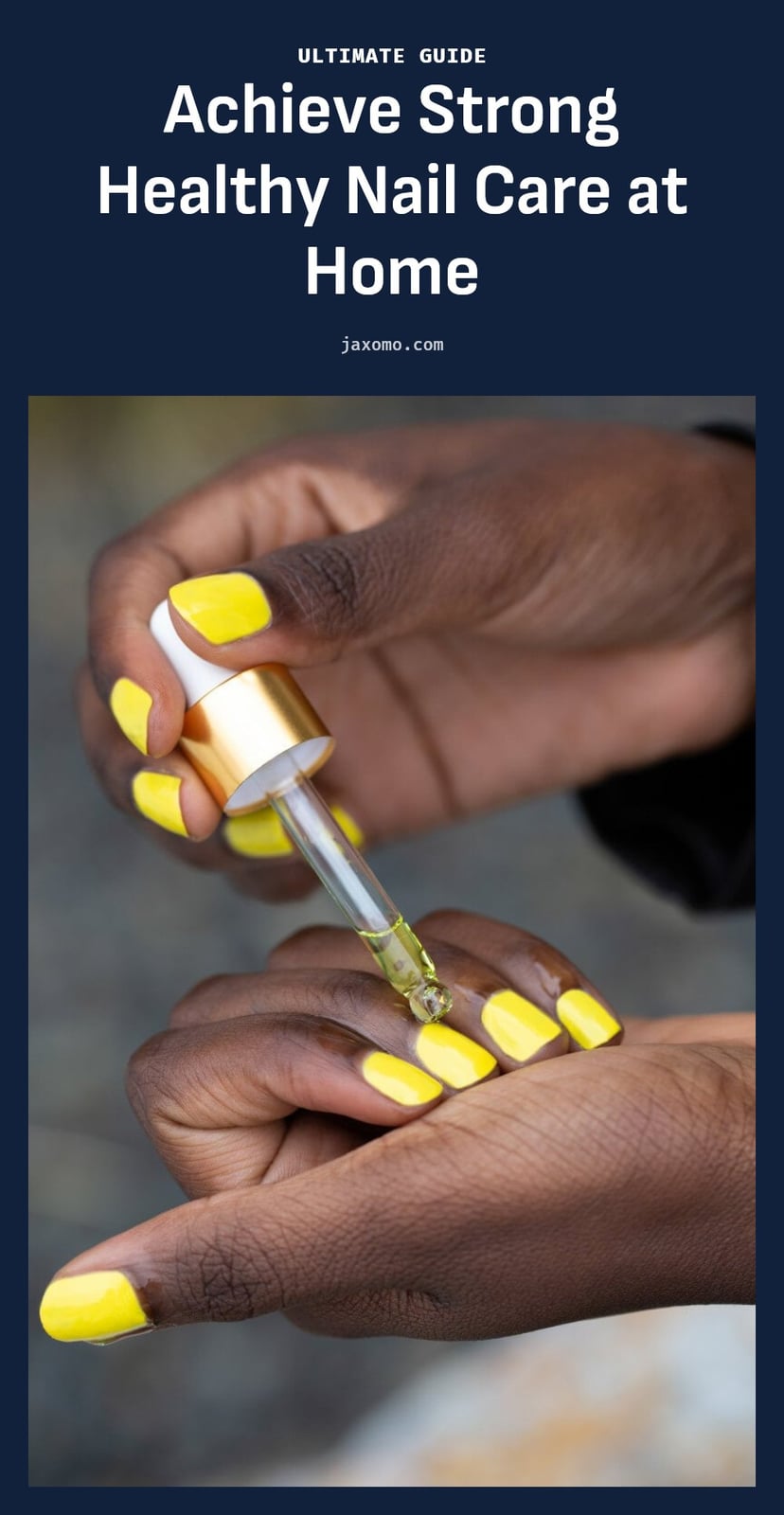
How to Care for Cuticles at Home for Healthy Nails
Learn how to care for your cuticles at home with simple, effective methods to prevent dryness, infections, and achieve healthier, neater-looking nails.

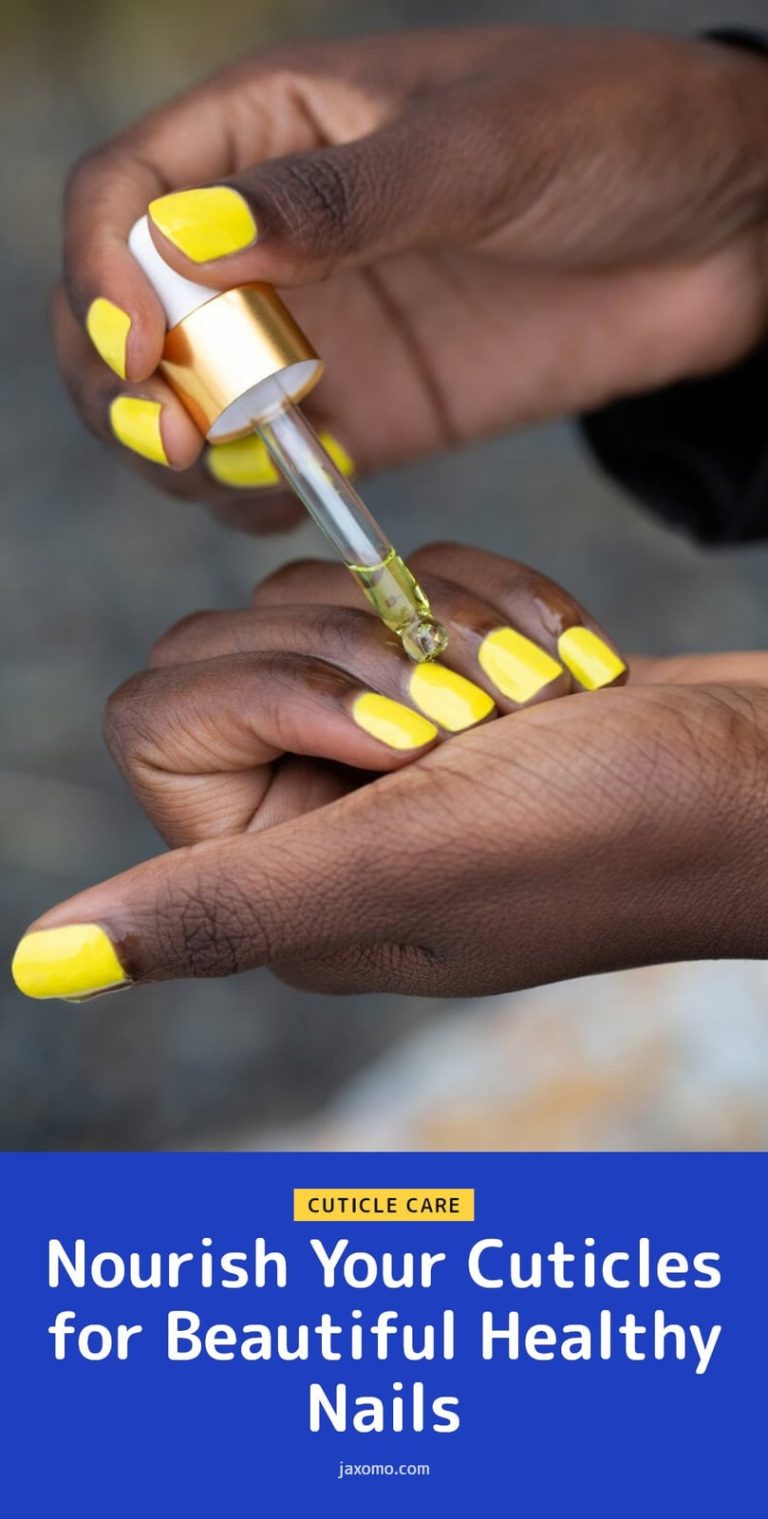
Your cuticles do more than just frame your nails. They are the body’s natural defense against bacteria and fungi entering the nail matrix. Keeping them healthy doesn’t require a salon visit, just a few simple at-home habits. This article walks you through what cuticles are, why they matter, and how to care for them without cutting or damaging the protective seal.
I’ll share the essential tools, a gentle step-by-step routine, common mistakes to skip, and tips for long-term maintenance so your nails can grow strong and infection-free.
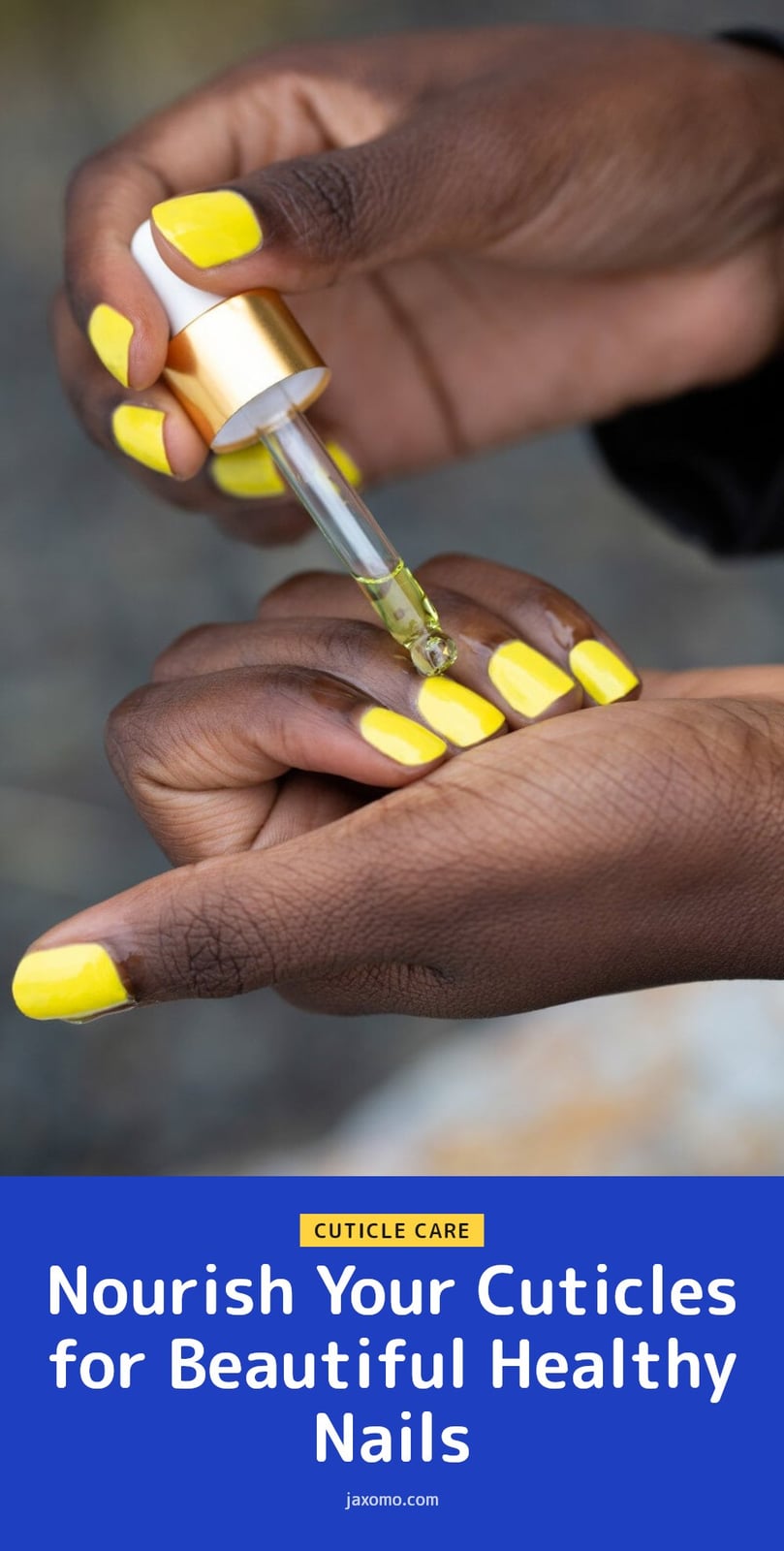
Key Takeaways
- Moisturize cuticles daily with cuticle oil or hand cream to prevent dryness and cracks.
- Never cut your cuticles; instead, gently push them back after soaking in warm water.
- Use a rubber or wooden cuticle pusher, not metal, to avoid damaging the nail matrix.
- Wear gloves for household chores involving water or harsh chemicals to protect cuticles.
- See a doctor if you notice redness, swelling, or pus around the cuticle, as it may be an infection.
What Are Cuticles and Why Do They Matter?
Cuticles are the thin layer of dead skin cells that forms a protective seal at the base of your nail plate. This seal keeps bacteria and fungi out of the nail matrix, the area where new nail cells grow. The living skin just above the cuticle is called the eponychium, which is often mistaken for the cuticle itself. Proper care means moisturizing daily and gently pushing cuticles back, never cutting them. Cutting breaks the seal and raises your risk of infection.
The Importance of Cuticle Care for Nail Health
Your cuticles act as a natural barrier that prevents pathogens from reaching the nail matrix. When that barrier stays intact, your nails can grow strong and free from infection.
What happens when you cut them
- Cutting removes the protective seal, leaving the nail matrix exposed to bacteria and fungi.
- This can lead to paronychia, a painful infection around the nail.
The impact of dryness
- Dry cuticles crack and tear, creating entry points for bacteria.
- Ragged, damaged cuticles also make nails look uneven and unhealthy.
Keeping cuticles moisturized and uncut is one of the simplest ways to support long-term nail health.
Essential Tools for At-Home Cuticle Care
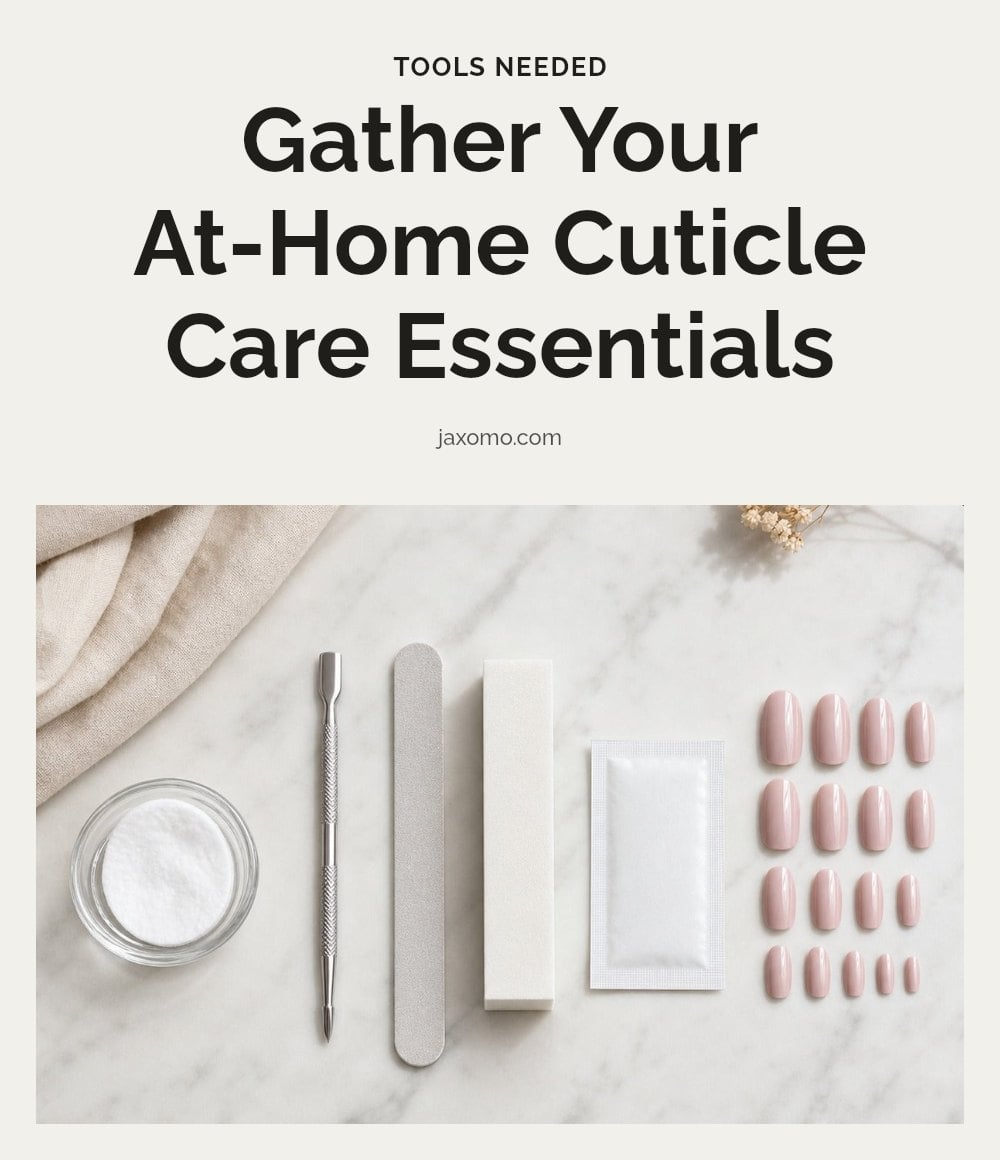
You don’t need a drawer full of gadgets. Stick with these basics for safe, effective at-home care.
- Cuticle oil or balm: Use daily to keep the skin soft and hydrated.
- Gentle cuticle pusher: Choose rubber or wood over metal. Metal is too harsh and can damage the nail matrix.
- Mild hand soap and warm water: Soaking softens cuticles so you can push them back without force.
- Soft towel: Pat hands dry after soaking, then push cuticles gently with the towel edge.
Here is the method in action: The Salon Life demonstrates it in about 4 minutes.
Step-by-Step: Gentle Cuticle Care Routine
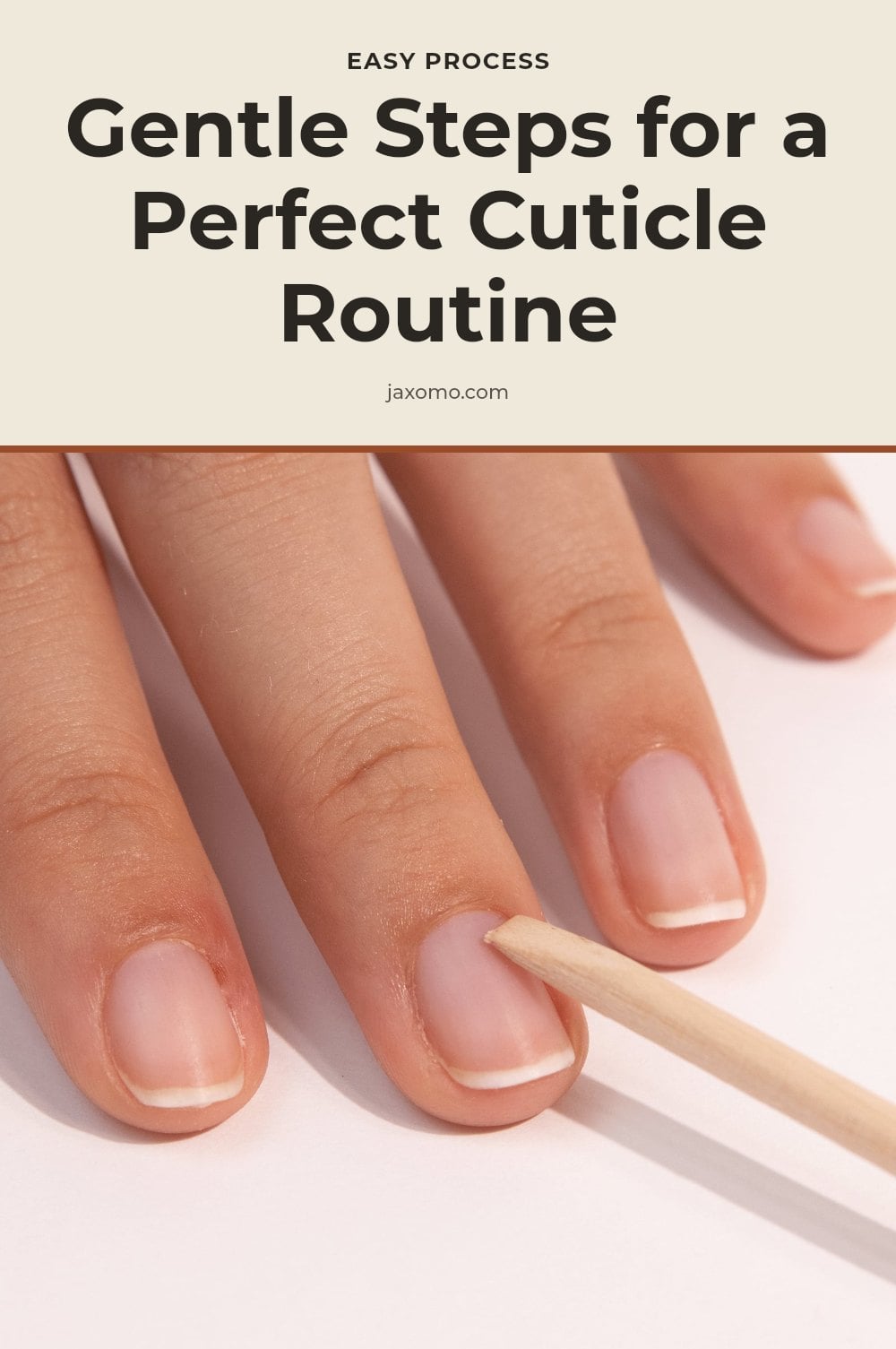
- Soften your cuticles: The easiest way is to soak your hands in warm water for 3 to 5 minutes. Doing this right after a shower works just as well because the steam and heat have already loosened the dead skin. Soft cuticles are much less likely to tear or resist when you push them back.
- Apply cuticle oil: While the skin is still damp, massage a drop of cuticle oil into each nail base. The oil locks in moisture and makes the cuticle pliable. My tip: keep a bottle of oil next to your bathroom sink so you never skip this step after washing your hands.
- Push back gently: Use a rubber or wooden cuticle pusher. Start at the center of the nail and push outward in small, gentle strokes. Never force the tool under the cuticle or scrape hard. You are only moving the loosened dead skin, not digging into the living eponychium.
- Clean around the nail: Dampen a soft towel or cotton pad and wipe away the dissolved dead skin that has gathered at the nail base. If you use a cuticle remover product, always follow the product instructions and rinse thoroughly after use. Leave it on for the time stated on the package (usually 1 to 2 minutes) before wiping. Rinse with warm water and pat dry.
Repeat this routine once a week or every two weeks. Daily moisturizing between sessions keeps the cuticles soft and reduces the need for any pushing at all.
Common Cuticle Care Mistakes to Avoid
Cutting your cuticles: This is the biggest mistake. The cuticle is a living seal that protects the nail matrix. Cutting it opens the door for bacteria and fungi, increasing your risk of paronychia. It does not make nails grow faster or look neater; it compromises health.
Aggressively pushing cuticles: Pressing too hard or using a metal tool with force can damage the nail matrix. This can cause ridges, white spots, or even slow nail growth. Use a soft rubber or wooden pusher and gentle pressure only.
Ignoring dryness: Dry cuticles crack and tear easily, creating entry points for infection. Skipping moisturizer leads to hangnails and ragged skin that tempts picking.
Picking or biting at cuticles: This causes trauma and inflammation. It can introduce bacteria from your mouth or hands into the nail bed, leading to infections that are painful and slow to heal.
Pro Tips for Keeping Your Cuticles Healthy
Moisturize daily: Apply cuticle oil or a rich hand cream every time you wash your hands or before bed. This keeps the skin pliable and prevents cracks. My tip: keep a bottle of cuticle oil at your desk and in your bag so you never skip.
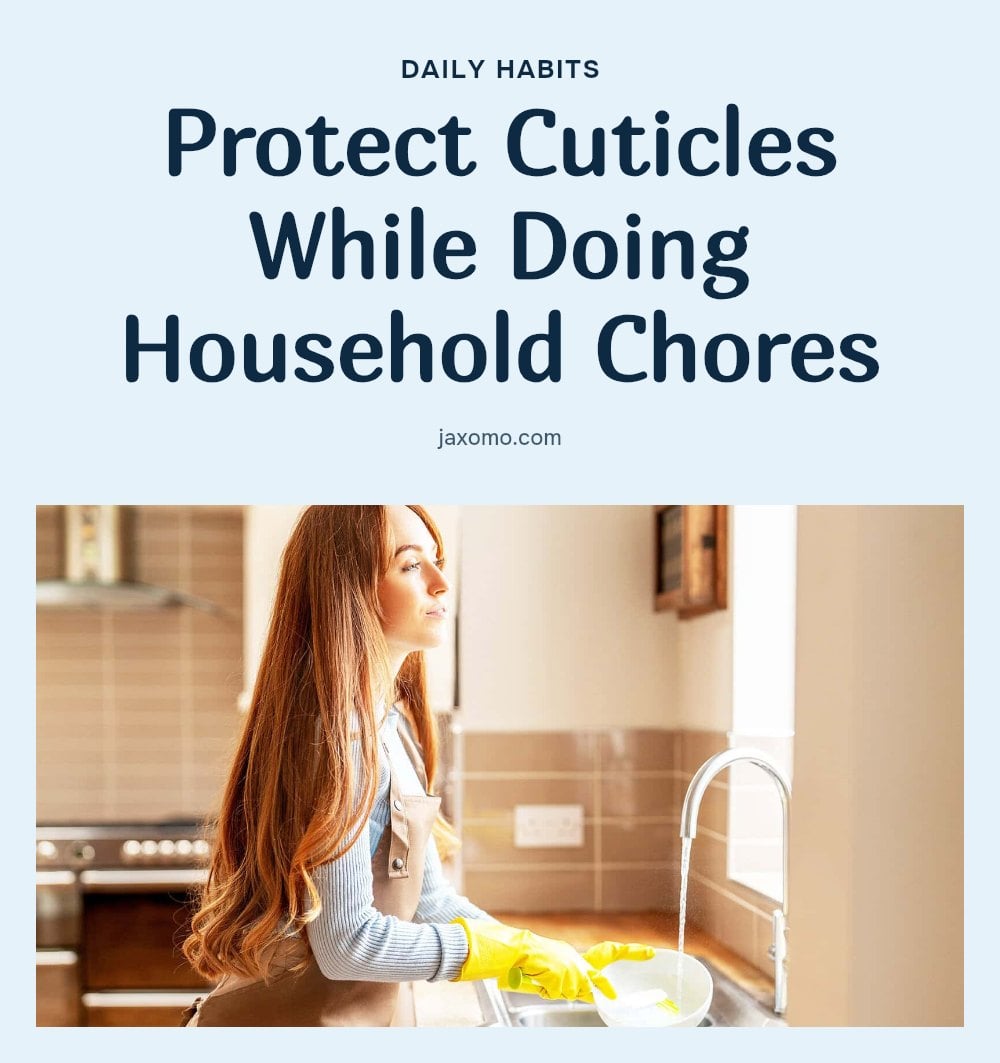
Wear gloves for chores: Dish soap, cleaning chemicals, and prolonged water exposure strip natural oils from your cuticles. A pair of rubber gloves protects them during dishes, cleaning, and gardening.
Choose acetone-free remover: Acetone dries out cuticles and nail plates fast. Switch to an acetone-free nail polish remover to keep the skin around your nails hydrated.
Pick your manicurist wisely: Look for a professional who pushes back cuticles gently and never cuts them. Ask before your appointment if they avoid cutting; if they don’t, find someone else.
Maintaining Healthy Cuticles Long-Term
Daily moisturizing is the single most effective habit for long-term cuticle health. Use cuticle oil or hand cream after every hand wash and before sleep to prevent dryness and cracking.
Push back cuticles gently once a week or every two weeks, always after soaking or a shower when the skin is soft. This keeps the nail bed clean without damaging the matrix.
Cleanliness matters. Wash your hands with mild soap and dry them thoroughly. Dirty tools or unwashed hands can introduce bacteria that lead to fungal or bacterial infections.
When to Seek Professional Help for Cuticle Issues
See a doctor if you notice persistent redness, swelling, or pain around the nail. These are early signs of infection.
Discharge or pus means the infection has progressed and needs medical treatment. Do not try to drain it yourself.
If home care like moisturizing and gentle pushing does not improve the condition within a few days, a professional can diagnose the cause.
Also consult a doctor if you see unusual nail plate changes, ridges, discoloration, or slowed growth, that could indicate damage to the nail matrix.
Frequently Asked Questions
What is the difference between cuticle and eponychium?
The cuticle is the thin layer of dead skin cells that forms a protective seal at the base of the nail plate. The eponychium is the living skin directly above the cuticle. People often confuse the two, but cutting the cuticle, not the eponychium, removes the protective barrier and increases infection risk.
Can I use regular lotion on my cuticles?
Yes, regular hand lotion or cream works well for moisturizing cuticles, especially if applied consistently. For deeper hydration, cuticle oil or petroleum jelly can be more effective because they lock in moisture longer. The key is to moisturize daily, regardless of the product you choose.
How often should I push back my cuticles?
Push back your cuticles gently once a week or every two weeks, and always after soaking your hands in warm water for 3 to 5 minutes or right after a shower. Over-pushing or doing it too often can damage the nail matrix and lead to ridges or other nail problems.
What if my cuticles are already damaged or infected?
If you see redness, swelling, pain, or pus around your cuticle, stop all home treatments and see a doctor. These are signs of paronychia, a bacterial or fungal infection that needs medical attention. Do not try to drain any pus yourself, as this can make the infection worse.
Do cuticle removers really work?
Cuticle removers can help dissolve excess dead skin, making it easier to push back cuticles without cutting. They are not necessary for everyone, but they can be useful if you have thick or stubborn cuticles. Always follow the product instructions and rinse thoroughly after use.
Final Thoughts
For healthy cuticles, make daily moisturizing your non-negotiable habit, apply cuticle oil or hand cream after every hand wash and before bed. Gentle pushing once a week or every two weeks is enough to keep nails looking neat without risking damage. Stick with these simple practices, and your nails will thank you with stronger growth and fewer problems.
This article is for general informational purposes only and does not constitute medical or professional advice. If you have persistent redness, swelling, pain, or signs of infection around your cuticles, consult a doctor or dermatologist for proper diagnosis and treatment.