10 Sunburn Remedies for Quick Relief
Ease the pain and discomfort of a sunburn fast with these 11 effective home remedies and expert tips for soothing your skin and promoting healing.

Sunburn can leave your skin feeling hot, tight, and painfully tender. Whether you spent a little too long at the beach or forgot to reapply sunscreen, the discomfort sets in fast. This article covers the most effective ways to cool down, calm inflammation, and support your skin’s healing process, so you can find relief quickly without making the burn worse.
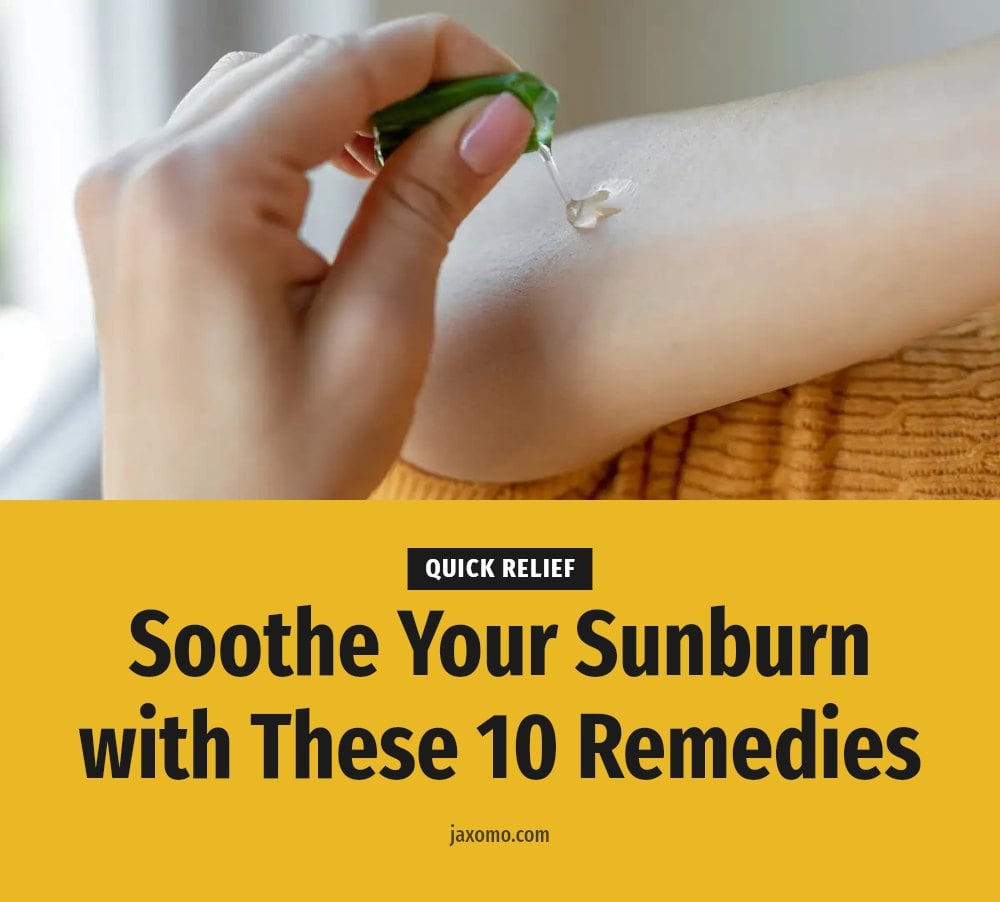
Key Takeaways
- Cool the skin with a lukewarm bath or cool compresses for 15-20 minutes.
- Apply pure aloe vera gel and a fragrance-free moisturizer to damp skin.
- Take an over-the-counter NSAID like ibuprofen to reduce pain and inflammation.
- Drink extra water to counteract fluid loss from the burn.
- Stay completely out of the sun until redness and tenderness are gone.
Immediate Steps for Sunburn Relief
Sunburn relief starts with three moves: cool the skin, calm the inflammation, and rehydrate from the inside out. Begin with cool compresses or a lukewarm bath, then layer on pure aloe vera gel to soothe the burn. An over-the-counter pain reliever like ibuprofen can help during the first 24 to 48 hours when symptoms peak. Most importantly, stay out of the sun while your skin heals, since additional UV exposure will only worsen the damage and slow recovery.
1. Take a Cool Bath or Shower
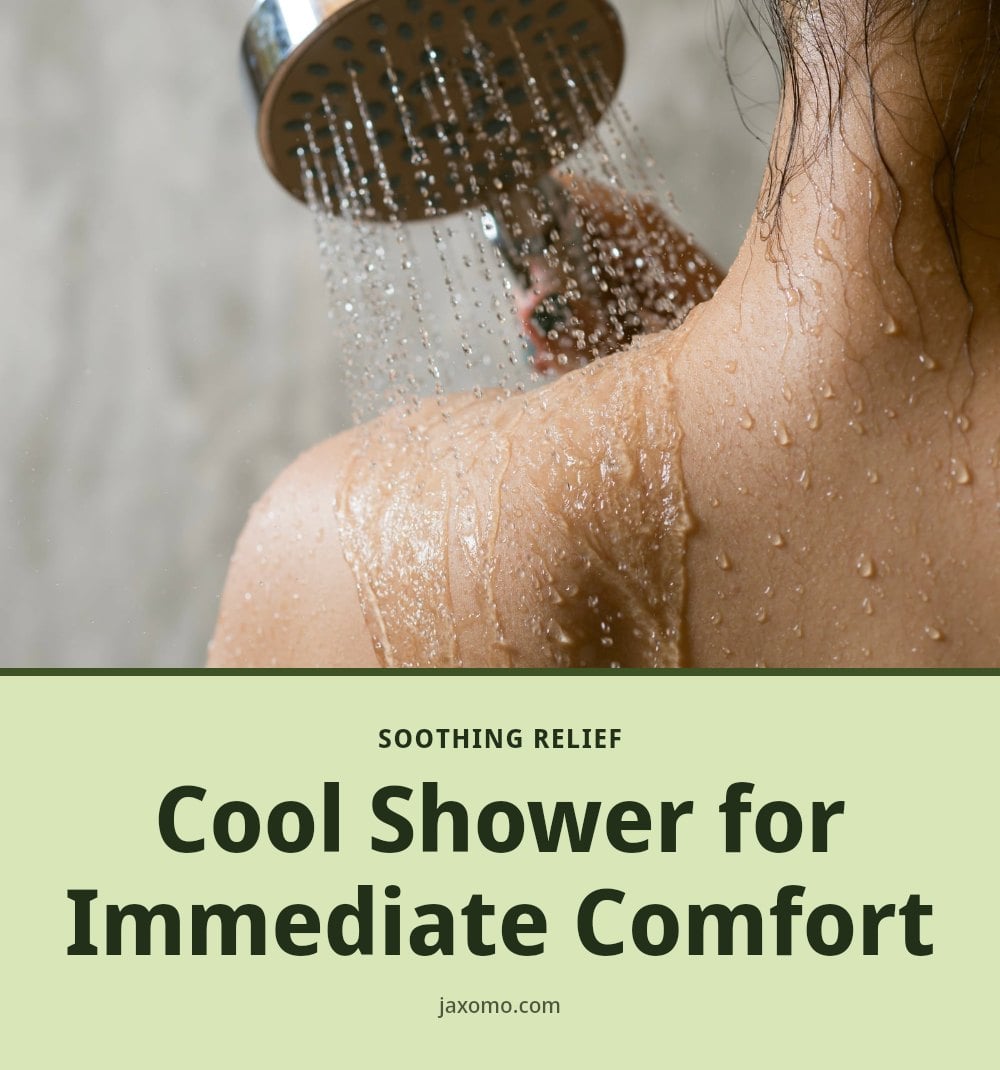
Cool water brings immediate relief by lowering your skin’s temperature and reducing inflammation. Fill the tub with lukewarm or cool water, and avoid very cold or ice-cold water, then soak for 15 to 20 minutes. Skip harsh soaps and any scrubbing, as both can further irritate damaged skin.
- Use a mild, fragrance-free cleanser if you need soap at all.
- Pat yourself dry with a soft towel, leaving your skin slightly damp.
- That leftover moisture helps the next product absorb better.
My tip: keep the water cool, not freezing, to avoid shocking your skin or causing more damage.
2. Apply Aloe Vera Gel
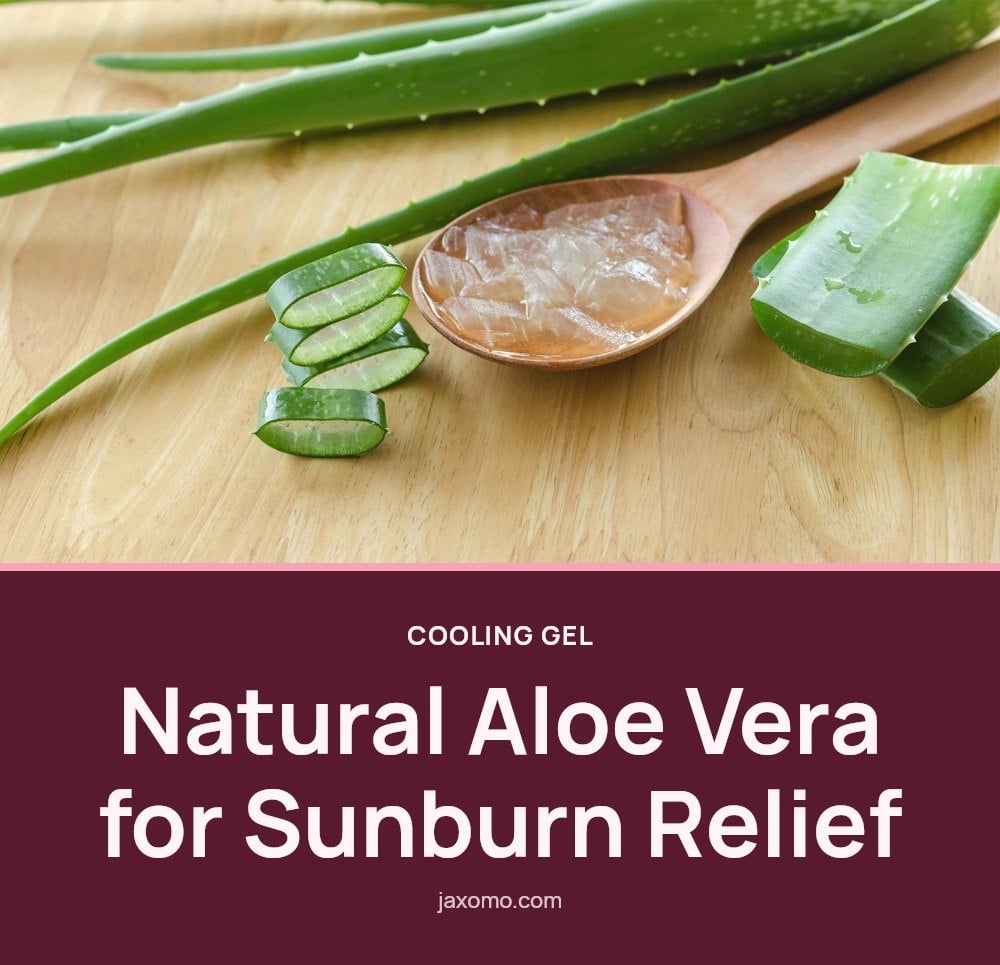
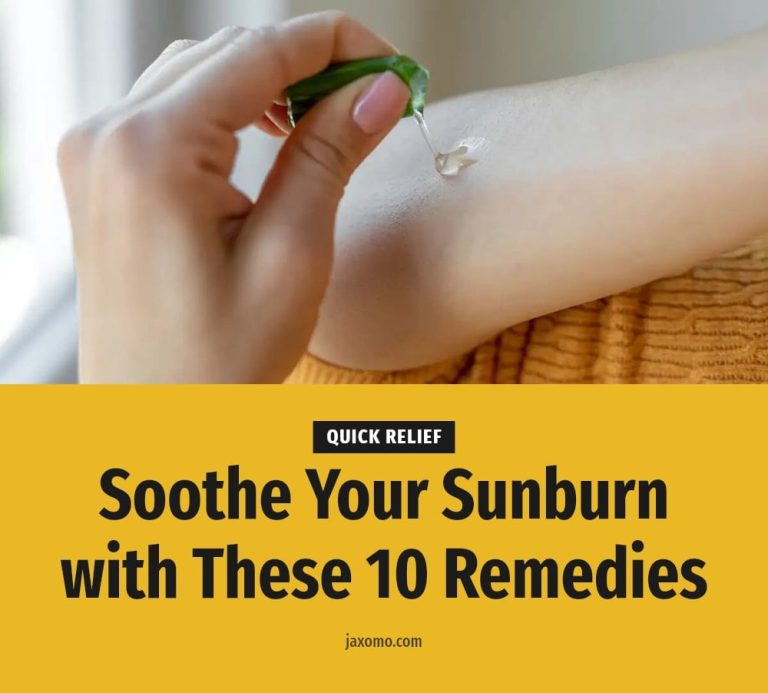
Aloe vera gel is a go-to for sunburn because it soothes and moisturizes irritated skin while helping it feel cooler. Look for a pure gel without added fragrances, alcohol, or dyes, since those can sting and dry out the burn. After your cool bath, apply a generous layer to every affected area and massage it in gently with your fingertips.
- Reapply several times a day, especially after bathing or sweating.
- Store the gel in the fridge for an extra cooling effect.
- If the gel contains added ingredients like lidocaine, test a small patch first.
3. Use a Gentle Moisturizer
Once the aloe has absorbed, follow up with a fragrance-free moisturizer to help restore your skin’s barrier. Ingredients like ceramides and hyaluronic acid are especially good for rehydrating damaged skin and supporting repair. Apply it while your skin is still slightly damp from the bath, which helps lock in moisture.
- Reapply the moisturizer several times throughout the day.
- Avoid heavy ointments like petroleum jelly, which can trap heat.
- Skip any products with alcohol, as they can dry the burn further.
4. Take Over-the-Counter Pain Relievers
Take ibuprofen: Nonsteroidal anti-inflammatory drugs (NSAIDs) like ibuprofen can reduce both pain and the underlying inflammation that makes sunburn feel worse. Follow the dosage instructions on the package carefully. If you have any underlying health conditions or take other medications, check with a healthcare professional first. These are most helpful during the first 24 to 48 hours, when symptoms typically peak.
5. Drink Plenty of Water
A sunburn pulls fluid to your skin’s surface and away from the rest of your body, which can leave you dehydrated. Your body needs extra water to heal damaged skin cells. Keep a water bottle with you and sip regularly throughout the day. Aim for an extra glass or two beyond your usual intake until the redness and tenderness start to fade.
6. Wear Loose, Soft Clothing
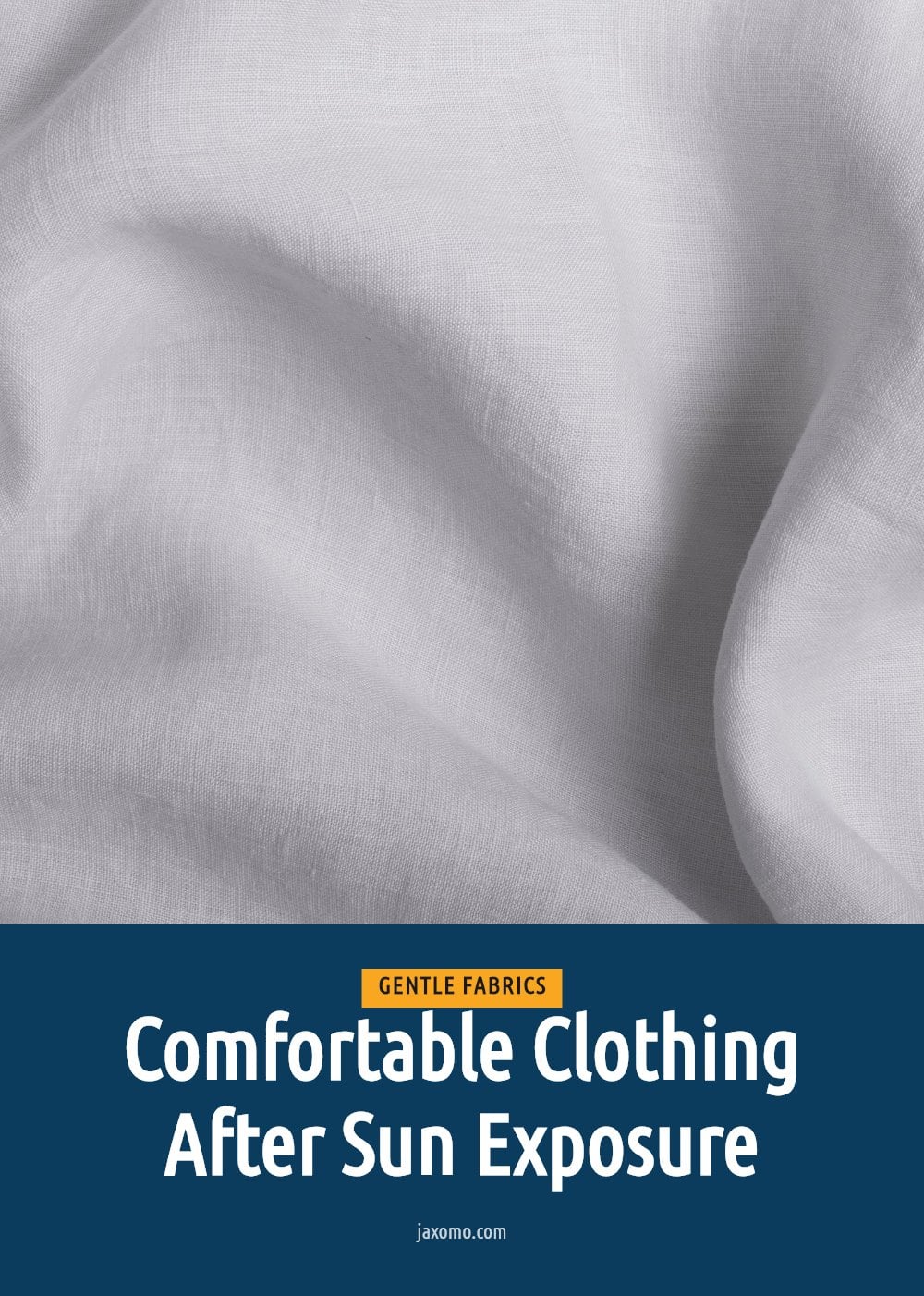
Choose loose, soft fabrics: Tight or rough clothing rubs against sunburned skin and makes the pain worse. Reach for loose-fitting tops and bottoms made from breathable cotton or bamboo. Seamless or tagless garments are even better because they minimize friction points. This lets your skin breathe and heal without extra irritation.
7. Try an Oatmeal Bath
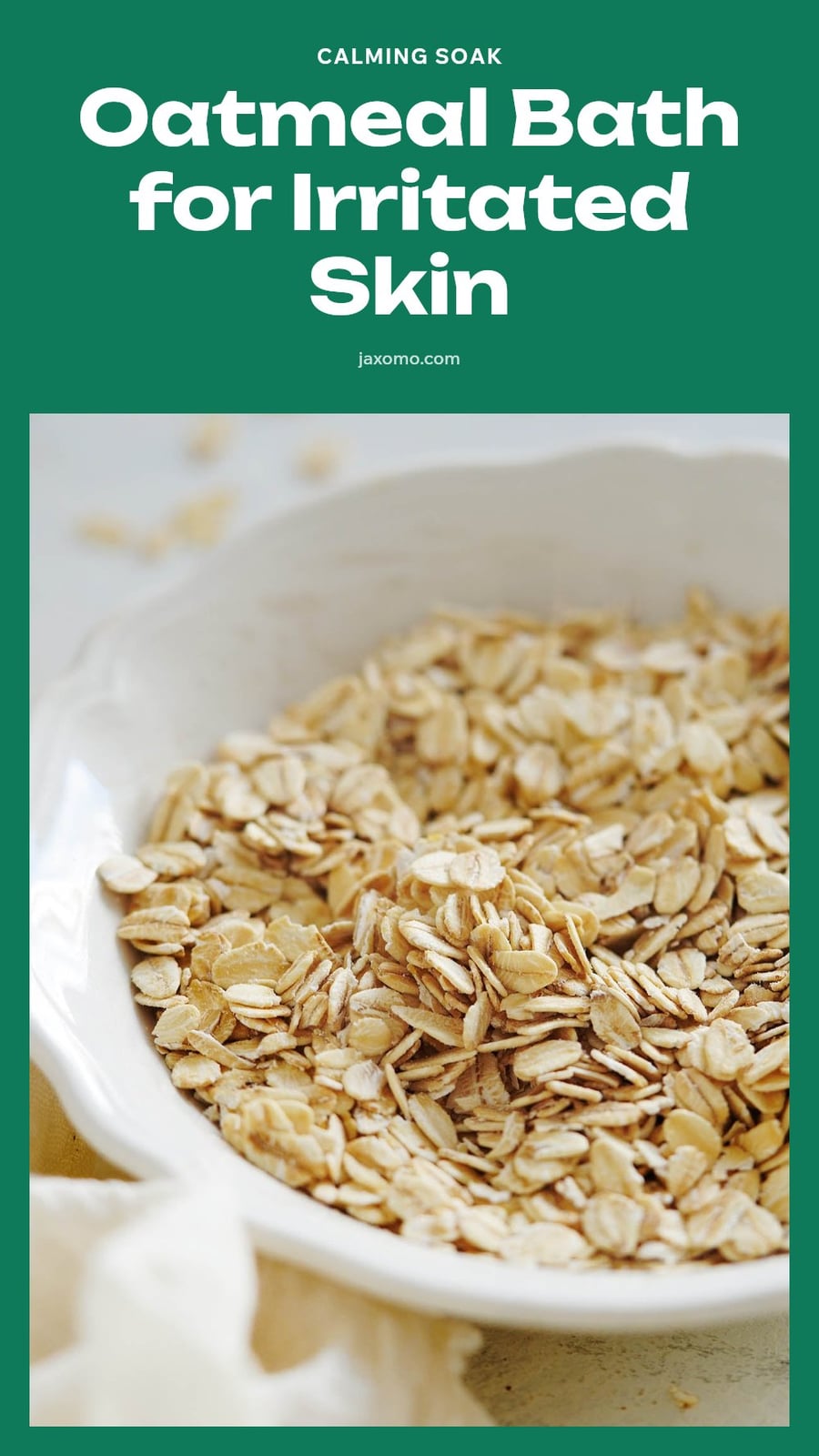
Add colloidal oatmeal to a cool bath: Finely ground oatmeal has anti-inflammatory properties that can calm itchy, red skin. Pour one cup of colloidal oatmeal into a tub of cool or lukewarm water and stir until it disperses. Soak for 15 to 20 minutes, then pat yourself dry with a soft towel. Don’t rinse off, the oatmeal film continues to soothe as it dries.
8. Apply Cool Compresses
For a sunburn that’s concentrated on one area, like your shoulders or the back of your neck, cool compresses deliver targeted relief. Soak a soft, clean cloth in cool tap water, wring it out so it’s damp but not dripping, and lay it gently over the burned skin. Leave it in place for 10 to 15 minutes, then re-wet the cloth and repeat as needed. Keep the compress cool, not cold, ice-cold temperatures can damage already stressed skin and slow healing.
9. Avoid Picking or Popping Blisters
Blisters form because your body is protecting the raw, damaged skin underneath while it repairs itself. Popping them opens the door to bacteria, which can cause an infection and make the healing process take even longer. Leave every blister intact. My tip: If a blister does break on its own, wash the area gently with mild soap and water, then cover it with a sterile, non-stick dressing to keep it clean while it heals.
10. Stay Out of the Sun
Once you have a sunburn, your skin is at its most vulnerable state. Any additional UV exposure will deepen the damage, increase pain, and stretch out your recovery time by days or even weeks. Stay completely out of the sun until all redness and tenderness are gone. When you do go outside, cover up with long sleeves, a wide-brimmed hat, and pants, and apply broad-spectrum sunscreen to any exposed skin that isn’t burned.
When to See a Doctor for Sunburn
Most sunburns can be managed at home, but certain symptoms mean it’s time to call a doctor. Seek medical attention if you have severe, widespread blistering, especially on the face, hands, or genitals. See a doctor if you develop a fever, chills, headache, nausea, or dizziness. Watch for signs of infection: pus, increasing pain, red streaks, or swelling around the burn. For infants under one year old with any sunburn, always consult a healthcare provider right away.
Frequently Asked Questions
How long does sunburn pain usually last?
Sunburn pain typically peaks 24 to 48 hours after exposure and then gradually subsides. Mild burns may feel better within a few days, while more severe burns can be painful for up to a week or longer as the skin heals.
Can I put ice directly on a sunburn?
No, do not apply ice directly to sunburned skin. The extreme cold can damage the already irritated skin cells and make the burn worse. Instead, use a cool compress or take a cool bath for safe, gradual cooling.
Is it okay to peel sunburned skin?
No, you should not peel sunburned skin. Peeling is part of the natural healing process, and pulling off loose skin can expose the delicate new skin underneath, leading to infection or scarring. Let it shed on its own.
What should I avoid putting on a sunburn?
Avoid petroleum jelly, heavy ointments, products with alcohol, harsh soaps, and exfoliants. These can trap heat, dry out the skin, or cause further irritation. Stick to pure aloe vera and fragrance-free moisturizers.
When should I worry about a sunburn?
Seek medical attention if you have severe, widespread blistering, especially on the face, hands, or genitals, or if you develop a fever, chills, headache, nausea, or signs of infection like increasing pain or red streaks. These symptoms may indicate a serious burn that needs professional care.
Final Thoughts
For most sunburns, a combination of cooling, moisturizing, and internal hydration will ease the worst of the discomfort. My tip: keep a bottle of pure aloe vera gel in your fridge for instant relief after any sun exposure. Be patient with healing, as it can take several days to weeks depending on the severity. Listen to your skin and avoid any product or activity that causes stinging or irritation.
This article provides general information for sunburn relief and is not a substitute for medical advice. If you have a severe burn, signs of infection, or underlying health conditions, please consult a healthcare professional or dermatologist for personalized care.