Resistance Bands Exercises for Beginners: Full-Body Routine
Discover effective resistance band exercises for a full-body workout at home. Learn proper form and common mistakes to build strength safely.

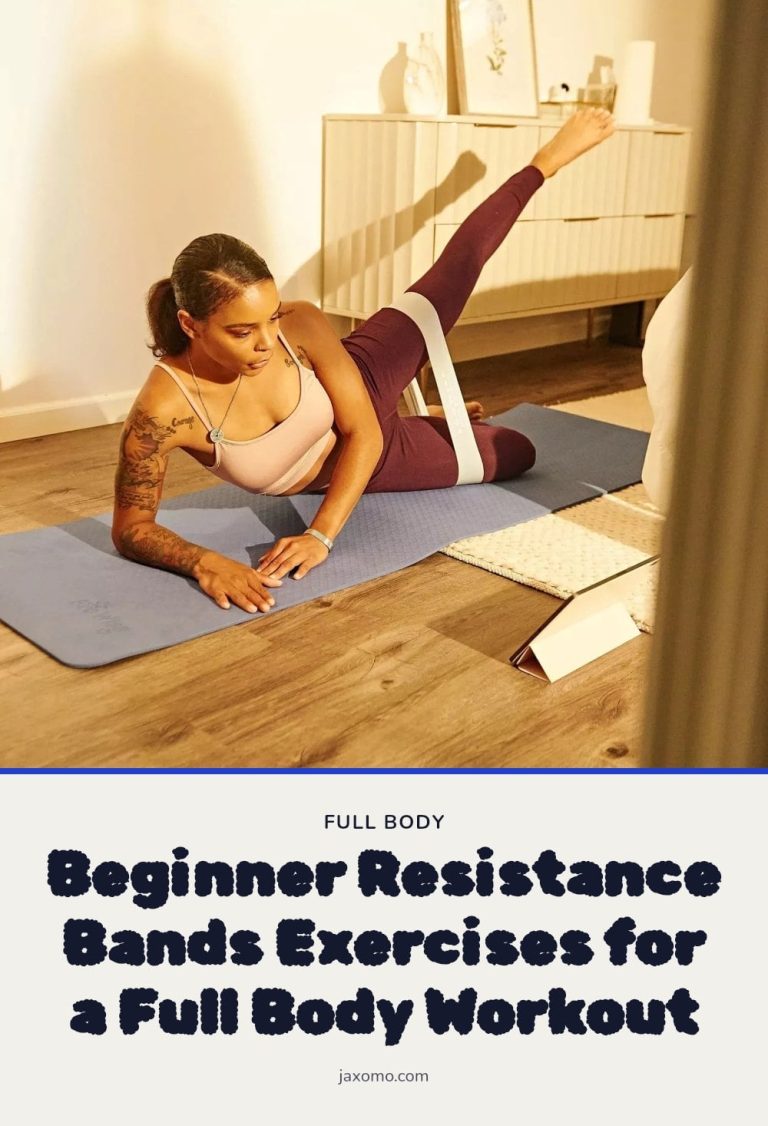
If you’re looking for a simple way to get a full-body workout without a gym full of equipment, resistance bands might be exactly what you need. They are lightweight, portable, and create continuous tension that challenges your muscles throughout every move. This article covers how to choose the right bands, a beginner-friendly routine for your legs, arms, and core, plus tips to stay safe and see results.
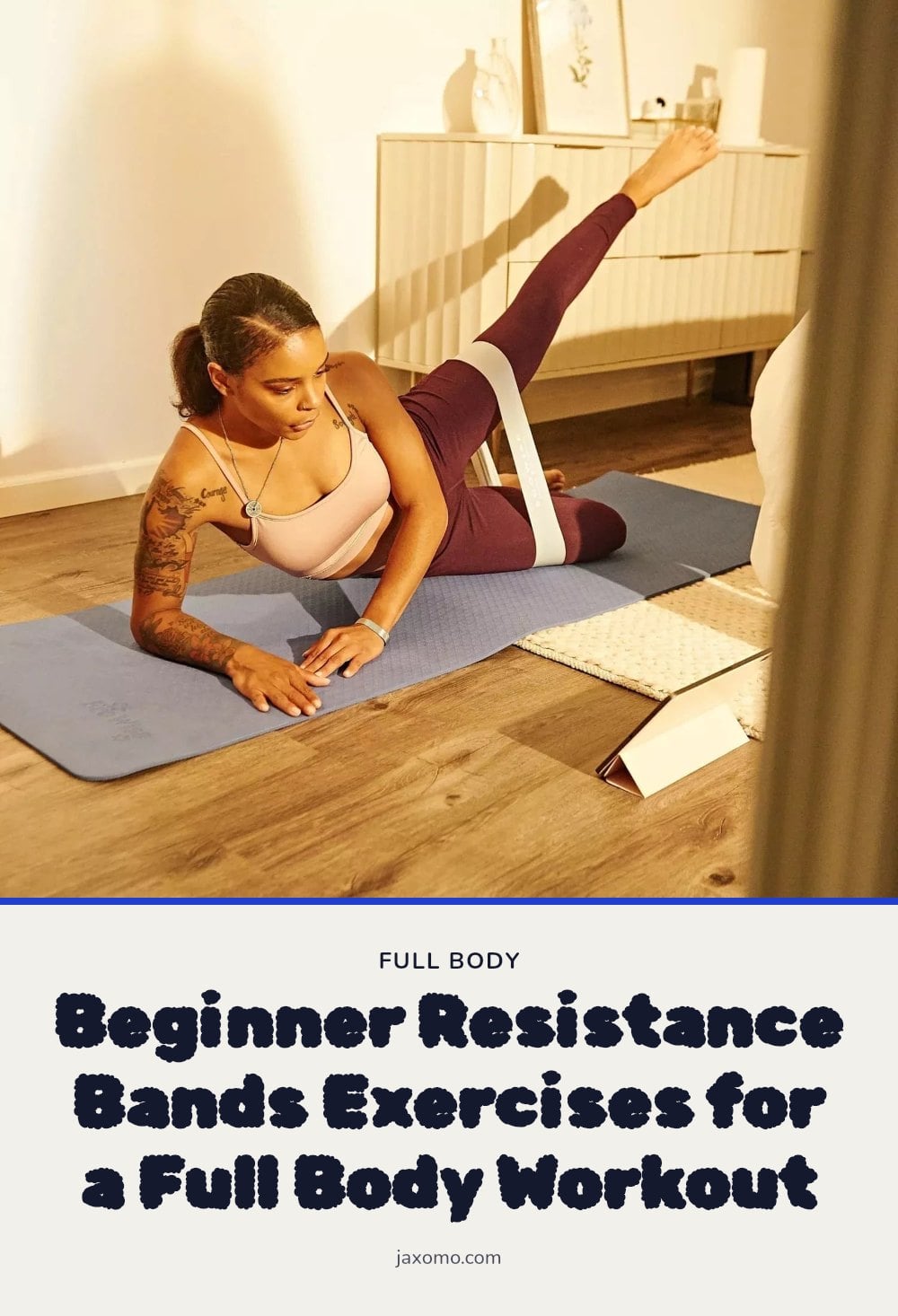
Key Takeaways
- Start with a resistance band that lets you complete 10 to 15 reps with good form.
- Aim for 2 to 3 full-body resistance band workouts per week for best results.
- Inspect bands for tears or damage before each use to prevent snapping.
- Use slow, controlled movements and keep the band under tension throughout each exercise.
- Expect noticeable improvements in strength and muscle tone within 4 to 6 weeks of consistent training.
What Are Resistance Bands and How Do They Work?
Resistance bands are stretchy elastic bands that create tension your muscles have to work against throughout each movement. Unlike free weights that only challenge you at certain points, bands provide continuous resistance during both the lifting and lowering phases. This makes them a versatile, portable, and affordable tool for a full-body workout. They are ideal for beginners because they help build strength, improve flexibility, and enhance muscle tone without requiring heavy equipment or a gym membership. You can use them at home or pack them for travel fitness.
Essential Gear for Your Resistance Band Workout
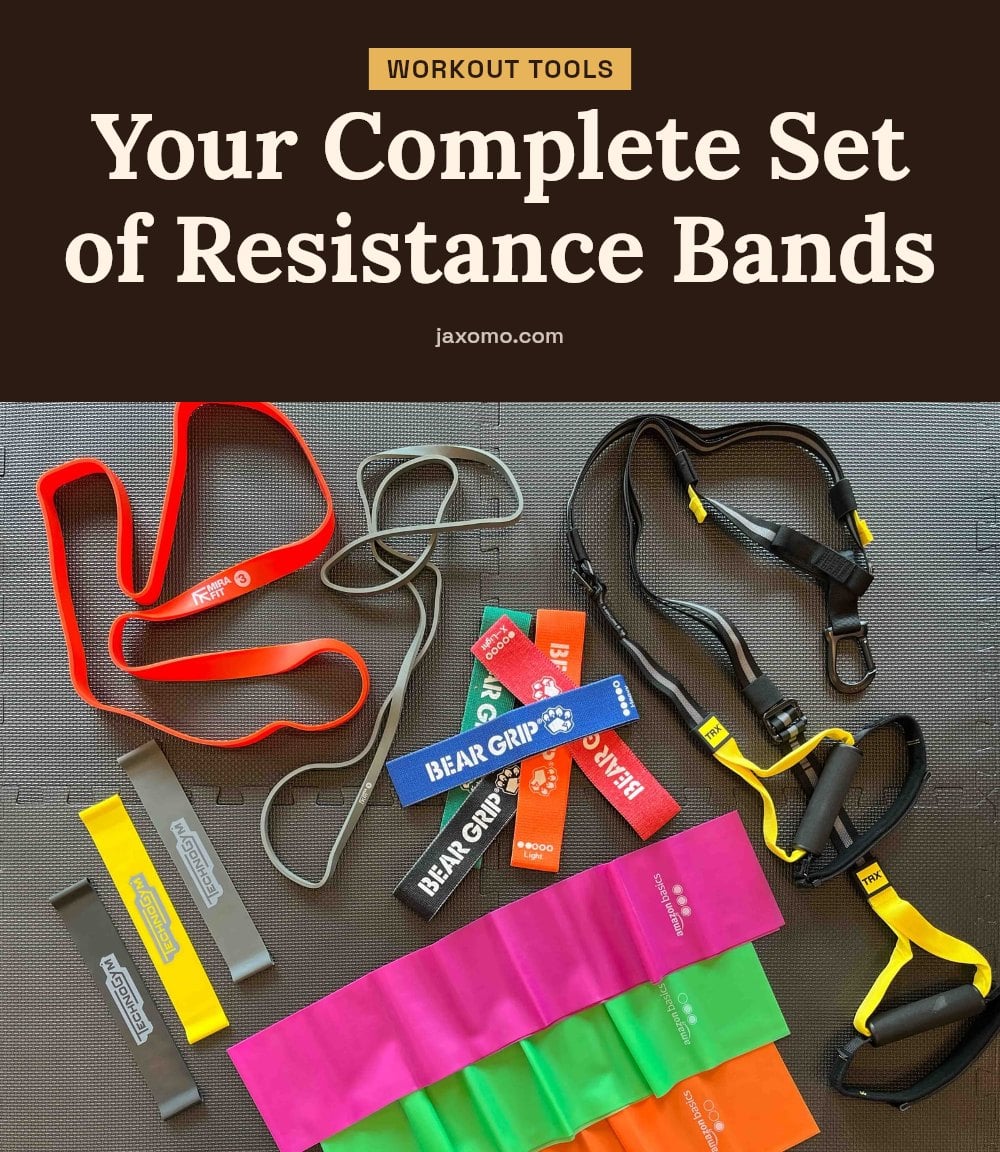
To get started, you need the right type of band for your goals. Here is the essential gear:
- Loop resistance bands (mini bands): These are short, closed loops great for lower body and glute exercises like squats and bridges.
- Tube resistance bands with handles: These have handles on each end, making them ideal for upper body and full-body movements such as rows and presses.
- Flat resistance bands: Long, flat strips that offer versatility for stretching, pull-ups, and various exercises when tied or anchored.
- Door anchor: A small accessory that lets you attach tube bands to a door, expanding your exercise options significantly.
- Comfortable workout clothing and a water bottle: Wear clothes that allow free movement and stay hydrated throughout your session.
Choosing the Right Resistance Band for Your Workout
Resistance bands are color-coded by resistance level, from very light to extra heavy. Choose a band that lets you complete 10 to 15 repetitions with good form. If you can do more than 15 reps easily, the band is too light. If you cannot finish 10 reps with proper technique, it is too heavy.
| Band Type | Resistance Level | Best Use | Tip |
|---|---|---|---|
| Loop (mini) | Light to medium | Lower body, glutes | Start light to learn form |
| Tube with handles | Light to heavy | Upper body, full body | Use door anchor for rows |
| Flat band | Light to extra heavy | Stretching, pull-ups | Check length before buying |
My tip: Beginners should start with a light or medium band. Progress to heavier bands only after you can complete 15 controlled reps with perfect form.
Full-Body Resistance Band Exercises for Beginners
Start each session with a 5 to 10 minute warm-up, such as light jogging in place, arm circles, or leg swings. This prepares your muscles and reduces injury risk.
- Warm up: Do dynamic stretches like torso twists and walking lunges. Keep moving to raise your heart rate slightly.
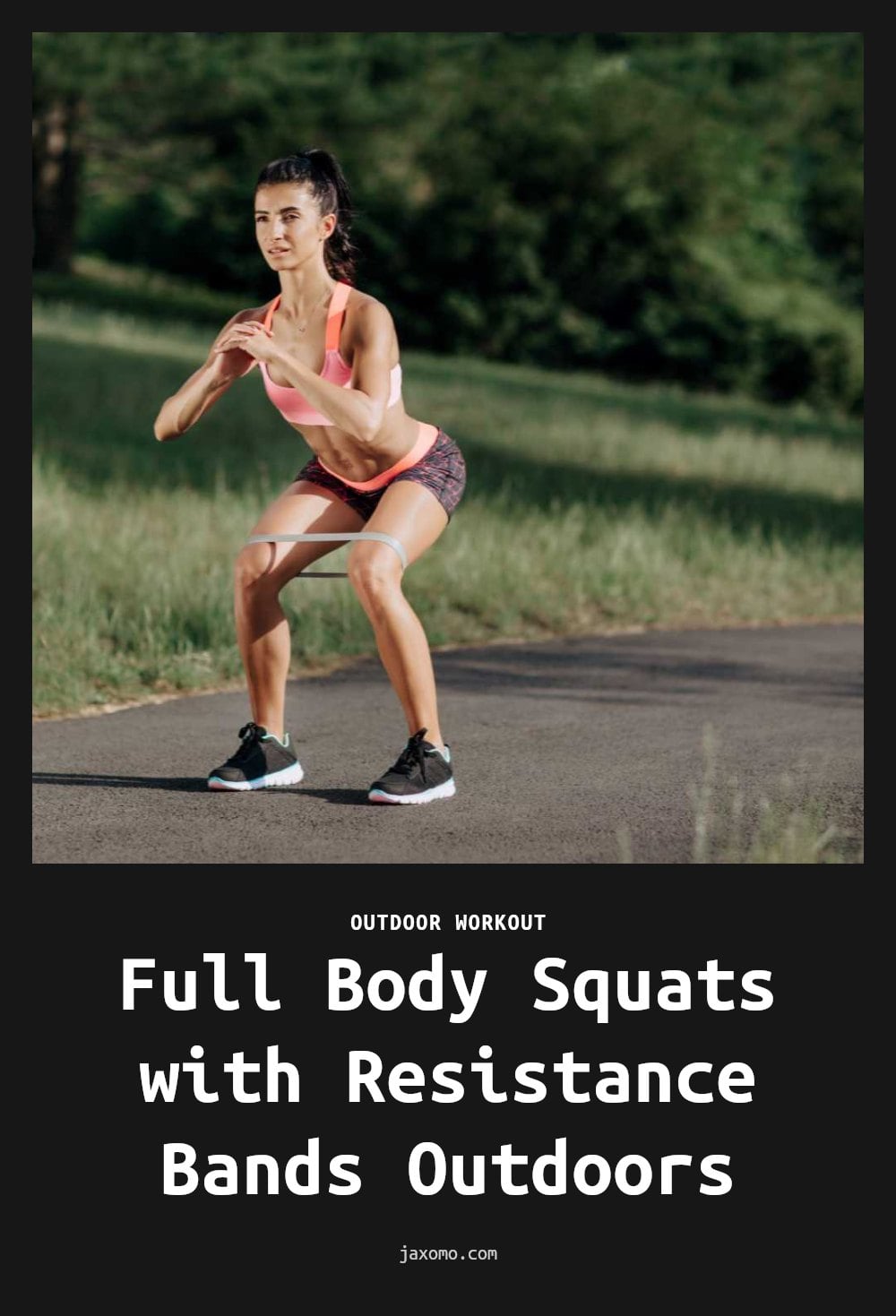
- Resistance Band Squats: Place a loop band just above your knees. Stand with feet shoulder-width apart, toes slightly out. Lower your hips as if sitting in a chair, keeping your chest up and core engaged. Push through your heels to return to the start, squeezing your glutes at the top.
- Glute Bridges with Resistance Band: Lie on your back with knees bent, feet flat on the floor, and the loop band above your knees. Press your lower back into the floor and lift your hips toward the ceiling, squeezing your glutes. Keep tension on the band by pushing your knees slightly out. Slowly lower back down.
- Resistance Band Rows: Anchor a tube band around a sturdy object or under your feet. Hold handles with palms facing each other. Sit or stand tall, keeping your core engaged. Pull the handles toward your torso, squeezing your shoulder blades together. Slowly extend your arms back to the start, controlling the resistance.
- Resistance Band Overhead Press: Stand on the middle of a tube band with feet shoulder-width apart. Hold handles at shoulder height, palms facing forward. Press the handles directly overhead until your arms are fully extended, keeping your core tight. Slowly lower the handles back to shoulder height.
- Resistance Band Bicep Curls: Stand on the middle of a tube band with feet shoulder-width apart. Hold handles with palms facing forward, arms extended at your sides. Keeping elbows close to your body, curl the handles up toward your shoulders, squeezing your biceps. Slowly lower back to the start.
- Resistance Band Triceps Extensions: Anchor a tube band overhead or step on it with one foot, holding one handle with both hands behind your head. Extend your arms straight overhead, pushing against the band’s resistance. Slowly lower your hands back behind your head, controlling the movement.
- Cool down: Finish with static stretches for the muscles you worked, holding each stretch for 20 to 30 seconds. This helps reduce soreness and improves flexibility.
Perform each exercise with slow, controlled movements, focusing on engaging the target muscle. Complete 2 to 3 sets of 10 to 15 repetitions for each exercise. Always ensure the band is securely anchored or gripped to prevent slipping.
1. Resistance Band Squats
Place a loop band just above your knees. Stand with feet shoulder-width apart, toes slightly turned out. Keep your chest up and core engaged throughout the movement.
Lower your hips back and down as if sitting in a chair. Go as low as comfortable while keeping your knees tracking over your toes. Tip: Do not let your knees cave inward; push them gently outward against the band.
Push through your heels to return to standing. Squeeze your glutes at the top before lowering again. Control the band’s tension on the way down for a full range of motion.
2. Glute Bridges with Resistance Band
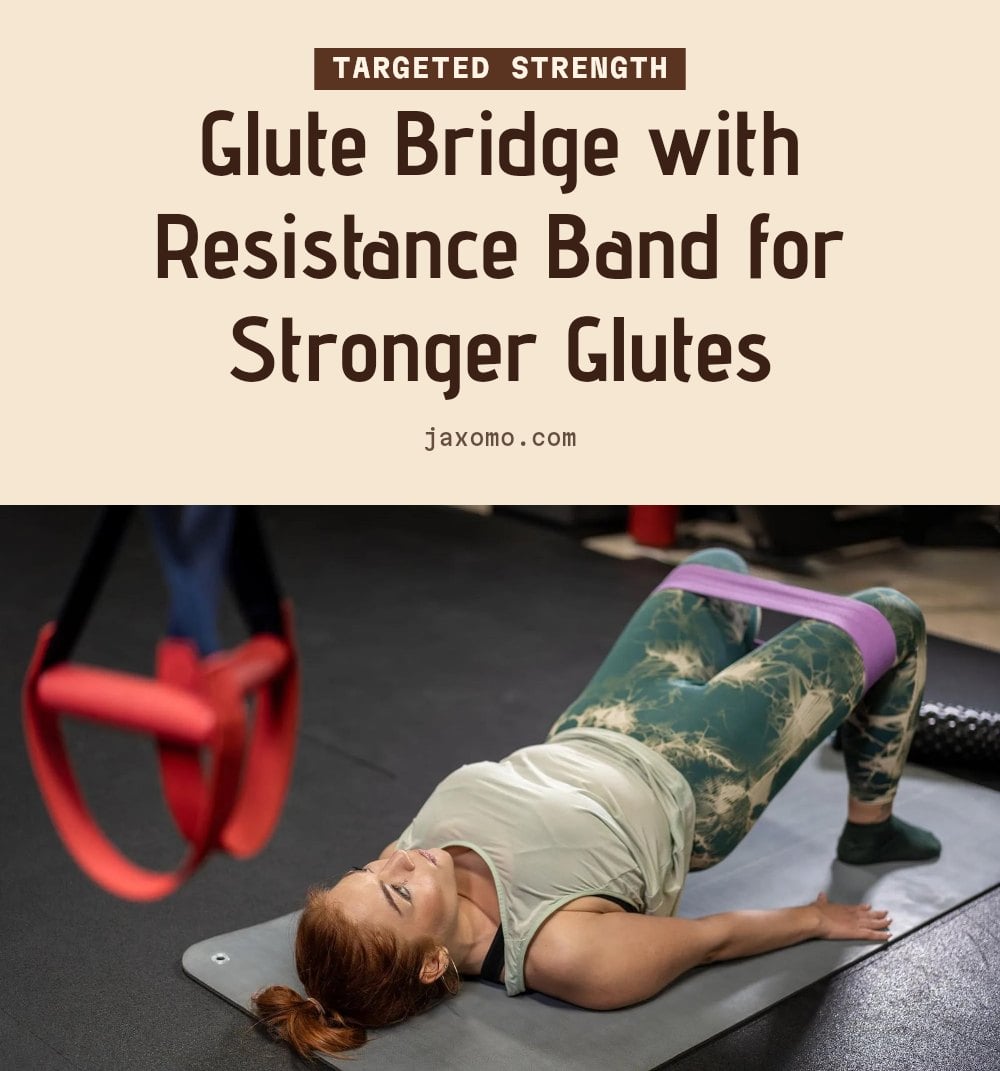
Lie on your back with your knees bent and feet flat on the floor, hip-width apart. Place a loop band just above your knees so it sits snugly. Press your lower back into the floor to engage your core, then lift your hips toward the ceiling. Squeeze your glutes hard at the top and hold for a second. Keep tension on the band by pushing your knees slightly outward throughout the movement. Slowly lower your hips back down without letting your lower back arch off the floor.
3. Resistance Band Rows
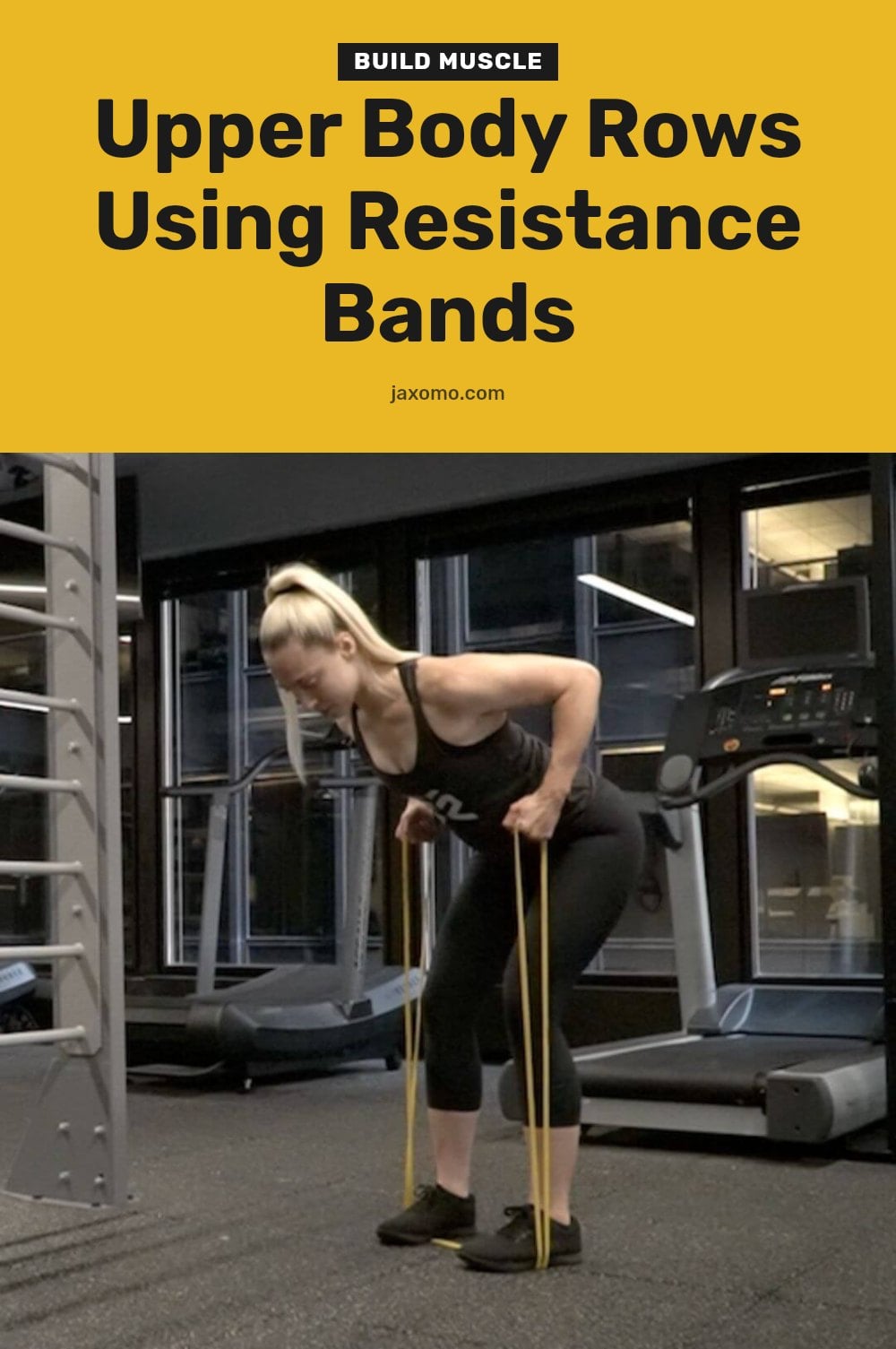
Anchor a tube band around a sturdy post, a heavy piece of furniture, or under your feet. Hold the handles with your palms facing each other, arms extended. Sit or stand tall with your core engaged and your back straight.
Pull the handles toward your torso, driving your elbows back and squeezing your shoulder blades together. Hold the contraction for a moment. Slowly extend your arms back to the starting position, controlling the band’s resistance throughout the entire motion.
4. Resistance Band Overhead Press
Stand on the band: Place the middle of a tube band under both feet, feet shoulder-width apart. Bring the handles up to shoulder height, palms facing forward, and keep your core tight throughout.
Press overhead: Push the handles straight up until your arms are fully extended overhead. Avoid arching your back; keep your ribs drawn in.
Lower slowly: Bend your elbows and lower the handles back to shoulder height with control. Do not let the band snap back. Complete 10 to 15 reps per set.
5. Resistance Band Bicep Curls
Resistance Band Bicep Curls: Stand on the middle of a tube band with feet shoulder-width apart. Hold the handles with palms facing forward, arms extended at your sides. Keeping your elbows pinned to your ribs, curl the handles up toward your shoulders and squeeze your biceps at the top. Slowly lower the handles back to the starting position, controlling the band’s tension on the way down. Do not let the band go slack at the bottom.
6. Resistance Band Triceps Extensions
Resistance Band Triceps Extensions: Anchor a tube band overhead on a door anchor or sturdy hook, or step on the band with one foot. Grasp one handle with both hands and bring it behind your head, elbows bent. Extend your arms straight overhead, pushing against the band’s resistance until your arms are fully extended. Slowly lower your hands back behind your head, controlling the movement. Keep your upper arms close to your ears throughout.
Common Mistakes to Avoid with Resistance Bands
Using too much resistance too soon: A band that is too heavy forces you to compensate with bad form. Start with a lighter band, master the movement, then progress to a higher resistance. Not maintaining tension in the band: If the band goes slack, your muscles stop working. Keep slight tension even at the starting point of each rep. Rushing through repetitions: Fast reps rely on momentum, not muscle. Use slow, controlled movements to keep the target muscle engaged through the full range of motion. Ignoring proper anchoring techniques: A loose band can slip or snap. Always secure the band under your feet, around a sturdy object, or with a door anchor. Only working one muscle group: A balanced full-body routine prevents muscle imbalances and overuse injuries. Include lower body, upper body, and core exercises in each session.
Pro Tips for Effective Resistance Band Workouts
Inspect bands for damage: Check for tears, nicks, or wear before every use. A damaged band can snap mid-rep and cause injury. Focus on mind-muscle connection: Consciously think about the muscle you are working. Squeeze it at the peak of each movement to recruit more fibers. Vary your routine: Switch exercises, change resistance levels, or adjust reps and sets every few weeks to keep challenging your muscles. Breathe properly: Exhale during the effort phase (pushing or pulling) and inhale during the release phase. Holding your breath can spike blood pressure and reduce performance. Stay hydrated: Drink water before, during, and after your workout. Even mild dehydration can lower strength and endurance.
Frequently Asked Questions
How often should I do resistance band workouts?
Aim for 2 to 3 full-body resistance band workouts per week. This frequency gives your muscles time to recover between sessions while still challenging them enough to build strength and endurance. You can also use bands for warm-ups or cool-downs on other days.
Can resistance bands help me lose weight?
Resistance bands can support weight loss as part of a balanced routine that includes regular exercise and a healthy diet. They help build muscle, which can increase your metabolism, but they are not a direct weight loss tool. Combining band workouts with cardiovascular activity and proper nutrition is more effective.
Are resistance bands better than free weights?
Neither is inherently better; both have advantages. Resistance bands provide continuous tension throughout a movement and are gentler on joints, while free weights allow for heavier loads and more precise weight increments. Many people use both for variety and to target muscles differently.
How do I know which resistance band level to use?
Choose a band that lets you complete 10 to 15 repetitions with good form. If you can easily do more than 15 reps, the band is too light. If you cannot finish 10 reps without struggling or losing form, the band is too heavy. Bands are typically color-coded by resistance level.
Can I use resistance bands if I have joint pain?
Resistance bands are a low-impact option that many people with joint sensitivities find comfortable. However, consult a healthcare professional before starting any new exercise program, especially if you have existing joint issues. Stop immediately if you feel sharp or unusual pain during a movement.
Final Thoughts
For a safe and effective start, choose a band that allows you to complete 10 to 15 reps with good form, and focus on slow, controlled movements that keep the band under tension. With 2 to 3 full-body sessions per week, you can typically expect to see improvements in strength and muscle tone within 4 to 6 weeks. The key is consistency and listening to your body, so pick a routine you can stick with.
This article provides general fitness information and is not a substitute for professional medical or exercise advice. Consult a doctor or qualified fitness professional before starting any new workout program, especially if you have pre-existing health conditions or injuries. Listen to your body and stop if you experience pain.