Retinol 101: How to Add It to Your Routine Without Irritation
Unlock the power of retinol! Learn what retinol is and how to safely incorporate it into your skincare routine to minimize irritation and maximize results.

Starting retinol can feel like a gamble between glowing skin and a red, peeling face. The good news is that with the right approach, you can get the anti-aging benefits without the irritation. This article walks you through exactly how to introduce retinol into your nightly routine, what to expect, and how to sidestep the most common beginner mistakes.
Key Takeaways
- Start with a low concentration of 0.25% to 0.3% and apply every other night for the first two weeks.
- Always apply retinol to clean, dry skin at night and wait 20-30 minutes after cleansing.
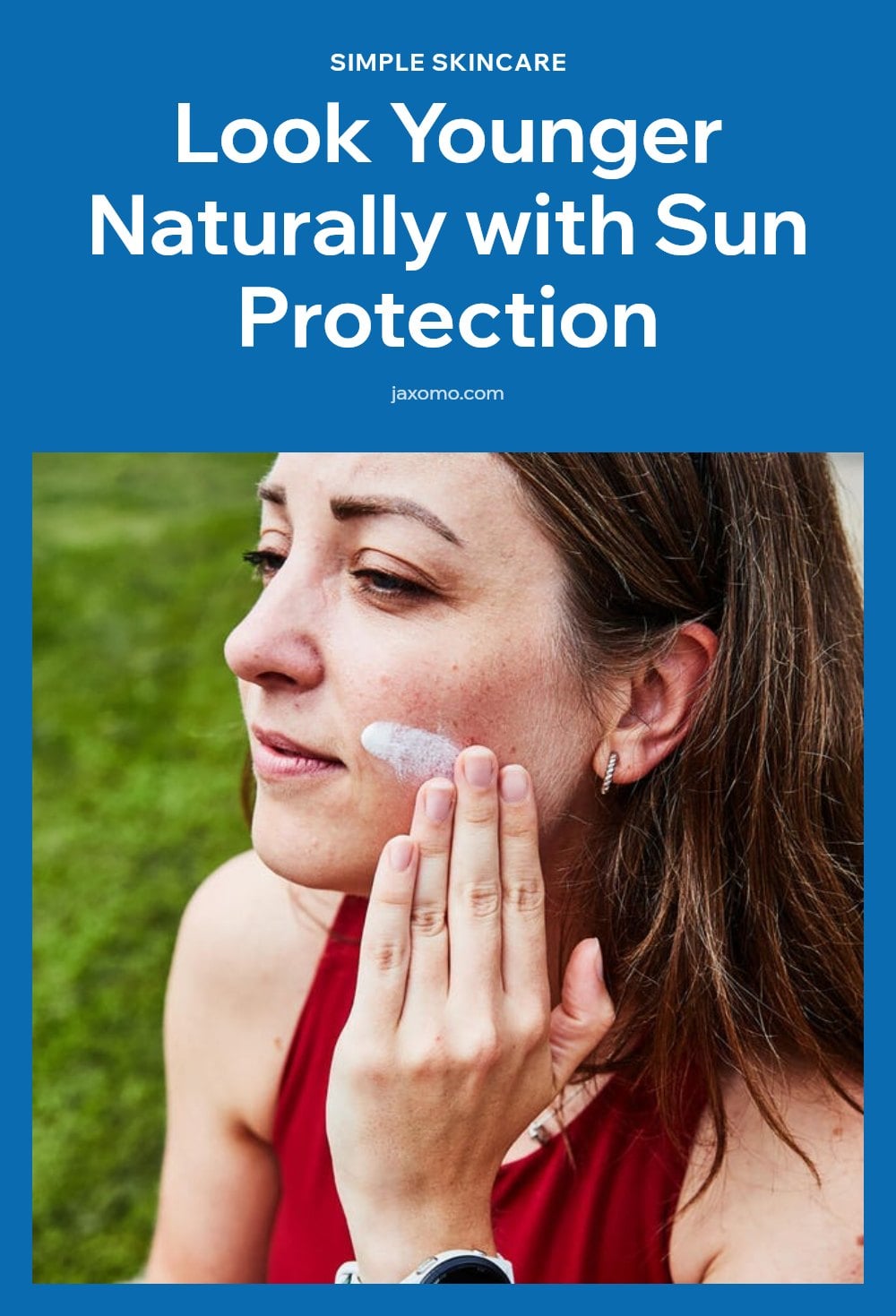
- Wear broad-spectrum sunscreen with SPF 30 or higher every day, even when it’s cloudy.
- Use the sandwich method (moisturizer, retinol, moisturizer) if you have sensitive skin to reduce irritation.
- Expect initial redness or peeling for 2-4 weeks, with visible improvements after 8-12 weeks of consistent use.
What is Retinol and How Does It Work?
Retinol is a derivative of Vitamin A that works by speeding up skin cell turnover and stimulating collagen production. This process helps improve skin texture and reduce the appearance of fine lines and dark spots. It is highly effective, but many people experience initial redness, dryness, or peeling. The key is introducing it slowly and properly to let your skin adjust.
Your Retinol Skincare Starter Kit
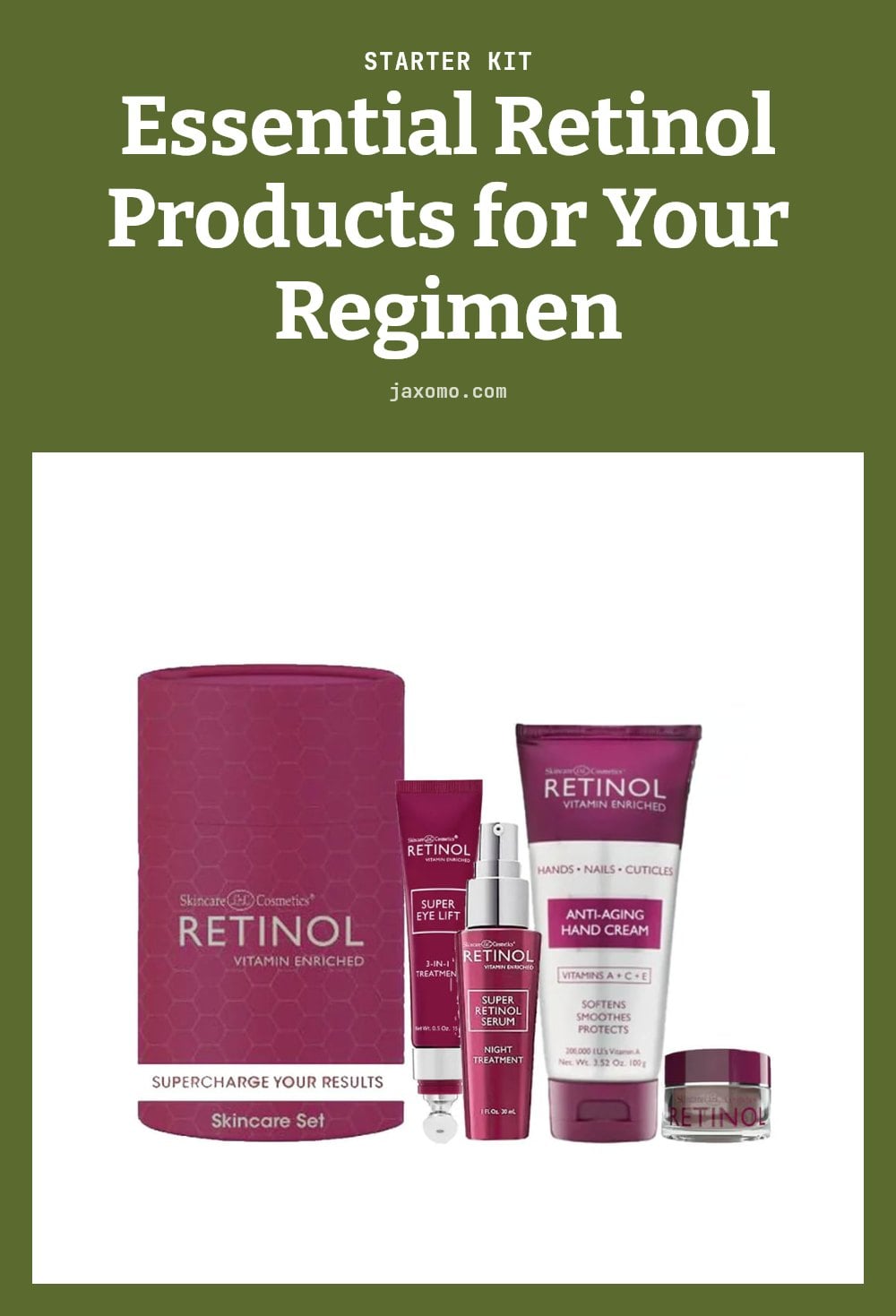
Before you start, gather these three essentials to support your skin through the adjustment period.
- Gentle cleanser: A non-stripping formula prepares your skin without disrupting its barrier.
- Hydrating moisturizer: This combats the dryness retinol can cause and helps maintain a healthy skin barrier.
- Broad-spectrum sunscreen (SPF 30+): Retinol increases sun sensitivity, so daily protection is non-negotiable, even on cloudy days.
Step-by-Step: Introducing Retinol to Your Routine

Patience and a gradual approach are your best tools. Here is how to start without overwhelming your skin.
- Start low and slow: Choose a retinol product with a concentration of 0.25% to 0.3%. Apply it every other night for the first two weeks, not every night.
- Apply to dry skin: After cleansing, wait at least 20 minutes until your face is completely dry. Applying retinol to damp skin increases absorption and can lead to irritation.
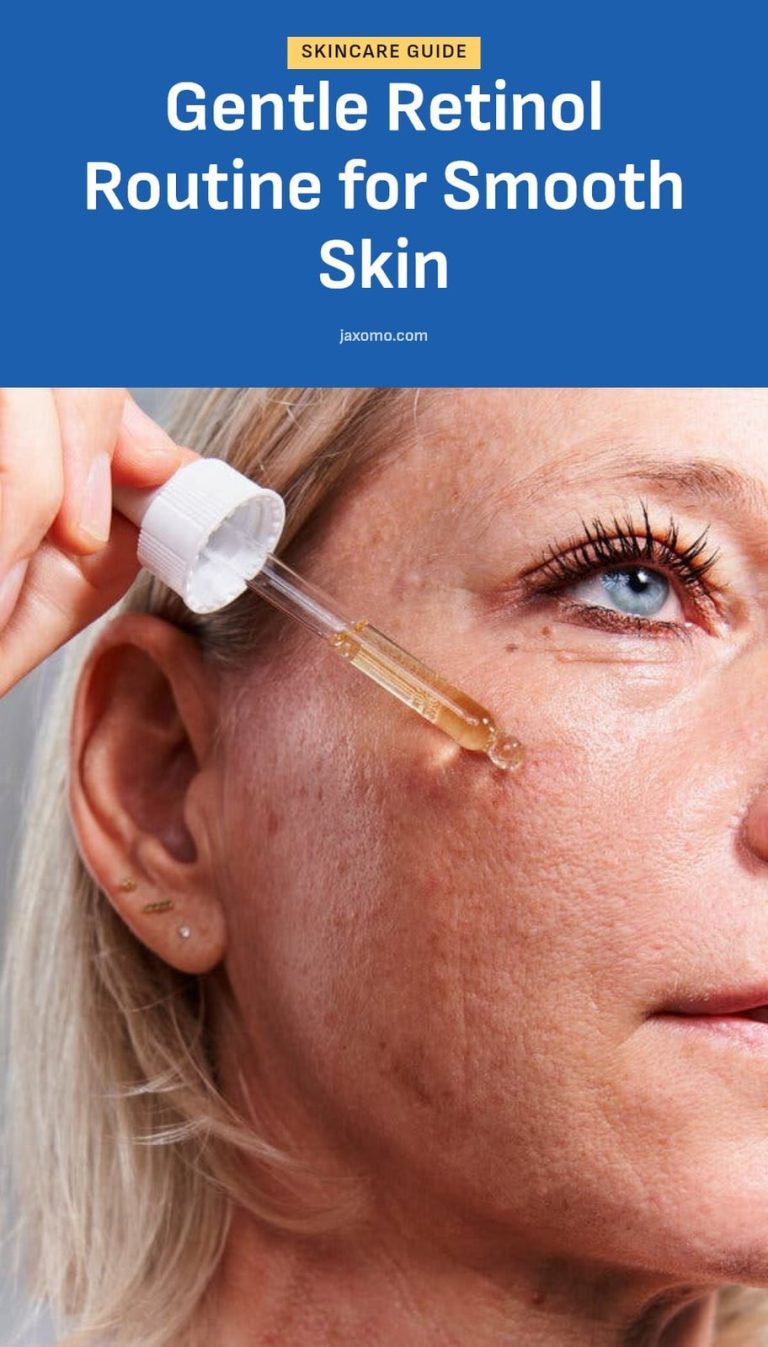
- Use a pea-sized amount: A little goes a long way. Dispense one pea-sized drop and spread it evenly across your face, avoiding the eyes, mouth, and nose.
- Follow with moisturizer: Immediately after applying retinol, layer on a hydrating moisturizer to lock in moisture and soothe your skin.
- Gradually increase frequency: After 2-4 weeks, if your skin is tolerating it well, move to every other night, then eventually nightly. After a few months, you can consider a higher concentration.
My tip: If your skin is especially sensitive, try the sandwich method. Apply moisturizer first, then retinol, then another layer of moisturizer. This buffers the retinol and reduces irritation.
Pro Tips for a Smooth Retinol Journey
These small habits make a big difference in how well your skin responds to retinol over time.
- Apply at night only: Retinol degrades in sunlight and increases your skin’s photosensitivity. Use it only in your evening routine.
- Store in a cool, dark place: Heat and light can break down retinol, making it less effective. Keep it in a drawer or cabinet away from direct sun.
- Be consistent: Results are cumulative. You will likely see visible improvements in texture and tone after 8-12 weeks, and more significant anti-aging effects after 6-12 months of regular use.
- Try the sandwich method: For extra sensitive skin, apply moisturizer, then retinol, then another layer of moisturizer. This buffers the active and helps minimize irritation.
Common Retinol Mistakes and How to Avoid Them
Starting with a concentration above 0.3% can cause severe redness and peeling before your skin adapts. Always begin with 0.25% or 0.3% and apply every other night.
Applying retinol to damp skin increases penetration and irritation. Wait 20-30 minutes after cleansing so your face is completely dry.
Skipping daily sunscreen (SPF 30 or higher) leaves your skin vulnerable to UV damage and cancels out retinol’s benefits. Apply it every morning, rain or shine.
Combining retinol with AHAs, BHAs, or Vitamin C in the same routine can over-exfoliate and compromise your barrier. Use those actives on alternate nights or in the morning.
What to Expect: Retinol Timeline and Results
During the first 2-4 weeks, you may notice redness, dryness, or peeling as your skin adjusts. This is normal and should subside with consistent use.
After 8-12 weeks of regular application, many people see smoother texture and more even tone. Fine lines and deeper wrinkles typically improve after 6-12 months.
Retinol products are available at many price points, from affordable drugstore options to higher-end serums. The key is consistency, not the price tag.
When to Consult a Dermatologist About Retinol
If you experience severe or persistent redness, burning, itching, or excessive peeling, stop using retinol and see a dermatologist. A rash or signs of an allergic reaction also warrant professional advice.
Those with pre-existing conditions like eczema or rosacea should consult a doctor before starting retinol. Pregnant or breastfeeding individuals are generally advised to avoid retinol due to potential risks.
Frequently Asked Questions
Can I use retinol every night?
Not at first. Start by applying retinol every other night for the first two weeks. If your skin tolerates that well with no redness or peeling, you can gradually increase to nightly use. Jumping straight to every night often leads to irritation.
How long does it take to see results from retinol?
Visible improvements in skin texture and tone usually appear after 8 to 12 weeks of consistent use. More significant anti-aging benefits, like softening fine lines, can take 6 to 12 months. Be patient and stick with your routine.
What percentage of retinol should a beginner start with?
A beginner should start with a concentration between 0.25% and 0.3%. This range is effective enough to show results but gentle enough to minimize the initial irritation. Avoid jumping to 0.5% or higher until your skin has adjusted for several weeks.
Can retinol make my skin worse before it gets better?
Yes, that is normal. During the first 2 to 4 weeks, many people experience redness, dryness, or peeling as the skin adjusts. This is called the retinization phase and usually subsides with continued use. If it becomes severe or painful, stop and consult a dermatologist.
Is retinol safe for sensitive skin?
It can be, but you need to take extra precautions. Start with a very low concentration (0.25%) and use the sandwich method, apply moisturizer first, then retinol, then another layer of moisturizer. If you have a condition like eczema or rosacea, consult a dermatologist before starting.
Final Thoughts
My tip: start with a pea-sized amount of 0.25% retinol every other night and stick with it for at least three months before judging the results. The first few weeks might test your patience, but the smoother texture and more even tone are worth it. Remember, consistency beats intensity every time.
This article is for informational purposes only and does not constitute medical advice. Retinol affects everyone differently, and what works for one person may not work for another. If you have a skin condition, are pregnant or breastfeeding, or experience severe irritation, please consult a dermatologist or healthcare professional.