Rosemary Water for Hair: Easy DIY Recipe and How to Use It
Learn how to make rosemary water at home for hair growth and scalp health with our easy DIY recipe and usage tips. Get healthier hair naturally.

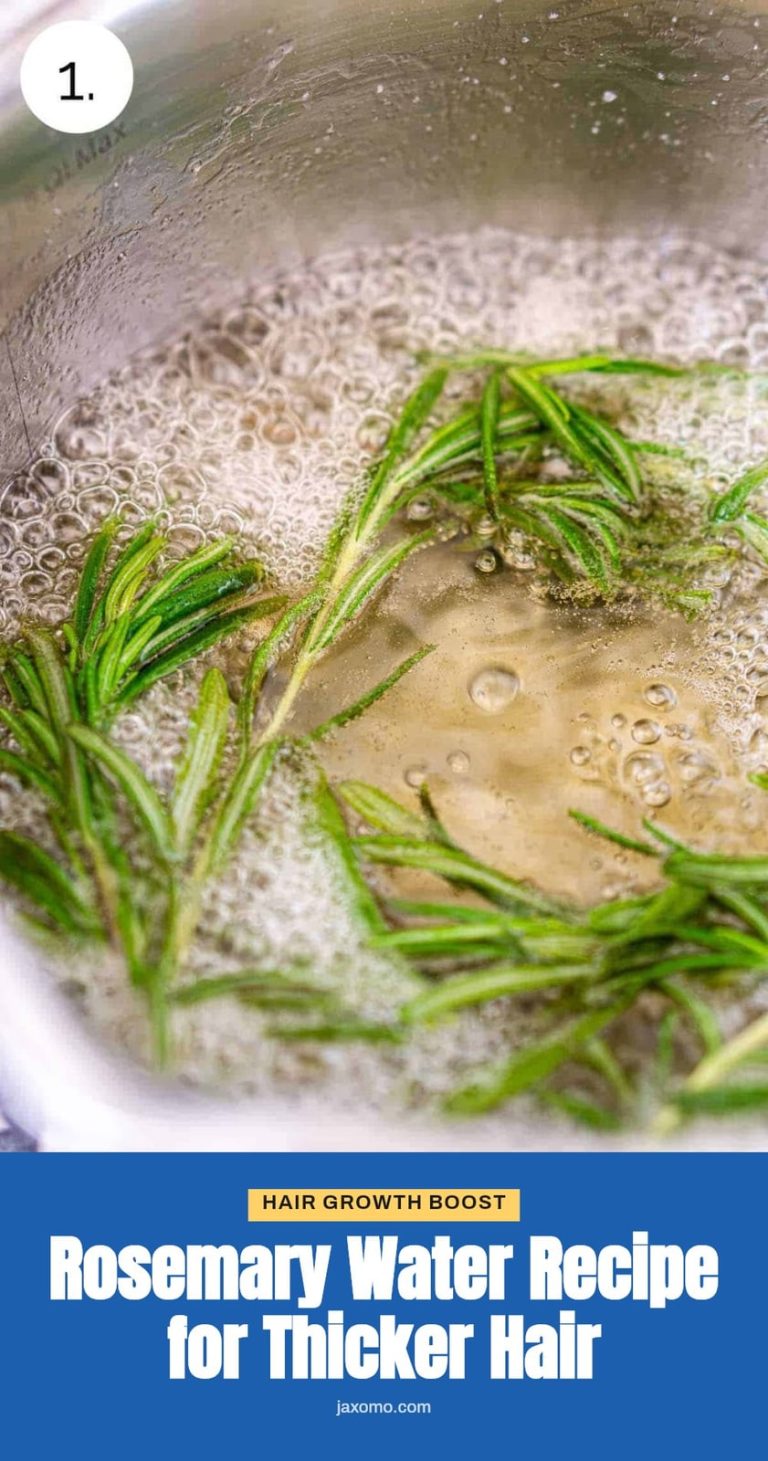
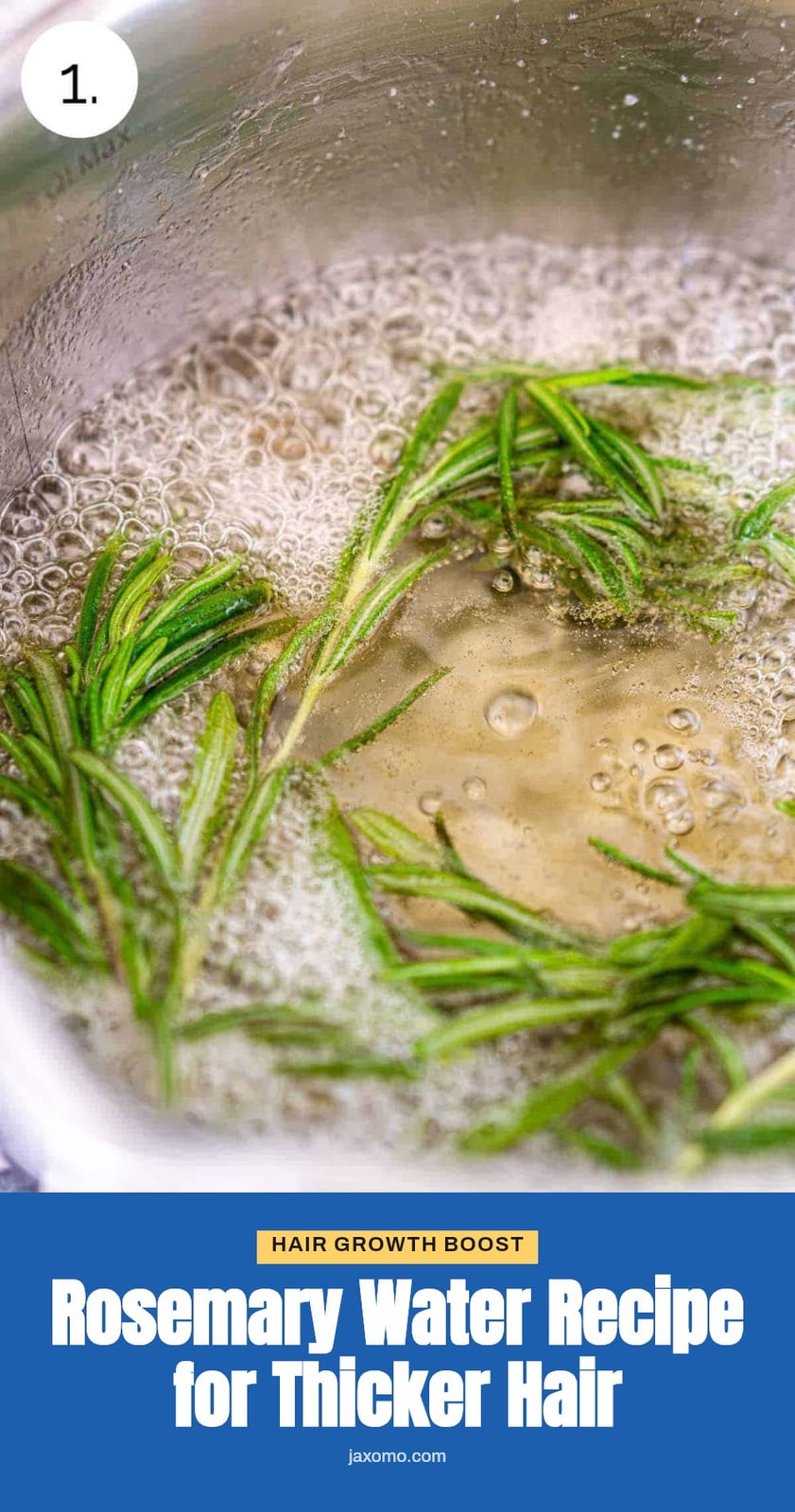
If you are looking for a natural way to support your hair growth and scalp health, rosemary water might be the simple solution you need. This DIY hair rinse is made by steeping fresh or dried rosemary in hot water, and it is believed to stimulate circulation and deliver antioxidant benefits to your scalp. In this article, I will walk you through an easy recipe, how to use it consistently, and what to watch out for.
Key Takeaways
- Use 1-2 sprigs of fresh rosemary or 1-2 tablespoons of dried rosemary per 2-4 cups of distilled water.
- Refrigerate homemade rosemary water in an airtight container and use it within 1-2 weeks.
- Apply rosemary water to a clean scalp 2-3 times a week for several weeks to months to see results.
- Always do a patch test on your inner forearm before applying rosemary water to your entire scalp.
- Stop using rosemary water if you experience persistent redness, itching, or irritation and consult a dermatologist.
Why Rosemary Water is a Hair Care Game Changer
Rosemary water is a natural, DIY hair rinse you make by steeping fresh or dried rosemary in hot water. It’s believed to promote hair growth and improve scalp health by stimulating circulation and delivering antioxidant benefits. While scientific studies on rosemary oil show promise for hair growth, anecdotal evidence for rosemary water is strong, making it a popular home remedy.
Ingredients for Your Homemade Rosemary Water
For a basic batch, you need just two ingredients:
- Fresh or dried rosemary: Use 1-2 sprigs of fresh rosemary or 1-2 tablespoons of dried rosemary.
- Distilled water: 2-4 cups. Distilled water is recommended because it has fewer impurities, which helps extend the shelf life of your rosemary water.
Step-by-Step: Making Your Own Rosemary Water

- Clean the rosemary: Rinse fresh rosemary sprigs under cool water to remove any dirt or debris. Pat them dry with a clean towel.
- Boil the water: Bring 2-4 cups of distilled water to a boil in a saucepan. Remove the pan from the heat.
- Steep the rosemary: Add the clean rosemary to the hot water. Cover the saucepan and let it steep for 15-30 minutes. A longer steep time creates a stronger infusion, but avoid steeping for more than an hour to prevent bitterness.
- Strain the mixture: Pour the liquid through a fine-mesh strainer or cheesecloth into a bowl or large measuring cup. Press on the rosemary to extract all the liquid. Make sure no herb particles remain, as they can clog a spray bottle or cause scalp irritation.
- Cool completely: Let the strained liquid cool to room temperature. Do not skip this step; applying warm rosemary water to your scalp can be uncomfortable and may cause irritation.
- Transfer to a storage container: Pour the cooled rosemary water into an airtight container, such as a spray bottle or a glass jar. Store it in the refrigerator.
How to Use Rosemary Water for Best Results

For the best results, apply rosemary water to a clean scalp. You can use it in two main ways:
As a Final Rinse
After shampooing and conditioning, pour the rosemary water over your hair and scalp. Massage gently with your fingertips in circular motions for 1-2 minutes to stimulate circulation, then rinse with cool water or leave it in. This method helps seal the hair cuticle and adds shine.
As a Leave-In Spray
Fill a spray bottle with rosemary water and mist it onto your scalp and hair between washes. Use it 2-3 times a week. This is a convenient way to keep your scalp refreshed and to stimulate circulation throughout the week.
After applying, gently massage your scalp with your fingertips for 1-2 minutes. Use circular motions to encourage blood flow. Consistency is key: use rosemary water 2-3 times per week and stick with it for several weeks to months before expecting visible changes.
Tip: For an extra cooling sensation, keep your spray bottle in the refrigerator. The cold liquid can help soothe an itchy scalp.
Common Mistakes to Avoid When Using Rosemary Water
One of the biggest mistakes is expecting visible regrowth after a week or two. Natural remedies work slowly, and many people find it takes several weeks to months of consistent use, about 2-3 times a week, to see a difference.
Skip the straining: If you leave herb particles in the liquid, they can sit on your scalp and cause irritation or clog hair follicles. Always pour through a fine-mesh sieve or cheesecloth.
Overdo the strength: Boiling too much rosemary for too long creates a concentrated solution that may irritate sensitive skin. Stick to 1-2 sprigs or 1-2 tablespoons per 2-4 cups of water.
Apply to a dirty scalp: Oil and product buildup block absorption. Use rosemary water right after shampooing, or mist it onto freshly washed hair.
Store it wrong: Leaving the bottle on the counter invites spoilage. Keep it refrigerated and toss it after 1-2 weeks.
Storing Your Homemade Rosemary Water
Proper storage keeps your rosemary water fresh and safe to use. Pour the cooled liquid into an airtight glass bottle or jar with a tight lid, then place it in the refrigerator immediately.
- Shelf life: Refrigerated rosemary water lasts about 1-2 weeks.
- Signs of spoilage: Discard it if you notice cloudiness, a sour smell, mold, or any floating particles.
- Pro move: Use distilled water when making the batch, as it may help the rinse stay fresh a bit longer.
- Caution: Never store it at room temperature for more than a few hours, warmth speeds up bacterial growth.
When to Consult a Professional About Hair Concerns
Rosemary water is gentle for most people, but it is not for everyone. If you notice persistent redness, itching, or irritation after applying it, stop using it and talk to a dermatologist.
- Patch test first: Dab a small amount on your inner forearm and wait 24 hours before using it on your scalp.
- Special situations: If you are pregnant, breastfeeding, or managing a medical condition, check with your doctor before using any herbal remedy.
- Severe hair loss: A dermatologist can identify underlying causes like hormonal changes or scalp conditions and recommend targeted treatment.
Frequently Asked Questions
How often should I use rosemary water for hair growth?
Most people apply rosemary water 2-3 times a week or even daily, depending on their preference. Consistency is key, so choose a frequency you can stick with. If you use it daily, make sure to store it properly in the refrigerator and watch for signs of spoilage.
Can rosemary water cause hair shedding?
Rosemary water itself is not known to cause hair shedding. However, if you experience increased shedding after starting use, it could be a reaction to the herb or another factor. Stop using it and consult a dermatologist if shedding persists.
Is it better to use fresh or dried rosemary for hair water?
Both fresh and dried rosemary work well for making rosemary water. Fresh sprigs are often easier to find and may have a more vibrant flavor, while dried rosemary is convenient and has a longer shelf life. Use 1-2 sprigs of fresh or 1-2 tablespoons of dried per 2-4 cups of water.
Can I add essential oils to my rosemary water?
Yes, you can add a few drops of rosemary essential oil to your rosemary water for a stronger concentration, but be careful not to overdo it. Essential oils are much more potent than the water infusion, so start with just 1-2 drops per cup of water and always do a patch test first.
What is the best time of day to apply rosemary water?
There is no specific best time; it mainly depends on your routine. Many people apply it as a final rinse after their morning or evening shower, or as a leave-in spray during the day. The key is to apply it to a clean scalp so the water can absorb well.
Does rosemary water work for all hair types?
Rosemary water is generally safe for all hair types, including straight, wavy, curly, and coily hair. However, if you have a sensitive scalp or a condition like eczema, do a patch test first. If you notice any irritation, stop use and talk to a dermatologist.
Final Thoughts
For the best chance of seeing a difference, stick with rosemary water consistently, applying it 2-3 times a week over several weeks or months. My tip: use it as a final rinse after shampooing and conditioning, and massage your scalp gently afterward to help stimulate circulation. If you do not notice any improvement or if irritation occurs, it may be time to see a dermatologist for personalized advice.
This information is for general informational purposes only and does not constitute medical or professional advice. Rosemary water is not a replacement for medical treatment for hair loss or scalp conditions. If you have a persistent or serious hair or scalp concern, please consult a dermatologist or healthcare professional.