Toning Workout at Home: 20-Minute Routine for Women
Get a lean, defined physique with our 20-minute at-home toning workout for women. Learn effective exercises and a weekly plan for visible results.

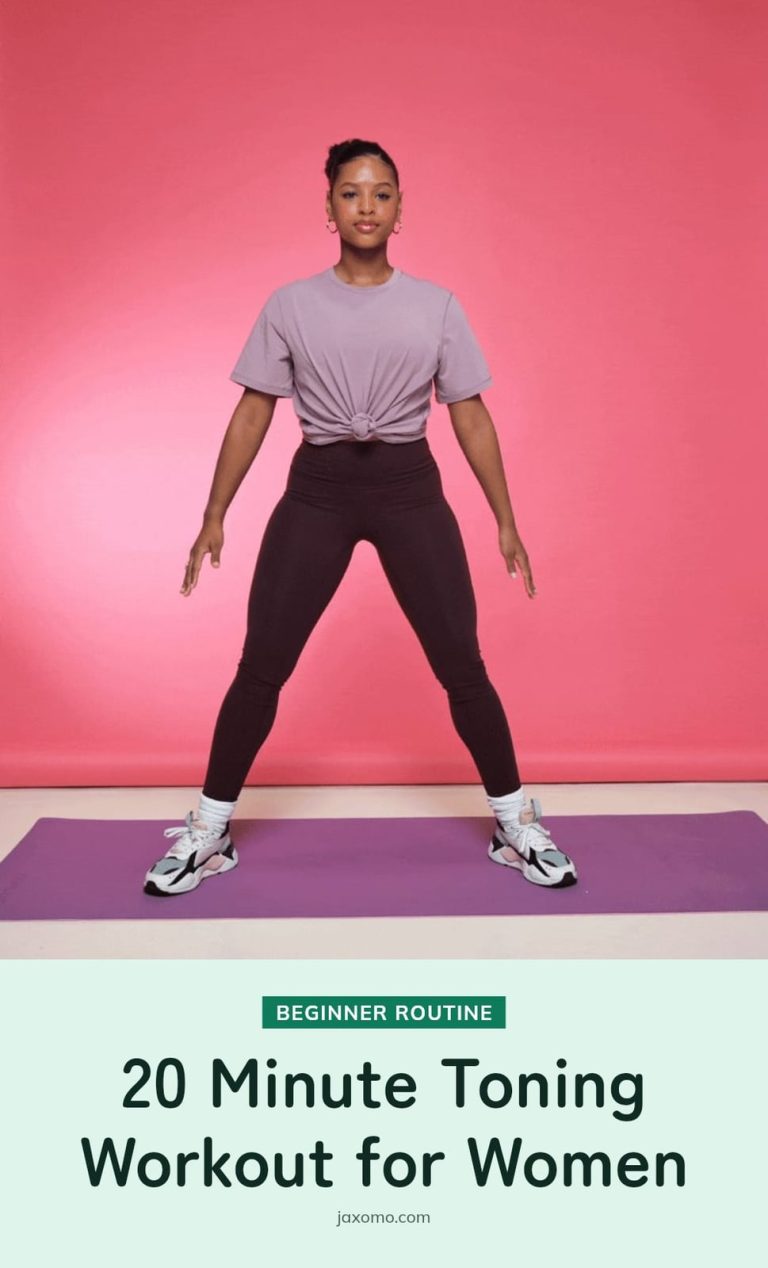
You want to tone up at home, and the good news is you don’t need a gym or fancy equipment to see real changes. Toning is all about building lean muscle and trimming the fat that hides it, and a consistent mix of strength moves and cardio gets you there. This article walks you through a 20-minute routine you can do in your living room, plus the key habits that make it work.
Key Takeaways
- Do 3-5 toning workouts weekly, mixing strength and cardio.
- Use progressive overload: slowly increase reps, resistance, or time.
- Prioritize protein and whole foods to support muscle repair.
- Get 7-9 hours of sleep nightly for recovery and results.
- Expect noticeable changes in 8-12 weeks with consistency.
1. Warm-Up: Arm Circles
Stand with feet shoulder-width apart and arms extended straight out to the sides. Perform 10 small forward circles, then 10 small backward circles. Gradually increase the size of the circles for 30 seconds in each direction, keeping your core engaged and shoulders relaxed.
- Time: 30 seconds per direction
- Form cue: Keep shoulders down and away from your ears
- Make it easier or harder: Start with tiny circles and grow them as your shoulders warm up
2. Squats

Stand with feet shoulder-width apart and toes turned slightly out. Lower your hips as if sitting in a chair, keeping your chest lifted and back straight. Go as low as comfortable, ensuring your knees track over your toes, not past them.
- Sets and reps: 3 sets of 10-12 repetitions
- Form cue: Drive through your heels as you stand up
- Make it easier or harder: Hold a light dumbbell at your chest for added resistance
3. Lunges

Step forward with one leg, lowering your hips until both knees bend at a 90-degree angle. Your front knee should sit directly above your ankle, and your back knee should hover just above the floor. Push off your front foot to return to the starting position, then repeat on the other leg.
- Sets and reps: 3 sets of 8-10 repetitions per leg
- Form cue: Keep your torso upright and core tight to maintain balance
- Make it easier or harder: Perform reverse lunges (step backward) for less knee strain
4. Push-Ups

Start in a plank position with hands slightly wider than shoulder-width apart. Lower your chest toward the floor, keeping your body in a straight line from head to heels. Push back up to the starting position.
- Sets and reps: 3 sets of as many repetitions as possible (AMRAP)
- Form cue: Keep your elbows at a 45-degree angle from your body
- Make it easier or harder: Perform them on your knees if full push-ups are too challenging
5. Plank

Start in a push-up position, then lower onto your forearms with elbows directly under your shoulders. Engage your core, glutes, and quads to keep a straight line from head to heels, and avoid letting your hips sag or rise.
- Time: Hold for 30-60 seconds, 3 sets.
- Form cue: Keep your neck neutral and gaze at the floor.
- Make it easier or harder: Drop to your knees for less intensity, or lift one foot for a challenge.
My tip: Imagine pulling your belly button toward your spine to really activate your core.
6. Glute Bridges
Lie on your back with knees bent, feet flat on the floor hip-width apart, and arms by your sides. Engage your glutes to lift your hips until your body forms a straight line from shoulders to knees. Squeeze at the top, then lower slowly.
- Sets and reps: 3 sets of 12-15 reps.
- Form cue: Keep your chin tucked and ribs down to avoid arching your lower back.
- Make it easier or harder: Place your feet closer to your hips for less range, or extend one leg for a single-leg bridge.
My tip: Don’t arch your lower back; focus on lifting with your glutes.
7. Resistance Band Squat Walks
Place a resistance band just above your knees or ankles. Get into a quarter-squat position, keeping tension on the band, then take small, controlled steps to the side while maintaining the squat and band tension.
- Sets and reps: 3 sets of 10-12 steps in each direction.
- Form cue: Keep your chest up and core tight, and never let your knees cave inward.
- Make it easier or harder: Use a lighter band or place it above the knees; for more challenge, use a heavier band or place it at the ankles.
Tip: Keep your chest up and core tight throughout the movement.
8. Cool-Down: Hamstring Stretch
Lie on your back and bring one knee toward your chest. Grasp behind your thigh (not the knee) and gently straighten your leg toward the ceiling. Hold the stretch for 20-30 seconds, feeling it in the back of your thigh, then switch legs.
- Time: Hold for 20-30 seconds per leg, 1-2 times.
- Form cue: Keep your hips flat on the floor and your toes flexed.
- Make it easier or harder: Bend your knee slightly if the stretch is too intense, or use a towel around your foot for a deeper pull.
Good to know: Breathe deeply and relax into the stretch, don’t force it.
Your Weekly Toning Schedule
Here is a flexible weekly schedule that includes 3-4 toning workouts, with rest days built in for recovery. Adjust the days based on your energy and other commitments.
| Day | Workout | Focus |
|---|---|---|
| Monday | Full-Body Toning (Squats, Lunges, Push-Ups, Plank) | Strength |
| Tuesday | Rest or Light Activity (walking, stretching) | Recovery |
| Wednesday | Resistance Band Work (Squat Walks, Band Rows) | Strength + Glutes |
| Thursday | Rest or Yoga | Recovery |
| Friday | Cardio + Core (30 min brisk walk + Plank variations) | Fat Burn |
| Saturday | Full-Body Toning (Glute Bridges, Lunges, Push-Ups) | Strength |
| Sunday | Rest | Recovery |
Consistency is key, so stick with the plan for at least 8-12 weeks to see noticeable changes. Listen to your body and swap rest days in if you feel sore or tired.
Common Toning Workout Mistakes to Avoid
Neglecting Proper Form: Doing exercises incorrectly can lead to injury and ineffective workouts. Always prioritize good form over doing more reps or lifting heavier. Watch videos or use a mirror to check your technique.
Skipping Progressive Overload: If your workouts don’t get harder over time, your muscles won’t continue to adapt and grow. Gradually increase reps, sets, or introduce resistance bands to keep challenging yourself.
Ignoring Nutrition and Rest: Toning isn’t just about exercise; your muscles need protein to repair and grow, and adequate sleep for recovery. Fuel your body with a balanced diet and aim for 7-9 hours of sleep.
Expecting Instant Results: Building lean muscle and reducing body fat takes time and consistency. Don’t get discouraged if you don’t see changes overnight. Stick with it for at least 8-12 weeks to notice significant progress.
Frequently Asked Questions
How long until I see results from toning workouts?
Most women notice visible changes in muscle definition after 8-12 weeks of consistent training, though this varies by starting point and how strictly you follow the plan. You may feel stronger sooner, but seeing tone takes time. Stick with it, and the mirror will catch up.
Can I tone without weights?
Yes, you can absolutely tone using bodyweight exercises like squats, lunges, push-ups, and planks. These moves build lean muscle effectively. To keep progress going, add resistance bands or increase reps and time under tension, which challenges your muscles without heavy weights.
What is the best diet for muscle toning?
A balanced diet rich in protein, whole grains, fruits, and vegetables supports muscle repair and growth. Aim for protein at each meal to help rebuild muscle after workouts. Don’t drastically cut calories, as that can hinder muscle growth and energy. Hydration matters too, so drink plenty of water.
How often should I do toning workouts at home?
For best results, aim for 3-5 toning sessions per week, with rest days built in. The weekly schedule in the article suggests 3-4 strength days plus light activity, which lets your muscles recover and grow. Listen to your body and take an extra rest day if you feel sore or tired.
Final Thoughts
My tip: pick one day to start and commit to just that one workout, then add another the next week. Realistic changes take 8-12 weeks, so be patient and consistent. Remember, toning is about strength and fat loss together, not quick fixes. Stick with it, and you’ll see definition you can be proud of.
This article provides general fitness information and is not a substitute for professional advice. Before starting any new exercise program, especially if you have health conditions, consult a healthcare provider. If you experience sharp pain, dizziness, or extreme shortness of breath during exercise, stop immediately and seek medical help.