Glute Workout for Women: At-Home Routine
Strengthen your glutes with this effective at-home workout routine for women. Learn proper form, key exercises, and a weekly plan to build strength and shape.

You don’t need a gym membership or fancy equipment to build a stronger, more sculpted lower body. A focused glute workout at home can help you improve your posture, reduce back pain, and boost your athletic performance. In this article, I’ll walk you through a complete at-home routine that targets all three glute muscles, plus tips on form, frequency, and avoiding common mistakes.
Key Takeaways
- Aim for 2-3 glute-focused workouts per week with rest days in between for muscle repair.
- Master proper form before increasing reps or adding resistance to prevent injury.
- Include exercises that target hip extension, abduction, and external rotation for balanced development.
- Use progressive overload by gradually increasing reps, sets, or resistance to continue seeing results.
- Activate your glutes with warm-up moves like glute squeezes before your main workout.
1. Dynamic Warm-Up: Leg Swings
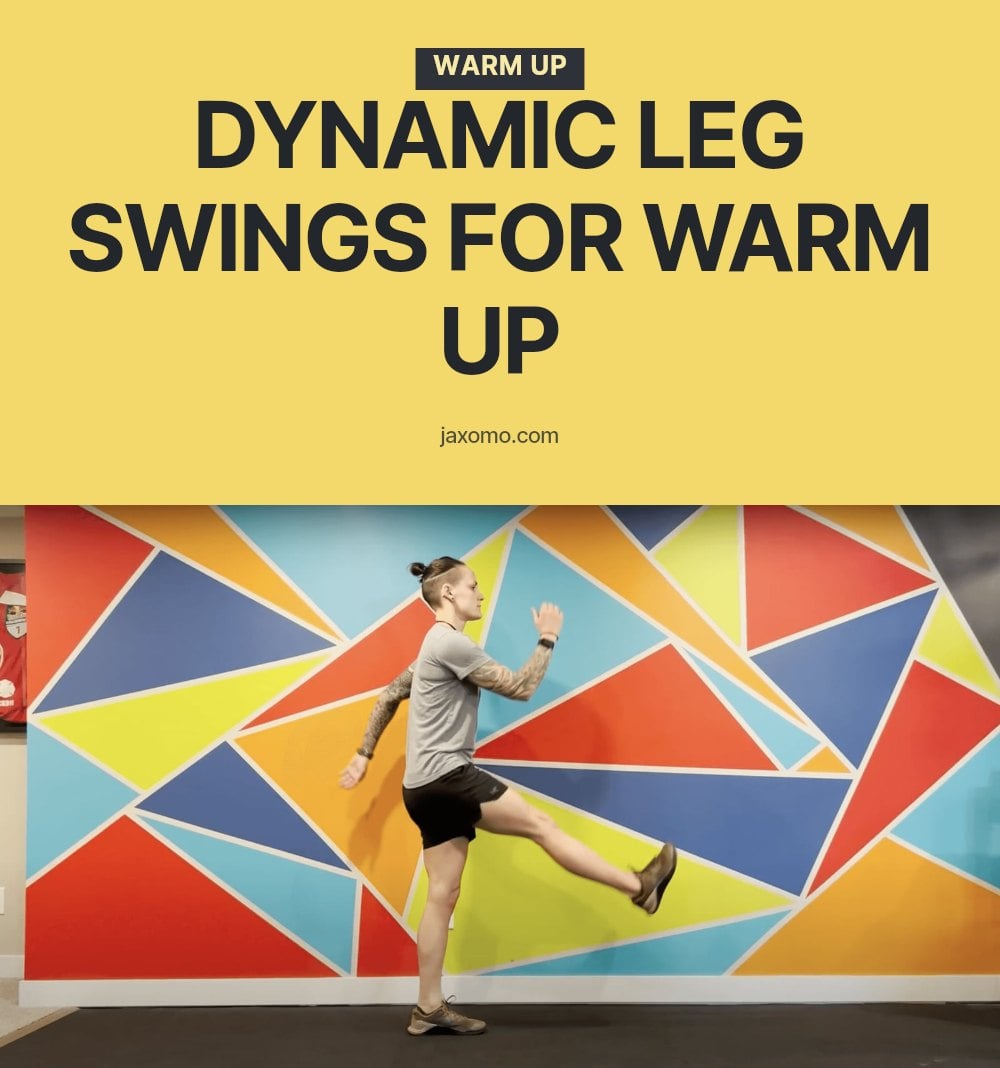
Stand tall next to a wall or chair for balance. Swing one leg forward and backward in a controlled arc, letting the motion increase naturally as you warm up. Keep your torso upright and your standing leg slightly bent.
- Sets and reps: 10-15 swings per leg, 1 round total.
- Form cue: Keep the movement smooth and avoid jerking or twisting your upper body.
- Make it easier or harder: Start with small swings and gradually increase the height. For more challenge, hold a light household item like a water bottle or a can of soup in the hand opposite the swinging leg.
2. Glute Bridges
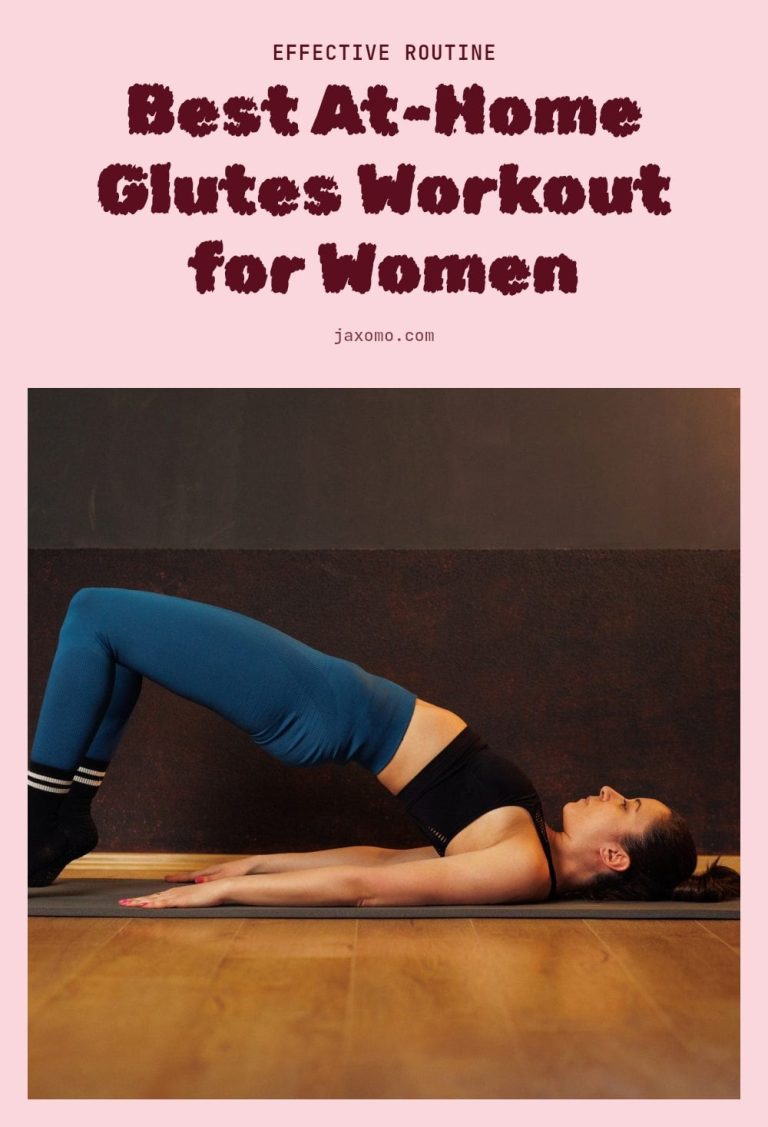
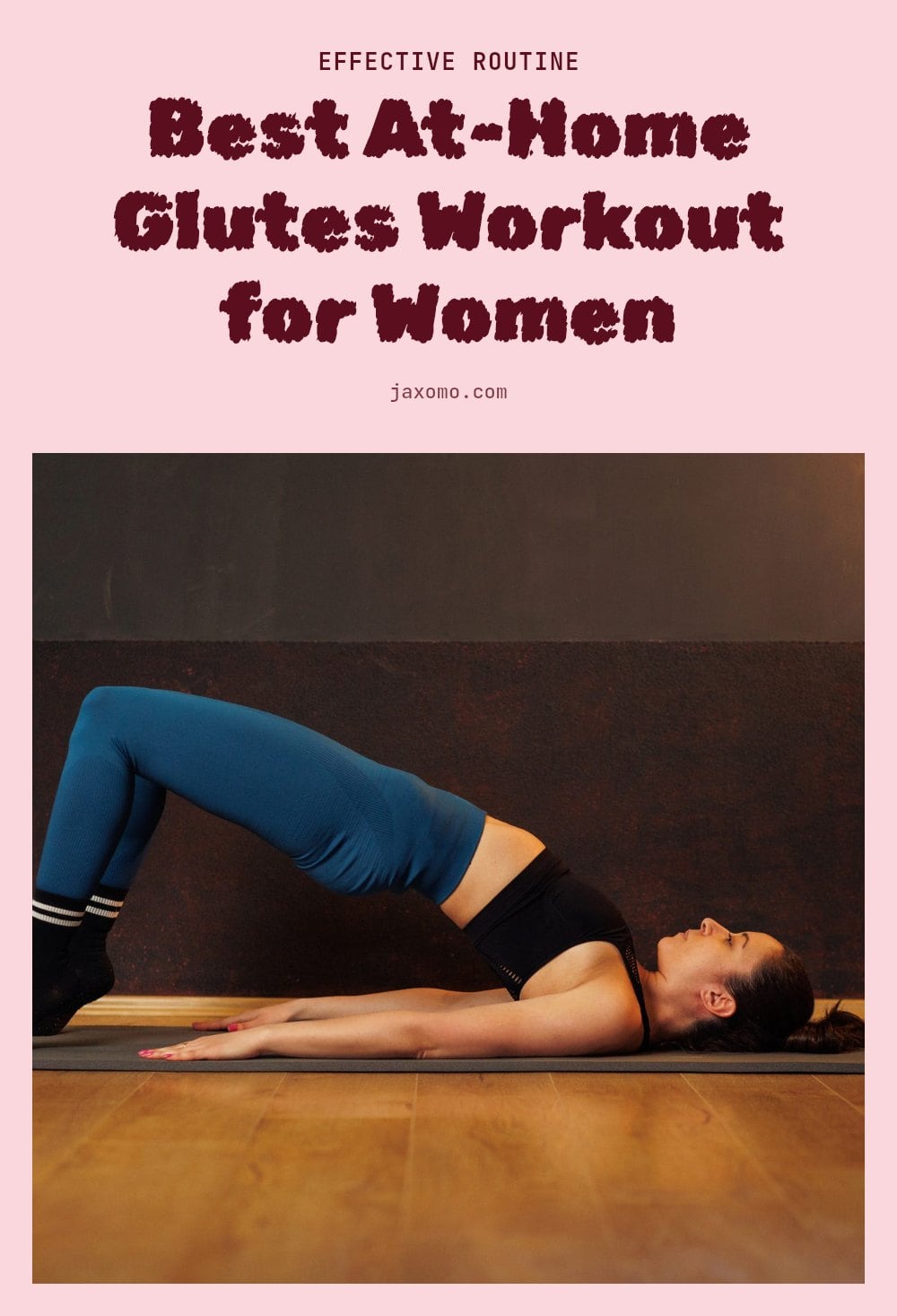
Lie on your back with knees bent, feet flat on the floor hip-width apart and close to your glutes. Press through your heels, lift your hips until your body forms a straight line from shoulders to knees, and squeeze your glutes at the top. Lower slowly back down.
- Sets and reps: 3 sets of 12-15 repetitions.
- Form cue: Drive through your heels and squeeze your glutes at the peak of the movement.
- Make it easier or harder: For an easier version, perform a bridge with feet closer to your glutes. For more challenge, place a resistance band just above your knees or hold a full water bottle or a heavy book across your hips.
3. Bodyweight Squats
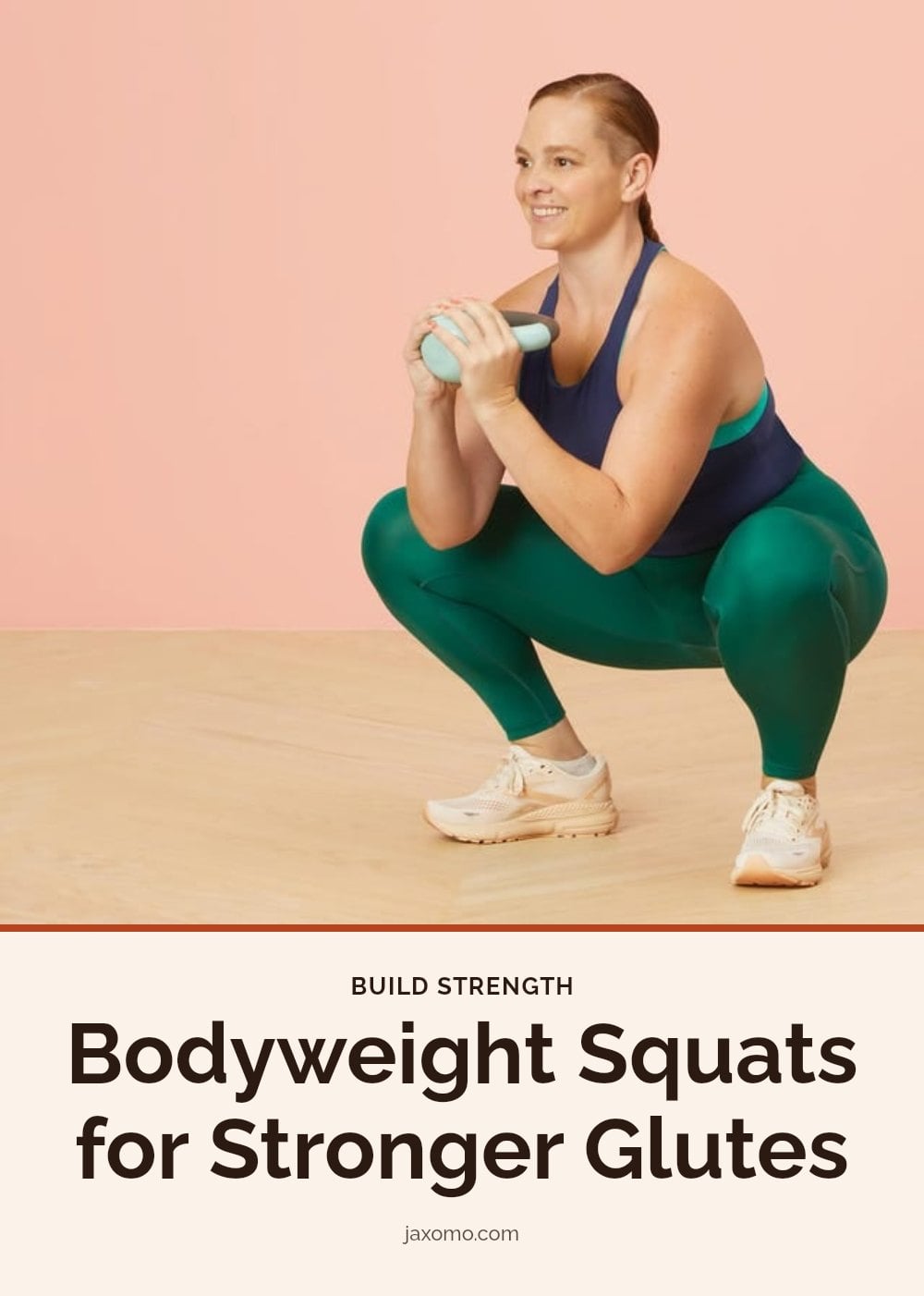
Stand with feet shoulder-width apart and toes slightly pointed out. Lower your hips as if sitting into a chair, keeping your chest up and back straight. Go as deep as comfortable, ideally until your thighs are parallel to the floor, then push through your heels to return to standing.
- Sets and reps: 3 sets of 10-12 repetitions.
- Form cue: Ensure your knees track over your toes and don’t cave inward.
- Make it easier or harder: For an easier version, squat to a chair or bench. For more challenge, hold a heavy household item like a water jug or a stack of books at chest height.
4. Walking Lunges
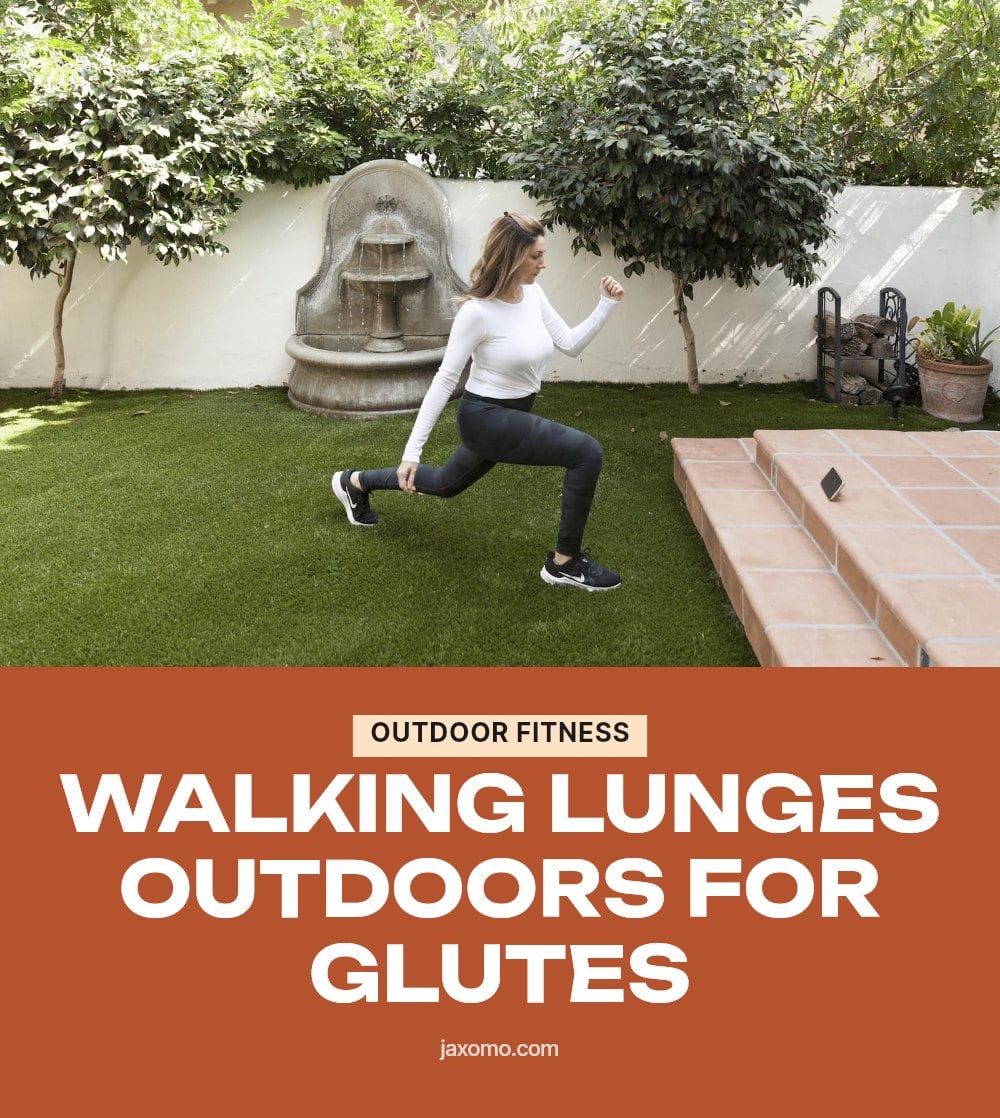
Step forward with one leg, lowering your hips until both knees are bent at about a 90-degree angle. Your front knee should be directly above your ankle, and your back knee should hover just above the floor. Push off your back foot to bring it forward, stepping into the next lunge. Alternate legs as you move.
- Sets and reps: 3 sets of 10-12 lunges per leg.
- Form cue: Keep your front knee aligned with your toes and your torso upright throughout the movement.
- Make it easier or harder: For an easier version, perform stationary lunges instead of walking. For more challenge, hold a light household item like a filled water bottle in each hand or loop a resistance band around your thighs.
5. Donkey Kicks
Start on all fours with your hands directly under your shoulders and knees under your hips. Keeping your knee bent at 90 degrees, lift one leg straight back and up toward the ceiling, squeezing your glute at the top. Lower with control and repeat.
- Sets and reps: 3 sets of 15-20 reps per leg
- Form cue: Keep your core engaged and avoid arching your back to isolate the glute.
- Make it harder: Hold the top position for a 2-second squeeze, or place a light household item like a water bottle behind your knee for added resistance.
6. Fire Hydrants

Begin on all fours, same starting position as donkey kicks. Keeping your knee bent at 90 degrees, lift one leg out to the side, away from your body, like a dog at a fire hydrant. Maintain a stable torso, avoid shifting your weight, and lower with control.
- Sets and reps: 3 sets of 15-20 reps per leg
- Form cue: Keep your hips square and your core tight to prevent rocking.
- Make it easier: Reduce your range of motion; focus on a small, controlled lift.
7. Clamshells (with optional resistance band)

Lie on your side with knees bent at 90 degrees, legs stacked, and hips stacked. Keep your feet together and lift your top knee toward the ceiling, rotating your hip open. Lower slowly. For an added challenge, place a resistance band around your thighs just above your knees.
- Sets and reps: 3 sets of 15-20 reps per side
- Form cue: Keep your pelvis stable; don’t let your hips roll back.
- Make it harder: Use a thicker resistance band or hold the top position for 2 seconds.
8. Cool-Down: Figure-Four Stretch
Lie on your back with knees bent and feet flat on the floor. Cross one ankle over the opposite knee, forming a figure-four shape. Gently pull the bottom thigh toward your chest until you feel a stretch in your glute.
- Time: Hold for 20-30 seconds per side
- Form cue: Breathe deeply and relax into the stretch; avoid bouncing.
- Make it easier: Keep your head and shoulders on the floor and pull gently.
Your Weekly Glute Workout Schedule
Consistency is key for results, so aim for 2-3 glute-focused workouts per week. This schedule gives you a balanced routine that targets all three glute muscles while leaving recovery days for muscle repair.
| Day | Workout Focus | Exercises |
|---|---|---|
| Monday | Full glute workout | Bridges, squats, donkey kicks, fire hydrants |
| Wednesday | Strength & stability | Walking lunges, clamshells, figure-four stretch |
| Friday | Variation & overload | Same exercises, add bands or extra reps |
Remember to listen to your body and adjust as needed. If you feel sore, take an extra rest day or swap a workout for light stretching. Progress happens with patience, not pushing through pain.
Common Mistakes to Avoid in Your Glute Workout
Not Activating Your Glutes: Many people rely on their quads or lower back during glute exercises. My tip: Before starting, do a few glute squeezes to ‘wake them up’ and focus on the mind-muscle connection during each rep.
- Rushing Through Reps: Using momentum instead of controlled movement reduces effectiveness. Slow down, focus on the squeeze, and control the eccentric (lowering) phase.
- Ignoring Progressive Overload: If your workouts never get harder, your muscles won’t grow. Gradually increase reps, sets, or add resistance bands or light weights when exercises become too easy.
- Skipping Warm-ups and Cool-downs: This increases injury risk and limits performance. Always warm up dynamically and cool down with static stretches.
Frequently Asked Questions
How often should I work out my glutes at home?
For best results, aim for 2 to 3 glute-focused sessions per week. This frequency allows enough stimulus for growth while giving your muscles time to recover and repair on the days in between.
Can I build glutes without weights?
Yes, bodyweight exercises can effectively build glute strength and muscle, especially if you’re a beginner or have limited equipment. To keep progressing, use progressive overload by increasing reps, slowing down the tempo, or adding resistance bands over time.
What is the best way to activate glutes before a workout?
Start with a few glute squeezes while standing or lying down to ‘wake them up.’ Then do a dynamic warm-up that includes leg swings and bodyweight bridges. This helps improve mind-muscle connection so your glutes engage more during the main exercises.
How long does it take to see glute results?
With consistent training 2-3 times per week, you may start to notice improvements in strength and muscle tone within several weeks. Visible changes in shape and size typically take a few months of regular effort, proper nutrition, and adequate recovery.
Final Thoughts
Consistency and proper form matter more than how heavy you go. Stick with 2-3 glute workouts per week, and expect to see noticeable changes in strength and definition over several weeks to months. My tip: focus on the mind-muscle connection during every rep to make sure your glutes are doing the work, not your lower back or quads. Keep showing up, and your body will respond.
This information is for general informational purposes only and does not constitute medical or professional advice. Before starting any new exercise program, consult a healthcare professional or physical therapist, especially if you have pre-existing conditions or injuries. Stop immediately if you experience sharp pain during any exercise.