Feminine Hygiene Routine Guide: Gentle Care for Your Intimate Health
Learn the truth about feminine hygiene. Discover gentle, effective practices for intimate care, supporting your body's natural balance and comfort.

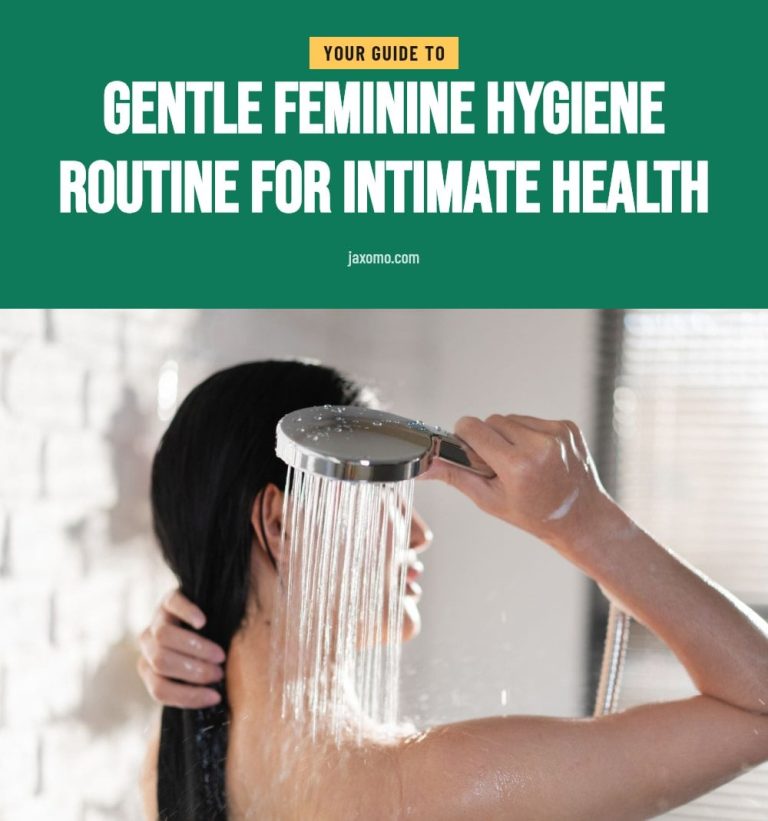
There is a lot of confusing advice out there about feminine hygiene, but the truth is simpler than you might think. Your vagina is a self-cleaning organ, so most of the work is already done for you. This article covers what you actually need to do for gentle, effective care of your intimate area, from your daily routine to the products you really need.
Key Takeaways
- Clean your vulva daily with warm water; mild, unscented soap is optional for external use only.
- Never douche or use scented products on your intimate area to avoid irritation and infections.
- Wipe from front to back after using the toilet to prevent bacteria from entering the vagina.
- Wear breathable cotton underwear and change out of wet clothes promptly to reduce moisture buildup.
- Consult a healthcare professional if you experience persistent itching, burning, unusual discharge, or a strong odor.
Understanding Feminine Hygiene: What You Really Need to Know
Feminine hygiene is really about caring for the vulva, the external area, not the vagina itself. The vagina is a self-cleaning organ, so internal washing is unnecessary. Gentle external cleaning with warm water is all you need to maintain comfort and prevent irritation. Avoid douching or any internal washing, as this can disrupt your natural pH and beneficial bacteria, leading to problems rather than preventing them.
Why Your Vagina is a Self-Cleaning Wonder

Why Your Vagina is a Self-Cleaning Wonder
Your vagina is designed to take care of itself. It naturally maintains an acidic pH, typically between 3.8 and 4.5, and a healthy balance of beneficial bacteria, primarily lactobacilli. This ecosystem works to prevent the overgrowth of harmful bacteria and yeast, keeping things in check without any help from you.
When you interfere with this balance by douching or using harsh products, you can disrupt the pH and wipe out the good bacteria. This disruption can actually increase your risk of infections like bacterial vaginosis or yeast infections. The best approach is to let your body do its job and focus your cleaning routine on the external vulva only.
Your Essential Feminine Hygiene Toolkit

You don’t need a lot of special products for proper feminine hygiene. Here is what you actually need:
- Warm water for daily external cleaning.
- Mild, unscented soap (optional, for external use on the vulva only).
- Cotton underwear for breathability and moisture control.
- Appropriate menstrual products like pads, tampons, or cups for regular changes.
Your Daily Routine for Gentle Intimate Care
A simple daily routine is all it takes to keep your intimate area comfortable and healthy. Here are the key steps:
- Clean the vulva daily: Use warm water to gently wash the external folds of the vulva. If you prefer, you can use a mild, unscented soap on the vulva, but make sure to rinse it off thoroughly.
- Wipe from front to back: After using the toilet, always wipe from front to back. This prevents bacteria from the anus from being transferred to the vagina or urethra, reducing the risk of infections.
- Change menstrual products regularly: Follow the instructions on your pads, tampons, or menstrual cups. Changing them every 4 to 8 hours helps prevent odor and reduces the risk of infection, including toxic shock syndrome with tampons.
- Shower after exercise: Sweat and moisture can create a breeding ground for bacteria. Shower promptly after a workout to remove sweat and keep the area dry.
Common Feminine Hygiene Mistakes to Avoid
Douching: Never douche. It disrupts your natural pH and increases the risk of infections like bacterial vaginosis and yeast infections.
Using Scented Products: Avoid scented soaps, washes, sprays, or wipes near your vulva or vagina. The fragrances and chemicals can cause irritation and throw off your natural balance.
Over-Washing or Scrubbing: Gentle cleaning with warm water is enough. Aggressive washing strips natural oils and can lead to irritation and dryness.
Ignoring Symptoms: Don’t dismiss persistent itching, unusual discharge, or strong odors. These are signs your body needs attention, and a doctor should evaluate them.
Wearing Tight, Non-Breathable Clothing: Tight fabrics trap moisture and heat, creating a breeding ground for bacteria. Opt for breathable cotton underwear and loose-fitting clothes when possible.
Debunking Common Feminine Hygiene Myths
Myth: You need to ‘clean’ your vagina internally.
Reality: The vagina is a self-cleaning organ. Internal washing, like douching, is unnecessary and can actually harm your vaginal health by disrupting its natural balance.
Myth: All vaginal odor is ‘bad’ and needs to be masked.
Reality: A healthy vagina has a natural, mild scent that can vary throughout your cycle. Strong or foul odors are a sign of a potential issue, not something to be covered up with scented products.
Myth: You need special ‘feminine hygiene’ products.
Reality: Most ‘feminine hygiene’ products are unnecessary and can cause more harm than good. Warm water and sometimes a mild, unscented soap for external cleaning are all you need.
Smart Tips for Optimal Intimate Comfort

Choose Cotton Underwear: Breathable cotton helps prevent moisture buildup and promotes air circulation, reducing the risk of irritation and infections.
Stay Hydrated: Drinking plenty of water supports overall bodily functions, including healthy vaginal lubrication.
Change Out of Wet Clothes Promptly: Don’t linger in wet swimsuits or sweaty workout gear. This creates a breeding ground for bacteria and yeast.
Consider Your Laundry Detergent: Harsh or scented detergents can irritate sensitive skin. Opt for hypoallergenic, unscented options for washing your underwear.
When to Consult a Healthcare Professional
Consult a healthcare professional if you experience:
- Persistent itching, burning, or pain in your intimate area
- An unusual or strong odor that is not typical for you
- A change in vaginal discharge (color, consistency, amount) that concerns you
- Unexplained redness, swelling, or sores
- Symptoms that suggest an infection or STI
Do not self-diagnose. A doctor can provide an accurate diagnosis and appropriate treatment.
Frequently Asked Questions
What is the best soap for feminine hygiene?
If you choose to use soap on your vulva, a mild, unscented soap is your best option. Many people find that warm water alone is sufficient. Avoid any scented or antibacterial soaps, as they can disrupt your natural pH and cause irritation.
Can stress affect vaginal health?
Yes, stress can impact your vaginal health. High stress levels may affect your hormone balance and immune system, which can sometimes lead to changes in discharge or make you more susceptible to infections like yeast infections. Managing stress is good for your overall health, including your intimate area.
How often should I change my underwear?
You should change your underwear daily, or more often if it becomes damp or soiled. Wearing breathable cotton underwear and changing it regularly helps prevent moisture buildup and reduces the risk of irritation or infections.
What is the difference between the vulva and the vagina?
The vulva is the external part of your genital area, including the labia, clitoris, and the opening to the vagina. The vagina is the internal muscular canal. Feminine hygiene focuses on cleaning the vulva with warm water, not the vagina, which is self-cleaning.
Final Thoughts
Your best bet for intimate health is to keep it simple. Stick to warm water for daily external cleaning, wear cotton underwear, and change menstrual products regularly. If you notice any persistent symptoms like itching, burning, or a change in discharge, see a healthcare professional rather than trying to treat it yourself. Trust your body’s natural balance, and you will be just fine.
This article provides general information about feminine hygiene and is not a substitute for professional medical advice. If you have persistent symptoms, unusual discharge, pain, or other concerns about your intimate health, please consult a healthcare professional for personalized care.