Posture Exercises to Stand Taller and Feel Better
Discover effective posture exercises to stand taller, reduce pain, and boost your confidence. Learn simple adjustments for daily life and common mistakes.

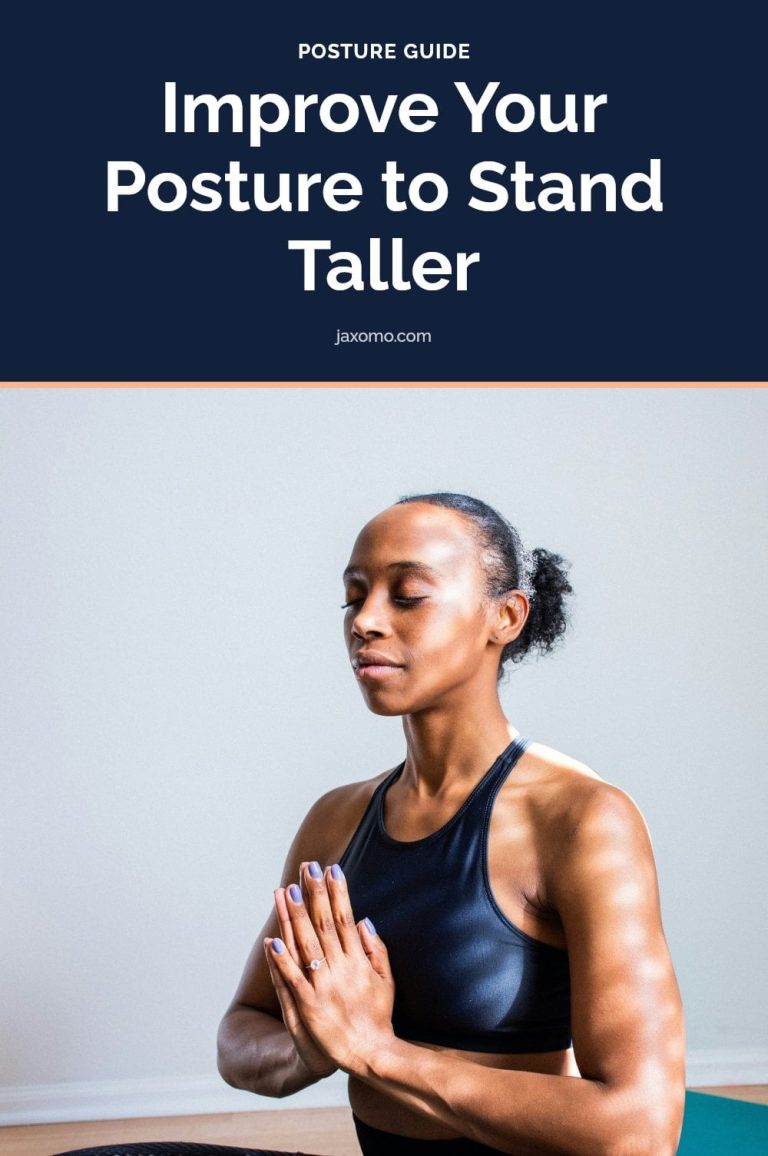
You know that feeling when your shoulders creep forward and your neck starts to ache after a long day at the desk? I’ve been there, and the good news is that small, consistent changes can make a real difference. This article walks you through simple posture exercises and everyday adjustments that can help you stand taller, ease tension, and feel more comfortable in your body.
From chin tucks to wall angels, I’ll show you how to strengthen the muscles that support good alignment and stretch the ones that pull you out of it. You’ll also find a weekly plan to keep you on track.
Key Takeaways
- Keep ears, shoulders, hips, and ankles in a line when standing.
- Do chin tucks and shoulder blade squeezes daily to strengthen upper back.
- Take breaks from sitting every hour to reset your posture.
- Adjust your computer screen to eye level to prevent neck strain.
- Consistent practice for 10-15 minutes daily shows improvements in weeks.
1. Chin Tuck

Sit or stand tall with your head facing forward. Gently pull your chin straight back, as if creating a double chin, while keeping your head level rather than tilting it down. Hold each repetition for 5 seconds, then release.
- Sets and reps: 1 set of 10-15 repetitions, each held for 5 seconds
- Form cue: Focus on lengthening the back of your neck as you pull back
- Make it easier or harder: Start with 5 repetitions held for 3 seconds each, then build up to 15 repetitions held for 5 seconds
2. Shoulder Blade Squeeze
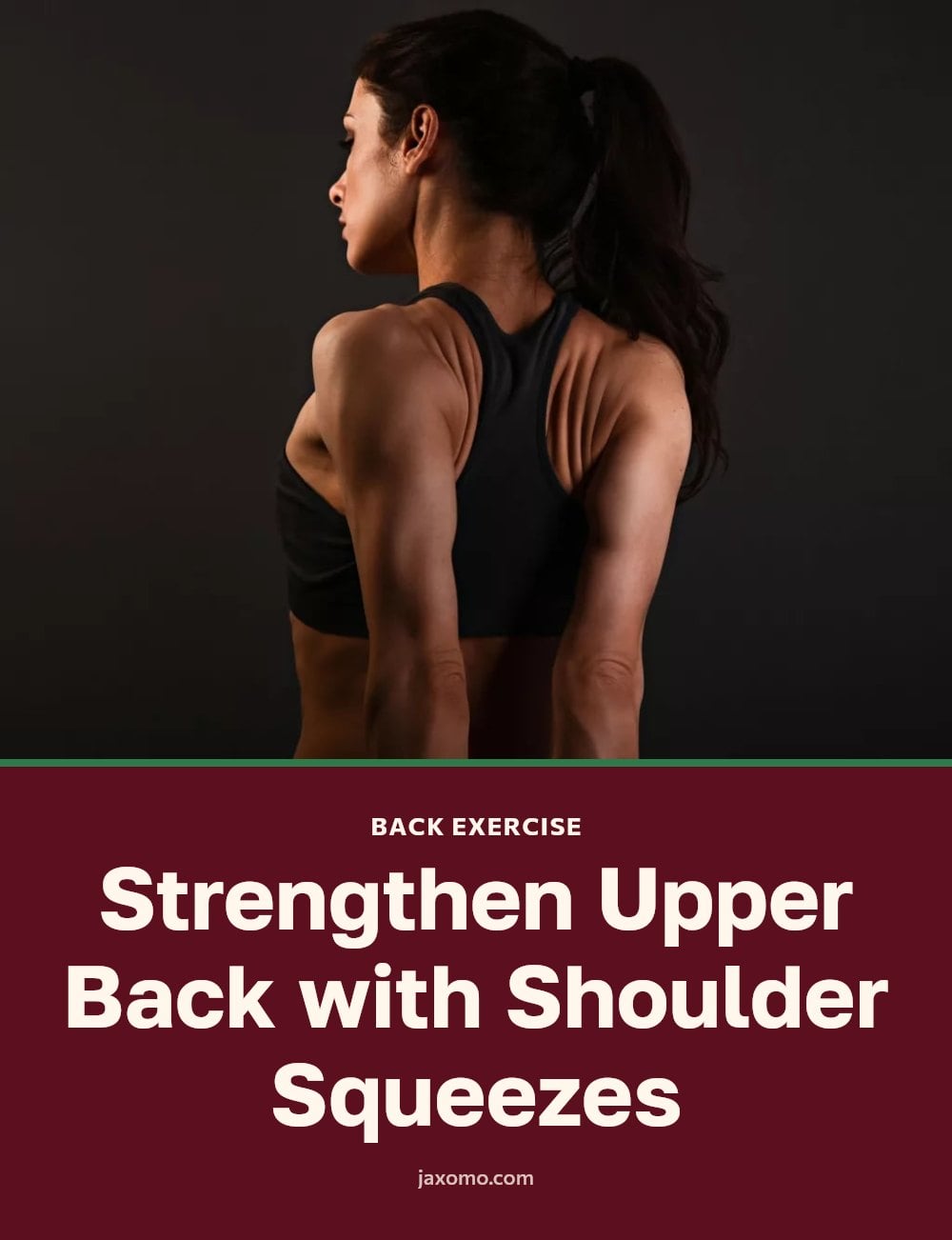
Stand or sit with your arms relaxed at your sides. Squeeze your shoulder blades together as if holding a pencil between them, keeping your shoulders down and away from your ears. Hold for 5 seconds, then release.
- Sets and reps: 10-15 repetitions, each with a 5-second hold
- Form cue: Focus on the movement originating from your shoulder blades, not from shrugging
- Make it easier or harder: Perform seated if you have balance concerns
3. Pelvic Tilt
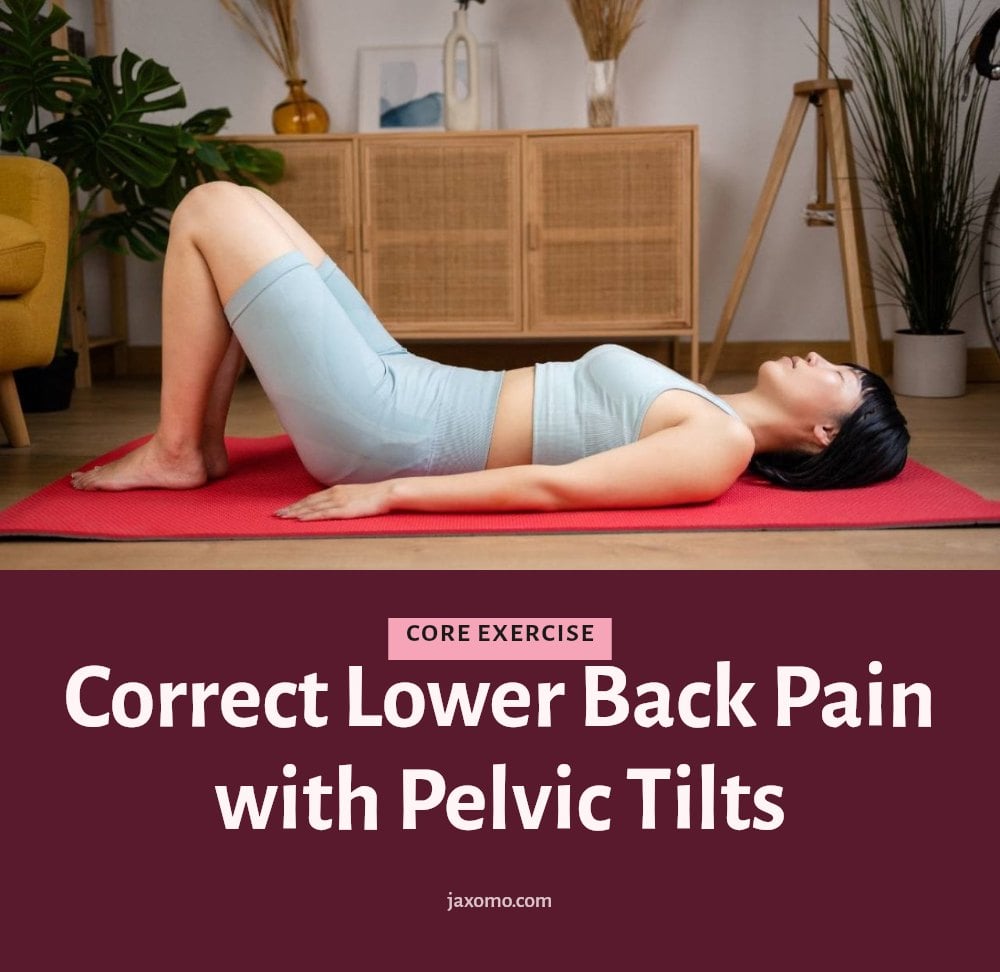
Lie on your back with knees bent and feet flat on the floor. Gently tilt your pelvis upward to press your lower back flat against the floor, engaging your abdominal muscles as you tilt. Hold the tilt for 5 seconds, then release back to neutral.
- Sets and reps: 10-15 repetitions, each with a 5-second hold
- Form cue: Keep your movement slow and controlled
- Make it easier or harder: Place hands on your lower back to feel the press
4. Wall Angels
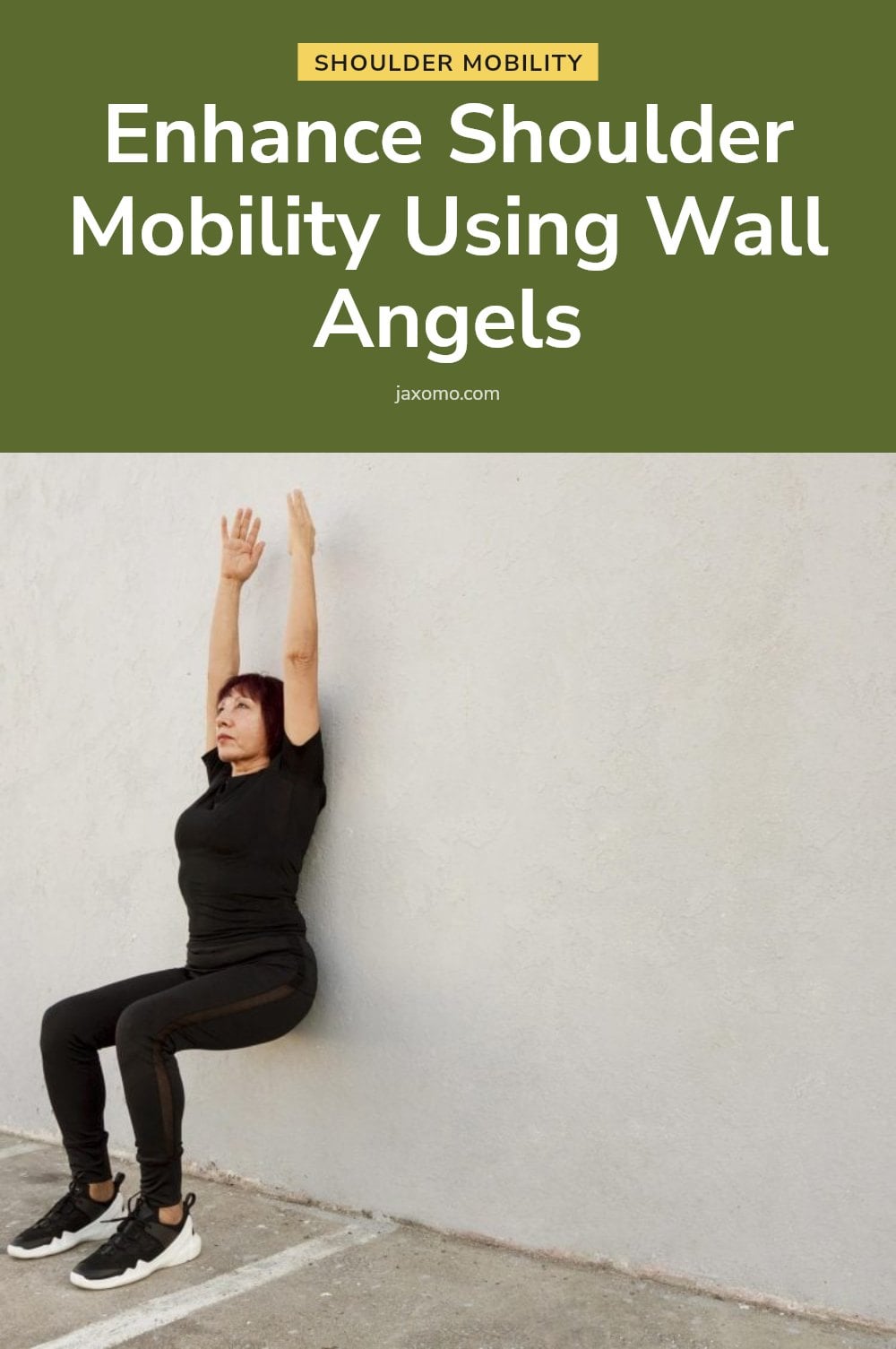
Stand with your back against a wall, feet about 6 inches away. Press your head, shoulders, and lower back against the wall. Raise your arms to a goalpost position with elbows and wrists touching the wall, then slowly slide them up and back down while maintaining contact.
- Sets and reps: 8-12 repetitions
- Form cue: Keep your entire back and arms in contact with the wall as much as possible
- Make it easier or harder: Reduce range of motion if you feel strain
5. Cat-Cow Stretch
Start on all fours with your hands directly under your shoulders and knees under your hips. Inhale as you drop your belly toward the floor, lifting your chest and tailbone toward the ceiling (Cow pose). Exhale and round your spine upward, tucking your chin and tailbone under (Cat pose). Flow smoothly between these two positions.
- Time: 10-15 slow, controlled repetitions
- Form cue: Coordinate each movement with your breath, inhale for Cow, exhale for Cat
- Make it easier: Reduce your range of motion if you feel any strain in your wrists
6. Standing Chest Stretch
Stand tall and interlace your fingers behind your back. Gently straighten your arms and lift them slightly away from your body until you feel a stretch across your chest and the front of your shoulders. Keep your chest open without arching your lower back.
- Time: Hold for 20-30 seconds, repeat 2-3 times
- Form cue: Keep your shoulders down and away from your ears as you lift
- Make it easier: Lift your arms only a few inches if the full stretch feels too intense
7. Doorway Stretch
Stand in a doorway and place your forearms on the doorframe with your elbows at shoulder height. Step one foot forward gently, leaning into the stretch until you feel a gentle pull across your chest and front of your shoulders. Do not force the movement.
- Time: Hold for 20-30 seconds, repeat 2-3 times per side
- Form cue: Keep your back straight and avoid twisting your torso
- Make it easier: Place your forearms lower on the frame for a less intense stretch
8. Glute Bridges
Lie on your back with your knees bent and feet flat on the floor, hip-width apart. Press through your heels and lift your hips until your body forms a straight line from your shoulders to your knees. Squeeze your glutes at the top and hold for 2-3 seconds before lowering slowly. Strong glutes support your pelvis and lower back, which is key for overall posture.
- Sets and reps: 10-15 repetitions, holding the top for 2-3 seconds each time
- Form cue: Keep your core engaged and avoid letting your hips sag at the top
- Make it harder: Perform single-leg bridges by lifting one foot off the floor
Your Weekly Posture Improvement Plan
| Day | Focus | Exercise (choose one) |
|---|---|---|
| Monday | Upper back & neck | Chin tucks + Shoulder blade squeezes |
| Tuesday | Core & lower back | Pelvic tilts + Glute bridges |
| Wednesday | Active rest | Mindful posture checks every hour |
| Thursday | Chest & shoulders | Doorway stretch + Standing chest stretch |
| Friday | Spinal mobility | Cat-cow stretch + Wall angels |
| Saturday | Full-body flow | All 7 exercises, 1 set each |
| Sunday | Rest & reflect | Light walking, note posture wins |
Consistency is key for noticeable improvements. Listen to your body and reduce repetitions or rest an extra day if you feel soreness. Incorporate mindful posture checks throughout your day by setting a timer or using a sticky note on your monitor.
Common Posture Mistakes to Avoid
- Myth: Good posture means standing rigidly straight with an arched back. This can strain your spine. Instead, aim for a natural, relaxed alignment with your ears, shoulders, hips, and ankles in a line.
- Mistake: Focusing only on the upper back while neglecting core and lower body alignment. Your entire chain works together; engage your core and keep your pelvis neutral.
- Mistake: Trying to correct posture only when you experience pain. Use posture exercises as a preventative measure, not just a reaction to discomfort.
- Mistake: Ignoring ergonomic setup at work or home. A poorly adjusted chair, desk, or screen can sabotage your daily efforts.
- Mistake: Expecting immediate results. Consistent practice over weeks to months builds the muscle memory and strength needed for lasting change.
Frequently Asked Questions
How long does it take to improve posture?
With consistent daily practice of posture exercises for 10 to 15 minutes, combined with mindful adjustments throughout the day, you may notice improvements in comfort and alignment within a few weeks to a few months. Consistency is key, so stick with it even if results feel slow at first.
Can poor posture cause headaches?
Yes, poor posture can contribute to tension in the neck and shoulders, which may lead to headaches. Forward head posture, in particular, strains the muscles at the base of the skull. If you experience frequent headaches, improving your posture may help, but it’s wise to consult a healthcare professional for persistent issues.
Is it bad to cross your legs?
Crossing your legs for extended periods while sitting can put uneven pressure on your hips and lower back, potentially contributing to discomfort over time. It’s better to keep both feet flat on the floor with knees at a 90-degree angle. If you do cross, switch sides regularly and take breaks to stand and stretch.
What is the best sleeping position for posture?
Sleeping on your back with a supportive pillow under your head and knees is often recommended for spinal alignment. Side sleeping with a pillow between your knees can also work well. Avoid sleeping on your stomach, as it can strain your neck and lower back. Choose a mattress that keeps your spine neutral.
Can I fix my posture without exercises?
Exercises are the most effective way to strengthen the muscles that support good posture, but you can also make daily adjustments. Set up your workspace ergonomically, take frequent breaks to stand and move, and practice mindful posture checks throughout the day. These habits complement exercise and help reinforce better alignment.
Final Thoughts
My tip: pick one exercise from the weekly plan and do it every day for a week, then add another. You don’t need to overhaul your routine overnight. Just 10 to 15 minutes of daily practice, plus mindful breaks and ergonomic tweaks, can lead to noticeable comfort and alignment within a few weeks to a few months.
Remember, good posture isn’t about being rigid. It’s about finding a natural, balanced position that you can hold without strain. Start where you are, listen to your body, and be patient with yourself. Your future self will thank you.
This article is for general informational purposes only and is not a substitute for professional medical advice. If you have a pre-existing condition, experience sharp pain, numbness, or tingling, or have concerns about your posture, please consult a doctor or physical therapist before starting any new exercise routine.