Deodorant Tips for Effective Odor Control
Master effective odor control with these deodorant tips. Learn how to choose, apply, and troubleshoot deodorant for lasting freshness and confidence.


You know the feeling when you’re out and about and suddenly wonder if your deodorant is still holding up. I’ve been there, and the good news is that a few simple tweaks can make a big difference in how well your deodorant works for you. This article covers the key differences between deodorant and antiperspirant, how to apply it right, and what to do if you have sensitive skin or are switching to a natural option.
Whether you’re a stick, spray, or cream person, these tips will help you stay fresh and confident all day.

Key Takeaways
- Apply deodorant to clean, dry skin for best results.
- Allow stick or roll-on deodorant to dry fully before dressing to prevent stains.
- Natural deodorants can take two to four weeks for your body to adjust.
- Reapply deodorant after heavy sweating or exercise to maintain freshness.
- Stop use and see a dermatologist if you have persistent skin irritation.
What You Need to Know About Deodorant
Deodorant is all about fighting odor, not sweat. It works by masking or neutralizing the smell that happens when bacteria on your skin break down sweat. That’s a key difference from antiperspirant, which blocks sweat ducts to reduce wetness. To get the most out of any deodorant, you need to pick the right type for your body and apply it to clean, dry skin. Get those two things right, and you’re set.
1. Understand Deodorant Versus Antiperspirant
Deodorant and antiperspirant do different jobs. Deodorant targets odor by masking it with fragrance or killing the odor-causing bacteria on your skin’s surface. Antiperspirant, on the other hand, uses aluminum-based compounds to temporarily block sweat ducts, reducing wetness.
- Deodorant: fights odor, not sweat.
- Antiperspirant: reduces sweat, and often includes odor-fighting ingredients too.
My tip: If wetness is your main concern, an antiperspirant is what you need. If it’s just odor, stick with a deodorant.
2. Apply to Clean, Dry Skin

Always apply deodorant to clean, dry underarms. Moisture or existing sweat can dilute the product, reducing its ability to neutralize odor-causing bacteria. So after your shower, dry your underarms thoroughly before applying.
My tip: Make sure your underarms are completely dry after showering before you apply your deodorant. A quick pat with a towel is usually enough.
3. Choose the Right Form for You

Deodorants come in several forms, and each has its own feel. Sticks are popular for their ease of application, while roll-ons and gels can feel cooler on the skin. Sprays offer quick application, and creams can be good for sensitive skin or targeted use.
- Sticks: easy, no mess.
- Roll-ons and gels: cool and smooth.
- Sprays: fast and dry.
- Creams: gentle and precise.
My tip: experiment to see what texture and application method you prefer, and what feels most comfortable on your skin.
4. Allow Deodorant to Dry Completely
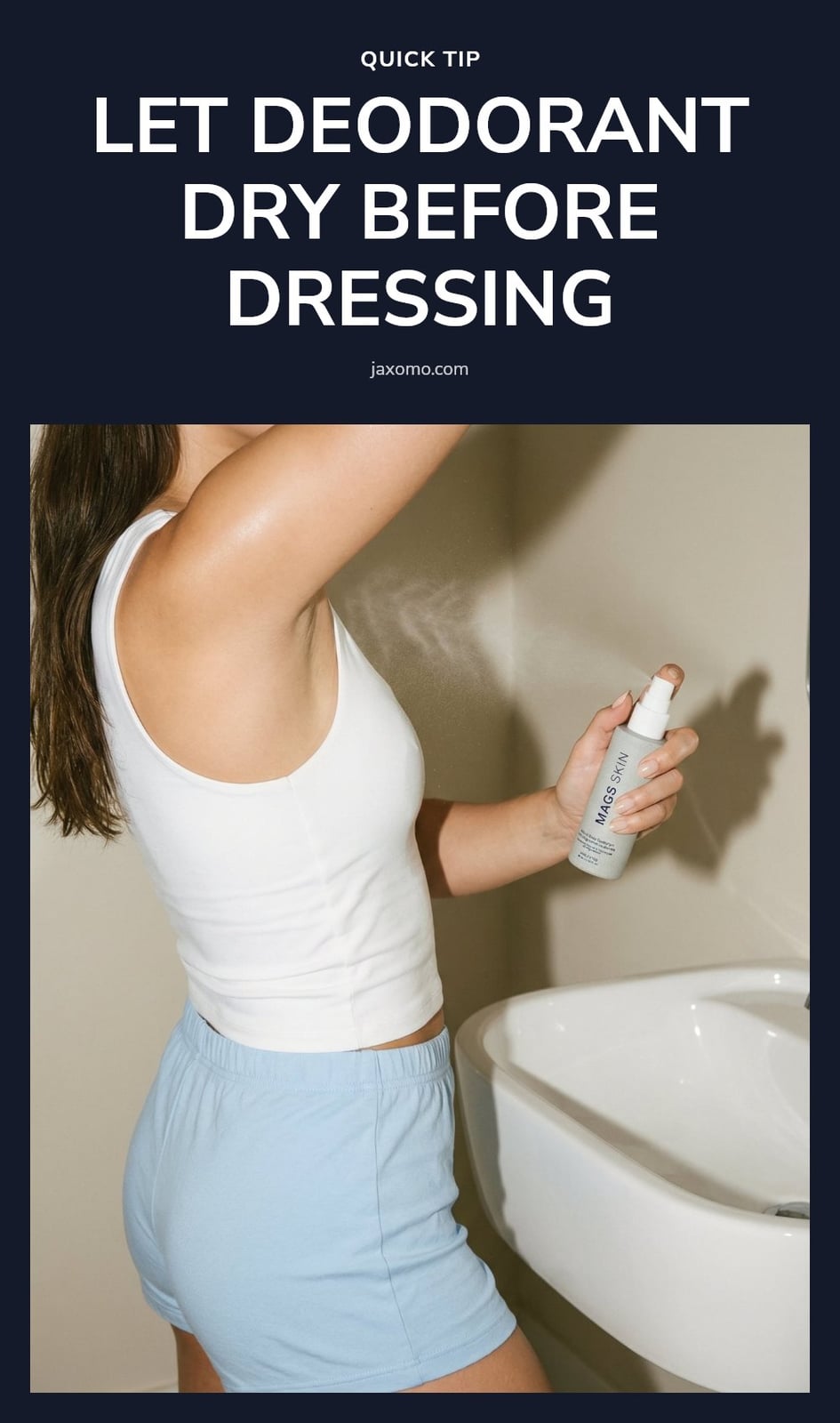
For stick or roll-on deodorants, wait for the product to dry completely before putting on your clothes. This prevents the deodorant from transferring onto fabric, which can leave white marks or yellow stains over time. A thin layer needs just a few seconds of air-drying.
My tip: After applying, wave your arms or stand in front of a fan for 10-15 seconds. That small pause can save your favorite shirt from deodorant marks and helps the product absorb fully into your skin.
5. Consider Nighttime Application
Applying deodorant at night can be more effective, especially if you use an antiperspirant. Your sweat glands are less active while you sleep, so the product has a better chance to penetrate and start working before your day begins. This gives you a head start on odor control.
My tip: If you struggle with strong odor, try applying your deodorant before bed. You can still apply a light layer in the morning if needed, but the nighttime application does the heavy lifting.
6. Don’t Overapply
Using too much deodorant doesn’t make it work better. A thick layer can lead to residue buildup on your skin and clothing, and it may cause irritation over time. A thin, even layer is all you need for most products to do their job.
Tip: One or two swipes of a stick or a quick spray is often enough. More product doesn’t mean more protection, so stick with a light application and reapply later if needed.
7. Reapply as Needed
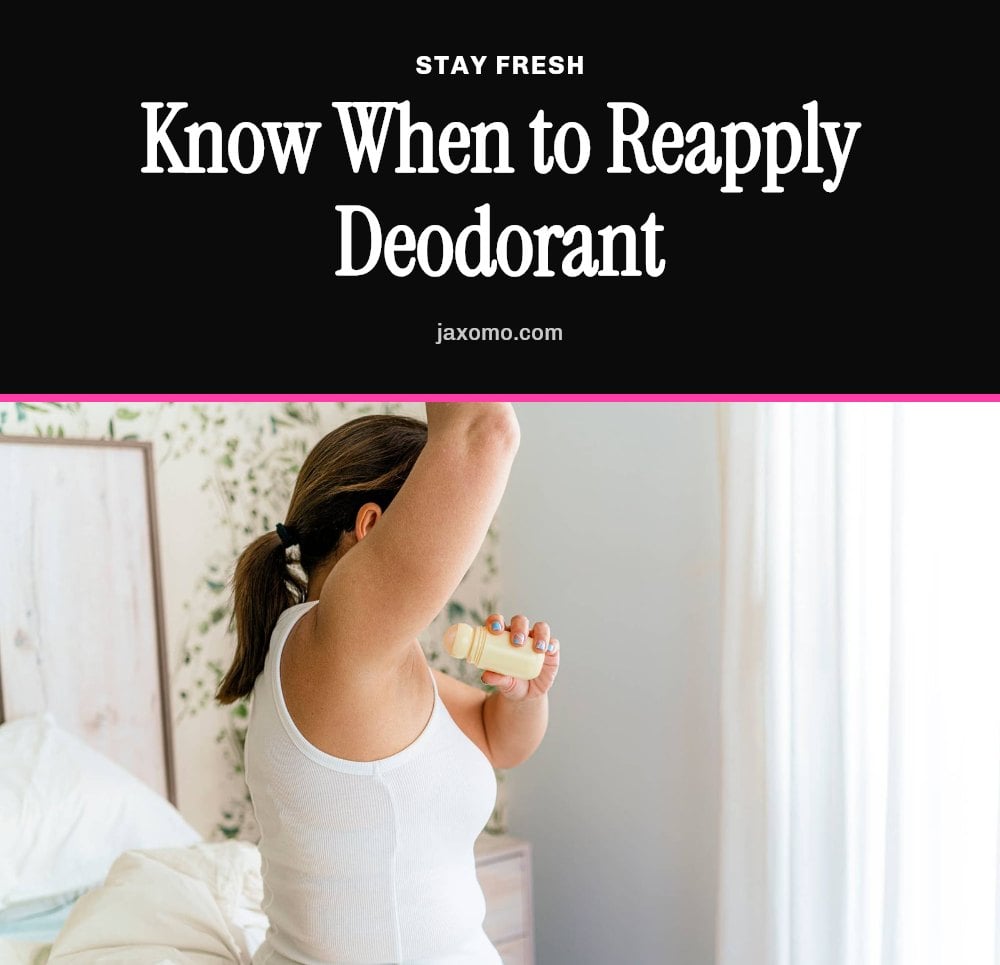
Deodorant typically provides odor protection for several hours to a full day, but how long it lasts depends on your activity level and body chemistry. After heavy sweating, intense exercise, or a long day, reapplying helps maintain freshness. Don’t wait until you notice odor.
Good to know: Keep a travel-sized deodorant in your bag for quick touch-ups on the go. A single swipe after a workout or before an evening event can make a big difference without overloading your skin.
8. Give Natural Deodorants Time
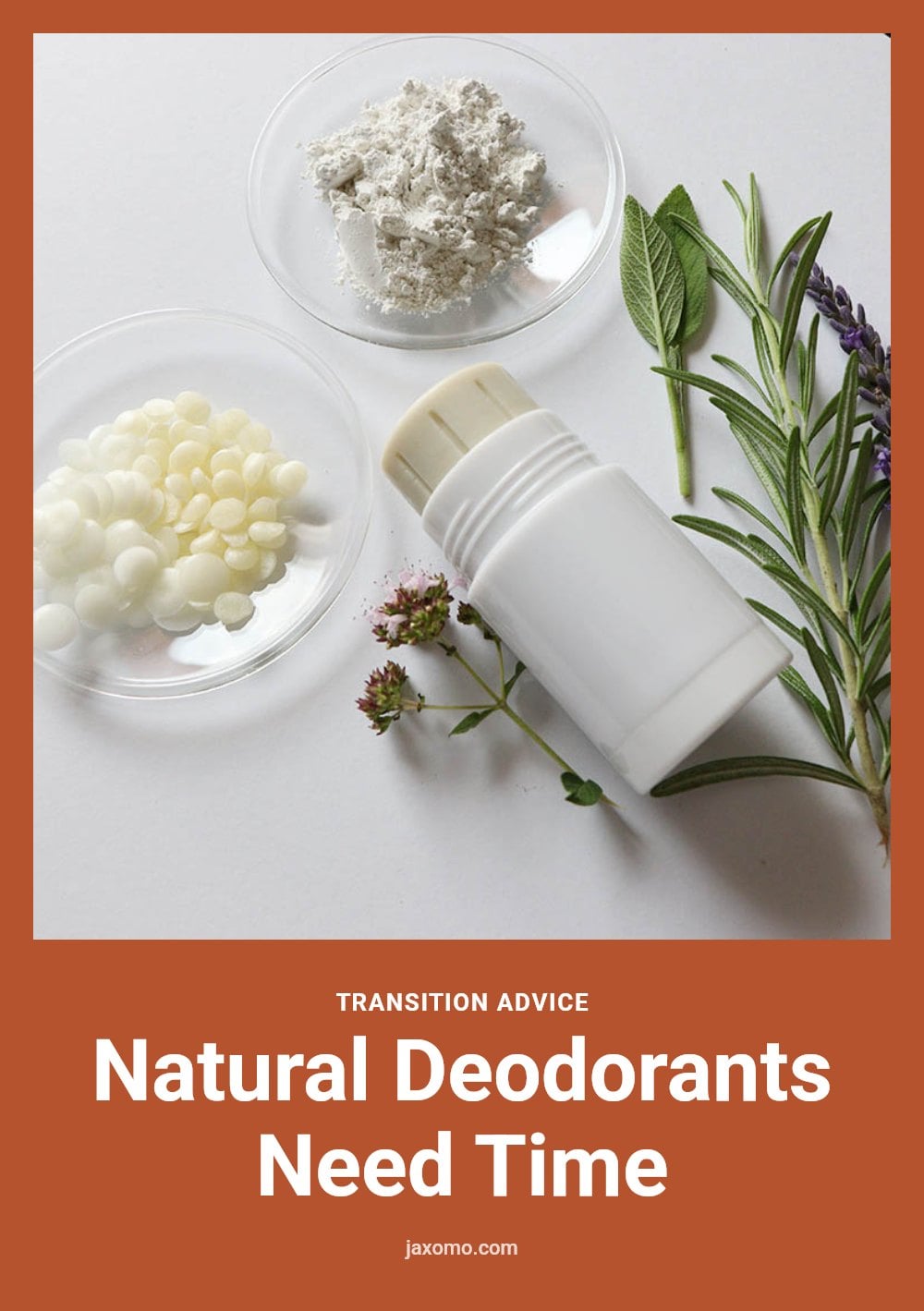
If you are switching to a natural deodorant, be patient. It can take two to four weeks for your body to adjust. During this detox period, you might notice increased odor or wetness as your body adapts.
Pro move: Stick with it. Many people find natural options effective after the transition. Your body is simply rebalancing, and the temporary discomfort is often worth the long-term benefit.
9. Handle Sensitive Skin with Care
Some people experience skin irritation or allergic reactions to ingredients like fragrances or baking soda. Avoid applying deodorant right after shaving, when skin is more sensitive and prone to irritation.
Quick tip: If you have sensitive skin, look for fragrance-free or baking soda-free options. Cream deodorants can be a gentler choice because they spread more easily and often contain soothing ingredients.
10. Experiment to Find Your Best Fit
The effectiveness of a deodorant varies from person to person due to individual body chemistry and activity levels. Do not be afraid to try different types, brands, or ingredients until you find what works for your unique body.
Tip: What works for your friend might not work for you, and that is totally normal. It is all about finding your personal perfect match through experimentation.
11. Know When to See a Professional
Discontinue use if you experience a persistent rash, itching, redness, or irritation that does not subside. Do not use deodorant on broken or irritated skin, as this can worsen discomfort or lead to infection.
Consult a dermatologist if you have severe or persistent skin reactions, or if body odor becomes unmanageable despite using deodorant. A professional can help identify the cause and recommend alternatives.
Frequently Asked Questions
How often should I reapply deodorant?
Reapply as needed, especially after heavy sweating, intense exercise, or a long day. Most deodorants provide odor protection for several hours to a full day, but your activity level and body chemistry can affect how long it lasts.
Can I use deodorant on other parts of my body?
Deodorant is designed for underarm use, but some people apply it to other areas like the feet or back for odor control. Be cautious, as the skin in those areas may be more sensitive. If you try it, start with a small amount and watch for any irritation.
What’s the difference between ‘clinical strength’ and regular deodorant?
Clinical strength deodorants typically contain a higher concentration of active ingredients, often including more antiperspirant compounds, to provide stronger odor and wetness protection. They are usually recommended for people who sweat heavily or need extra confidence during stressful or active days.
Does diet affect body odor?
Yes, what you eat can influence body odor. Spicy foods, garlic, onions, and red meat are known to affect how your sweat smells. Staying hydrated and eating a balanced diet with plenty of fruits and vegetables can help keep body odor milder.
Why does my deodorant stop working after a while?
Your body chemistry can change over time due to factors like hormones, diet, or stress, which may affect how deodorant performs. Also, if you’ve been using the same product for a long time, your skin’s bacteria may adapt. Switching to a different type or brand can often restore effectiveness.
Final Thoughts
For reliable odor control, stick with a deodorant that matches your activity level and skin sensitivity. Give any new product a fair shot over a few days, and reapply as needed after workouts or long days. With a little trial and error, you’ll find a routine that keeps you feeling fresh without irritation.
This article provides general information about deodorant use and is not a substitute for professional medical advice. If you experience persistent skin irritation, rash, or other reactions, please consult a dermatologist or healthcare provider for personalized guidance.