Nail Care Tips for Strong, Healthy Nails at Home
Learn how to care for your nails at home with a simple routine. Get tips for stronger, healthier nails and prevent common issues.

You want strong, healthy nails without a salon visit, and the secret is simpler than you think. It all comes down to a consistent routine of gentle care: keeping nails clean, moisturized, and protected from harsh chemicals. In this article, I’ll share the essential tips I’ve found most effective for building stronger nails at home, from proper filing techniques to the right products to use.
Key Takeaways
- Moisturize nails and cuticles daily with hand cream or cuticle oil.
- File nails in one direction only to prevent splitting and peeling.
- Wear gloves during household chores to protect nails from chemicals and water.
- Choose acetone-free nail polish remover to avoid drying out nails.
- Consult a doctor for persistent redness, swelling, or nail discoloration.
Your Path to Stronger, Healthier Nails Starts Here
Strong, healthy nails start with a consistent routine of cleaning, moisturizing, and protecting both nails and cuticles. Focus on gentle techniques and avoid harsh chemicals whenever possible. Small daily habits, like drying your hands thoroughly and using cuticle oil, make a big difference in nail strength and vitality over time.
1. Keep Your Nails Clean and Dry
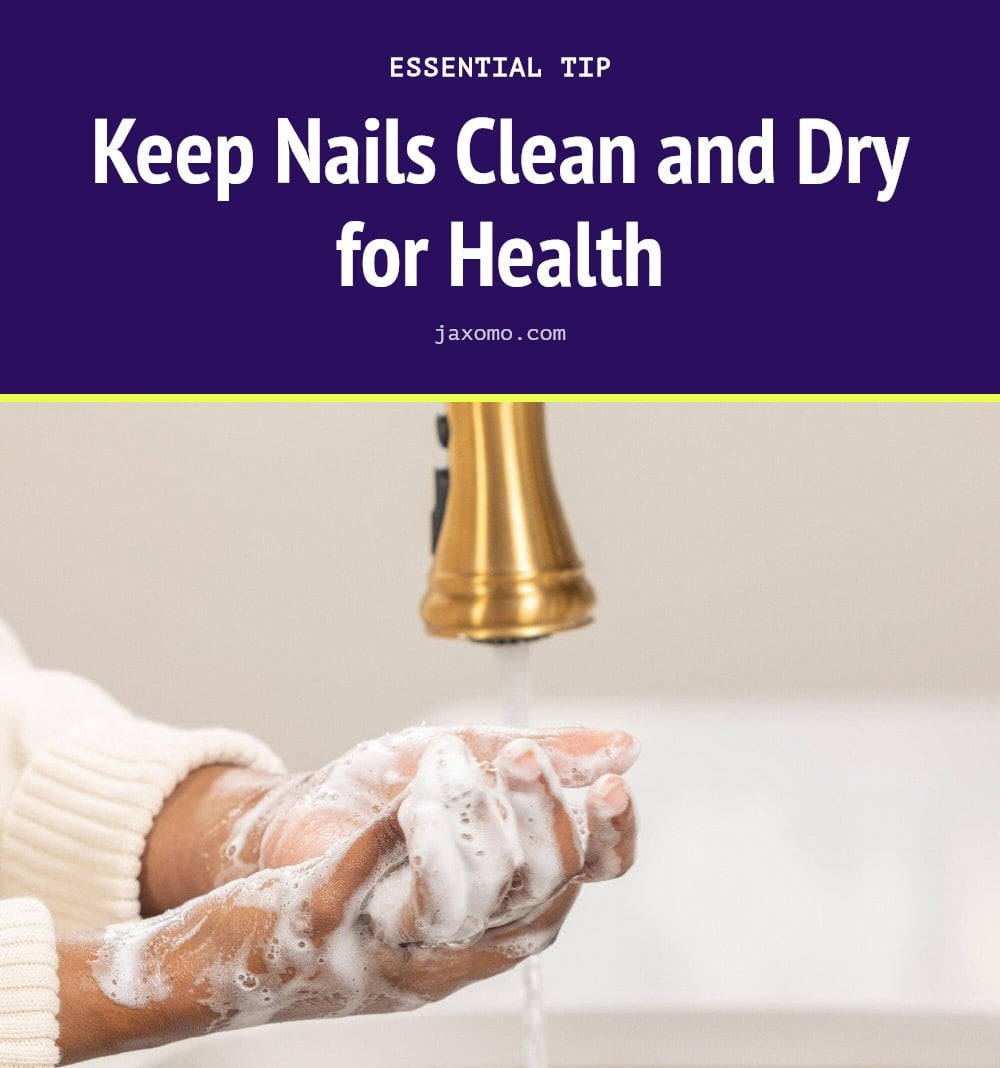
Wash your hands gently with mild soap to prevent bacteria from growing under the nails. After washing or showering, make sure nails are thoroughly dry. Bacteria thrive in moist environments, which can lead to infections.
- Use a soft towel to pat nails dry, especially under the tips.
- Avoid soaking your hands for long periods.
2. Moisturize Nails and Cuticles Daily
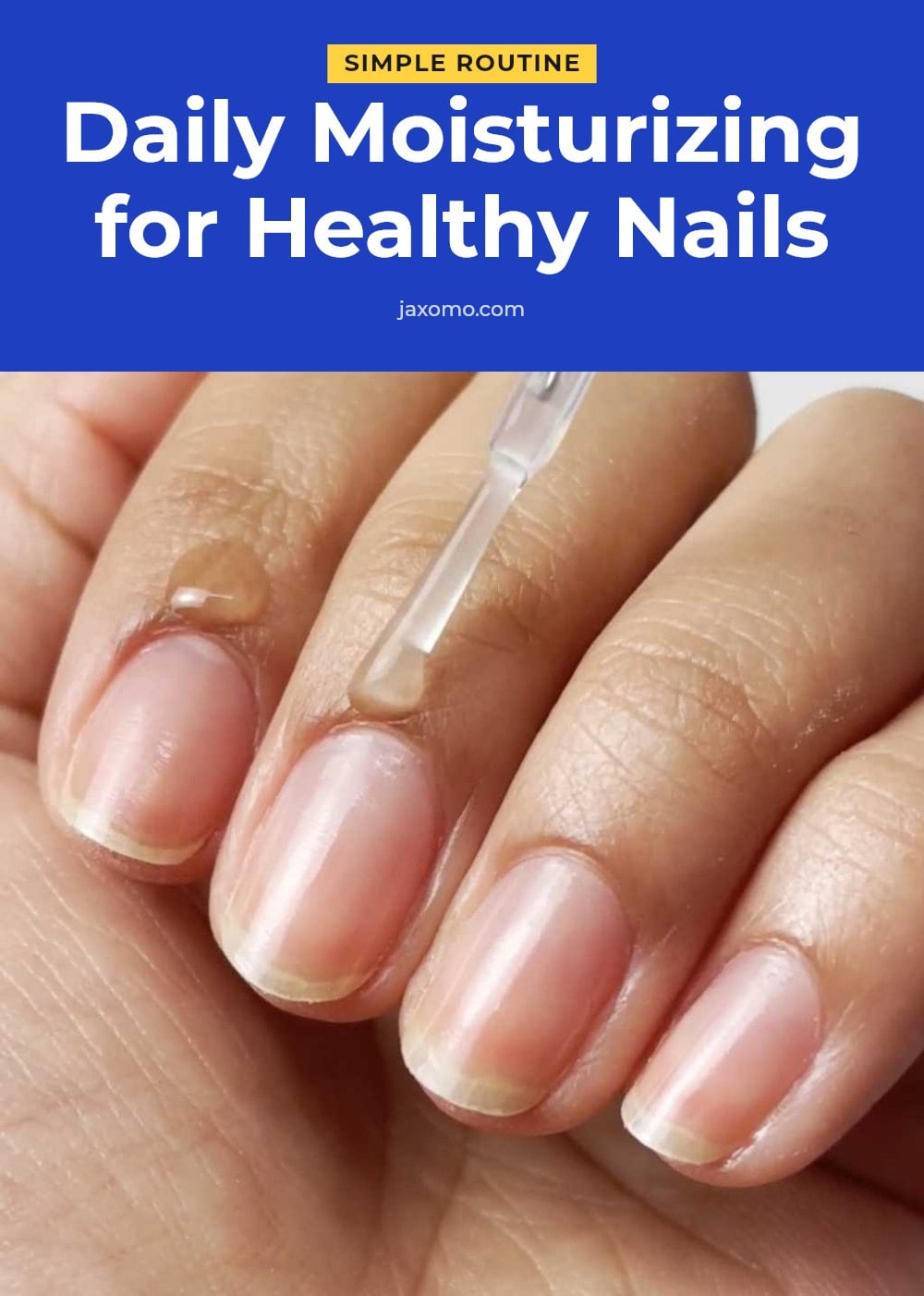
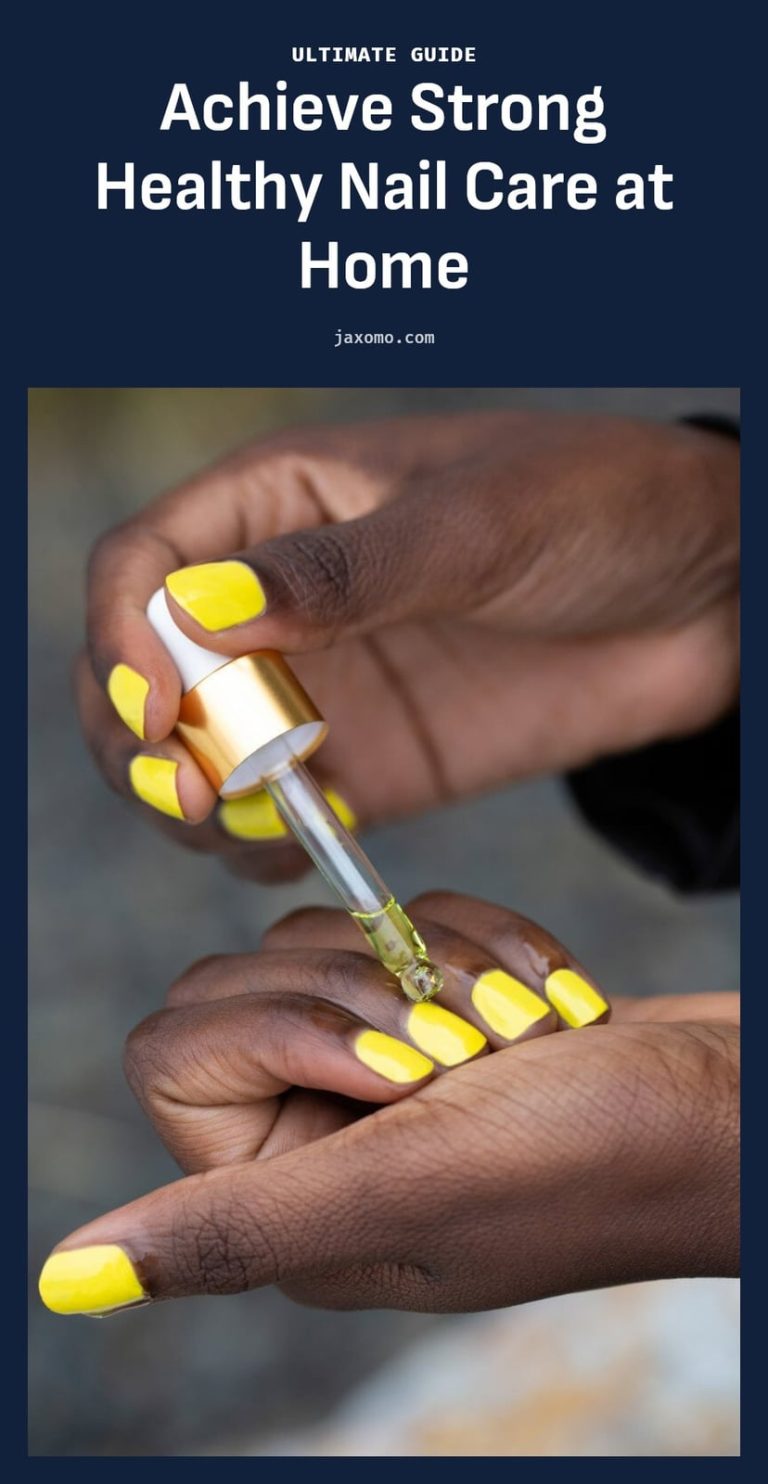
Apply a hand cream or cuticle oil every day to keep nails and cuticles flexible. Massage the product into the nail bed and cuticle area to prevent dryness and brittleness. Regular moisturizing is crucial for preventing cracks and maintaining healthy, flexible nails.
- Focus on the cuticle line where cracks often start.
- Reapply after washing hands or using hand sanitizer.
3. Trim Nails Regularly and Correctly
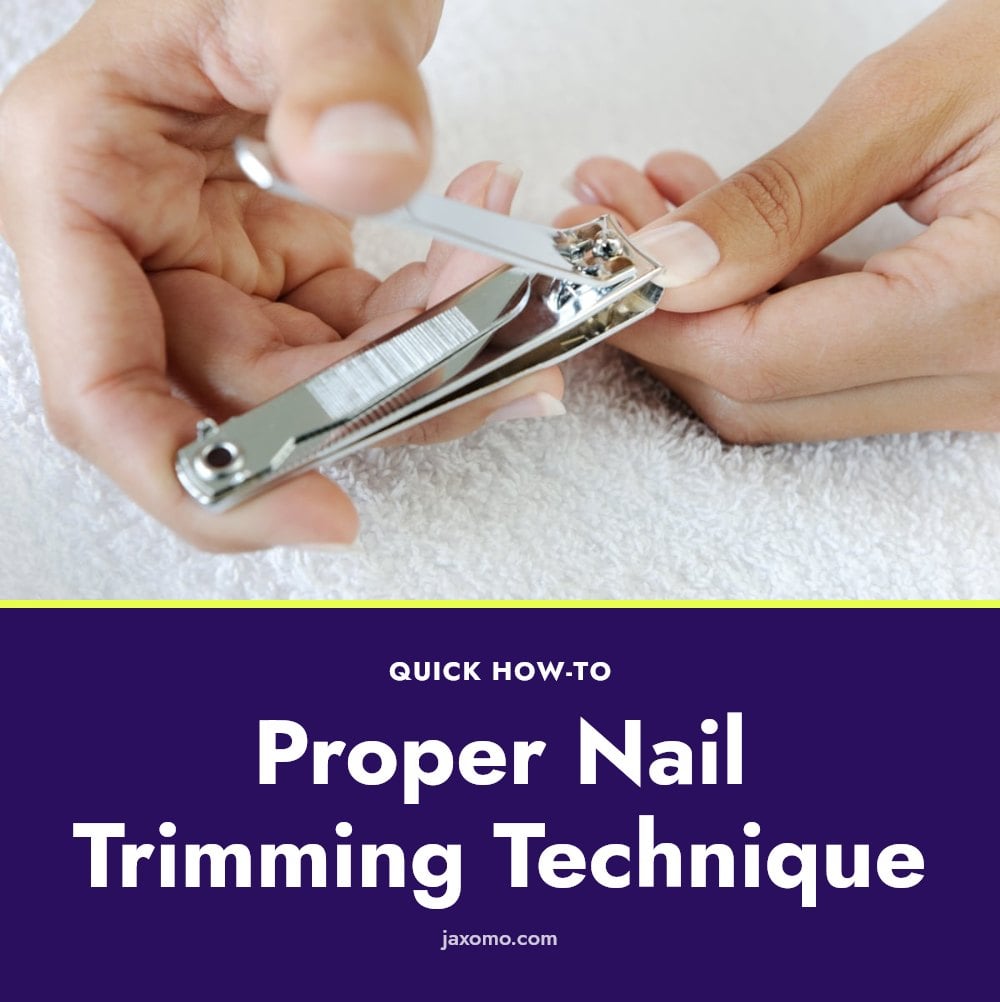
Use sharp nail clippers or scissors to trim nails to your desired length. Trim straight across, then gently round the corners with a file. This technique helps prevent ingrown nails and keeps the nail plate strong.
- Trim when nails are dry to avoid tearing.
- Leave a small white tip for protection.
4. File Nails Gently in One Direction
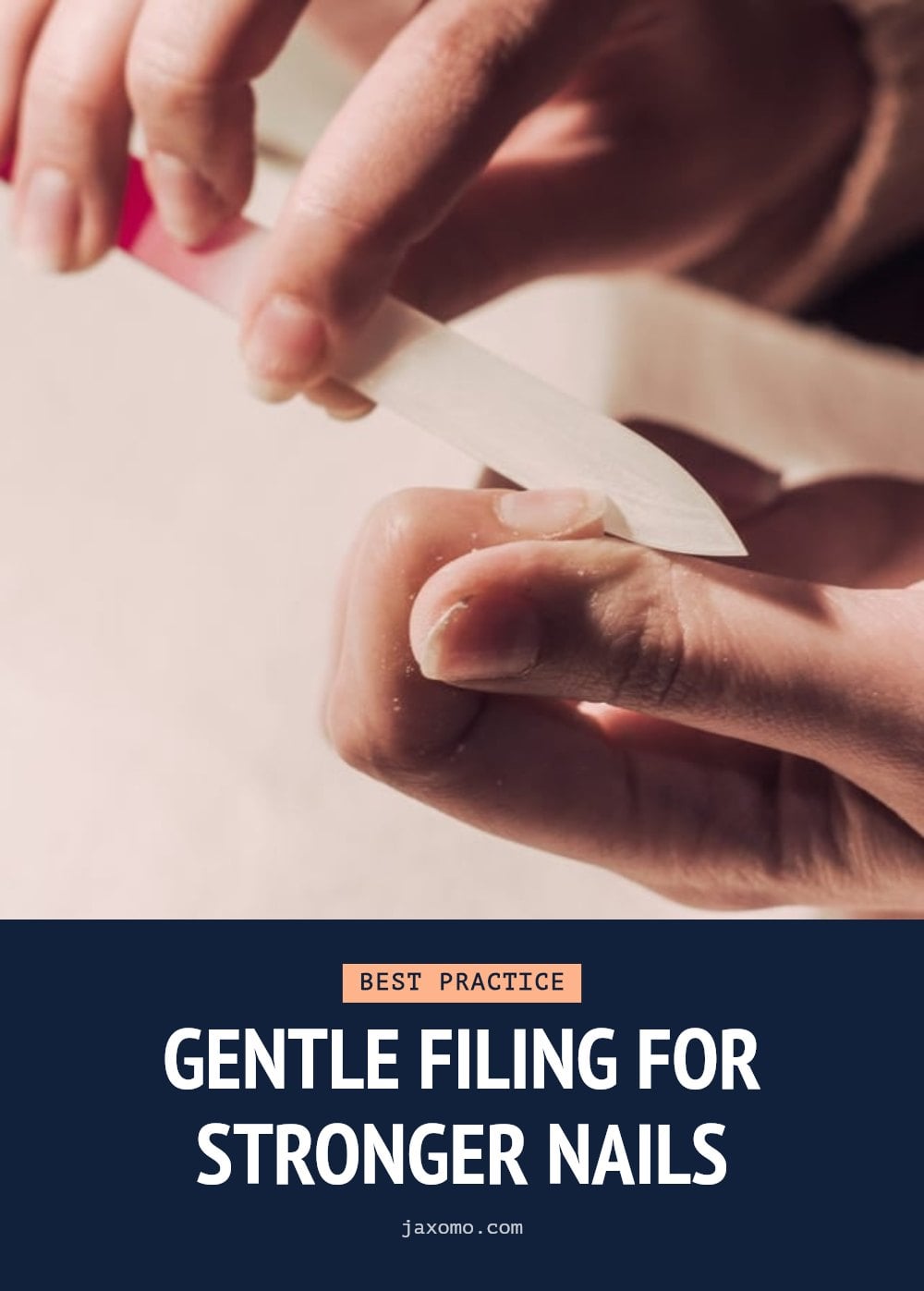
Reach for an emery board or a glass file. Both are gentle on the nail plate. File from the side of the nail toward the center in one continuous motion. This single-direction technique seals the nail edge and prevents splitting.
Caution: Sawing back and forth creates tiny fractures that weaken the nail and cause peeling. One smooth stroke per side keeps nails strong and reduces breakage.
5. Protect Your Cuticles
Your cuticle is a living seal that keeps bacteria and infection out. Never cut or aggressively push it back. My tip: After a shower when cuticles are soft, use a rubber or wooden pusher to nudge them back gently, but only if needed, and never cut them.
Aggressive cutting or pushing can break that protective barrier, leading to redness or swelling. Leave the cuticle intact for healthier nails.
6. Wear Gloves for Chores
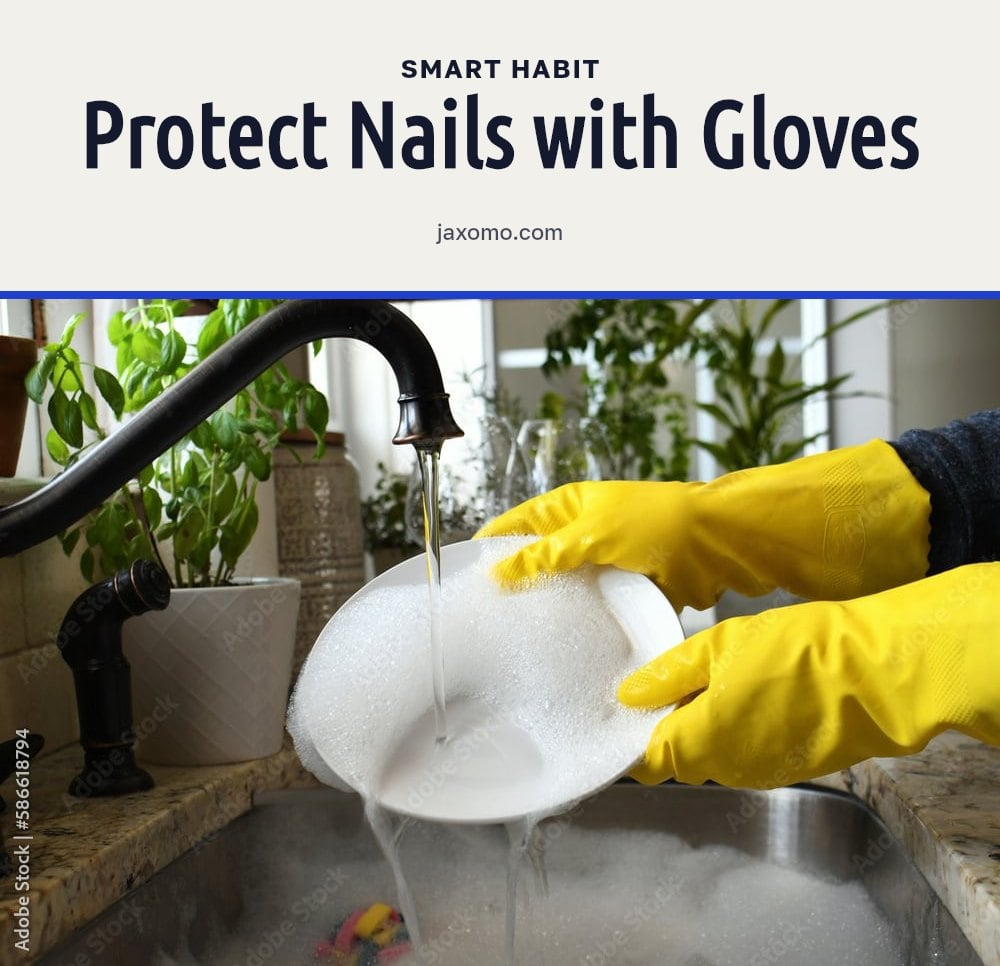
Slip on a pair of rubber gloves before washing dishes or scrubbing with cleaning products. Harsh chemicals and prolonged water exposure strip natural oils from the nail plate, leaving nails dry and brittle. Gloves create a barrier that locks moisture in and keeps damage out.
I’ve found this simple step makes a huge difference in preventing brittle nails. Keep a pair under the sink so you never skip it.
7. Choose Acetone-Free Polish Remover
Acetone-based removers are extremely drying and can weaken nails over time. Choose an acetone-free formula to minimize damage. Use remover sparingly, soak a cotton pad and hold it on the nail for a few seconds rather than rubbing.
Tip: Always follow up with a moisturizer or cuticle oil to restore hydration after removing polish.
8. Use a Base and Top Coat
A base coat creates a smooth surface and prevents dark or bright polishes from staining your nail plate. It also helps the color adhere better so your manicure lasts longer. A top coat seals everything in, adds a protective layer against chips, and boosts shine. Apply a thin layer of base coat first, let it dry, then follow with your color and a top coat. These two layers are the simplest way to keep your natural nails strong under polish.
9. Eat a Balanced Diet for Nail Health
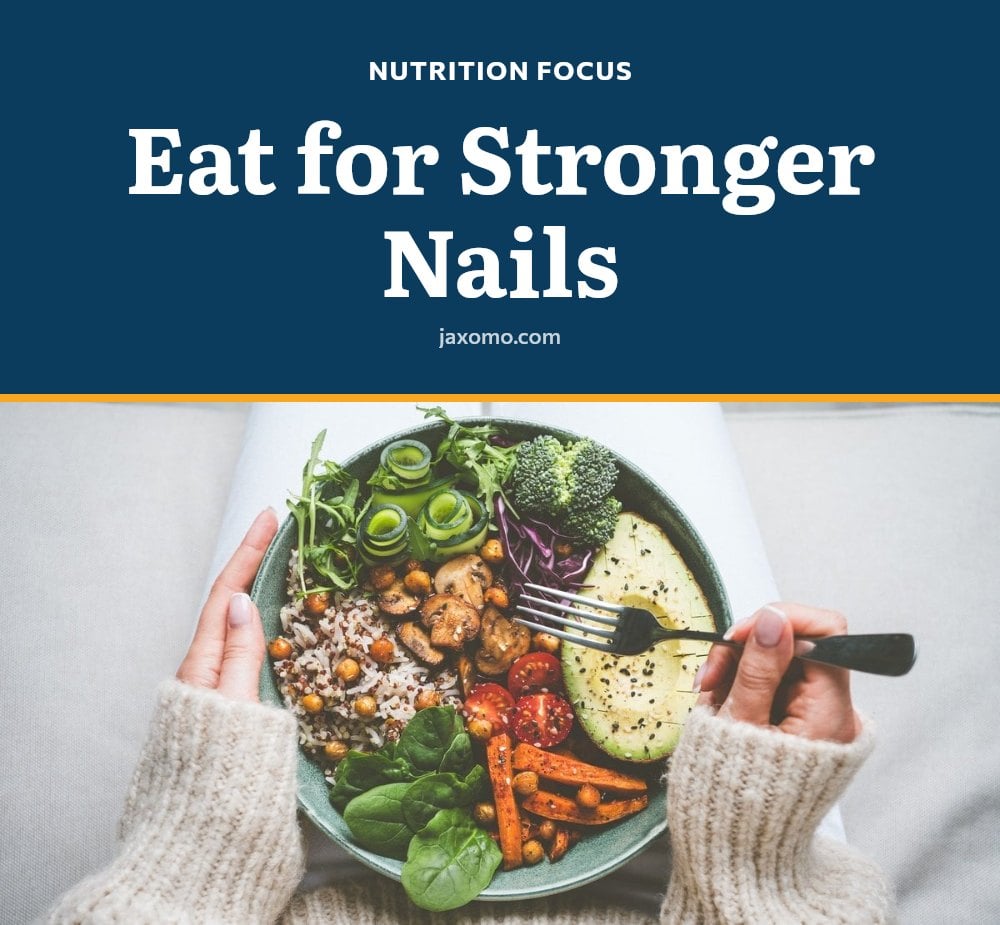
Nails are made of keratin, the same protein found in hair and skin, so protein-rich foods like eggs, lean meat, and legumes can support their structure. Vitamins and minerals also play a role: biotin (found in nuts and sweet potatoes), iron (from leafy greens and red meat), and zinc (in seeds and shellfish) may help prevent brittleness and promote steady growth. A balanced diet won’t fix existing damage overnight, but over weeks it can improve your nails’ strength and appearance from the inside out.
10. Avoid Using Nails as Tools
Using your nails to pry open a soda can, scrape off a sticker, or pick at a label puts direct pressure on the nail plate. This often leads to chips, breaks, or a split that can travel down the nail. The result is a weak spot that catches on everything and may even peel further. Train yourself to reach for a tool instead: a letter opener, a spoon edge, or a pair of scissors. Treating your nails as delicate tools rather than multi-purpose instruments keeps them intact longer.
11. Be Gentle with Nail Buffing
Buffing polishes the surface of your nail to a natural shine without any polish. Done correctly, it smooths ridges and gives a clean look. But buffing removes a thin layer of the nail plate each time, so doing it too often or pressing too hard can leave nails thin and flexible. My tip: Limit buffing to once a month, use a gentle buffer with fine grit, and stop as soon as the nail looks even and shiny. If your nails feel paper-thin after buffing, skip the step for several months to let them recover.
When to Consult a Doctor About Your Nails
Most nail issues improve with better care, but some signs need a doctor’s opinion. Persistent redness, swelling, pain, or pus around a nail can point to an infection that won’t resolve on its own. Discoloration, thickening, or crumbling of the nail plate may indicate a fungal infection, which often requires prescription treatment.
Caution: Any significant or unexplained change in nail color, shape, or texture, such as a sudden dark streak or a nail lifting from the bed, should be evaluated by a healthcare professional. A dermatologist or primary care provider can determine the cause and recommend the right course of action.
Frequently Asked Questions
How often should I moisturize my nails and cuticles?
For best results, moisturize your nails and cuticles at least once a day, ideally after washing your hands or before bed. Daily application of hand cream or cuticle oil helps prevent dryness and brittleness, keeping nails flexible and less prone to cracking.
Can diet really affect nail health?
Yes, a balanced diet can support nail health because nails are made of keratin, a protein. Eating protein-rich foods like eggs and legumes, along with vitamins and minerals such as biotin, iron, and zinc, may help strengthen nails over time.
Is it bad to wear nail polish all the time?
Wearing nail polish constantly can sometimes lead to dryness or staining, especially if you use dark colors without a base coat. To give your nails a break, try going polish-free for a day or two each week, and always use a base coat to protect the nail plate.
What’s the best way to file my nails?
The best way is to use an emery board or glass file and file in one direction from the side toward the center. This gentle motion seals the nail edge and helps prevent splitting, unlike sawing back and forth which can cause peeling.
How can I stop my nails from peeling?
Peeling often results from dryness or harsh filing. To stop it, moisturize daily, file in one direction, and avoid using nails as tools. Also, limit exposure to acetone-based removers and wear gloves during chores to protect the nail plate.
When should I see a doctor about my nails?
You should see a doctor if you notice persistent redness, swelling, pain, or pus around a nail, as these could signal an infection. Also consult a professional for discoloration, thickening, or crumbling of the nail, which may indicate a fungal issue that needs treatment.
Final Thoughts
My tip for lasting results is to pick just two or three of these habits and stick with them for a few weeks. You’ll likely notice less breakage and more flexibility in your nails within a month or two. Remember, consistency matters more than perfection, so keep it simple and your nails will thank you.
This article is for general informational purposes only and does not constitute medical advice. For persistent nail problems, signs of infection, or concerns about your nail health, please consult a doctor or a dermatologist.