Crows Feet: 9 Gentle Ways to Soften Lines Around Your Eyes
Discover 9 gentle and effective ways to reduce the appearance of crow's feet around your eyes, from skincare ingredients to lifestyle habits.

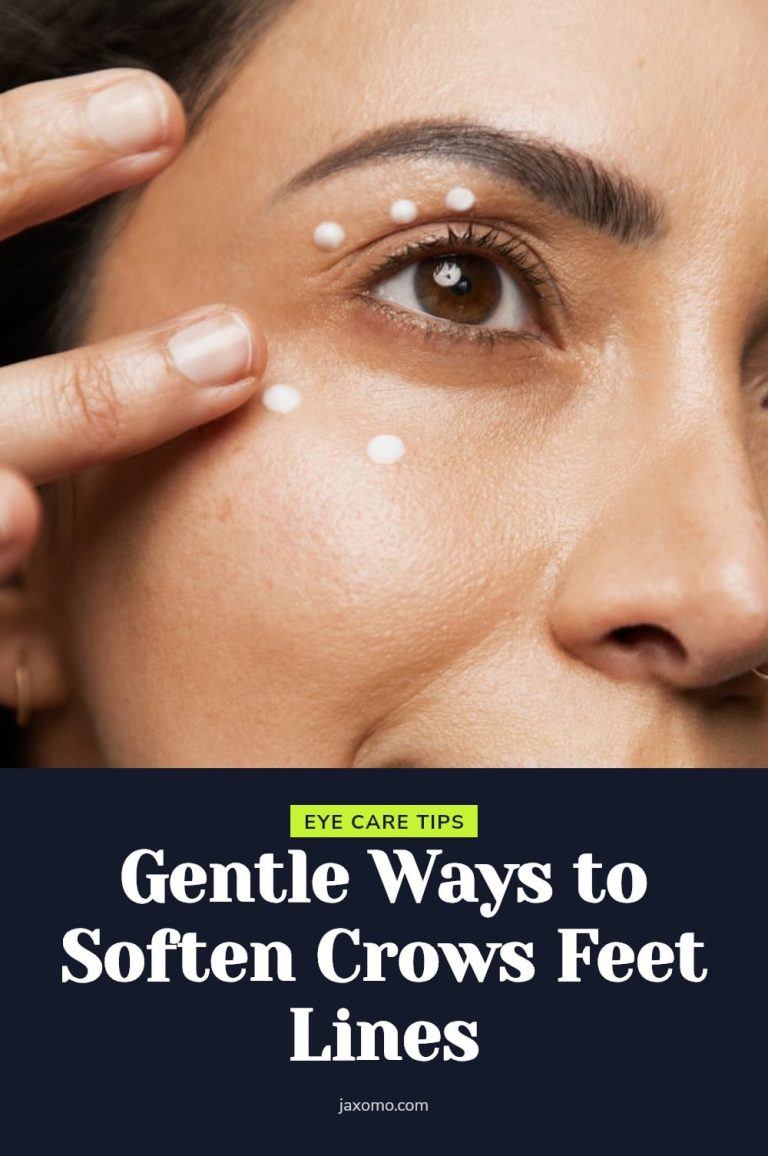
You’ve probably noticed those tiny lines creeping out from the corners of your eyes when you smile or squint. They’re called crow’s feet, and they’re a natural part of life, but that doesn’t mean you can’t soften them gently. This article covers nine straightforward ways to reduce their appearance using hydration, sun protection, and smart skincare habits you can start at home.
Key Takeaways
- Wear broad-spectrum sunscreen with SPF 30 or higher every single day.
- Use a dedicated eye cream with hyaluronic acid to plump fine lines.
- Incorporate retinoids or bakuchiol gradually to boost collagen production.
- Wear 100% UV-blocking sunglasses to prevent squinting and sun damage.
- Expect visible improvements after 8 to 12 weeks of consistent care.
What Are Crow’s Feet and Why Do They Appear?
Crow’s feet are the fine lines that radiate from the outer corners of your eyes. Medically, they’re called lateral canthal lines. They form mainly because the orbicularis oculi muscle contracts every time you blink or squint, and over time those repeated movements create creases. Sun exposure breaks down collagen and elastin, and as we age, the skin naturally loses some of its firmness, making the lines more visible. You can’t stop them completely, but you can soften their appearance and keep them from deepening.
1. Prioritize Daily Sun Protection

Broad-spectrum sunscreen with SPF 30 or higher is your first defense. UV radiation breaks down collagen and elastin, which directly accelerates wrinkle formation around the eyes.
My tip: Apply sunscreen every single day, even when it’s cloudy or you’re mostly indoors near windows. UV rays can penetrate glass, so that daily layer makes a real difference.
2. Wear Sunglasses to Reduce Squinting

Sunglasses do double duty: they block UV rays and they stop you from squinting. Squinting repeatedly contracts the muscles around your eyes, which deepens crow’s feet over time.
My tip: Choose sunglasses that offer 100% UV protection and wear them whenever you’re outdoors, even on overcast days. The habit pays off.
3. Use a Dedicated Eye Cream with Hyaluronic Acid
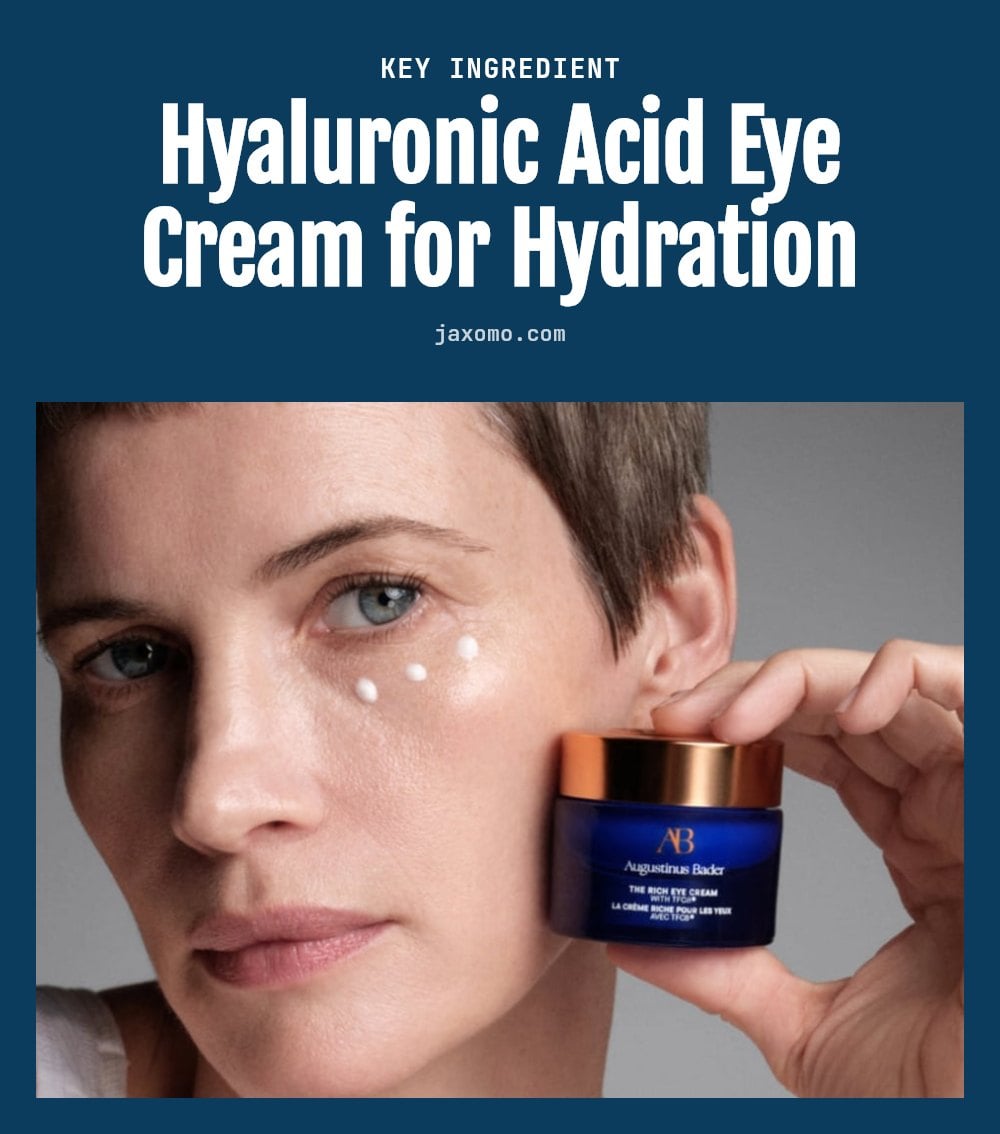
Hyaluronic acid is a humectant that pulls moisture into the skin, plumping it up and making fine lines look less noticeable. The skin around your eyes is thin and loses hydration faster than the rest of your face, so a targeted cream helps.
Tip: Gently pat your eye cream around the orbital bone twice daily, morning and night. Patting avoids tugging and helps the product absorb.
4. Incorporate Retinoids or Bakuchiol
Topical retinoids like retinol or tretinoin are the most proven option for softening crow’s feet. They work by promoting collagen production and speeding up cell turnover, which reduces the appearance of fine lines over time. Bakuchiol is a plant-based alternative with similar benefits but much gentler on sensitive skin.
Caution: Start with a low concentration and introduce it slowly. Use retinoids or bakuchiol only in the evening, and always follow with moisturizer. Expect visible improvements after about 8-12 weeks of consistent use.
5. Boost with Antioxidant Serums

Antioxidant serums, especially those with Vitamin C or E, shield your skin from free radical damage caused by UV rays and pollution. That damage breaks down collagen and accelerates premature aging, so daily protection matters.
Using a Vitamin C serum in the morning adds an extra layer of defense against environmental stressors. My tip: apply it after cleansing and before your eye cream and sunscreen for the best absorption.
6. Consider Peptides for Firmness
Peptides are short chains of amino acids that can signal your skin to produce more collagen. That boost may improve firmness and elasticity around your eyes, making lines look less pronounced.
Look for eye creams or serums that list peptides as active ingredients near the top of the label. My tip: they are not as potent as retinoids, but they are a gentle addition that supports skin structure without irritation.
7. Stay Hydrated and Get Enough Sleep
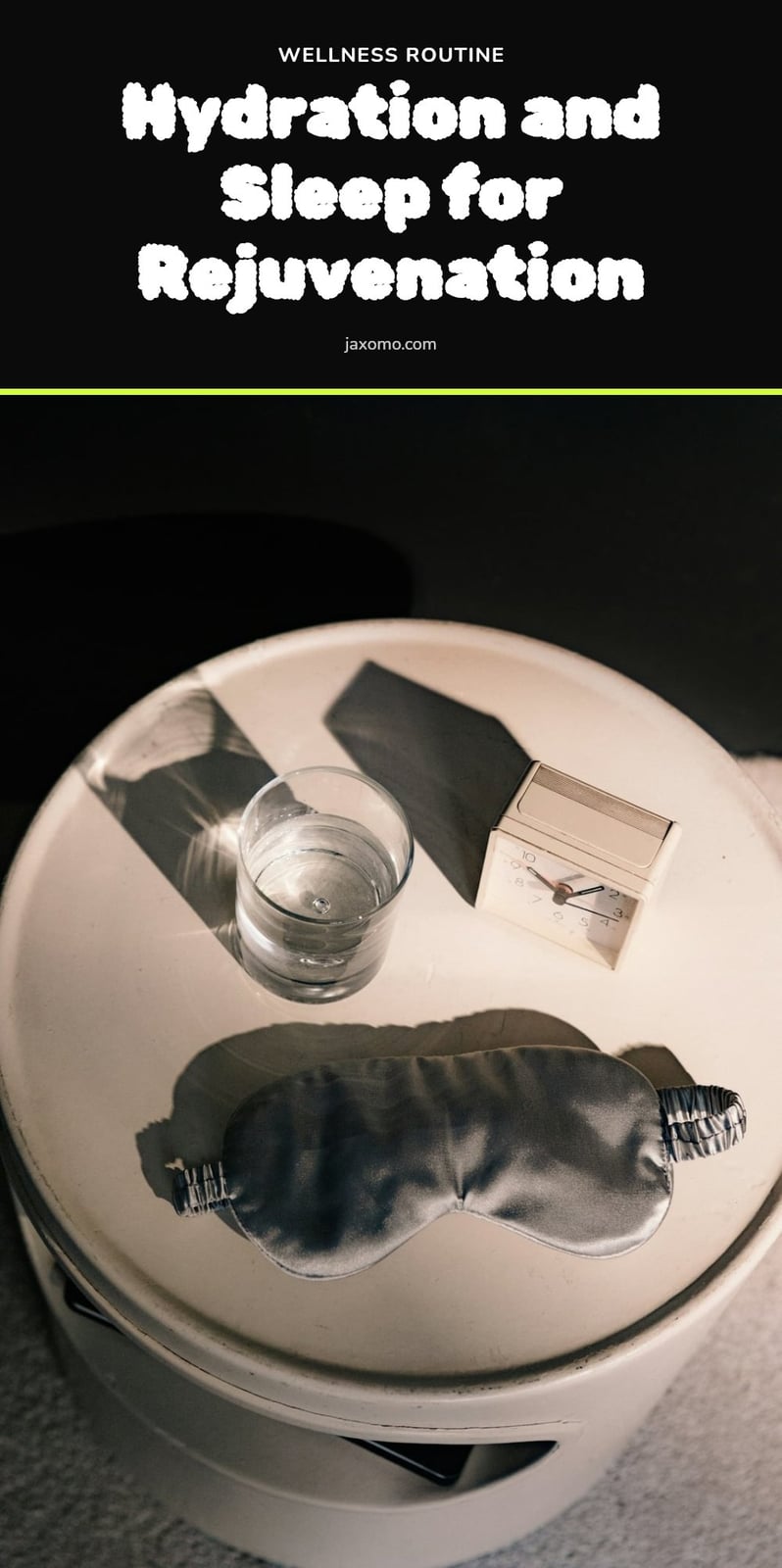
Drinking enough water keeps your skin hydrated from the inside, which can make fine lines look plumper and less noticeable. Dehydration doesn’t cause crow’s feet, but it does make them more visible.
Prioritizing 7-9 hours of quality sleep gives your skin time to repair and regenerate overnight. My tip: these lifestyle habits are foundational for overall skin health and can significantly impact how your eye area looks over time.
8. Eat a Skin-Supporting Diet
What you eat shows up on your skin, and the area around your eyes is no exception. A balanced diet rich in fruits, vegetables, and healthy fats supplies the antioxidants and nutrients your skin needs to defend itself from daily damage. Berries and citrus are packed with Vitamin C, which supports collagen production, while avocados and nuts provide healthy fats that keep skin flexible and resilient.
My tip: Think of your plate as another layer of defense. Pair your morning oatmeal with blueberries, toss spinach into your lunch salad, and snack on almonds instead of chips. These small swaps add up to skin that looks calmer and more supple over time.
9. Be Gentle with Your Eye Area
Rubbing or pulling at the skin around your eyes stretches it over time, which can deepen existing lines. Use a gentle cleanser and a makeup remover that doesn’t require harsh wiping, and always pat products in with your ring finger instead of rubbing them in.
Good to know: Treat this area with the utmost care, like you would delicate fabric, to avoid unnecessary damage that makes crow’s feet worse.
When to Consult a Professional
If a product triggers persistent irritation, redness, or an allergic reaction around your eyes, stop using it right away and see a dermatologist. The same goes for any worsening skin condition you can’t explain. For deeper lines that at-home care hasn’t softened, a dermatologist can walk you through options like Botox, fillers, or laser therapy. These treatments target wrinkles more directly than topical products. Always check with a professional before starting a new regimen, especially when it involves active ingredients or the delicate eye area.
Frequently Asked Questions
How long does it take to see results from crow’s feet treatments?
Most topical treatments, like retinoids or hyaluronic acid, need about 8 to 12 weeks of consistent use before you notice visible softening. Results continue to improve over several months, so patience and daily application are key.
Can drinking more water really help with crow’s feet?
Yes, in a limited way. Staying hydrated keeps your skin plump, which can make fine lines look less noticeable. It won’t erase crow’s feet, but it does help them appear less pronounced. Combine it with topical hydration for the best effect.
Is it okay to use my regular face moisturizer around my eyes?
It depends on the formula. Heavy face creams can sometimes cause milia, those tiny white bumps, around the eyes. A dedicated eye cream is usually lighter and formulated for that delicate skin. If your face moisturizer is gentle and non-comedogenic, you can try it, but watch for irritation.
What’s the difference between fine lines and deep wrinkles?
Fine lines are superficial creases that appear with expression or dehydration and often respond well to hydration and retinoids. Deep wrinkles are etched into the skin from years of collagen loss and sun damage and may require professional treatments like fillers or lasers to improve significantly.
Are there any natural remedies for crow’s feet that actually work?
Most DIY remedies lack evidence and can be too harsh for the delicate eye area. Gentle, proven ingredients like hyaluronic acid, peptides, and bakuchiol offer safer, more reliable results. If you prefer natural options, look for products with bakuchiol or plant-based antioxidants rather than kitchen mixes.
Final Thoughts
My tip: Pick one or two steps from the list and stick with them for at least two months before adding more. Consistency matters more than doing everything at once. With daily sunscreen, a hydrating eye cream, and sunglasses, you can soften existing lines and prevent new ones from deepening. Your skin will thank you for the patience.
This article provides general information about skin care and is not a substitute for professional medical advice. If you experience persistent irritation, allergic reactions, or worsening skin conditions, consult a dermatologist. Always patch test new products and stop use if irritation occurs.