Best Kettlebell Exercises for Women: Build Strength and Tone
Discover the best kettlebell exercises for women to build strength, improve fitness, and tone your body. Learn proper form and common mistakes to avoid.

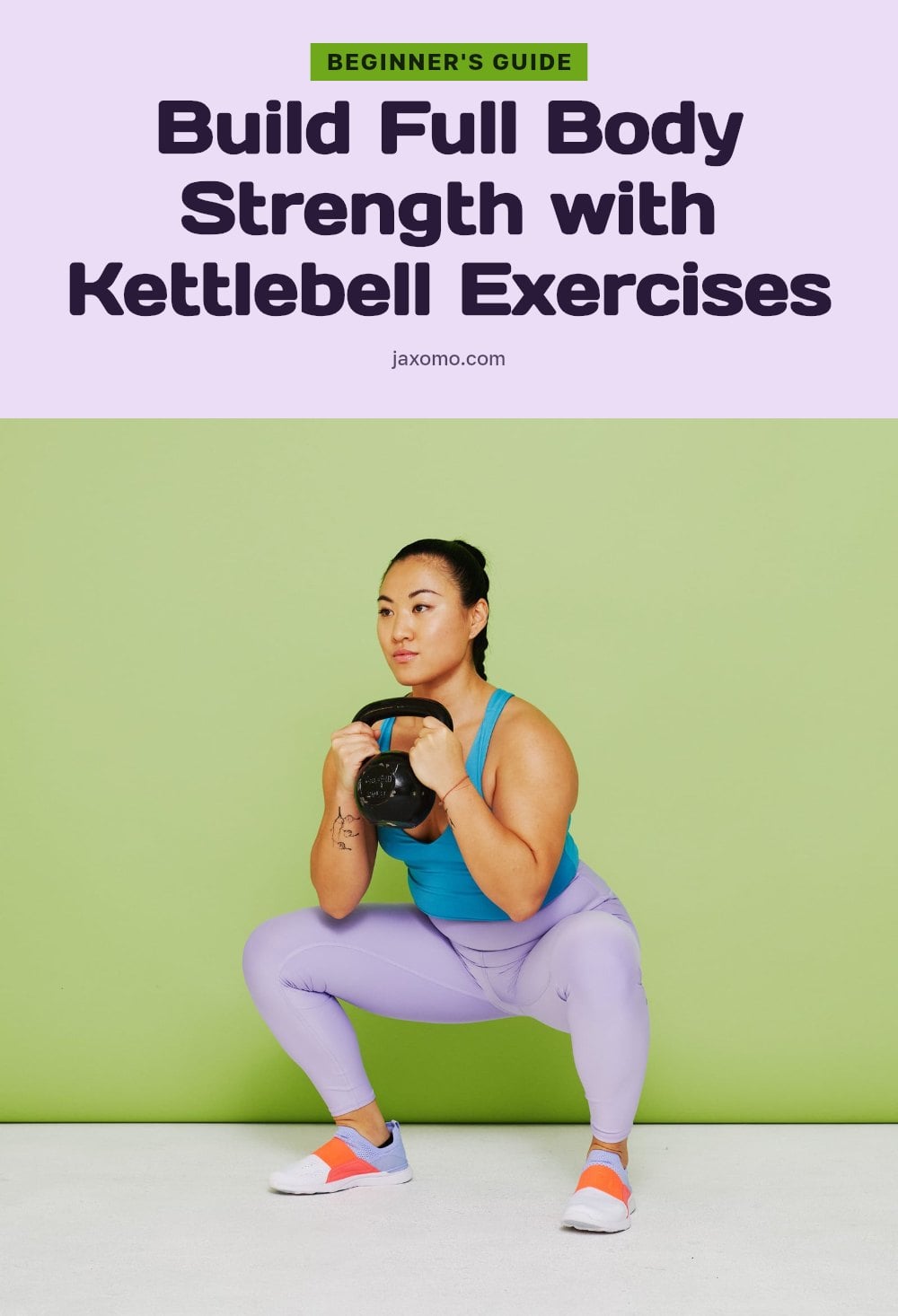
If you are ready to add some serious strength and tone to your routine without spending hours in the gym, a kettlebell might be exactly what you need. These cast-iron weights combine strength training with cardio in a way that dumbbells just can’t match. In this article, I break down the best kettlebell exercises for women, from foundational swings to core-blasting twists, plus a simple weekly schedule to get you started.
Key Takeaways
- Start with a lighter kettlebell, like 8 kg (18 lb) or 12 kg (26 lb), to master form before increasing weight.
- The kettlebell swing is a hip-driven movement that targets your glutes, hamstrings, and lower back.
- Aim for 2-3 kettlebell workouts per week with at least one rest day between sessions.
- Focus on proper hip hinge mechanics and engage your core throughout every exercise.
- Warm up thoroughly and stop immediately if you feel sharp or unusual discomfort.
Why Kettlebells Are a Game-Changer for Women’s Fitness
Kettlebells offer a unique blend of strength, cardio, and flexibility training that I haven’t found with any other single piece of equipment. Their off-center handle challenges your stability and engages more muscles than traditional dumbbells, which means you get more work done in less time. Originating in 18th-century Russia for weighing crops, the kettlebell’s design shifts the center of gravity, increasing muscle activation during movements. For women, kettlebell training is especially effective for building functional strength, the kind you use in real life, and improving core stability. My tip: start with a lighter weight to master the hip hinge and core engagement before moving up.
1. Warm-Up: Kettlebell Halos
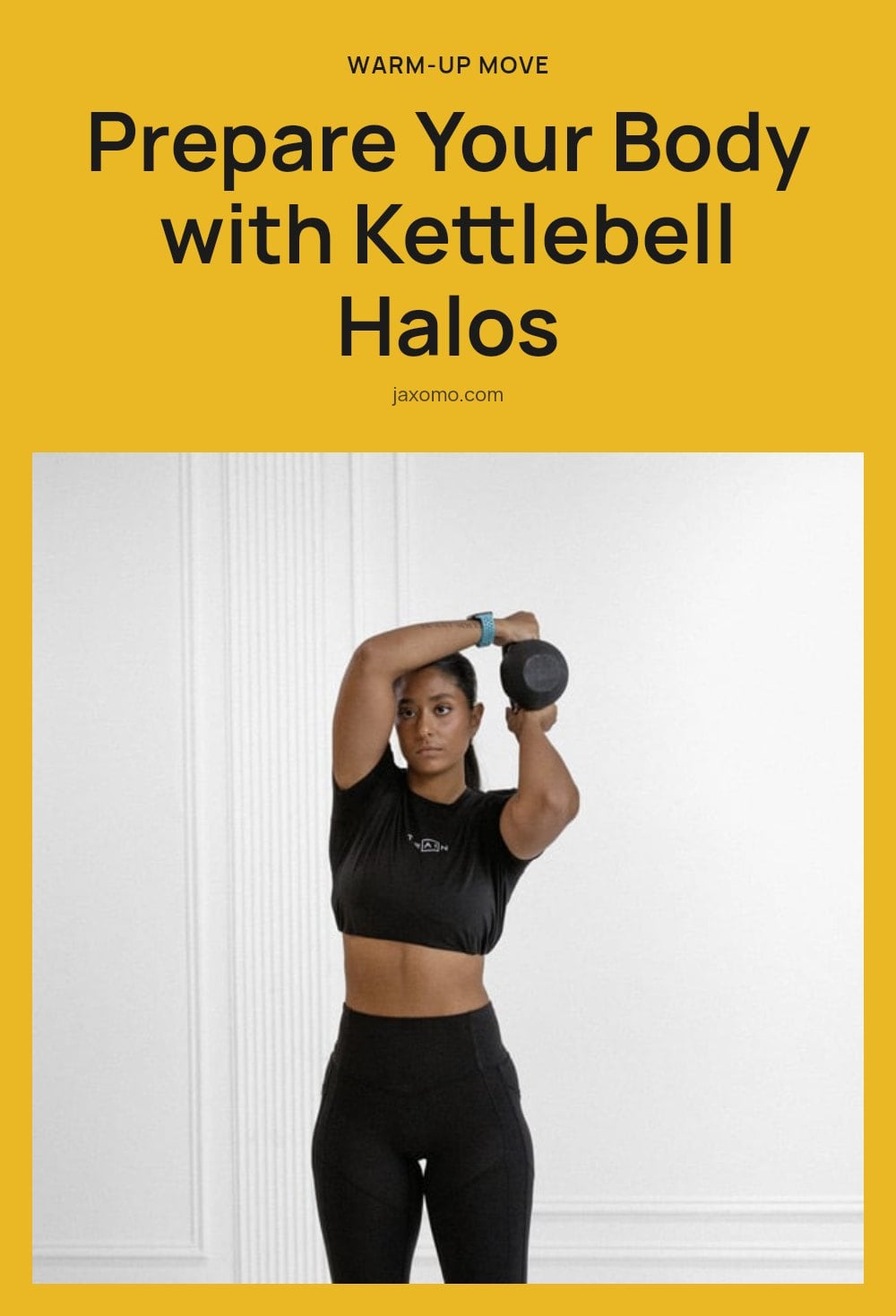
Hold the kettlebell by the horns with the bell facing up. Circle the kettlebell around your head, keeping your elbows close to your body. Move slowly and with control to warm up your shoulders and core.
- Sets and reps: 8-10 circles in each direction
- Form cue: Keep your neck still and eyes forward
- Make it harder: Use a slightly heavier kettlebell or slow down the movement
2. Kettlebell Deadlift
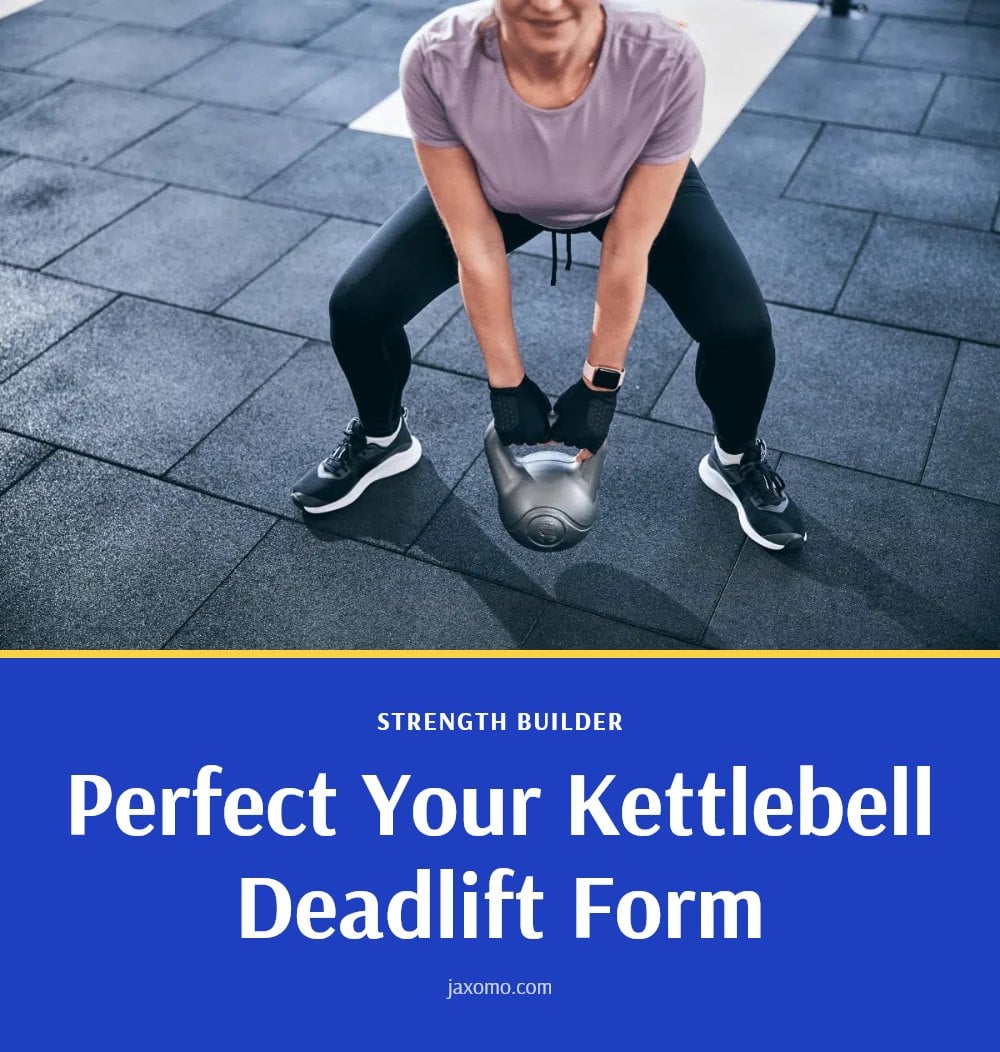
Stand with your feet hip-width apart and the kettlebell on the floor between your feet. Hinge at your hips, keeping your back straight, to grab the handle. Drive through your heels to stand up, squeezing your glutes at the top. This move builds lower body and posterior chain strength.
- Sets and reps: 3 sets of 8-12 repetitions
- Form cue: Keep your spine neutral and look slightly ahead
- Make it harder: Increase the kettlebell weight or add a pause at the top
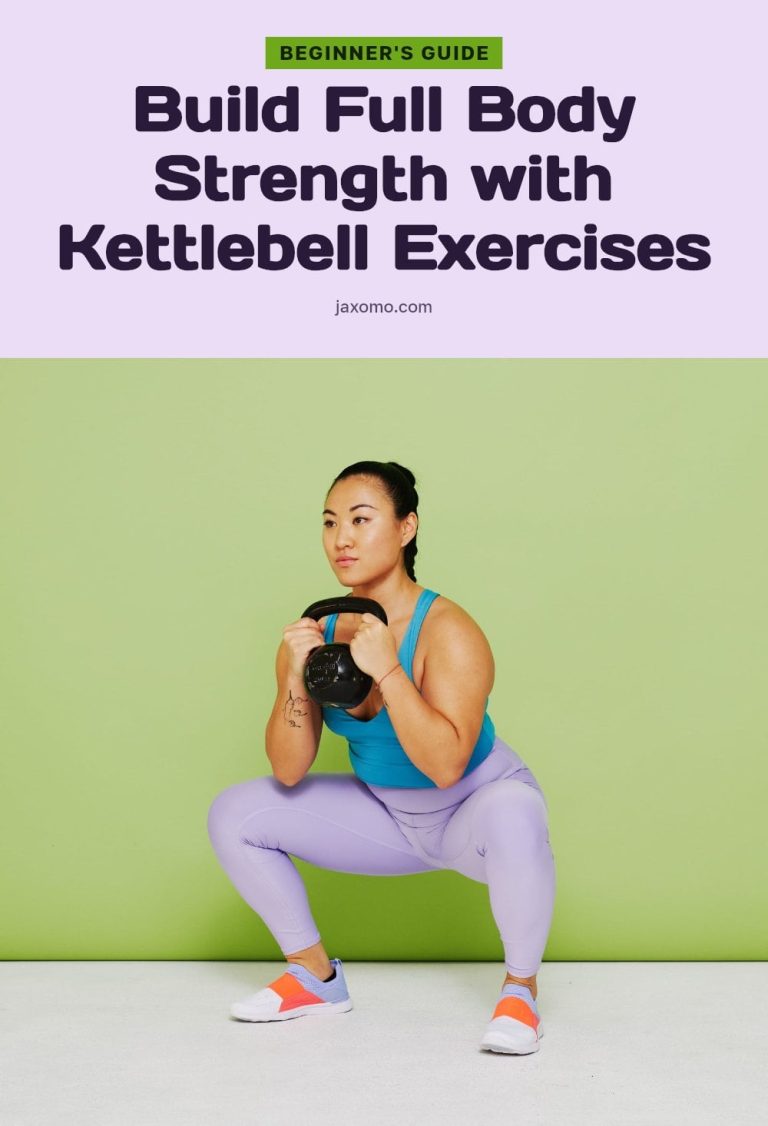
3. Kettlebell Goblet Squat
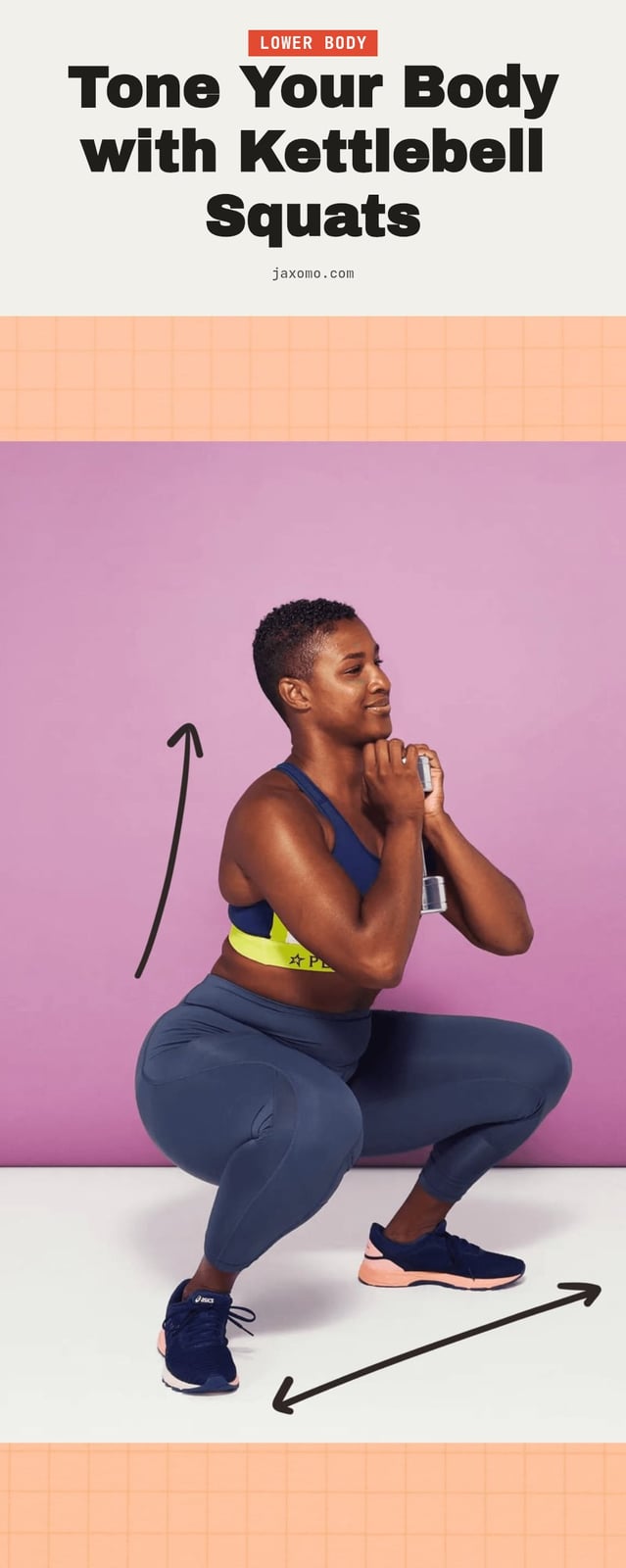
Hold the kettlebell by the horns against your chest, keeping your elbows pointing down. Squat down as low as you can while keeping your chest up and elbows inside your knees. Drive through your heels to return to standing. This exercise helps improve squat form and build leg strength.
- Sets and reps: 3 sets of 10-15 repetitions
- Form cue: Keep your weight in your heels and your chest lifted
- Make it harder: Use a heavier kettlebell or slow down the descent
4. Two-Handed Kettlebell Swing
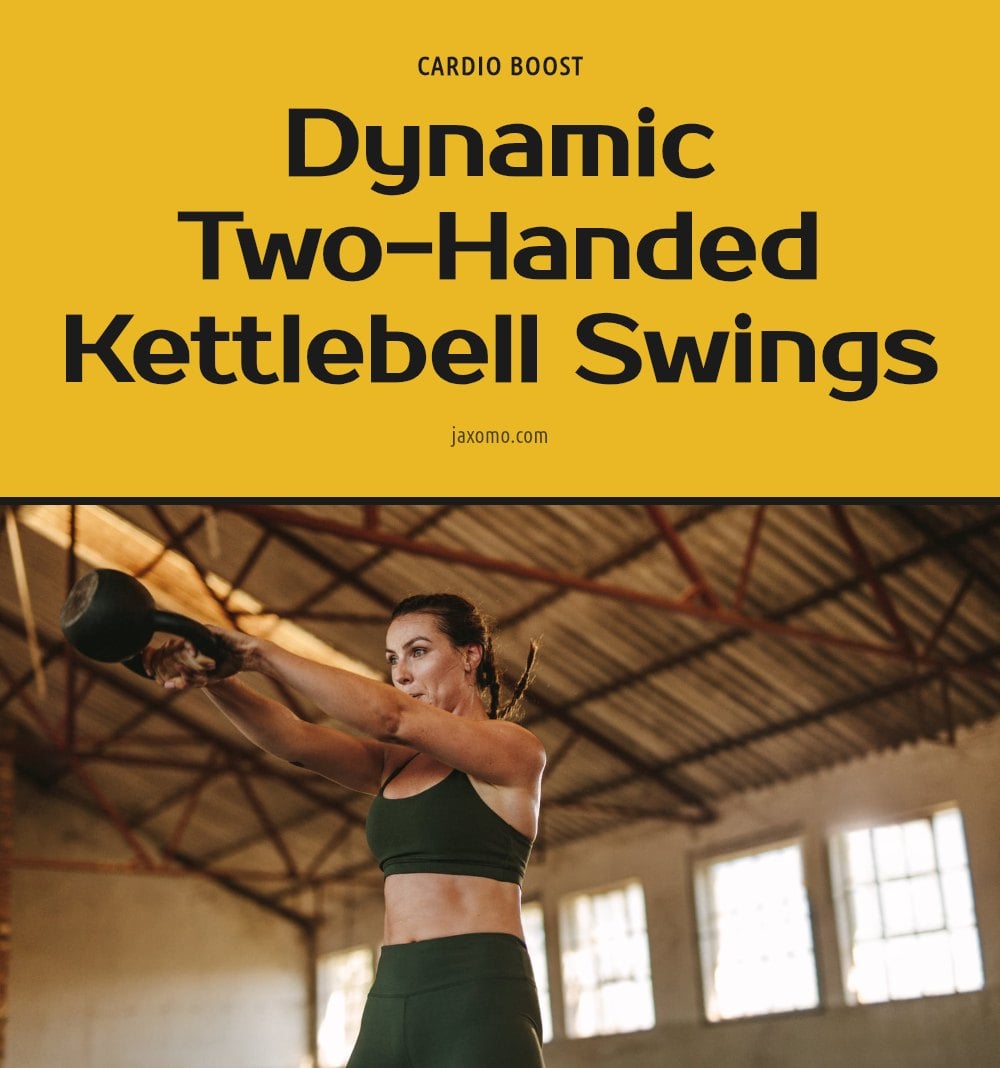
Stand with your feet wider than hip-width and the kettlebell on the floor in front of you. Hinge at your hips, keeping your back flat, and hike the kettlebell back between your legs. Drive your hips forward explosively and squeeze your glutes to swing the kettlebell up to chest height. This move targets your glutes, hamstrings, and lower back.
- Sets and reps: 3 sets of 12-15 powerful repetitions.
- Form cue: The power comes from your hips, not your arms. Think of thrusting your hips forward.
- Make it easier or harder: Use a lighter kettlebell to master the hip hinge, or a heavier one for more resistance.
5. Kettlebell Overhead Press
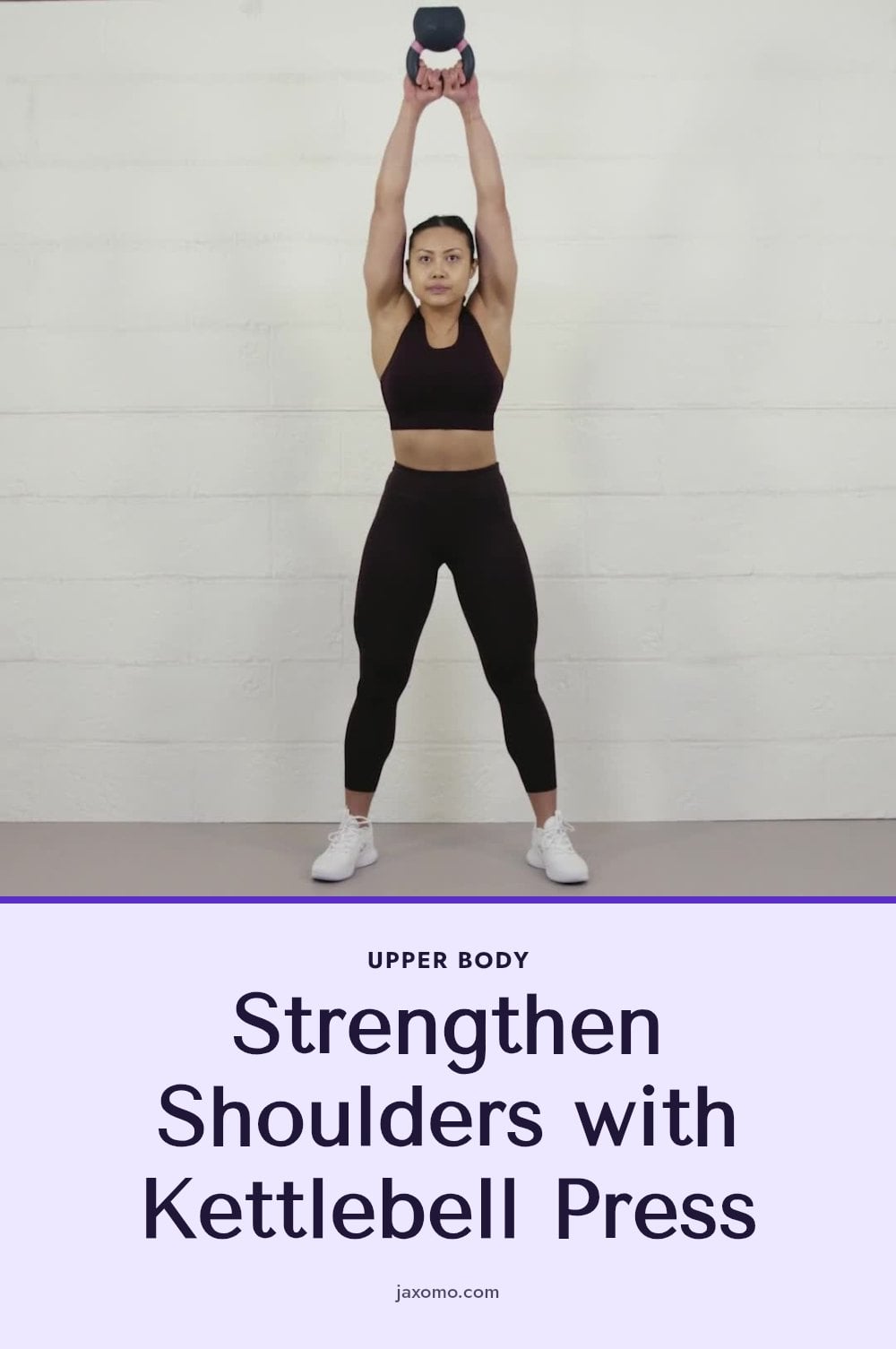
Start by cleaning the kettlebell to the rack position, with the bell resting in the crook of your elbow, the handle against your palm, and the bell close to your shoulder. Press the kettlebell straight overhead until your arm is fully extended, then lower it with control back to the rack. This exercise targets your shoulders, triceps, and core, and a stable rack position is key for safe pressing.
- Sets and reps: 3 sets of 6-8 repetitions per arm.
- Form cue: Keep your core tight and avoid arching your back as you press.
- Make it easier or harder: Use a lighter kettlebell for better control, or press from a kneeling position to challenge stability.
6. Kettlebell Row
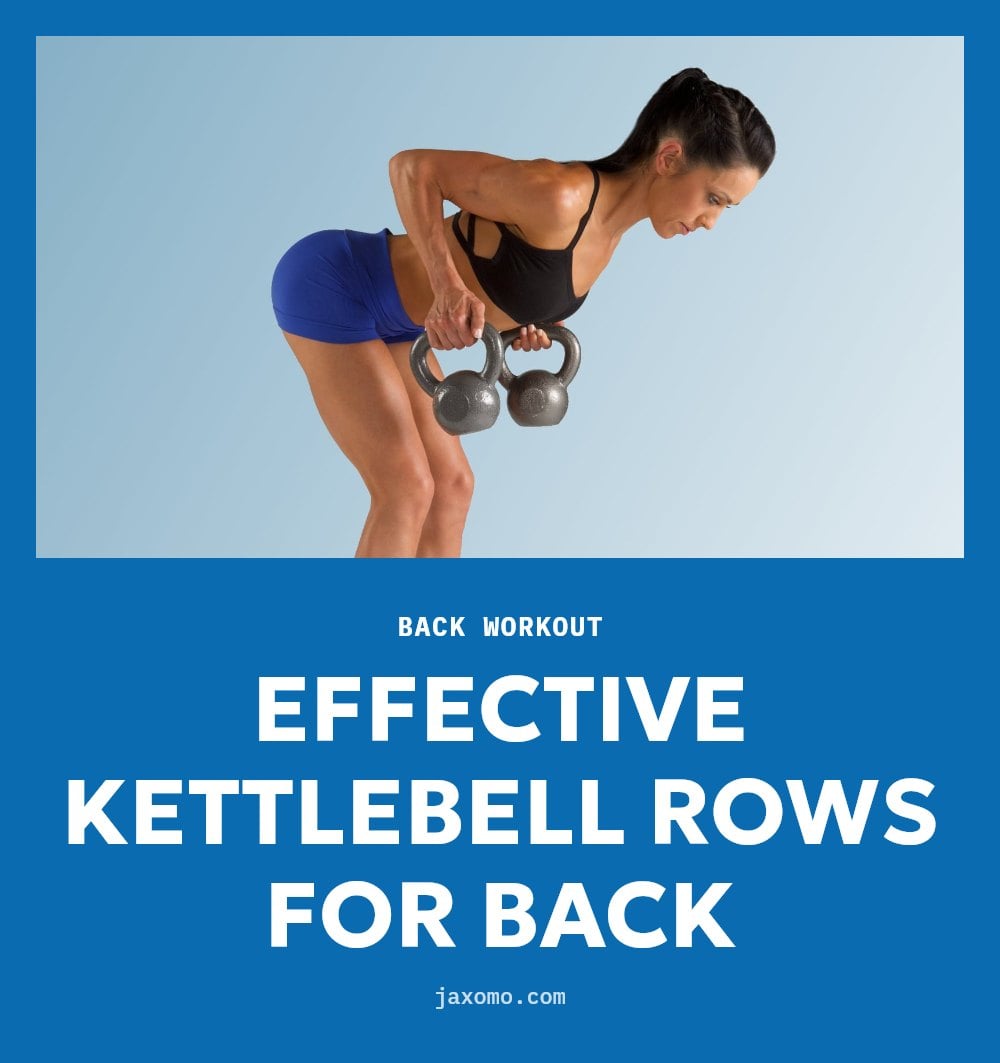
Place one hand on a bench or stable surface and the kettlebell on the floor by your feet. Hinge at your hips, keeping your back flat, and pull the kettlebell toward your hip, squeezing your shoulder blade at the top. Lower the weight with control. This move strengthens your back muscles, including the lats and rhomboids.
- Sets and reps: 3 sets of 8-10 repetitions per arm.
- Form cue: Keep your hips square and avoid twisting your torso as you pull.
- Make it easier or harder: Use a lighter kettlebell to focus on form, or increase the weight for more challenge.
7. Kettlebell Russian Twist
Sit on the floor with your knees bent and feet flat, holding the kettlebell with both hands. Lean back slightly, engage your core, and lift your feet off the floor if you can. Twist your torso to tap the kettlebell to the floor on each side. This exercise targets your obliques and deep core muscles.
- Sets and reps: 3 sets of 10-12 twists per side.
- Form cue: Keep your chest lifted and control the movement; don’t let momentum take over.
- Make it easier or harder: Keep your feet on the floor for more stability, or use a lighter kettlebell.
8. Cool-Down: Kettlebell Arm Bar
Lie on your back with a light kettlebell in one hand, your arm extended straight up toward the ceiling. Keeping your eyes on the bell and your arm vertical, roll onto your opposite side. Hold this position for 30-60 seconds per side, focusing on shoulder mobility and stability.
- Time: 30-60 seconds per side, 1-2 rounds
- Form cue: Keep your arm straight and your gaze fixed on the kettlebell to maintain shoulder alignment.
- Make it easier: Use a very light weight or no weight at all, and reduce the hold time to 15-20 seconds.
- Make it harder: Hold the kettlebell for the full 60 seconds and focus on breathing deeply into your rib cage.
Essential Gear for Your Kettlebell Workout
To get started with kettlebell training, you only need a few pieces of gear. Here is what I recommend:
- Kettlebell: Choose a weight that challenges you without compromising form. For many women, starting with an 8 kg (18 lb) or 12 kg (26 lb) kettlebell works well for general fitness. You can always go lighter or heavier as you progress.
- Workout mat: A mat provides cushioning for floor exercises like the Russian twist and arm bar, and it helps keep your space clean.
- Supportive athletic shoes: Flat, non-slip shoes with good grip are crucial for stability during dynamic movements like swings. Avoid running shoes with thick, cushioned soles.
Your Weekly Kettlebell Workout Schedule
For noticeable improvements in strength and fitness, aim for 2-3 kettlebell workouts per week. Allow at least one rest day between sessions to support recovery and muscle growth. Here is a sample weekly schedule:
| Day | Workout Focus | Exercises (3 sets each) |
|---|---|---|
| Monday | Lower body & posterior chain | Deadlift, Goblet Squat, Two-Handed Swing |
| Wednesday | Upper body & core | Overhead Press, Row, Russian Twist |
| Friday | Full body & power | Two-Handed Swing, Goblet Squat, Overhead Press, Row |
Perform the warm-up (kettlebell halos) before each session and the cool-down (arm bar) after. Listen to your body and adjust the weight or reps as needed.
Frequently Asked Questions
What size kettlebell should a beginner woman use?
For most women new to kettlebell training, a good starting weight is 8 kg (18 lb) or 12 kg (26 lb). This range allows you to learn proper form without the weight being too heavy. If you are already comfortable with strength training, you might start at the higher end of that range.
How often should women do kettlebell workouts?
For noticeable improvements in strength and fitness, aim for 2-3 kettlebell workouts per week. It is important to allow at least one rest day between sessions to support recovery and muscle growth. Consistency over several weeks and months is what brings real results.
Can kettlebells help with weight loss?
Kettlebell training can support weight management because it combines strength and cardiovascular exercise in one workout. The dynamic, continuous nature of many kettlebell movements can elevate your heart rate and burn calories. For weight loss, pair regular kettlebell sessions with a balanced diet and consult a healthcare professional for personalized advice.
Are kettlebells better than dumbbells for women?
Neither is universally better; each has its strengths. Kettlebells shift the center of gravity, which can increase muscle activation and challenge stability more than dumbbells for certain moves. Dumbbells may be easier to control for isolation exercises. Many women find that using both provides the most balanced training.
Final Thoughts
My recommendation is to start with just the deadlift and goblet squat until you feel confident in your hip hinge and squat form. Once those feel solid, add the two-handed swing. Expect to see noticeable improvements in strength and fitness after several weeks of consistent training, around 2-3 sessions per week. The key is to stay patient with your form and listen to your body.
This article is for general informational purposes only and does not constitute medical or professional advice. Before starting any new exercise program, especially if you have pre-existing health conditions or injuries, consult with a healthcare professional. Stop immediately if you experience sharp pain, dizziness, or nausea.