Carnivore Diet: Your Meal Plan and Food List
Considering the carnivore diet? Get a comprehensive meal plan, approved food list, and crucial safety information to help you decide if it's right for you.

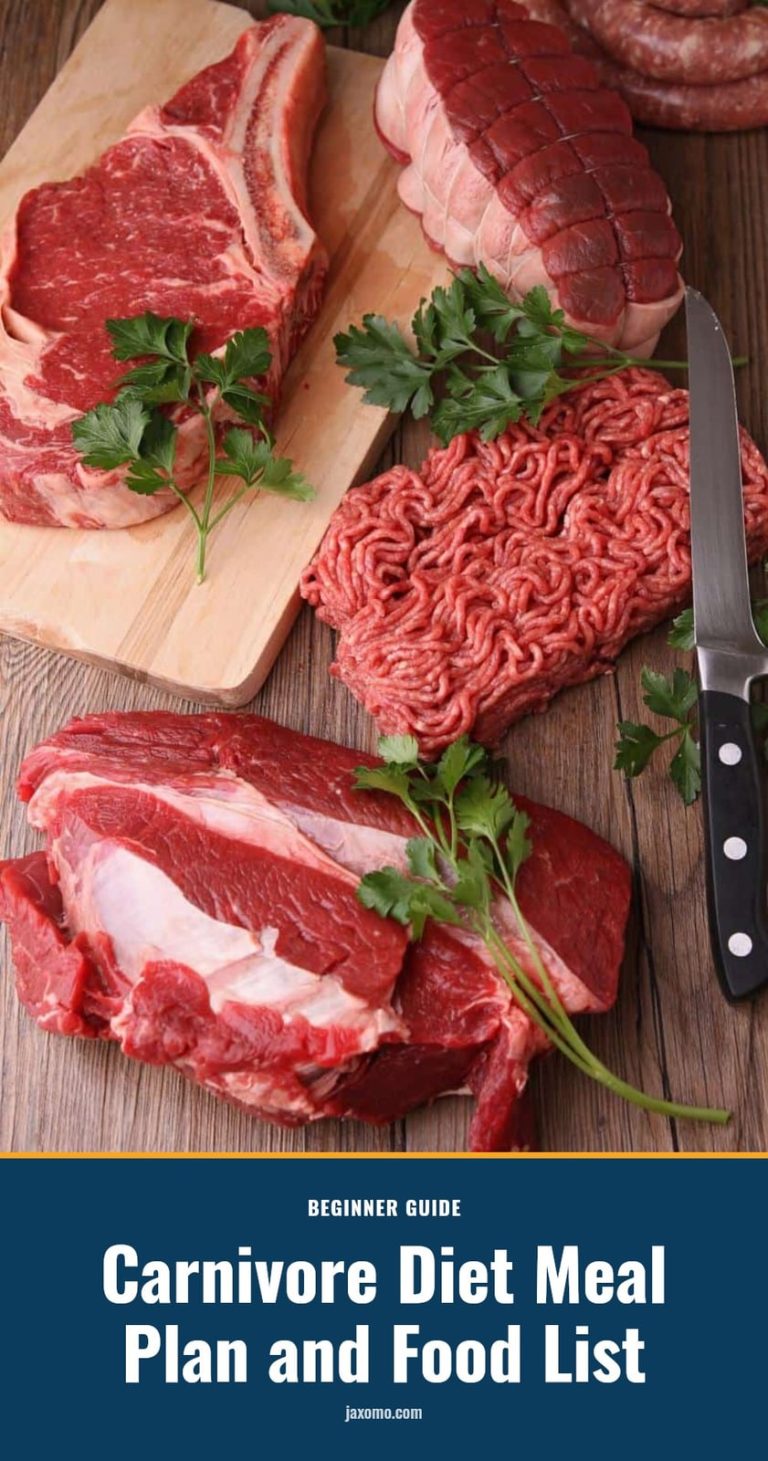
Thinking about cutting out all plants and eating only meat, eggs, and other animal foods? That’s the carnivore diet in a nutshell. This article walks you through exactly what’s on the menu, a sample week of meals, common pitfalls to dodge, and the important risks you need to know before you start.
Key Takeaways
- The carnivore diet excludes all plant foods: fruits, vegetables, grains, legumes, nuts, and seeds.
- Include organ meats like liver at least twice a week to help fill nutrient gaps.
- Drink more water than usual to avoid constipation and electrolyte imbalances.
- Ease into the diet over 1 to 2 weeks to let your digestion adapt.
- Long-term safety is not backed by solid scientific research; consult a doctor first.
What Exactly Is the Carnivore Diet?
The carnivore diet is an extremely restrictive eating plan built entirely around animal products. That means all plant foods, fruits, vegetables, grains, legumes, nuts, and seeds, are cut out completely. People who follow it often report weight loss and other health improvements, but long-term scientific research on safety and effectiveness is limited. My tip: talk to a healthcare professional before considering this diet, because nutrient deficiencies and health risks are real concerns.
Your Approved Carnivore Diet Food List

To get the most nutrients from only animal foods, you need to eat a variety of them. Focus on fatty cuts like ribeye, pork belly, and chicken thighs for energy. Organ meats, especially liver and kidney, pack essential vitamins and minerals that muscle meat alone can miss. Here is what is generally allowed:
- Red meat: beef, lamb, bison
- Poultry: chicken, turkey, duck
- Fish: salmon, mackerel, sardines
- Eggs: whole eggs, any style
- Dairy (optional): butter, hard cheeses
- Fats: tallow, lard, ghee
Hydration matters more than ever. Stick with water, and some versions allow plain coffee or tea. Avoid processed meats with added sugars or preservatives.
A Sample Carnivore Diet Meal Plan: Week 1
This sample week gives you an idea of how to structure meals. Adjust portions based on your hunger, and prioritize fat for satiety. Drink water throughout the day, more than you think you need.
| Day | Breakfast | Lunch | Dinner |
|---|---|---|---|
| Monday | 3 eggs cooked in butter | Beef patties (80/20) | Grilled salmon with butter |
| Tuesday | Skip or coffee with cream | Pork belly strips | Lamb chops |
| Wednesday | Beef liver with eggs | Canned sardines | Ribeye steak |
| Thursday | 3 scrambled eggs | Chicken thighs with skin | Ground beef patties |
| Friday | Skip or hard cheese | Beef short ribs | Salmon fillet |
| Saturday | Omelet with butter | Lamb belly | Beef liver and bacon |
| Sunday | Eggs fried in tallow | Pork chops | Ground lamb |
Tip: Add salt to meals to help maintain electrolyte balance, especially in the first weeks.
Common Mistakes to Avoid on the Carnivore Diet
Even on a carnivore diet, you can miss key nutrients if you stick to the same cuts every day. Rotate between beef, pork, lamb, fish, and eggs, and include organ meats like liver at least twice a week.
Mistake: not drinking enough water. Without plant fiber, your digestive system needs extra fluid. Aim for clear or pale-yellow urine as a sign.
Mistake: ignoring electrolytes. Low-carb diets flush out sodium and potassium. Add salt to food and consider bone broth for minerals.
Mistake: relying only on muscle meat. Organ meats provide vitamin A, iron, copper, and B vitamins that muscle meat lacks.
Mistake: treating the diet as a guaranteed cure. Anecdotal reports are not the same as clinical evidence. Stay realistic and monitor how your body responds.
Top Tips for Starting the Carnivore Diet

Jumping straight from a standard diet to all-meat can shock your system. My tip: ease in over 1 to 2 weeks. Start by removing grains and legumes, then fruits, then vegetables. This gradual shift helps your digestion adapt and makes the transition more manageable.
Once you are fully carnivore, prioritize fatty cuts like ribeye, pork belly, and chicken thighs. Fat is your main energy source here since carbohydrates are gone, so skimping on it can leave you tired and hungry. If you feel sluggish, add more fat before cutting back on food.
Pay attention to how your body responds. Some people feel great on more eggs, others do better with more red meat. Adjust portions and protein sources based on your energy, mood, and digestion.
Salt is essential on this diet. Because you are not eating plant foods, your sodium needs may increase. Add salt to taste, especially in the first few weeks, to help prevent muscle cramps and dizziness.
Pro move: Include organ meats like liver or kidney once or twice a week. They pack vitamins and minerals that muscle meat lacks, like vitamin A, iron, and B vitamins. Start with small amounts mixed into ground beef if the taste is strong.
Understanding the Risks and Limited Research
Here’s where the carnivore diet gets complicated. Because it relies almost entirely on animal products, it’s very high in saturated fat and cholesterol. For some people, that could pose risks for cardiovascular health, though individual responses vary. The bigger concern is what you’re missing. By cutting out all plant foods, you lose fiber, vitamin C, and a range of antioxidants that play key roles in digestion, immune function, and cellular health.
There’s also the matter of what we don’t know. Long-term scientific studies on the carnivore diet’s safety and effectiveness are lacking, so most of the reported benefits, like weight loss or reduced inflammation, come from anecdotal accounts rather than clinical evidence. That doesn’t mean those benefits aren’t real for some people, but it does mean you’re essentially experimenting on yourself.
Electrolyte imbalances are another real risk. Without plant foods and with the potential for dehydration, you may not get enough sodium, potassium, or magnesium. Symptoms can include muscle cramps, fatigue, and dizziness. If you do try this diet, monitoring your body closely and staying well-hydrated are non-negotiable. And if you have any underlying health conditions, talk to your doctor before making this kind of drastic change.
When to Talk to Your Doctor About the Carnivore Diet
If you have kidney disease, heart conditions, or any chronic illness, do not start this diet without direct medical supervision. The same goes for pregnant or breastfeeding women and children, who should never attempt it because the risk of nutrient deficiencies is too high.
Once you begin, watch your body closely. Severe fatigue, muscle cramps, dizziness, or persistent constipation can signal nutrient gaps or electrolyte imbalances. My tip: track how you feel daily, especially in the first few weeks.
Caution: Seek immediate medical attention if you experience severe abdominal pain, persistent vomiting, or signs of dehydration like dark urine or extreme thirst. These are not normal adjustment symptoms, they require prompt evaluation.
Frequently Asked Questions
Can I drink coffee on the carnivore diet?
Yes, coffee and tea are generally permitted on the carnivore diet, though some strict versions allow only water. If you choose to include coffee, just be mindful that adding cream or milk is fine, but sugar and plant-based creamers are not allowed.
Is the carnivore diet good for weight loss?
Many people report weight loss on the carnivore diet, but these reports are largely anecdotal. There is limited scientific research confirming its effectiveness for weight loss in the long term. Weight loss may happen due to calorie restriction or loss of water weight, but it’s not a guaranteed or well-studied outcome.
How long can you stay on the carnivore diet?
There is no established safe duration for the carnivore diet because long-term scientific studies are lacking. Some people follow it for weeks or months, but potential nutrient deficiencies and health risks make indefinite adherence a concern. Professional guidance is recommended if you plan to stay on it for more than a few weeks.
What are the common side effects of starting the carnivore diet?
Common side effects when starting include fatigue, muscle cramps, dizziness, and constipation. These often stem from electrolyte imbalances and dehydration due to the lack of plant-based foods. Drinking extra water and salting your food can help, but if symptoms persist, consult a healthcare professional.
Are there any plant-based foods allowed on the carnivore diet?
No, the carnivore diet strictly excludes all plant-based foods, including fruits, vegetables, grains, legumes, nuts, and seeds. Some versions allow small amounts of low-lactose dairy like hard cheeses or butter, but these are animal products, not plant foods.
Final Thoughts
If you decide to try the carnivore diet, my tip is to prioritize variety within animal foods, especially fatty cuts and organ meats, and to drink plenty of water. Realistically, results vary widely and long-term effects are not well-established, so pay close attention to how you feel and be ready to adjust or stop if you notice concerning symptoms. Ultimately, the best diet is one that you can sustain safely and that supports your overall health.
This article is for informational purposes only and does not constitute medical advice. The carnivore diet is an extreme eating plan with potential health risks. Always consult a doctor, registered dietitian, or other qualified healthcare professional before starting any restrictive diet, especially if you have pre-existing health conditions or are pregnant, breastfeeding, or caring for a child.