11 Winter Skin Tips to Beat Dryness and Flaking
Combat dry, itchy, and flaky winter skin with these 12 essential tips. Learn how to adjust your routine for lasting hydration and comfort.


Winter skin is something most of us deal with when the temperature drops, and it can feel like no amount of lotion helps. The dry, flaky, itchy patches aren’t just annoying; they’re a sign your skin’s moisture barrier is struggling. This article covers 11 practical tips to beat dryness and flaking, from adjusting your shower habits to choosing the right moisturizer and using a humidifier.
You’ll find straightforward advice on what to do and what to avoid, so you can keep your skin comfortable and healthy all season long.

Key Takeaways
- Apply moisturizer within minutes of bathing while skin is still damp to lock in moisture.
- Use a humidifier in your bedroom overnight to restore moisture to dry indoor air.
- Stick to lukewarm showers of 5-10 minutes to avoid stripping natural oils.
- Choose fragrance-free, alcohol-free products to minimize irritation on sensitive winter skin.
- Protect hands and feet with thick occlusive creams, especially after washing.
Why Your Skin Struggles in Winter
Winter skin is a direct result of low humidity. Cold outdoor air holds less moisture, and heated indoor air dries things out even further. Together, they pull water from your skin, leaving it flaky, itchy, and tight. These conditions also weaken your skin’s protective barrier, making it easier for moisture to escape. The fix is simple in theory: adjust your routine to add hydration and lock it in. That means gentler cleansing, richer moisturizers, and a few habit tweaks that make a real difference.
1. Switch to a Hydrating Cleanser
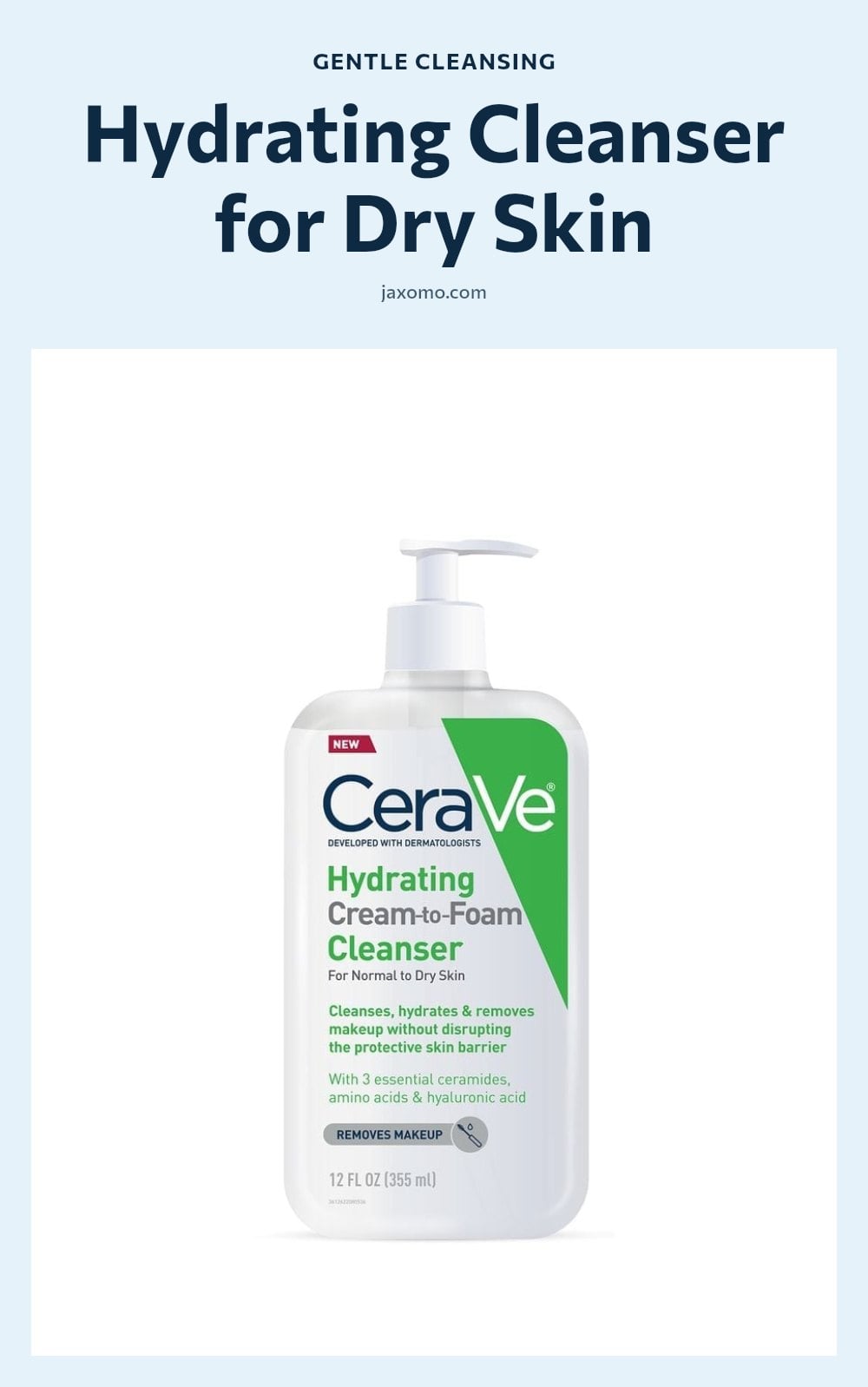
Your usual foaming cleanser may be working against you right now. Harsh soaps and foaming formulas strip away natural oils that are already scarce in winter. That tight feeling after washing is a sign they’ve taken too much.
Switch to a creamy, hydrating cleanser that removes dirt without leaving your skin feeling dry. Look for glycerin or ceramides on the label, both help support your skin barrier. Massage it gently over damp skin, then rinse with lukewarm water. Your face should feel soft, not squeaky clean.
2. Moisturize Immediately After Washing
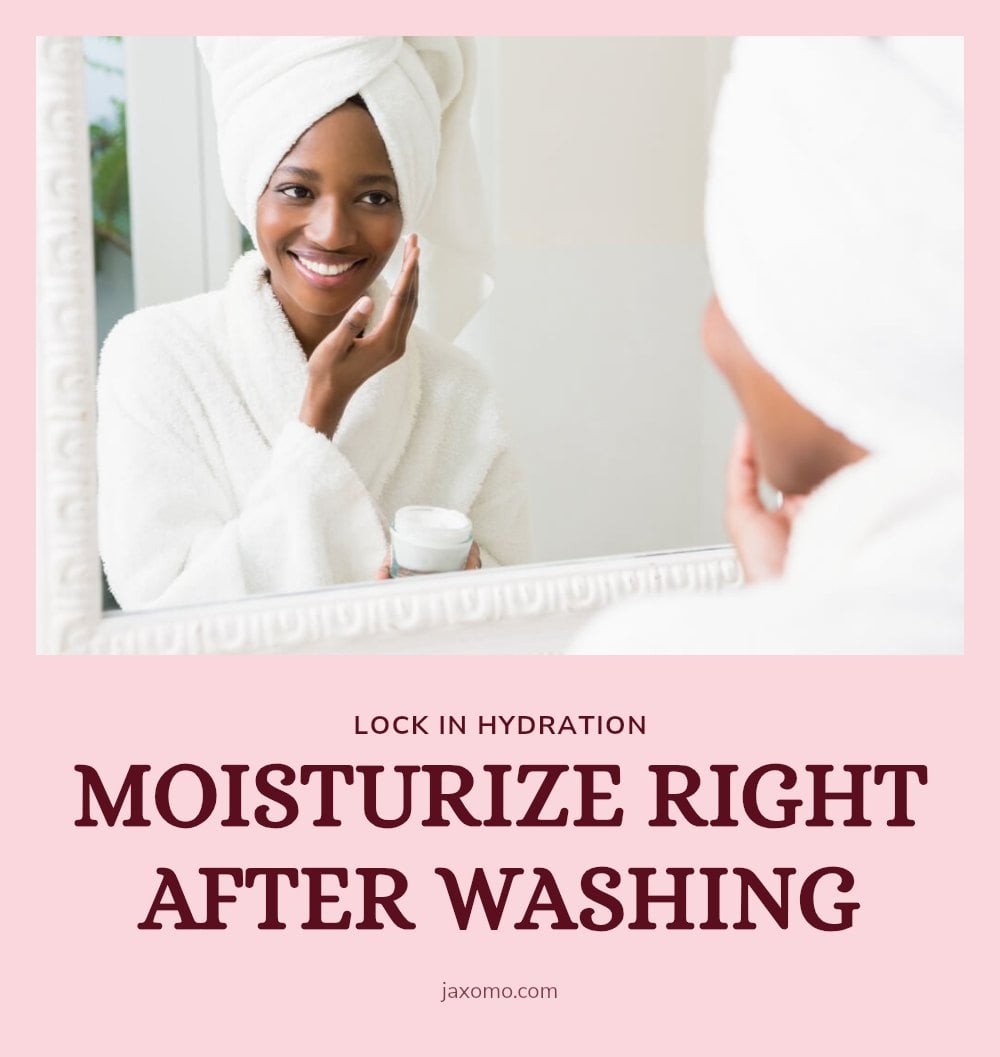
The timing of your moisturizer matters as much as the product itself. Apply it while your skin is still damp, within minutes of washing. That water on your skin helps pull the moisturizer in, and the product creates a seal that keeps it from evaporating.
If you wait until your skin is completely dry, you lose that window. The water evaporates and takes more natural oils with it.
My tip: Keep your moisturizer right by the sink or in the shower caddy so you can’t skip it. Make it as automatic as reaching for a towel.
3. Choose Thicker, Emollient Moisturizers
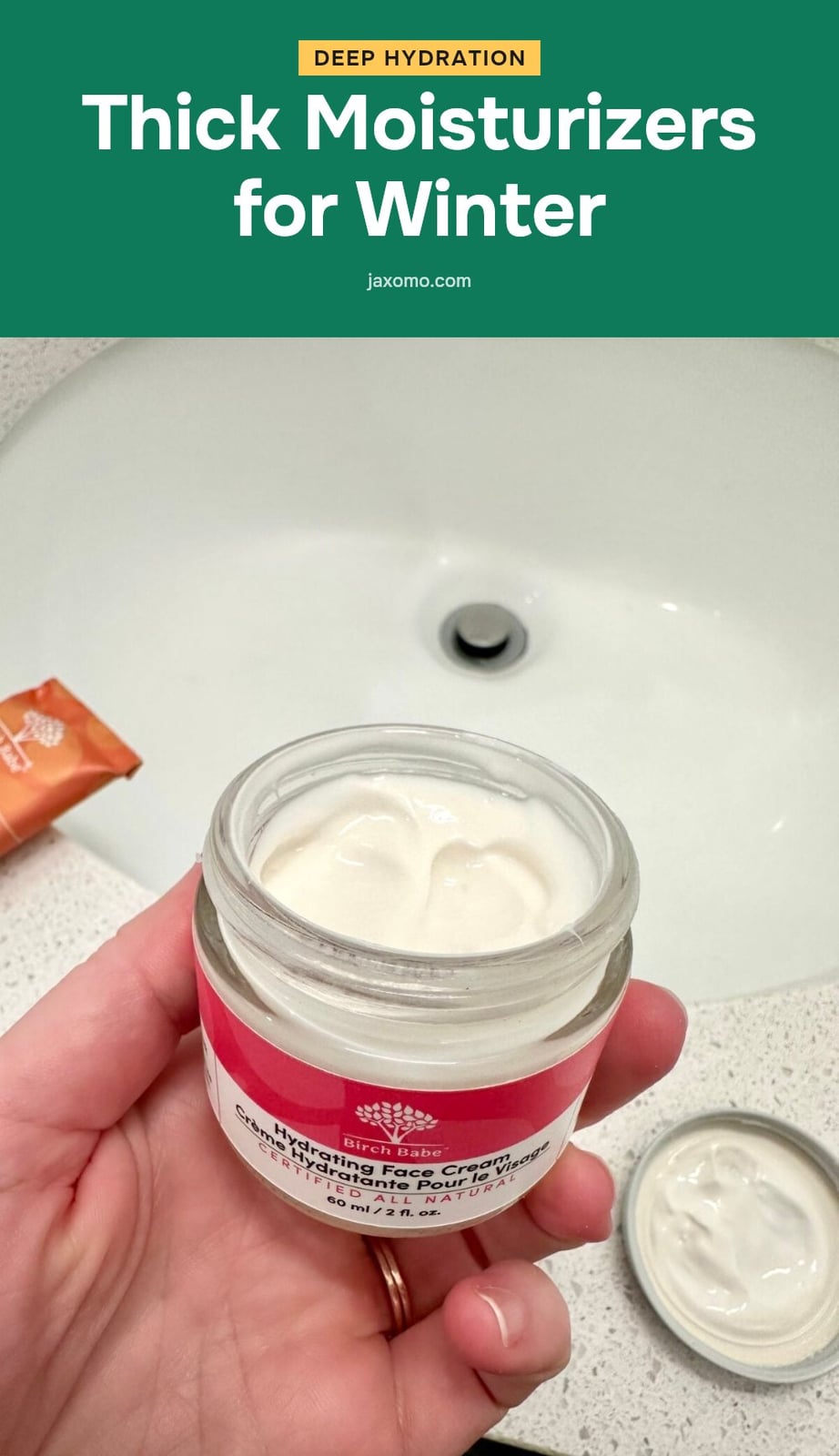
That lightweight lotion you used in July is probably not enough in January. Thin lotions evaporate quickly and don’t provide the barrier your skin needs against cold, dry air.
Move up to a richer cream or ointment with petrolatum, shea butter, or ceramides. These ingredients are occlusives, meaning they sit on the surface and physically block moisture loss. They also shield your skin from wind and temperature swings.
Apply a generous layer to your face and body, especially after bathing. You want to feel a slight protective film, not instant absorption.
4. Avoid Hot Showers and Baths
Hot water feels great on a cold day, but it is one of the fastest ways to strip your skin’s natural oils. That makes dryness and itching worse. Stick to lukewarm showers of 5-10 minutes. Your skin’s moisture barrier will thank you.
5. Use a Humidifier Indoors

Heated indoor air significantly lowers humidity, which pulls moisture from your skin. A humidifier adds moisture back into the air, helping your skin stay hydrated throughout the day.
- My tip: Place one in your bedroom to work overnight while you sleep. You’ll wake up with noticeably less dry, tight skin.
- Keep humidity levels between 30-50% for the best results without promoting mold growth.
6. Protect Exposed Skin Outdoors

Your face, neck, and hands take the brunt of winter wind and cold. Without protection, exposed skin can chap, crack, and lose moisture fast. Gloves, scarves, and hats create a physical shield that keeps your skin barrier intact.
Tip: Choose a scarf made of soft, non-irritating fabric like cotton or silk. Avoid wool directly against your face, as it can trigger itching. Cover your hands before heading out, even for a short walk.
7. Hydrate from the Inside Out
External care only goes so far if your body is running low on water. Drinking enough water throughout the day supports your skin’s plumpness and elasticity from the inside. In winter, you may not feel as thirsty as you do in summer, so make a point of sipping water regularly. Keep a bottle on your desk or set a reminder on your phone to take a few sips every hour.
8. Be Gentle with Exfoliation
Caution: Over-exfoliation can damage your skin’s already fragile barrier in winter, making dryness worse. If you must exfoliate, choose a very gentle chemical exfoliant like a low-concentration AHA once a week at most. Avoid harsh physical scrubs entirely when your skin is dry or irritated. They create micro-tears that let moisture escape.
9. Avoid Irritating Ingredients
Choose fragrance-free, alcohol-free products to minimize irritation and dryness on sensitive winter skin. Strong active ingredients like retinoids or acids can also be harsh when your skin barrier is compromised. Tip: Always patch test new products on your inner arm before using them on your face, especially if your skin is prone to sensitivity.
10. Don’t Forget Sunscreen
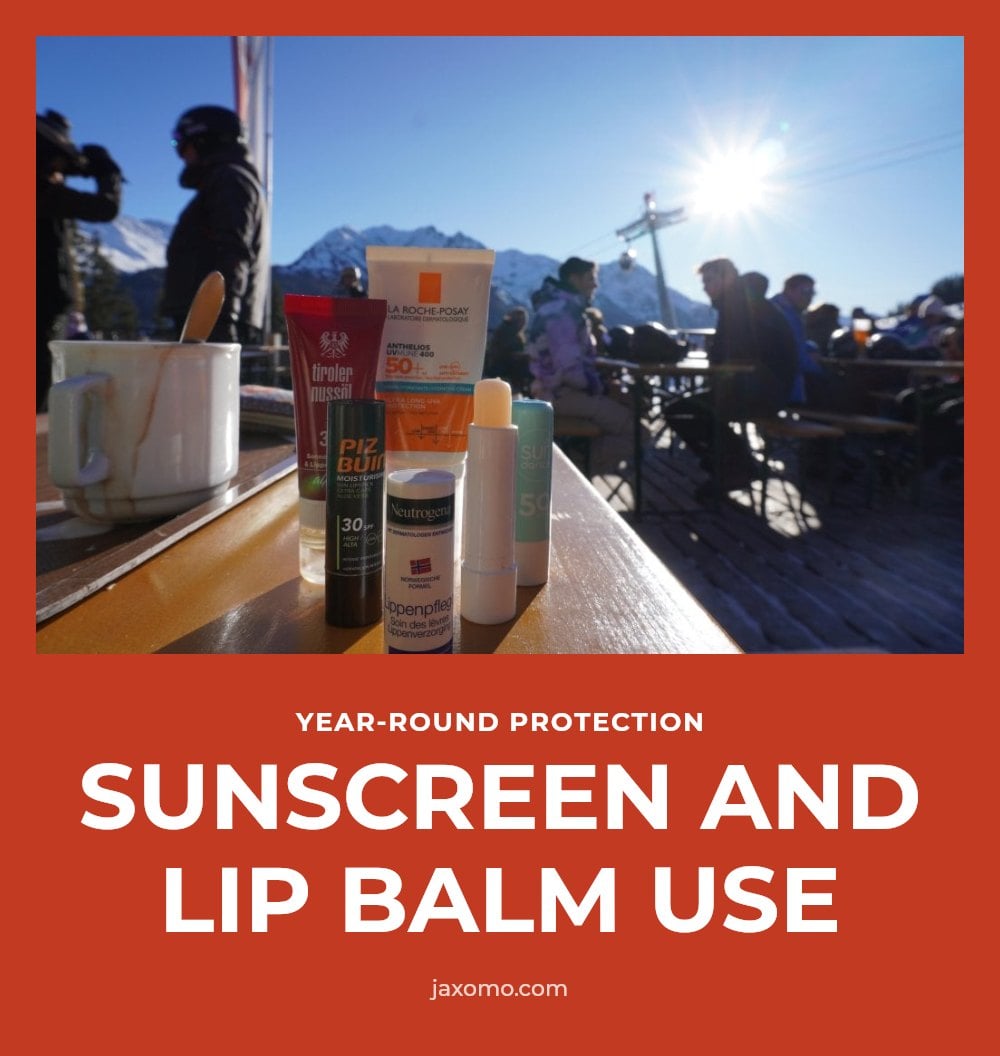
Even on cloudy winter days, UV rays can damage your skin and compromise its barrier function. Use a broad-spectrum sunscreen with at least SPF 30 on all exposed skin, including your face and hands. This helps protect against further damage and supports overall skin health throughout the colder months.
11. Care for Hands and Feet
Your hands and feet are often the first to show signs of severe winter dryness, cracking, and ‘winter itch’. Apply thick occlusive creams to these areas regularly, especially after washing and while skin is still damp. For an intensive treatment, consider wearing cotton gloves or socks after applying cream at night. This traps moisture and allows the product to work deeply while you sleep.
When to See a Dermatologist
If your skin dryness is severe, painful, or accompanied by redness, swelling, or signs of infection, it’s time to consult a dermatologist. Persistent itching, sometimes called winter itch or pruritus hiemalis, that doesn’t improve with home care may also warrant professional advice. Cracked skin can be an entry point for bacteria, increasing the risk of infection, so don’t hesitate to seek help. A dermatologist can assess your specific situation and recommend a targeted treatment plan.
Frequently Asked Questions
Why does my skin get so dry in winter?
Winter dryness happens because cold outdoor air holds less moisture, and heated indoor air further lowers humidity levels. This combination pulls water from your skin, weakening its natural barrier and leading to flaking, itching, and tightness.
How often should I use a humidifier for my skin?
Using a humidifier daily during winter is most effective, especially in the rooms where you spend the most time, like your bedroom. Running it overnight can help your skin retain moisture while you sleep, and you’ll likely notice less dryness by morning.
Is it okay to exfoliate dry winter skin?
You can exfoliate, but be very gentle. Over-exfoliation can damage your skin’s already fragile barrier and make dryness worse. If you choose to exfoliate, use a low-concentration chemical exfoliant like a gentle AHA no more than once a week, and avoid harsh physical scrubs entirely.
What’s the best moisturizer for winter dry skin?
The best moisturizer is a thick, emollient one that contains occlusive ingredients like petrolatum, shea butter, or ceramides. These create a protective barrier that prevents moisture loss, unlike lightweight lotions that evaporate quickly. Apply it while your skin is still damp for the best results.
Can hot showers really make winter skin worse?
Yes, hot showers are one of the fastest ways to strip your skin’s natural oils, which are already scarce in winter. This makes dryness and itching worse. Stick to lukewarm water and limit your shower to 5-10 minutes to help preserve your skin’s moisture barrier.
Final Thoughts
My main recommendation is to make a few simple swaps now: switch to a hydrating cleanser, use a thick cream or ointment, and keep a humidifier running in your bedroom. If you stick with these changes, you can expect to see an improvement in your skin’s texture and comfort within a few days to a week. Winter skin doesn’t have to be a losing battle, and a consistent routine makes all the difference.
The information in this article is for general informational purposes only and does not constitute medical or professional advice. If you have persistent, severe, or painful skin dryness, cracking, or signs of infection, please consult a dermatologist or healthcare provider for a proper diagnosis and treatment plan.