20 Bad Habits to Quit: Small Changes for a Better Life
Ready to ditch those unproductive routines? Learn how to break bad habits with 20 actionable, small changes that lead to lasting positive impact.

You know those little behaviors you keep telling yourself you’ll stop but never do? Whether it’s mindless scrolling, biting your nails, or reaching for sugar when you’re stressed, bad habits can feel impossible to shake. But here’s the truth: you absolutely can change them. This article walks you through the habit loop, the specific triggers behind your routines, and the small, practical steps that actually work to replace them with healthier choices.
Key Takeaways
- Identify your habit triggers by noticing time, place, emotions, and people involved.
- Replace a bad habit with a positive alternative instead of trying to stop it cold.
- Start with tiny, manageable changes, like a five-minute walk, not an hour-long workout.
- Change your environment to remove temptations and make healthy choices easier.
- Be patient: forming a new habit can take anywhere from 18 to 254 days.
Ready to Break Free? Why It’s Possible to Change
Bad habits are automatic behaviors formed through repetition and association, often serving as coping mechanisms. The good news: you can change them by understanding the habit loop, which has three parts: a cue (trigger), a routine (the habit itself), and a reward. Instead of trying to erase the habit, strategically replace the routine with something healthier that still gives you the reward. Small, consistent changes work better than drastic overhauls, and patience is key. You don’t need to be perfect; you just need to keep showing up.
1. Identify Your Triggers

The first step to breaking a bad habit is recognizing what prompts it, known as the cue in the habit loop. Pay attention to the time, place, emotions, other people, or preceding actions that consistently lead to your habit. For example, do you always reach for a snack when you feel bored at 3 p.m.?
My tip: Keep a small journal or use a notes app to log when and where your habit occurs, and how you were feeling right before it. You’ll start to see patterns.
2. Understand the Reward

Every bad habit provides some form of reward, whether it’s stress relief, pleasure, or avoiding discomfort. Ask yourself: What do I get out of this habit? The reward is often the underlying need the habit is trying to fulfill, like a break from work or a moment of calm.
Understanding this reward is crucial for finding a healthier replacement that satisfies the same need. Once you know what you’re really after, you can choose a substitute that delivers it without the downside.
3. Replace, Don’t Just Stop

Simply trying to stop a bad habit without replacing it often leaves a void, making relapse more likely. Instead, plan a new, positive routine that you can do instead of the bad habit when the trigger appears. For instance, if stress makes you bite your nails, try squeezing a stress ball or doing a quick breathing exercise.
The replacement should ideally provide a similar reward to the old habit, but in a healthier way. That way, you’re not just removing something; you’re adding something better.
4. Start Small and Build
Attempting drastic changes all at once can be overwhelming and unsustainable. Focus on tiny, manageable steps instead. For instance, if you want to exercise more, start with a 5-minute walk daily, not an hour-long gym session. Small wins build confidence and make the new habit feel less daunting, increasing your chances of success. Each small victory reinforces your ability to change.
5. Change Your Environment

Your surroundings play a huge role in triggering habits. Make your environment work for you, not against you. Remove temptations, like unhealthy snacks, and make healthy choices more accessible, such as keeping running shoes by the door. My tip: If I want to read more, I put my book on my pillow each morning so it’s the first thing I see at night.
6. Practice Mindfulness

Mindfulness helps you become more aware of your impulses and the automatic nature of your habits. When you feel the urge to engage in a bad habit, pause. Observe the feeling without judgment. This brief pause creates a space where you can consciously choose a different action instead of reacting automatically. Even a few seconds of awareness can shift your response.
7. Track Your Progress
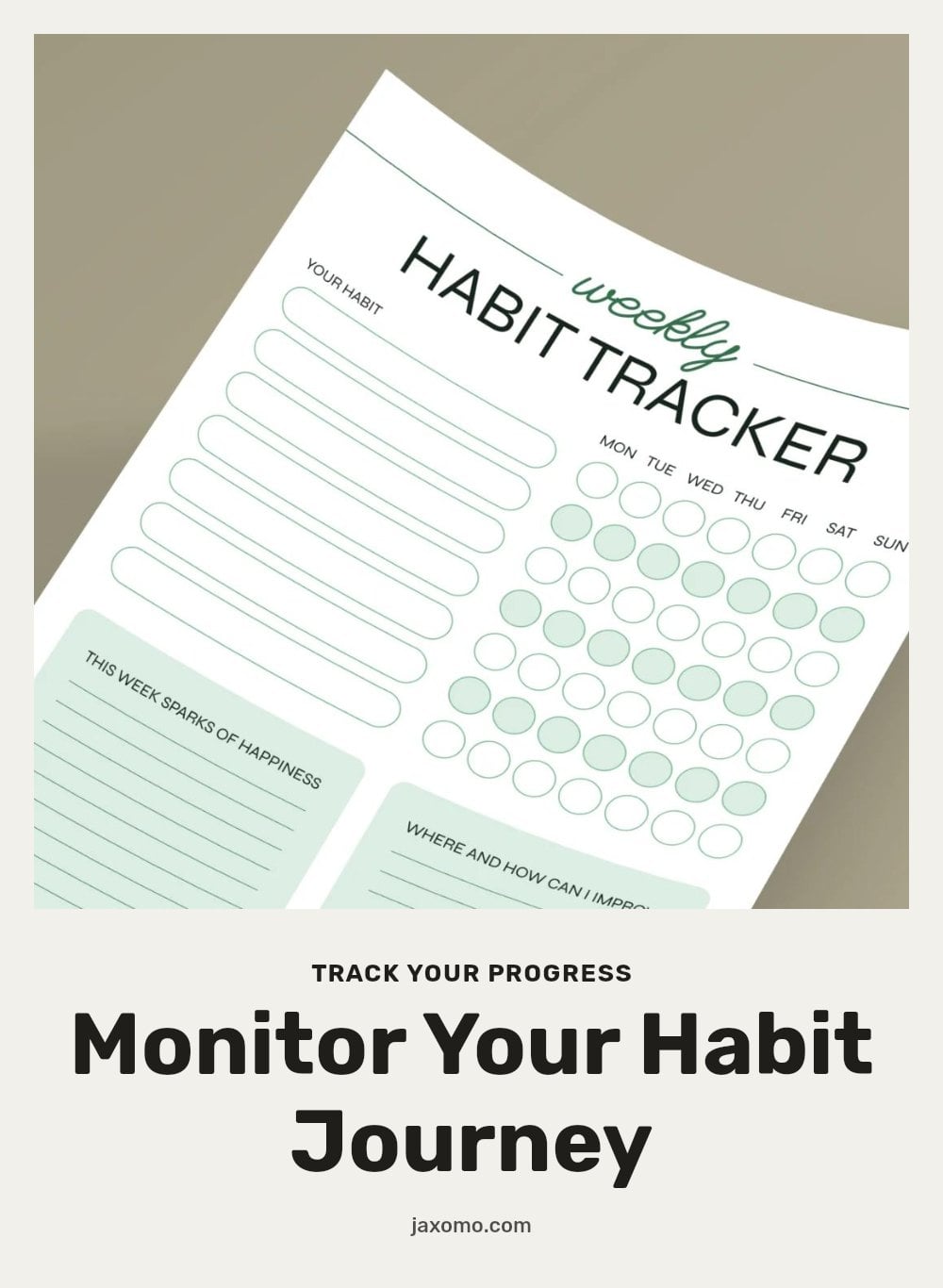
Seeing how far you’ve come can be a powerful motivator. Use a habit tracker app, a calendar, or a journal to mark off each day you successfully stick to your new habit or avoid the old one. Don’t aim for perfection; focus on consistency and building a chain of good days. Even a few days in a row can feel rewarding and keep you going.
8. Find an Accountability Partner
Sharing your goals with someone else can significantly boost your success rate. This could be a friend, family member, or coach. Regular check-ins with your partner keep you motivated and provide support when you face challenges. Knowing someone is expecting an update can be a powerful incentive to stick to your commitments.
9. Reward Your Efforts

Positive reinforcement helps solidify new habits by making the process more enjoyable. Plan small, healthy rewards for achieving milestones, like a new book after a week of consistent exercise, or a relaxing bath after a month of no nail-biting. Ensure rewards don’t undermine your goal (e.g. don’t reward healthy eating with a sugary treat).
10. Manage Stress Effectively
Stress and fatigue are major triggers for reverting to bad habits, as they weaken self-control. Develop healthy coping mechanisms for stress, such as exercise, meditation, deep breathing, or talking to a friend. Prioritizing sleep is also crucial, as lack of sleep impairs decision-making and increases cravings.
11. Prepare for Setbacks
Slip-ups are a normal part of the habit change process, not a sign of failure. Don’t let one mistake derail you completely. Have a plan for what you’ll do if you slip: acknowledge it, learn from it, and get back on track immediately. My tip: Don’t beat yourself up. Just say, ‘Okay, that happened. Now, what’s my next best step?’
12. Visualize Your Success
Mentally rehearsing your new habit can make it easier to perform when the time comes. Close your eyes and imagine yourself successfully completing the desired action in response to a trigger. Picture the setting, the cue, and your calm, deliberate response.
- See the scene: Visualize the exact moment you would normally fall into the bad habit, then see yourself choosing the new routine instead.
- Feel the reward: Imagine the positive outcome, the sense of accomplishment, the relief, or the energy boost you get from sticking to your plan.
This mental rehearsal strengthens the neural pathways you want to build, making the new behavior feel more familiar and automatic when the real cue appears.
13. Break the Chain
When you feel the urge to engage in a bad habit, try to introduce a small, immediate obstacle. Even a tiny interruption can break the automatic response and give you a moment to choose differently.
- Move your body: Physically get up and walk to another room, or simply shift your weight from one foot to the other.
- Take one breath: Inhale deeply for 4 counts, hold for 4, exhale for 4. That pause is often enough to reset the loop.
- Do a 30-second task: Stretch your arms, grab a glass of water, or write down one word. The action disrupts the routine.
The key is to make the obstacle quick and easy so you actually do it. Once the chain is broken, you have a clear window to make a conscious choice.
14. Link New Habits to Old Ones
Use an existing good habit as a trigger for a new one. This technique is called habit stacking, and it works because you are piggybacking on a routine that is already automatic.
For example: After I brush my teeth, I will do 10 squats. Or: After I finish my morning coffee, I will plan my top three tasks for the day. The key is to attach the new behavior to the end of a habit you already do reliably.
Start with just one stack. Once the new action feels natural, you can add another link to the chain. This leverages the automaticity of an established habit to make a new one stick without relying on willpower alone.
15. Be Patient and Persistent
Creating new neural pathways takes time. The average time to form a new habit varies widely, from 18 to 254 days, so do not get discouraged if progress is not immediate. Consistency over time is what truly matters.
- Celebrate small victories: Each day you stick to your new routine is a win. Acknowledge it.
- Focus on the process, not perfection: One slip does not erase your progress. Every day is a new opportunity to choose differently.
Patience is not passive. It means showing up day after day, even when results are not visible yet. Your brain is rewiring itself with every repetition.
16. Practice Self-Compassion
Be kind to yourself throughout the process. Self-criticism can be demotivating and counterproductive, making it harder to stick with changes. Treat yourself with the same understanding and encouragement you would offer a good friend who is trying to improve.
- Recognize that changing ingrained behaviors is challenging, and it is okay to not be perfect.
- When you slip, acknowledge it without judgment and refocus on your next positive step.
17. Review and Adjust
Periodically check in with your progress and strategy. Ask yourself what is working and what is not. Habit change is an iterative process; what works one week might need adjusting the next.
Don’t be afraid to tweak your replacement habits or adjust your environmental cues. For example, if your afternoon walk keeps getting skipped, try moving it to the morning. Flexibility keeps your approach effective over time.
18. Identify Your ‘Why’
Connect your habit change goal to a deeper personal value or aspiration. Ask yourself why this change matters to you. Is it for better health, more energy, stronger relationships, or personal growth?
Reminding yourself of your core motivation provides powerful fuel when willpower wanes. Write it down and place it somewhere visible, like on your mirror or phone wallpaper, to keep it top of mind.
19. Get Enough Sleep
Lack of sleep significantly impairs your ability to make good decisions and resist impulses. Prioritizing 7-9 hours of quality sleep each night strengthens your self-control and reduces cravings.
Tip: A consistent sleep schedule is one of the most underrated tools for breaking bad habits. Go to bed and wake up at the same time every day, even on weekends, to stabilize your body’s internal clock.
20. Stay Hydrated and Nourished
Physical discomfort like hunger or thirst can easily be mistaken for a craving that leads you straight back to a bad habit. Keep a water bottle on your desk and sip throughout the day, and aim for balanced meals with protein, fiber, and healthy fats to keep your energy stable. Tip: I notice my snacking urges drop significantly when I drink a full glass of water first and wait ten minutes.
A well-nourished body and mind are simply better equipped to resist temptations. When your blood sugar is steady and you are hydrated, your self-control works more reliably.
When to Seek Professional Help
If your bad habits are severely impacting your mental health, physical health, or relationships, it is time to seek professional support. This includes habits that feel like addictions, cause significant distress, or are difficult to manage on your own despite your best efforts.
A therapist, counselor, or doctor can provide tailored strategies, address any underlying issues such as anxiety or depression, and offer accountability that goes beyond what friends or apps can give. There is no shame in asking for help. Reaching out is a sign of strength, not failure.
Frequently Asked Questions
How long does it take to break a bad habit?
There is no single timeline, but research shows it can take anywhere from 18 to 254 days for a new habit to feel automatic. The key is consistency, not speed. Focus on sticking with your replacement behavior day after day, and give yourself grace when progress feels slow.
Can I break multiple bad habits at once?
It is generally not recommended to tackle several habits at the same time. Changing just one habit requires focus, willpower, and environmental adjustments. Spreading your energy too thin often leads to burnout and relapse. Start with the habit that bothers you most, and once it feels stable, move to the next.
What if I keep slipping up?
Slip-ups are completely normal and part of the process. Instead of seeing them as failures, treat them as learning opportunities. Ask yourself what triggered the slip, adjust your plan if needed, and get back on track immediately. Self-compassion is more effective than self-criticism for long-term change.
How do I identify my habit triggers?
Start by paying close attention to the moments right before you engage in the habit. Notice the time of day, your location, your emotional state, and who is around you. You can also keep a simple log for a few days. Patterns will emerge, and those patterns are your triggers.
Is willpower enough to break a habit?
Willpower alone is rarely sufficient for lasting change. Habits are automatic behaviors triggered by cues in your environment, so relying on willpower means fighting against those cues every time. A more effective approach is to change your environment, replace the habit with a positive alternative, and build accountability into your routine.
Final Thoughts
Pick just one bad habit to work on this week. Start by simply noticing its trigger and what reward it gives you, then swap in a tiny replacement action. Expect slip-ups along the way, they’re normal and not a sign of failure. The real win is showing up again the next day. Small, consistent changes truly add up over time.
This article provides general information about habit change and is not a substitute for professional advice. If your habits are causing significant harm to your mental or physical health, or if you suspect an addiction, please consult a doctor, therapist, or counselor for personalized support.