How to Control Anger Without Bottling It up
Learn healthy ways to control anger without suppressing your emotions. Discover practical techniques to manage triggers and express feelings constructively.


You know that feeling when anger flares up and you’re not sure what to do with it? You don’t want to explode, but bottling it up just makes things worse. This article walks you through practical steps to express anger in a healthy way, from quick calming techniques to long-term strategies that help you understand and manage the emotion without losing control.

Key Takeaways
- Recognize physical signs like increased heart rate or muscle tension to intervene early.
- Use deep breathing or a time-out to calm yourself in the moment.
- Express feelings clearly with ‘I’ statements instead of blaming others.
- Practice cognitive restructuring to challenge irrational thoughts that fuel anger.
- Seek professional help if anger harms relationships, work, or leads to thoughts of harming yourself or others.
Managing Anger: Your First Steps to Healthy Expression
Anger is a natural emotion, just like joy or fear. The goal isn’t to eliminate it but to understand and express it constructively. Healthy management starts with recognizing your triggers, using immediate calming techniques, and building long-term emotional regulation strategies. This approach prevents anger from damaging your life and relationships, without suppressing how you feel.
Tools and Resources for Anger Management
Having a few simple tools on hand can make a real difference when anger starts to build.
- Journal: Write down what triggered your anger and how you responded. Patterns become clearer over time.
- Stress ball or fidget toy: Squeezing one gives your hands a physical outlet for tension, helping you stay calm.
- Comfortable quiet space: Designate a spot where you can practice deep breathing or just sit without distractions.
- Timer: Set it for 10-15 minutes during a time-out to give yourself a clear boundary before returning to the situation.
Step-by-Step: Calming Anger in the Moment
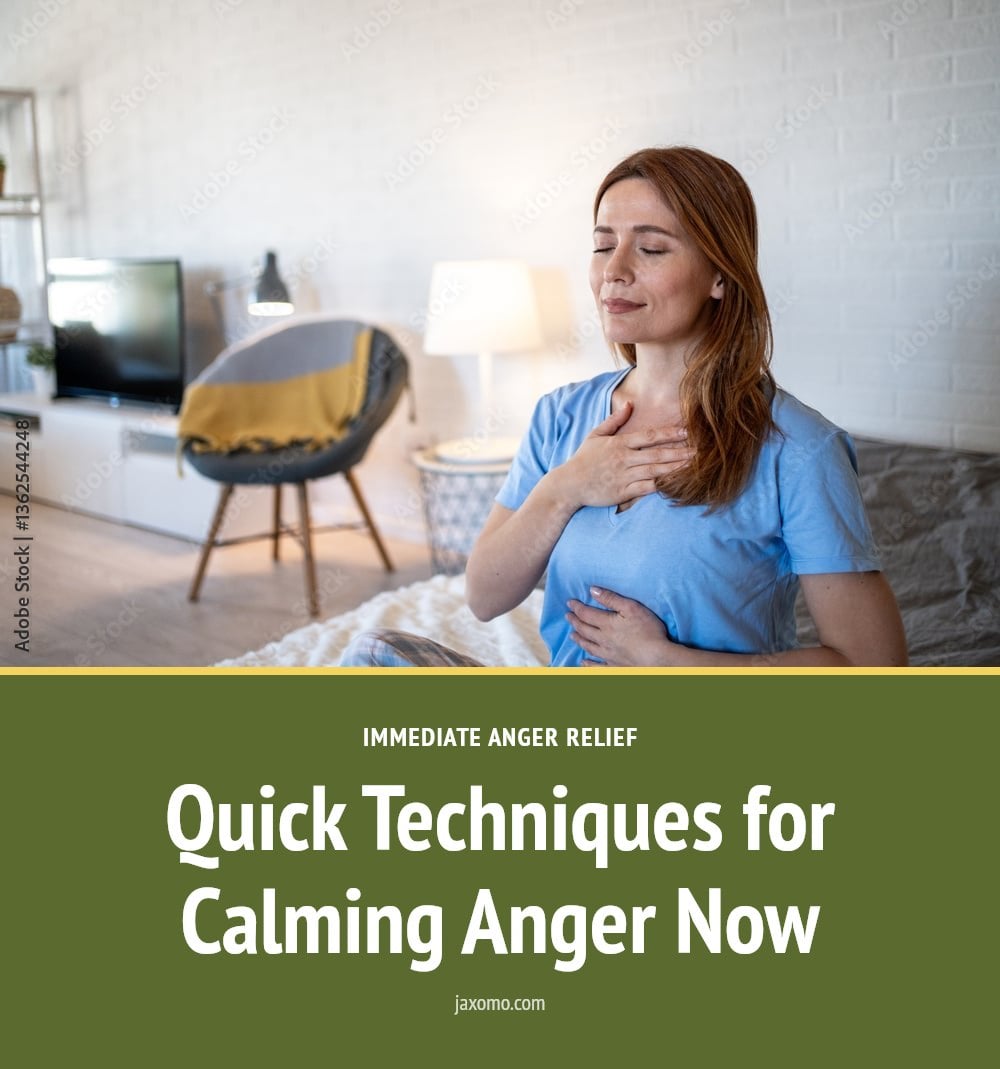
When you feel anger rising, acting quickly can prevent an outburst. Here is a step-by-step approach to calm down in the moment.
- Recognize the physical signs: Notice your heart rate increasing, muscles tensing, or face flushing. These cues tell you it’s time to intervene early, before anger peaks.
- Practice deep breathing: Inhale slowly through your nose for four counts, hold for four, then exhale through your mouth for six. This activates your relaxation response and lowers your heart rate.
- Take a time-out: Step away from the situation for a short period. Go to a quiet room or take a brief walk. This cooling-off period prevents impulsive reactions you might regret.
- Challenge irrational thoughts: Ask yourself if your anger is based on facts or assumptions. Replace thoughts like “they always do this” with “this is one event, and I can handle it.”
- Use ‘I’ statements: When you’re ready to talk, say “I feel frustrated when…” instead of “you always…”. This expresses your feelings clearly without blaming the other person.
Long-Term Strategies for Emotional Regulation
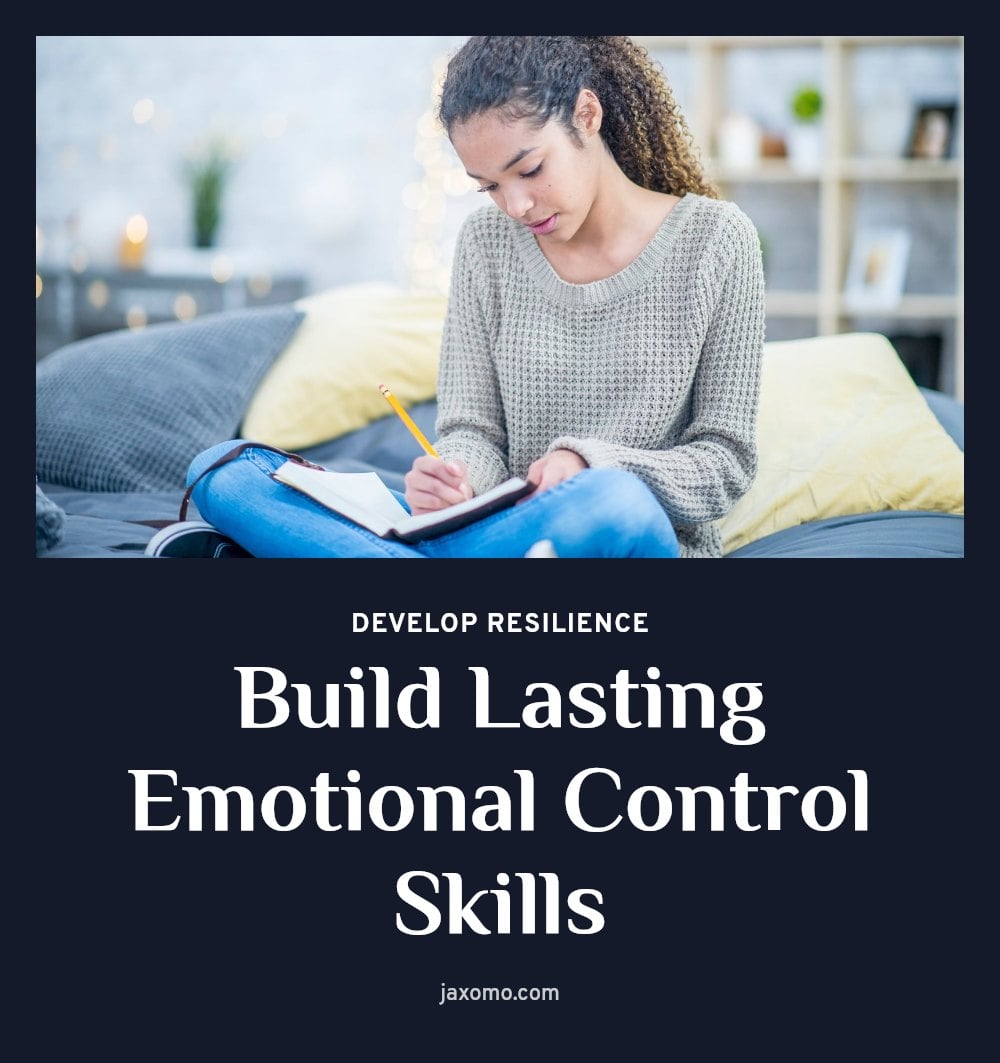
Long-term anger management requires consistent practice with strategies that address the root causes. Here are several approaches that work well together.
Cognitive Restructuring
Identify irrational thoughts that fuel your anger, such as “this is unbearable” or “they meant to upset me.” Challenge them with more realistic alternatives. My tip: Write down the thought and a balanced counter-thought to retrain your brain over time.
Mindfulness
Mindfulness helps you notice angry feelings without judging or reacting immediately. Practice a short daily meditation where you observe your breath and thoughts. Good to know: Even five minutes a day can increase your awareness and give you a pause before reacting.
Regular Physical Activity
Exercise releases pent-up energy and stress. Aim for 30 minutes of moderate activity most days, whether it’s running, swimming, or a brisk walk. Caution: Avoid intense workouts when you’re already angry, as that can sometimes increase arousal. Use it as a preventive habit instead.
Practicing Empathy
Try to see the situation from the other person’s perspective. Ask yourself what might be driving their behavior. This shift can reduce the intensity of your anger and open the door to resolution.
Identifying Underlying Causes
Anger often masks deeper emotions like stress, grief, or fear. Take time to reflect on what else might be going on in your life. Pro move: Keep a separate log in your journal for underlying feelings, not just triggers. Addressing the root issue can reduce how often anger surfaces.
Common Mistakes When Dealing With Anger
Many people unknowingly make mistakes that keep their anger from being managed well. Suppressing anger by bottling it up may seem like a solution, but it often leads to internal stress, anxiety, depression, and passive-aggressive behaviors. Confusing anger with aggression is another common pitfall. Anger is an emotion; aggression is a behavior like yelling or name-calling. Healthy management means expressing the emotion without acting out. Blaming others for your anger prevents you from taking responsibility for your own responses and finding constructive solutions. Ignoring the physical signs of rising anger, such as a faster heartbeat or tense muscles, makes it much harder to intervene early. Recognizing these cues is key to calming down before the anger peaks.
Preventing Anger Overwhelm and Recurrence
Proactive steps can reduce how often anger overwhelms you. Identify Your Triggers: Knowing what consistently provokes your anger lets you anticipate and prepare for those situations. Maintain a Healthy Lifestyle: Adequate sleep, balanced nutrition, and regular exercise build emotional resilience and stress management. Improve Communication Skills: Learning to express your needs and set boundaries prevents misunderstandings that often spark anger. Practice Forgiveness: Letting go of past grievances, for yourself and others, stops rumination that fuels chronic anger.
When to Seek Professional Help for Anger
Anger management strategies work for many, but some situations require professional help. If your anger leads to thoughts of harming yourself or others, seek immediate help. If anger consistently damages your relationships, job, or well-being, a therapist or counselor can provide support. If you experience physical symptoms like chest pain or dizziness during angry outbursts, consult a doctor to rule out underlying health issues.
Timeline for Anger Management and Expected Progress
Progress in anger management happens at different speeds. Immediate Relief: Deep breathing and time-outs offer instant calming effects. Short-Term Progress (Weeks): Consistent practice of cognitive restructuring and mindfulness can show noticeable improvements in emotional regulation within a few weeks. Long-Term Mastery (Months/Ongoing): Fully understanding and managing underlying causes is an ongoing process that requires consistent effort and may take several months or longer. Cost: Options range from free self-help resources and apps to paid therapy sessions, with costs varying based on professional fees and insurance coverage.
Frequently Asked Questions
Is anger always a negative emotion?
No, anger is a natural and primary human emotion, just like joy or fear. It becomes problematic only when it’s expressed destructively or suppressed entirely. When managed well, anger can signal that something is wrong and motivate you to address an issue.
What if I don’t know why I’m angry?
It’s common to feel angry without a clear cause. Try journaling about what happened before the anger arose, or practice mindfulness to observe your thoughts without judgment. If the confusion persists, a therapist can help you uncover underlying factors like stress, grief, or past trauma.
Can diet and exercise impact my anger levels?
Yes. Regular physical activity serves as a healthy outlet for pent-up energy and stress, which can reduce the frequency of anger episodes. A healthy lifestyle with adequate sleep and balanced nutrition builds emotional resilience, making it easier to handle triggering situations.
How can I stop anger from affecting my relationships?
Use ‘I’ statements to express your feelings without blaming the other person, and take a time-out when you feel overwhelmed. Practicing empathy, trying to understand the other person’s perspective, can also reduce conflict. If anger consistently damages relationships, consider seeing a therapist for tailored strategies.
How long does it take to learn anger management?
Immediate relief comes from techniques like deep breathing and time-outs. With consistent practice, you may notice improvements in emotional regulation within weeks. Full mastery, including understanding root causes and changing long-term patterns, typically takes months of ongoing effort.
Final Thoughts
My tip: Keep a journal to track your triggers and responses, patterns will emerge that help you prepare for future situations. Realistic progress means you’ll see immediate relief from deep breathing and time-outs, but lasting change takes weeks or months of consistent practice. Stick with it, and you’ll find anger becomes a signal you can handle, not a force that controls you.
This article provides general information for educational purposes only and is not a substitute for professional medical or mental health advice. If you have concerns about your anger or its impact on your health and relationships, consult a doctor, therapist, or counselor. If you experience thoughts of harming yourself or others, seek immediate professional help.