Vitamin C Benefits for Women’s Skin Health
Discover the amazing vitamin C benefits for your skin! Learn how to use it, what to look for, and expert tips for a brighter, more even complexion.


You already know Vitamin C is good for your skin, but you might be wondering what it actually does and how to pick the right one. This article breaks down the science behind Vitamin C’s benefits for women’s skin health, how to choose between L-ascorbic acid and its derivatives, and the simple routine that gets you results.

Key Takeaways
- Vitamin C is a potent antioxidant that protects skin from free radical damage caused by UV and pollution.
- L-ascorbic acid is the most potent and well-researched form of Vitamin C for skincare.
- Apply Vitamin C serum in the morning on clean, dry skin before sunscreen.
- Store your Vitamin C serum in a cool, dark place to prevent oxidation.
- Consistent daily use for several weeks to a few months is needed to see noticeable results.
What Exactly Is Vitamin C and Why Does Skin Love It?
Vitamin C, particularly its active form L-ascorbic acid, is a potent antioxidant that your skin craves. It plays a vital role in collagen production, which keeps skin firm and resilient. Beyond structure, it actively brightens your complexion, fades dark spots, and shields skin cells from free radical damage caused by UV rays and pollution. This makes it a go-to ingredient for a more even, radiant, and protected complexion.
The Science Behind Vitamin C’s Skin-Boosting Powers
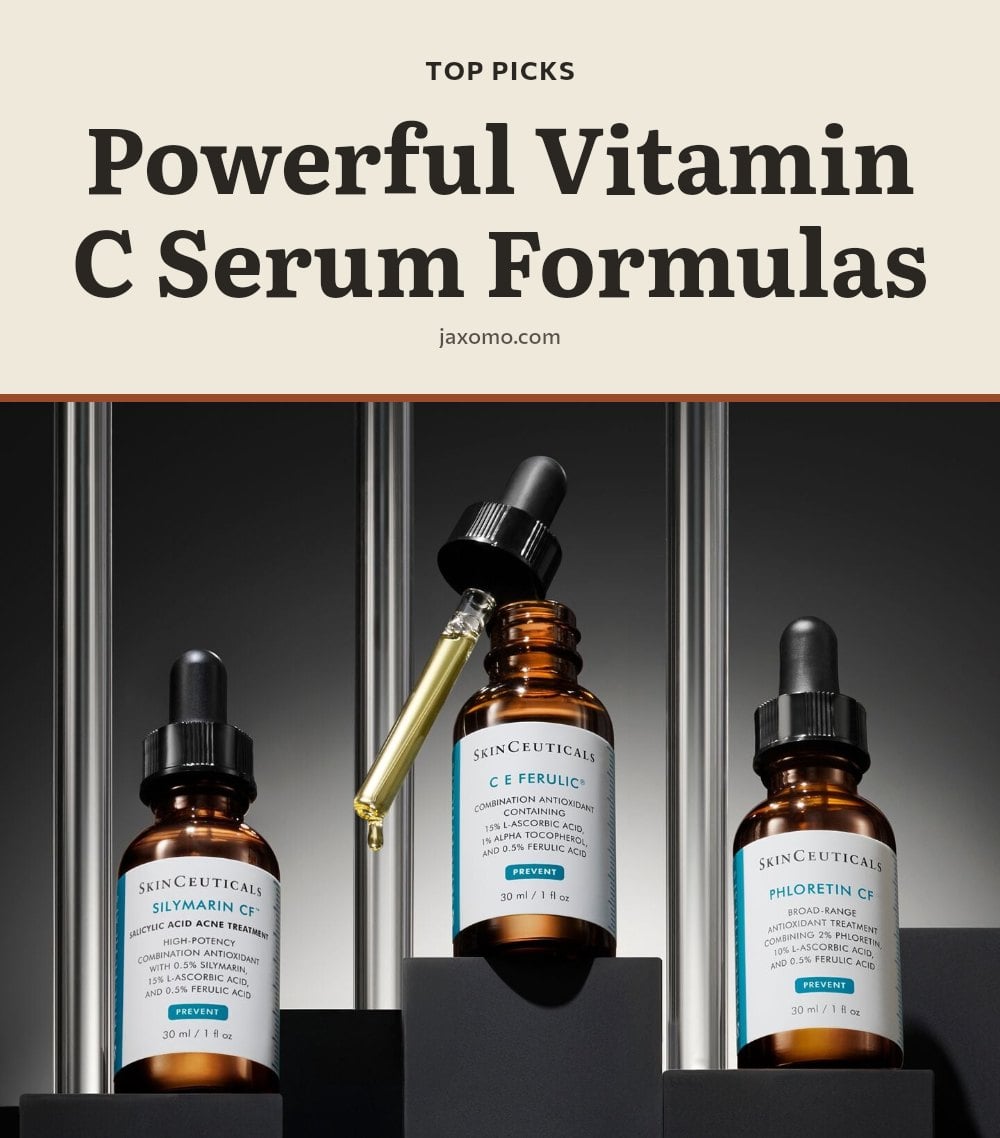
How Vitamin C Works Beneath the Surface
At the cellular level, Vitamin C acts as a powerful antioxidant, neutralizing free radicals, unstable molecules from UV exposure and pollution that can damage skin cells and accelerate aging. It’s also essential for collagen synthesis, the process that builds the structural protein responsible for your skin’s firmness and elasticity. Without enough Vitamin C, collagen production slows, leading to fine lines and sagging.
Another key role is its ability to inhibit melanin production. By interfering with the enzyme tyrosinase, Vitamin C helps reduce hyperpigmentation, including dark spots and post-inflammatory marks, promoting a more even skin tone. My tip: For an extra layer of defense, apply your Vitamin C serum before sunscreen in the morning. The antioxidant boost can enhance your sunscreen’s protection against UV-induced damage, giving you more comprehensive coverage.
Choosing Your Vitamin C: L-Ascorbic Acid Versus Derivatives
When shopping for a Vitamin C product, you’ll encounter two main categories: L-ascorbic acid and its derivatives. L-ascorbic acid is the most potent and well-studied form, but it’s also less stable. Derivatives like sodium ascorbyl phosphate are more stable and less likely to irritate, but may be less effective. Here’s a quick comparison to help you decide.
| Form of Vitamin C | Best For | Key Characteristics |
|---|---|---|
| L-Ascorbic Acid | Maximum potency and proven results | Most active; unstable; most effective at 10-20% concentration, but beginners should start lower |
| Sodium Ascorbyl Phosphate | Sensitive skin or beginners | More stable; less potent; gentler on skin |
| Magnesium Ascorbyl Phosphate | Dry or sensitive skin | Stable; hydrating; lower potency than L-ascorbic acid |
| Ascorbyl Palmitate | Oil-based formulations | Fat-soluble; stable; less research on efficacy |
Building Your Vitamin C Skincare Routine
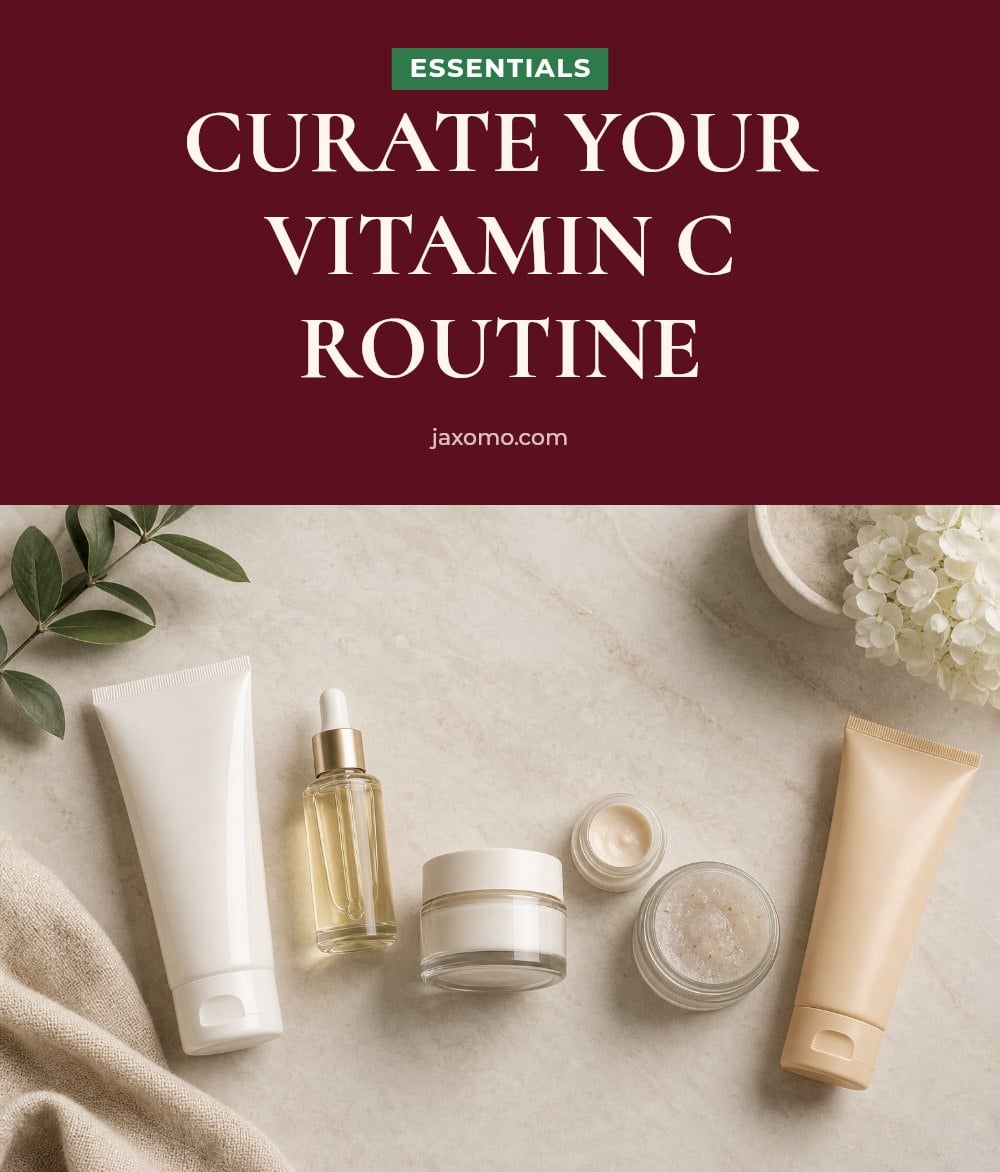
To get the most out of Vitamin C, you need a simple but targeted routine. The star product is a Vitamin C serum, ideally one with L-ascorbic acid, because serums deliver a higher concentration and penetrate deeper into the skin. Pair it with a broad-spectrum sunscreen of at least SPF 30 every single day, Vitamin C boosts sun protection, but it doesn’t replace it. Round out your routine with a gentle cleanser to prep your skin and a moisturizer to keep your barrier healthy. That’s all you really need to start seeing results.
How to Incorporate Vitamin C Serum into Your Daily Skincare

- Cleanse your face: Start with a clean, dry face. Use your regular cleanser and pat your skin dry. Vitamin C absorbs best on bare skin without other products in the way.
- Apply the serum: Dispense 2-3 drops of Vitamin C serum onto your fingertips and gently press it into your face and neck. Avoid the eye area. Do this in the morning so the antioxidant protection works throughout the day.
- Wait a minute: Give the serum a minute to absorb before moving to the next step. This helps prevent pilling and ensures even coverage.
- Follow with moisturizer and sunscreen: Lock in the serum with your regular moisturizer. Then apply a broad-spectrum sunscreen with at least SPF 30. Vitamin C boosts your sunscreen’s protection against UV damage.
- Start low if needed: If you have sensitive skin, begin with a 10% concentration and use it every other day. Patch test on your jawline first. You can gradually increase to daily use and a higher percentage once your skin tolerates it.
Expert Tips for Maximizing Your Vitamin C Results
Store it right: Keep your Vitamin C serum in a cool, dark place like a drawer or cabinet. Opaque, air-tight packaging helps prevent oxidation. Never leave it in direct sunlight or a hot bathroom.
Watch for oxidation: A fresh serum is clear or pale yellow. If it turns dark yellow, brown, or smells different, it has oxidized. Using oxidized Vitamin C can be ineffective or even irritating, so toss it.
Pair with Vitamin E and ferulic acid: Look for a serum that combines Vitamin C with Vitamin E and ferulic acid. This trio boosts stability and antioxidant power, giving you more protection.
Be patient: Visible results from Vitamin C take consistent daily use for several weeks to a few months. Don’t expect overnight changes. Stick with it, and you’ll see brighter, more even skin over time.
Common Vitamin C Mistakes to Avoid for Better Skin
Using oxidized product: Applying a serum that has turned brown or smells off can be ineffective or even pro-oxidant. Check your product regularly and replace it if it looks or smells different.
Skipping sunscreen: Vitamin C enhances sunscreen’s protection, but it doesn’t replace it. Always apply a broad-spectrum SPF 30+ after your serum, even on cloudy days.
Starting too strong: Jumping straight to a 20% serum can cause redness, tingling, or irritation. Begin with a lower concentration and build up slowly.
Storing incorrectly: Heat, light, and air degrade Vitamin C quickly. Keep the bottle tightly closed in a cool, dark spot.
Expecting instant results: Vitamin C needs consistent use over weeks to months to show effects. Don’t give up after a few days.
When to Consult a Dermatologist About Vitamin C
If you have sensitive skin, rosacea, eczema, or any existing skin condition, talk to a dermatologist before adding Vitamin C to your routine. They can help you choose the right form and concentration.
Stop using Vitamin C immediately if you experience severe redness, swelling, itching, or an allergic reaction. Seek professional advice before trying it again.
Avoid applying Vitamin C to broken, sunburned, or compromised skin. Let any wounds heal first, then consult your dermatologist for guidance.
Frequently Asked Questions
How long does it take for Vitamin C to work on skin?
Results from topical Vitamin C typically become noticeable after consistent daily use for several weeks to a few months. Don’t expect immediate changes; the key is patience and regular application.
Can I use Vitamin C every day?
Yes, you can use Vitamin C every day. In fact, daily morning application is recommended for best results. If you have sensitive skin, start with a lower concentration (like 10%) and see how your skin responds before increasing frequency.
What percentage of Vitamin C is best for beginners?
If you are new to Vitamin C or have sensitive skin, start with a lower concentration, such as 10%. This allows your skin to build tolerance without irritation. You can gradually increase to 15% or 20% once your skin is accustomed.
Does Vitamin C make your skin sensitive to the sun?
No, Vitamin C does not make your skin more sensitive to the sun. In fact, it provides additional antioxidant protection against UV damage. However, it is not a substitute for sunscreen, so always follow with a broad-spectrum SPF 30 or higher.
Can I use Vitamin C with retinol?
Yes, you can use both, but it is best to apply them at different times of day. Use your Vitamin C serum in the morning and your retinol product at night. This avoids potential irritation and lets each ingredient work effectively.
Final Thoughts
For the best results, choose a serum with L-ascorbic acid at a concentration between 10% and 20% and apply it every morning before your sunscreen. Realistic expectations matter here: you won’t see a difference overnight, but with consistent daily use, you can expect to notice brighter, more even-toned skin within a few weeks to a few months. Stick with it, and your skin will thank you.
This article is for general informational purposes only and does not constitute medical or dermatological advice. Always consult a qualified healthcare professional or dermatologist before starting any new skincare regimen, especially if you have sensitive skin, existing skin conditions, or are pregnant.