Washing Hair: How to Wash Your Hair Properly for Healthier Hair
Washing hair: Learn how to wash your hair properly with our guide. Discover techniques and products for your hair type to achieve healthier, shinier results.

Getting your hair washing routine right can make a big difference in how your hair looks and feels. Whether you deal with oiliness, dryness, or just want more shine, the way you wash matters more than you might think. This article covers the proper technique, common mistakes to avoid, and how to choose products that actually work for your hair type.
Key Takeaways
- Focus shampoo on your scalp and conditioner only on your mid-lengths and ends.
- Use lukewarm water to avoid stripping natural oils or leaving residue.
- Double cleanse (shampoo twice) if you have very oily hair or heavy product buildup.
- Gently squeeze excess water from your hair before applying conditioner for better absorption.
- Rinse thoroughly until water runs clear to prevent dullness and irritation.
The Right Way to Wash Your Hair
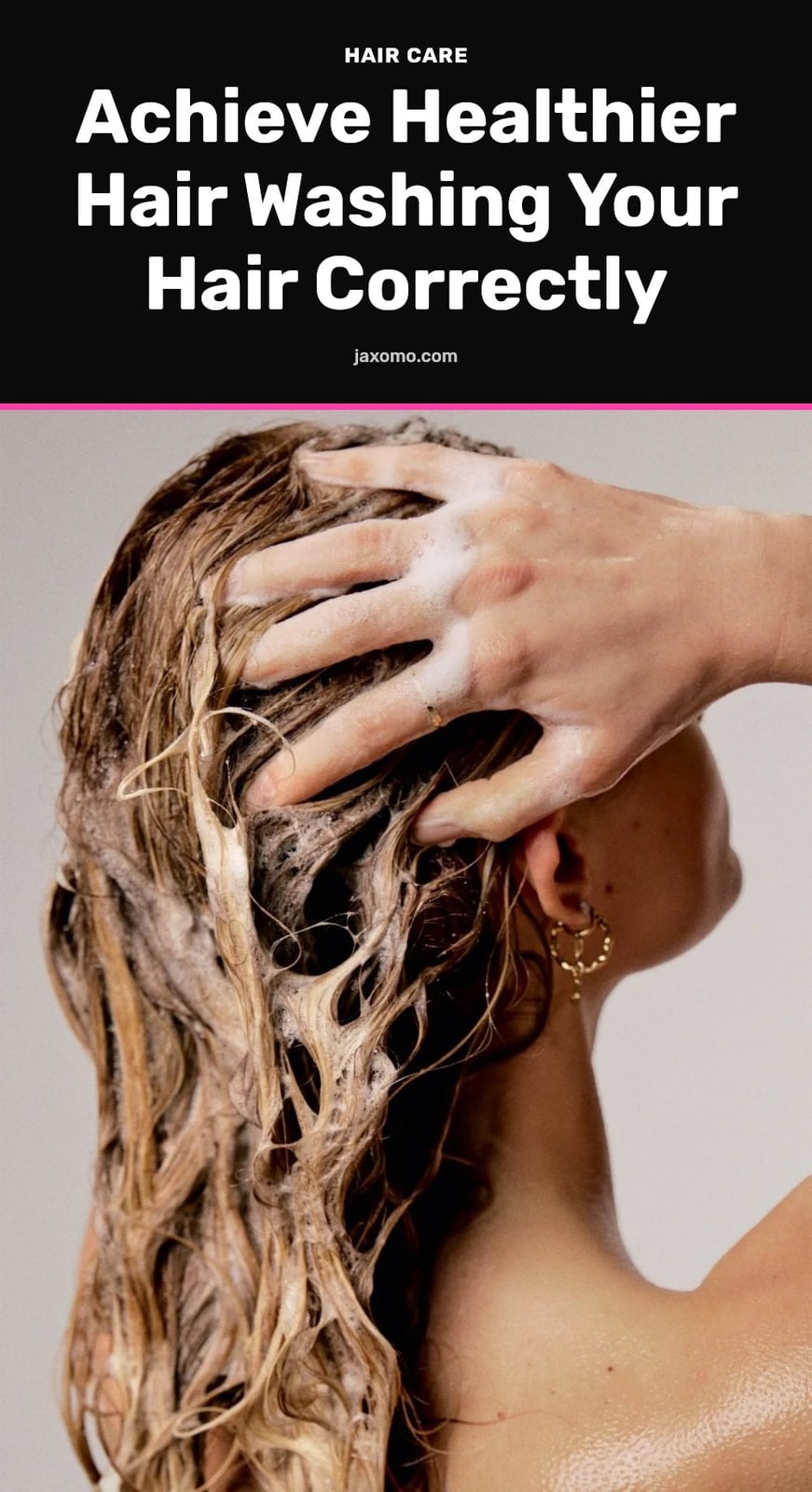
Washing your hair properly means focusing shampoo on your scalp and conditioner on your mid-lengths and ends. Thoroughly rinse all products until the water runs clear, and stick with lukewarm water to keep your scalp healthy and your hair hydrated. Understanding your hair type, oily, dry, color-treated, or fine, and choosing products made for it prevents damage and leads to healthier, shinier hair.
Essential Tools for Your Hair Washing Routine
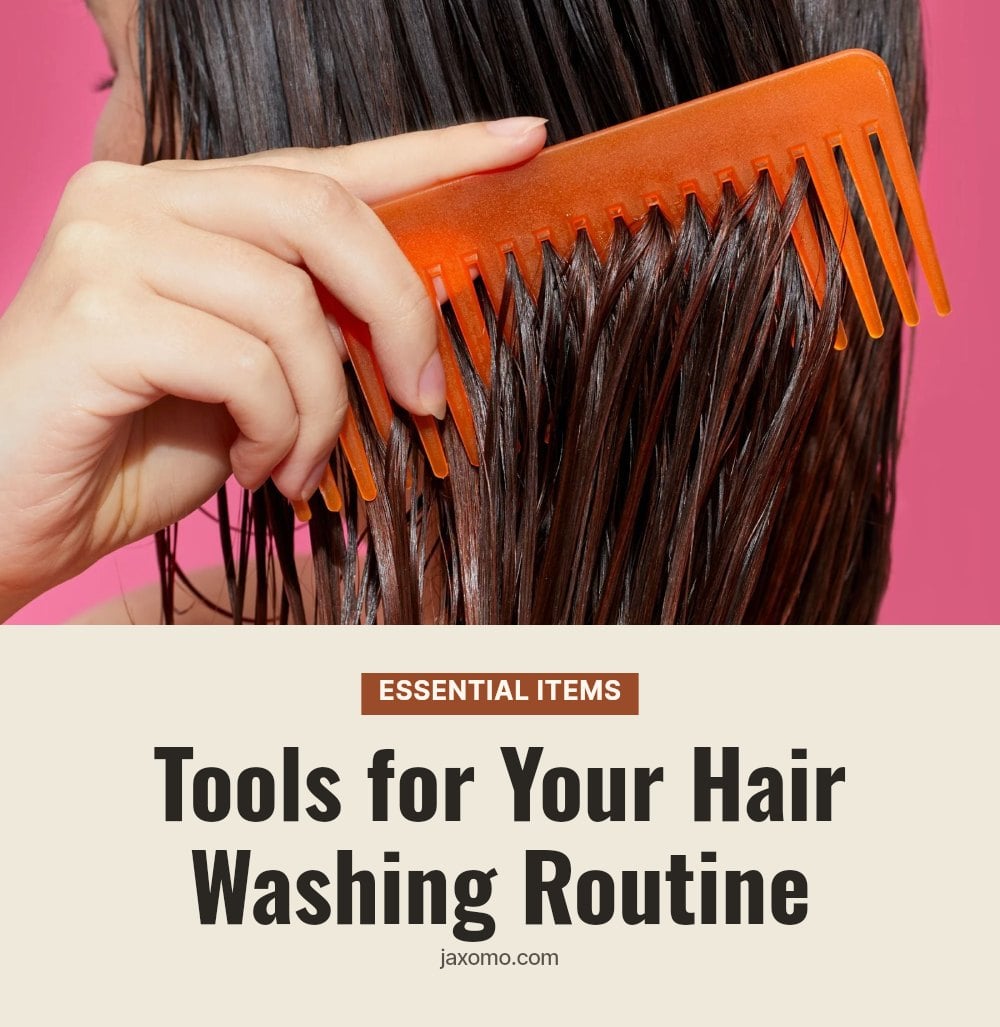
Here is what you need for a solid hair washing routine.
- Shampoo: Pick one formulated for your hair type and concerns, like oily, dry, or color-treated.
- Conditioner: Choose one that complements your shampoo and targets your hair’s needs, such as moisturizing or volumizing.
- Lukewarm water: The ideal temperature for cleansing without stripping natural oils.
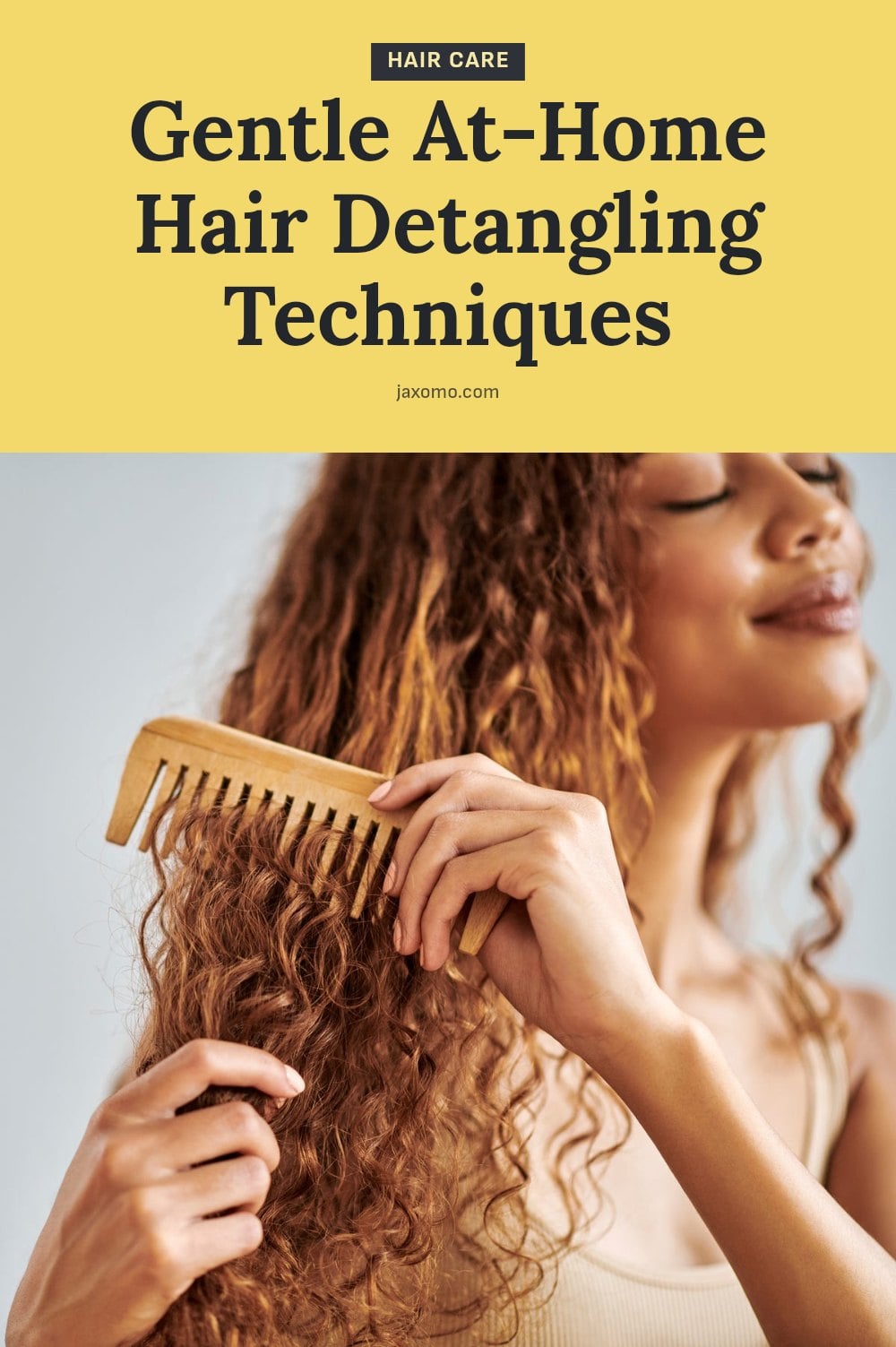
- Wide-tooth comb: Use it to detangle gently while conditioner is in your hair.
- Microfiber towel (optional): Reduces friction and minimizes frizz when drying.
Step-by-Step: The Best Way to Wash Your Hair
- Wet your hair completely: Use lukewarm water to saturate your hair from roots to ends before you apply shampoo.
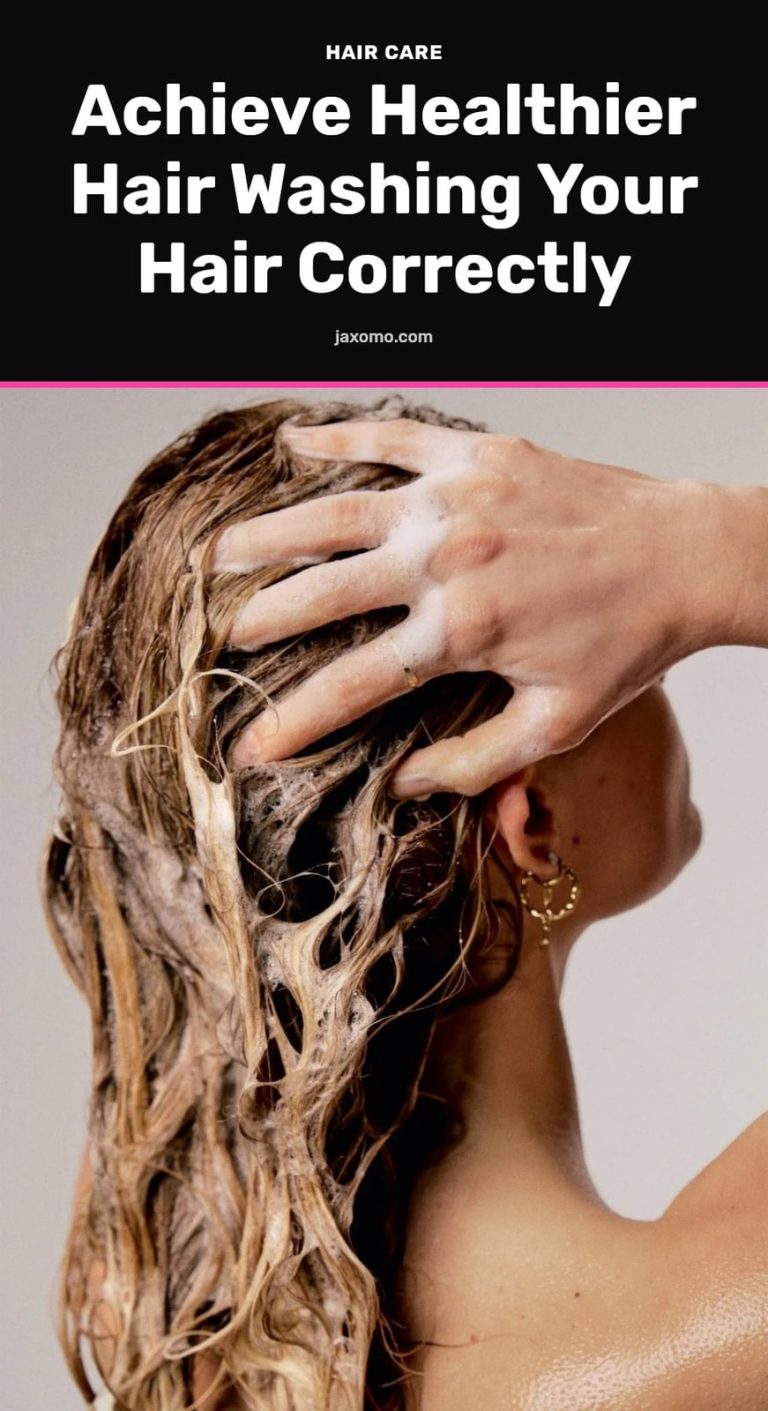
- Apply shampoo to your scalp: Press liquid shampoo directly onto your scalp so it reaches the roots before it lathers and expands.
- Distribute strategically: Focus half the shampoo on the top back of your head (the dirtiest area), then the remaining half on the top of your head, pressing firmly.
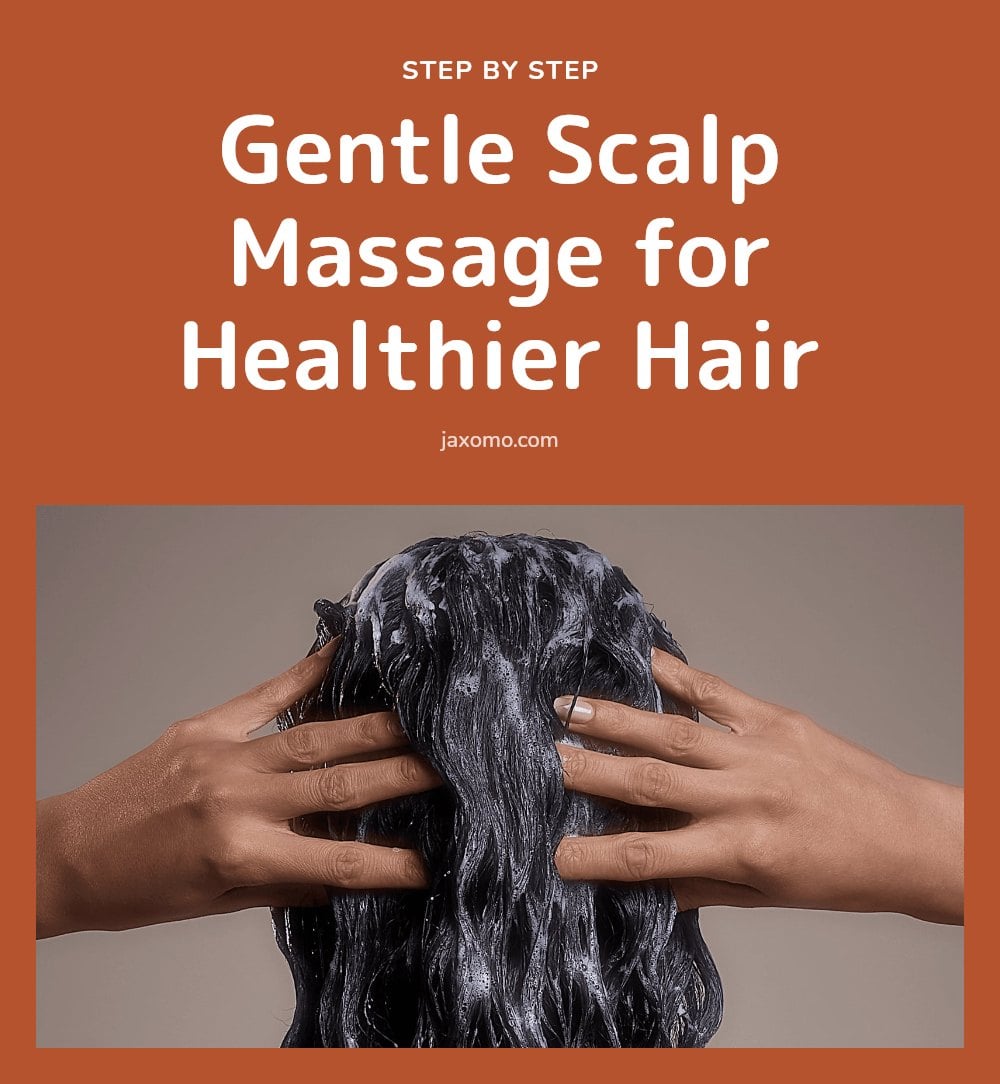
- Scrub with your fingertips: Use your fingertips to gently break up oil and buildup on your scalp. It should feel like a workout, not an irritation.
- Do a second shampoo wash (double cleanse): The first wash removes some oil; the second thoroughly cleanses, letting you go longer between washes.
- Squeeze out excess water: Before conditioning, gently squeeze most water from your hair using a downward motion. Do not scrunch or twist.
- Apply conditioner to mids and ends: Spread conditioner evenly on your palms and apply to the mid-lengths and ends, avoiding roots. Ensure all areas feel slippery; add more to dry spots.
- Rinse thoroughly: Rinse with lukewarm water until your hair feels clean and free of any residue.
Here is the method in action: Blowout Professor demonstrates it in about 15 minutes. The how-to part starts at 0:23.
Why This Washing Method Works for Healthy Hair
Focusing shampoo on your scalp cleans where oil is produced, preventing clogged follicles that can hinder growth. The double cleanse method removes buildup thoroughly, so your hair stays cleaner longer between washes.
Why conditioner goes on mids and ends
Applying conditioner only to the mid-lengths and ends gives hydration where hair needs it most without weighing down your roots, which produce natural oils. Squeezing out excess water before conditioning prevents dilution, letting the product absorb and moisturize effectively.
Scalp massage benefits
Gentle scalp massage with your fingertips stimulates blood flow, which supports scalp health and can promote hair growth.
Common Hair Washing Mistakes to Avoid
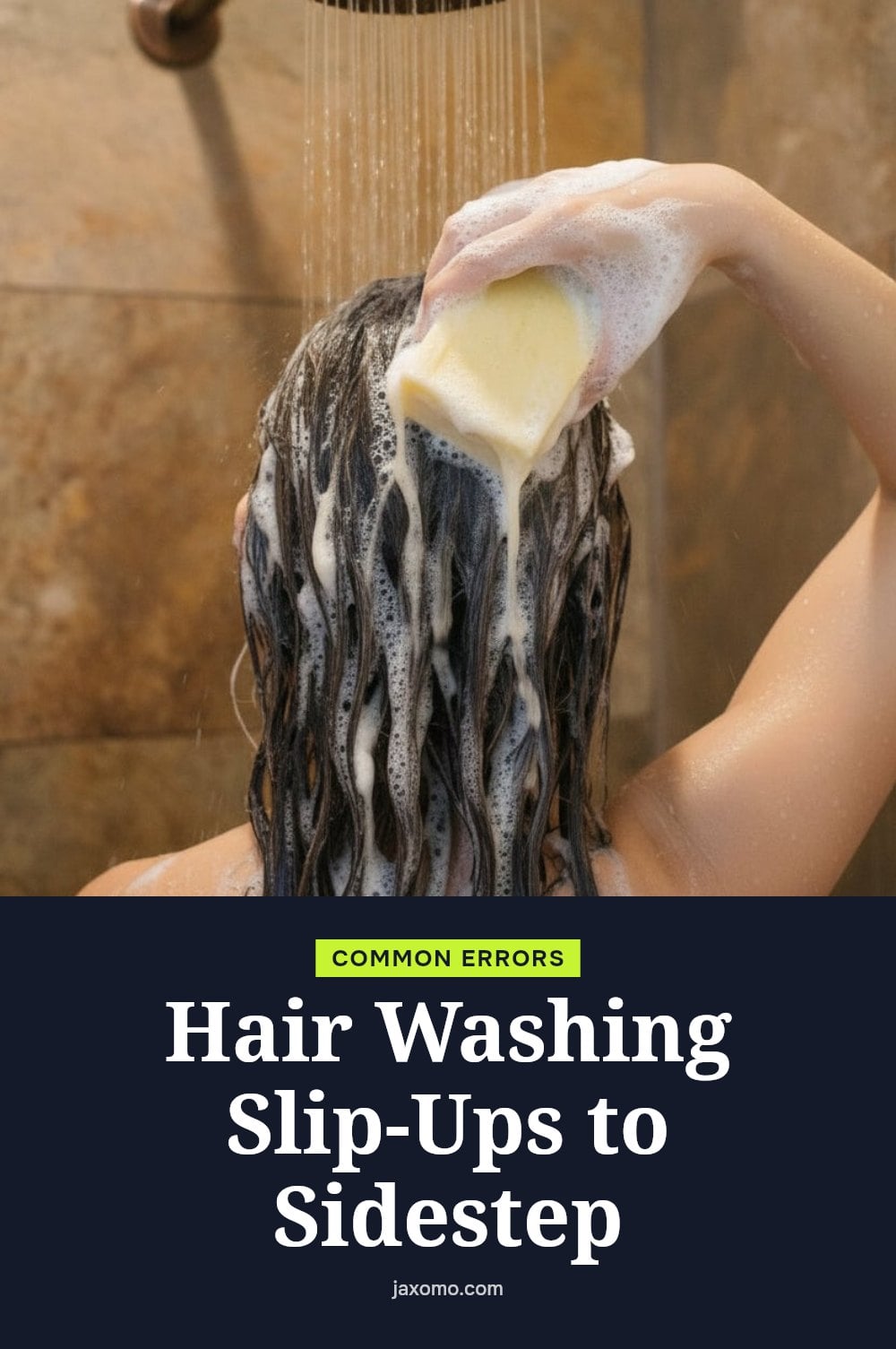
Lathering shampoo in your hands first: This makes it hard for the shampoo to reach and cleanse your scalp effectively. Apply it directly to your scalp instead.
Applying shampoo in large clumps: Leads to uneven distribution. Distribute strategically in smaller amounts.
Washing with just palms in a swirling motion: Only cleans the top layer of hair. Use fingertips to physically scrub your scalp.
Only doing one shampoo wash: Often insufficient for thorough cleansing, especially with buildup. Opt for a double cleanse.
Not squeezing out excess water before conditioner: Dilutes the conditioner, preventing proper absorption. Gently squeeze water out first.
Scrunching or twisting hair to remove water: Can cause tangles and damage. Use a downward squeezing motion.
Not using enough conditioner: Starves your hair, leading to dryness and frizz. Ensure all mid-lengths and ends feel slippery.
Using very hot water: Can strip natural oils from your hair and scalp. Stick to lukewarm water.
Expert Tips for Optimal Hair Washing
Choose products wisely: Always select shampoo and conditioner specifically formulated for your hair type and concerns, whether it’s oily, dry, fine, or color-treated.
Detangle gently: Use a wide-tooth comb to detangle your hair while the conditioner is still in it to minimize breakage and knots.
Rinse with cooler water: After rinsing out conditioner with lukewarm water, a quick final rinse with slightly cooler water can help seal the hair cuticle, enhancing shine.
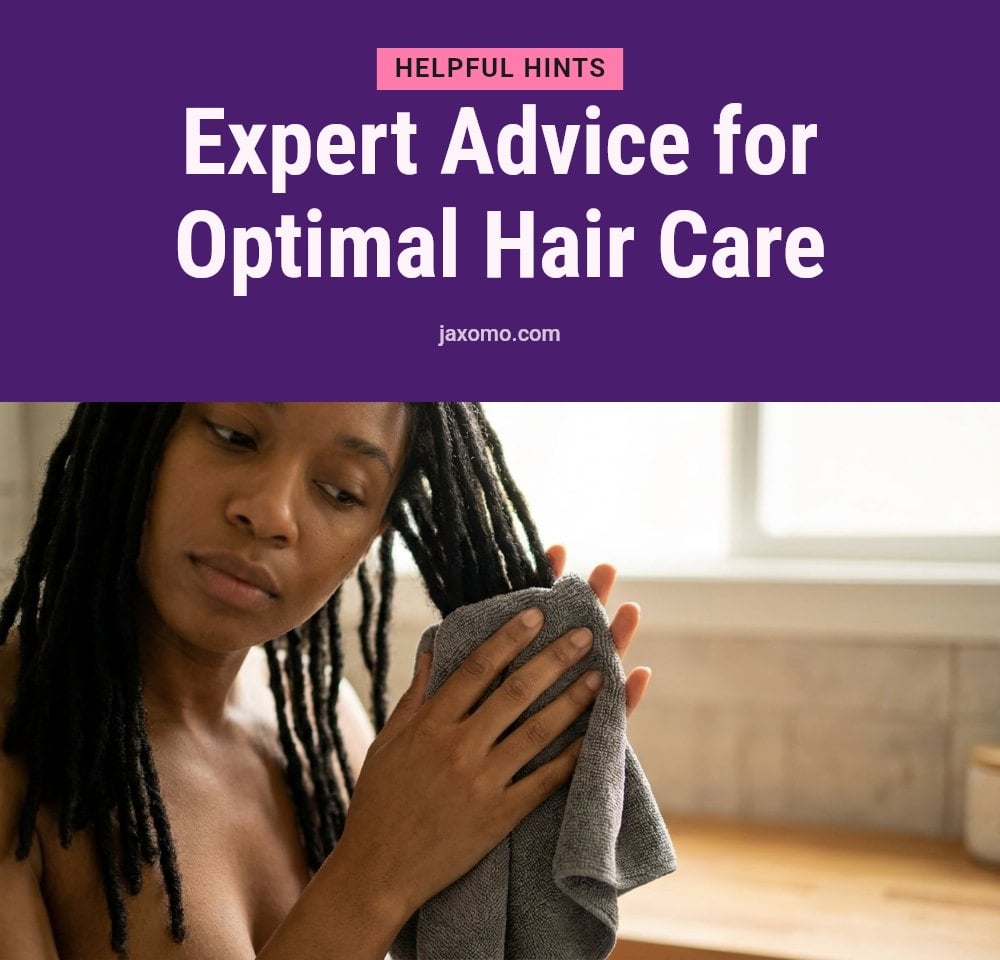
Blot, don’t rub: After washing, gently blot or squeeze excess water from your hair with a microfiber towel instead of vigorously rubbing, which can cause frizz and damage.
How Often to Wash Your Hair and What to Expect
Frequency: The ideal washing frequency varies greatly depending on your hair type, scalp oiliness, activity level, and environmental factors. It can range from daily for very oily scalps to once a week or less for dry or curly hair. Process Duration: The actual washing process, including shampooing and conditioning, typically takes about 5-10 minutes. Product Cost: The cost of shampoo and conditioner can vary widely, from budget-friendly drug store options to high-end salon brands. Expect to replenish these products every 1-3 months depending on usage.
When to Consult a Professional About Your Hair or Scalp
Persistent scalp irritation: If you experience itching, redness, or flaking that doesn’t improve with proper washing techniques, see a professional. Excessive hair loss: Noticeable thinning or sudden changes in texture or thickness warrant a consultation. Unusual scalp changes: New bumps, sores, or tenderness should be evaluated. Personalized advice: For severe dryness, oiliness, or damage, a dermatologist or hairstylist can recommend tailored products and routines.
Frequently Asked Questions
How often should I wash my hair?
It depends on your hair type, scalp oiliness, activity level, and environment. For very oily scalps, daily washing may be fine, while dry or curly hair often does well with once a week or less. Pay attention to how your scalp and hair feel to find the right frequency for you.
What water temperature is best for washing hair?
Lukewarm water is generally recommended for washing hair. Hot water can strip natural oils, and cold water may not rinse shampoo and conditioner effectively. For an extra shine boost, you can finish with a cooler rinse after washing.
Should I shampoo twice?
Yes, the double cleanse method can be very beneficial, especially for oily hair or significant product buildup. The first wash removes surface oil and dirt, and the second wash thoroughly cleanses the scalp and hair, helping you go longer between washes.
How do I choose the right shampoo and conditioner?
Pick products formulated for your specific hair type and concerns, such as oily, dry, fine, or color-treated hair. Matching your conditioner to your shampoo and your hair’s needs, like moisturizing or volumizing, will give you the best results.
Can I apply conditioner to my scalp?
It is best to avoid applying conditioner directly to your scalp, especially if you have oily or fine hair. Conditioner is meant for the mid-lengths and ends, where hair is driest and needs moisture, while your scalp produces its own natural oils.
Final Thoughts
For the best results, stick with a double cleanse method if your hair tends to get oily or has buildup, and always apply conditioner from the mid-lengths down. Expect your hair to feel cleaner and stay fresher longer between washes once you get the routine down. A few small changes to your washing technique can lead to noticeably healthier, shinier hair over time.
This article provides general information for educational purposes only and is not a substitute for professional medical or hair care advice. If you have persistent scalp irritation, excessive hair loss, or other concerns, consult a dermatologist or healthcare professional for personalized guidance.