The Best Acne Skincare Routine that Actually Works
Discover the best acne skincare routine that actually works. Learn about effective ingredients, daily steps, and common mistakes to achieve clearer skin.

If you’re dealing with breakouts, you know how frustrating it can be to try product after product without seeing real change. The truth is, an effective acne skincare routine doesn’t have to be complicated. It just needs to be consistent and use the right ingredients. In this article, I’ll walk you through the core steps, key products, and common mistakes to avoid, so you can build a routine that actually works for your skin.
Key Takeaways
- Stick with your routine for at least 4-6 weeks before expecting visible improvements.
- Use non-comedogenic products to avoid clogging pores further.
- Apply sunscreen with SPF 30 or higher daily, especially when using active treatments.
- Moisturize every day, even if your skin feels oily, to protect your skin barrier.
- Introduce new active ingredients one at a time to prevent irritation.
Your Go-To Guide for Effective Acne Skincare
An effective acne skincare routine comes down to four consistent steps: gentle cleansing, targeted treatment with active ingredients like salicylic acid or benzoyl peroxide, daily moisturizing, and diligent sun protection. Patience is crucial, results typically take weeks to months, not days. Understanding your skin’s needs helps you choose the right products and avoid irritation that can actually worsen breakouts.
Essential Products for Your Acne Skincare Arsenal
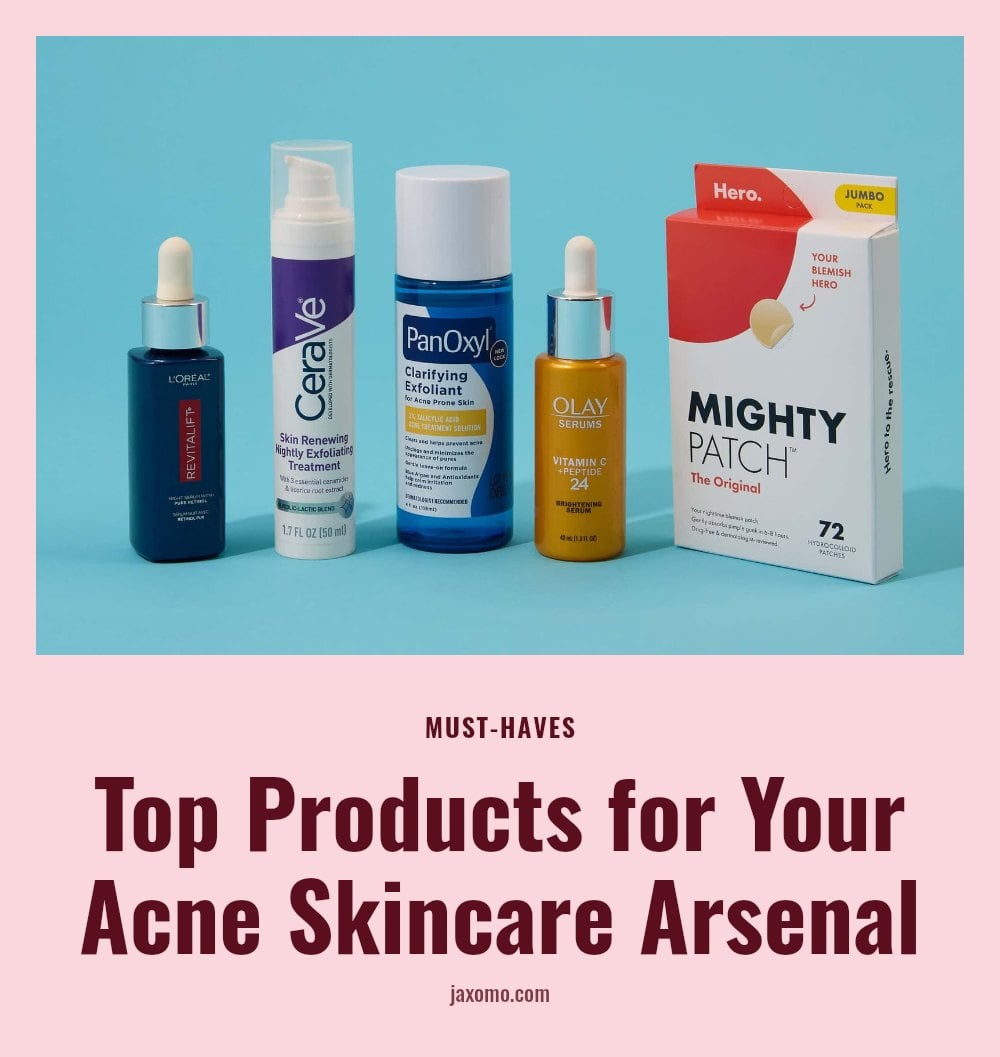
Building an acne skincare arsenal starts with these key products, all of which should be non-comedogenic (won’t clog pores):
- Gentle cleanser: Removes dirt and oil without stripping your skin.
- Salicylic acid: Exfoliates inside pores to unclog them and reduce blackheads.
- Benzoyl peroxide: Kills acne-causing bacteria and helps shed dead skin cells.
- Adapalene gel (retinoid): Promotes cell turnover and prevents new breakouts.
- Non-comedogenic moisturizer: Maintains your skin barrier, even if you have oily skin.
- Broad-spectrum SPF 30+ sunscreen: Protects from sun sensitivity caused by treatments.
- Niacinamide serum: Reduces inflammation and redness.
Your Daily Step-by-Step Acne Skincare Routine
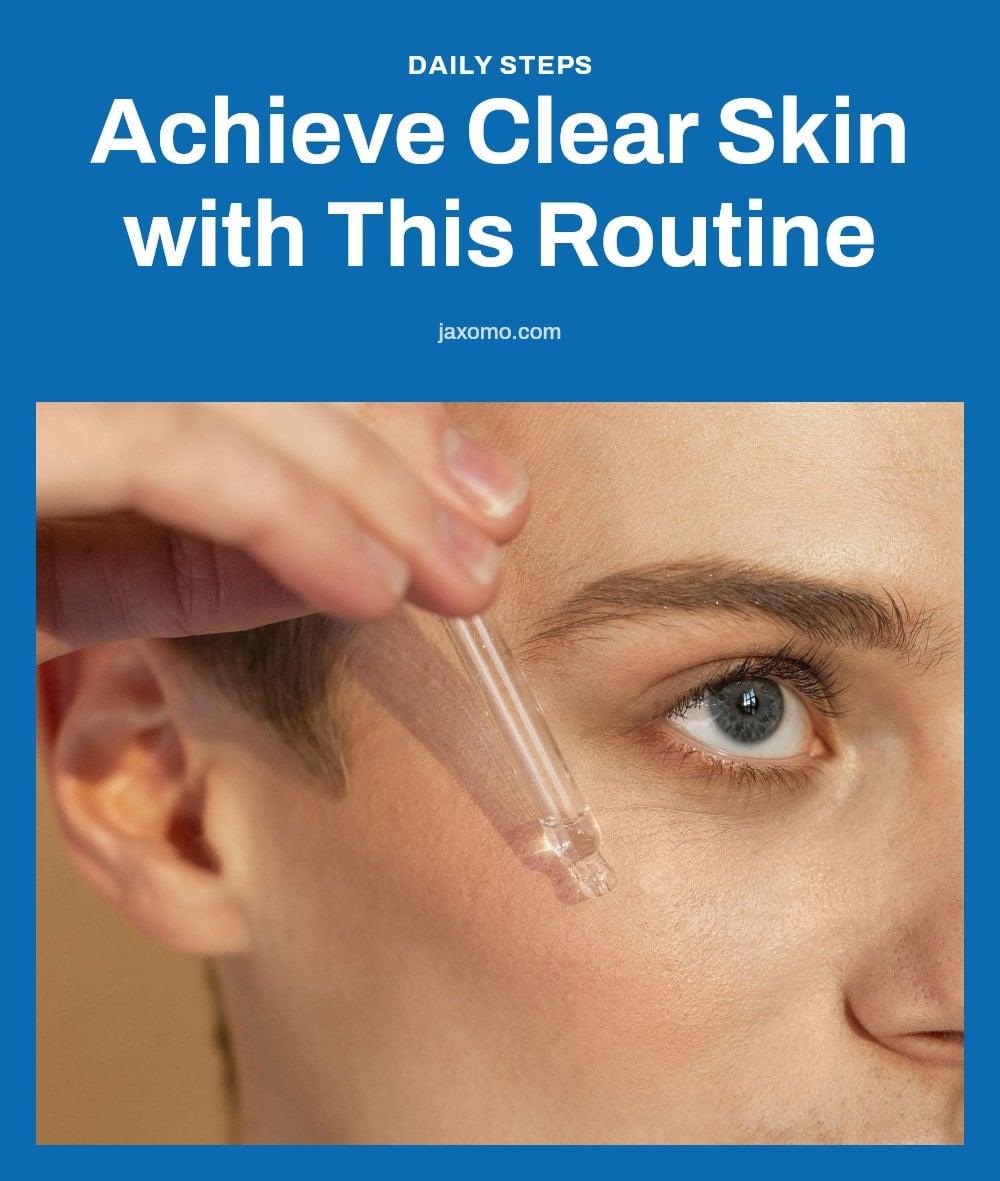
Consistency is more important than using a dozen products. Here’s a simple routine to follow morning and night:
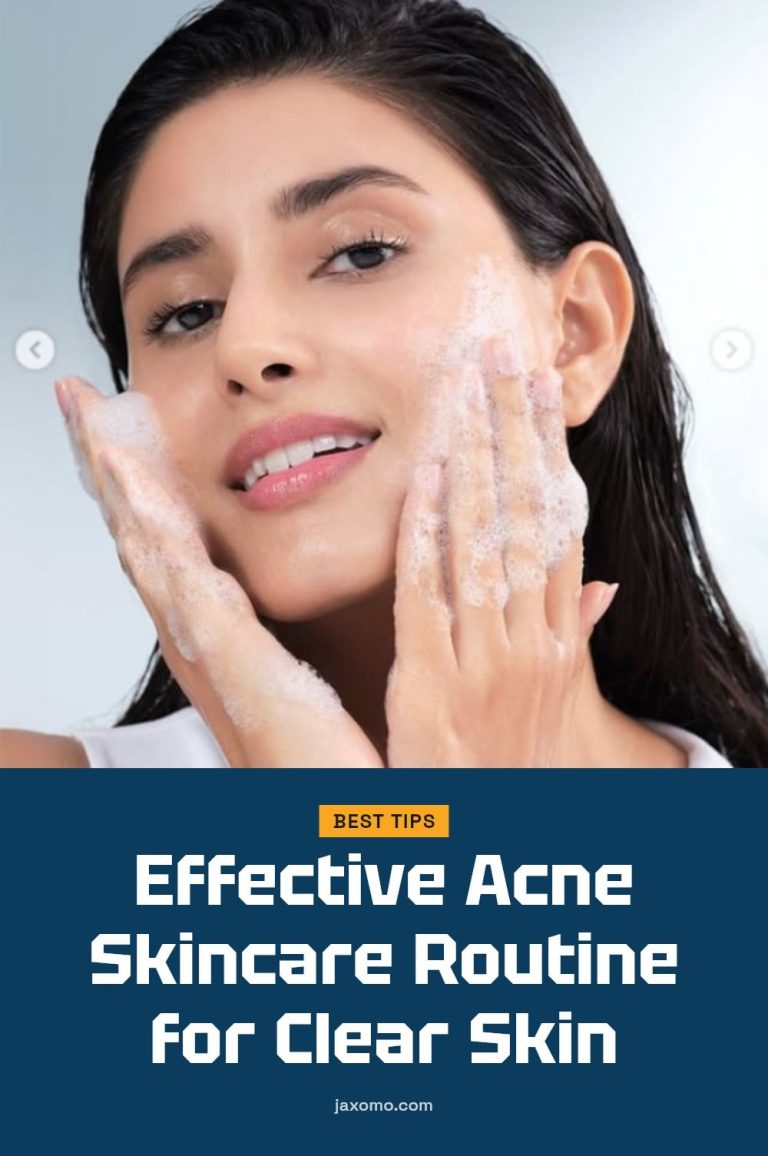
- Cleanse gently: Wash your face twice a day with a mild cleanser. Use lukewarm water and your fingertips, no harsh scrubbing.
- Apply treatments: After patting your skin dry, apply your acne treatment (salicylic acid, benzoyl peroxide, or adapalene) to clean skin. Start with a thin layer and increase frequency as your skin adjusts.
- Moisturize: Even if your skin feels oily, use a non-comedogenic moisturizer. This prevents dryness from treatments and keeps your barrier healthy.
- Protect in the morning: Finish your AM routine with broad-spectrum SPF 30 or higher. Many acne treatments increase sun sensitivity, and unprotected sun exposure can darken post-acne spots.
In the evening, repeat the cleanse, treat, and moisturize steps, skip the sunscreen at night. Give your skin time to adjust to new products, and don’t expect overnight results. Visible improvement usually takes 4-6 weeks of consistent use.
Understanding Key Acne-Fighting Ingredients
Understanding Key Acne-Fighting Ingredients
Knowing how each active ingredient works helps you choose the right product for your skin. Salicylic acid is a beta-hydroxy acid (BHA) that exfoliates inside the pore, helping to unclog them and reduce blackheads and whiteheads. It’s often found in cleansers, toners, and spot treatments. Benzoyl peroxide is an antimicrobial agent that kills acne-causing bacteria (P. acnes) and helps shed dead skin cells. It works well as a spot treatment or in a wash, but it can bleach fabrics, so rinse thoroughly and be careful with towels and pillowcases.
Retinoids like adapalene (available over the counter) are vitamin A derivatives that promote cell turnover, prevent new breakouts, and improve skin texture. They can cause initial dryness and peeling, so start by applying a pea-sized amount every other night and gradually increase frequency. Tea tree oil may offer antimicrobial and anti-inflammatory benefits for mild acne, but it should always be diluted with a carrier oil because it can irritate undiluted. Niacinamide (vitamin B3) helps reduce inflammation and redness and improves the skin barrier. It’s a gentler option that plays well with other actives.
Common Acne Skincare Mistakes to Avoid
Common Acne Skincare Mistakes to Avoid
- Using too many active ingredients: Layering several strong actives at once can lead to irritation, redness, and more breakouts. Stick to one or two treatments and introduce new ones slowly.
- Not moisturizing: Even if your skin feels oily, skipping moisturizer can worsen dryness from treatments and trigger more oil production. Use a non-comedogenic moisturizer daily.
- Picking at breakouts: Squeezing or popping pimples causes scars, spreads bacteria, and prolongs healing. Let treatments do the work.
- Stopping treatment too soon: Acne improvement takes 4-6 weeks at minimum. Quitting early means you won’t see full results.
- Skipping sunscreen: Many acne treatments increase sun sensitivity, and unprotected sun exposure worsens dark spots. Apply broad-spectrum SPF 30+ every morning.
- Using non-comedogenic products: Always check labels. Products that aren’t non-comedogenic can clog pores and counteract your efforts.
Smart Tips for Managing Acne-Prone Skin

Smart Tips for Managing Acne-Prone Skin
- Be consistent: Stick with your routine for at least 4-6 weeks before judging results. Consistency matters more than switching products often.
- Patch test new products: Apply a small amount behind your ear or on your jawline for a few days to check for irritation before using it on your whole face.
- Change pillowcases frequently: Bacteria, oil, and product residue build up on fabric. Swap pillowcases every 2-3 days to reduce transfer to your skin.
- Avoid harsh scrubs: Abrasive tools and rough scrubs can irritate acne-prone skin and worsen inflammation. Use gentle, non-abrasive cleansing methods.
- Don’t over-wash your face: Washing more than twice a day strips natural oils and can increase oil production. Stick to morning and evening.
- Give treatments time: Acne treatments don’t work overnight. Expect gradual improvement over weeks, not days, and don’t be tempted to add more products too quickly.
When to Consult a Dermatologist for Your Acne
When to Consult a Dermatologist for Your Acne
While many cases of acne can be managed with over-the-counter products, it’s important to know when to seek professional help. See a dermatologist if your acne is severe, cystic, or causes significant pain. If over-the-counter treatments haven’t shown improvement after 2-3 months of consistent use, a doctor can prescribe stronger options. Also consult a dermatologist if you experience severe irritation, burning, swelling, or an allergic reaction to any product. If you are pregnant or breastfeeding, avoid retinoids and other strong treatments without first talking to your doctor.
Frequently Asked Questions
Can diet affect my acne?
Some research suggests that high-glycemic foods and dairy may trigger breakouts in certain people, but the connection varies widely. If you suspect a food is making your acne worse, try eliminating it for a few weeks and see if your skin improves. For most people, a consistent topical routine is the most reliable approach.
Should I pop my pimples?
No, you should not pop or squeeze pimples. Picking at breakouts can push bacteria deeper into the skin, cause inflammation, and lead to scarring or dark spots. Instead, use a spot treatment with benzoyl peroxide or a hydrocolloid patch to help the blemish heal faster without damage.
How long does it take for an acne skincare routine to show results?
Most people start to see initial improvements within 4 to 6 weeks of consistent use. Significant clearing often takes 2 to 3 months, and you’ll need to keep up the routine to prevent new breakouts. If you don’t see any change after 3 months, it may be time to consult a dermatologist.
Can I use multiple acne treatments at once?
It’s best to start with one active ingredient at a time, like salicylic acid or benzoyl peroxide, to see how your skin reacts. Layering too many treatments can cause irritation, redness, and more breakouts. Once your skin adjusts, you can slowly add another product, but always patch test first.
Is moisturizing important for oily, acne-prone skin?
Yes, moisturizing is essential even if your skin is oily. Many acne treatments can dry out your skin, and skipping moisturizer can actually trigger your skin to produce more oil. Use a lightweight, non-comedogenic moisturizer to keep your skin barrier healthy and balanced.
What ingredients should I look for in acne products?
Look for ingredients like salicylic acid to unclog pores, benzoyl peroxide to kill bacteria, and retinoids like adapalene to boost cell turnover. Niacinamide can help reduce redness and inflammation, while tea tree oil may be a gentler option for mild acne. Always choose non-comedogenic formulas to avoid clogging pores.
Final Thoughts
My biggest piece of advice is to keep it simple and stay consistent. Choose a gentle cleanser, one or two targeted treatments like salicylic acid or benzoyl peroxide, a non-comedogenic moisturizer, and a reliable sunscreen. Realistic expectations matter here. You’ll likely see initial changes in about a month, but clearer skin often takes two to three months of daily commitment. Stick with it, and your skin will thank you.
This article is for informational purposes only and does not constitute medical advice. Acne treatment varies by individual, and what works for one person may not work for another. If you have severe, cystic, or persistent acne, or if you experience irritation from products, please consult a dermatologist or healthcare professional for personalized guidance.