Calluses on Feet: How to Gently Remove Them at Home
Learn how to safely and effectively remove calluses on your feet at home using gentle methods and prevent them from returning. Get smooth, comfortable skin.


If you have rough, thickened patches of skin on your feet that feel uncomfortable or look unsightly, you are likely dealing with calluses. They form as a natural protective response to pressure, but when they become bothersome, you can safely manage them at home. This article covers how to gently remove calluses, the best tools to use, and how to prevent them from coming back.

Key Takeaways
- Soak your feet in warm water for 10-20 minutes before exfoliating to soften callused skin.
- Use a pumice stone or foot file with light pressure in one direction only.
- Moisturize daily with a rich foot cream to keep skin supple and prevent re-hardening.
- Wear properly fitting shoes with a wide toe box and cushioning to reduce friction.
- Consult a doctor before treatment if you have diabetes, poor circulation, or nerve damage.
How to Safely Remove Calluses at Home
To safely remove calluses at home, start by soaking your feet in warm water for 10-20 minutes to soften the thickened skin. Gently exfoliate the area with a pumice stone or foot file, using light pressure in one direction. After rinsing, apply a rich moisturizer to keep the skin supple and prevent re-hardening.
Why Calluses Form on Your Feet
What Calluses Are and Where They Form
Calluses are areas of thickened skin that develop as a protective response to repeated friction or pressure. They are typically larger and more diffuse than corns, which have a central core. Calluses commonly appear on the soles of the feet, especially under the balls of the feet and on the heels, but they can also form on the hands.
Common Causes
- Ill-fitting shoes: Shoes that are too tight, too loose, or lack cushioning create pressure points that trigger callus formation.
- Prolonged standing: Standing for long hours puts constant pressure on the feet, leading to thickening of the skin.
- Repetitive activities: Running, walking, or other activities that involve repetitive foot motion can also cause calluses.
Essential Tools for At-Home Callus Removal
Having the right tools makes at-home callus care safer and more effective. Here is what you will need:
- Warm water and a foot basin: For soaking and softening the callused skin.
- Pumice stone or foot file: For gentle exfoliation of the softened layers.
- Rich moisturizing foot cream: To hydrate and protect the skin after removal.
- Protective foot pads or inserts: To redistribute pressure and prevent calluses from returning.
Step-by-Step: Gentle Callus Removal Process
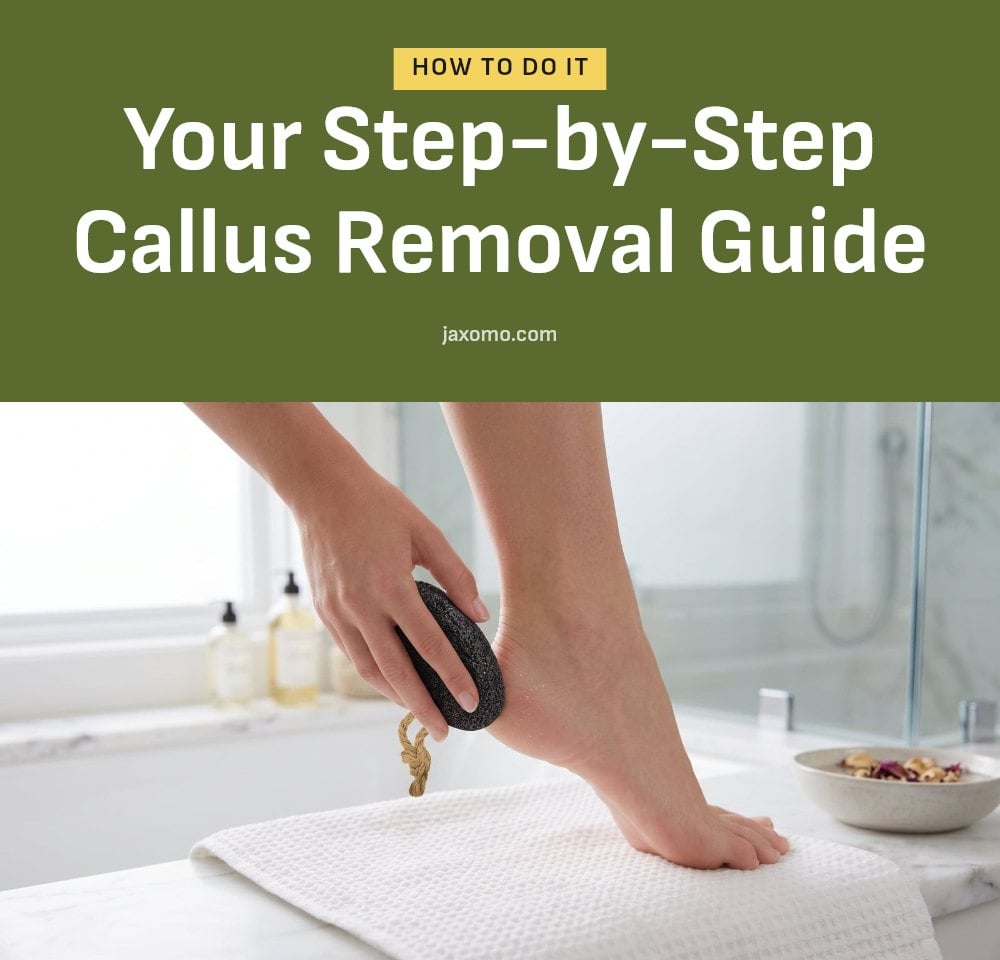
- Soak your feet: Fill a foot basin with warm water and soak your feet for 10-20 minutes. This softens the callus and makes it easier to remove.
- Exfoliate gently: Use a pumice stone or foot file to rub the callus in one direction only. Apply light pressure and stop if you feel any pain or see blood.
- Rinse and dry: Rinse your feet with clean water and pat them dry with a towel.
- Moisturize: Apply a rich foot cream or lotion to the area, focusing on the callused spot. This helps keep the skin supple and prevents it from hardening again.
- Repeat regularly: For best results, repeat this process once or twice a week. Consistent care over several weeks to months will gradually reduce the callus and prevent recurrence.
Common Mistakes to Avoid When Treating Calluses
One of the biggest mistakes is trying to file or scrub a dry, hard callus. Without softening the skin first, you are more likely to cause irritation or injury. Over-filing or scrubbing too aggressively can also lead to raw, painful skin and even infection.
Neglecting to moisturize after removal allows the skin to re-harden quickly. A rich foot cream applied daily keeps the area supple. Never use sharp objects like razors or scissors to cut off a callus. This can cause deep wounds, bleeding, and serious infection.
Preventing Calluses from Returning
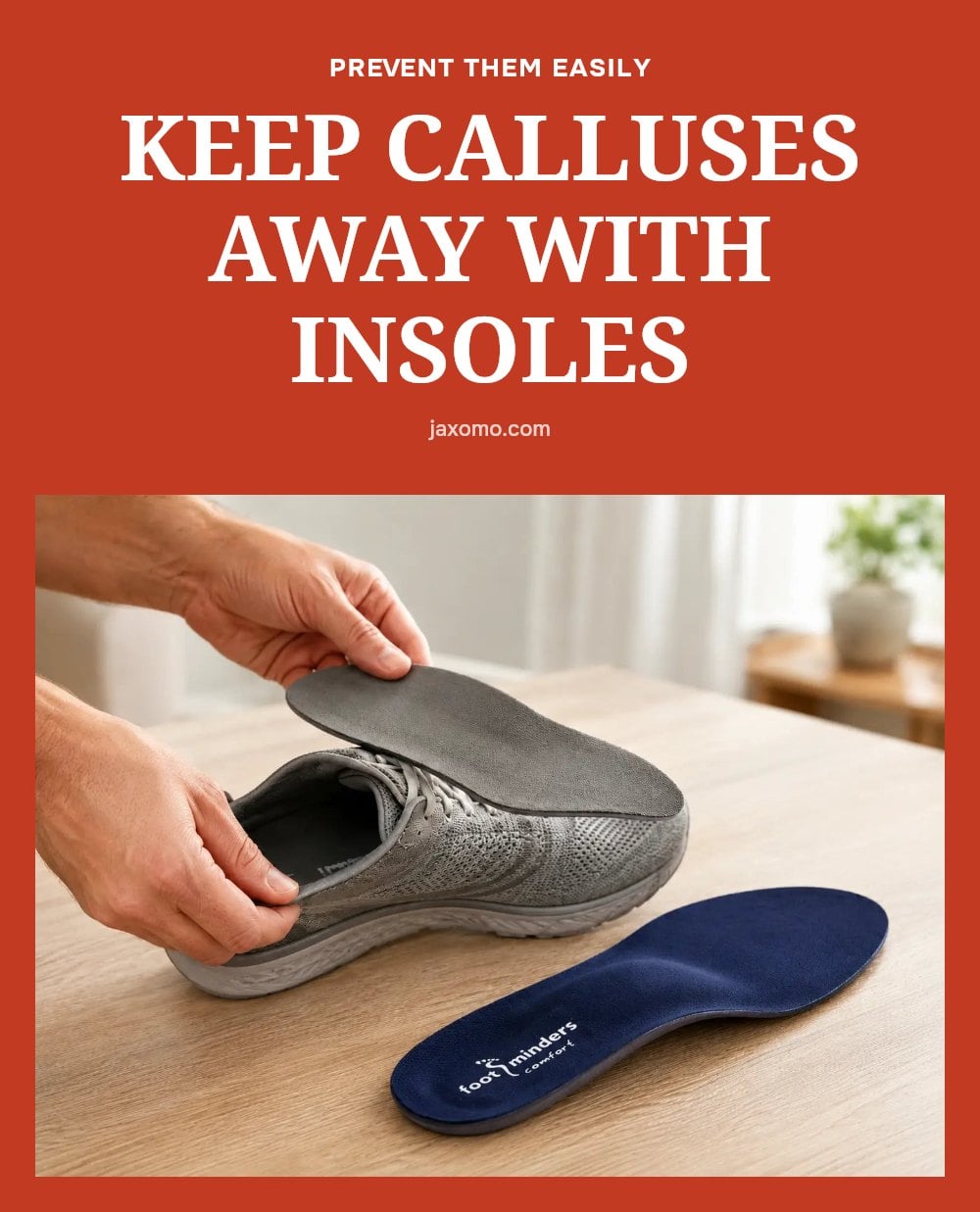
Preventing calluses starts with wearing properly fitting shoes that have adequate cushioning and a wide toe box. Shoes that are too tight or too loose create friction and pressure points. Protective padding or inserts can help redistribute pressure on the soles.
Moisturize your feet daily to keep the skin supple and less prone to thickening. A gentle, regular exfoliation routine, once a week after soaking, maintains smooth skin and stops calluses from building up again.
When to See a Doctor or Podiatrist
If you have diabetes, poor circulation, or nerve damage, consult a doctor before any at-home callus treatment. These conditions increase the risk of infection and complications. Seek professional help if you experience persistent pain, redness, swelling, or signs of infection.
Avoid at-home removal if you have open wounds, cracks, or broken skin on or near the callus. A podiatrist can safely treat calluses in these cases.
Frequently Asked Questions
What is the difference between a callus and a corn?
Calluses are larger, more diffuse areas of thickened skin that form on the soles of the feet or hands. Corns are smaller, have a distinct central core, and often develop on the tops or sides of toes. Both are caused by pressure or friction, but corns tend to be more painful due to their concentrated shape.
Can calluses be completely cured?
Calluses can be significantly reduced and kept smooth with regular care, but they may never be permanently gone if the underlying pressure or friction continues. Consistent exfoliation, moisturizing, and wearing proper footwear can prevent them from becoming thick or uncomfortable again.
How often should I moisturize my feet to prevent calluses?
Moisturize your feet daily, ideally right after bathing when the skin is still slightly damp. This helps lock in moisture and keeps the skin supple. Pay extra attention to areas prone to calluses, such as the heels and balls of the feet.
Are chemical callus removers safe to use at home?
Over-the-counter chemical removers containing ingredients like salicylic acid, urea, or ammonium lactate can be safe when used as directed. However, do not apply them to broken, irritated, or infected skin. If you have diabetes, poor circulation, or nerve damage, consult a doctor before using any chemical product.
What kind of shoes are best for preventing calluses?
Look for shoes that fit well with a wide toe box, adequate cushioning, and good arch support. Shoes that are too tight or too loose create friction and pressure points that lead to calluses. Protective padding or orthotic inserts can also help redistribute pressure on the soles.
Final Thoughts
For most people, a consistent routine of soaking, gentle exfoliation, and daily moisturizing can keep calluses under control. Expect to see some improvement after the first session, but it may take several weeks of regular care to fully reduce thickened areas and prevent them from returning. Stick with it, and your feet will thank you.
This article is for informational purposes only and does not constitute medical advice. Callus care may not be suitable for everyone. If you have diabetes, poor circulation, nerve damage, or any persistent pain or signs of infection, consult a podiatrist or healthcare professional before starting treatment.