Hygiene Tips Checklist: Daily Habits to Stay Fresh and Healthy
Discover essential hygiene tips and a daily checklist to maintain personal cleanliness, prevent illness, and boost your confidence. Learn practical habits.

You already know that washing your hands and brushing your teeth are important, but a full hygiene routine goes deeper than that. It’s about building daily habits that keep you fresh, prevent illness, and boost your confidence. This article breaks down a complete checklist of essential hygiene practices, from showering and oral care to cleaning your home and smart germ-fighting tips. My tip: Think of your hygiene routine as a non-negotiable part of your self-care, not just a chore.
Key Takeaways
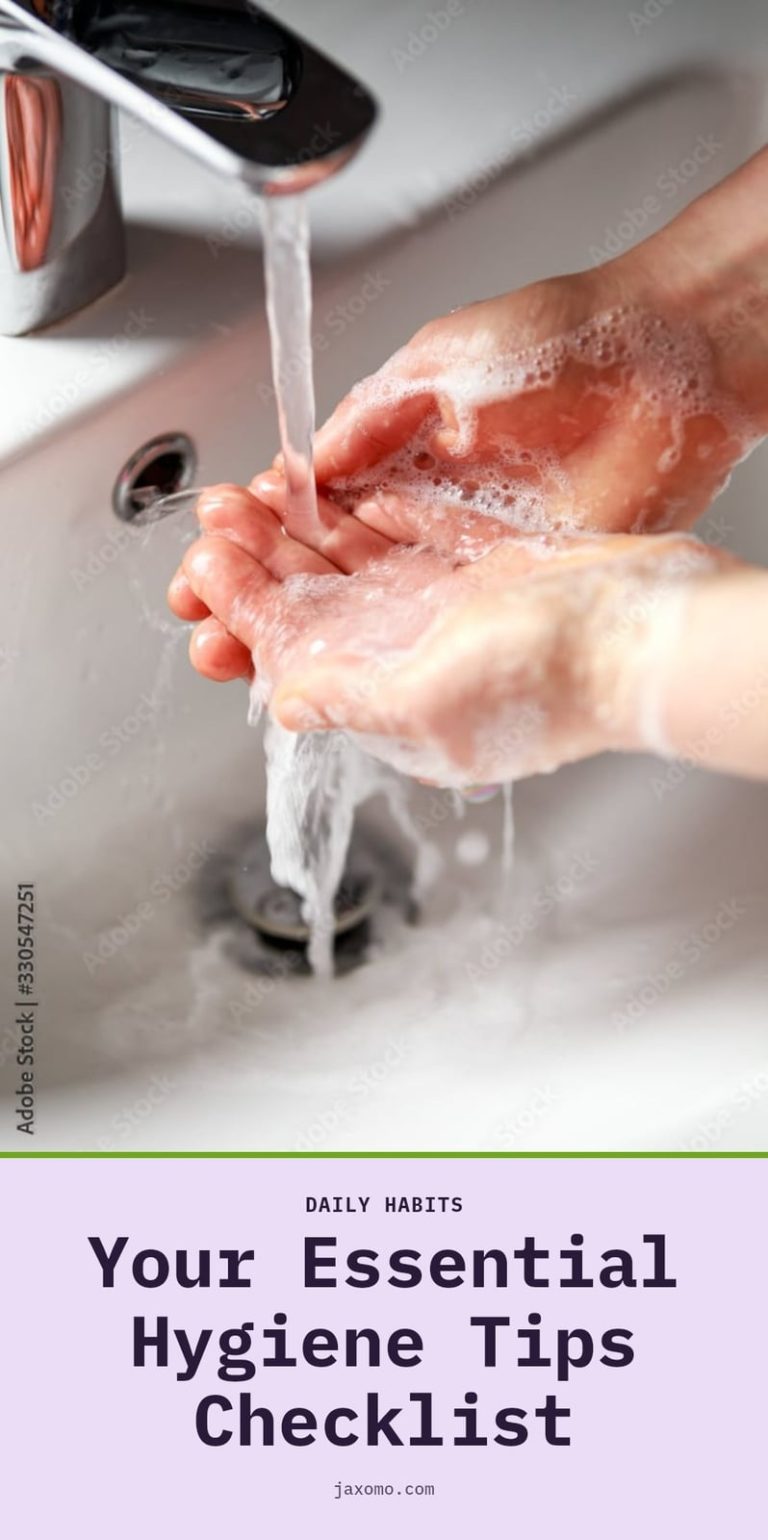
- Wash your hands with soap and water for at least 20 seconds before eating and after using the restroom.
- Shower or bathe daily with soap and water to remove dirt, sweat, and dead skin cells.
- Brush your teeth twice a day for two minutes with fluoride toothpaste and floss once daily.
- Change your underwear and socks every day to prevent bacterial and yeast infections.
- Wash your bedding weekly in hot water to remove dead skin cells, dust mites, and allergens.
Your Daily Hygiene Checklist for Freshness and Health
Personal hygiene is about more than just smelling good; it’s a foundation for health and confidence. Establishing consistent habits like daily bathing, thorough handwashing, and regular oral care prevents illness and keeps you feeling your best. My tip: Think of your hygiene routine as a self-care ritual. A few minutes each day make a huge difference in your well-being.
Essential Daily Personal Care Habits
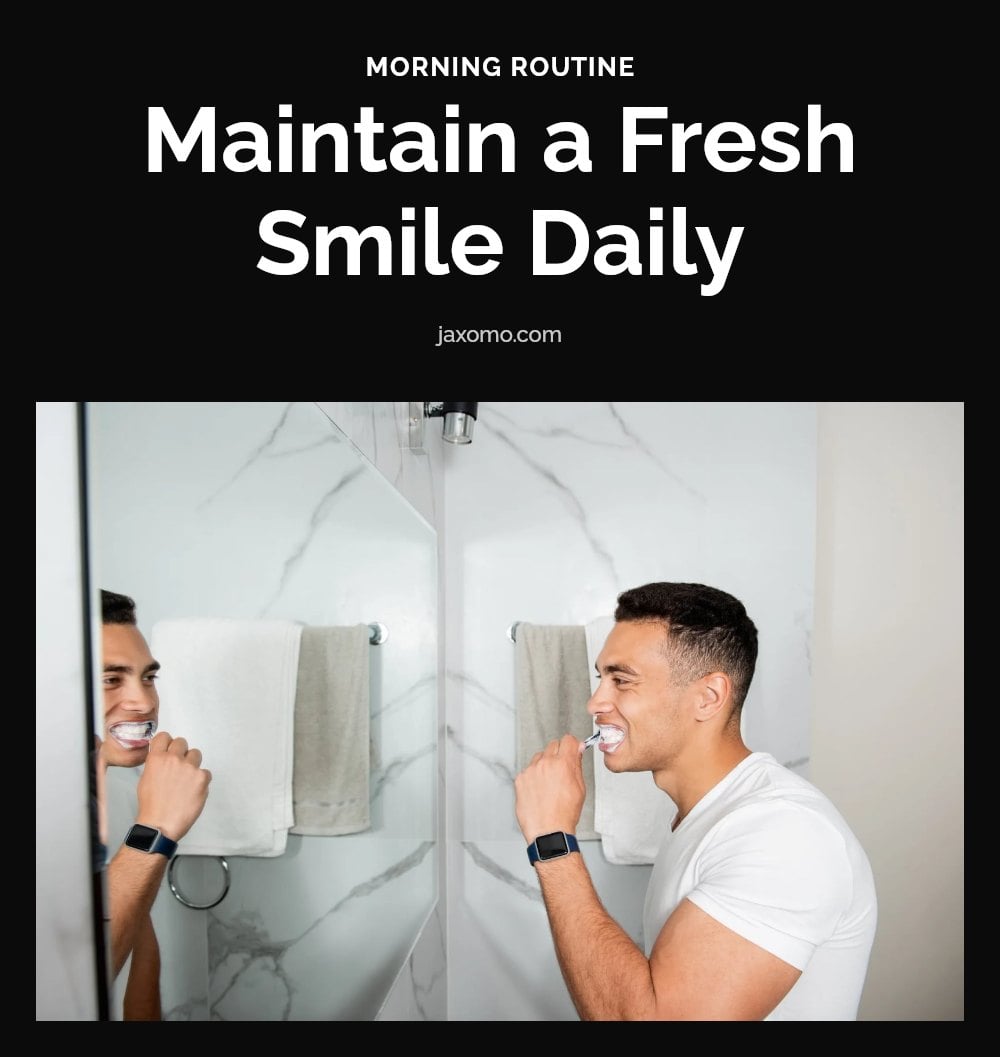
Consistency is key when it comes to daily hygiene. These 15 habits are the backbone of a fresh and healthy routine.
- Wash hands with soap and water for at least 20 seconds.
- Shower or bathe daily using soap and water.
- Brush teeth twice a day for two minutes with fluoride toothpaste.
- Floss once daily to remove plaque between teeth.
- Clean your tongue gently each time you brush.
- Change underwear every day to prevent irritation.
- Change socks daily to keep feet dry and odor-free.
- Wear clean clothes each day for overall freshness.
- Use a clean towel after every shower or bath.
- Wash hands before eating to avoid ingesting germs.
- Wash hands after using the restroom every time.
- Use hand sanitizer with at least 60% alcohol when soap isn’t available.
- Keep nails short to prevent dirt buildup.
- Apply deodorant or antiperspirant daily to control sweat.
- Dry skin thoroughly after bathing, especially in folds.
Maintaining Hair, Skin, and Nail Health
Beyond the basics, these targeted habits keep your hair, skin, and nails in top shape.
- Wash hair every 2-3 days or as needed based on your hair type.
- Use conditioner to keep hair soft and manageable.
- Trim nails regularly to avoid catching dirt and germs.
- Clean under nails with a brush during handwashing.
- Apply antiperspirant at night for better sweat control.
- Moisturize skin after showering to maintain its barrier.
- Wash your face twice daily with a gentle cleanser.
- Exfoliate once a week to remove dead skin cells.
- Avoid harsh scrubbing that can irritate skin.
- Don’t pick at skin or squeeze pimples to prevent infection.
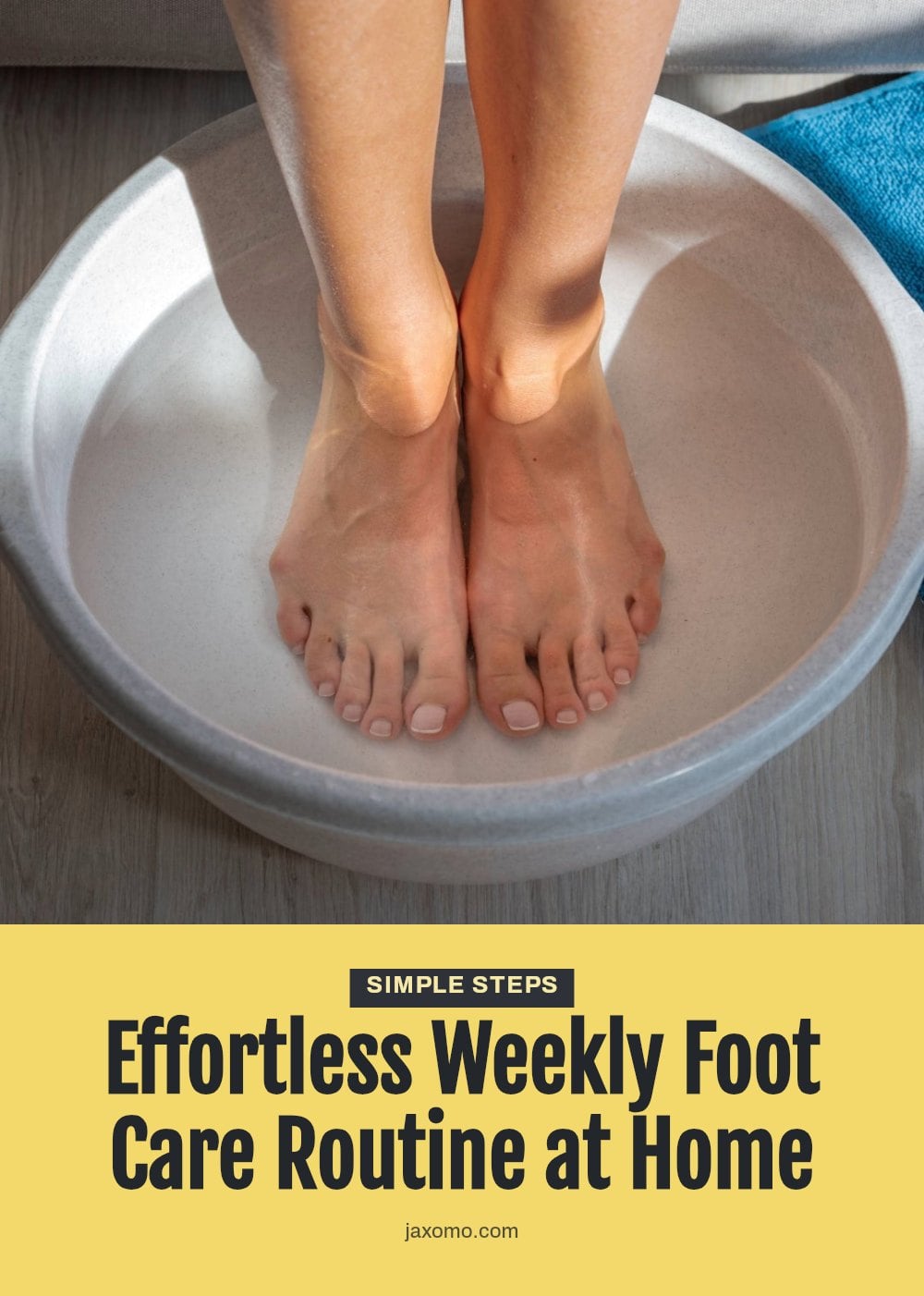
- Wash feet daily and dry them completely, especially between toes.
- Change razors regularly to avoid skin irritation.
- Use a separate towel for your face to prevent breakouts.
- Protect lips with balm to prevent chapping.
- Check skin regularly for changes and consult a dermatologist if concerned.
Home and Environmental Hygiene Practices
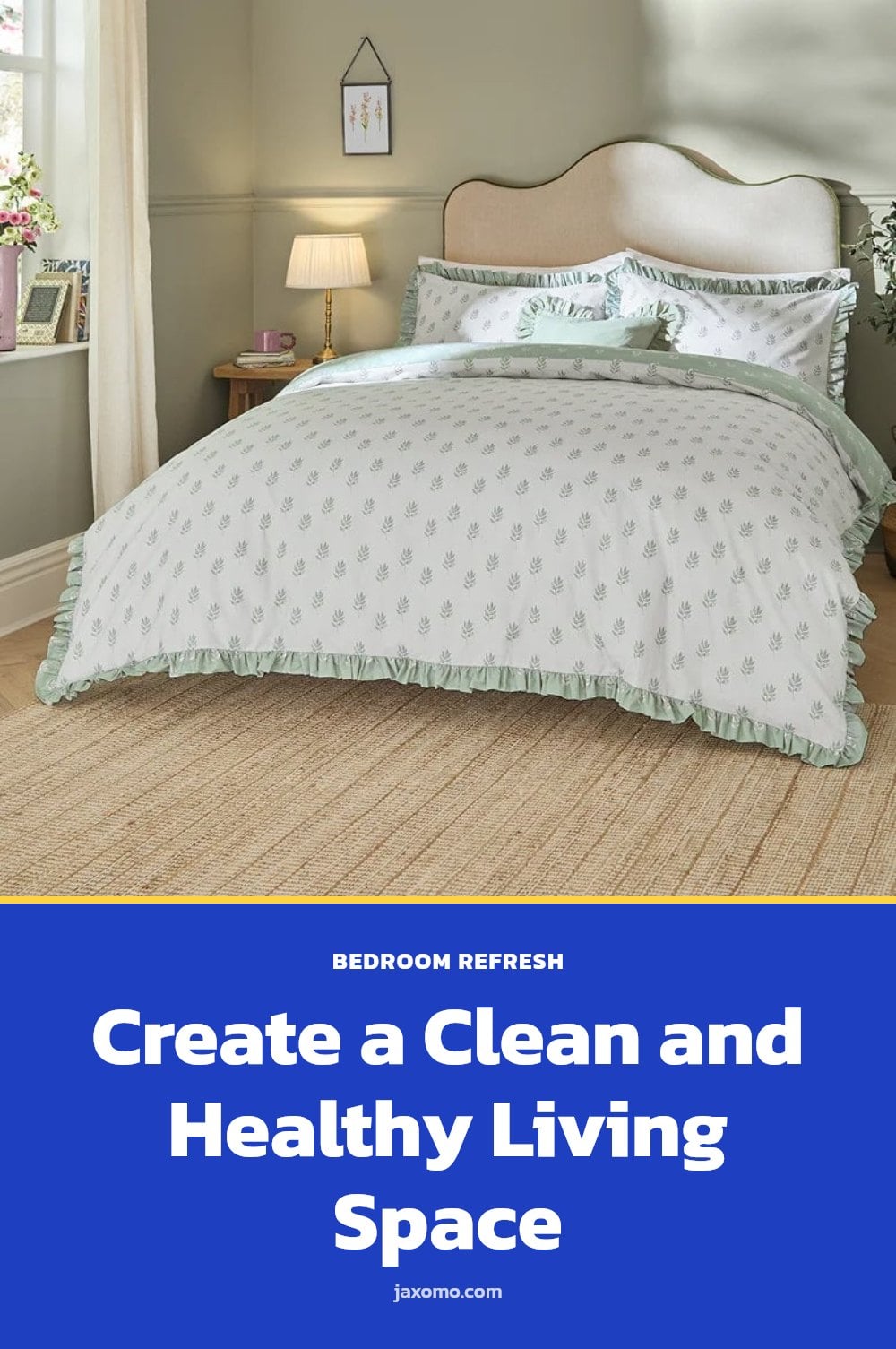
A clean environment supports your personal hygiene and reduces germ spread. These habits keep your surroundings fresh and healthy.
- Disinfect doorknobs and light switches weekly.
- Clean phone screens daily with a microfiber cloth.
- Wash bedding weekly in hot water to remove allergens.
- Change pillowcases every few days to reduce oil buildup.
- Wash towels after 3-4 uses to prevent bacteria growth.
- Clean makeup brushes weekly to avoid skin irritation.
- Sanitize your keyboard and mouse regularly.
- Wipe down kitchen counters after food preparation.
- Mop floors weekly to remove dust and dirt.
- Vacuum carpets and rugs to reduce dust mites.
- Keep bathroom surfaces dry to prevent mold.
- Wash reusable water bottles daily.
- Launder workout clothes after each use.
- Air out your bedroom by opening windows for a few minutes.
- Declutter regularly to make cleaning easier.
Smart Hygiene Habits for Preventing Illness
These habits directly cut down germ spread and keep you from getting sick. They are simple to add to your day.
- Cover coughs and sneezes: Use a tissue or your elbow, not your hands.
- Wash hands before eating: Scrub with soap for 20 seconds every time.
- Keep personal items personal: Never share razors, toothbrushes, or towels.
- Disinfect your phone screen: Wipe it daily with a disinfectant wipe.
- Don’t touch your face: Germs enter through eyes, nose, and mouth.
- Stay home when sick: Rest avoids spreading illness to others.
- Use hand sanitizer on the go: Choose one with at least 60% alcohol.
- Wash hands after using the restroom: This is non-negotiable for hygiene.
- Clean makeup brushes weekly: They collect bacteria that can cause breakouts.
- Don’t share drinks or utensils: Saliva transfers germs easily.
- Keep a separate towel for each family member: Shared towels spread skin infections.
- Wash your hands after handling pets: Animals carry germs you cannot see.
- Clean your reusable water bottle daily: Bacteria multiply in damp containers.
- Replace your toothbrush after illness: Germs linger on bristles.
- Wipe down gym equipment before use: Machines harbor sweat and bacteria.
Frequently Asked Questions
How often should I shower?
Most people benefit from showering or bathing daily with soap and water. If you have very dry or sensitive skin, you might shower every other day, but be sure to wash key areas like underarms and groin daily. Adjust based on your activity level and skin type.
Can I skip flossing if I brush well?
No, flossing is essential because it removes food particles and plaque from between your teeth and under the gumline, areas a toothbrush cannot reach. Skipping it increases your risk of cavities and gum disease. Make it a non-negotiable part of your nightly routine.
What are the best ways to prevent body odor?
Shower daily with soap, apply antiperspirant or deodorant to clean underarms, and wear clean clothes, especially underwear and socks. Drying your skin completely after bathing also helps reduce odor-causing bacteria. If odor persists despite good hygiene, see a healthcare professional.
How do I choose the right hygiene products for sensitive skin?
Look for products labeled fragrance-free and formulated for sensitive skin. Avoid harsh scrubs and ingredients like alcohol or sulfates. Patch test a new product on a small area before using it all over. If irritation occurs, stop using the product and consult a dermatologist.
Is hand sanitizer as effective as washing hands?
Hand sanitizer with at least 60% alcohol can kill many germs, but it is not as effective as washing with soap and water when hands are visibly dirty or greasy. Soap and water also remove certain types of germs better. Use sanitizer as a backup when soap is not available.
Final Thoughts
Stick with the basics: daily showering, thorough handwashing, and consistent oral care will cover most of your hygiene needs. Realistically, it takes about a week of consistent effort for these habits to feel automatic. Start with one or two changes today and build from there, your body and your confidence will thank you.
This article is for general informational purposes only and does not constitute medical or professional advice. Individual hygiene needs may vary based on health conditions, skin type, and lifestyle. If you have persistent body odor, skin rashes, or other concerns, consult a healthcare professional or dermatologist.