Best Waist Workout Exercises for a Toned Midsection
Learn essential waist workout moves to strengthen your core, improve posture, and achieve a more defined waist. Get your home routine started today.


You want a toned waist, but with so much advice out there, it’s hard to know where to start. The truth is, a smaller waist comes from strengthening your core muscles while also losing overall body fat. This article covers the most effective exercises for targeting your obliques and deep core, plus a simple weekly plan to help you see real results.
Key Takeaways
- Strengthening core muscles improves posture and reduces back pain, but spot reduction of waist fat is a myth.
- Effective waist exercises include side planks, Russian twists, bicycle crunches, and standing oblique crunches.
- Stomach vacuums target the deep transversus abdominis for a stronger, more stable core.
- Consistency over weeks to months, combined with a balanced diet and cardio, is key for visible changes.
- Avoid using excessive weight if you want to prevent bulking up the obliques.
1. Warm-Up: Cat-Cow Stretch

Start on all fours with your hands directly under your shoulders and knees under your hips. Inhale as you drop your belly, lift your chest and tailbone into Cow pose. Exhale as you round your spine, tuck your chin and tailbone into Cat pose.
- Sets and reps: 8-10 slow repetitions.
- Form cue: Move with your breath; each inhale and exhale guides the motion.
- Make it easier or harder: Keep a slight bend in your elbows if wrists feel strained.
2. Side Plank
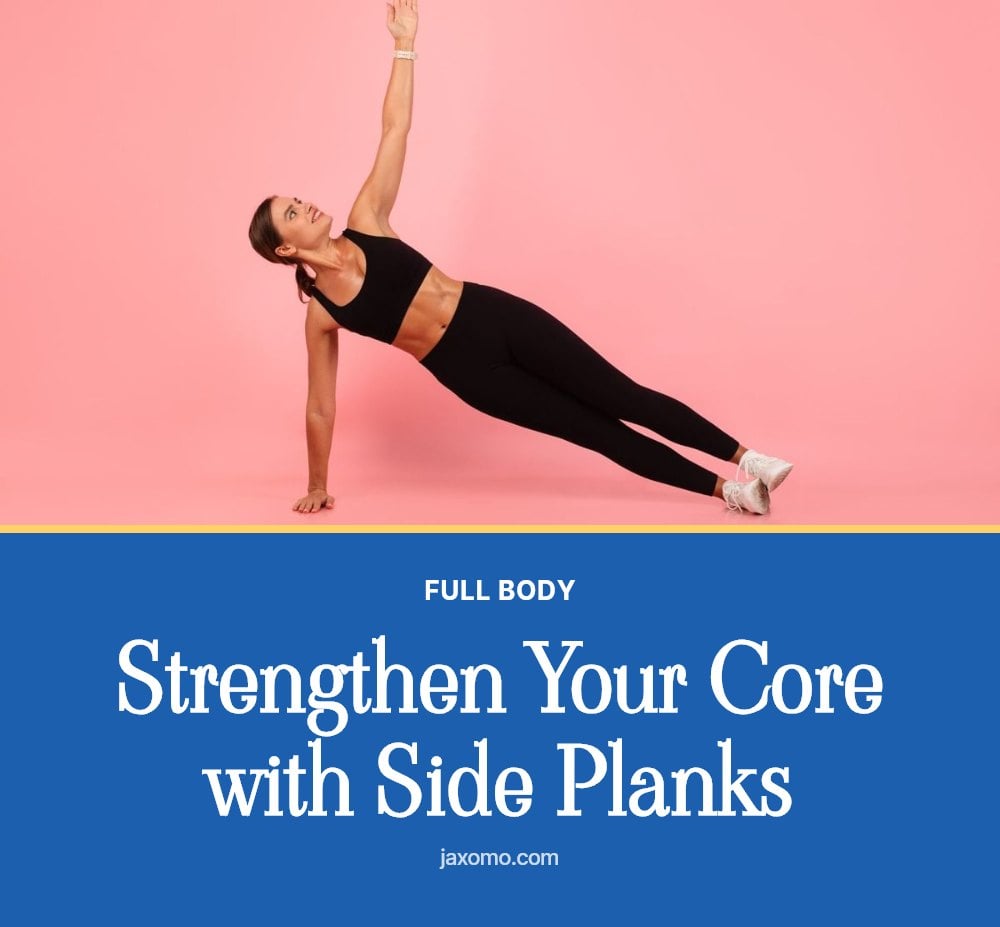
Lie on your side with your forearm on the floor, elbow directly under your shoulder. Stack your feet or stagger them for more stability. Lift your hips off the floor so your body forms a straight line from head to heels.
- Time: 30-60 seconds per side.
- Form cue: Keep your hips lifted and avoid letting them sag toward the floor.
- Make it easier or harder: Drop your top knee to the floor for support, or extend your top arm straight up for a challenge.
3. Russian Twists

Sit with your knees bent and feet flat on the floor. Lean back slightly to engage your core. Clasp your hands together or hold a light weight, then twist your torso side to side, tapping your hands beside your hip.
- Sets and reps: 3 sets of 10-15 twists per side.
- Form cue: Control the twist with your core, not momentum.
- Make it easier or harder: Keep your feet on the floor for stability, or lift them off for more challenge.
4. Bicycle Crunches
Lie on your back with your hands behind your head and elbows wide. Lift your head, neck, and shoulders off the floor. Bring one knee toward your chest as you extend the other leg straight, then twist your torso to bring the opposite elbow toward the bent knee. Alternate sides in a cycling motion.
- Sets and reps: 3 sets of 10-15 repetitions per side.
- Form cue: Move slowly and avoid pulling on your neck; keep your elbows wide.
- Make it easier or harder: Keep your feet on the floor and only lift your shoulders, or extend both legs straight for more difficulty.
5. Standing Oblique Crunches
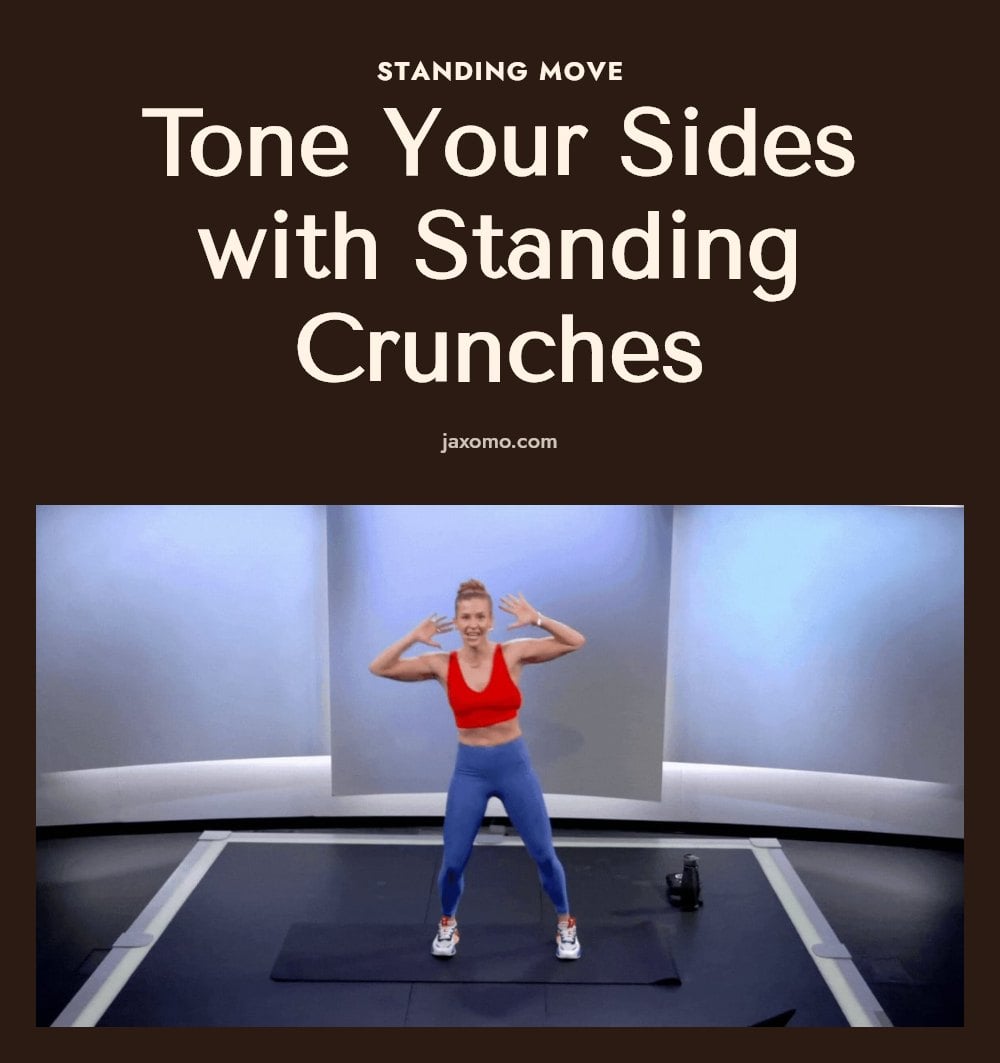
Stand tall with feet hip-width apart, hands behind your head or one hand on your hip. Engage your core, keeping your spine neutral as you bend sideways, bringing your elbow toward your hip on the same side. Crunch your oblique, then return to start and repeat on the other side.
- Sets and reps: 3 sets of 12-15 repetitions per side.
- Form cue: Move slowly and control the bend from your ribs, not your waist.
- Make it easier or harder: Keep feet wider for stability, or hold a light weight to increase resistance.
6. Plank
Start in a push-up position, then lower onto your forearms. Keep your body in a straight line from head to heels, engaging your glutes and core. Avoid letting your hips sag or pike up, and keep your gaze down to maintain a neutral neck.
- Time: Hold for 30-60 seconds.
- Form cue: Squeeze your glutes and pull your belly button toward your spine.
- Make it easier or harder: Drop to your knees, or lift one leg a few inches off the floor.
7. Stomach Vacuums
This exercise targets the deep transversus abdominis, a key muscle for core stability. Stand, sit, or get on all fours. Exhale all air from your lungs, then draw your navel in toward your spine as if trying to touch your belly button to your back. Hold for 15-30 seconds, breathing shallowly if needed, then release.
- Sets and reps: 3-5 repetitions.
- Form cue: Keep your spine neutral and don’t hold your breath.
- Make it easier or harder: Practice seated first, then progress to all fours for a deeper contraction.
8. Cool-Down: Spinal Twist
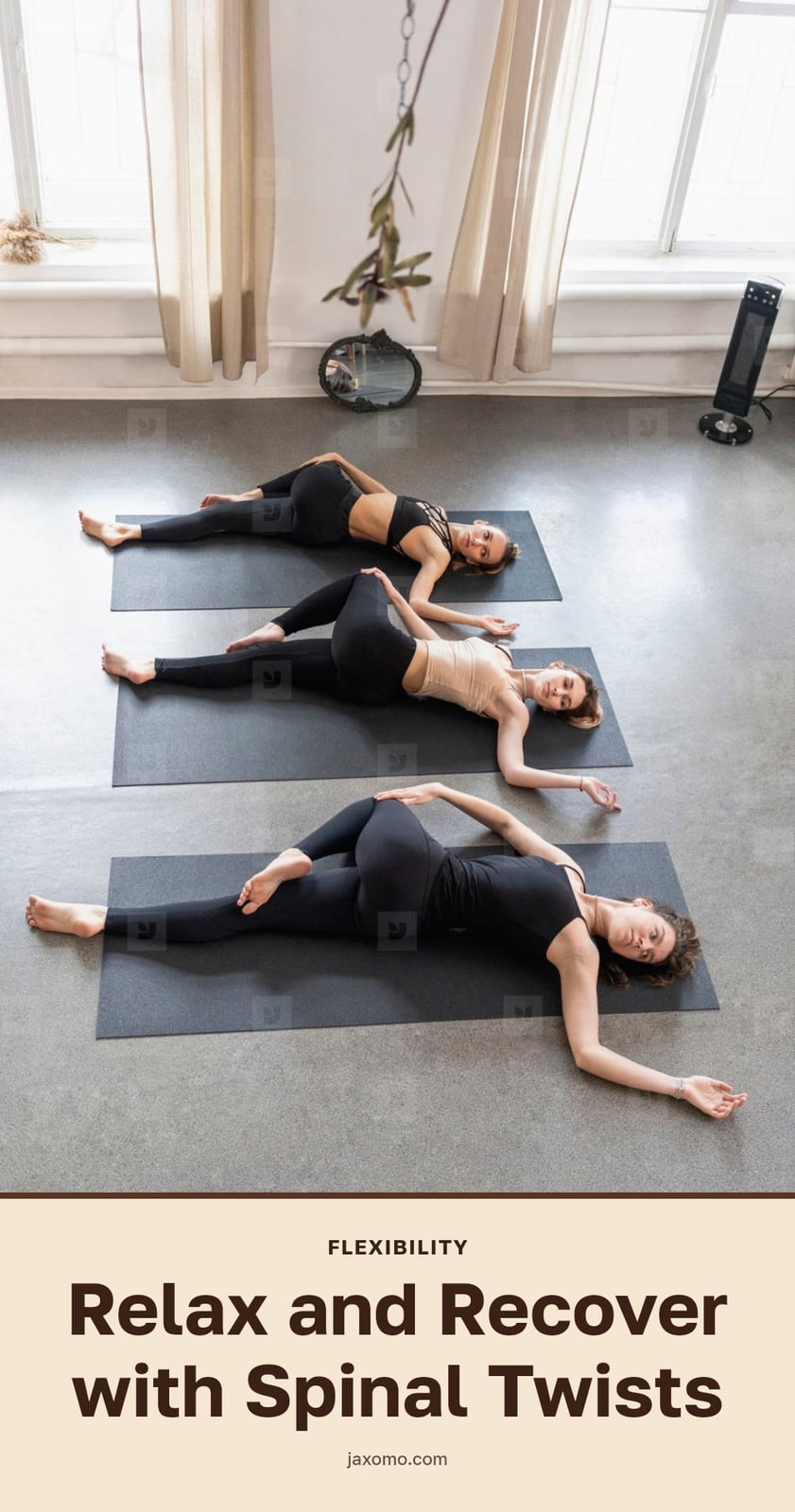
Lie on your back with arms out to a ‘T’ shape. Bring your knees to your chest, then gently drop both knees to one side, keeping your shoulders flat on the floor. Turn your gaze toward the opposite hand and hold for 30 seconds per side, breathing deeply to release tension.
- Time: 30 seconds per side.
- Form cue: Keep both shoulders grounded; if one lifts, reduce the range of motion.
- Make it easier or harder: Extend the top leg for a deeper stretch, or place a pillow under your knees for support.
Your Weekly Waist Workout Plan
Here is a simple weekly plan that weaves the exercises above into a balanced routine. Aim for three non-consecutive days per week, with at least one rest day between sessions. On other days, you can add light cardio like walking or cycling.
| Day | Exercises | Sets & Duration |
|---|---|---|
| Monday | Cat-Cow, Plank, Side Plank, Stomach Vacuums | 2 rounds, 30-60 sec holds |
| Wednesday | Russian Twists, Bicycle Crunches, Standing Oblique Crunches | 3 sets of 10-15 reps per side |
| Friday | Full sequence: Warm-up, all 6 exercises, Cool-down | 1 round, holds & reps as above |
Listen to your body and adjust intensity as needed. If an exercise feels too challenging, reduce the hold time or reps. Consistency over weeks and months will bring the best results, not a single intense session.
Common Mistakes to Avoid in Your Waist Workout
Even with the right exercises, a few common mistakes can slow your progress or lead to injury. Here is what to watch for.
- Believing in Spot Reduction: You cannot target fat loss from your waist alone. Overall body fat reduction through a balanced diet and full-body exercise is key.
- Using Momentum Over Muscle: Slow, controlled movements engage your core. Swinging your body reduces effectiveness and increases injury risk.
- Neglecting Deep Core Muscles: Exercises like planks and stomach vacuums strengthen the transversus abdominis, which is crucial for stability and a leaner waistline.
- Ignoring Proper Form: Correct technique prevents injury and ensures the intended muscles are worked. If you feel lower back strain, check your alignment.
- Over-Bulking Obliques: If a smaller waist is your goal, avoid heavy weights or excessive resistance with oblique moves. This can lead to muscle hypertrophy, which may widen the waist.
Frequently Asked Questions
How long does it take to see results from waist workouts?
With consistent effort, you may notice improved core strength and posture within a few weeks. Visible changes in waist size typically take several weeks to months, as they depend on overall fat loss and muscle development. Patience and a holistic approach are essential.
Can waist workouts help with belly fat?
Waist workouts strengthen your core muscles, which can improve tone and posture, but they do not directly burn belly fat. To reduce belly fat, you need to lower your overall body fat percentage through a combination of full-body strength training, cardiovascular exercise, and a healthy diet.
Are there any exercises that can make my waist bigger?
Yes, performing oblique exercises with heavy weights or very high resistance can potentially build muscle bulk, which may make your waist appear wider. If your goal is a smaller waist, focus on bodyweight exercises or light weights with higher repetitions to tone without adding significant muscle mass.
How often should I do waist exercises?
Aim to perform waist and core exercises three non-consecutive days per week, allowing at least one rest day between sessions. This schedule gives your muscles time to recover and grow stronger. On other days, you can add light cardio like walking or cycling.
What is the best time of day to do core exercises?
The best time is whenever you can be consistent and perform the exercises with proper form. Some people prefer mornings for energy, while others find afternoons or evenings work better. Choose a time that fits your schedule and allows you to focus on your workout without rushing.
Final Thoughts
For a toned midsection, focus on consistency with the exercises in this plan three times per week, and pair them with a balanced diet and regular cardio. Expect to see noticeable improvements in core strength and posture within a few weeks, with changes in waist appearance taking a few months of steady effort. Stick with it, and your hard work will pay off.
This information is for general informational purposes only and does not constitute medical or professional advice. Always consult a healthcare professional before starting any new exercise program, especially if you have pre-existing health conditions or injuries. For persistent pain or serious concerns, seek guidance from a qualified professional.