Nail Filing Tips for Beginners
Learn essential nail filing tips for beginners, from choosing the right file to mastering techniques for stronger, healthier nails at home.

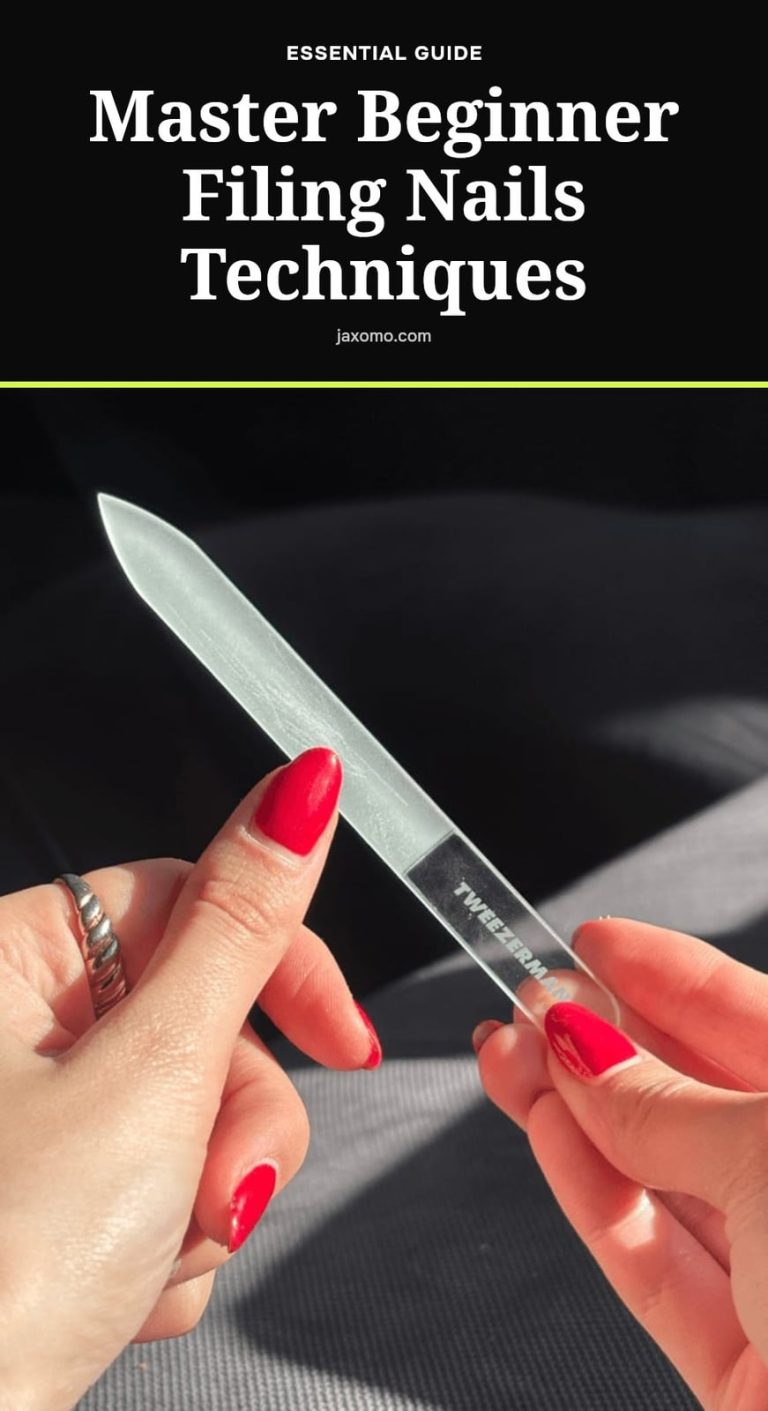
Getting a perfect manicure at home starts with one simple skill: filing your nails the right way. If you have ever struggled with splitting, peeling, or weak nails, the problem might be your technique or your file. This article walks you through the essential steps to file your nails correctly, from choosing the right grit to shaping without damage.
Key Takeaways
- Use a fine-grit file (180-240 or higher) for natural nails to avoid damage.
- Always file nails when they are completely dry to prevent tearing.
- File in one direction from the outer edge toward the center, never back and forth.
- Apply light, gentle strokes and hold the file at a slight angle under the nail.
- File only once a week or every few days to maintain length without thinning.
Mastering Nail Filing for Healthier Nails
Filing your nails correctly is one of the simplest ways to keep them strong and prevent splitting. The key is using the right tool and technique. For natural nails, choose a file with a grit of 180-240 or higher. Always file when your nails are completely dry, and move the file in one direction from the side toward the center using light, gentle strokes.
1. Choose the Right Nail File
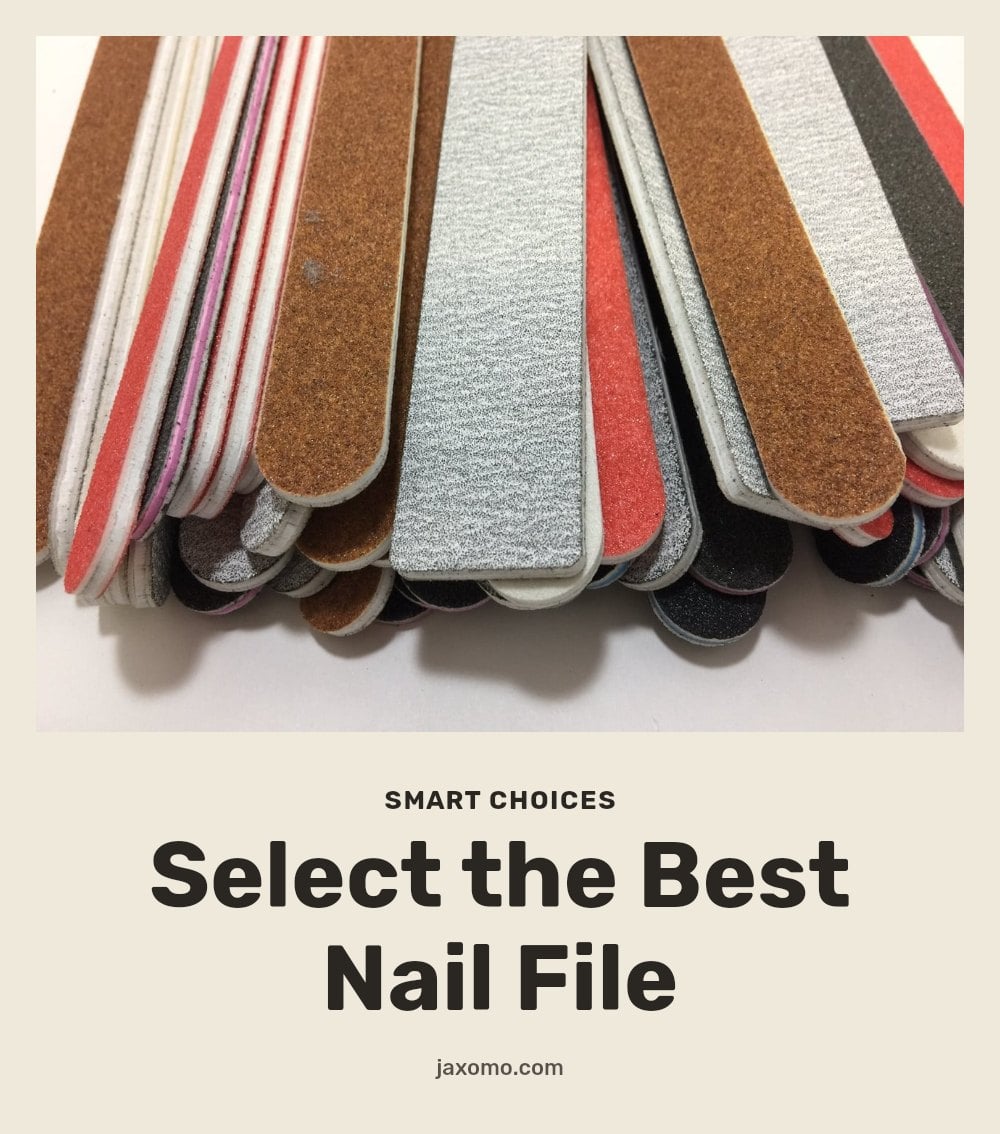
My tip: For natural nails, I always recommend a finer grit file, like 180-240 grit or higher. Lower grit files (80-100) are too coarse and can damage the nail plate.
Glass or crystal files are a great choice. They are super gentle and create a smooth, sealed edge that helps prevent snags and tears. I’ve found them to be a game-changer for my natural nails.
- Emery boards: Common and come in various grits, but can be harsh if not used carefully.
- Glass or crystal files: Very gentle, create a smooth edge, and last a long time.
2. Ensure Nails Are Completely Dry
This is a big one: always file your nails when they are completely dry. Wet nails are much weaker and more prone to tearing, splitting, or peeling during filing. The moisture softens the keratin, making the nail flexible and likely to fray.
My tip: Wait at least an hour after washing your hands or bathing before you pick up a file. This simple wait time can prevent a lot of nail damage.
3. File in One Direction Only
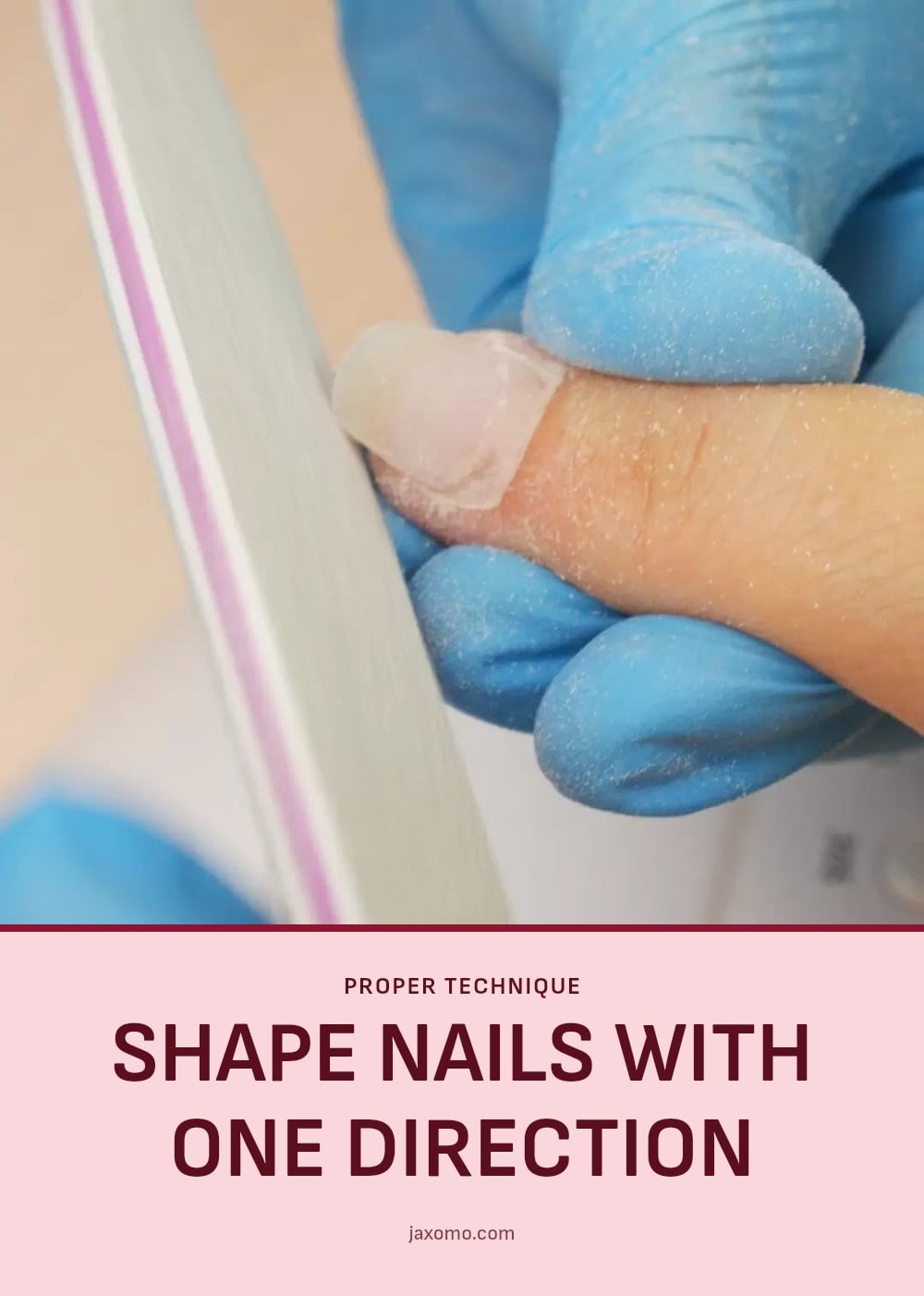
My golden rule for filing: always go in one direction, from the outer edge towards the center of the nail. A back-and-forth ‘sawing’ motion can fray the nail edge, leading to weakness and peeling.
Think of it like gently sculpting, not aggressively sanding. Each stroke should be smooth and deliberate, following the natural curve of your nail tip. This technique keeps the edge clean and strong.
4. Use Light, Gentle Strokes
You do not need much pressure to shape a nail. Light, gentle strokes are more effective than heavy sawing. Aggressive filing can damage the nail plate and lead to thinning or breakage over time.
Tip: Let the file do the work. If you feel resistance or hear a rough sound, ease up. A few soft passes in one direction give a cleaner edge than one hard stroke.
5. Hold the File at a Slight Angle

Hold the file at a slight angle underneath the nail, not flat against the free edge. This creates a smooth, beveled edge that resists snags and chips.
Pro move: Tilt the file about 45 degrees relative to the underside of the nail. You will feel the difference in how the edge glides across fabric after filing.
6. Shape Nails to Your Preference
Common nail shapes include square, oval, round, almond, and coffin. Your natural nail bed and daily activities should guide your choice. Round or oval shapes tend to be more durable for active hands because they have fewer sharp corners that catch on things.
Tip: Start by shaping the sides first, then work on the free edge to refine the final look. This approach gives you more control and keeps the shape balanced.
7. Don’t File Too Deeply into Sides
Avoid filing too far down the sides of your nails, especially near the nail bed. Over-filing here can weaken the nail plate and potentially expose the nail bed, increasing the risk of infection.
Caution: Focus on shaping the free edge rather than altering the side walls. If you see pink skin through the side of the nail, you have gone too far.
8. Buff Nails Gently (Optional)
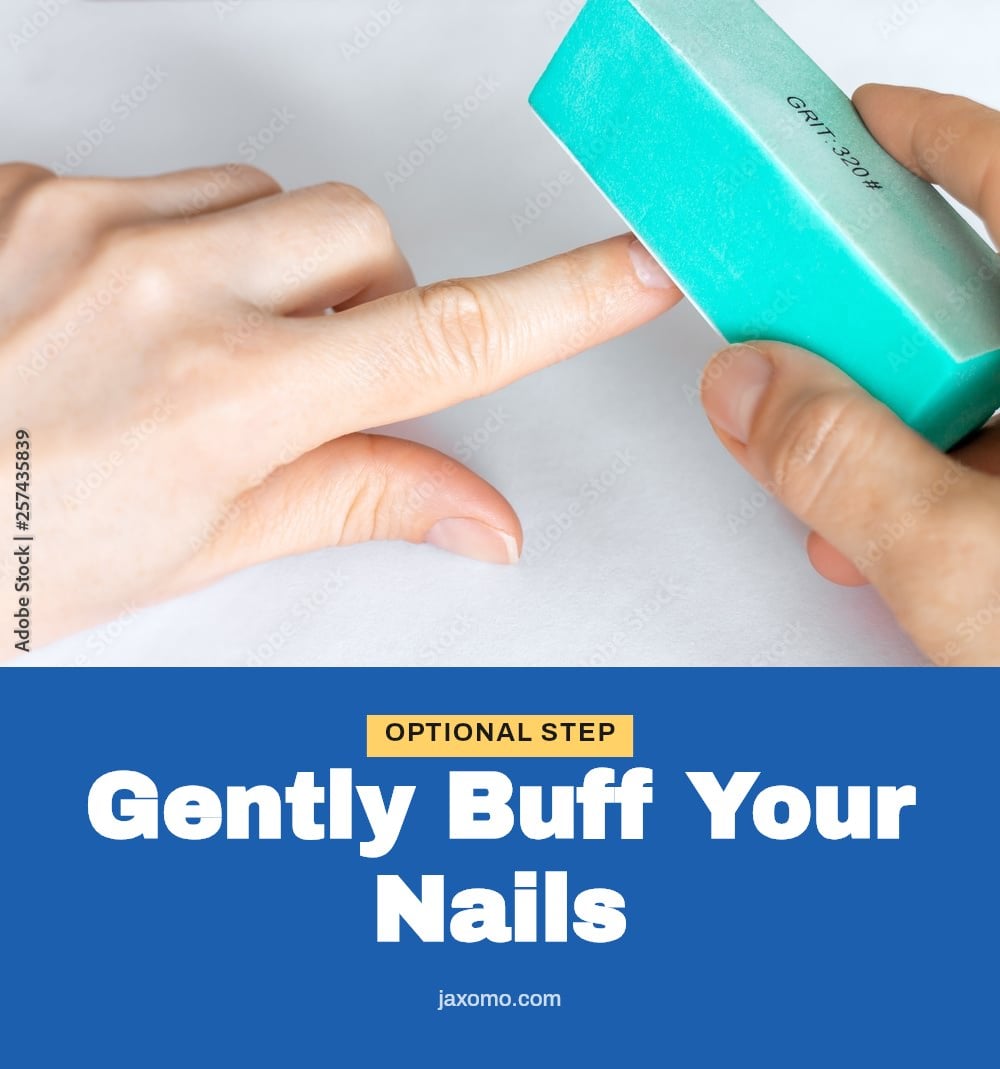
After filing, you can gently buff your nails to smooth the surface and add shine. A nail buffer usually has several sides with different grits. Start with the coarser side and finish with the finest side for a glossy result.
Good to know: Buff gently and only every few weeks. Over-buffing thins the nail plate and makes it weak. Two or three light passes per nail are enough.
9. Clean Your Nail Files Regularly
Hygiene matters when it comes to nail files. Dust and dead skin build up between uses, which can transfer bacteria back to your nails. A clean file works better and is safer.
For emery boards, brush off dust with a stiff nail brush. Glass or crystal files can be washed with warm soapy water and left to air dry completely. Replace emery boards once they look worn.
10. Maintain a Manageable Length
Keeping nails at a manageable length helps prevent breakage and painful snags. Longer nails catch on clothing, bags, or keyboards more easily. The right length depends on your daily activities.
I find that a length just past my fingertip works best for my lifestyle. It is long enough to shape nicely but short enough to avoid accidental breaks. Trim or file as soon as a nail feels fragile.
11. File as Needed, Not Excessively
File your nails only when they need it, typically once a week or every few days. Filing every day strips away healthy nail structure and can lead to thinning over time. Let your nails rest between sessions.
Caution: If a nail feels rough or uneven, a quick touch-up is fine. But constant filing weakens the nail plate. Pay attention to your nails and file only when necessary.
When to Consult a Professional
Stop filing immediately if you feel any pain or discomfort. That is a clear sign something is wrong. Persistent splitting, peeling, discoloration, or any signs of infection, such as redness or swelling, are not normal. These symptoms could indicate an underlying health issue that needs professional attention. In those cases, it is best to consult a dermatologist or doctor rather than trying to fix it yourself at home.
Frequently Asked Questions
How often should I file my nails?
File your nails as needed, typically once a week or every few days. Filing every day can strip away healthy nail structure and lead to thinning over time. Let your nails rest between sessions to stay strong.
Can I use a metal nail file on natural nails?
Metal files are very coarse and can cause micro-tears and damage to natural nails. They are best reserved for artificial nails or heavy shaping. For natural nails, stick with a glass, crystal, or fine-grit emery board.
What is the best way to clean my nail file?
For emery boards, brush off dust with a stiff nail brush. Glass or crystal files can be rinsed with warm water and a little soap, then left to air dry. Regular cleaning prevents bacteria buildup and keeps the file working well.
Why do my nails split after filing?
Splitting often happens when you file wet nails, use a back-and-forth sawing motion, or apply too much pressure. Using a coarse file on natural nails can also cause splits. Switch to a finer grit and file in one direction only.
Should I file my nails before or after a shower?
File your nails when they are completely dry, which means before a shower or after your nails have fully dried post-shower. Wet nails are softer and more likely to tear or peel during filing.
Final Thoughts
For healthy, strong nails, stick with a fine-grit glass or crystal file and file in one direction only. Expect to file about once a week to keep your preferred shape, and let your nails rest between sessions. A little patience goes a long way toward smoother edges and fewer breaks.
This article is for general informational purposes only and does not constitute medical or professional advice. If you experience persistent splitting, peeling, discoloration, or signs of infection, consult a dermatologist or healthcare professional.