Going Gray Gracefully: Your Complete Transition Guide
Going gray: Learn how to go gray gracefully with practical tips for blending, cutting, and caring for your transitioning hair. Make your gray journey beautiful.

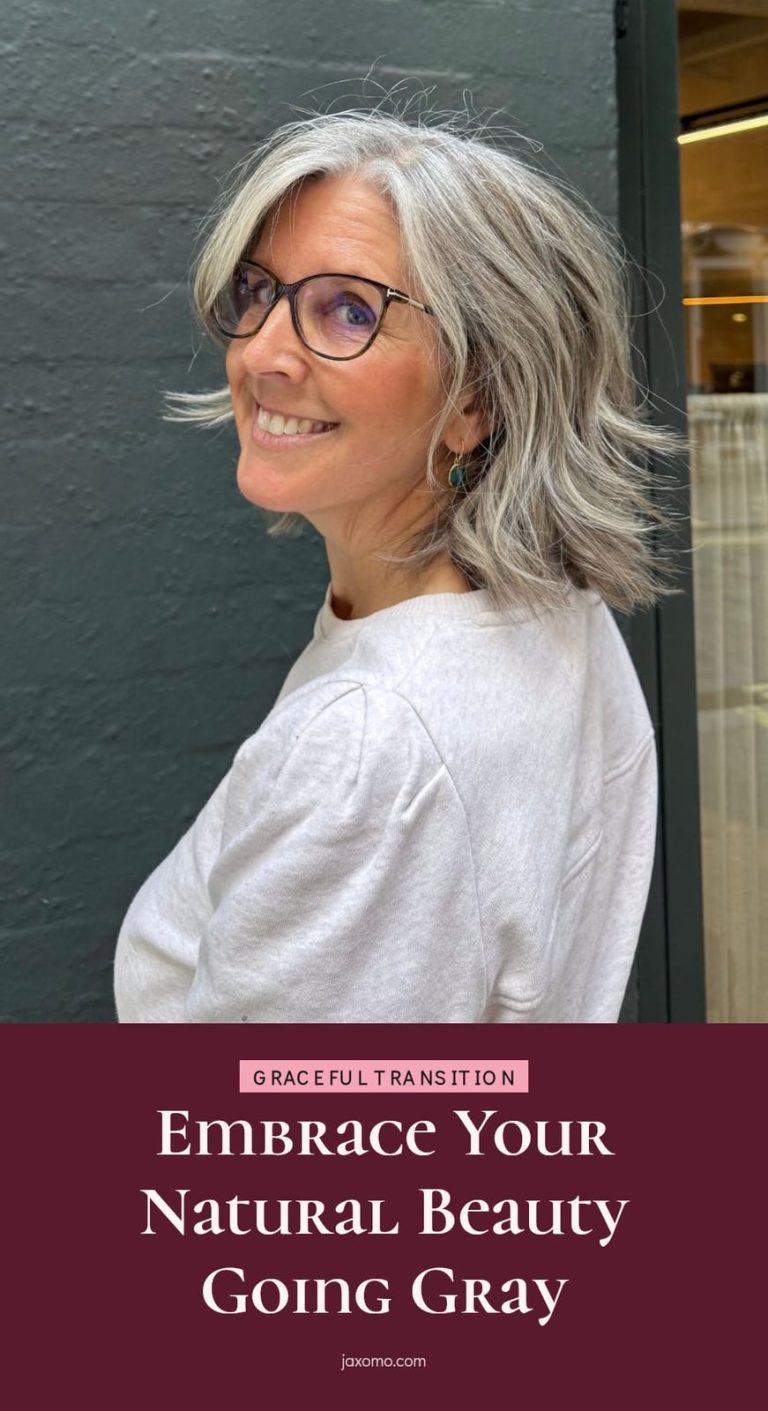
Deciding to stop dyeing your hair and let your grays grow in is a big step, and you want the transition to look intentional, not accidental. Whether you choose a slow blend or a dramatic chop, the right strategy makes all the difference. This article covers the most effective methods, essential products, and realistic timelines so you can go gray with confidence.
Key Takeaways
- Choose a transition method (blending, cutting, or growing out) before you stop dyeing to avoid an awkward two-tone look.
- Use purple shampoo and conditioner weekly to neutralize yellow tones and keep gray hair bright.
- Deep condition regularly because gray hair often feels coarser and drier than pigmented hair.
- A chin-length bob can go fully natural in 3 to 5 months; long hair may take 18 months or more.
- Protect gray hair from sun exposure with UV protectant products to prevent yellowing and damage.
Embracing Your Natural Gray: What to Expect
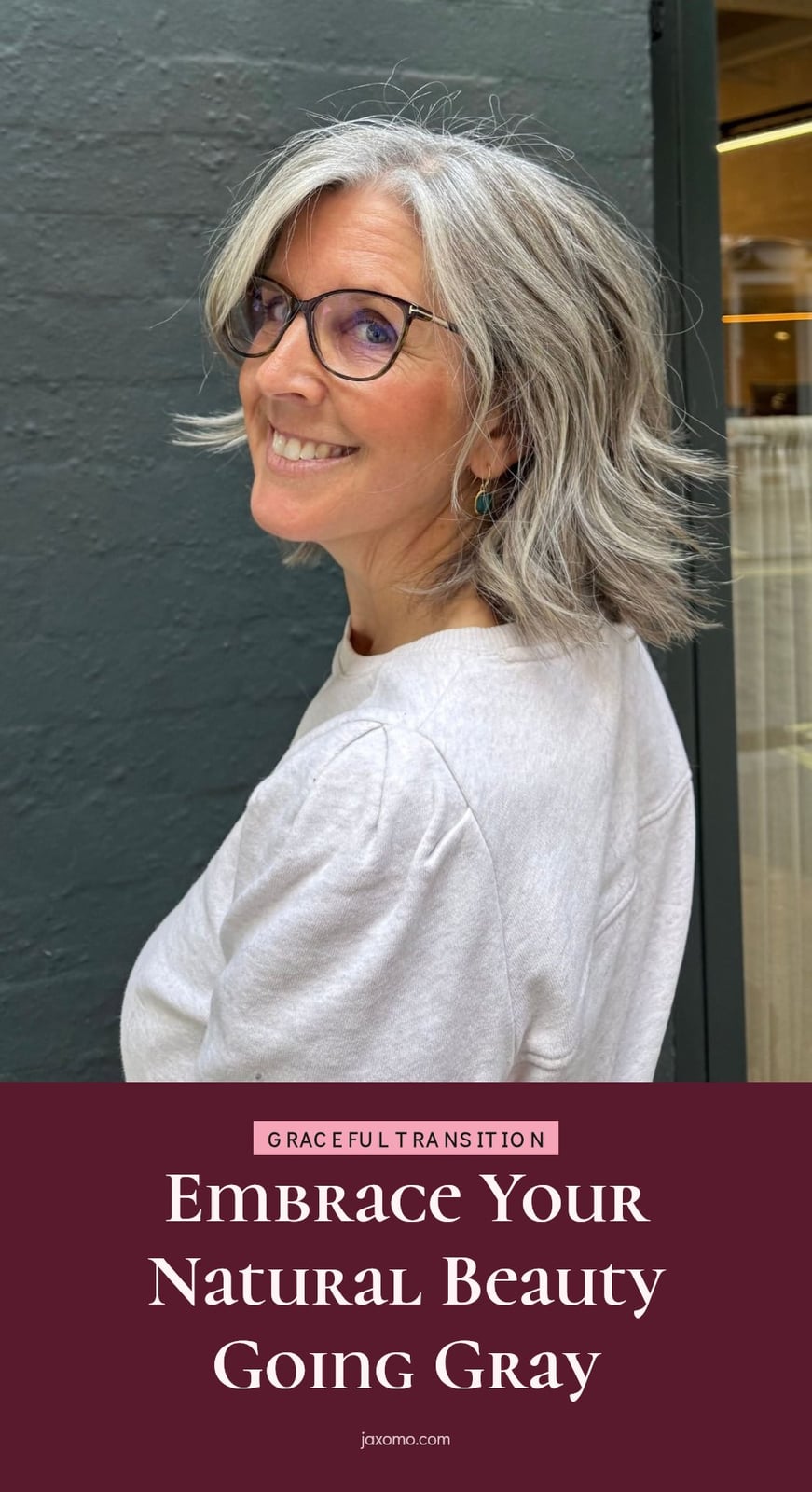
Going gray gracefully means letting your natural hair grow out while blending it with your existing dyed hair. You have several options to make this transition less noticeable, from gradual blending techniques like highlights or lowlights to a dramatic chop. The key is choosing an approach that fits your hair length, timeline, and comfort level, then adapting your routine to gray hair’s unique needs.
Essential Tools and Products for Your Gray Hair Journey

Stock your bathroom with these essentials for a smooth transition.
- Purple shampoo and conditioner: Neutralize yellow tones and keep gray bright.
- Deep conditioning masks: Add moisture back into potentially drier hair.
- Heat protectant spray: Shield hair from styling damage.
- UV protectant products: Prevent sun-induced yellowing and damage.
- Root touch-up spray or powder: Camouflage regrowth during the early stages.
- Hair gloss or toner: Blend the line between dyed and natural hair.
Choosing Your Transition Method: Blending, Cutting, or Growing Out
The cold turkey method is straightforward: you stop dyeing and let your natural roots grow in. As your hair lengthens, you gradually trim off the dyed ends. This works best if you can tolerate a visible line of demarcation for several months. My tip: schedule a trim every 6 to 8 weeks to keep the ends healthy and slowly remove the old color.
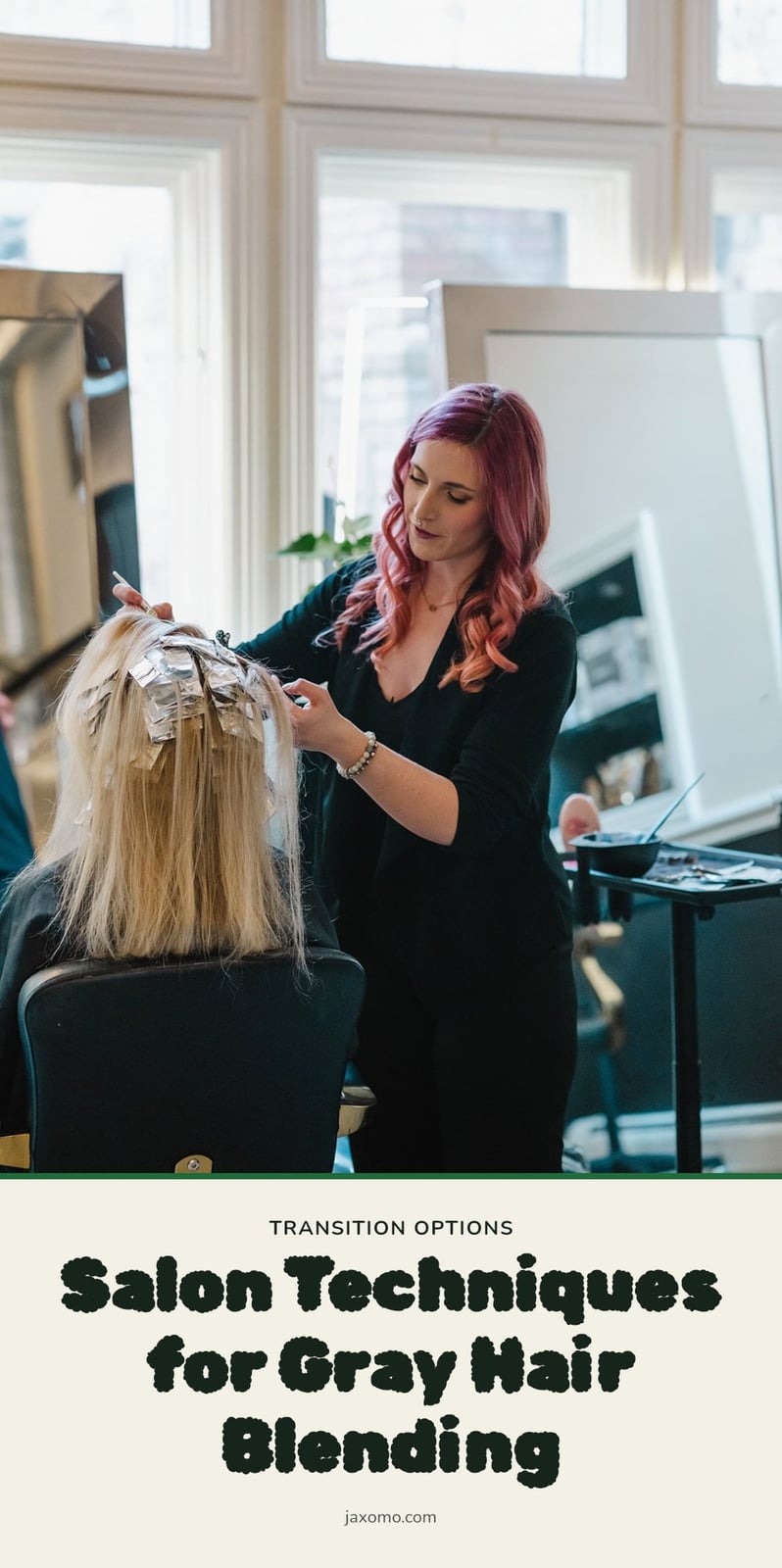
Highlights or lowlights soften that harsh line between dyed and natural gray. A stylist weaves lighter or darker tones through your hair, blending the two shades together. This method extends the transition timeline but gives you a more gradual, polished look throughout. It also adds dimension that makes the gray look intentional rather than like regrowth.
The big chop removes all dyed hair at once, leaving only your natural gray. This is the fastest option, ideal if you are ready for a dramatic change and a shorter style. For long hair, this means cutting to a bob or pixie. Caution: make sure you are comfortable with a short length before committing, because there is no going back without starting to dye again.
Whichever method you choose, consult a professional stylist before you start. They can assess your hair type, current color, and face shape to recommend the best approach. A stylist also helps you avoid common pitfalls like a harsh line from box dye or a cut that does not suit you.
Caring for Your New Gray Hair
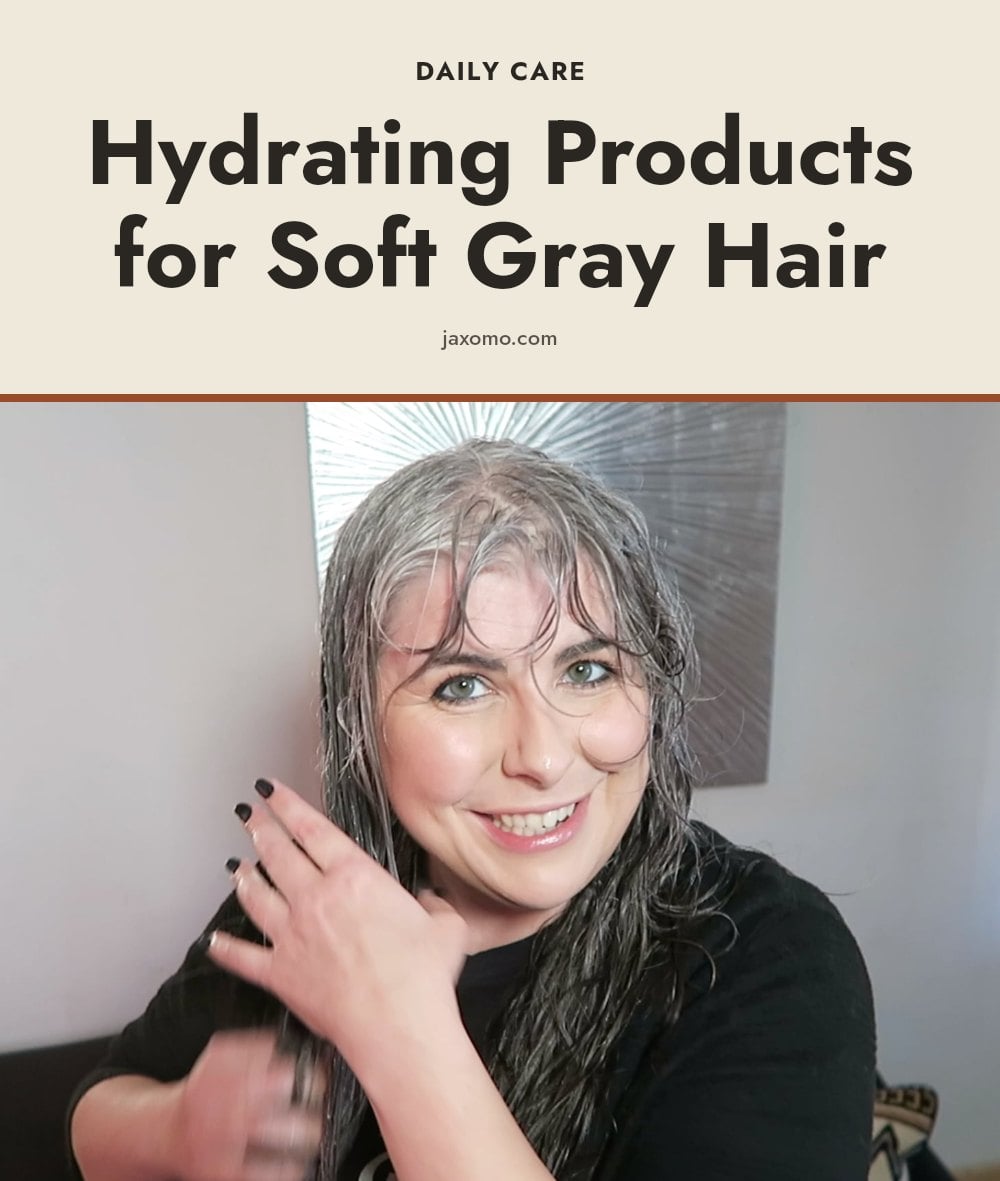
Gray hair often feels coarser or drier than your pigmented hair, so adjust your routine accordingly. Use purple shampoo and conditioner weekly to prevent yellowing. Incorporate deep conditioning masks and moisturizing treatments into your wash days. Protect your hair from sun exposure with UV protectant products, and schedule regular trims to keep ends neat and remove damage.
Common Mistakes to Avoid When Going Gray
Mistake 1: Going in without a plan. Letting roots grow with no strategy often creates a harsh two-tone look that feels impossible to style. Decide on a method before you stop dyeing.
Mistake 2: Underestimating the timeline. A full transition from dyed to natural gray takes months to over a year for long hair. Patience is part of the process.
Mistake 3: Skipping a product overhaul. Gray hair needs moisture and purple pigments. Using your old routine leaves it dull and dry.
Mistake 4: Reaching for box dye on roots. At-home color often creates a thick, obvious line and adds damage. It makes the grow-out harder, not easier.
Mistake 5: Ignoring yellowing. Gray hair picks up yellow tones from sun, pollution, and product buildup. Without purple shampoo or conditioner, those brass tones settle in fast.
Timeline and Investment for Your Gray Hair Transition
The timeline depends on your hair length and chosen method. A chin-length bob can go fully natural in 3 to 5 months. Shoulder-length hair takes 8 to 12 months, and long hair past the shoulders can take 18 months or more.
Fastest route: The big chop removes all dyed hair in one salon visit. Slowest route: Blending with highlights or lowlights stretches the process but softens the line.
Costs range from minimal (just purple shampoo and conditioner for a cold-turkey grow-out) to several hundred dollars for professional blending services. Factor in regular trims every 6 to 8 weeks and occasional toning treatments to keep gray bright.
When to Consult a Professional During Your Gray Transition
See a professional stylist when you are deciding between a big chop, highlights, or lowlights. They can recommend the best approach for your hair type and face shape.
Consult a dermatologist if you notice excessive hair shedding or scalp irritation during the transition. These symptoms may signal an underlying issue that needs attention.
A stylist also helps you select the right toning products and treatments to manage yellowing. For complex color corrections or major texture changes, professional guidance prevents damage and saves time.
Frequently Asked Questions
What causes gray hair to turn yellow?
Gray hair can develop yellow tones from environmental factors like sun exposure, product buildup, or minerals in hard water. Using a purple shampoo and conditioner weekly helps neutralize those yellow undertones and keeps your gray looking bright and cool-toned.
Will my gray hair be a different texture?
Yes, gray hair often feels coarser or drier than your natural pigmented hair because the loss of melanin can change the hair shaft. Adjust your routine with moisturizing masks and conditioners to manage the new texture and prevent frizz or breakage.
Are there any products to speed up gray hair growth?
No product can speed up the rate at which your hair grows or turns gray. Genetics determine your hair growth cycle and pigment loss. Focus on a healthy scalp and good nutrition to support overall hair health, but the timeline is largely out of your control.
Can I color my hair once I’ve gone gray?
Yes, you can color your gray hair if you decide to change your look later. Keep in mind that gray hair can be more resistant to dye and may require a different formula or a longer processing time. Always do a patch test first to check for reactions.
How do I stop dyeing my hair and go gray gracefully?
Start by choosing a transition method: let roots grow and gradually trim dyed ends, blend the line with highlights or lowlights, or go for a big chop. Use purple products to keep gray bright, deep condition regularly, and consult a stylist for a plan that suits your face shape and hair type.
Final Thoughts
For the smoothest transition, start by deciding on a method that matches your hair length and patience level. If you want the fastest route, a big chop can get you there in one salon visit. Realistically, most transitions take several months to over a year, so give yourself grace along the way. Your natural gray is a beautiful, low-maintenance look worth the wait.