Natural Ways to Support Hair Growth and Reduce Thinning
Discover effective natural ways to reduce thinning hair and encourage healthy growth. Learn about gentle care, diet, and topical remedies.

If you’ve noticed your ponytail feeling thinner or your part widening, you’re not alone. Thinning hair is incredibly common, and while it can feel alarming, there are natural steps you can take to support your hair’s health and reduce breakage. This article covers the common causes of thinning hair in women, practical natural methods to try, and what you can realistically expect from your routine.
Key Takeaways
- Scalp massage for 5 minutes daily can stimulate blood flow to hair follicles.
- A diet rich in protein, omega-3s, and antioxidants supports hair health from within.
- Always dilute essential oils like rosemary with a carrier oil before applying to the scalp.
- Expect to stick with natural remedies for several weeks to a few months before seeing results.
- See a doctor if hair thinning is sudden, severe, or accompanied by other symptoms.
Understanding Thinning Hair: Why It Happens and What You Can Do
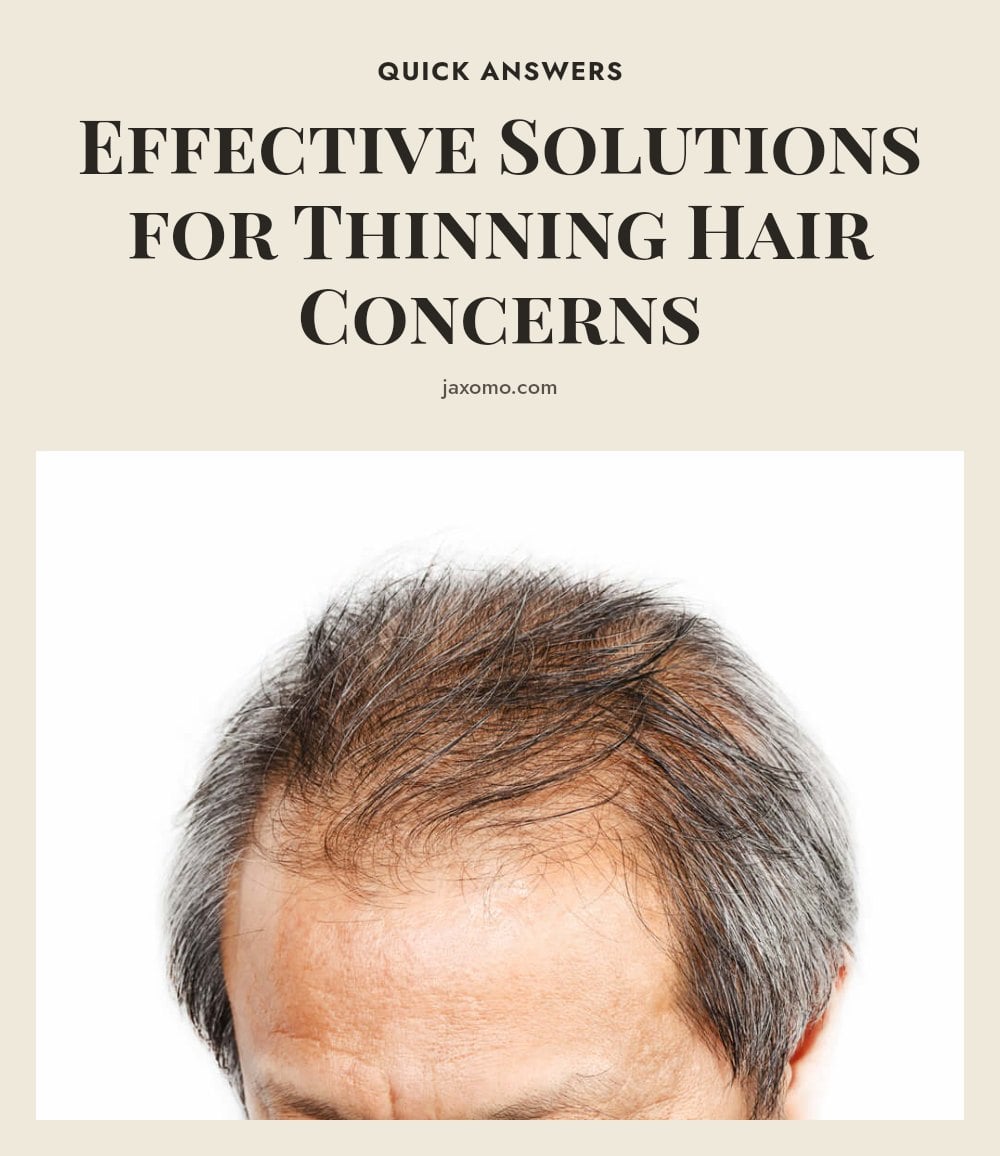
Thinning hair can stem from a mix of genetics, stress, and nutrition, so there is rarely a single culprit. Natural approaches focus on nurturing scalp health and strengthening the hair you already have. They work by improving circulation, reducing breakage, and creating a better environment for growth. While these methods are not a cure for genetic loss, they can significantly improve how your hair looks and feels. Consistency matters more than intensity, and pairing gentle care with targeted ingredients gives you the best chance at visible results.
Common Causes of Hair Thinning in Women
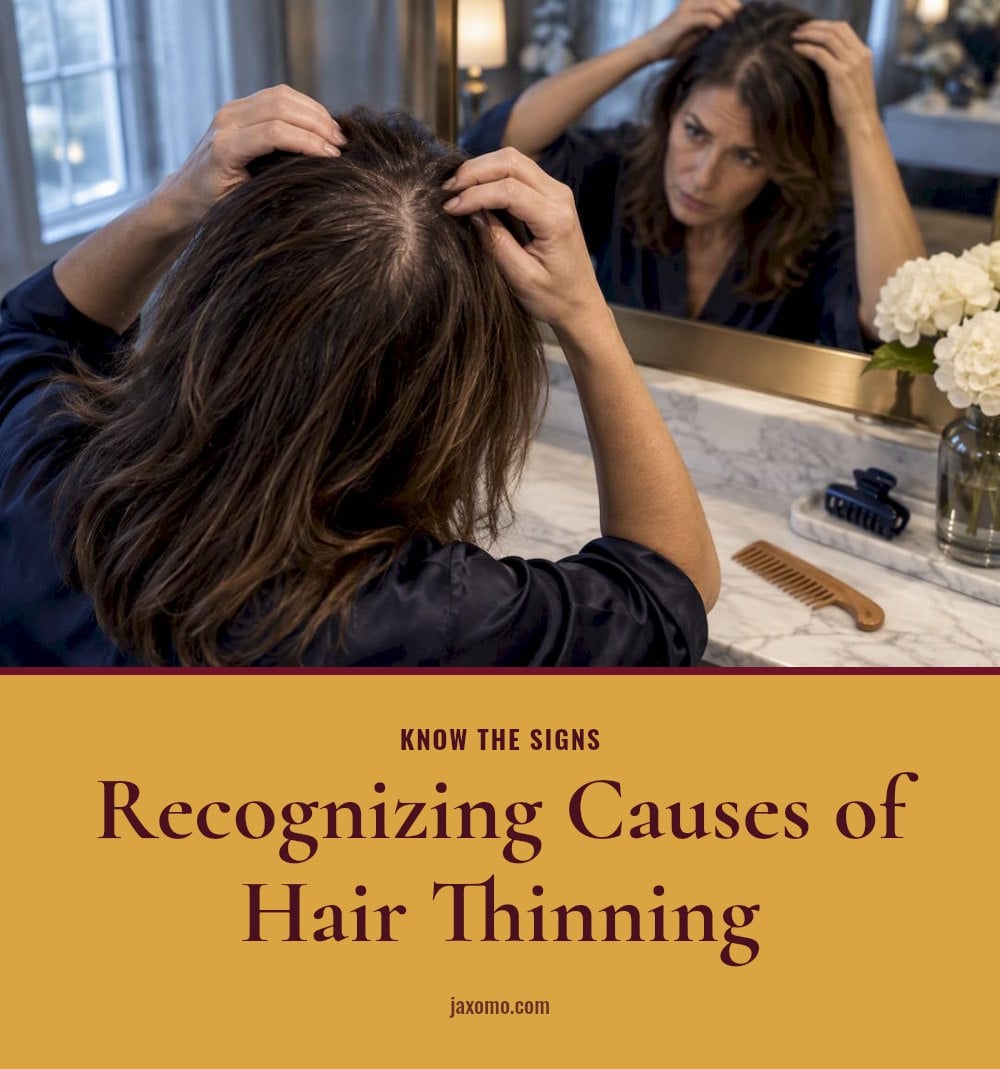
Common Causes of Hair Thinning in Women
Hair thinning can show up in two ways: diffuse, meaning hair thins evenly across your whole scalp, or localized, where you notice a wider part or a specific sparse patch. Understanding the pattern can help you and your doctor narrow down the cause.
Nutritional gaps are a big factor. Low levels of iron, zinc, biotin, or vitamin D can slow hair production and increase shedding. A simple blood test can check for these deficiencies before you start any new routine.
Chronic stress is another major contributor. It can push hair follicles into a resting phase too early, a condition called telogen effluvium. This often shows up as sudden shedding a few months after a stressful event. Managing stress through sleep, movement, or talking to someone can help your cycle return to normal.
Heat styling and chemical treatments damage the hair shaft itself, causing breakage and making hair look thinner even if you aren’t losing follicles. Flat irons, bleach, and perms weaken the outer layer, so cutting back on these can reduce breakage and improve fullness.
Top Natural Ways to Support Hair Growth
Scalp Massage: The Simple Start
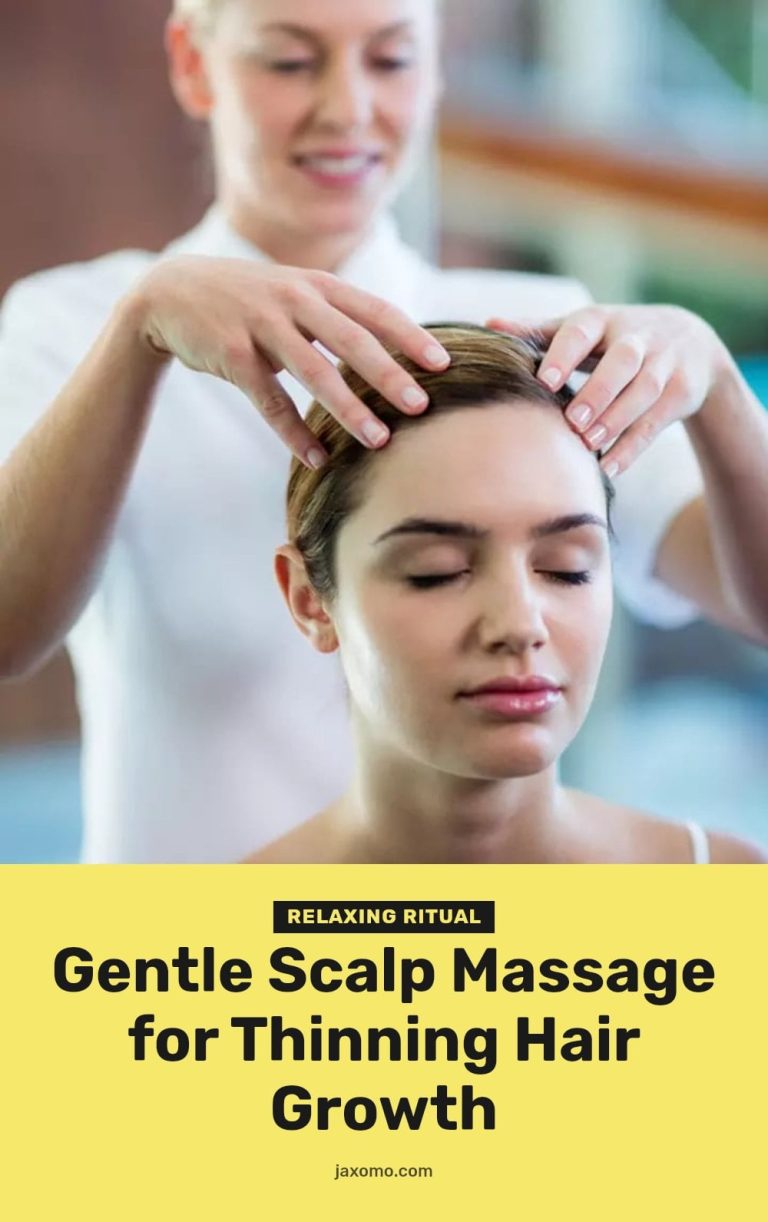
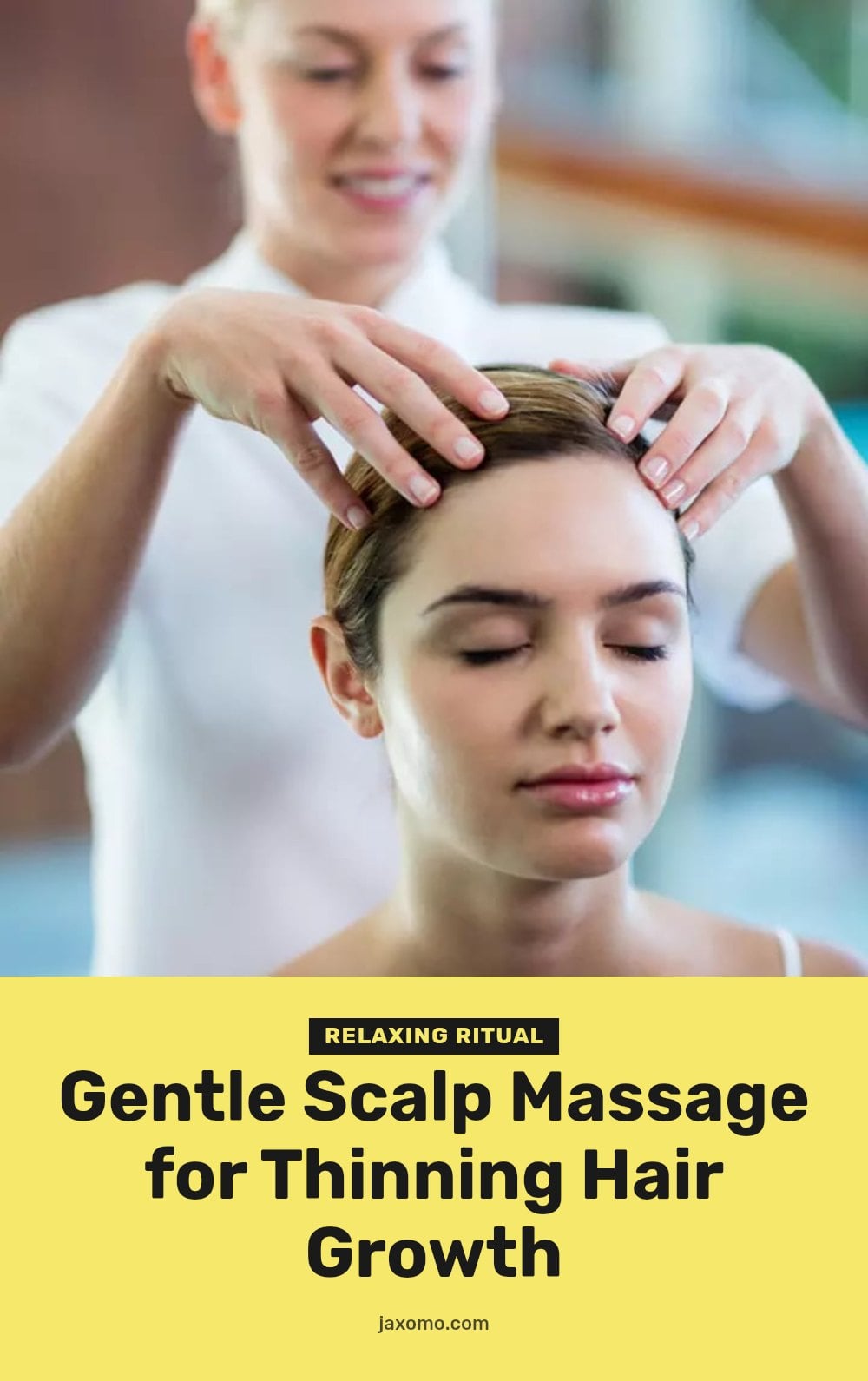
Massaging your scalp for 5 minutes a day can stimulate blood circulation to hair follicles, which may support growth. Use your fingertips in small circles, moving from your hairline toward the crown. You can do it dry or with a few drops of oil. My tip: do it while watching TV so it becomes a habit you don’t skip.
Rosemary Oil: A Studied Option
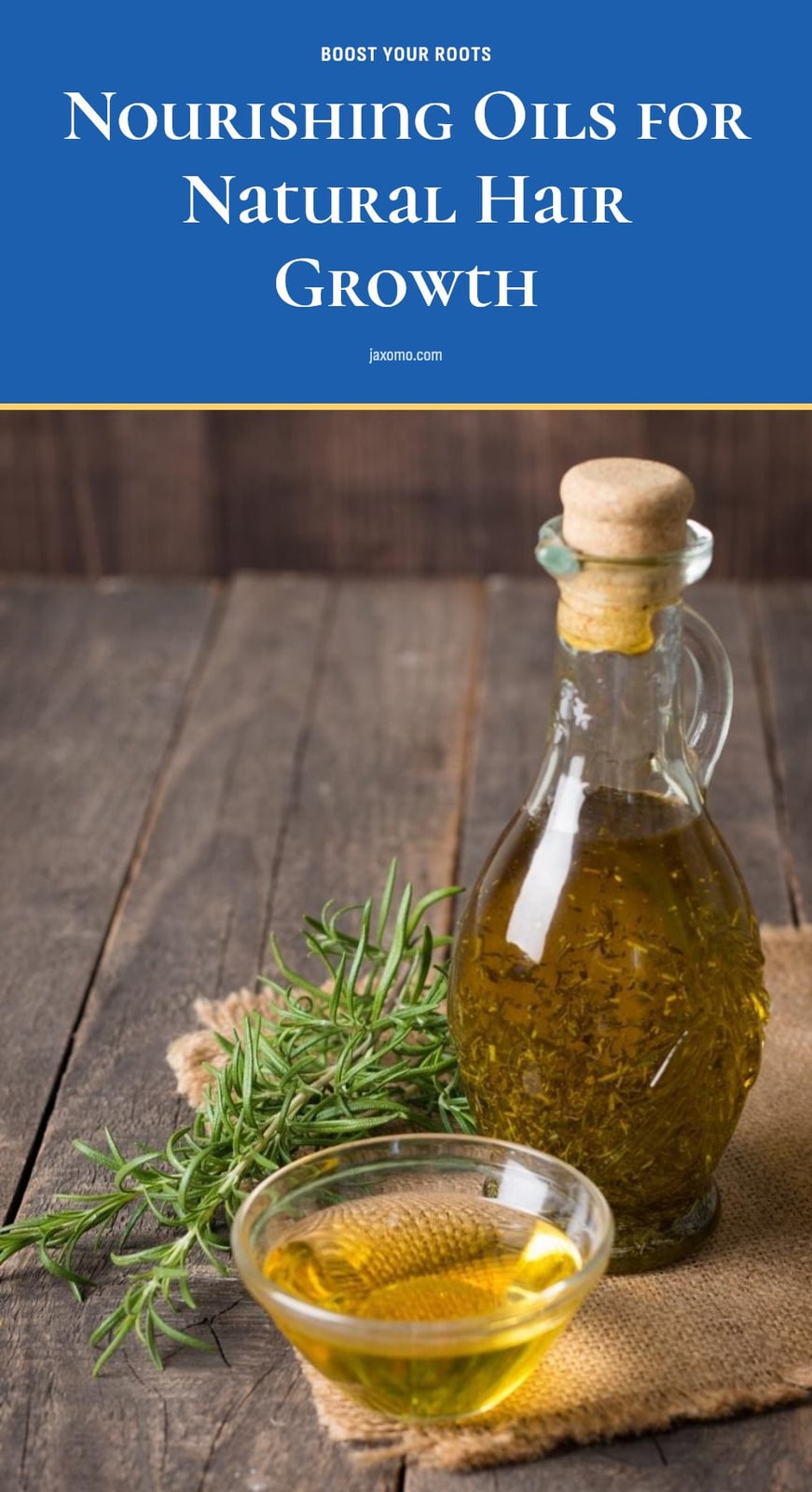
Rosemary oil has properties that may improve hair growth, and it is one of the more researched essential oils for this purpose. Always dilute it before use: mix 3 to 5 drops into a tablespoon of a carrier oil like jojoba or coconut. Massage the blend into your scalp and leave it on for at least 30 minutes before washing. Caution: skip this if your scalp is irritated, and always do a patch test on your inner arm first.
Aloe Vera: Soothing and Calming
Aloe vera soothes the scalp and promotes a healthy environment for hair to grow. Apply pure aloe vera gel directly to your scalp, let it sit for 20 minutes, then rinse with lukewarm water. It can help reduce flakiness and itchiness, which many people find comforting. Use it 2 to 3 times a week as a pre-shampoo treatment.
Green Tea: A Rinse With Potential
Green tea contains catechins, which may help inhibit DHT, a hormone linked to hair loss. Brew a strong cup, let it cool completely, and use it as a final rinse after shampooing. Pour it over your scalp, massage briefly, and leave it in without rinsing. Do this once or twice a week. Good to know: it can slightly tint lighter hair, so test it on a small strand first.
Putting It Together
You don’t need to do all four every day. Pick one or two that fit your routine and stick with them consistently. Results take time, so give any method several weeks to a few months before judging it. If you notice redness, itching, or more shedding after trying any of these, stop and check with a dermatologist.
Essential Tools and Ingredients for Your Thinning Hair Routine
Essential Tools and Ingredients for Your Thinning Hair Routine
- Rosemary essential oil and a carrier oil: For scalp massage and growth support.
- Gentle, sulfate-free shampoo and conditioner: To avoid stripping natural oils.
- A wide-tooth comb: For detangling wet hair without breakage.
- Aloe vera gel: Pure gel for soothing and hydrating the scalp.
Common Mistakes to Avoid When Dealing With Thinning Hair
Expecting natural remedies to reverse genetic hair loss sets you up for disappointment. They support hair health and reduce breakage, but they won’t change your genetic code.
Mistake: Applying essential oils straight to the scalp. Always dilute rosemary or peppermint oil with a carrier oil like jojoba or coconut to avoid burns and irritation.
Brushing wet hair from the roots down yanks out strands. Use a wide-tooth comb and start from the ends, working up gently.
Ignoring underlying health conditions can make thinning worse. If you notice sudden or severe loss, or if it’s accompanied by other symptoms, don’t brush it off, see a doctor to rule out issues like thyroid problems or nutrient deficiencies.
Daily Habits to Prevent Further Hair Thinning

What you do daily matters more than any single product. Start with your plate: load up on protein, omega-3s from fish or flaxseeds, and antioxidants from berries and leafy greens.
Manage stress with short yoga sessions or meditation, chronic stress pushes hair follicles into a resting phase, increasing shedding.
Swap tight ponytails for loose styles to reduce tension on roots. When you step outside, protect hair from UV rays with a hat or scarf, and always use a heat protectant before styling tools.
What to Expect: Timeline for Results and Cost Considerations
Natural remedies don’t work overnight. Hair growth is a slow process, expect to stick with your routine for several weeks to a few months before noticing thicker spots or less shedding.
Patience is key. Consistency with scalp massage, gentle care, and a balanced diet gives your hair the best chance.
The upside: natural approaches are generally cost-effective. A bottle of carrier oil, rosemary oil, and aloe vera gel costs far less than medical treatments, and you control what goes on your scalp.
When to Consult a Professional for Hair Thinning
See a doctor or dermatologist if your thinning is sudden, severe, or comes with other symptoms like fatigue or scalp irritation. These can signal underlying conditions that need professional attention.
Don’t wait it out. Persistent or worsening hair loss warrants a medical checkup to rule out thyroid disorders, hormonal shifts, or nutrient deficiencies. Early advice can prevent further loss and guide you to the right treatment.
Frequently Asked Questions
Can stress cause hair thinning?
Yes, chronic stress can push hair follicles into a resting phase prematurely, leading to increased shedding known as telogen effluvium. Managing stress through practices like yoga, meditation, or adequate sleep can help reduce this type of hair loss.
How long does it take for natural remedies to work?
Hair growth is a slow process, so natural remedies typically take several weeks to a few months of consistent use before you notice thicker spots or less shedding. Patience and consistency are key.
Is it normal to lose hair every day?
Yes, the average person loses 50 to 100 hairs per day as part of the natural hair growth cycle. This is normal shedding, not thinning. If you notice more than that or see visible thinning, it’s worth exploring causes.
Can diet impact hair thinning?
Yes, nutritional deficiencies, particularly in iron, zinc, biotin, and vitamin D, can contribute to hair thinning. Eating a balanced diet rich in protein, omega-3 fatty acids, and antioxidants supports overall hair health and may help reduce thinning.
Are there any oils I should avoid for thinning hair?
Some essential oils, like cinnamon or clove, can be irritating to the scalp, especially if not properly diluted. Always perform a patch test before using any new oil, and avoid applying undiluted essential oils directly to the scalp to prevent irritation.
Final Thoughts
Start with one or two changes, like a daily scalp massage and a switch to a gentle shampoo, and build from there. Remember, natural remedies take time, so give your routine at least a few months before judging results. The goal is to create a healthier environment for your hair to thrive, not to reverse genetics overnight.
This article is for general informational purposes only and does not constitute medical advice. Thinning hair can have many causes, and natural remedies may not work for everyone. If you have persistent or severe hair loss, or any accompanying symptoms, please consult a doctor or dermatologist for a proper diagnosis and treatment plan.