How to Improve Your Social Skills and Connect with Anyone
Discover practical social skills to feel more comfortable and confident in any social setting. Learn to connect with others and build lasting relationships.


If you’ve ever felt like everyone else knows exactly what to say while you’re stuck in your head, you’re not alone. The truth is, being social is a skill you can learn, just like cooking or driving. This article covers a step-by-step method to build genuine confidence in conversations, from getting comfortable with silence to asking the kind of questions that make people open up.

Key Takeaways
- Social skills are learned behaviors, not fixed traits, and improve with practice.
- Get comfortable with silence; awkward pauses feel much longer to you than to others.
- Practice active listening by focusing entirely on the speaker, not on what you’ll say next.
- Ask open-ended and even ‘stupid’ questions out of genuine curiosity to keep conversations flowing.
- Use non-verbal cues like eye contact and body language to read the room and adjust your approach.
How to Improve Your Social Skills and Connect
Social skills are not something you are born with. They are learned behaviors, like cooking or driving, and that means you can improve them with practice. The core ingredients are active listening, reading non-verbal cues, and developing genuine curiosity about other people.
This is a gradual process. You will not transform overnight, but consistent effort builds confidence and leads to more fulfilling interactions. The goal is not to perform or impress. Focus on being present and authentically interested in the person across from you. When you stop trying to force conversations and simply pay attention, connection happens naturally.
Step-by-Step: Building Your Social Confidence

Building social confidence is about practicing specific behaviors until they feel natural. The method below follows a proven order, starting with the internal mindset and moving to outward actions.
- Get comfortable with silence: Awkward silences feel much longer to you than to anyone else. Most people barely notice a two or three second pause. When one happens, resist the urge to fill it with rambling. Take a breath, and let the other person speak first.
- Listen like an analyst: Focus intently on what the other person says, as if you were an English teacher analyzing a book. Notice their word choices, the emotions behind them, and what they leave unsaid. This deep attention automatically generates follow-up questions, so you never have to scramble for topics.
- Develop your interests: Cultivate hobbies and passions you genuinely enjoy, whether that is hiking, baking sourdough, or reading history. People who have interests are more interesting to talk to. Your enthusiasm gives you natural material for conversations and makes you more engaging.
- Ask ‘stupid’ questions: If you are genuinely curious about something, ask it, even if it seems silly. Unexpected questions often open up new conversational paths. People generally enjoy talking about themselves, and a curious question shows you are paying attention.
- Copy positive behaviors: Watch people who navigate social situations well. Notice how they greet others, use eye contact, and transition between topics. You do not need to imitate their personality, just borrow the specific behaviors that feel authentic to you.
- Use names: When someone tells you their name, repeat it back once or twice during the conversation. Remembering and using a name makes the other person feel recognized and valued, which builds instant rapport.
These steps work because they shift your focus away from yourself and toward the other person. That shift is what makes conversations flow.
If you learn better by watching, this 5-minute video from brinyheart. shows every step. The how-to part starts at 1:18.
The Power of Active Listening: A Deeper Dive
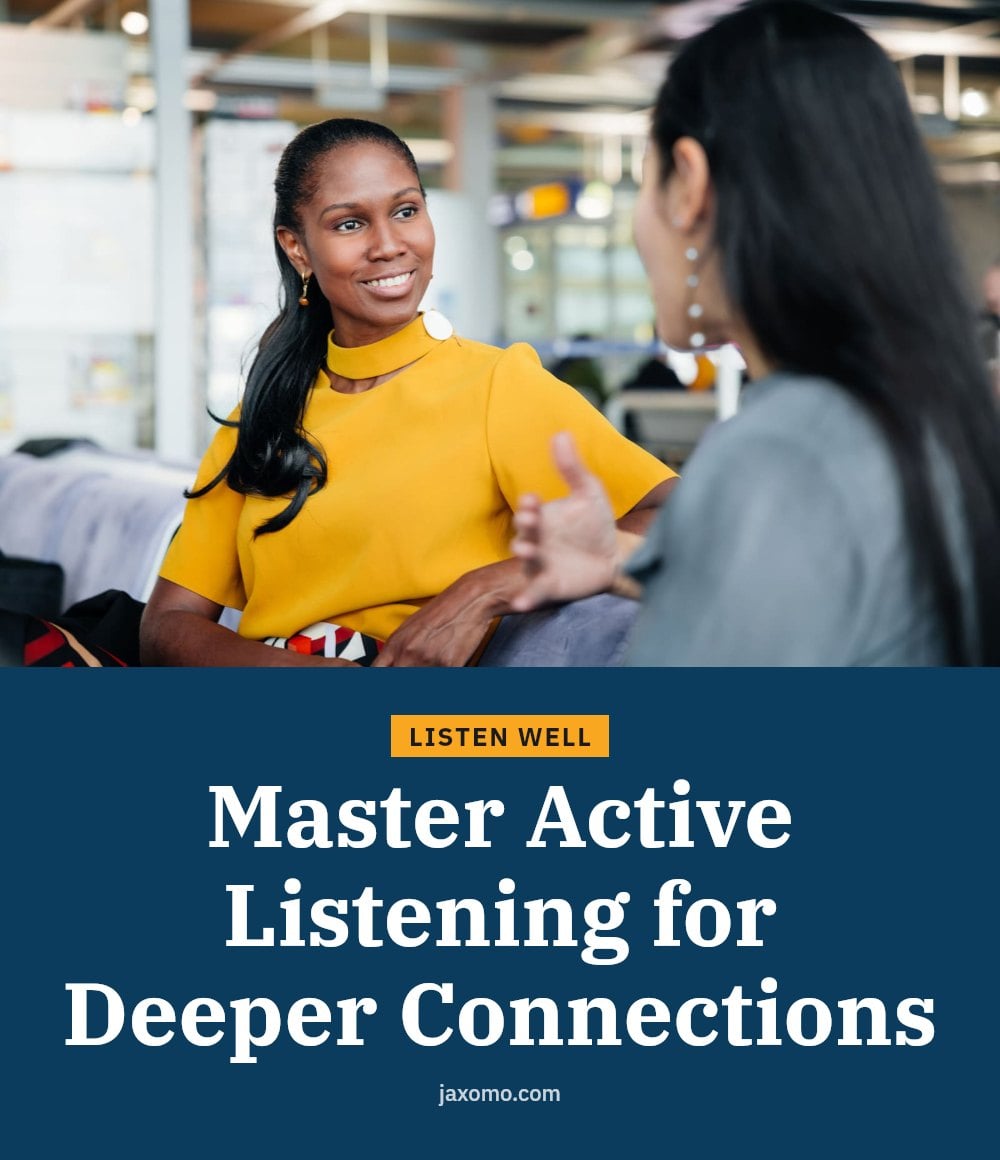
Beyond Waiting for Your Turn
Active listening is the foundation of every good conversation, yet most people only half-listen while planning what to say next. True active listening means giving the speaker your full concentration. You absorb their words, notice the emotions behind them, and read the non-verbal cues like facial expressions and posture.
This level of attention changes the dynamic. When you truly hear someone, you naturally generate thoughtful follow-up questions because you are responding to what they actually said, not to your own agenda. The other person feels understood, which deepens the connection and encourages them to open up further.
My tip: practice active listening in low-stakes settings, like a coffee order or a quick chat with a coworker. Focus solely on what they say, then ask one follow-up question based on their answer. You will notice the conversation becomes smoother and more enjoyable for both of you.
Top Tips for Effortless Social Interactions
Beyond the core listening skills, small habits make a big difference in how approachable and memorable you are.
- Show empathy: Try to understand and share the feelings of the person you are talking to. When someone shares a frustration, say something like “That sounds really stressful” instead of jumping to advice. Empathy builds rapport fast.
- Give genuine compliments: A sincere compliment about something specific, like a thoughtful question they asked or a skill they demonstrated, makes people feel valued. It also gives them an easy opening to respond and continue the conversation.
- Mind your body language: Maintain appropriate eye contact, about 60 to 70 percent of the time during a conversation, and keep your posture open. Uncrossed arms and a relaxed stance signal that you are approachable and interested.
- Smile genuinely: A warm smile is one of the quickest ways to seem friendly. It signals that you are happy to be there, which puts others at ease and makes them more receptive to you.
- Join groups: The easiest way to practice social skills is in settings where people already share your interests. Book clubs, hiking groups, or volunteer events give you a natural reason to talk and a built-in topic to start with.
My tip: pick one tip to focus on for a week. Trying to change everything at once is overwhelming, but a single small adjustment becomes a habit quickly.
Common Social Blunders and How to Fix Them
Ignoring Non-Verbal Cues: Body language and facial expressions often reveal more than words. If someone is glancing away or crossing their arms, they may feel uncomfortable. Adjust your approach or give them space.
Dominating the Conversation: Talking too much leaves no room for others to share. Pause after you speak and ask a question like “What do you think?” to invite them in.
Being Overly Self-Critical: Replaying every mistake after a conversation only increases anxiety. Instead, treat each interaction as a learning step, not a test you have to pass.
Using Closed-Ended Questions: Questions that lead to a one-word answer kill the flow. Swap “Did you have a good weekend?” for “What did you do this weekend?” to encourage a fuller response.
Avoiding Social Situations: Skipping events because you feel nervous prevents progress. Start small, like a short chat with a coworker, and build from there. Practice is the only way to improve.
When to Seek Professional Guidance
If social anxiety or shyness severely affects your daily life, work, or relationships, it may be time to seek professional help. Persistent loneliness or isolation from difficulty connecting with others is another sign. Panic attacks or intense physical symptoms like rapid heartbeat or sweating in social settings also warrant support. A mental health professional or therapist can offer tailored strategies to address the underlying issues and build coping skills.
What to Expect: Timeline and Practice
Timeline: With consistent practice, you can see noticeable improvements in your social comfort and skill within several weeks to months. This includes feeling more at ease starting conversations and reading others’ cues.
Ongoing Refinement: Social skills are not a one-time fix. You will continue learning and adapting as you encounter new people and situations throughout life.
Cost: Most improvement comes from self-practice and observation, which costs nothing. Optional investments like books, workshops, or therapy (as mentioned in “When to See a Pro”) come with varying costs but are not required to start.
Frequently Asked Questions
Are social skills something you are born with?
No, they are not innate. Social skills are learned behaviors that you can develop over time through practice and observation. Think of them like any other skill, such as cooking or driving, that improves with effort.
How long does it take to improve social skills?
With consistent practice, you can notice noticeable improvements in your social comfort and skill within several weeks to months. This includes feeling more at ease starting conversations and reading others’ cues. Social skills are an ongoing refinement throughout life.
What are some non-verbal social cues I should pay attention to?
Key non-verbal cues include eye contact, body language, facial expressions, and personal space. For example, if someone is glancing away or crossing their arms, they may feel uncomfortable. Adjust your approach or give them space accordingly.
Is it okay to be quiet in social situations?
Yes, being quiet is perfectly fine. Awkward silences feel much longer to you than to others, and they are rarely remembered. Use quiet moments to listen more deeply or think of a genuine question. It’s also okay to let go of a conversation with someone who isn’t engaged.
How can I make new friends if I’m shy?
Start by joining groups or activities that align with your interests to meet like-minded people. Practice active listening and ask open-ended questions to show genuine interest. Remember, making friends is a gradual process, and it’s okay to take small steps out of your comfort zone.
Final Thoughts
Start small: pick one skill from the method, like practicing silence or asking a curious question, and use it in your next conversation. Real change happens over weeks and months of consistent effort, so don’t expect perfection overnight. The goal is gradual improvement, not instant mastery, and every small step builds your confidence.
This article provides general information for educational purposes and is not a substitute for professional medical or mental health advice. If extreme social anxiety or difficulty connecting with others significantly impacts your daily life, consider seeking guidance from a qualified mental health professional or therapist.