Habits for Growing Hair Naturally and Healthier
Discover natural habits for growing hair faster and healthier. Learn how diet, scalp care, and gentle handling can reduce breakage.


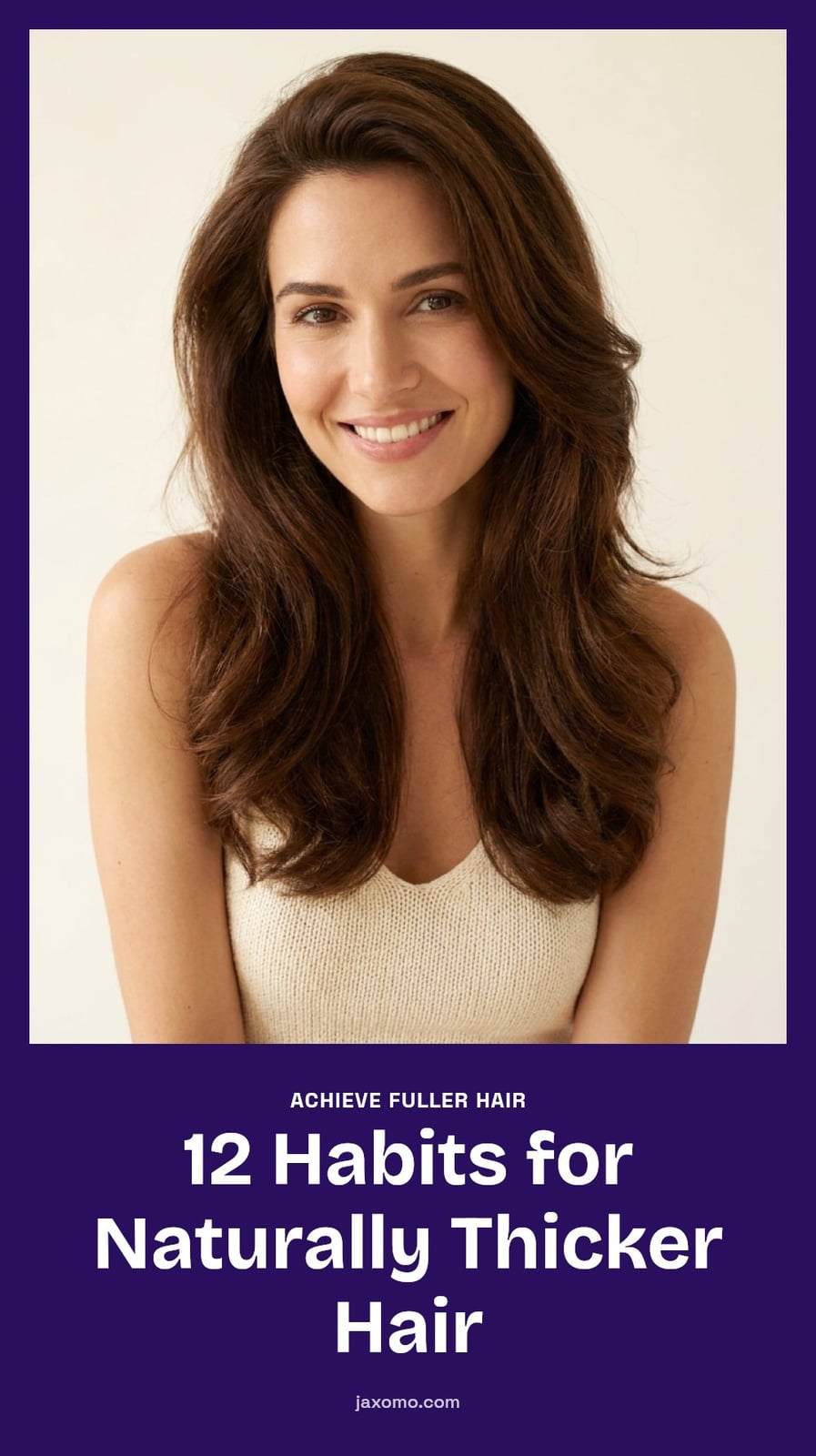
If you’ve been feeling like your hair just won’t grow past a certain length, you’re not alone. The truth is, hair growth is a slow, natural process that’s largely determined by your genetics. But that doesn’t mean you’re powerless. By making a few key changes to your daily routine, you can support your hair’s health, minimize breakage, and help it reach its full potential.
In this article, I’ll walk you through the habits that matter most, from nutrition and scalp care to styling and sleep, so you can give your hair the best chance to grow longer and stronger.

Key Takeaways
- Hair grows about 0.5 inches per month, so be patient with results.
- Eat enough protein and nutrient-rich foods to support keratin production.
- Always use a wide-tooth comb on wet hair, starting from the ends.
- Massage your scalp regularly to stimulate blood flow to follicles.
- Get a trim every 10 to 12 weeks to prevent split ends from traveling.
The Secret to Faster Hair Growth
Hair grows about 0.5 inches per month, and that rate is mostly set by your genetics. You can’t change the speed of your hair cycle, but you can create the best possible environment for growth by reducing breakage and supporting follicle health. Focus on gentle handling, good nutrition, and scalp care. Visible results from new habits will take three to six months to become noticeable, so stay consistent.
1. Prioritize a Nutrient-Rich Diet
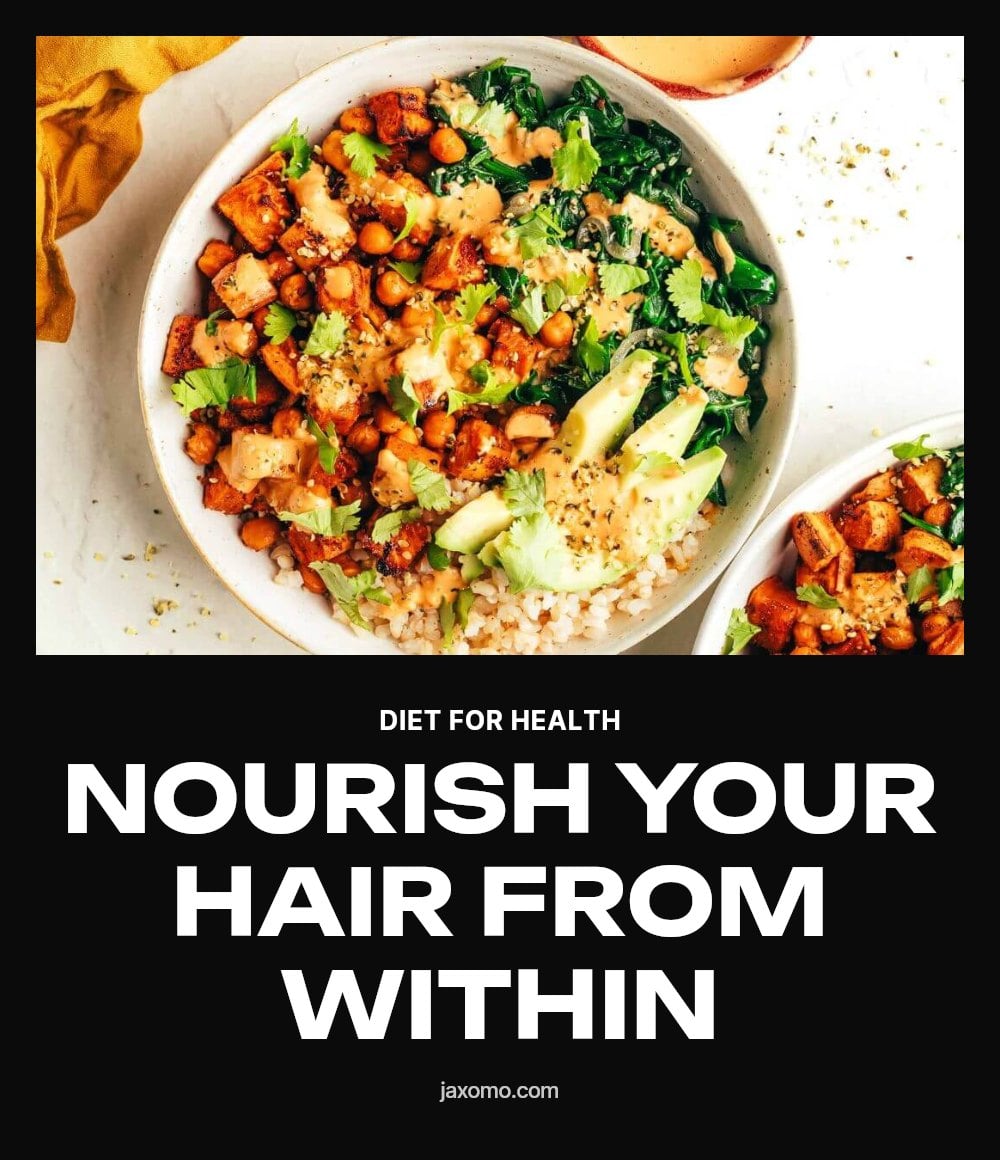
Your hair is made of keratin, a protein, so adequate protein intake is crucial. Without enough, your body prioritizes other functions over hair growth. Include lean proteins like chicken, fish, eggs, and beans in your meals.
- Add leafy greens, berries, nuts, and healthy fats like avocado and olive oil.
- Vitamins A, C, D, E, iron, zinc, and biotin all support hair health. A varied diet usually covers these, but a supplement can help if you’re deficient.
2. Be Gentle with Wet Hair
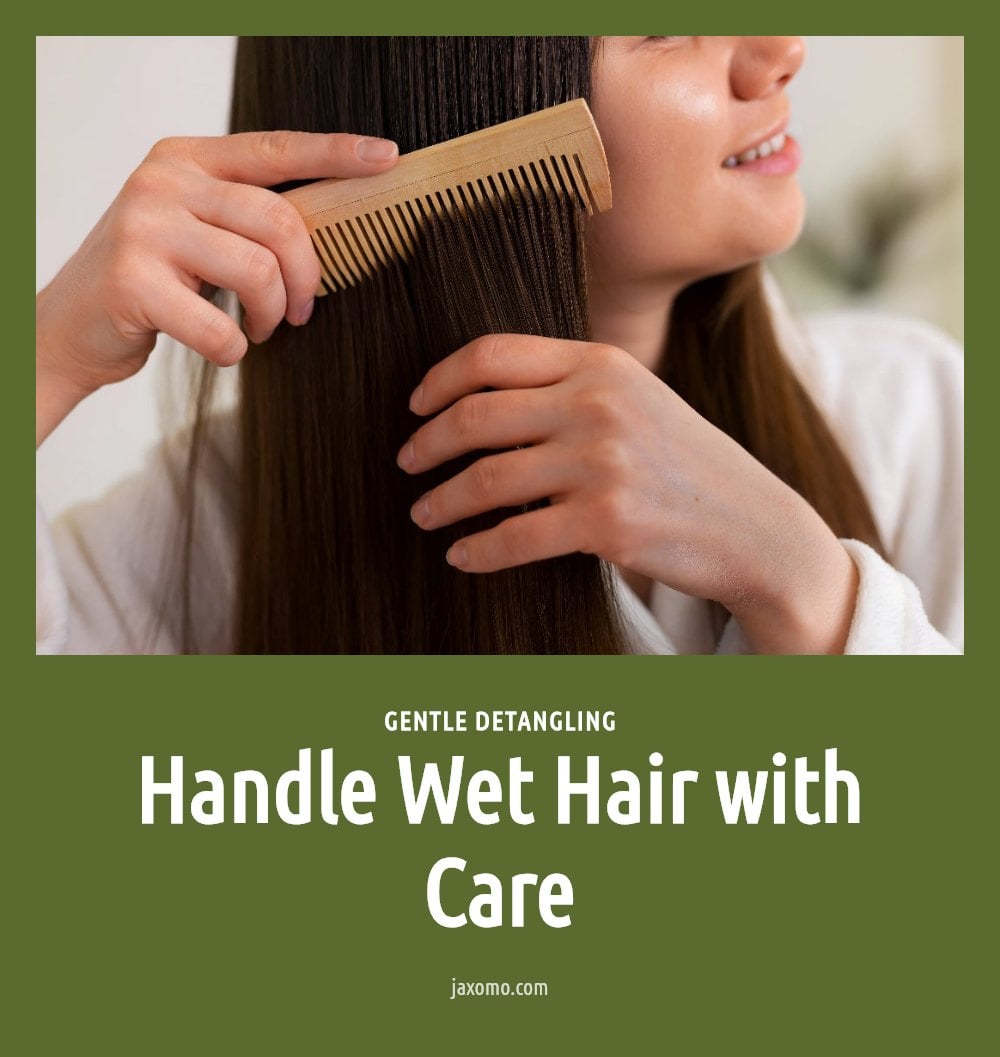
Hair is most fragile when wet, making it prone to breakage. After washing, avoid vigorous towel drying; gently blot hair instead. Use a wide-tooth comb to detangle, starting from the ends and working your way up. This reduces pulling and snapping. Never brush wet hair with a regular brush.
3. Master Scalp Care for Growth
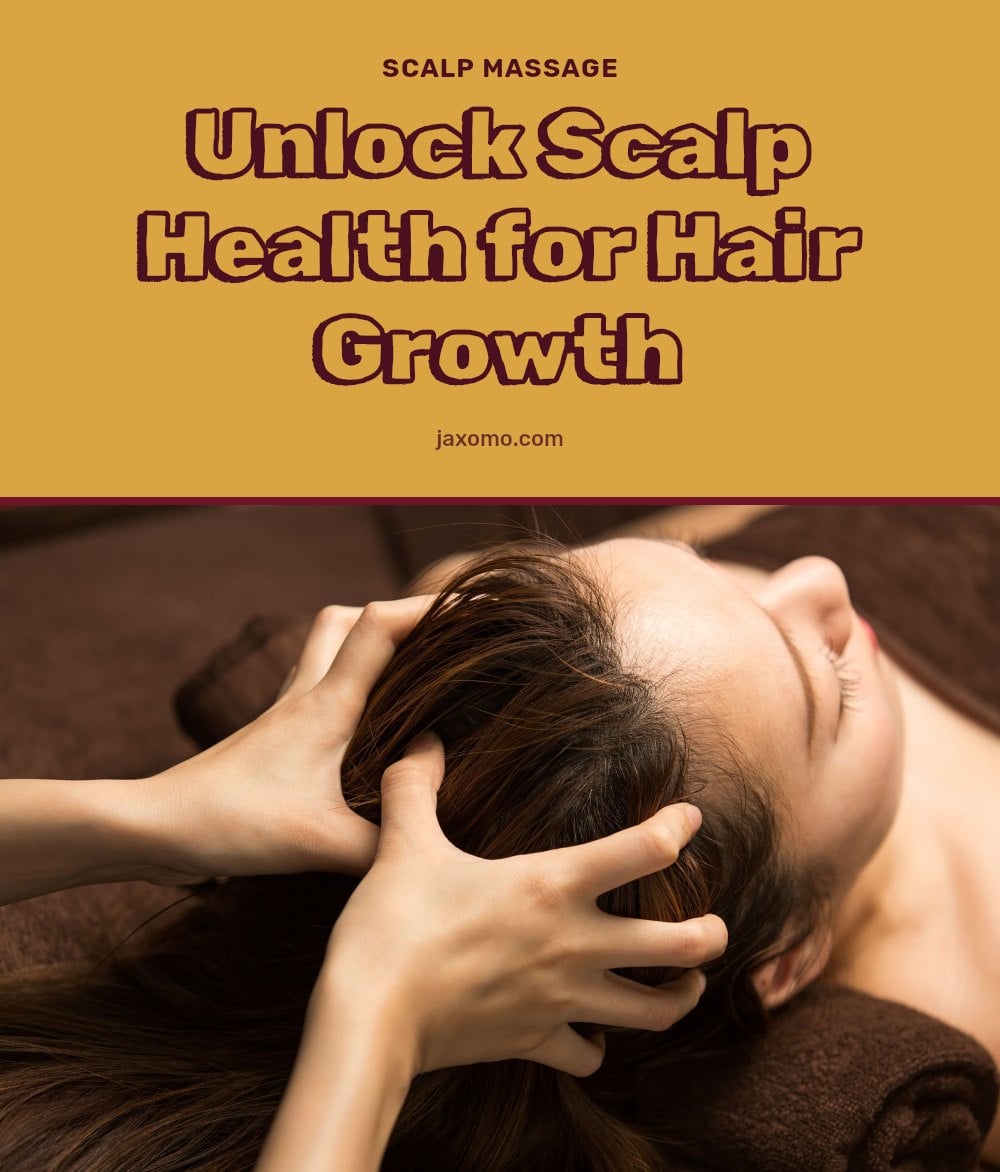
Scalp health is fundamental because hair follicles originate there. A healthy scalp supports stronger growth. Massage your scalp regularly for a few minutes to stimulate blood flow to the follicles. Use gentle shampoos and conditioners, and don’t over-wash your hair, as that strips natural oils. Aim for every 2-3 days, or as needed.
4. Minimize Heat Styling Damage

Heat styling tools like flat irons and curling wands can reach temperatures that damage the hair shaft, leading to breakage and split ends. This damage makes it harder for your hair to retain length, so all that growth effort goes to waste. Tip: Always apply a heat protectant spray before any heat styling. It creates a barrier that reduces moisture loss and structural damage. When possible, let your hair air dry. If you must use heat, choose the lowest effective setting on your tool.
5. Get Regular Trims for Health
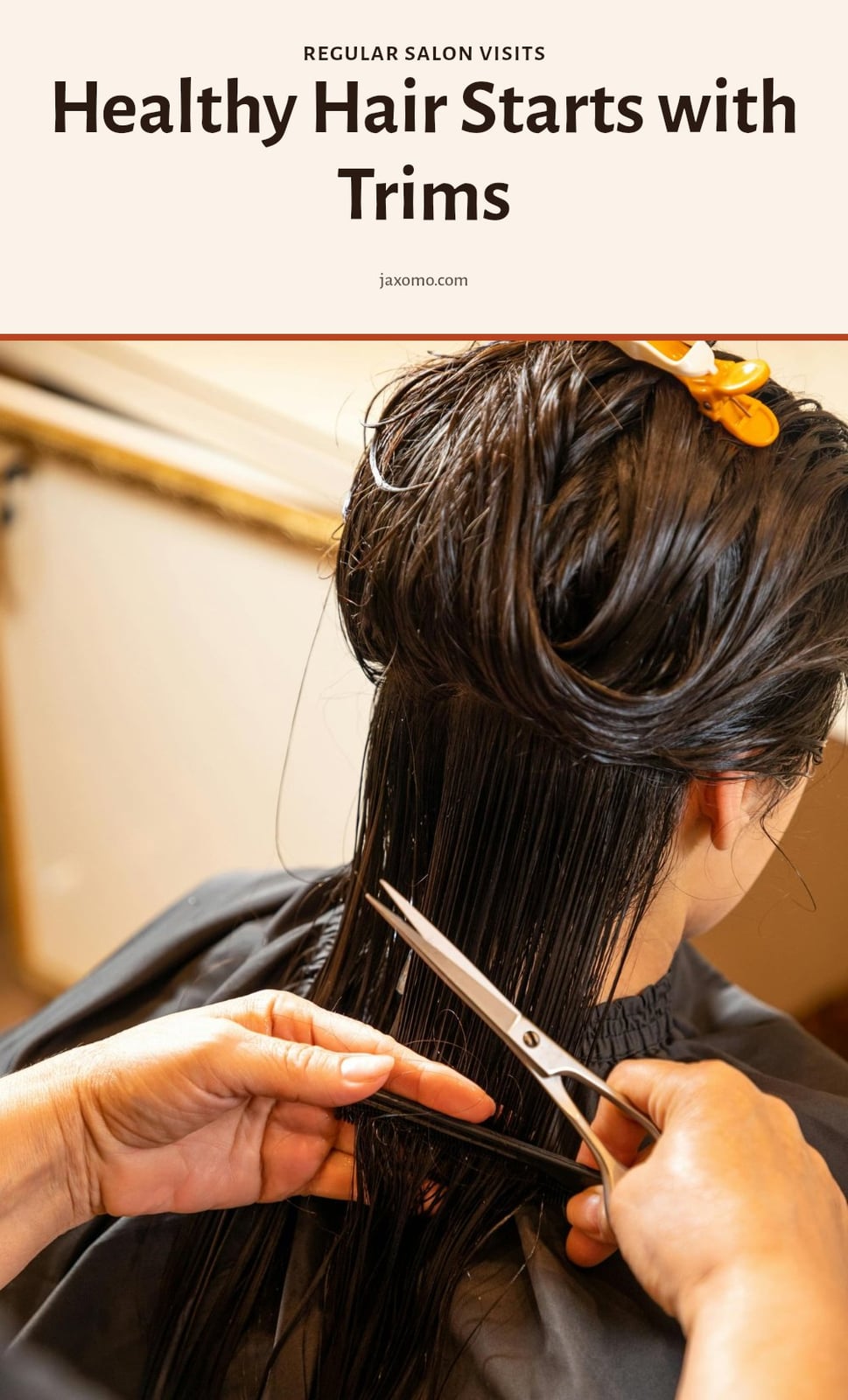
Getting a trim every 10 to 12 weeks removes split ends before they can travel up the hair shaft and cause more breakage. Myth: Trims do not make hair grow faster. The growth rate stays the same. The real benefit is preserving the length you already have. By removing damaged ends, you prevent breakage that would otherwise shorten your hair over time. If your ends are especially dry or frayed, don’t wait the full 12 weeks. Trim as soon as you see visible damage.
6. Protect Hair While You Sleep
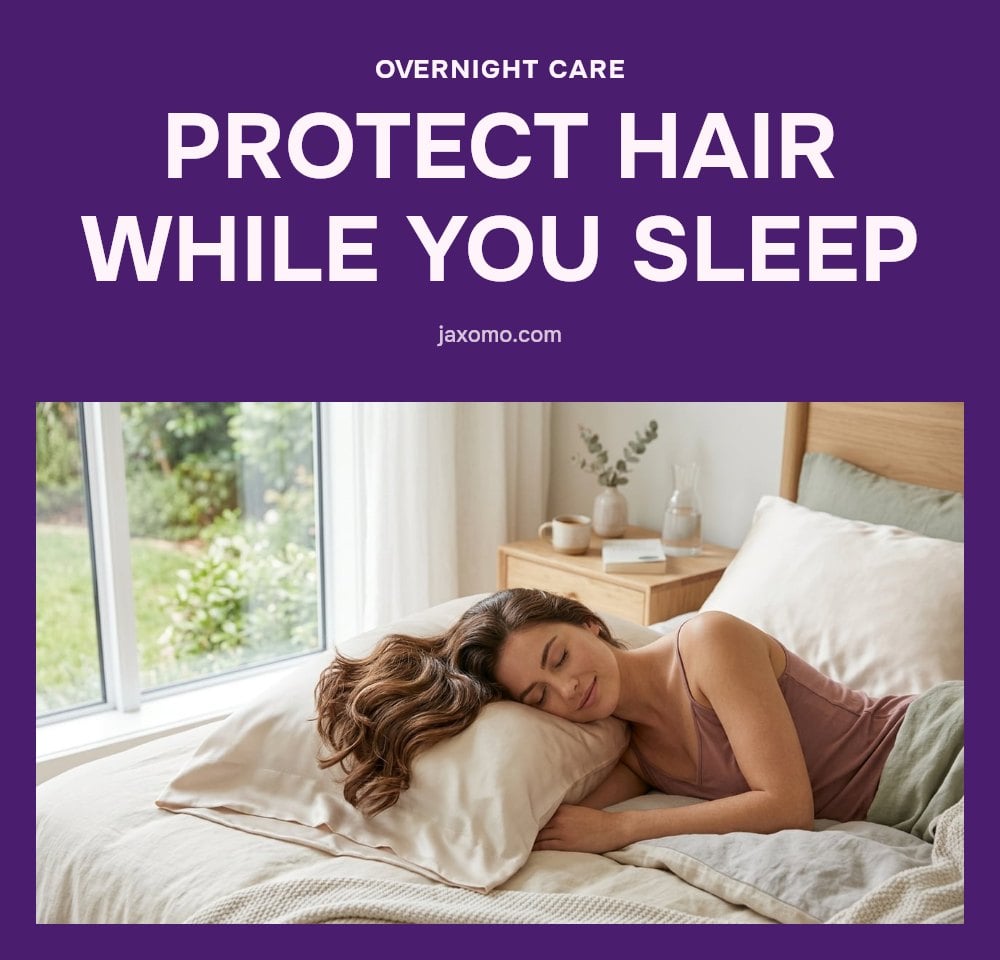
Cotton pillowcases create friction that can snag and break hair while you toss and turn at night. Switching to a silk or satin pillowcase reduces that friction, which helps prevent tangles and breakage. Pro move: Loosely braid your hair or gather it into a high, loose bun with a soft scrunchie before bed. This keeps strands contained and minimizes friction against the pillow. Avoid tight elastics, which can create creases and tension on the hair.
7. Deep Condition Weekly
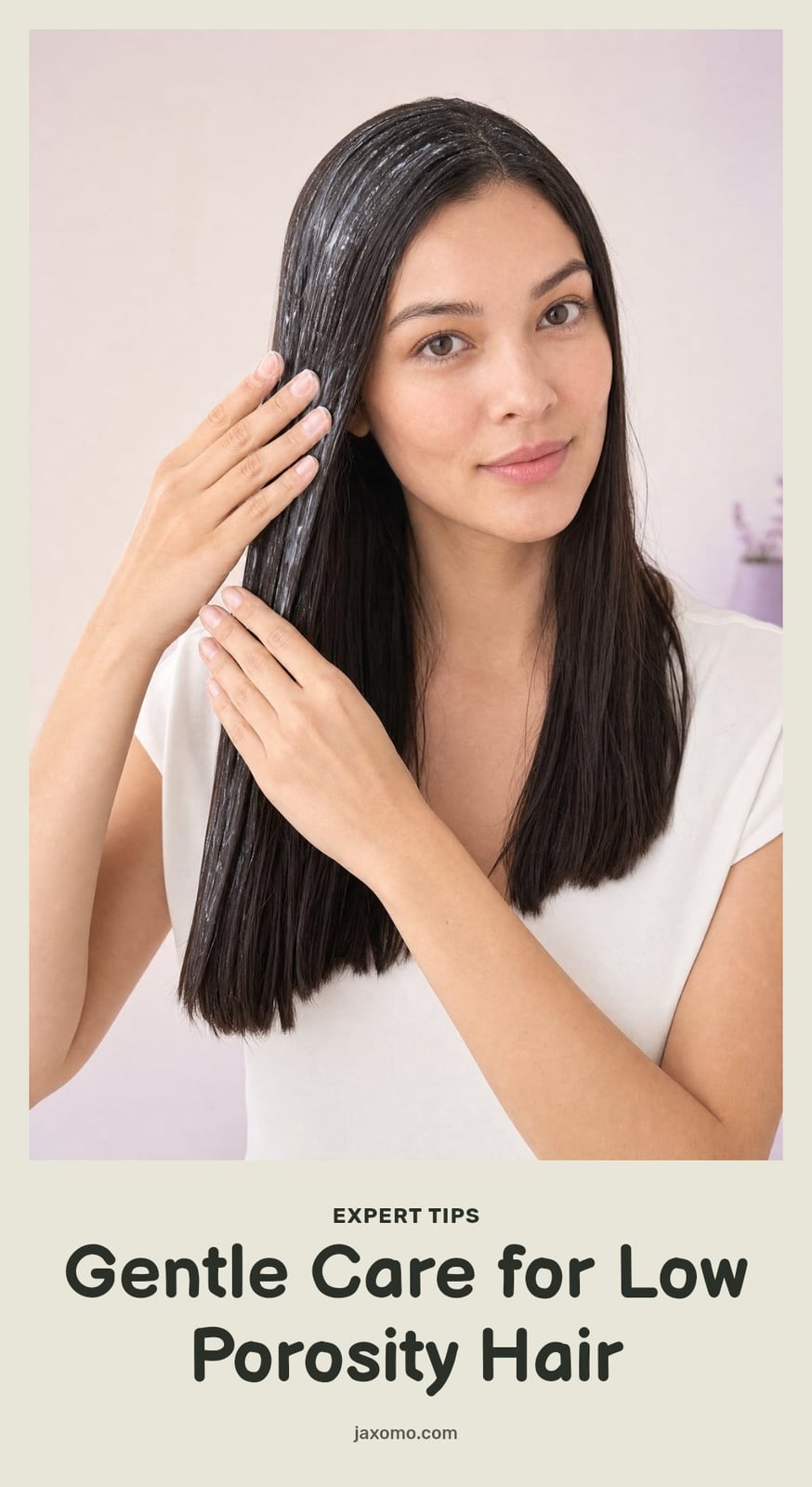
A weekly deep conditioning mask delivers concentrated moisture and nutrients that strengthen the hair shaft and improve its elasticity. Stronger hair is less likely to snap, which means you retain more length over time. Apply the mask once a week to clean, damp hair, focusing on the mid-lengths and ends. Leave it on for 5 to 15 minutes depending on the product instructions, then rinse thoroughly. Overdoing it can weigh hair down, so stick to once a week.
8. Manage Stress Levels
Stress doesn’t just affect your mood; it can disrupt the hair growth cycle and push more follicles into the resting phase, leading to increased shedding. To counter this, incorporate stress-reducing activities into your routine. Try 10 minutes of daily meditation, a gentle yoga session, or a walk outdoors. Prioritizing 7 to 9 hours of quality sleep each night also supports your body’s repair processes, including healthy hair growth.
9. Protect Hair from Elements
Your hair faces daily attacks from the sun’s UV rays, chlorine in pools, and harsh wind or cold. These elements strip moisture and weaken the hair shaft over time. Wear a hat when you are outside for extended periods to block UV damage. Before swimming, rinse your hair with clean water so it absorbs less chlorinated water, then apply a leave-in conditioner afterward.
10. Avoid Tight Hairstyles
Tight ponytails, braids, and buns pull on the hair follicles, creating constant tension. Over time, this can lead to traction alopecia, a form of hair loss along the hairline and temples. Switch to loose styles that don’t pull at the roots. Use soft scrunchies or spiral hair ties instead of elastic bands, and consider clip-in accessories that distribute pressure more evenly.
11. Consider Hair Oils
Hair oils like argan, jojoba, and coconut can nourish both your scalp and the hair shaft. They moisturize dry strands, reduce frizz, and create a protective barrier against damage. Apply a few drops to your scalp and massage gently, then work the oil through your ends. For a deeper treatment, apply it 30 minutes before washing or leave it on overnight and shampoo out in the morning.
When to See a Doctor or Specialist
Most hair thinning is normal and gradual, but some changes signal a need for professional input. If you notice sudden or patchy hair loss, or if you are losing handfuls of hair at once, consult a doctor. Persistent scalp issues like severe flaking, itching, redness, or tenderness also warrant medical advice, as they can indicate an underlying condition affecting your follicles.
Caution: If you suspect a health issue, such as a thyroid disorder, hormonal imbalance, or nutritional deficiency, is interfering with your hair growth, seek a diagnosis from a doctor rather than guessing with supplements. Once a deficiency is identified, you can discuss appropriate supplements with your healthcare provider to ensure they target the real cause.
Frequently Asked Questions
How long does it take to see results from new hair growth habits?
Since hair grows about half an inch per month, you’ll need to be patient. Most people start seeing noticeable changes in hair health and length after three to six months of consistent habits, but significant length gains can take up to a year. Focus on reducing breakage, and the length will follow.
Can stress really affect hair growth?
Yes, stress can disrupt the hair growth cycle by pushing more follicles into the resting phase, leading to increased shedding. This condition, called telogen effluvium, often appears a few months after a stressful event. Managing stress through relaxation techniques like meditation or yoga can help minimize its impact on your hair.
Are there any foods that specifically help hair grow?
While no single food is a magic bullet, a balanced diet rich in protein, iron, zinc, and vitamins A, C, D, and E supports healthy hair. Include lean proteins like chicken, fish, and beans, plus leafy greens, berries, nuts, and healthy fats. These nutrients provide the building blocks for keratin and overall follicle health.
How often should I trim my hair when trying to grow it out?
Getting a trim every 10 to 12 weeks is a good rule of thumb. Trims don’t speed up growth, but they remove split ends before they travel up the shaft and cause more breakage. This helps you retain length, so your hair can appear longer over time.
Do hair growth supplements actually work?
Supplements can help if you have a specific deficiency, like low iron or vitamin D, but they won’t change your genetic growth rate. For most people, a balanced diet is sufficient. If you’re considering supplements, it’s best to talk to a doctor and get a blood test to identify any real gaps.
Is it normal to shed a lot of hair daily?
It’s normal to shed 50 to 100 hairs per day as part of the natural hair cycle. If you notice sudden, patchy, or excessive loss, or if you’re losing handfuls at a time, that’s a sign to see a doctor. Persistent scalp issues like severe flaking or itching also warrant professional advice.
Final Thoughts
The most effective approach to longer hair is a combination of gentle care, proper nutrition, and patience. My tip: pick one or two habits from this list to start with, like switching to a silk pillowcase or deep conditioning weekly, and build from there. Remember, visible changes can take several months to a year, so consistency is key. Stick with it, and you’ll likely notice less breakage and healthier, longer-looking hair over time.
This article is for general information only and is not a substitute for professional medical advice. If you’re experiencing sudden or severe hair loss, or if you have concerns about your scalp, please consult a doctor or dermatologist. They can help identify any underlying conditions and recommend the right treatment for you.