Treadmill Workout Ideas to Make Your Fitness Routine Exciting
Discover engaging treadmill workout ideas, from HIIT to incline walks, to keep your routine fresh and effective.

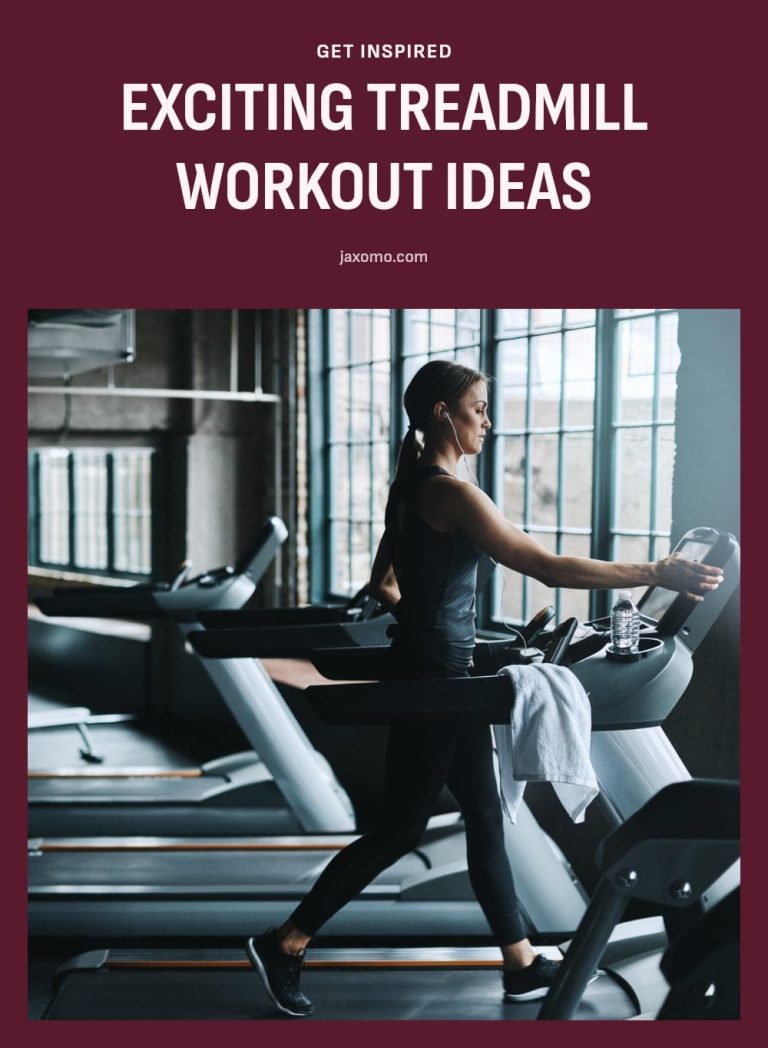
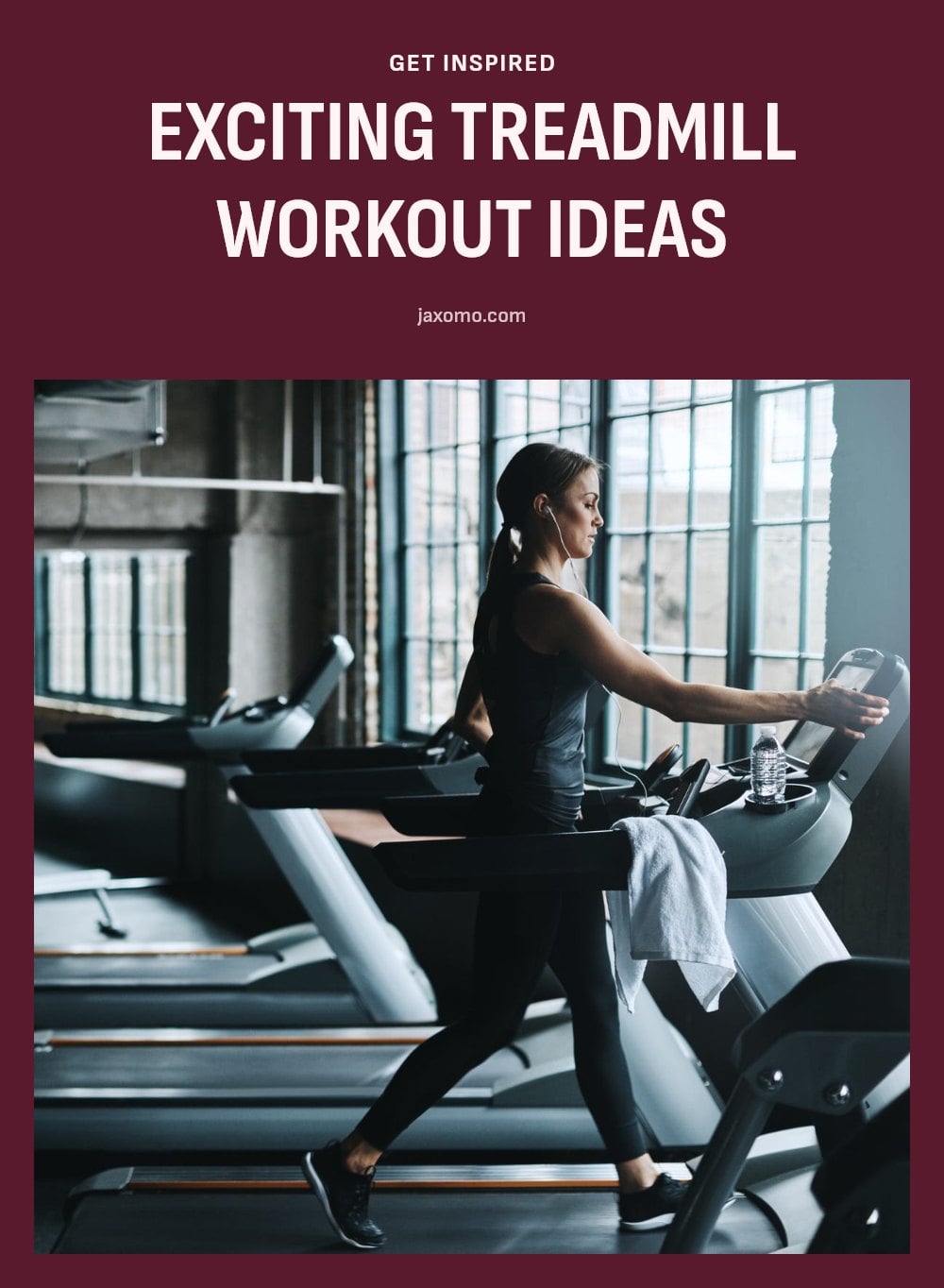
If your treadmill routine has started to feel like a chore, you’re not alone. The key to staying motivated is mixing things up with different workouts that challenge your body in new ways. This article covers a variety of treadmill workout ideas, from beginner intervals to incline challenges, so you can find the perfect routine to boost your fitness and keep boredom at bay.
Key Takeaways
- Warm up for 5-10 minutes and cool down for 5-10 minutes before and after every treadmill session.
- Vary your speed and incline to target different muscle groups and prevent fitness plateaus.
- Interval training, like HIIT, can improve cardiovascular fitness and calorie burn in shorter workouts.
- Walking at an incline burns more calories than walking on a flat surface at the same speed.
- Aim for 3-5 treadmill workouts per week, each lasting 20-60 minutes, depending on your goals.
1. Warm-Up Walk
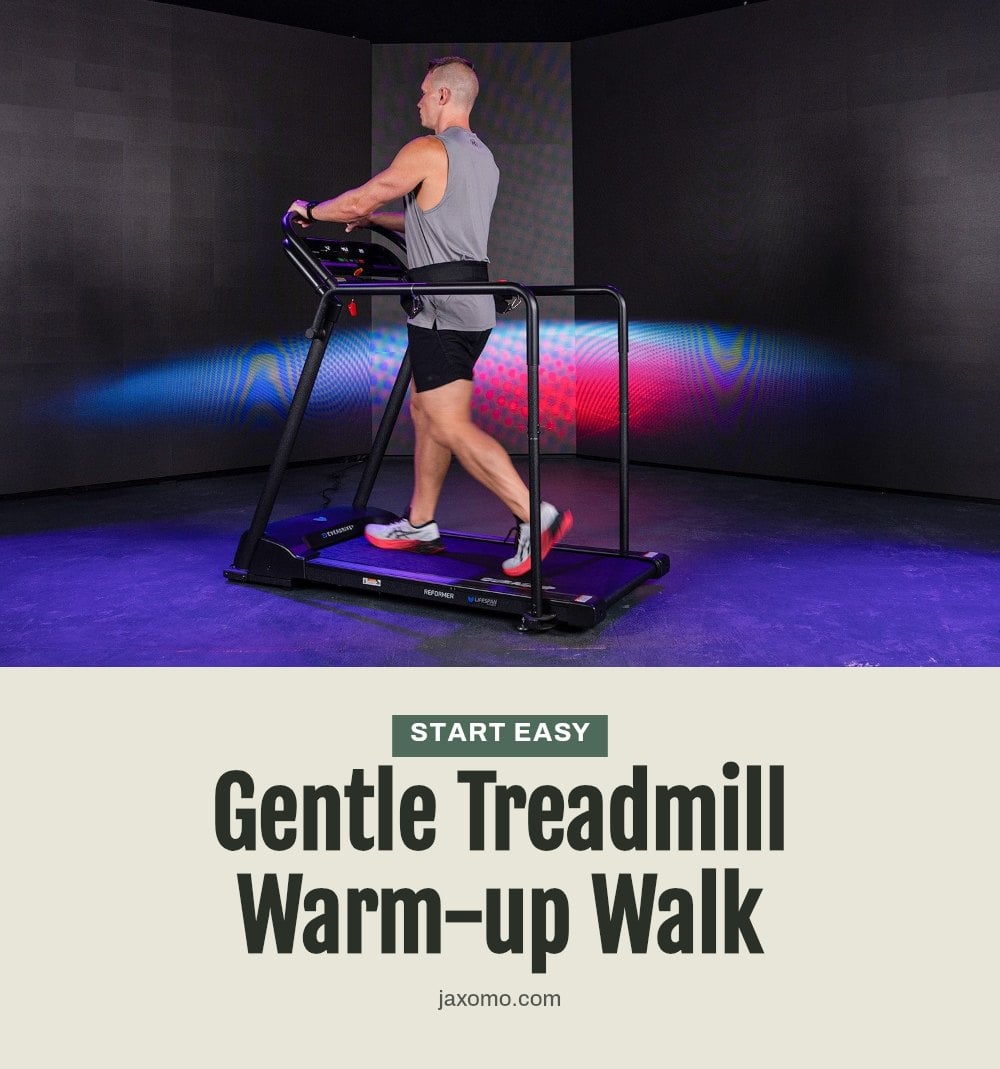
Start every treadmill session with a gentle walk to get your muscles and heart ready for the work ahead. Set the belt to a flat incline and move at a comfortable 2.5 to 3.0 mph for 5 to 10 minutes. Keep the effort light, just enough to feel your heart rate begin to climb.
- Time: 5-10 minutes at 2.5-3.0 mph, 0% incline.
- Form cue: Swing your arms naturally and land softly on your heels.
- Make it easier or harder: Drop the speed to 2.0 mph for an easier start, or add a 1% incline once you feel loose.
2. Beginner Interval Walk/Jog
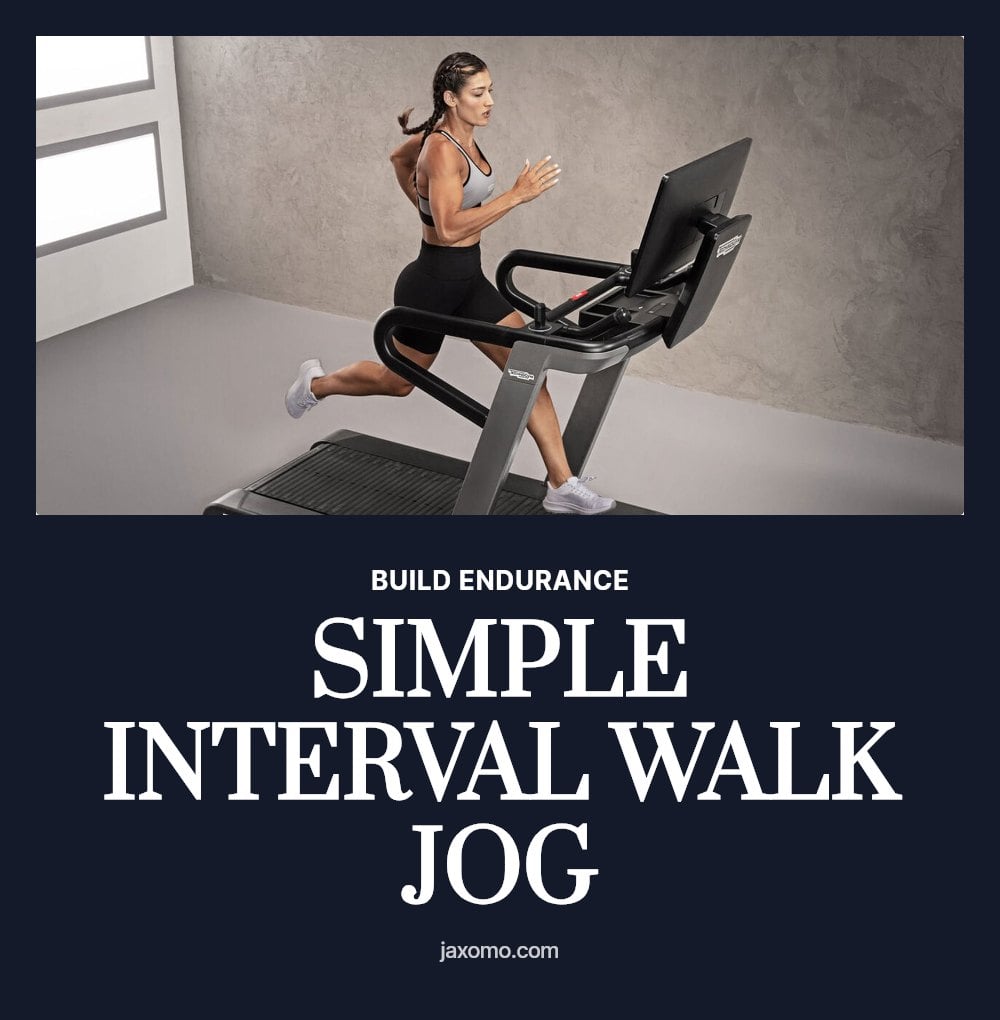
Alternate brisk walking with light jogging to build endurance without overwhelming your system. Walk at 3.5 to 4.0 mph for 2 minutes, then jog at 5.0 to 6.0 mph for 1 minute. Repeat this cycle 5 to 8 times for a solid beginner interval session.
- Sets and reps: 5-8 rounds of 2 minutes walking, 1 minute jogging.
- Form cue: Keep your core engaged and let your arms pump at your sides.
- Make it easier or harder: Shorten the jog to 30 seconds, or extend it to 2 minutes as you get fitter.
3. Incline Power Walk
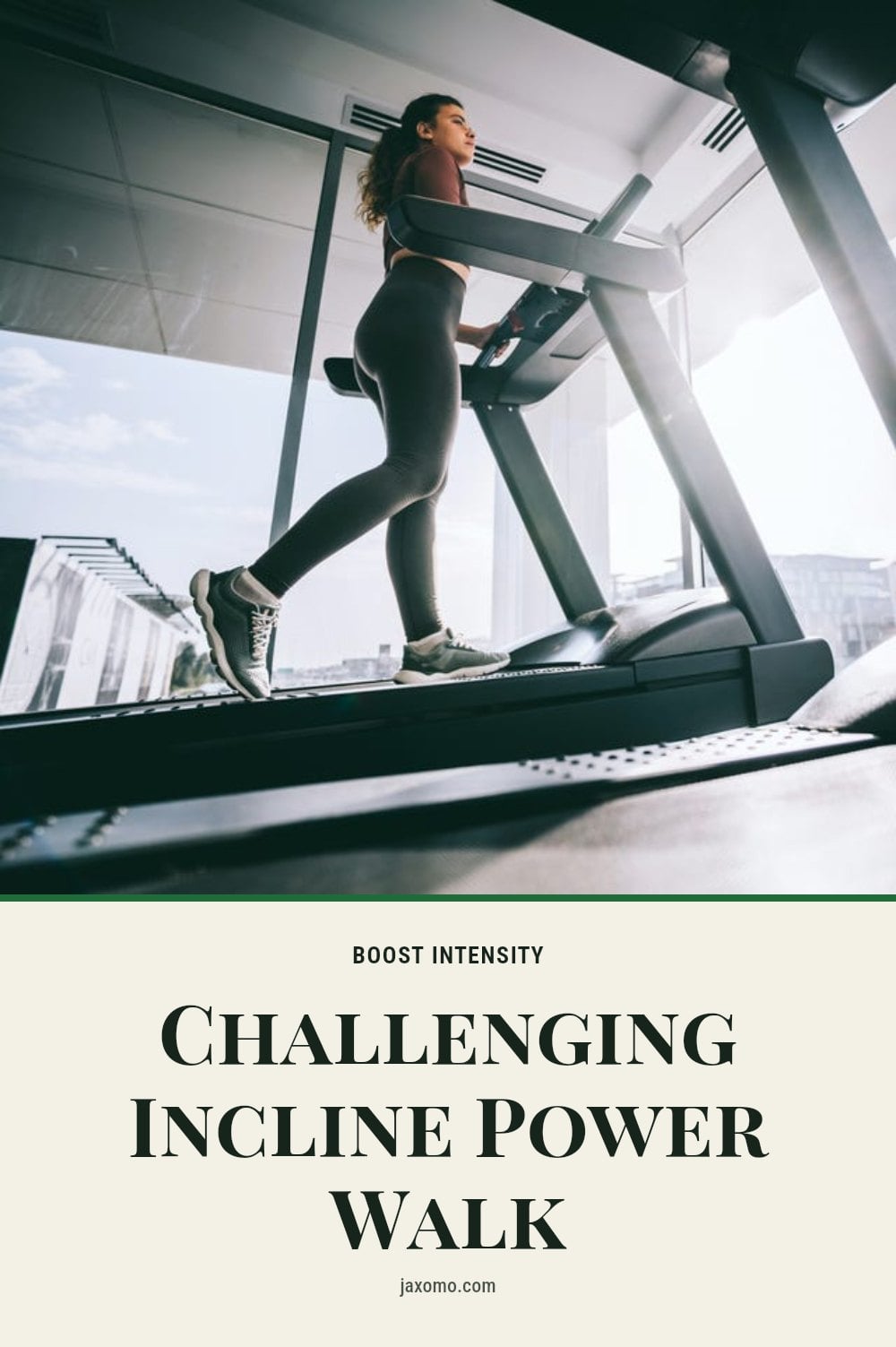
Crank up the incline to simulate hill climbing, which fires up your glutes and hamstrings and burns more calories than walking on flat ground. Walk at a challenging 3.0 to 3.5 mph with the incline set between 5% and 8% for 20 to 30 minutes. The steeper the grade, the harder your lower body works.
- Time: 20-30 minutes at 3.0-3.5 mph, 5-8% incline.
- Form cue: Stand tall, look forward, and avoid leaning on the handrails.
- Make it easier or harder: Reduce the incline to 3%, or increase it to 10% and drop your speed to 2.5-3.0 mph to keep the effort manageable.
4. HIIT Running Intervals
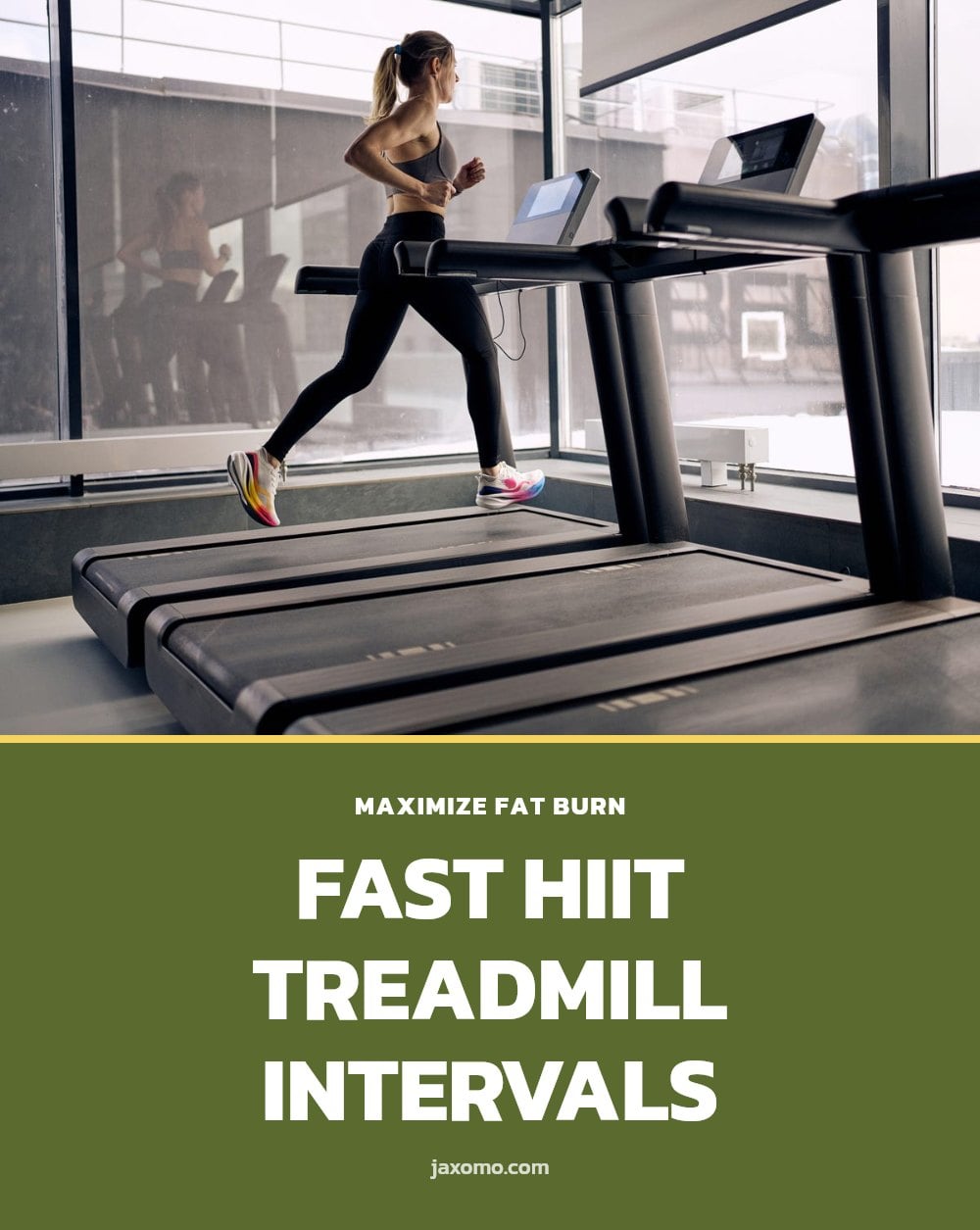
High-intensity interval training (HIIT) pairs all-out effort with recovery to boost cardiovascular fitness and calorie burn in a short time. Sprint at 8.0 mph or your max effort for 30 seconds, then recover with a brisk walk at 3.0 to 3.5 mph for 90 seconds. Repeat the cycle 6 to 10 times, pushing hard on the sprints and letting your breathing settle during the walk.
- Sets and reps: 6-10 rounds of 30 seconds sprint, 90 seconds walk.
- Form cue: Drive your knees and pump your arms during the sprint.
- Make it easier or harder: Slow the sprint to 6.0 mph, or extend the sprint to 45 seconds.
5. Endurance Steady-State Run
An endurance steady-state run builds stamina and cardiovascular health by keeping your heart rate in the moderate zone for a longer period. Set the treadmill to a 1% incline (which mimics outdoor running conditions) and run at a comfortable, sustainable pace between 6.0 and 7.5 mph for 30 to 45 minutes. Focus on maintaining a steady breath and a consistent rhythm throughout.
- Time: 30-45 minutes continuous running.
- Form cue: Keep your gaze forward, shoulders relaxed, and arms swinging naturally from the shoulder.
- Make it easier or harder: Decrease speed by 0.5 mph or reduce time to 20 minutes. To increase challenge, add 0.5 mph or extend to 50 minutes.
6. Pyramid Incline Challenge
The pyramid incline challenge gradually increases and then decreases the incline to target different muscle groups, especially your glutes and calves. Start at a 2% incline for 2 minutes, then increase by 1% every 2 minutes until you reach 8%. After that, decrease by 1% every 2 minutes back down to 2%. Keep your speed consistent between 3.0 and 3.5 mph throughout the entire pyramid.
- Time: 28 minutes total (2 minutes per incline level, 14 levels).
- Form cue: Maintain an upright posture and avoid leaning on the handrails, especially as the incline climbs.
- Make it easier or harder: Start at 1% and top out at 6%, or increase the top to 10% and add 30 seconds per level.
7. Speed Play (Fartlek) Run
Speed play, also called Fartlek training, adds unstructured speed bursts to make your run more dynamic and fun. After a warm-up, run at a moderate pace of about 6.0 mph. Randomly choose points, a song chorus, a timer beep, or a landmark outside, to sprint at near-max effort for 30 to 60 seconds, then return to your moderate pace. Continue this pattern for 20 to 30 minutes, letting your body guide the intensity and duration of each burst.
- Time: 20-30 minutes total after warm-up.
- Form cue: During sprints, drive your knees forward and pump your arms aggressively; during recovery, focus on deep belly breaths.
- Make it easier or harder: Reduce sprint duration to 15 seconds, or extend recovery to 2 minutes. To increase challenge, sprint for 60 seconds with only 60 seconds of recovery.
8. Cool-Down Walk and Stretch
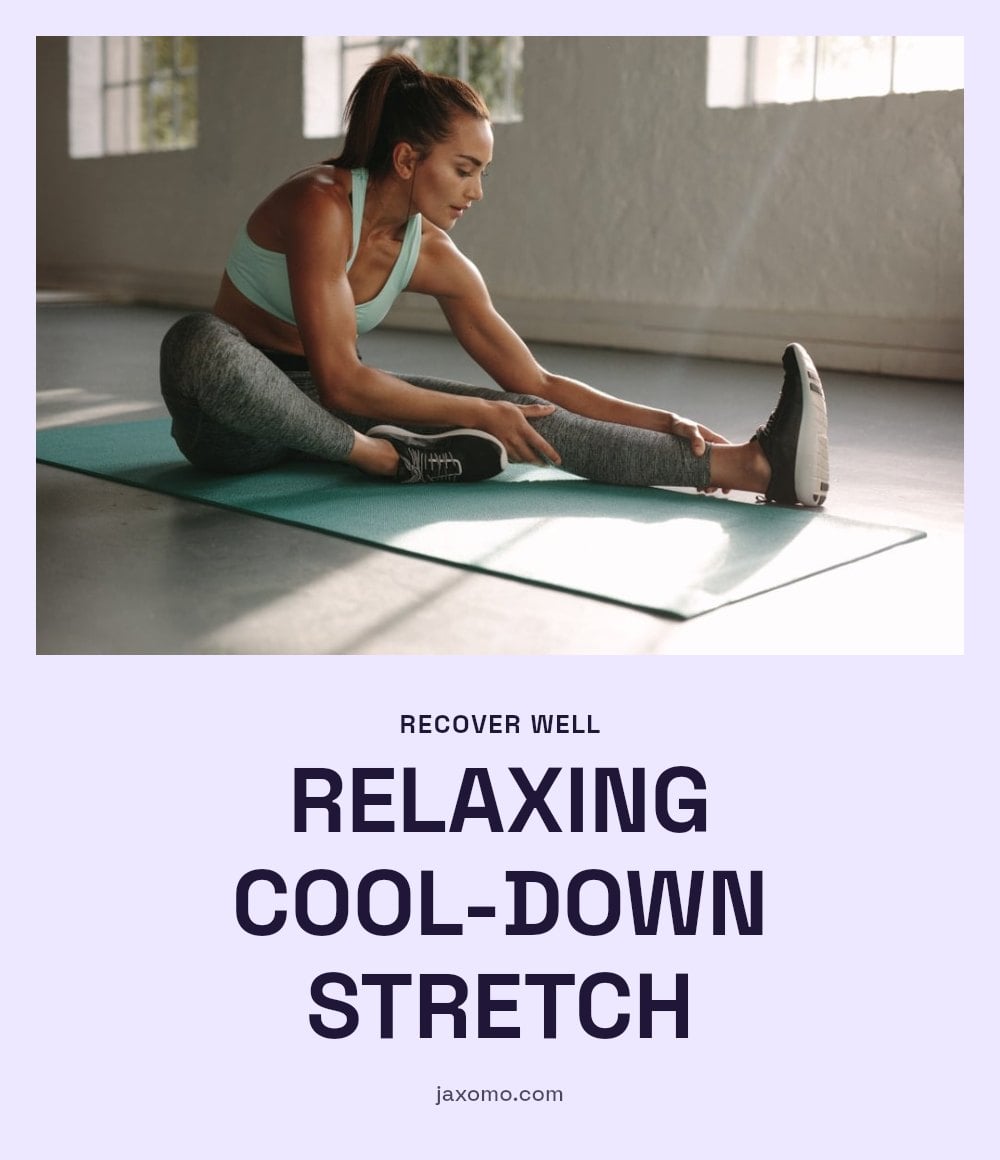
A proper cool-down gradually lowers your heart rate and stretches the muscles you just worked, which helps prevent soreness and aids recovery. Walk at a slow pace of 2.0 to 2.5 mph for 5 minutes. Then step off the treadmill and perform light stretches for your hamstrings, quads, and calves, holding each stretch for 20 to 30 seconds while breathing deeply.
- Time: 5 minutes walking + 5-7 minutes stretching.
- Form cue: For your hamstring stretch, sit on the floor with one leg straight and reach toward your toes; for quads, stand and pull one heel toward your glutes; for calves, step one foot back and press the heel down.
- Make it easier or harder: Shorten the walking cool-down to 3 minutes if pressed for time, or add a hip flexor stretch and a gentle upper-back stretch for a more thorough recovery.
Sample Weekly Treadmill Workout Schedule
This schedule mixes intensity, endurance, and recovery across the week. Adjust the days and specific workouts to match your fitness level and goals. Rest days are essential for muscle recovery and overall well-being.
| Day | Workout | Duration |
|---|---|---|
| Monday | Beginner Interval Walk/Jog | 25-30 min |
| Tuesday | Incline Power Walk | 30 min |
| Wednesday | Rest or light stretching | |
| Thursday | HIIT Running Intervals | 20 min |
| Friday | Endurance Steady-State Run | 35-45 min |
| Saturday | Pyramid Incline Challenge | 16 min |
| Sunday | Rest or gentle walk | 20 min |
Common Treadmill Workout Mistakes to Avoid
Doing the same workout every time: Your body adapts quickly. Vary your speed, incline, and workout type to keep challenging yourself and prevent plateaus. Holding onto the handrails: This reduces the effectiveness of your workout, can alter your natural gait, and decreases calorie burn. Try to maintain balance without support. Skipping warm-up and cool-down: These are crucial for preparing your body for exercise and aiding recovery afterward, helping to prevent injury and soreness. Not varying incline: Running or walking on a flat surface constantly misses out on engaging different muscle groups like glutes and hamstrings, which incline training targets. Pushing too hard too soon: Gradually increase intensity and duration to avoid burnout or injury, especially if you’re new to treadmill workouts.
Frequently Asked Questions
How often should I do treadmill workouts?
Aim for 3 to 5 treadmill sessions per week, with each session lasting 20 to 60 minutes. This frequency allows your body to adapt and improve while still giving you enough rest days for recovery. Adjust the number based on your fitness level and other physical activities you do.
Can I lose weight just by using a treadmill?
Yes, using a treadmill can help with weight loss when combined with a balanced diet. Treadmill workouts burn calories, and varying the intensity with intervals or incline can increase that calorie burn. For sustainable results, pair your workouts with a healthy eating plan and consult a healthcare professional for personalized advice.
What’s the best treadmill workout for beginners?
Start with the Beginner Interval Walk/Jog, which alternates 2 minutes of brisk walking at 3.5 to 4.0 mph with 1 minute of light jogging at 5.0 to 6.0 mph. Repeat this cycle 5 to 8 times for a manageable 15- to 24-minute workout. Always begin with a 5- to 10-minute warm-up walk.
How can I make my treadmill workout more fun?
Listening to music or podcasts can boost motivation and make the time pass faster. You can also try the Speed Play (Fartlek) Run, which adds random speed bursts during your run to keep things unpredictable. Varying your workout type, like switching between intervals and incline walks, also helps fight boredom.
Is it better to run or walk on a treadmill?
Both running and walking offer benefits, depending on your goals. Walking at a steep incline burns more calories than walking on a flat surface and is easier on the joints. Running, especially with interval training, can improve cardiovascular fitness and burn more calories in a shorter time. Choose based on what feels comfortable and fits your fitness level.
Final Thoughts
For a balanced week, try mixing one or two interval sessions with a steady-state run and an incline walk. You can expect to see noticeable improvements in your endurance and calorie burn within a few weeks of consistent effort. The best treadmill workout is the one that keeps you coming back, so experiment with these ideas and find what works for you.
This article provides general fitness information and is not a substitute for professional medical or exercise advice. Consult a healthcare professional before starting any new exercise program, especially if you have underlying health conditions. Stop immediately if you experience pain, dizziness, or other unusual symptoms.