How to Start the Keto Diet Safely and Effectively
Learn how to start the keto diet with our comprehensive guide, covering meal planning, food choices, and common pitfalls to ensure a smooth transition.

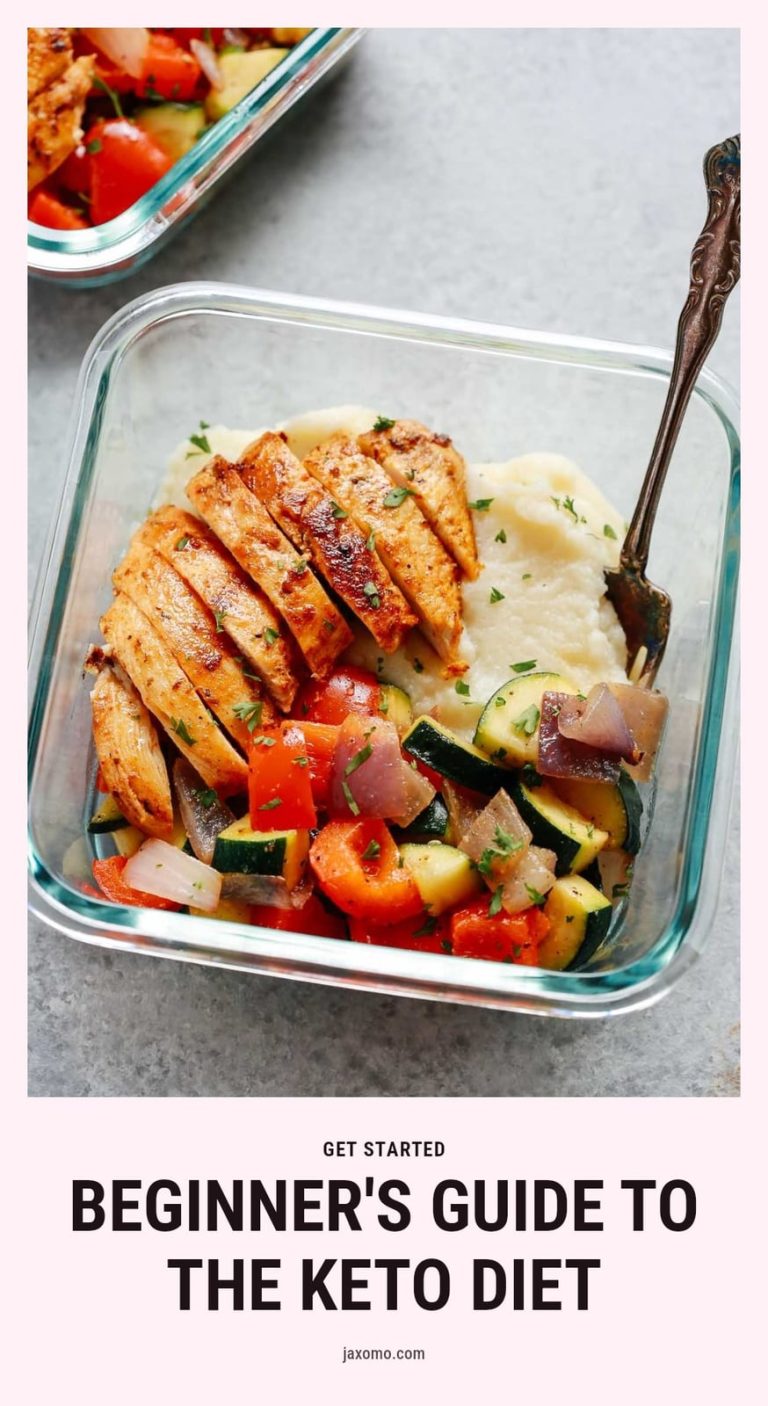
Starting the keto diet can feel overwhelming, but with the right plan, you can make the transition smoother and safer. This article covers what keto is, which foods to eat and avoid, common mistakes to watch for, and practical tips to help you succeed.
Whether you’re aiming for weight loss or better metabolic health, understanding the basics is your first step. Let’s walk through how to begin keto effectively without the guesswork.
Key Takeaways
- Limit net carbs to 20-50 grams per day to enter and maintain ketosis.
- Focus on whole foods: meat, fish, eggs, healthy fats, and non-starchy vegetables.
- Stay hydrated and replenish electrolytes to reduce ‘keto flu’ symptoms.
- Consult a healthcare professional before starting, especially if you have a medical condition.
- Track your food intake with a scale or app to avoid hidden carbs.
What is the Keto Diet and How Does It Work?
The keto diet is a very low-carb, high-fat diet that pushes your body into a metabolic state called ketosis. In ketosis, your body burns stored fat for fuel instead of carbohydrates, producing ketones. To get there, you drastically cut carbs to 20-50 grams per day and increase fat intake, which shifts your energy source. This is the core mechanism behind the diet: force the body to run on fat.
Essential Tools for Starting Your Keto Journey
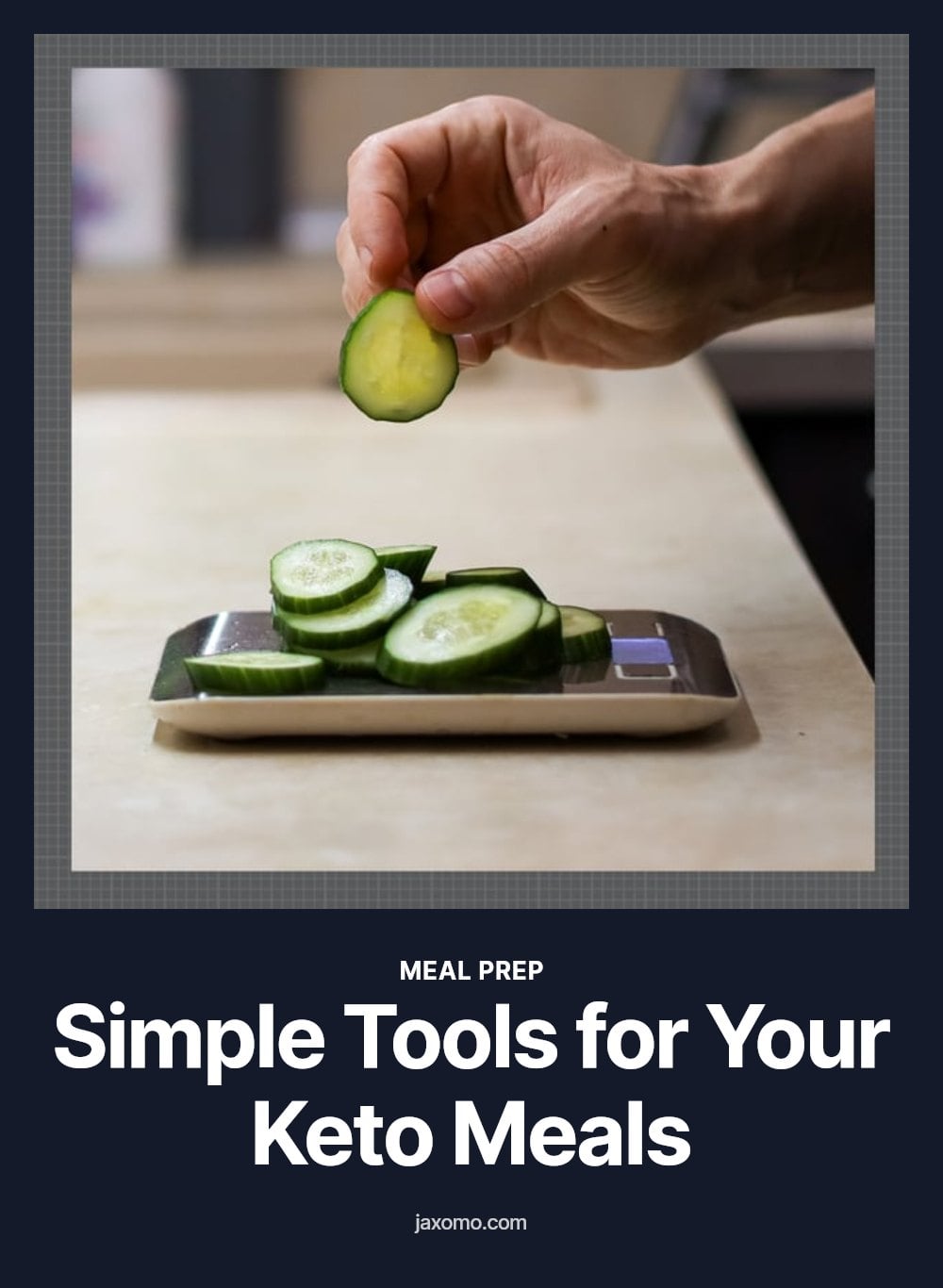
Having the right tools on hand makes sticking to keto much easier. Here is what I recommend grabbing before you start.
- Food scale: Portion sizes matter, and a scale gives you accurate gram counts for carbs and fats.
- Measuring cups and spoons: Handy for tracking oils, nuts, and other calorie-dense ingredients.
- Food diary or tracking app: Essential for monitoring your daily macronutrients (fat, protein, carbs).
- Electrolyte supplements: Sodium, potassium, and magnesium supplements can help prevent or ease ‘keto flu’ symptoms.
- Ketone monitoring tools (optional): Urine strips, blood meters, or breath analyzers let you confirm you are in ketosis.
Your Step-by-Step Guide to Starting the Keto Diet
Starting keto takes more than just cutting carbs. Follow these steps to set yourself up for success.
- Consult a healthcare professional: Before making any major dietary change, talk to your doctor, especially if you have an underlying condition or take medication.
- Plan your meals: Map out a week of keto-approved foods so you are not left scrambling for options. Focus on meats, fish, eggs, healthy fats, and low-carb vegetables.
- Reduce carbs to 20-50 grams daily: This is the key to entering ketosis. Track everything you eat to stay within this range.
- Increase healthy fat consumption: Fat becomes your main fuel source, so add avocados, olive oil, butter, and nuts to your meals.
- Prioritize whole, unprocessed foods: Stick with real ingredients like fresh meat and vegetables rather than packaged ‘keto-friendly’ products.
- Stay hydrated and replenish electrolytes: Drink plenty of water and supplement sodium, potassium, and magnesium to combat the fatigue and headaches of ‘keto flu’.
Understanding Keto-Friendly and Non-Keto Foods
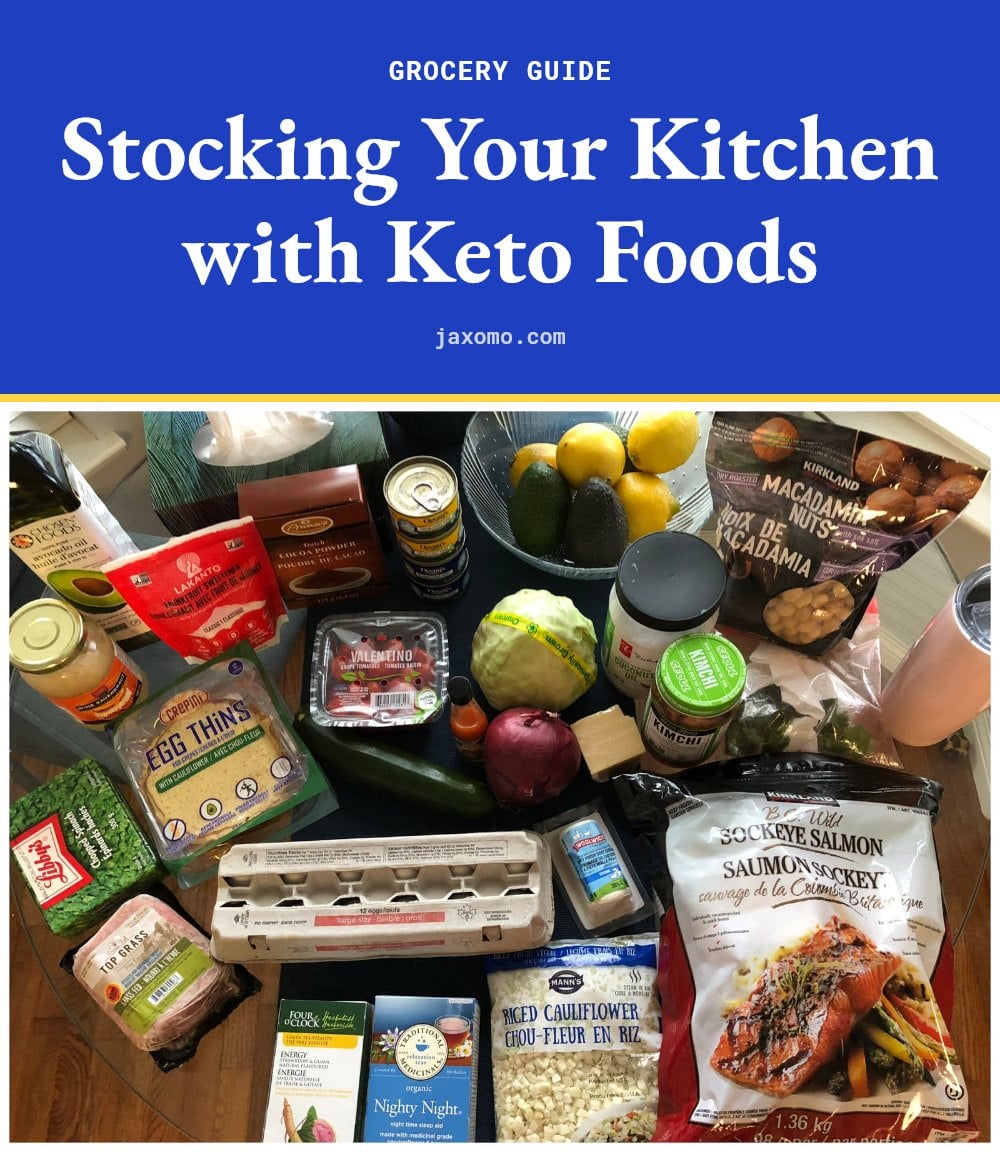
Knowing what to eat and what to skip is the foundation of keto. The standard macronutrient ratio is roughly 70-80% fat, 10-20% protein, and 5-10% carbohydrates.
Keto-Friendly Foods
- Meat, fish, and eggs
- Healthy fats: olive oil, avocado oil, butter, coconut oil
- Low-carb vegetables: leafy greens, broccoli, cauliflower
- Full-fat dairy: cheese, cream, yogurt (unsweetened)
Foods to Avoid
- Grains: wheat, rice, oats, corn
- Sugar and sugary foods
- Most fruits (except small portions of berries)
- Legumes: beans, lentils, chickpeas
- Starchy vegetables: potatoes, sweet potatoes
Protein intake should be moderate. Eating too much protein can trigger gluconeogenesis, where the body converts excess protein into glucose, which may kick you out of ketosis.
Common Keto Diet Mistakes to Avoid

Even with good intentions, it is easy to slip up on keto. Here are the most common mistakes and how to fix them.
- Not tracking carbohydrates accurately: Hidden carbs in sauces, dressings, and seasonings can add up fast. Use a food scale and a tracking app to stay under your 20-50 gram daily limit.
- Not eating enough healthy fats: Fat is your main fuel source on keto. If you skimp on it, you will feel hungry and low on energy. Add avocado, olive oil, or nuts to every meal.
- Skipping electrolyte replenishment: Low sodium, potassium, and magnesium cause the headache and fatigue of keto flu. Drink broth or add an electrolyte supplement daily.
- Eating too much protein: Excess protein can be converted into glucose and kick you out of ketosis. Aim for moderate portions of meat and eggs, not oversized servings.
- Failing to plan meals: Without a plan, you are more likely to grab convenience foods that may contain hidden carbs. Prep a few days of meals and snacks in advance.
- Relying on processed ‘keto-friendly’ foods: Packaged keto bars and snacks often contain sugar alcohols or hidden starches. Stick to whole foods like meat, fish, vegetables, and dairy.
Practical Tips for a Smooth Keto Transition
Transitioning into ketosis does not have to be miserable. A few simple habits can make the first weeks much smoother.
- Drink water throughout the day: Keto has a natural diuretic effect, so you lose water quickly. Aim for at least eight glasses daily, more if you are active.
- Replenish electrolytes early: Add a pinch of salt to your water or drink bone broth to ward off fatigue and dizziness. Magnesium and potassium supplements also help.
- Read every food label: Look for total carbohydrates and subtract fiber to get net carbs. Watch for hidden sugars in items like tomato sauce, nut milks, and condiments.
- Include fiber-rich vegetables: Non-starchy options like spinach, broccoli, and cauliflower keep digestion regular. Aim for a serving at each meal.
- Listen to your body: If you feel dizzy or extremely tired, check your electrolyte intake or consider eating a small, keto-friendly snack. Adjust fat or carbs slightly as needed.
When to Consult a Healthcare Professional
The keto diet is not safe for everyone. Consulting a healthcare professional is essential before you start, especially in these situations.
- Before starting: If you have any underlying health condition, get medical clearance first. This is especially important if you take medication or have a chronic illness.
- If you have diabetes: Keto can change your blood sugar levels dramatically. Your medication may need adjustment to prevent hypoglycemia or diabetic ketoacidosis.
- If you are pregnant or breastfeeding: The diet may not provide enough nutrients for fetal development or milk production. Talk to your doctor before making changes.
- For severe or persistent keto flu: If symptoms like headache, nausea, or weakness last more than a week or worsen, see a healthcare provider.
- If you have certain medical conditions: Keto is not suitable for people with pancreatitis, liver failure, fat malabsorption disorders, or primary carnitine deficiency. A doctor can confirm if it is safe for you.
Frequently Asked Questions
How long does it take to get into ketosis?
It typically takes 2 to 7 days of eating fewer than 20-50 grams of carbs per day for your body to enter ketosis. The exact timing depends on your metabolism, activity level, and how strictly you follow the diet.
Can I eat fruit on the keto diet?
Most fruits are too high in sugar and carbs for keto. Small portions of berries like strawberries or blackberries can fit into your daily carb limit, but you’ll need to measure carefully. Stick mostly to low-carb vegetables instead.
What are the signs that I am in ketosis?
Common signs include a fruity breath odor (from acetone), increased thirst, more frequent urination, and reduced appetite. Some people also report mental clarity and steady energy. Ketone test strips can confirm, but symptoms vary.
Is the keto diet safe for long-term use?
Long-term safety is still being studied. Potential concerns include nutrient deficiencies, kidney stones, and bone density issues. Many people use keto for several months at a time, but it’s best to work with a doctor or dietitian if you plan to stay on it longer.
How do I manage hunger on keto?
Eat enough healthy fats and moderate protein at each meal to stay full. Include fiber from non-starchy vegetables like leafy greens and broccoli. Drinking water throughout the day also helps curb hunger, especially during the first week.
What if I accidentally eat too many carbs?
Don’t panic. One high-carb meal won’t ruin your progress, but it may temporarily knock you out of ketosis. Get right back on track with your low-carb, high-fat plan, and you’ll usually re-enter ketosis within a few days.
Final Thoughts
My tip: Plan your first week of meals before you start, so you’re never scrambling for keto-friendly options. Expect the first 2-7 days to be the hardest, as your body adapts to burning fat for fuel. Stick with it, and you’ll likely see steady progress. Remember, this diet is not for everyone, so listen to your body and check in with a professional if anything feels off.
This article provides general information about the ketogenic diet and is not a substitute for medical or professional advice. Always consult a doctor or registered dietitian before starting any new diet, especially if you have a health condition or take medication. For persistent or serious symptoms, seek professional guidance.