Chafing Remedies and Prevention: Your Guide to Soothing Skin
Stop chafing before it starts and soothe existing irritation with our expert guide on remedies and prevention. Learn what works for lasting comfort.

Chafing is that raw, stinging irritation you get when your skin rubs against itself or your clothes, especially during workouts or hot, humid days. It can turn a good run or a day out into a painful experience, but the good news is it’s usually easy to treat and even easier to prevent. In this article, I’ll walk you through practical remedies and prevention tips, from choosing the right fabrics to applying protective balms, so you can keep your skin comfortable and chafe-free.
Key Takeaways
- Keep chafed skin clean and dry with mild soap and lukewarm water.
- Apply petroleum jelly or anti-chafing balm before activities to prevent friction.
- Choose moisture-wicking fabrics over cotton to reduce sweat and rubbing.
- Use talc-free powders to absorb moisture and cut down on friction.
- See a doctor if you notice open sores, pus, or signs of infection.
What Is Chafing and How Can I Treat It?
Chafing is skin irritation caused by repetitive friction, often made worse by moisture. It commonly appears in skin folds like the inner thighs or armpits, where skin rubs against skin or clothing. To treat it, keep the area clean and dry, apply soothing barriers like petroleum jelly or aloe vera, and wear loose, moisture-wicking clothing. Prevention is key: use balms or powders before activity, and seek professional medical advice if the irritation persists or becomes severe.
1. Cleanse Gently and Thoroughly
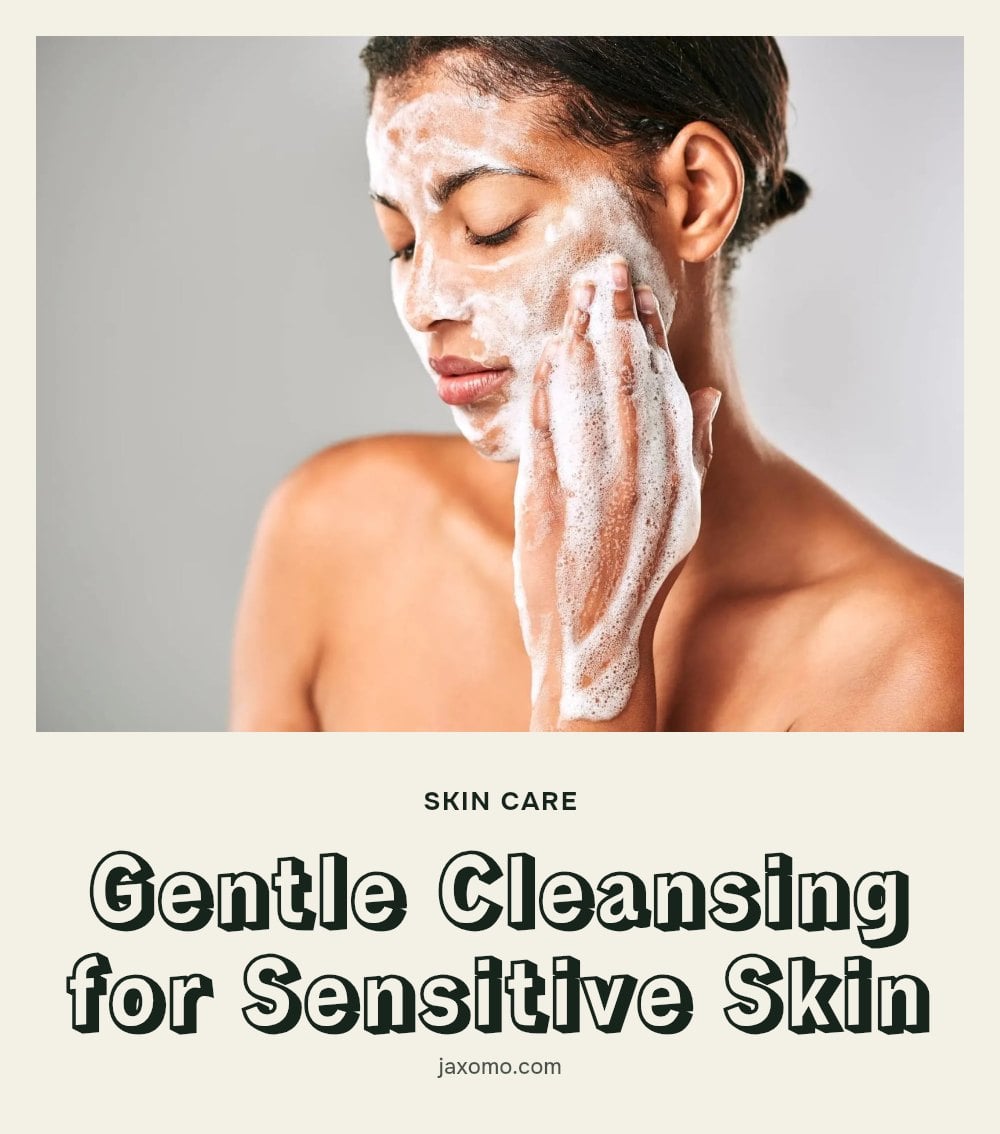
Use a mild, fragrance-free soap and lukewarm water to clean chafed areas. Harsh scrubbing can worsen irritation, so gently pat the skin dry with a soft towel or let it air dry completely. My tip: after a sweaty workout, jump in the shower right away to wash off sweat and prevent irritation from setting in.
2. Keep the Area Dry
Moisture is chafing’s best friend, so keeping the affected area completely dry is crucial. After showering or sweating, make sure your skin is dry before dressing or applying any products. Consider using a soft cloth or even a hairdryer on a cool setting to ensure thorough dryness in skin folds.
3. Apply a Protective Barrier
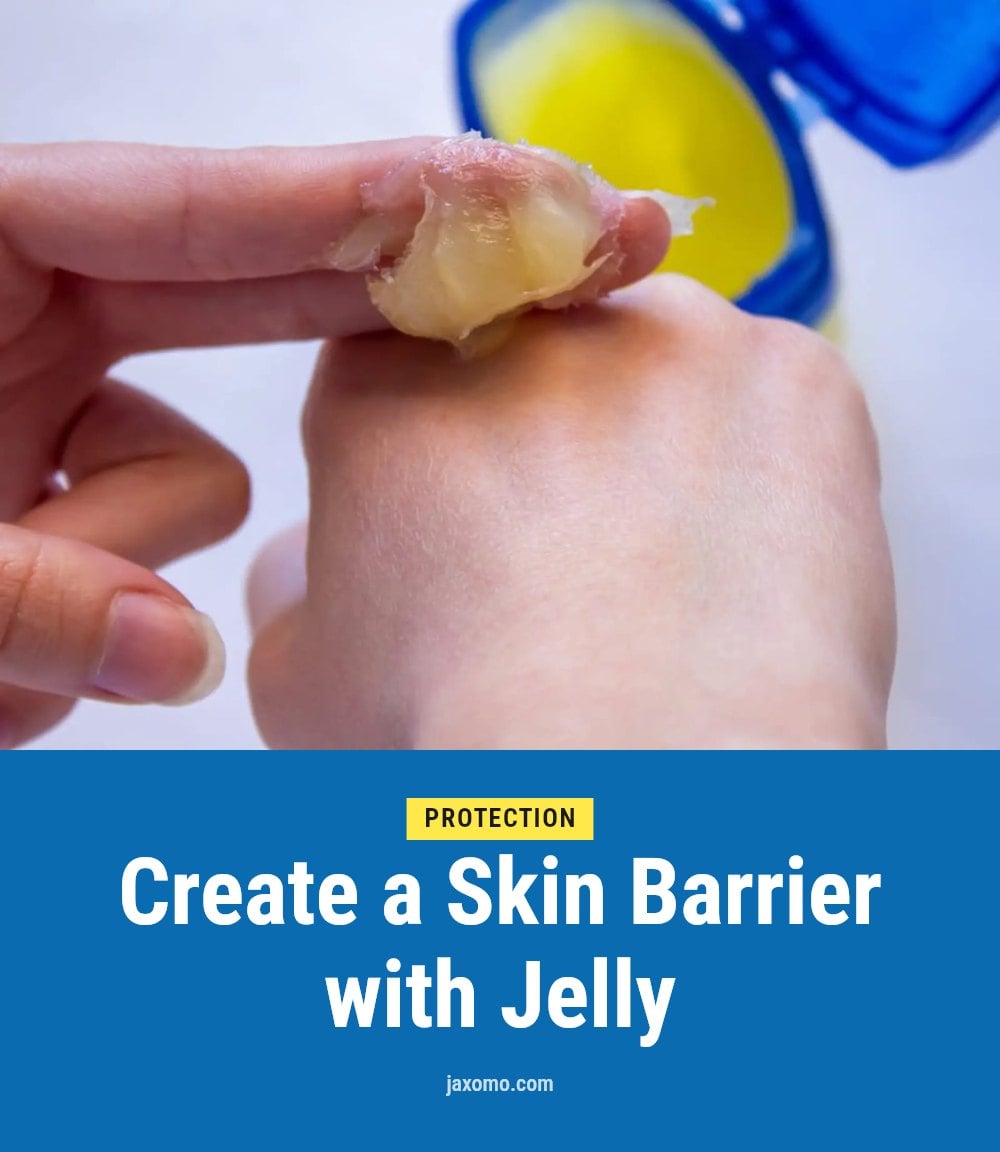
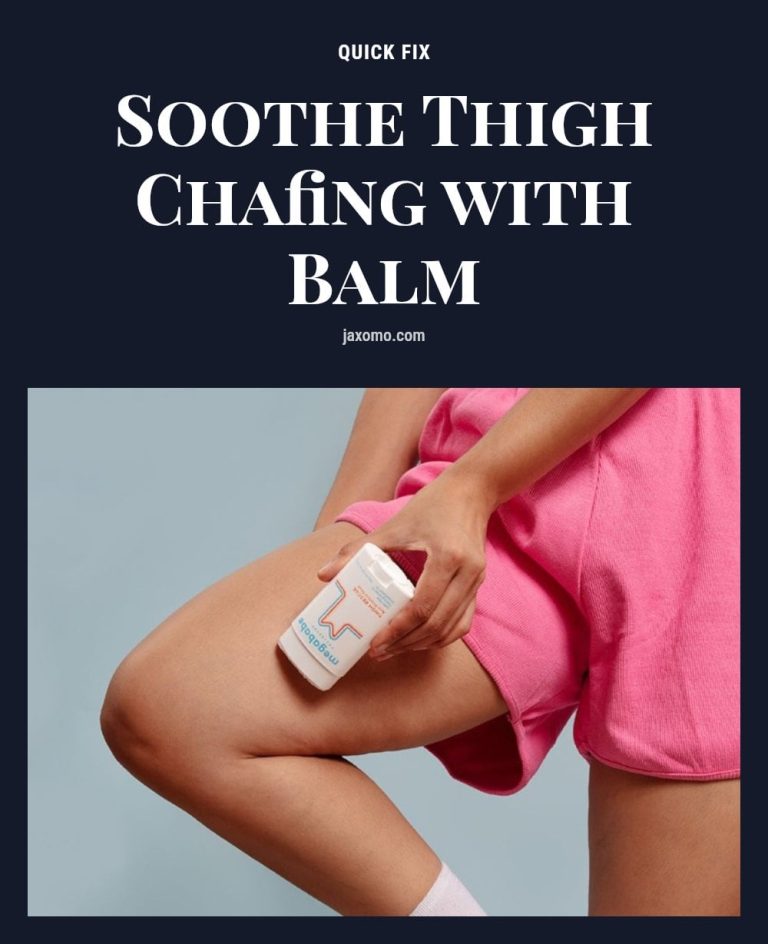
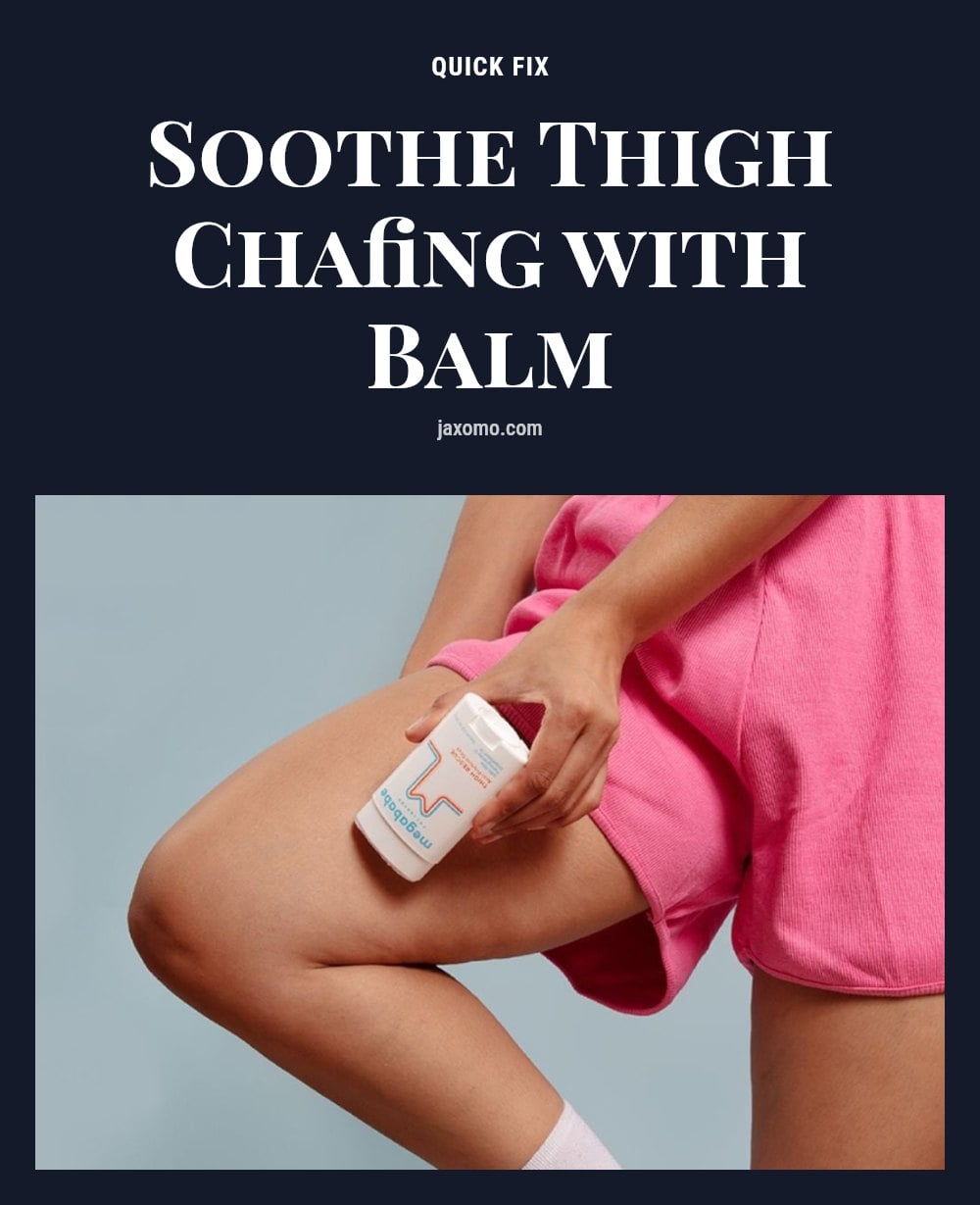
Petroleum jelly or specialized anti-chafing balms create a physical barrier on the skin, reducing friction. These products also help soothe already irritated skin and lock in moisture to support healing. My tip: A stick or balm formula is easier to apply precisely to inner thighs than a jar of petroleum jelly, and it stays put longer during activity.
4. Use Talc-Free Powders
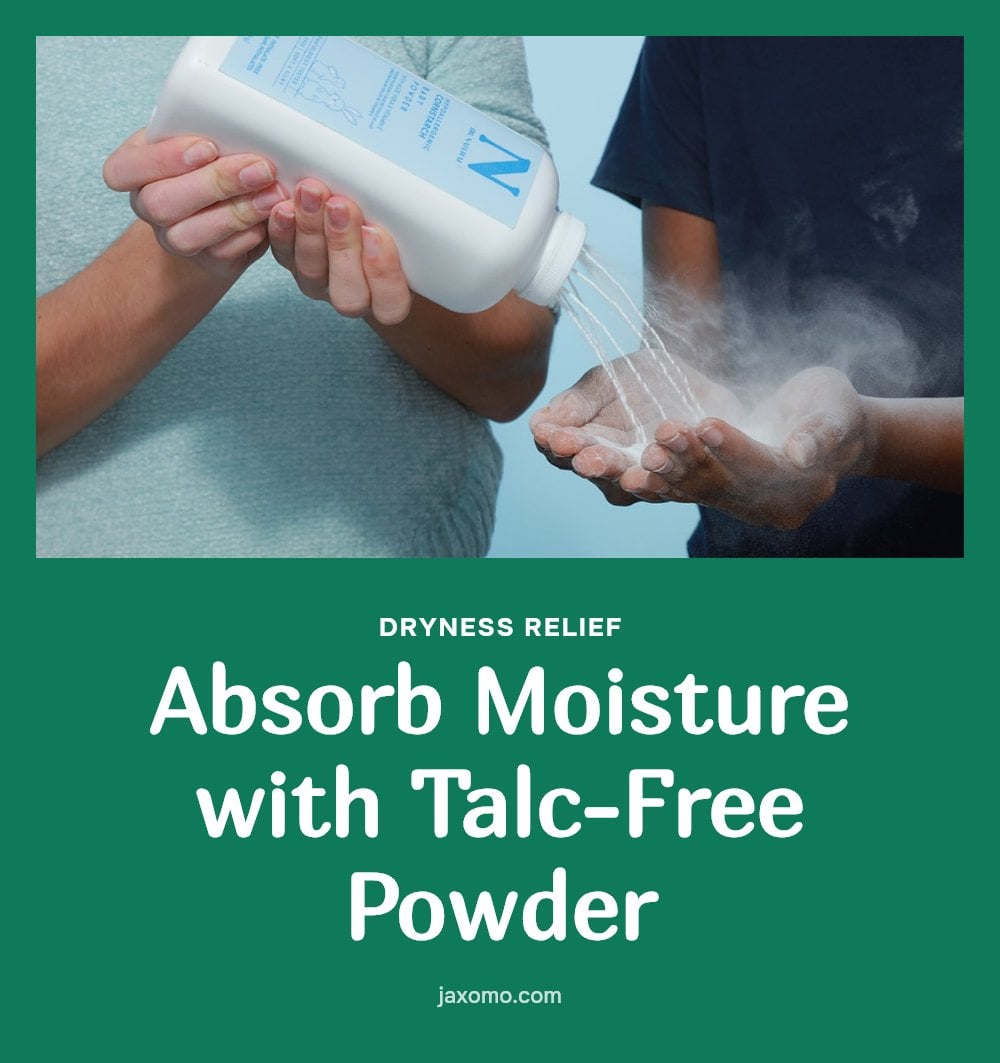
Talc-free powders, often made with cornstarch, absorb excess moisture and cut down on friction. Dust a light layer onto prone spots like your inner thighs before you get dressed, and you will stay smoother for longer.
Caution: Powders can be inhaled, so use them carefully around babies or anyone with respiratory issues. If you prefer to skip the powder entirely, a balm works just as well for keeping things dry.
5. Soothe with Aloe Vera
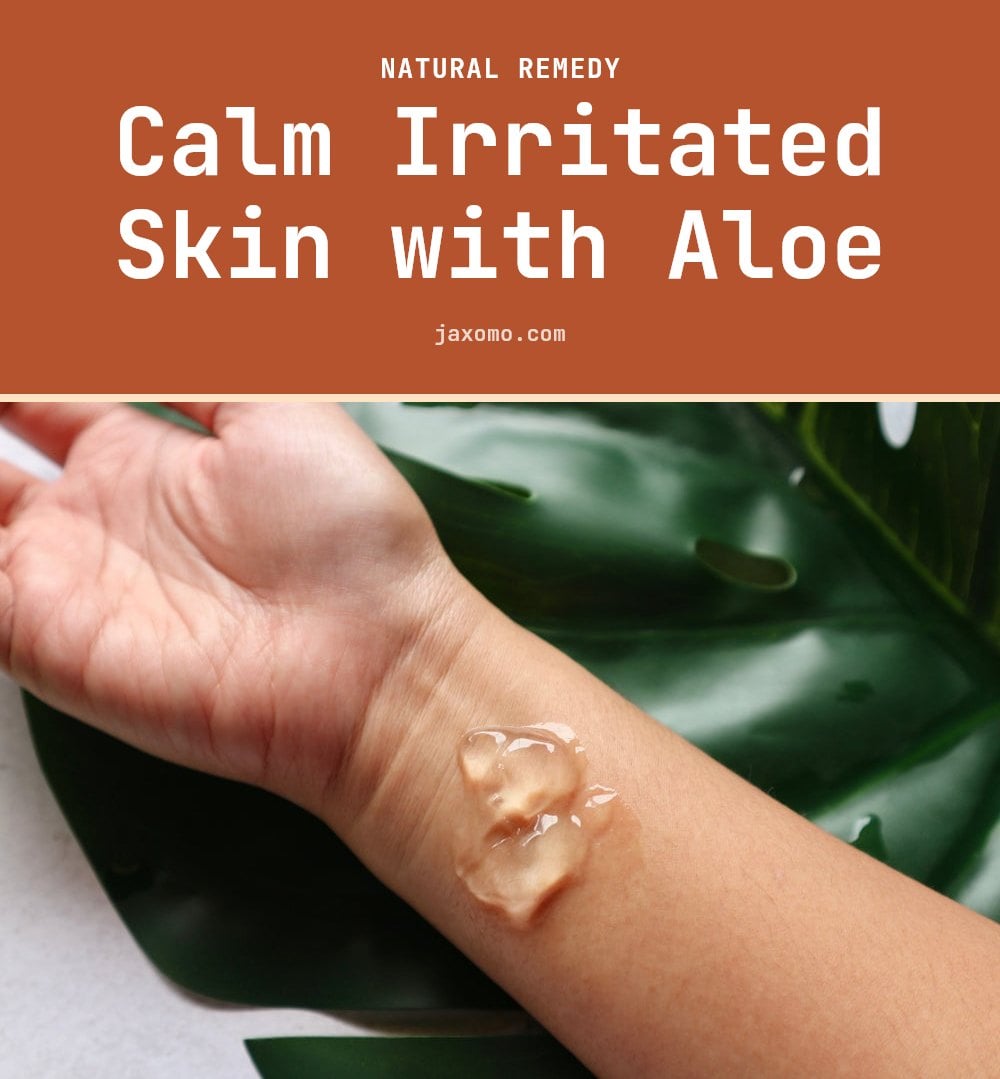
Aloe vera gel has natural anti-inflammatory properties that can calm the redness and stinging of mild chafing. Apply a thin layer directly to the irritated area and let it absorb before putting on clothing.
Check the label and choose a pure gel without added fragrances or alcohol, since those can sting already sensitive skin. Keep a bottle in your gym bag for quick relief after a workout.
6. Choose Moisture-Wicking Fabrics
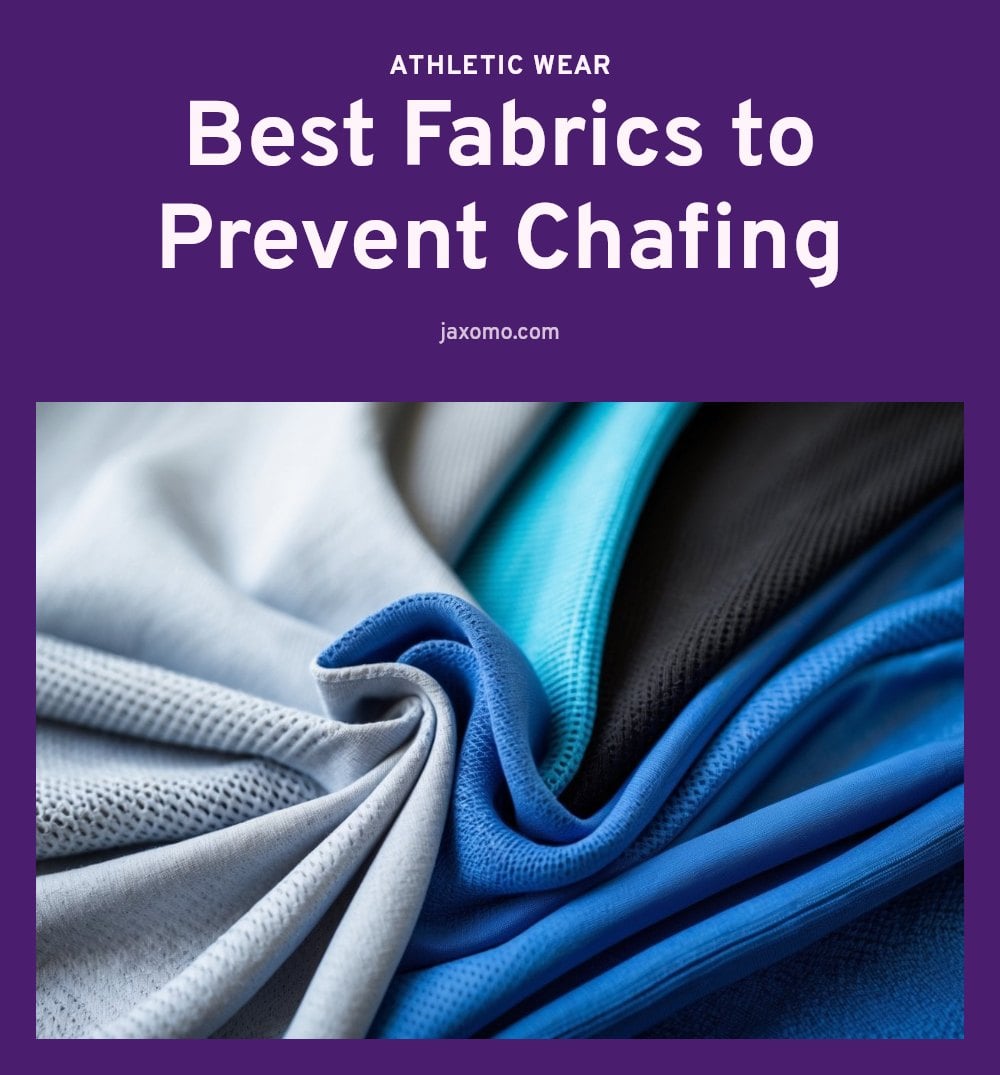
Swap cotton for synthetic, moisture-wicking fabrics like polyester or nylon when you exercise or spend time in hot weather. These materials pull sweat away from your skin, keeping you dry and reducing the friction that causes chafing.
Cotton holds moisture against your body, which makes irritation worse. Look for activewear labeled as moisture-wicking, and skip the basic cotton tee for your next run.
7. Wear Loose-Fitting Clothing
Loose-fitting clothing reduces the direct rubbing of fabric against skin, especially in areas like the inner thighs. If you wear skirts or dresses, try anti-chafing shorts or bike shorts underneath for an extra layer of protection.
Check the seams on your clothes, flat seams are less likely to dig into sensitive spots. Choose pieces that move with you rather than bunching up or riding up during activity.
8. Stay Hydrated and Cool
Staying hydrated supports your overall health, but it also helps regulate your body temperature so you sweat less. When you’re well-hydrated, your body can cool itself more efficiently, which means less moisture on your skin for chafing to feed on. Take breaks during intense activities to let your skin cool down and dry out naturally.
My tip: On hot days, I always carry a small towel to gently blot away sweat before it becomes a problem. Patting, not wiping, keeps the moisture off without rubbing the skin raw.
9. Consider Hydrocortisone Cream
For mild inflammation and redness, a low-dose over-the-counter hydrocortisone cream can provide relief. Apply a thin layer to the affected area for a few days to calm the irritation and reduce the stinging sensation.
Caution: Do not use hydrocortisone long-term without consulting a doctor. If the irritation persists or worsens, stop use and seek professional medical advice. This cream treats symptoms, not the underlying friction, so pair it with protective measures.
10. Address Weight and Body Shape
People with larger muscle mass or who are overweight may experience more chafing because of increased skin-on-skin contact. The extra surface area means more friction, especially in areas like the inner thighs and under the arms.
While weight management can reduce chafing over the long term, it’s not a quick fix. In the meantime, focus on protective measures like anti-chafing shorts, barrier balms, and moisture-wicking fabrics to keep the skin comfortable during activity.
11. Prevent Future Chafing
The best remedy is prevention. Make anti-chafing measures a regular part of your routine if you’re prone to it. Always apply balms or powders before activities that typically cause chafing, like running, hiking, or wearing skirts.
Invest in good quality moisture-wicking activewear and seamless underwear to minimize friction from the start. A little preparation goes a long way in keeping your skin smooth and irritation-free.
When to See a Doctor for Chafing
If chafing leads to open sores, bleeding, pus, or signs of infection such as increased redness, warmth, swelling, or fever, consult a doctor right away. When the irritation doesn’t improve with home remedies within a few days, or if it becomes severely painful, it’s time to seek medical advice. Diabetics or individuals with compromised immune systems should contact a healthcare professional for any skin breakdown to prevent complications.
Frequently Asked Questions
How long does it take for chafing to heal?
Mild chafing typically improves within a few days if you keep the area clean, dry, and protected. Severe cases, especially those with blistering or cracked skin, may take longer and might need a doctor’s attention. If you don’t see improvement after a few days of home care, it’s wise to seek medical advice.
Can tight clothing cause chafing?
Yes, tight clothing can definitely cause chafing. When fabric is snug, it rubs against your skin with every movement, and rough seams can make it worse. Opt for loose-fitting, moisture-wicking clothes, especially during exercise or in hot weather, to reduce friction and let your skin breathe.
Is chafing a sign of poor hygiene?
No, chafing isn’t a sign of poor hygiene. It’s a physical reaction to friction and moisture, which can happen to anyone, no matter how clean you are. However, keeping the area clean and dry is key to treating and preventing it, especially after sweating.
Can I use regular lotion for chafing?
Regular body lotion isn’t the best choice for chafing prevention or treatment. It’s often too thin and gets absorbed quickly, leaving your skin unprotected. Instead, use a thicker barrier like petroleum jelly or a specialized anti-chafing balm, which stays on the skin longer and reduces friction more effectively.
What’s the difference between chafing and a rash?
Chafing is caused by physical friction, leading to redness, stinging, and sometimes blistering. A rash, on the other hand, can stem from many things like allergies, heat, or infections, and often looks different, with bumps, itching, or spreading patches. If you’re unsure what you have, or if it doesn’t improve with basic care, see a doctor for a proper diagnosis.
Final Thoughts
For most of us, chafing is a temporary annoyance that clears up with a little TLC. My tip: make a habit of applying a barrier balm to your prone spots before any activity that might cause friction, and you’ll likely skip the pain altogether. If you do get chafed, clean it gently, keep it dry, and soothe it with aloe or a protective ointment. Expect mild chafing to improve within a few days, but if it lingers or looks infected, don’t hesitate to call your doctor. Your skin will thank you.
This article is for general information only and is not a substitute for professional medical advice. If you have persistent, severe, or infected chafing, or if you have a condition like diabetes or a weakened immune system, consult a doctor or dermatologist before trying home remedies.